Palate Cleanser

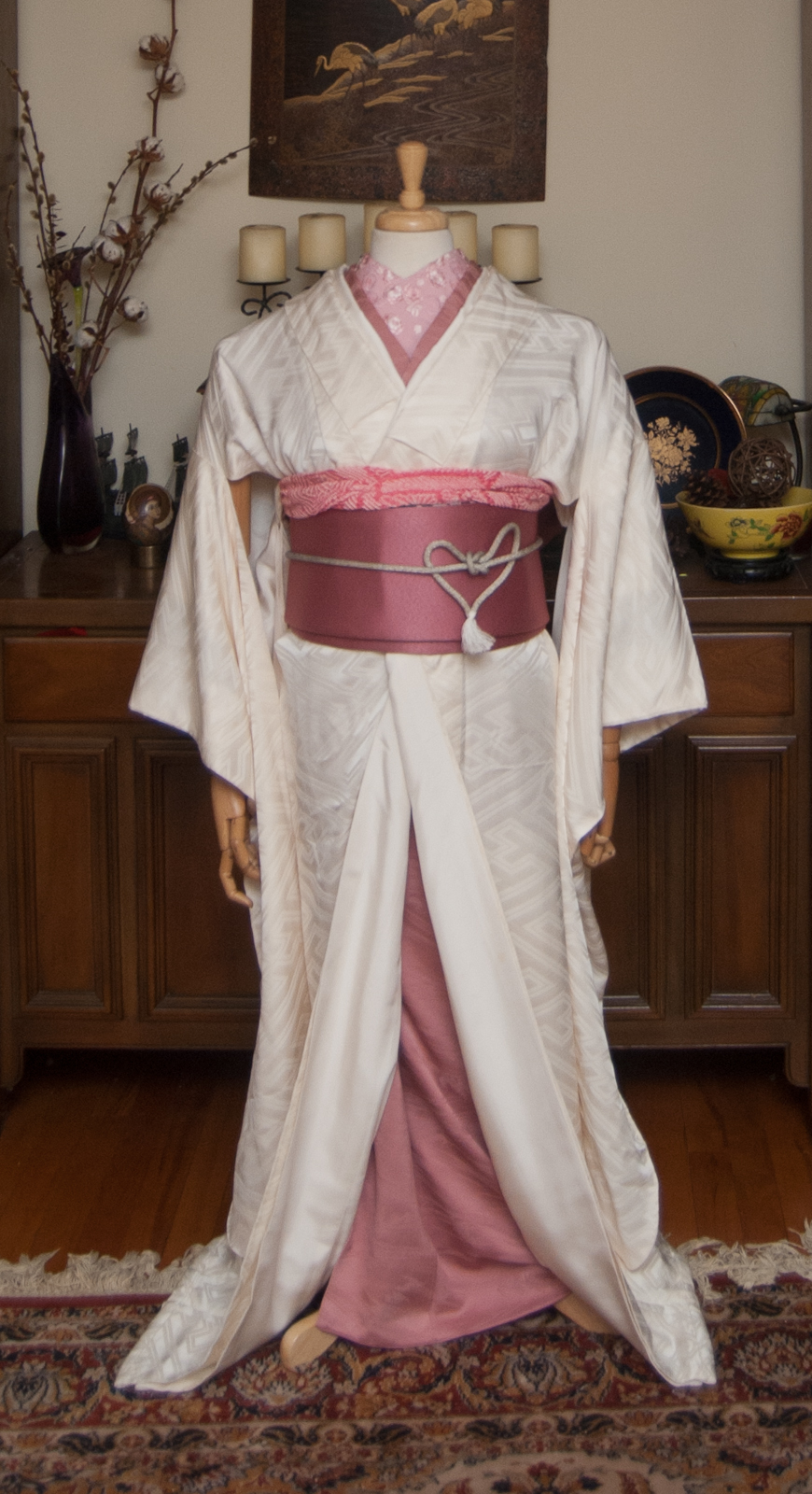
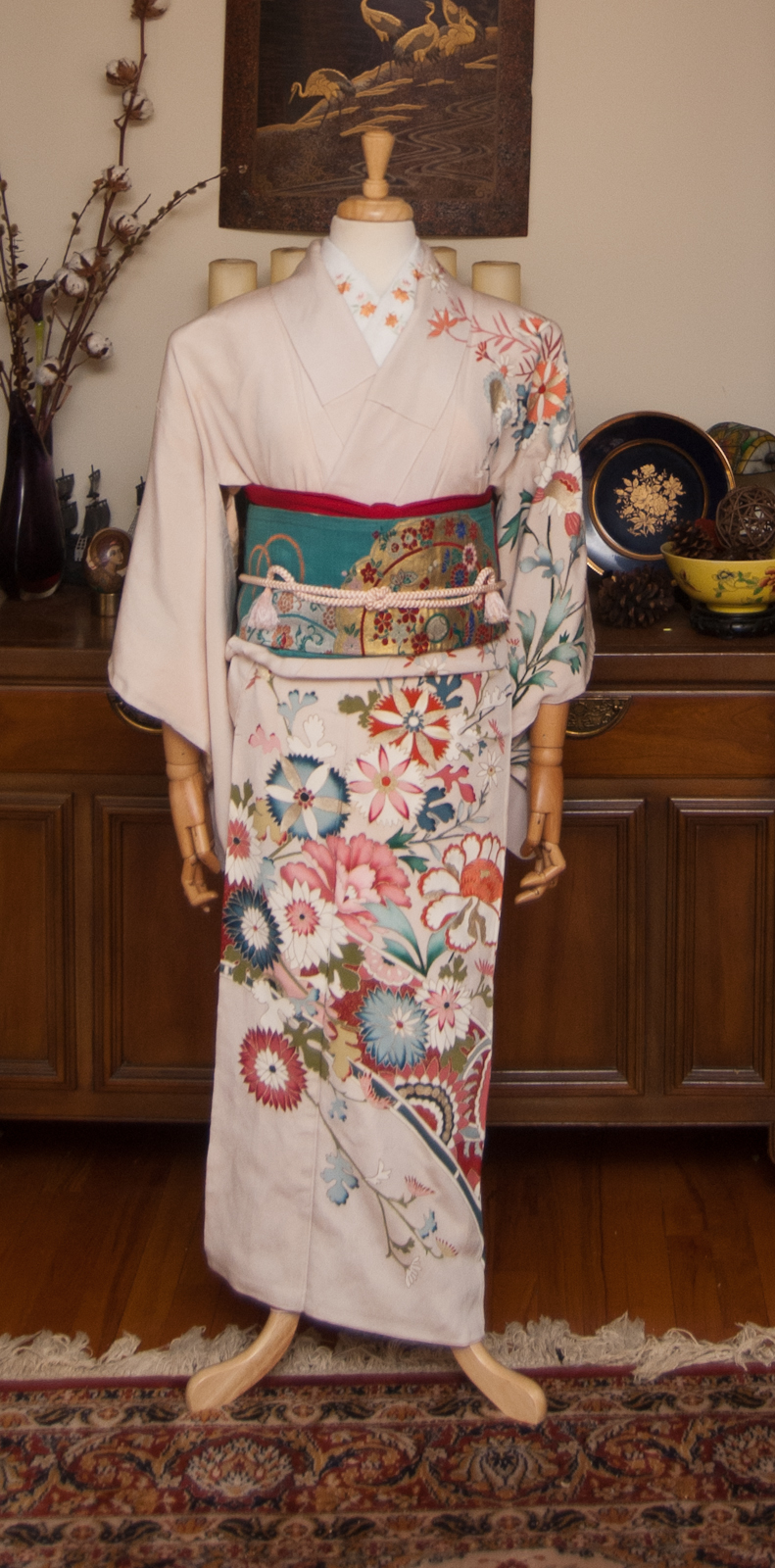
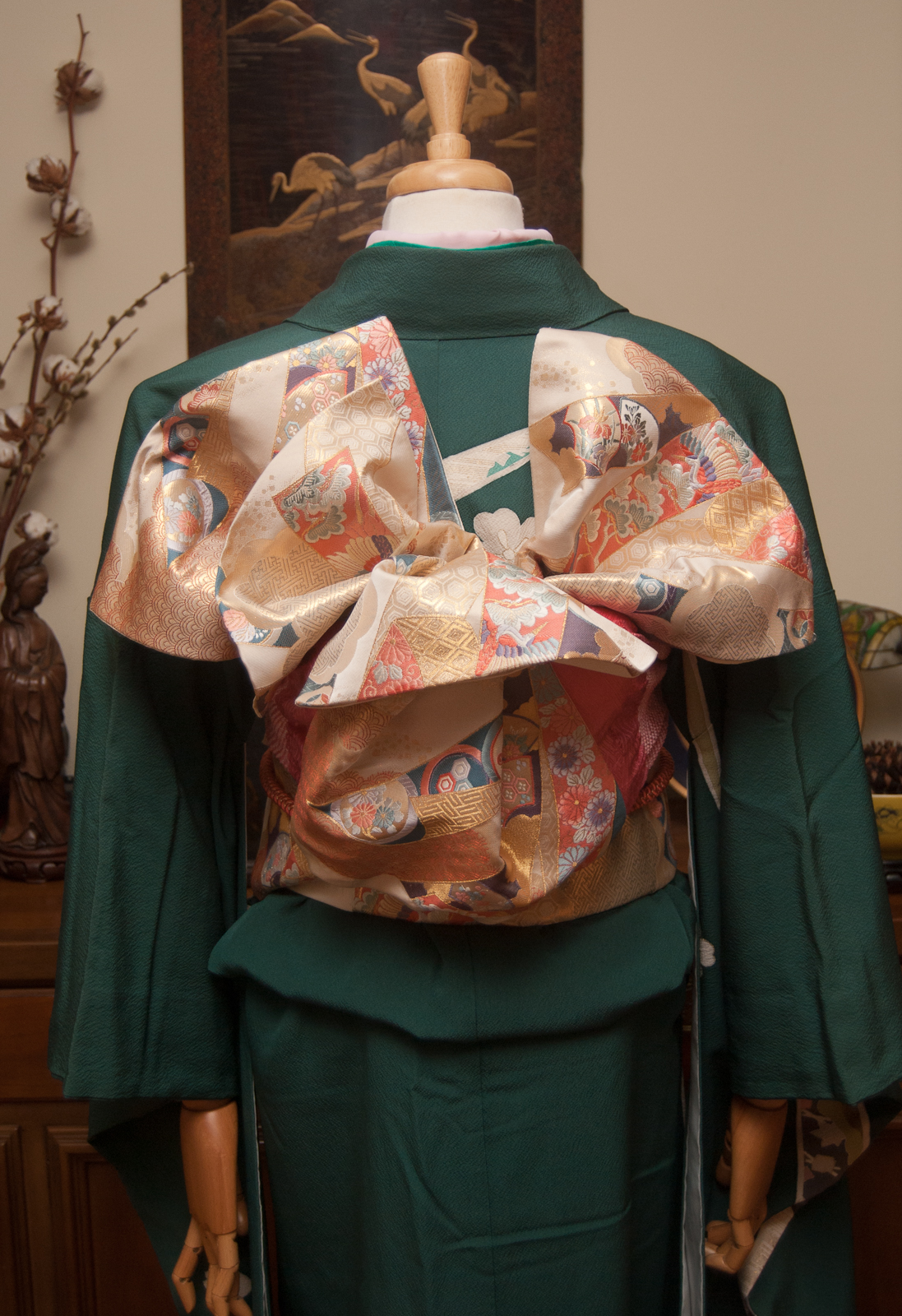
Lately, all the outfits I’ve put together have been high-concept in one way or another, be it stage hiki styling, non-traditional accents, or bugging other people for ideas. I was really in the mood for a simple, classic, and familiar palate cleanser of an outfit. I’ve also been watching the j-drama Watashitachi wa Dōka Shiteiru rather obsessively (review coming soon!) and was feeling inspired by the classic, traditional, and subtly elegant komon kitsuke often displayed in that show.

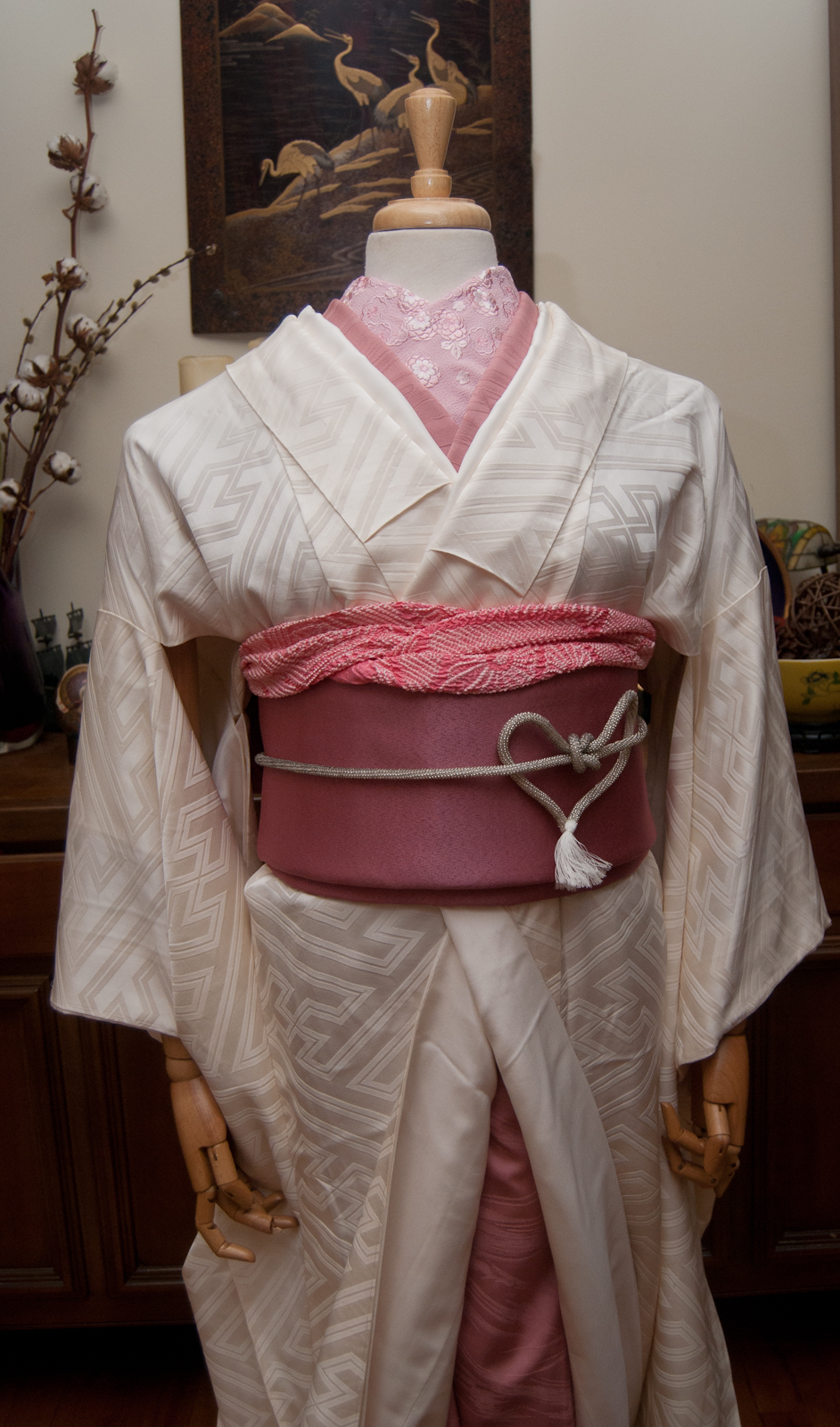
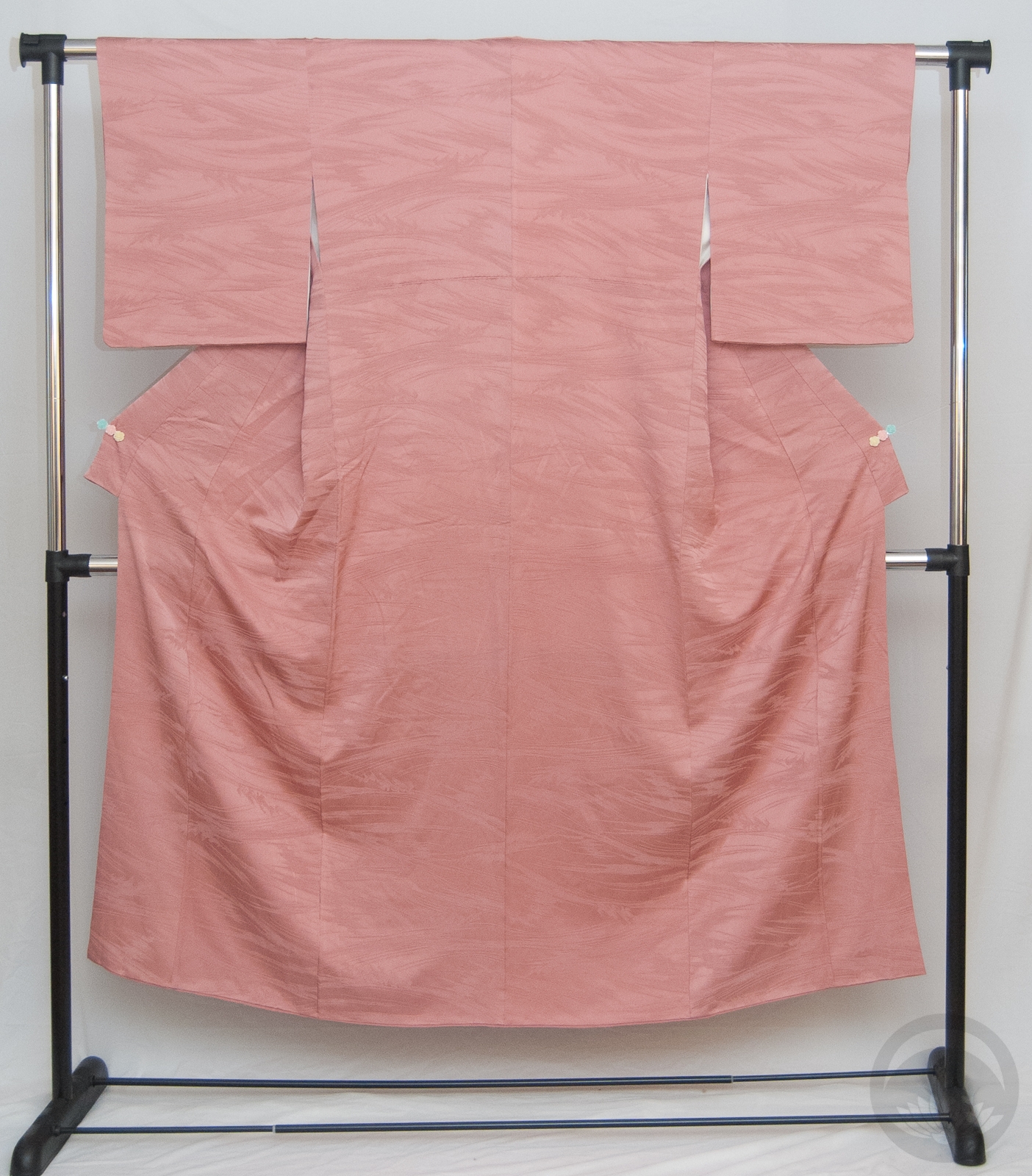
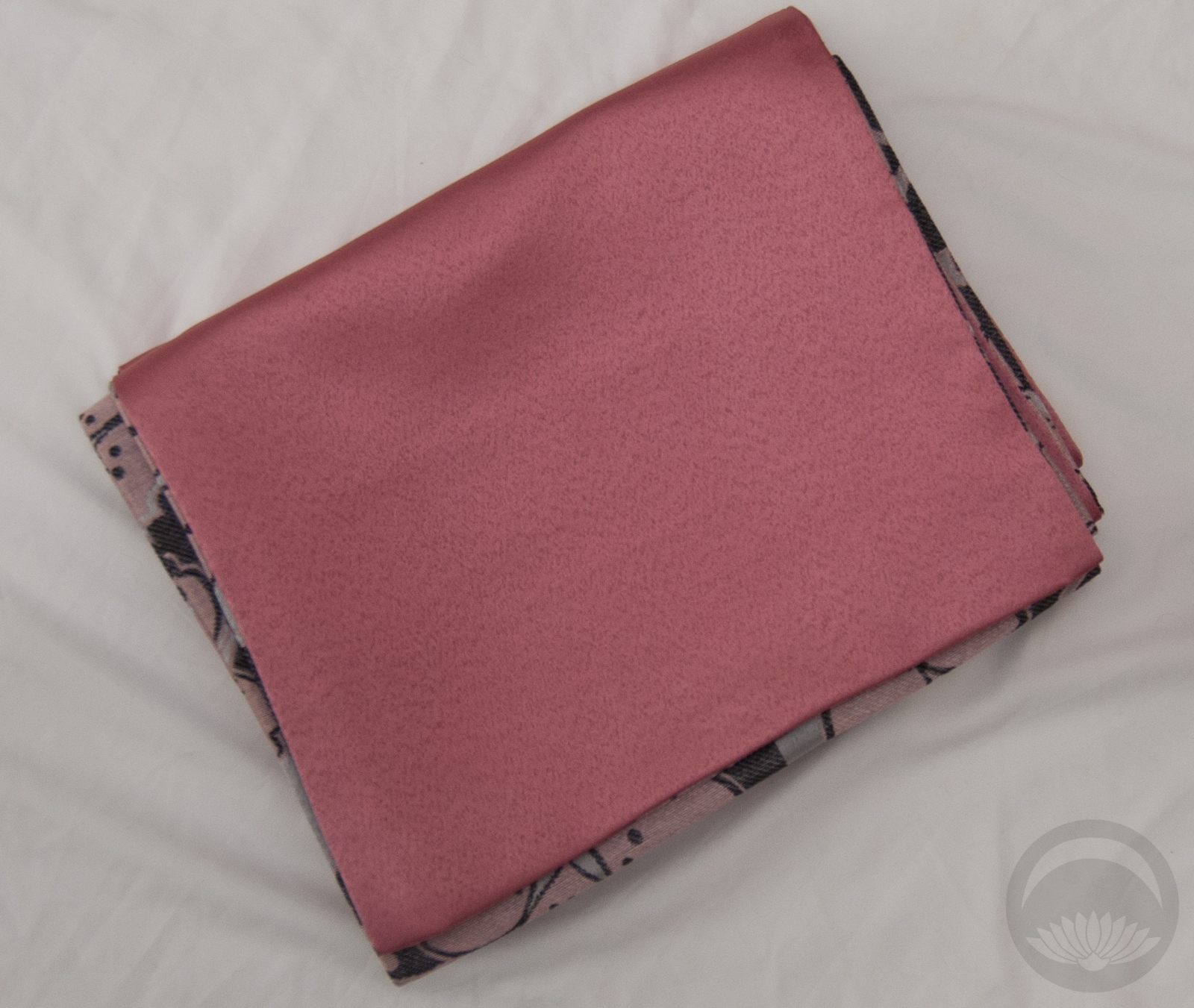
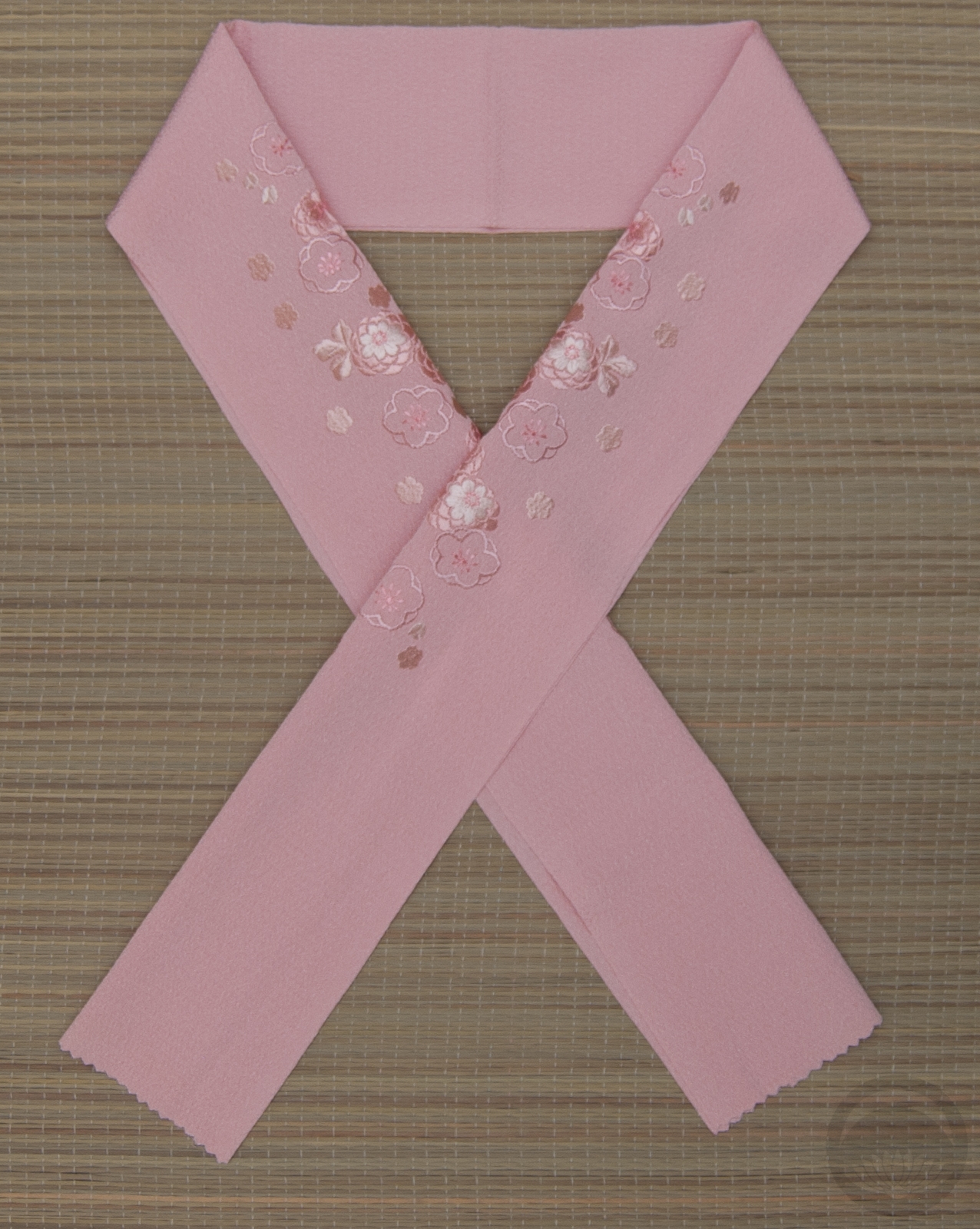
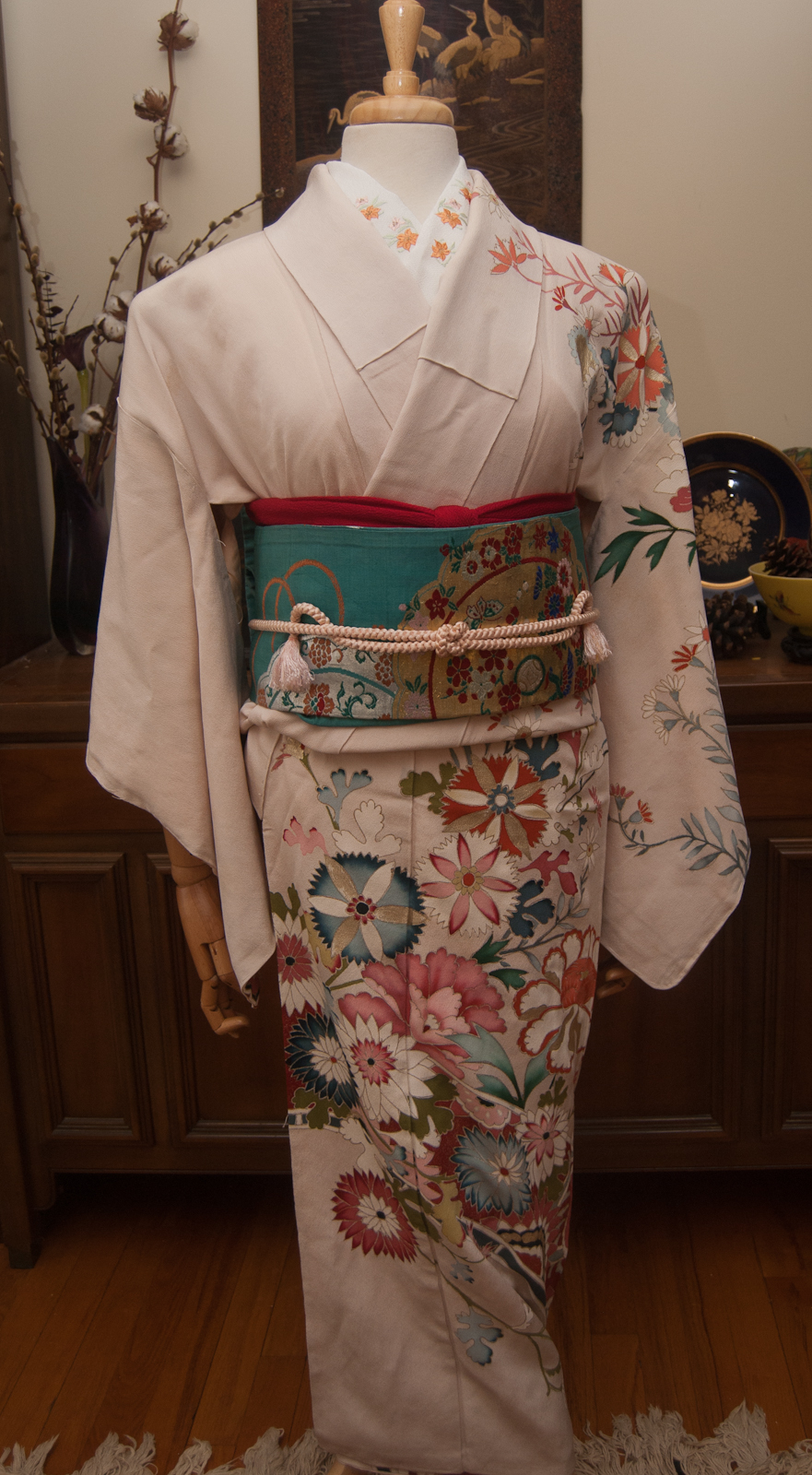
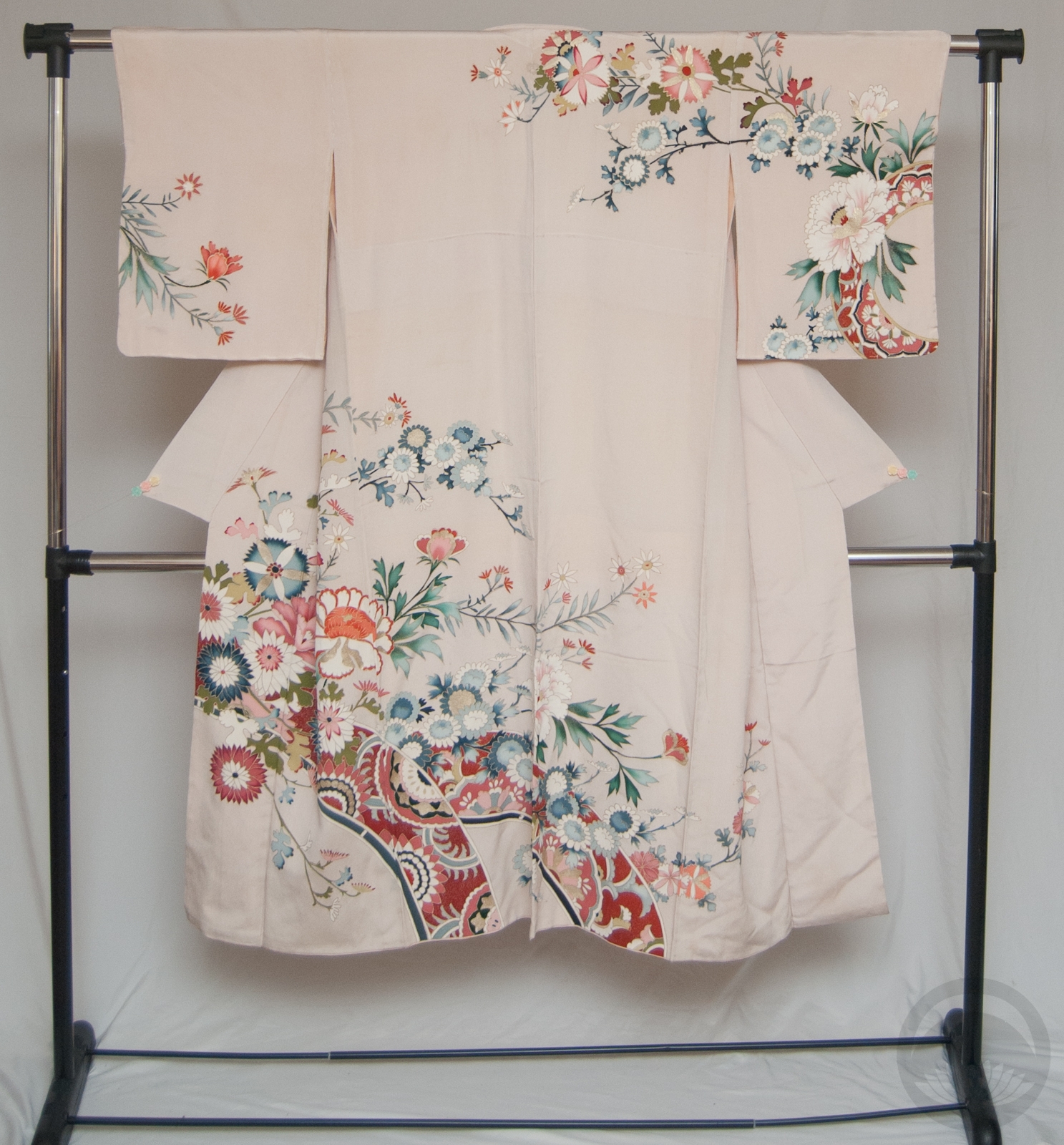
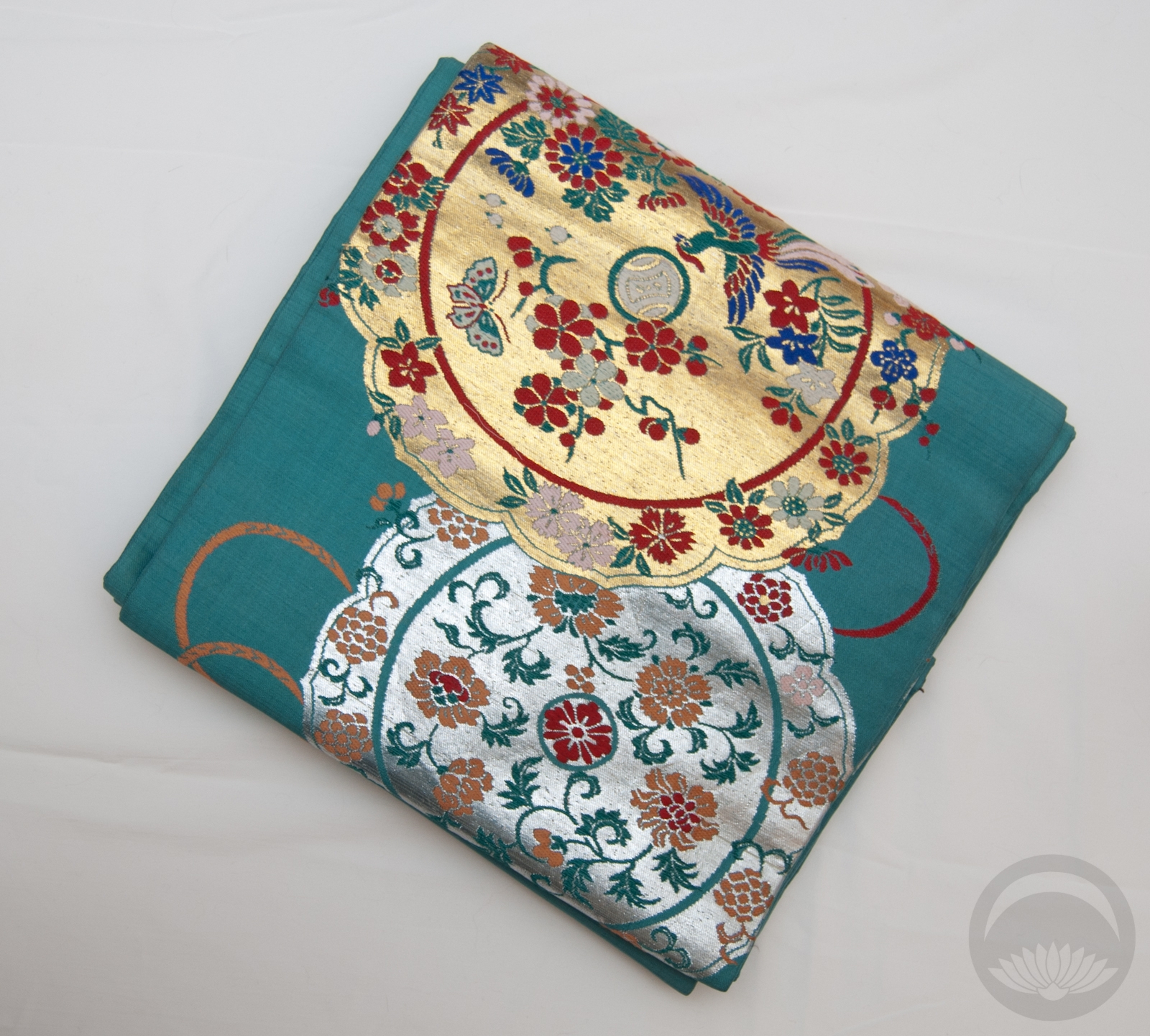
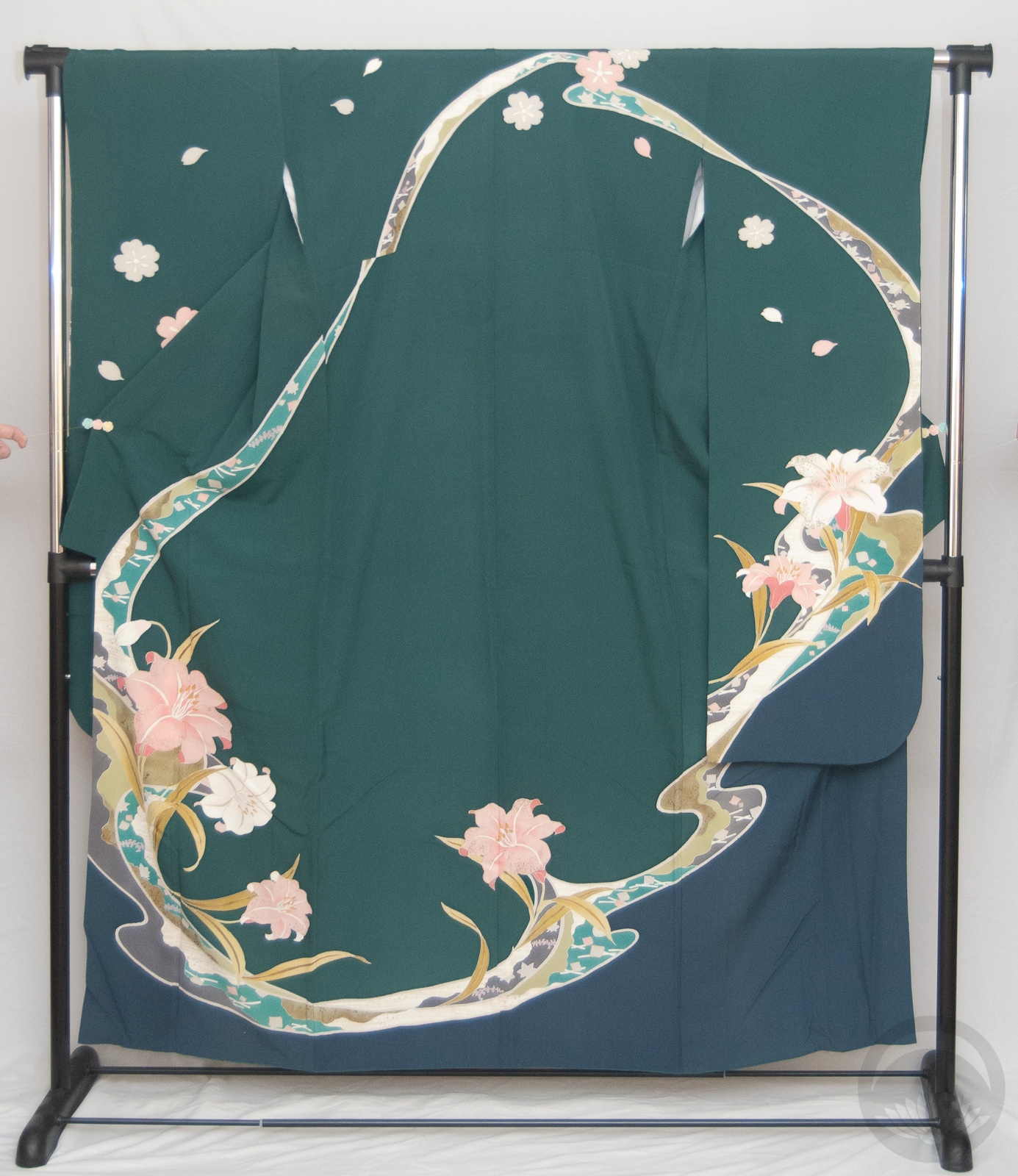
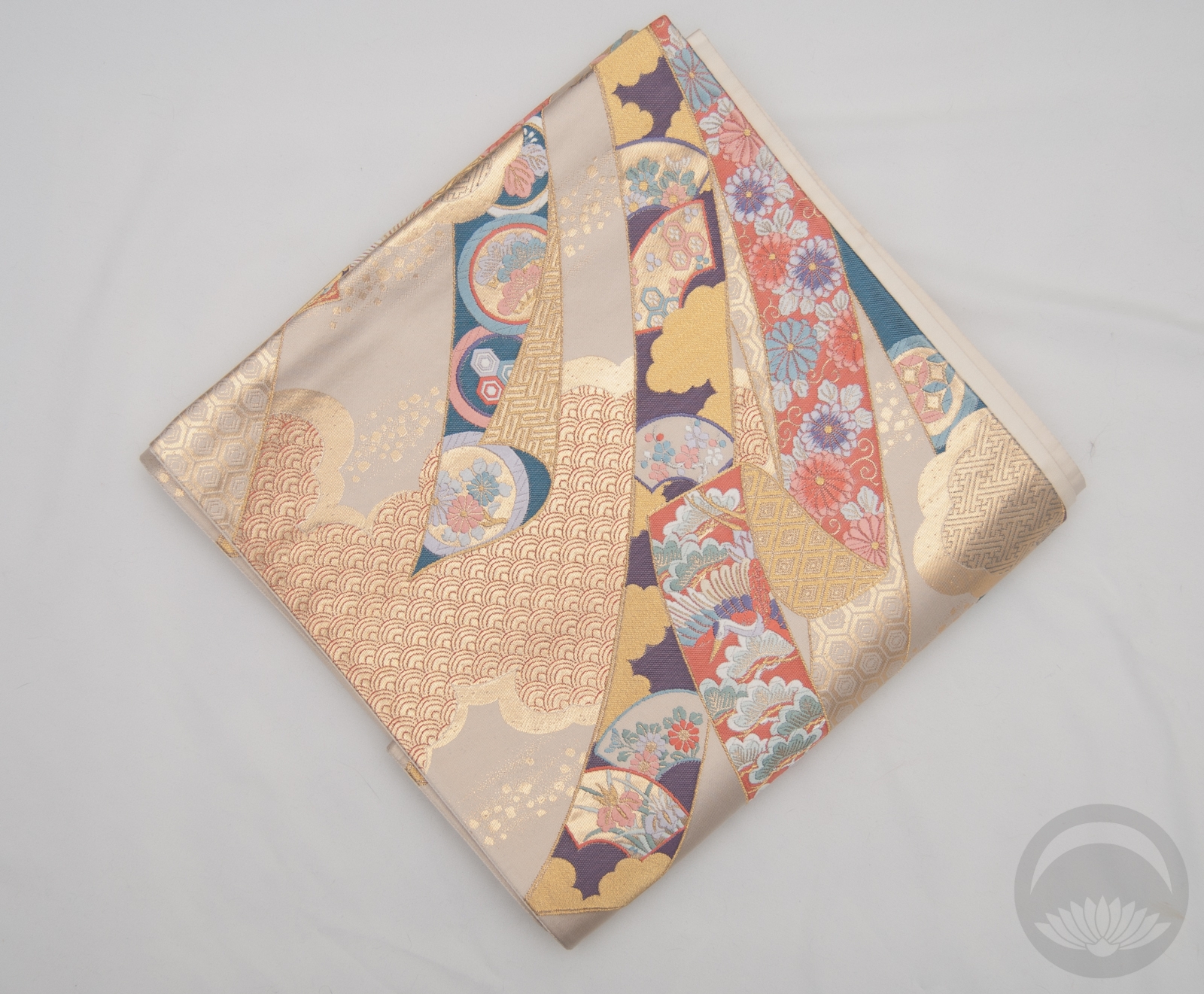
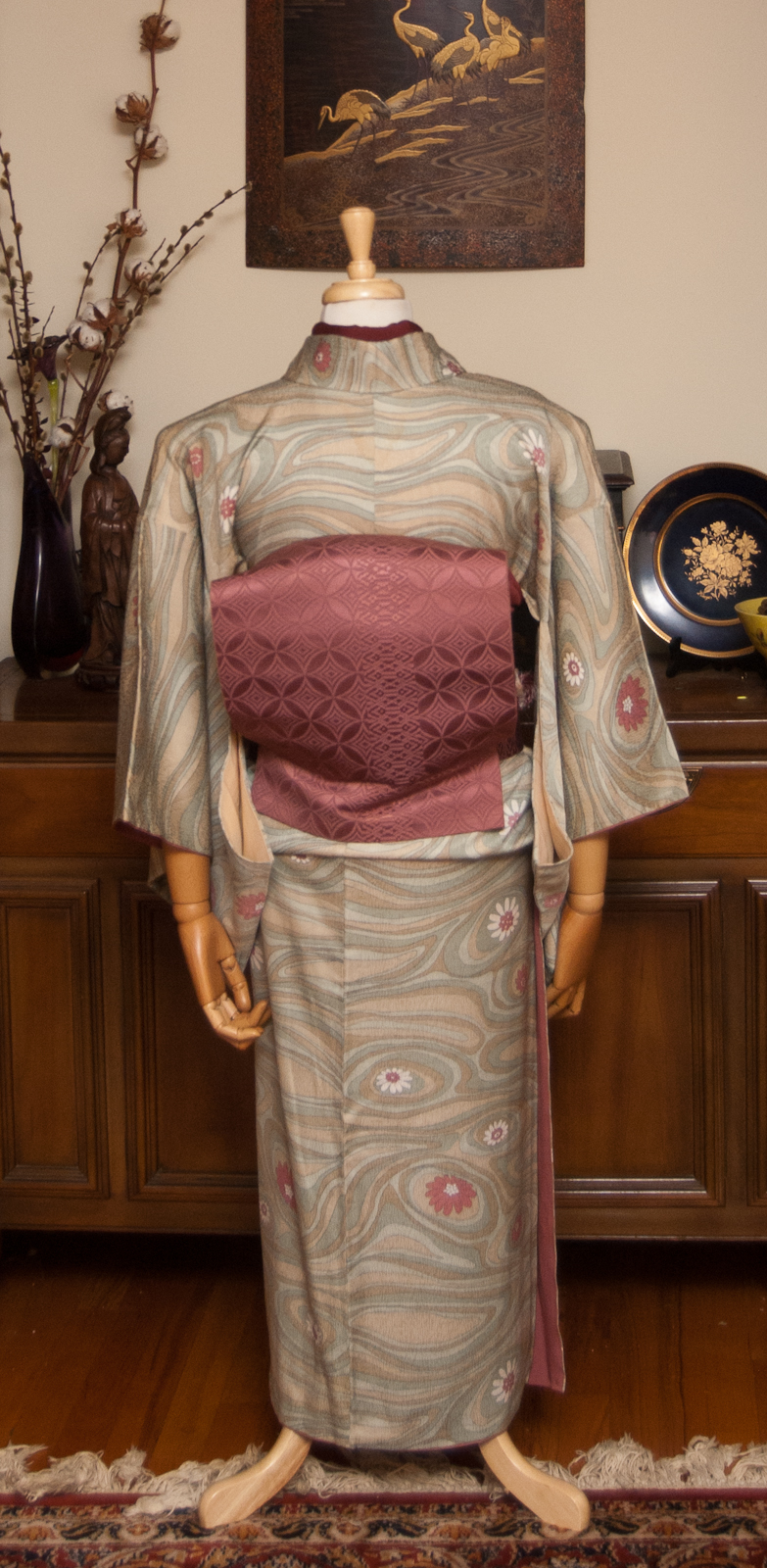
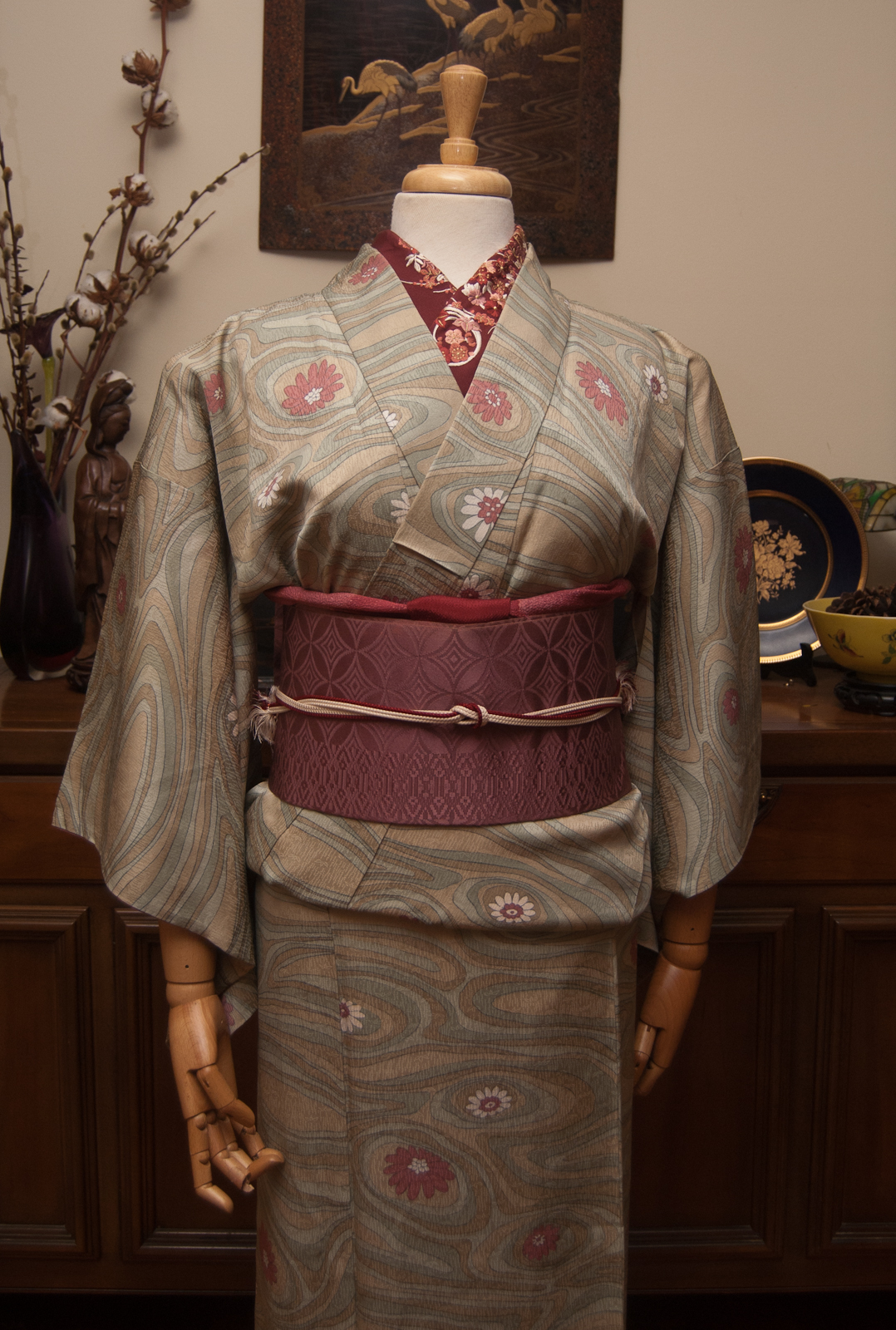
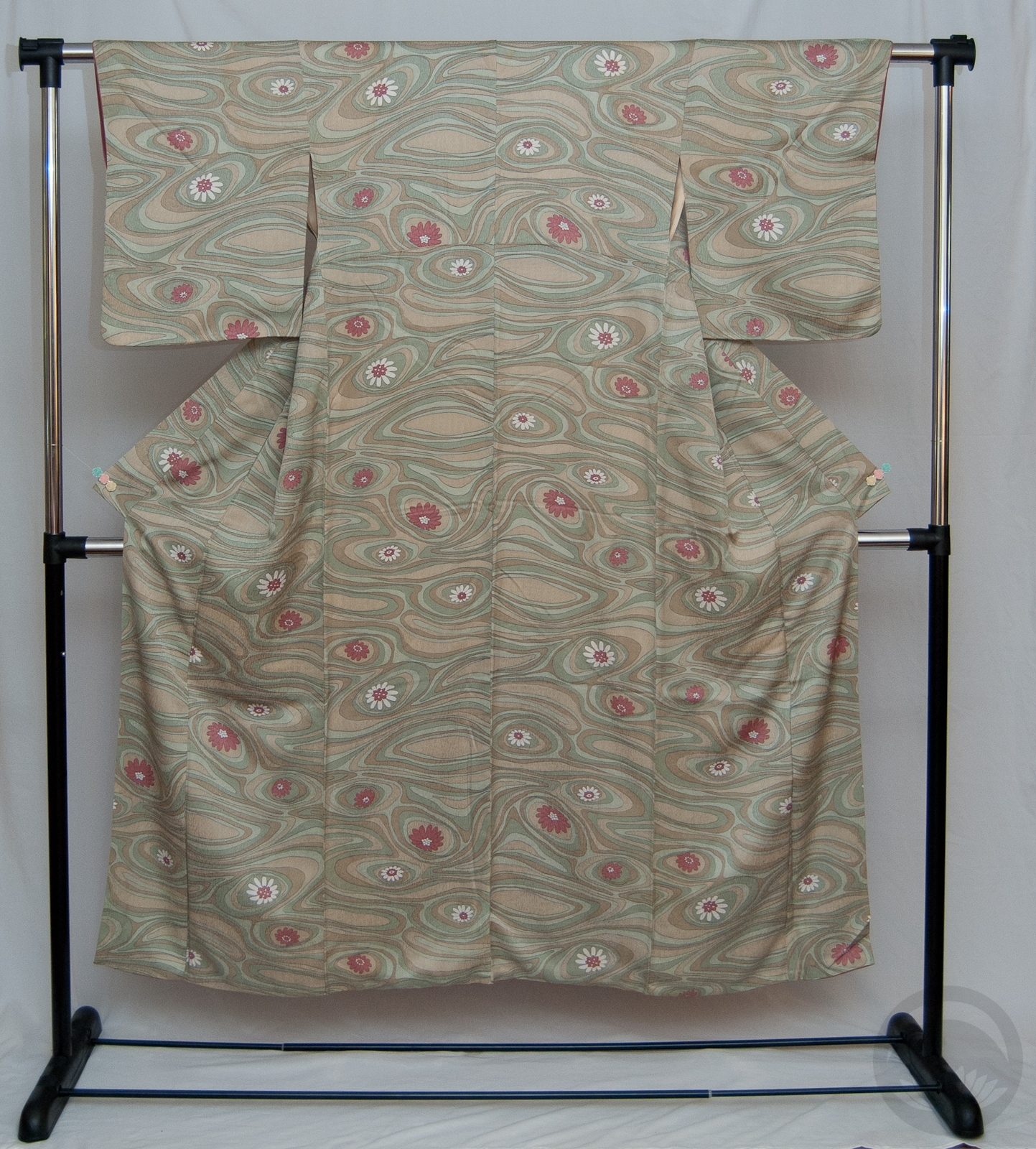
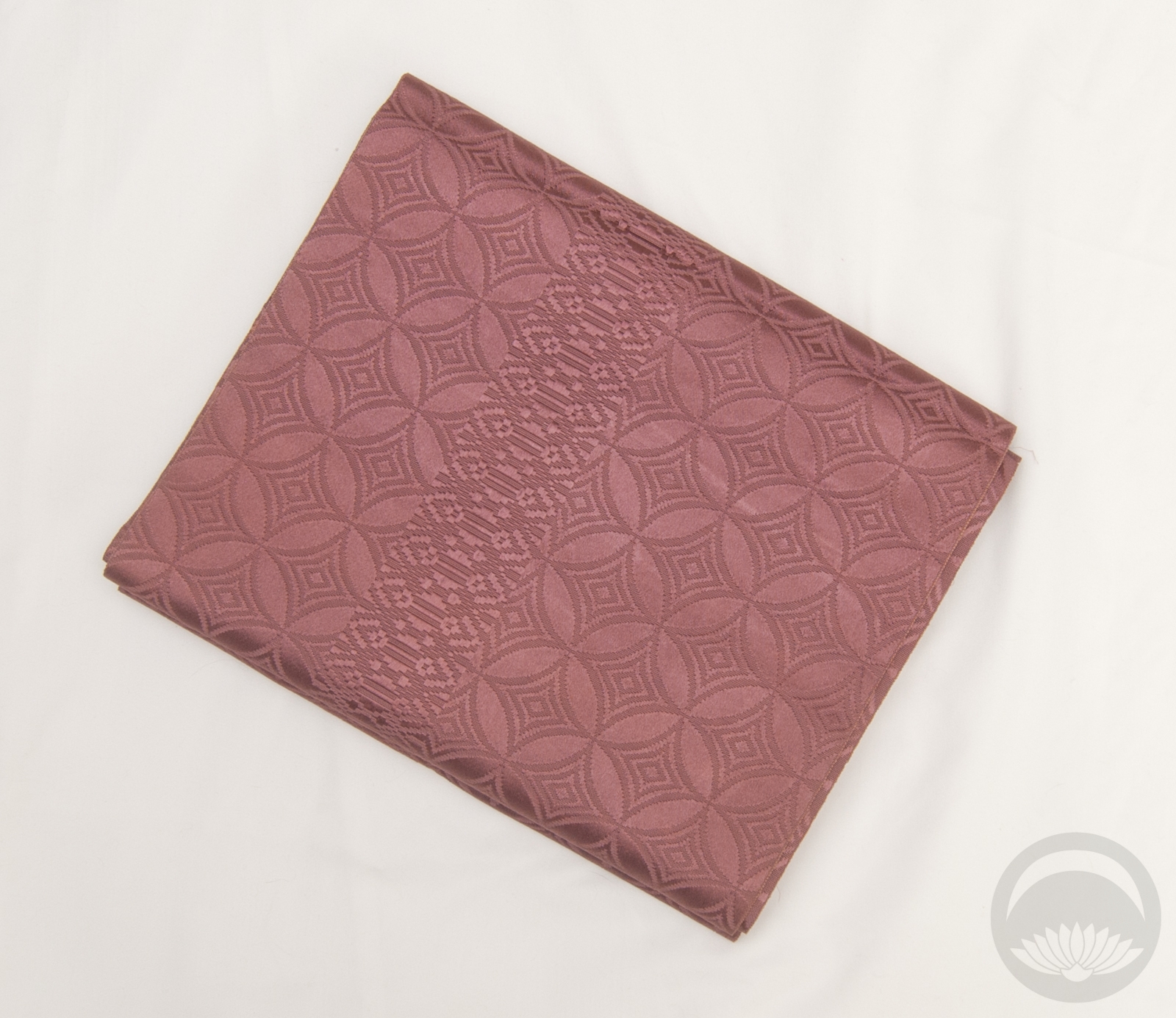
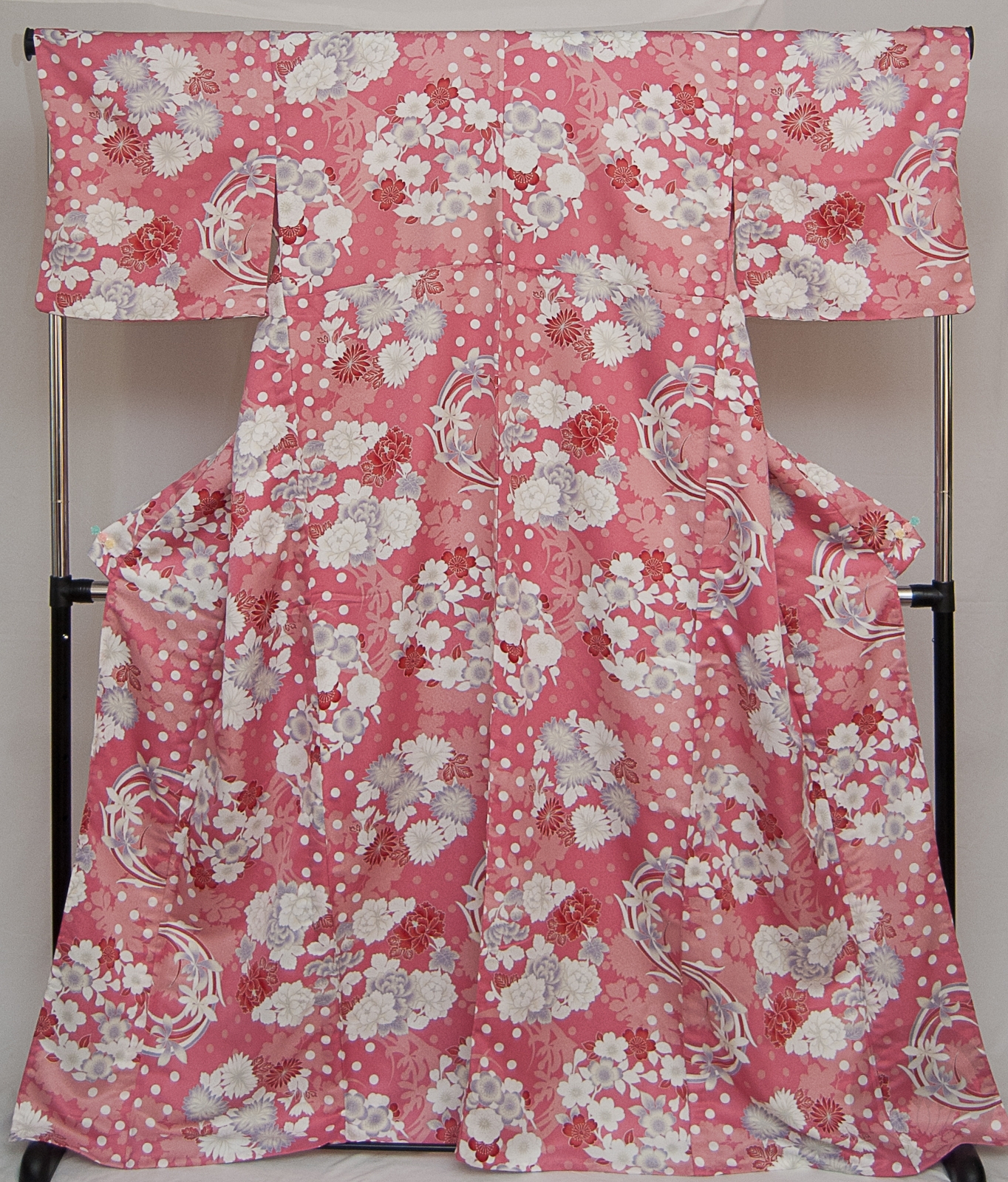
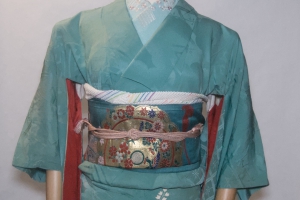
A while back I’d noticed that the dusty pink of this hakata weave nagoya obi perfectly  matched the flowers on this komon; I had been meaning to work with them for a while but kept putting it off in favour of “more interesting” pairings. But with my urge to do something clean and elegant, this was the perfect time.

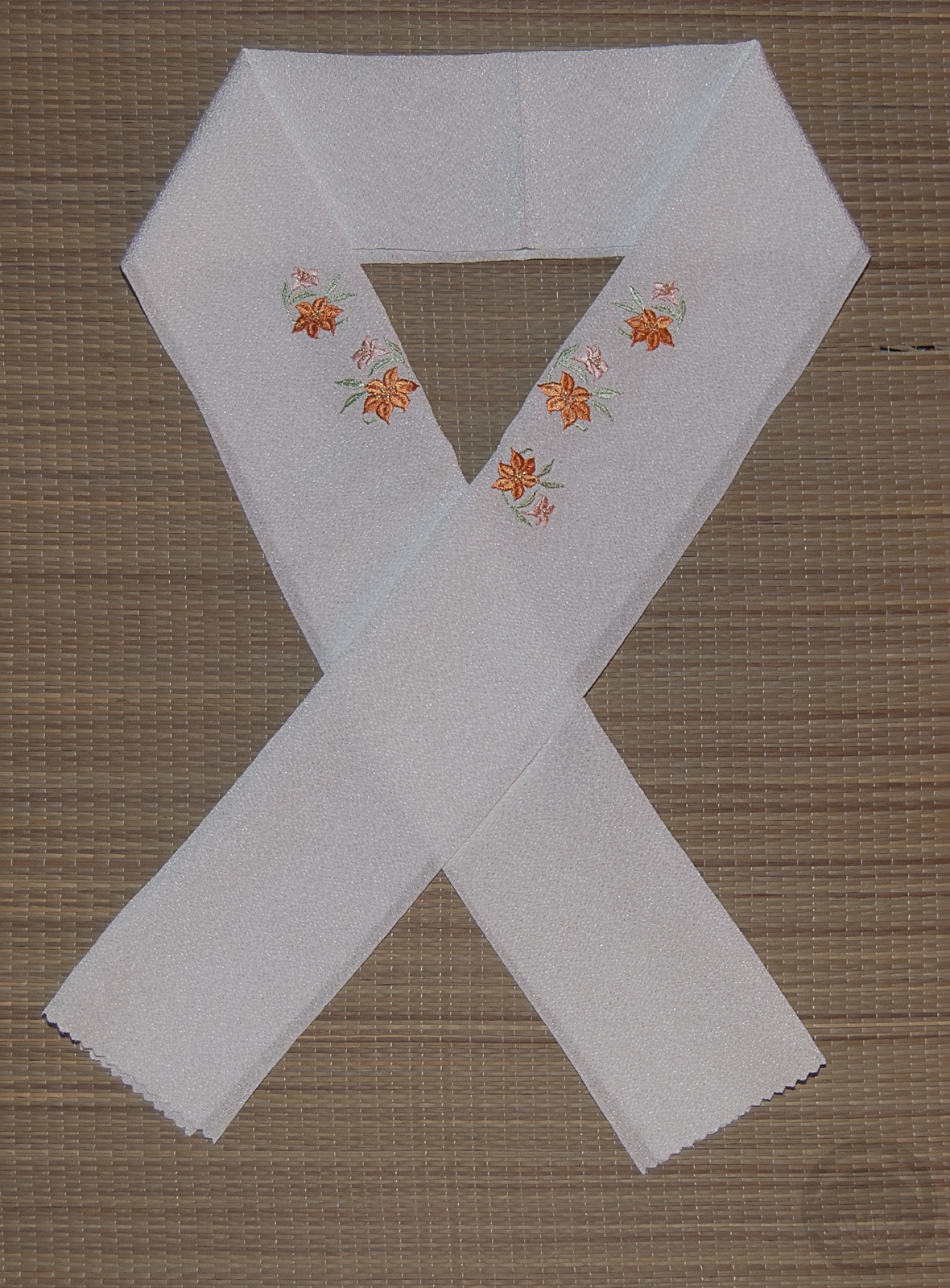
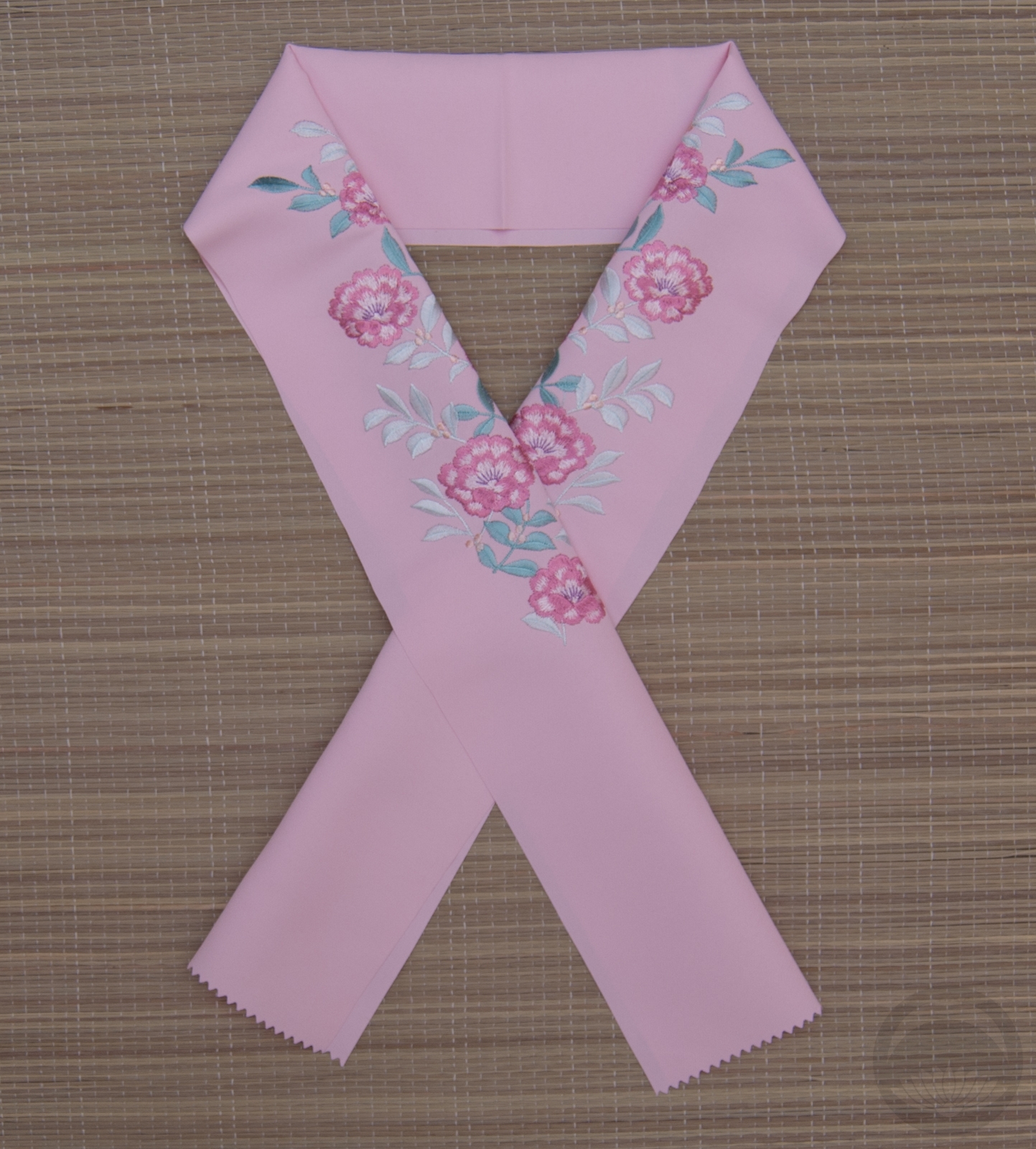
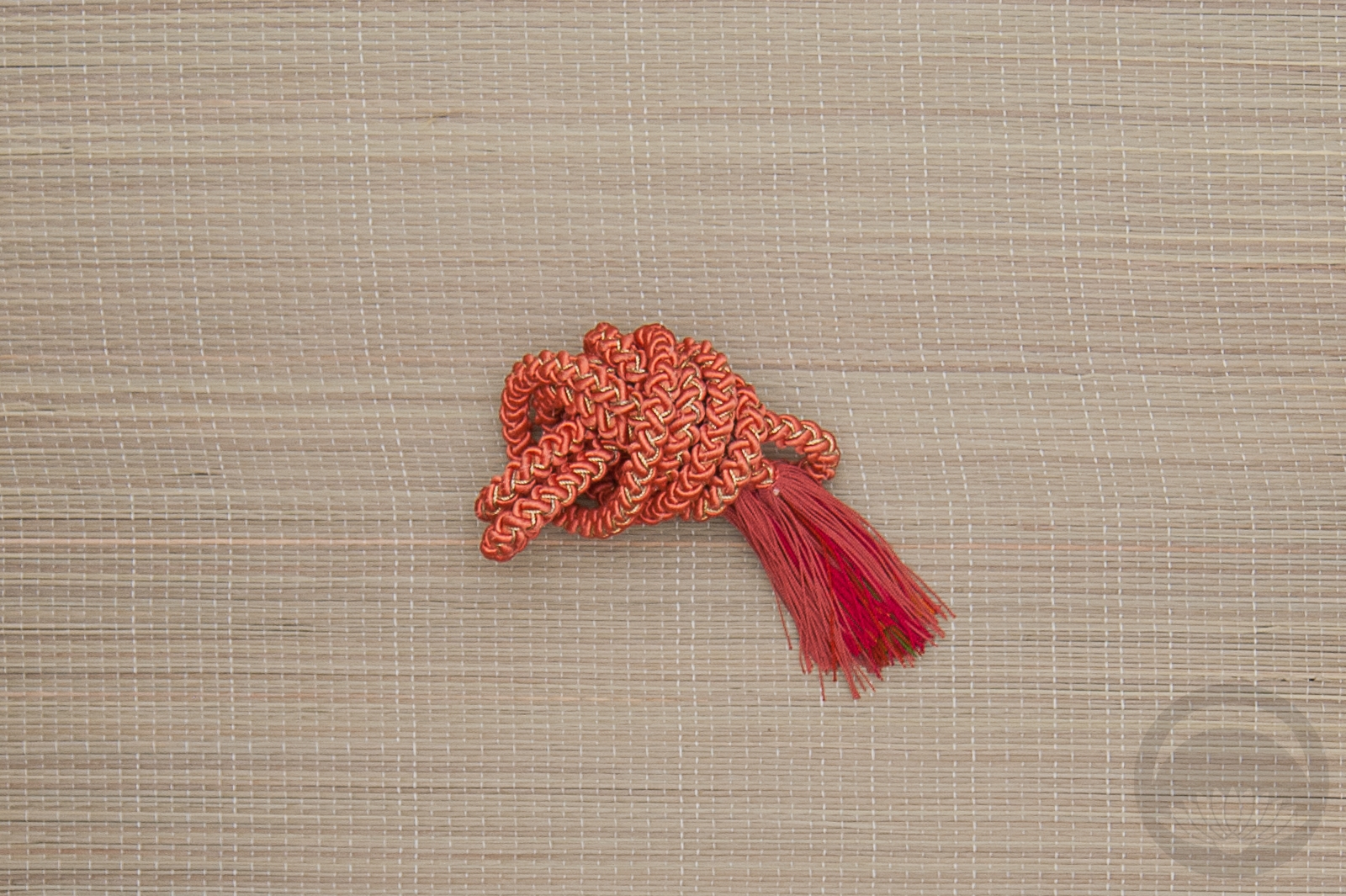
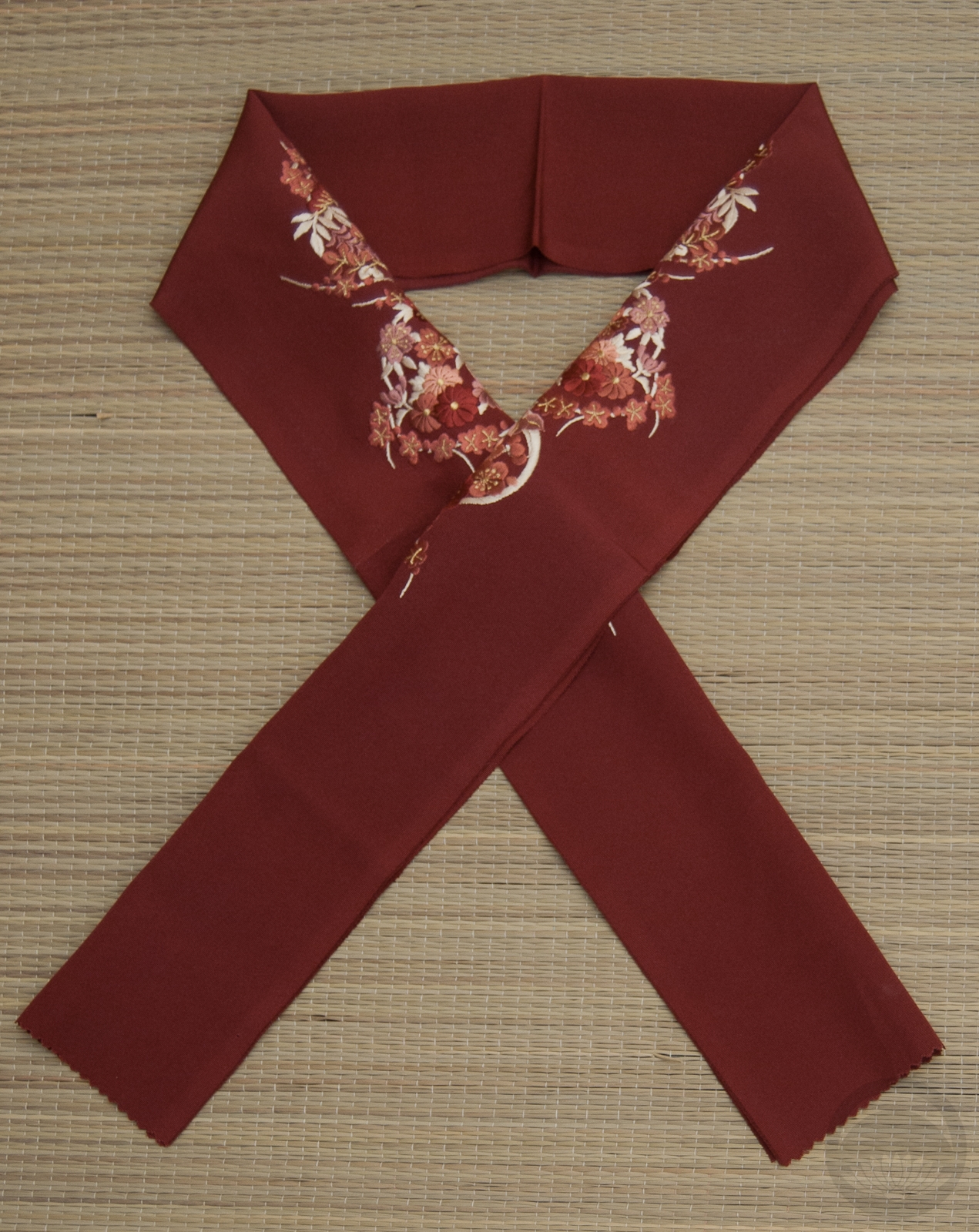
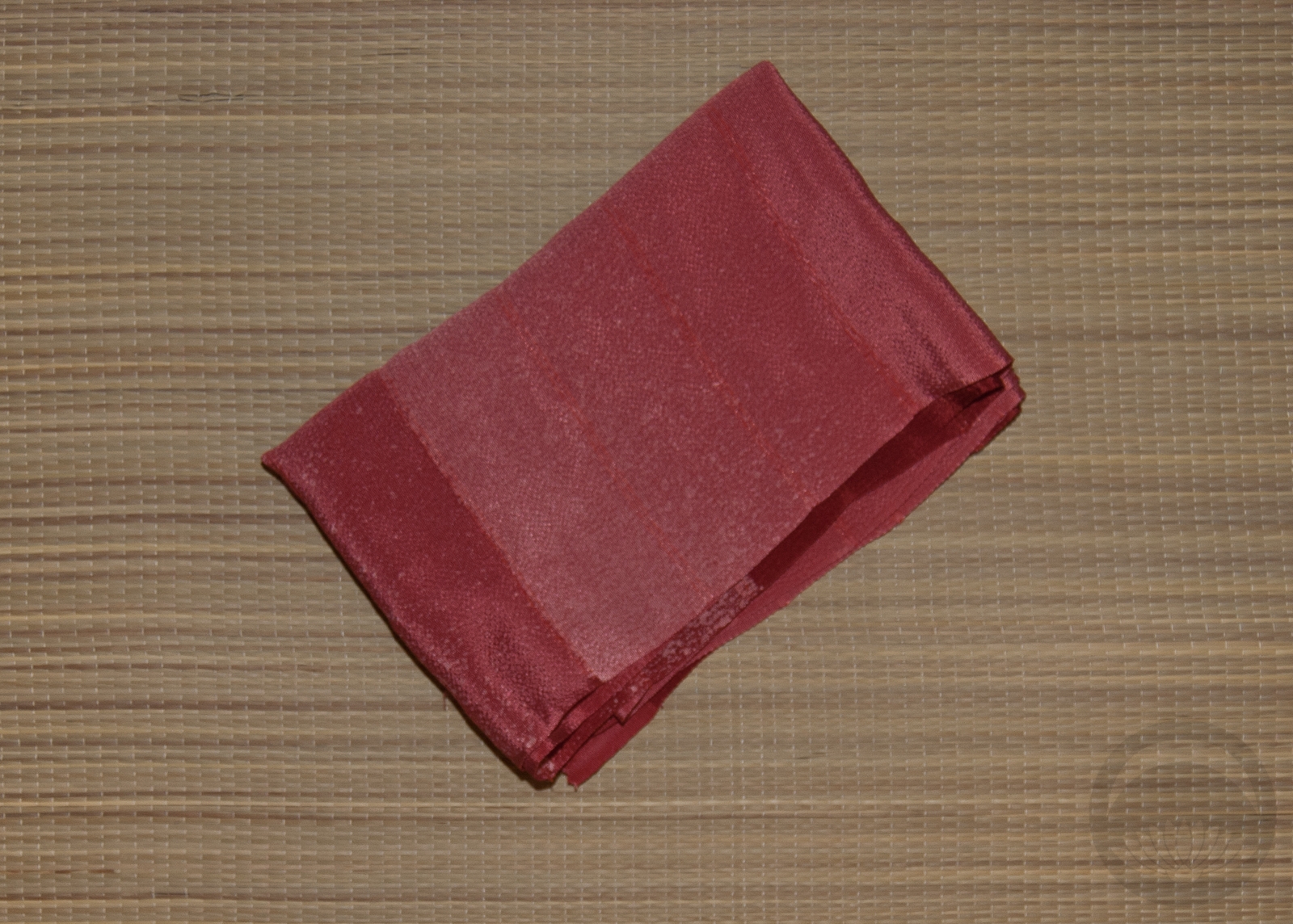
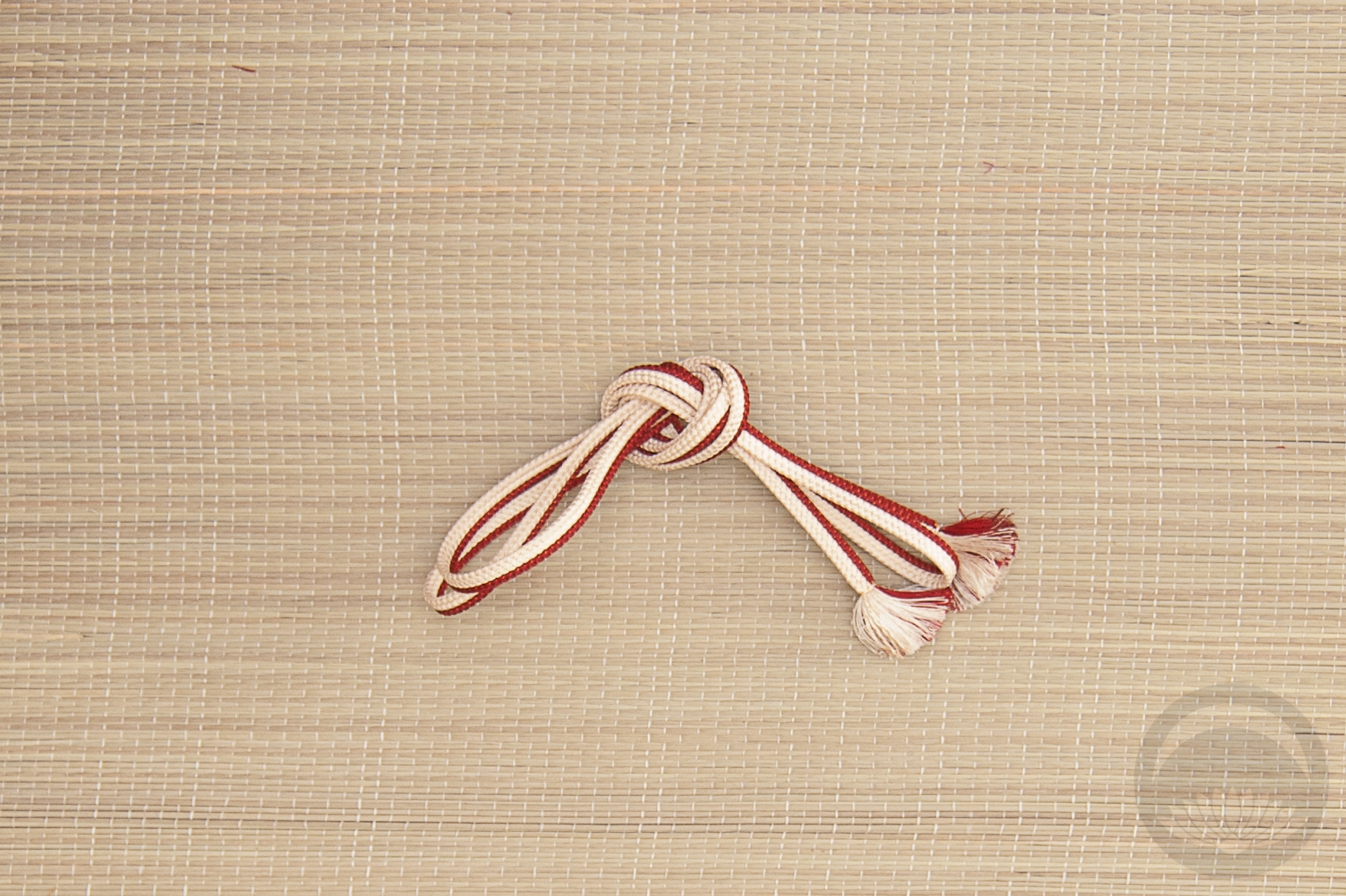
A handful of matchy-matchy accessories, and this was exactly the mood I was going for. There’s enough contrast between the obi and kimono to be interesting, but nothing really screams out for attention. It just feels very balanced and effortlessly chic to me.

Items used in this coordination

A Punch of Pink!

What’s this? I’ve worn kimono twice in less than a month?! Apparently unemployment agrees with me…

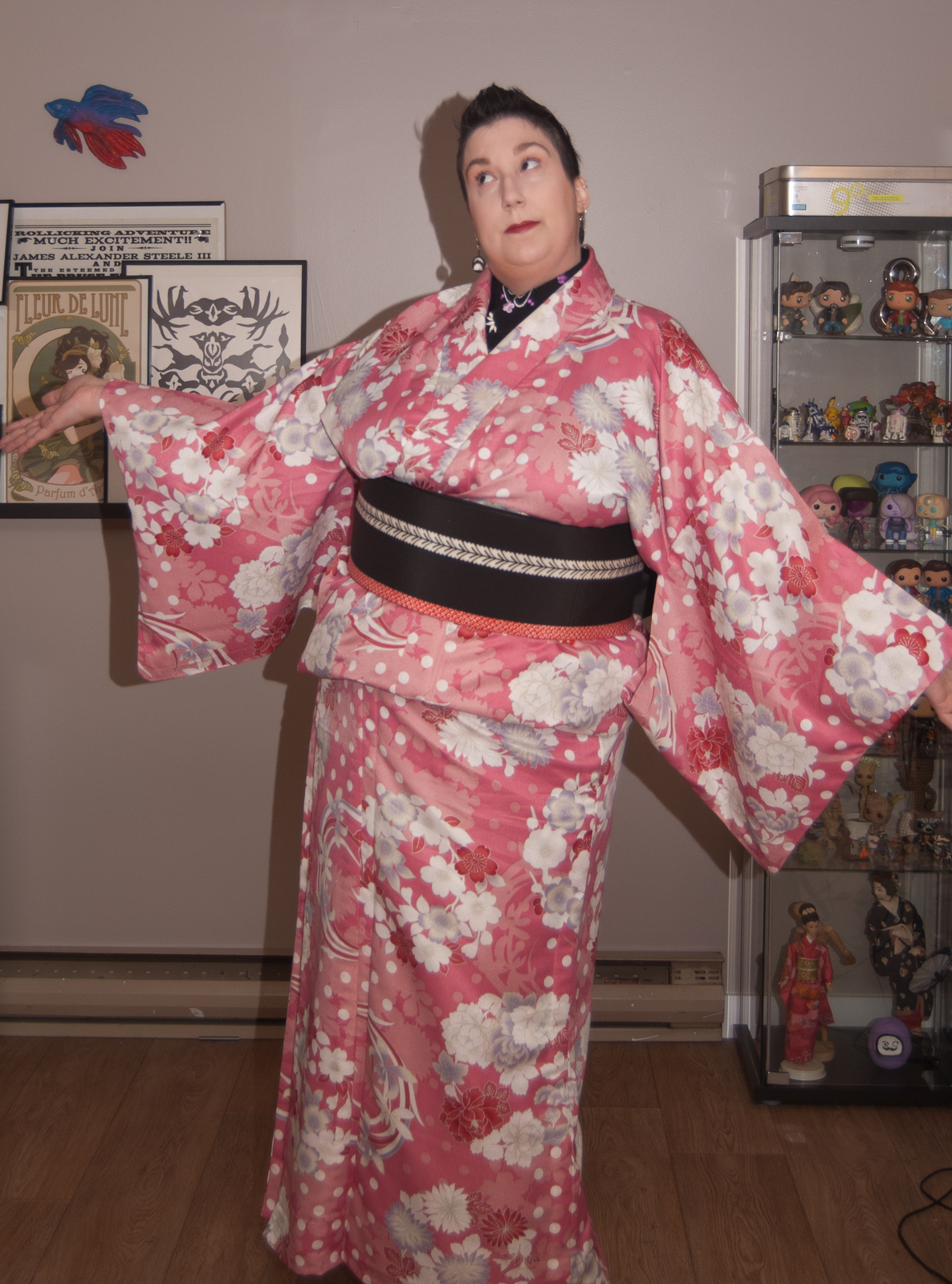
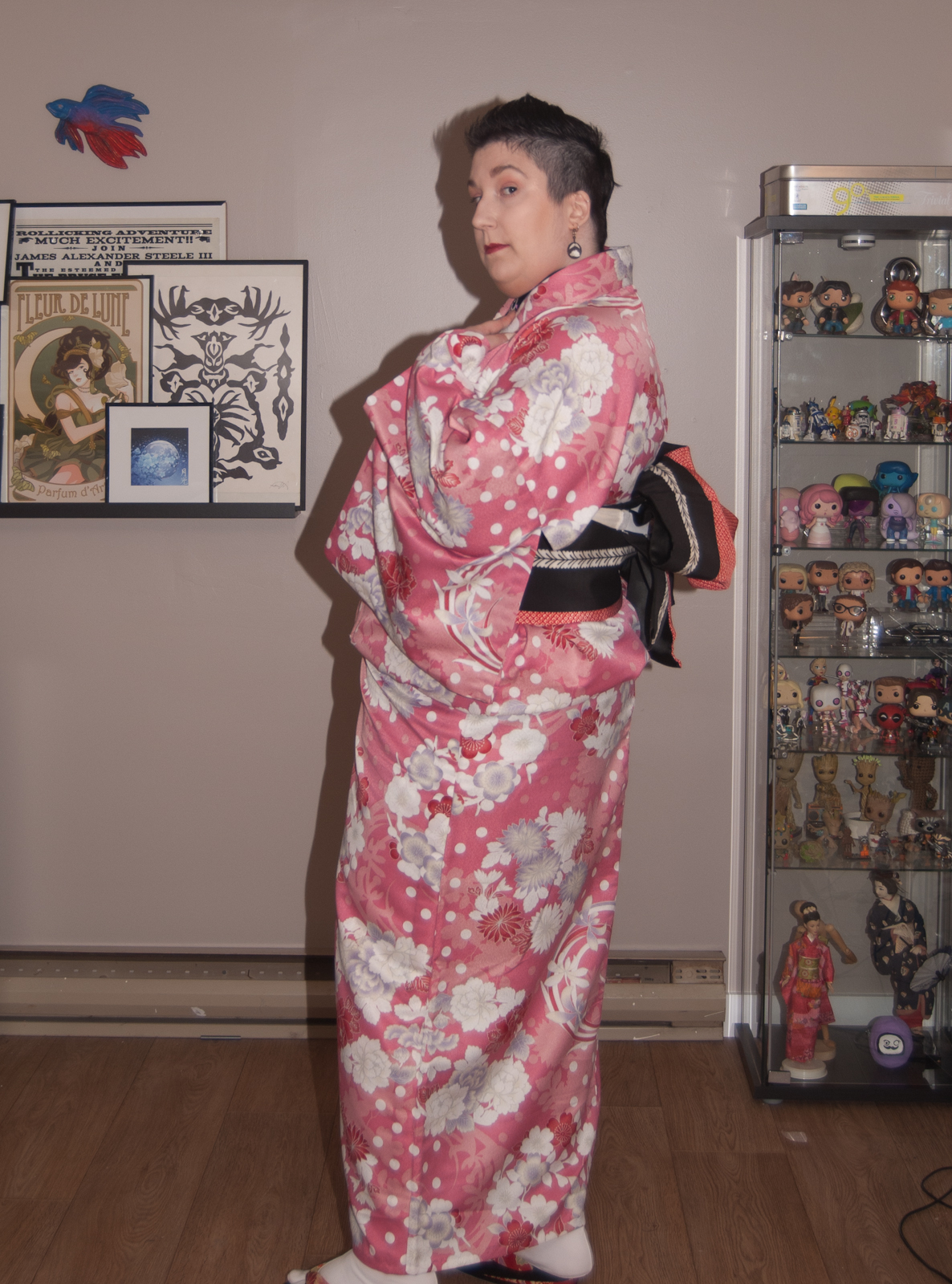
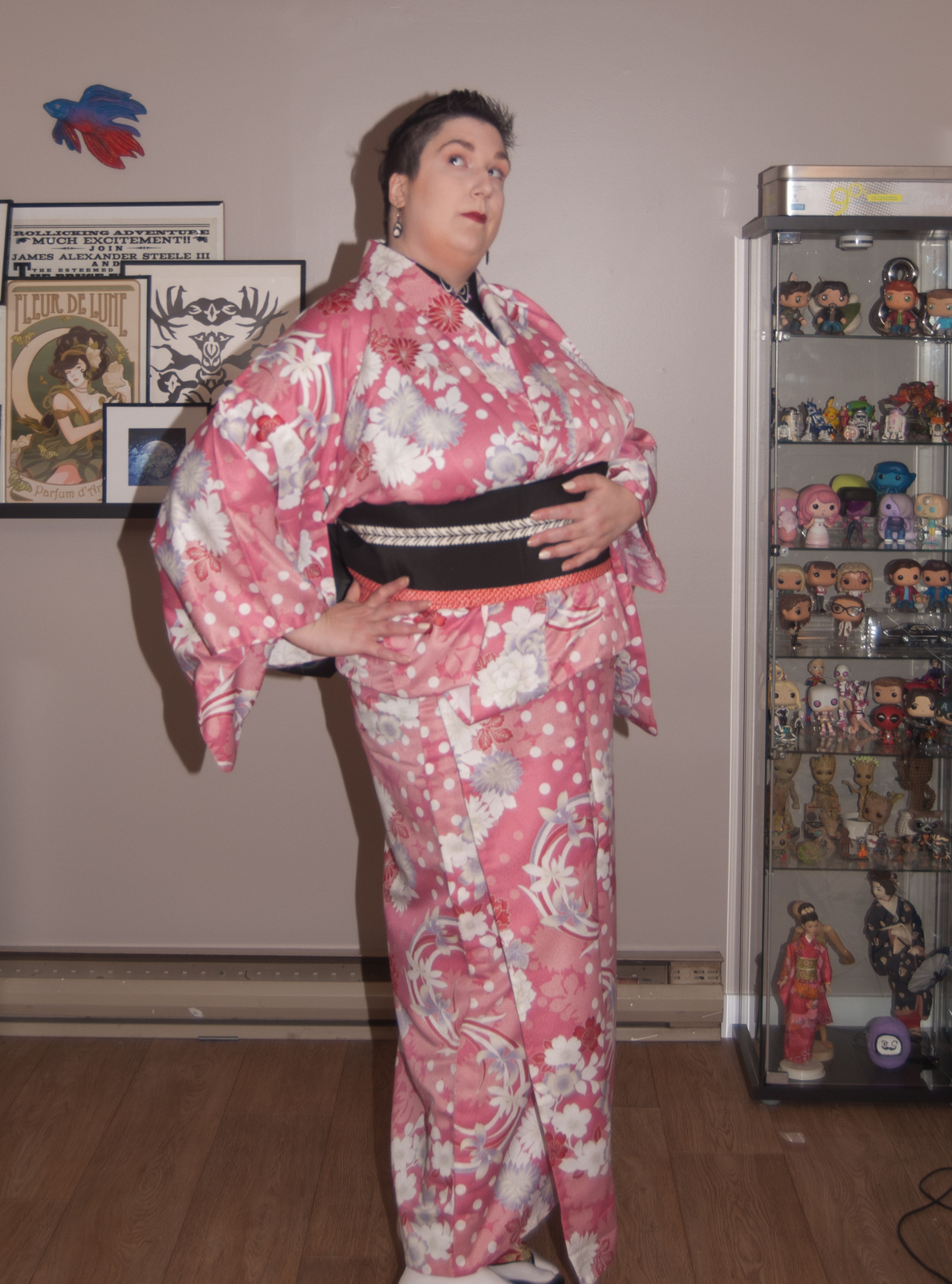
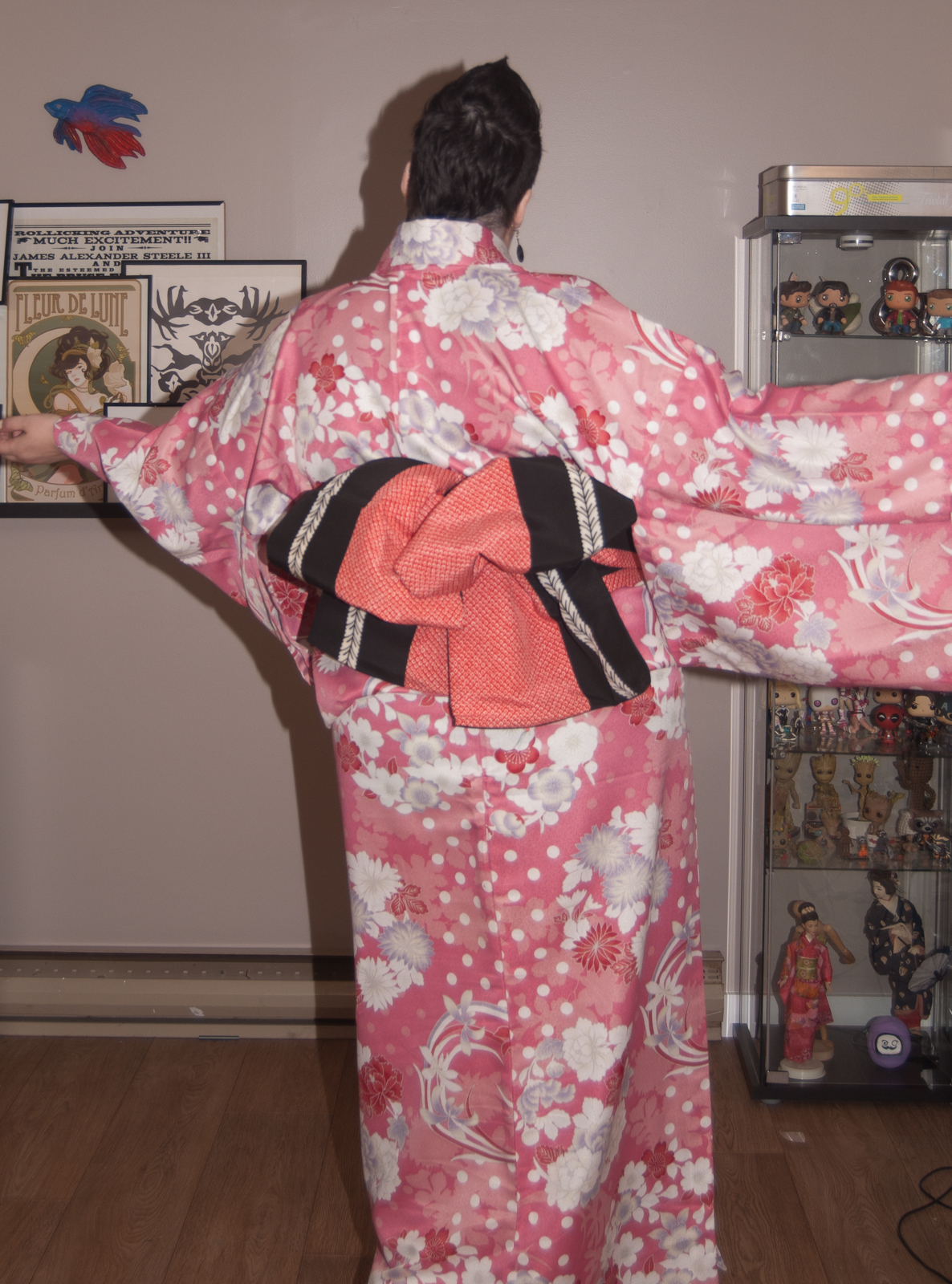
I’ll be honest, I got dressed for part of a bigger group project that I’ll hopefully be able to share with you all soon. But I figured while I was all done up I should take advantage of it. Also, you get to see part of my bedroom for once, instead of the living room. It’s a fair bit more boring, but I wanted a more neutral background. So not only do you get to see my goofy face, you get to see a small part of my ridiculous pile of collectables. I’m sure you’re thrilled.

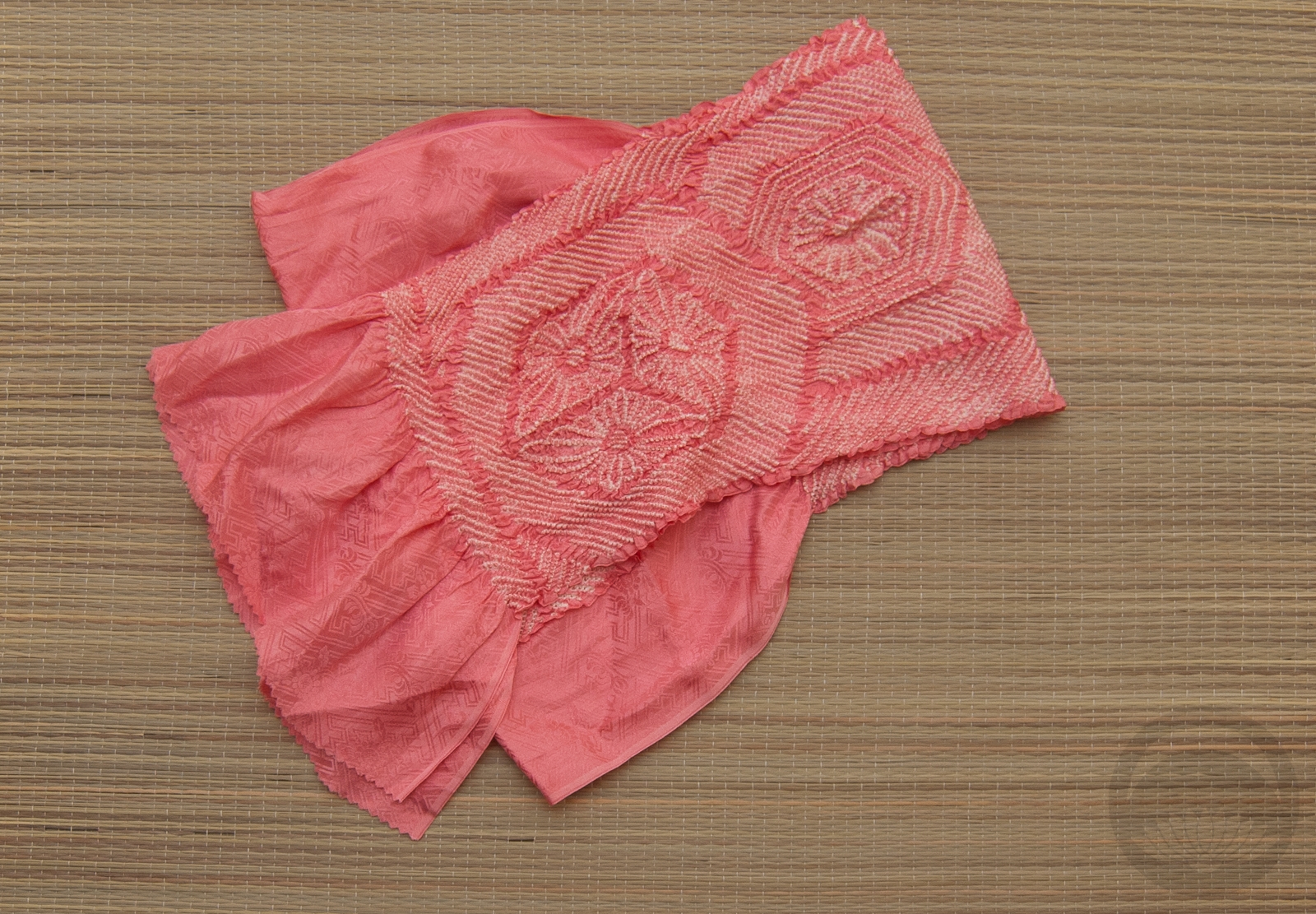
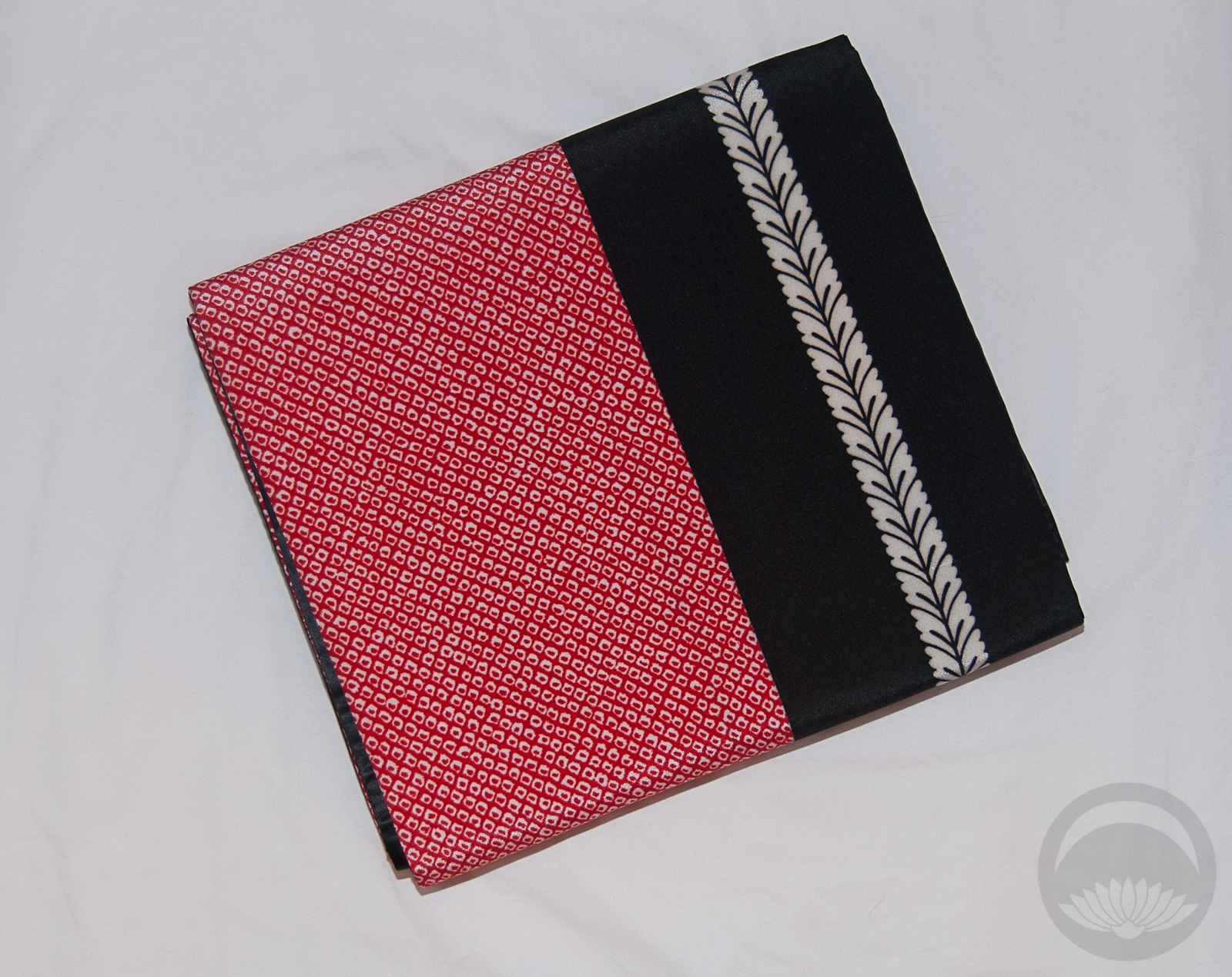
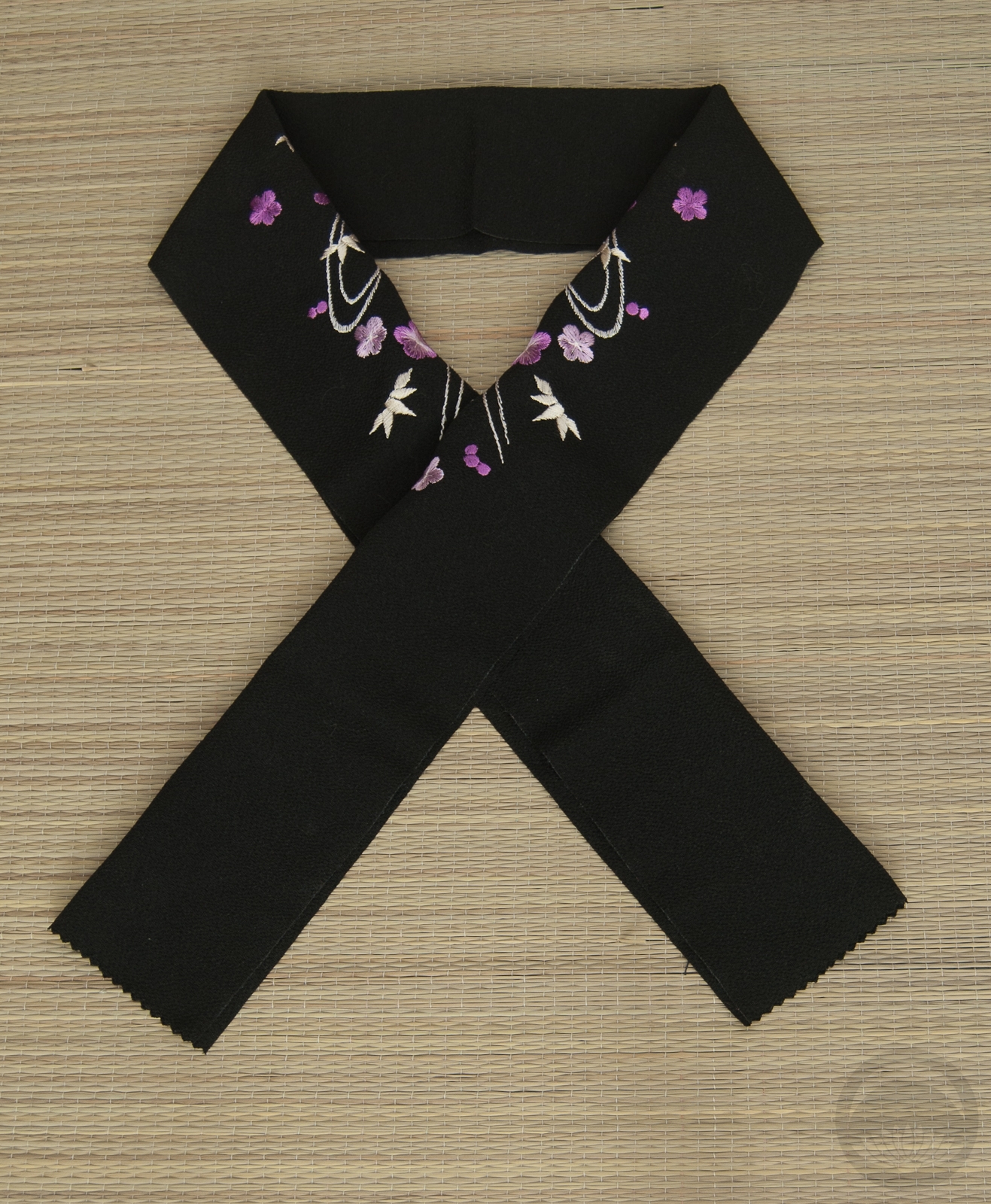
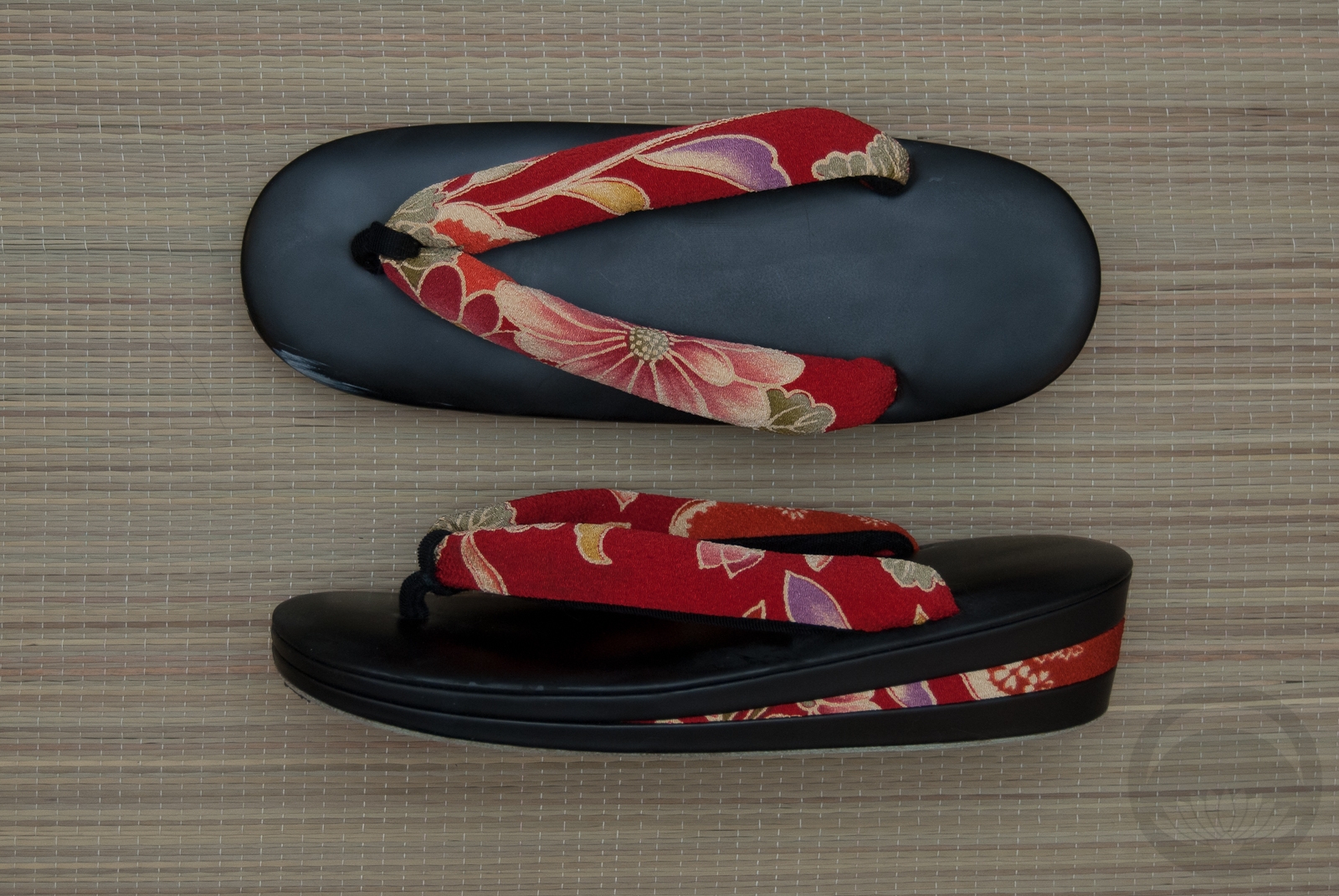
I really do love these giant kimono from Kimonomachi. Unfortunately, Rakuten Global has shut down so ordering from Canada is way more of a hassle now than it used to be. I decided to pair the pink one with this awesome red and black faux-shibori obi in a sort of cute improvised casual musubi. Black haneri and black zori (which got mostly cropped from the photos, alas) help anchor the outfit and echo the black of the obi. I kept my makeup soft and pink to suit the kimono, since my hair is already edgy enough at the moment. My moonblossom kamon kanzashi earrings were the perfect finishing touch, I think.
Items used in this coordination

Y is for Yabane

Yabane, 矢羽, Arrow fletching

Yabane (also yagasuri for the small, tightly-repeating variation) and hakata; two of my favourite things together! I love all depictions of yabane, but particularly these big, semi-random depictions that were so beloved in the Taisho and early Showa eras really get to me. I’ve loved this kimono ever since I first bought it back in Boulder, Colorado. It’s an odd fabric, it feels like a mix of silk and cotton. It’s very light and breezy, despite being lined, and is smoother than cotton but has a lovely grip that makes it a pleasure to put on. However, I still can’t believe I ever wore this comfortably though. It’s so tiny!

I’m glad I had an opportunity to use this dusty rose-pink hakata nagoya obi. It’s really subdued but the texture of it makes it feel so lush. I couldn’t resist using my spider haneri which is a near-perfect match to the obi. Also, you guys, I’m so proud of myself. I did an ensemble with yellow accents and didn’t use that lemon-yellow shibori obiage and hakata obijime I use all the time. Will wonders never cease? I did use a yellow obiage, but a much more subdued one. The obijime was a better choice in theory than in practice I think, but it’s not terrible. I just know I can do better next time. XD

Items used in this coordination

R is for Rinzu

Rinzu, 綸子, silk damask

Rinzu is like jacquard, a beautiful tone-on-tone pattern achieved by weaving techniques only. No dye, no paint, just right off the loom with a rich, beautiful depth.

I have lots of pieces in my collection that have a rinzu base, but none of them show off and exemplify them quite as gorgeously as this vintage purple iromuji given to me by a friend. I decided to do an entire outfit (or as much as possible) using only solid pieces with bold rinzu fabric.

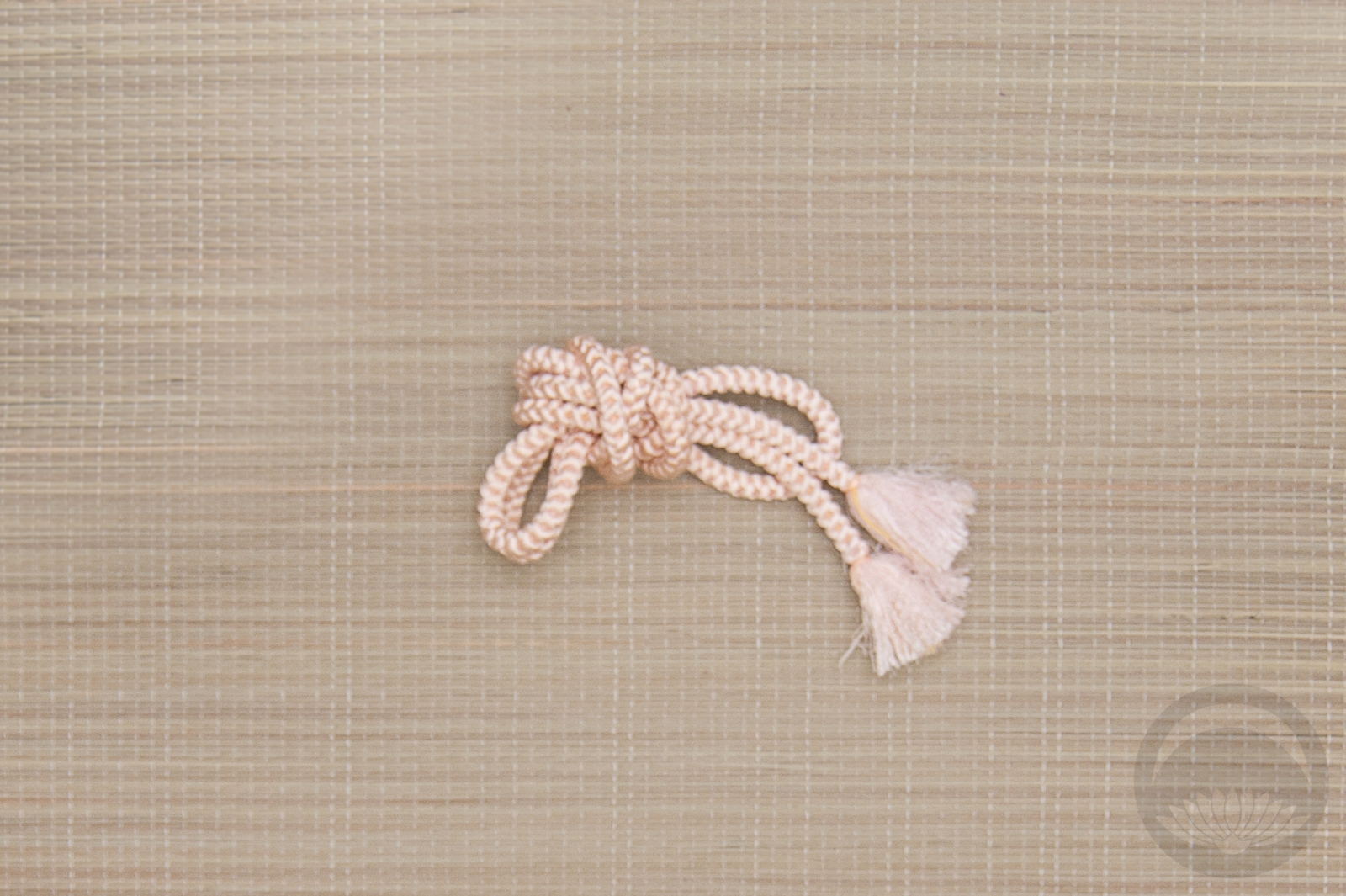
Aside from the utterly lush purple kimono, I used the mofuku obi I painted a while back, since you can still see the lovely water pattern in the black fabric. The obiage is a soft pink that ties in well with the obi, with a rinzu design of sakura and geometric lines. I tied it in a little bow for more sweetness and softness. I’m honestly not sure if the haneri counts as rinzu, the weave is much more textured and raised than anything else I own. But the design is woven, not painted or embroidered, so I ran with it. As for the obijime, the only rinzu one I own is an all-black mofuku piece, which felt too heavy against the black obi so I just went with a soft pink round braid.

The outfit is quite simple, but I think it does a fantastic job of showing off all the gorgeous woven design and texture that is rinzu silk!

Items used in this coordination

P is for Patapata

Patapata, パタパタ, onomatopoeia of “fluttering wings”

Ever since I saw this tutorial for an adorable patapata musubi with a bow accent, I knew I wanted to try it. I kept procrastinating for some reason, but now I’m glad I did because that means today I can show you this perfectly puffy pink patapata coordination! Japanese is a language full of adorable onomatopoeia, and patapata represents the fluttering sound made by bird or butterfly wings, and looking at the soft blousy folds it’s easy to see where the name came from.

I used the pink bubble side of my adorable whale obi, along with a sweet multi-floral black komon kimono. The outfit felt a little too boring as-is, so I pulled out a bright pink haneri and lace shawl to complete the look while making sure nothing distracted from the adorable obi bow.

If you’d like to learn to tie patapata musubi yourself, here is the video I followed! I love Sunao’s videos, they’re very clear and the English subtitles are very well-written.

Items used in this coordination