Tokusen.Store – Shop Feature

I have been wanting to try out Tokusen.store and their incredible selection of imported products for a long time now. They had a booth at the Asiasie Festival I went to recently and I figured it would be the perfect time to grab a variety of things to try. I then managed to haul them across the border in my suitcase and have been using them all regularly since I settled back in here in California and I am very excited to share the experience with you!
They pride themselves on bringing small-batch, proudly crafted products from Japan to Canada (and the US) and making sure these ingredients are accessible to everyone.

Our mission is to select the best local products from Japan, to promote the know-how of its artisans and to make their work accessible to all.

Our vision is that it should be natural to enjoy Japanese know-how right from home, in Canada.

To offer our customers a superior quality product, we select our products according to a value system rooted in Japanese culture:

源 · Gen Terroir as a guarantee of quality.

雅 · Ga The elegance of the product.

道 · Dō The way forward through hard work.

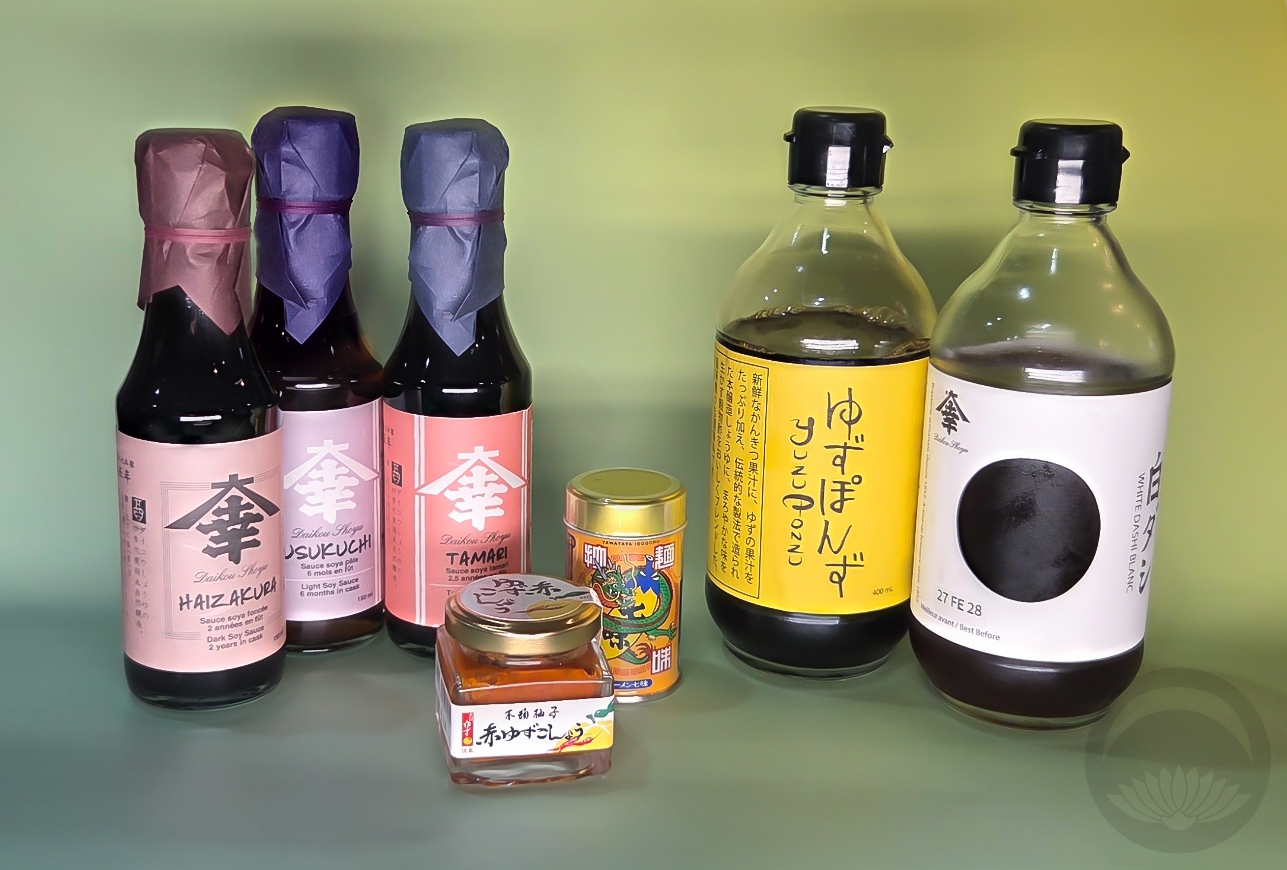
I decided to choose their Origin Box Set, Aka Yuzu Kosho paste, and Ramen Shichimi spice blend to try out and share, and here are my thoughts about each product.


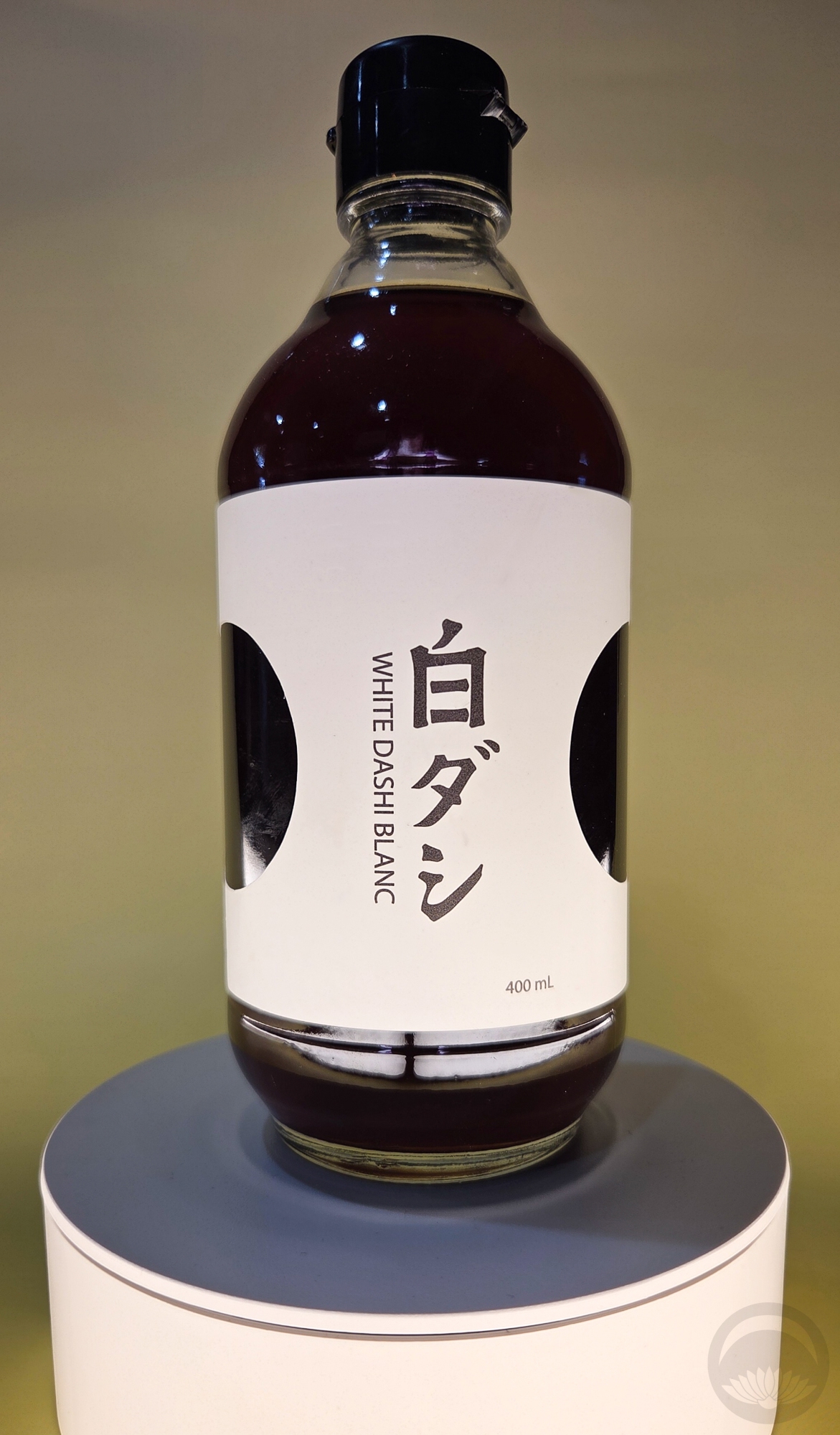
White Dashi (origin box)

Dashi is a stock typically made with kombu and katsuobushi. This is a blend of concentrated dashi and light shoyu, and it imparts a beautiful umami and smoky flavour without feeling “fishy”. Until now I’d been using concentrated dashi granules but this product is an absolute game-changer. The granules still have their place in my pantry, both for their budget-friendliness and their shelf-stability, but when I need a more elevated and well-rounded flavour I will definitely be using this.


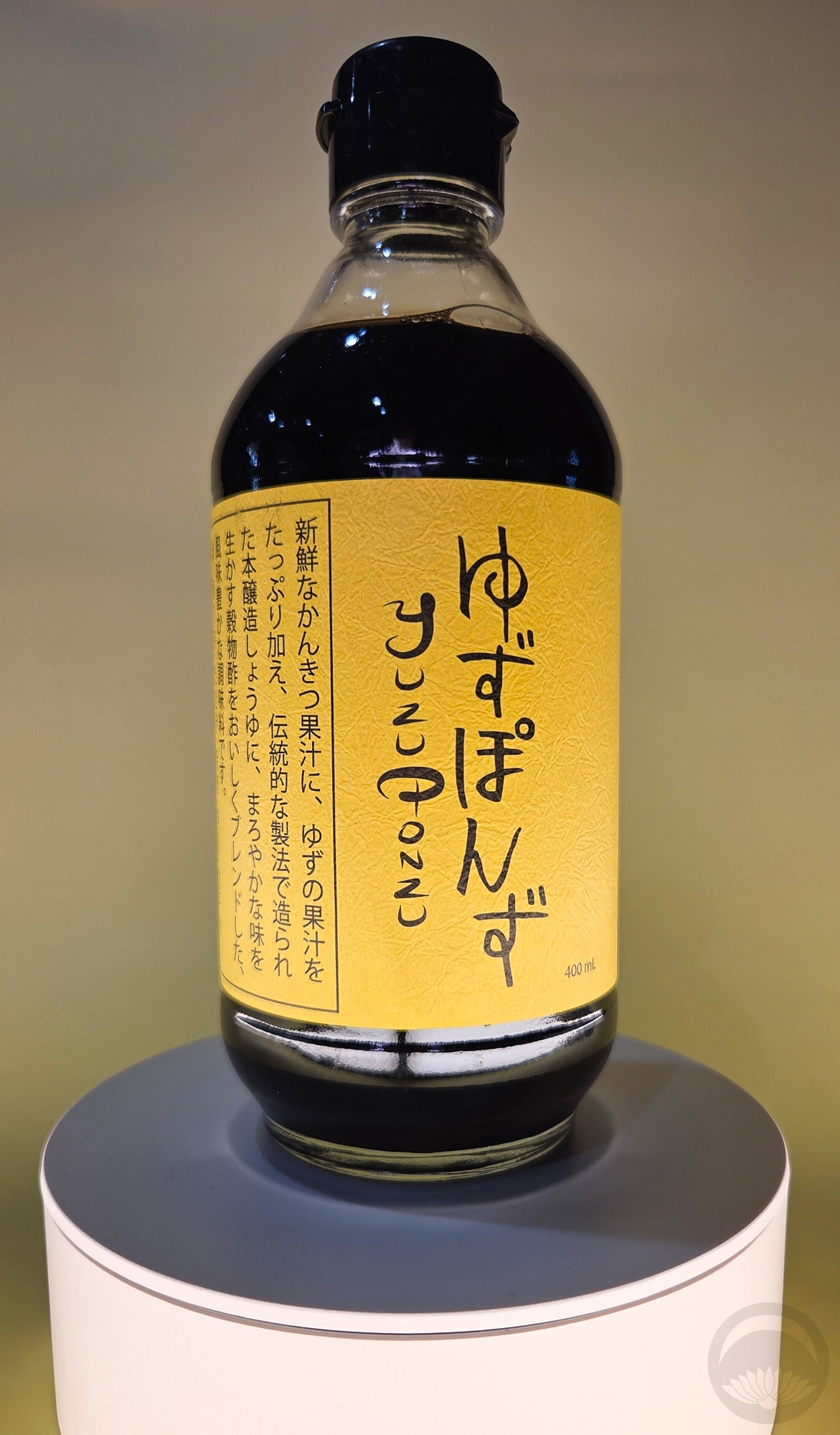
Yuzu Ponzu (origin box)

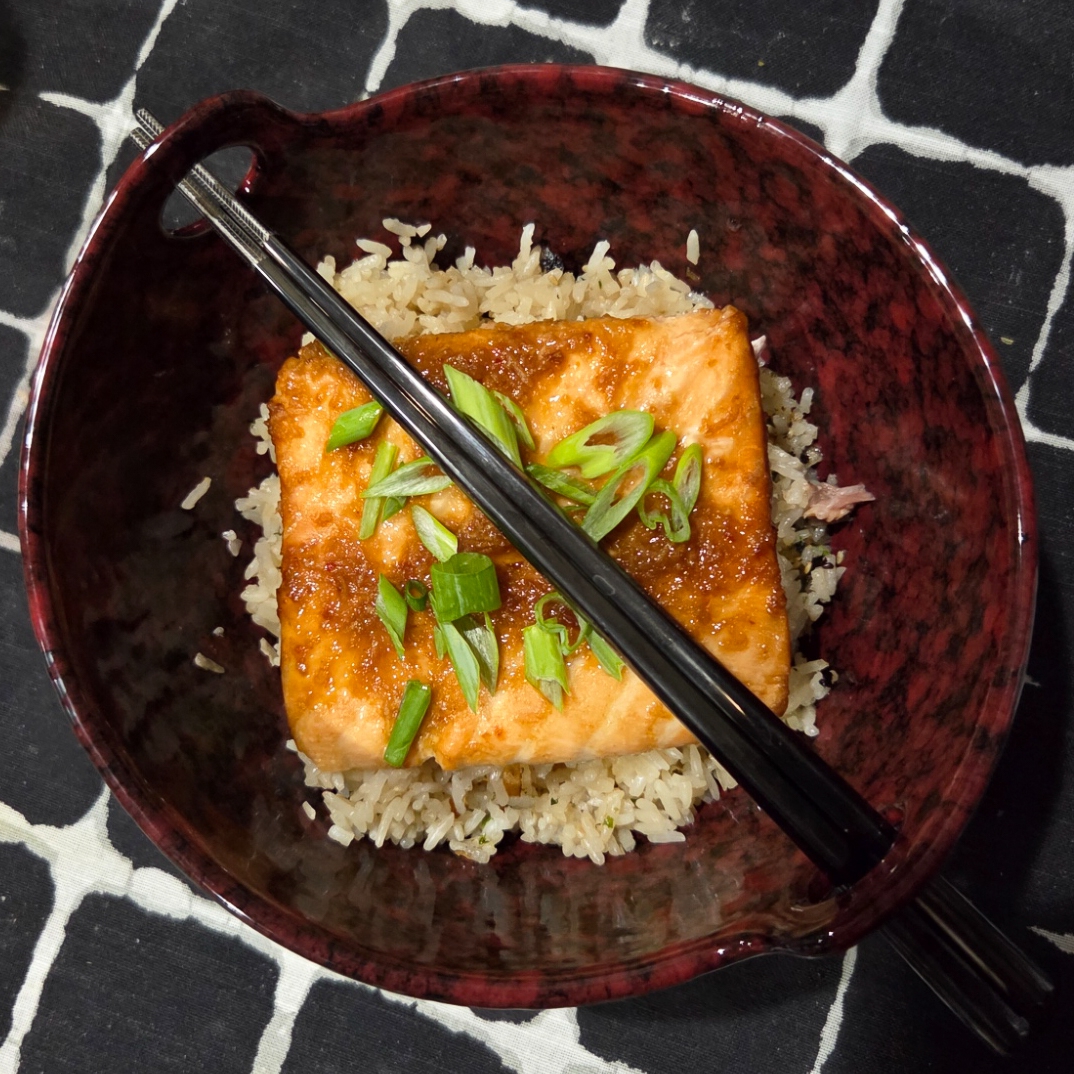
This is a delightfully crisp and clean blend of soy and yuzu citrus. It added a fantastic brightness to salmon I made and will definitely bring a summery vibe to noodles and fried foods. You can use it as part of a dressing or marinade, or a dipping sauce all by itself. It’s far more versatile than I was expecting, and has become a quick favourite.


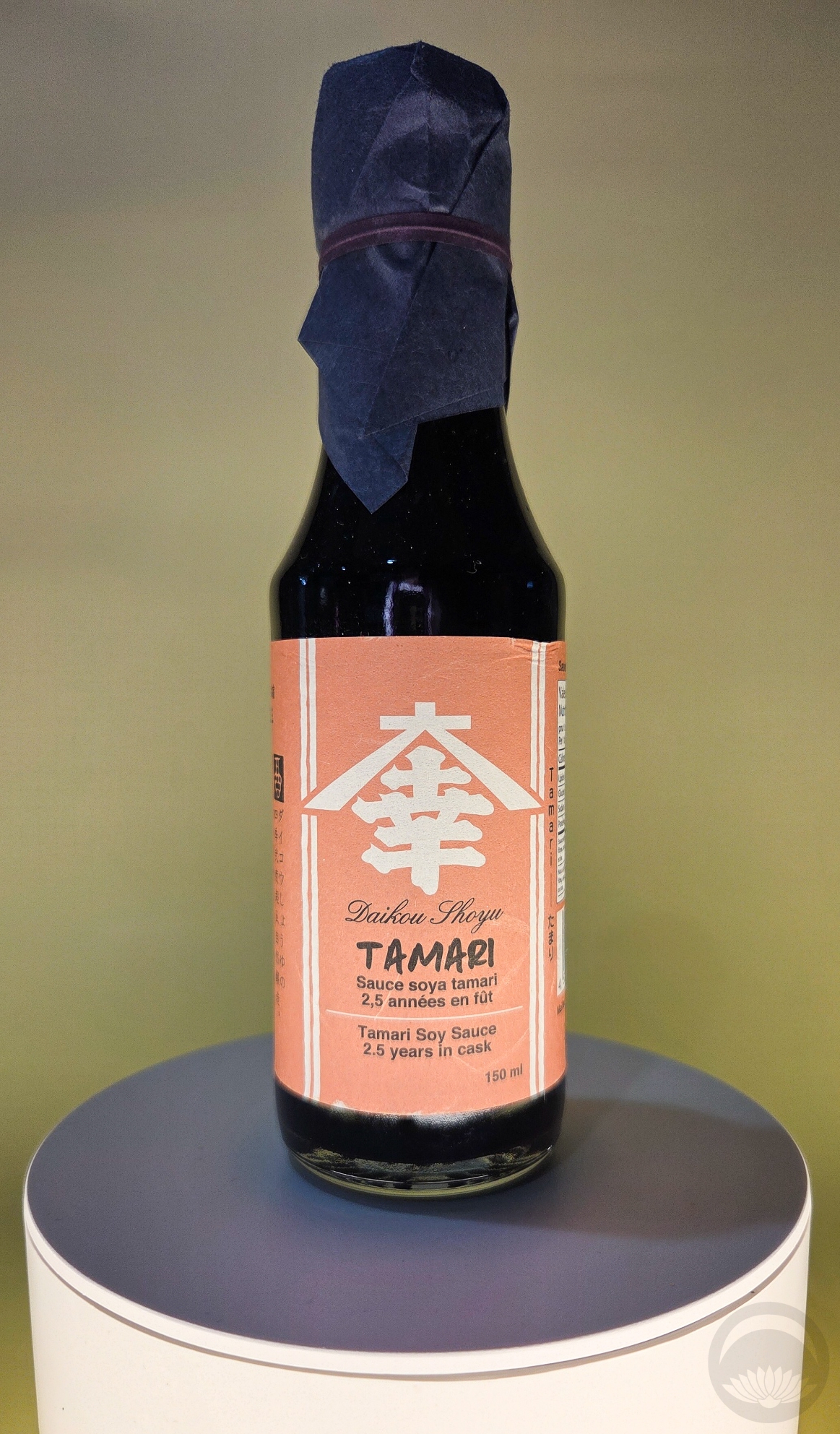
Tamari (origin box)

A perfect balance of light and deep flavours; fantastic as a dipping sauce all by itself or a small splash at the end for adding a bit of umami.


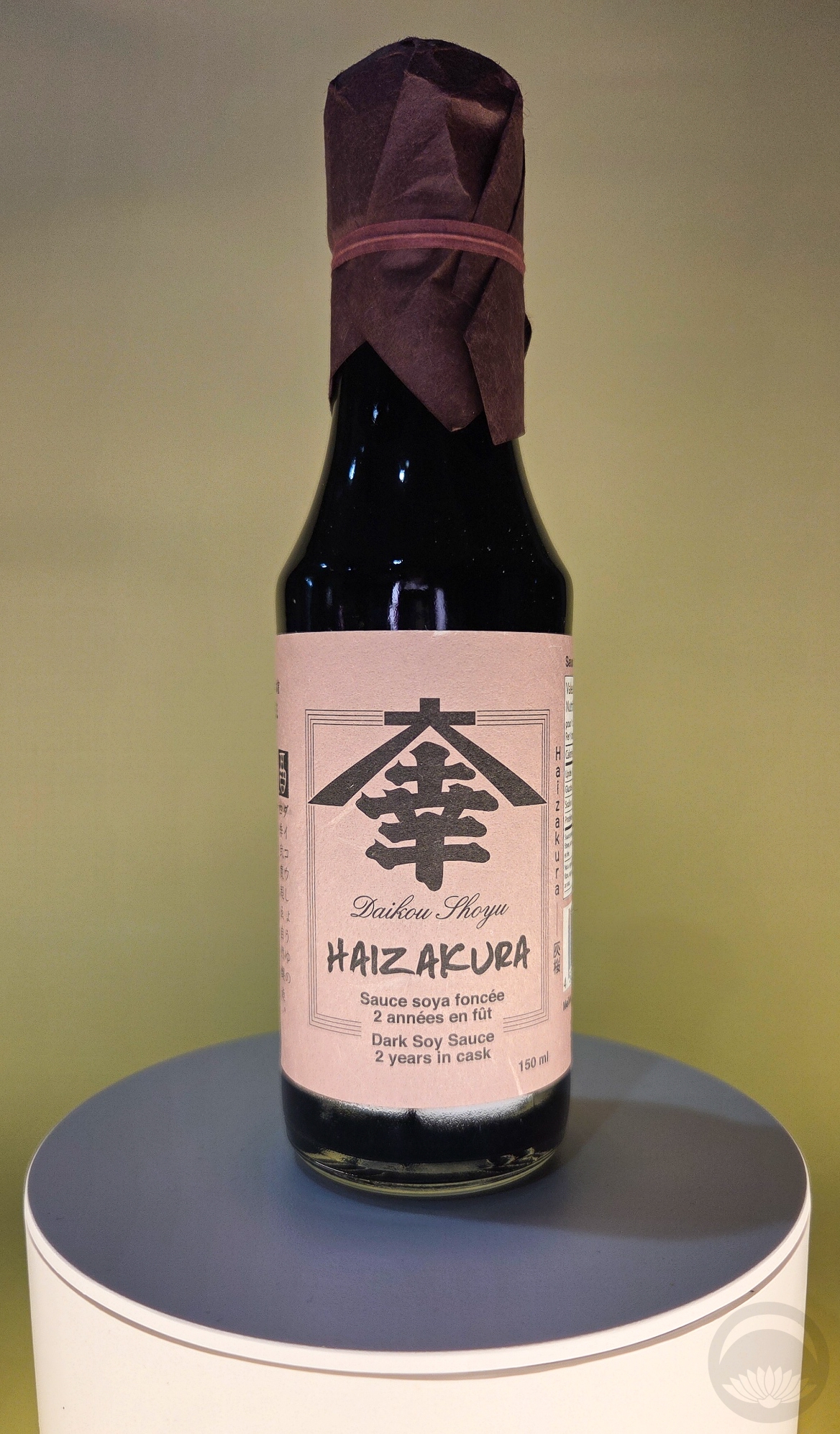
Haizakura (origin box)

A rich, aged soy, well-balanced and well-rounded. Fantastic in  marinades or as dipping sauce for stronger flavours.


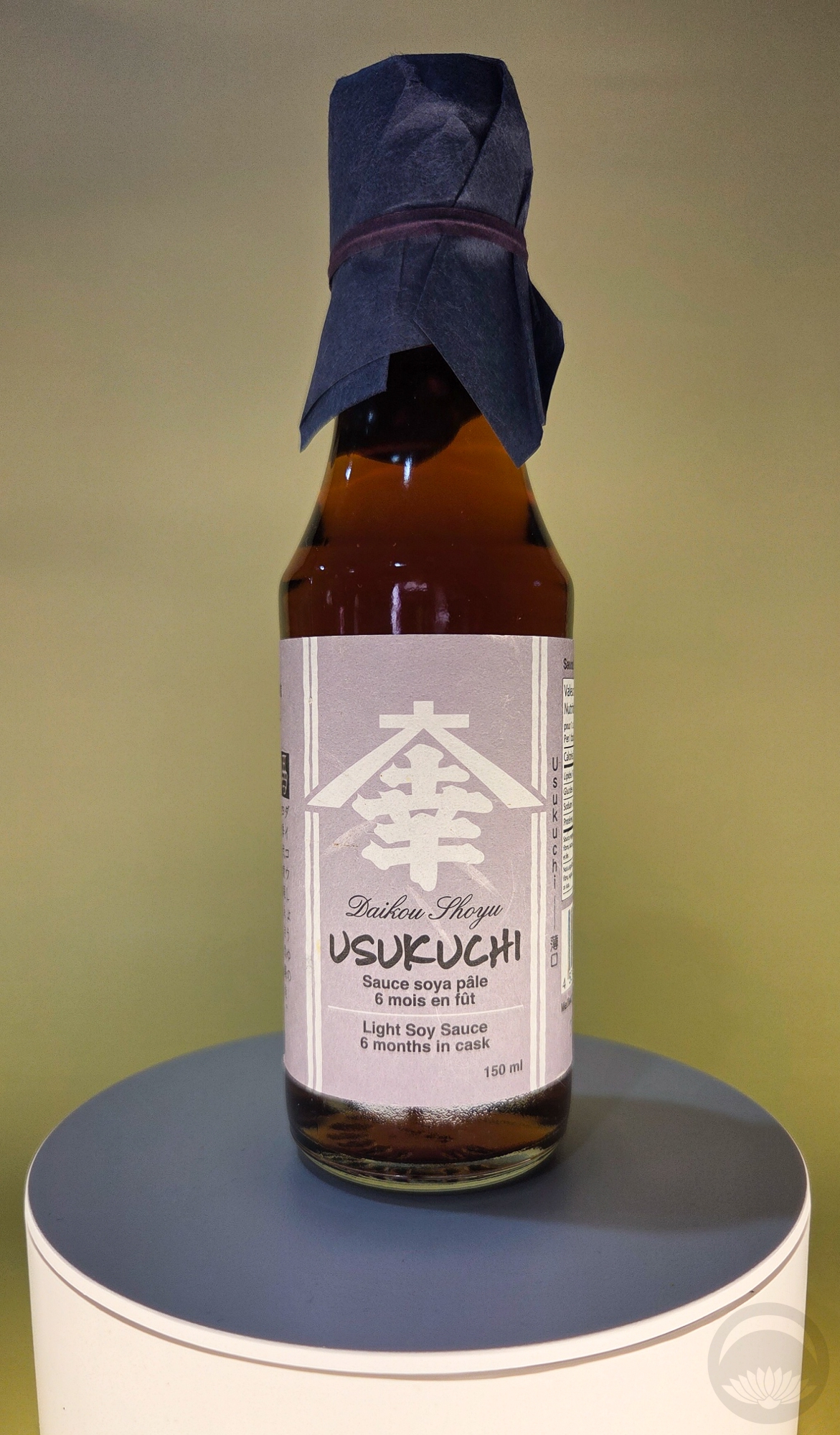
Usukuchi (origin box)

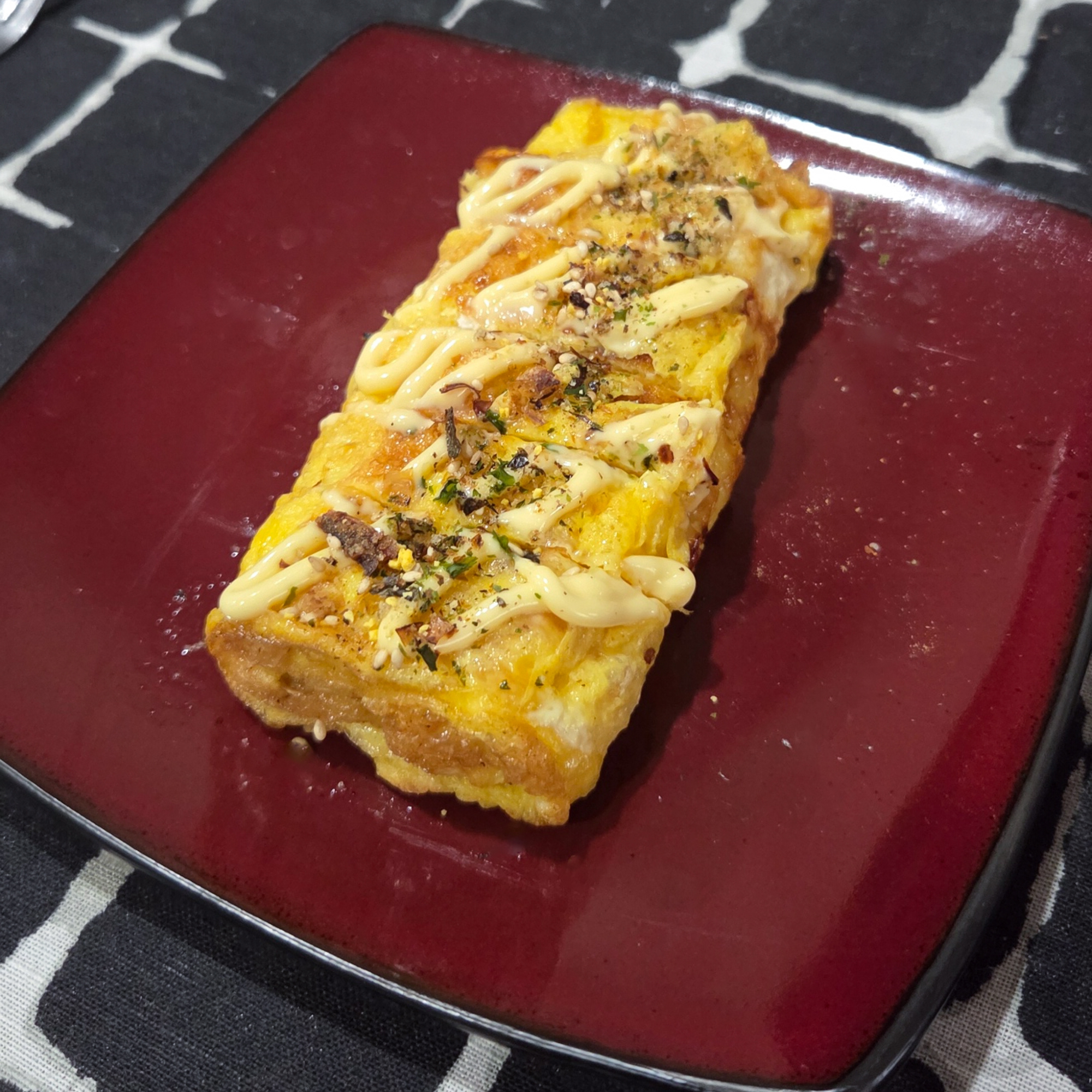
A very light but flavourful soy, perfect for dipping or using in lighter dishes. Perfect in tamagoyaki, for adding depth but keeping the omelette light and airy.


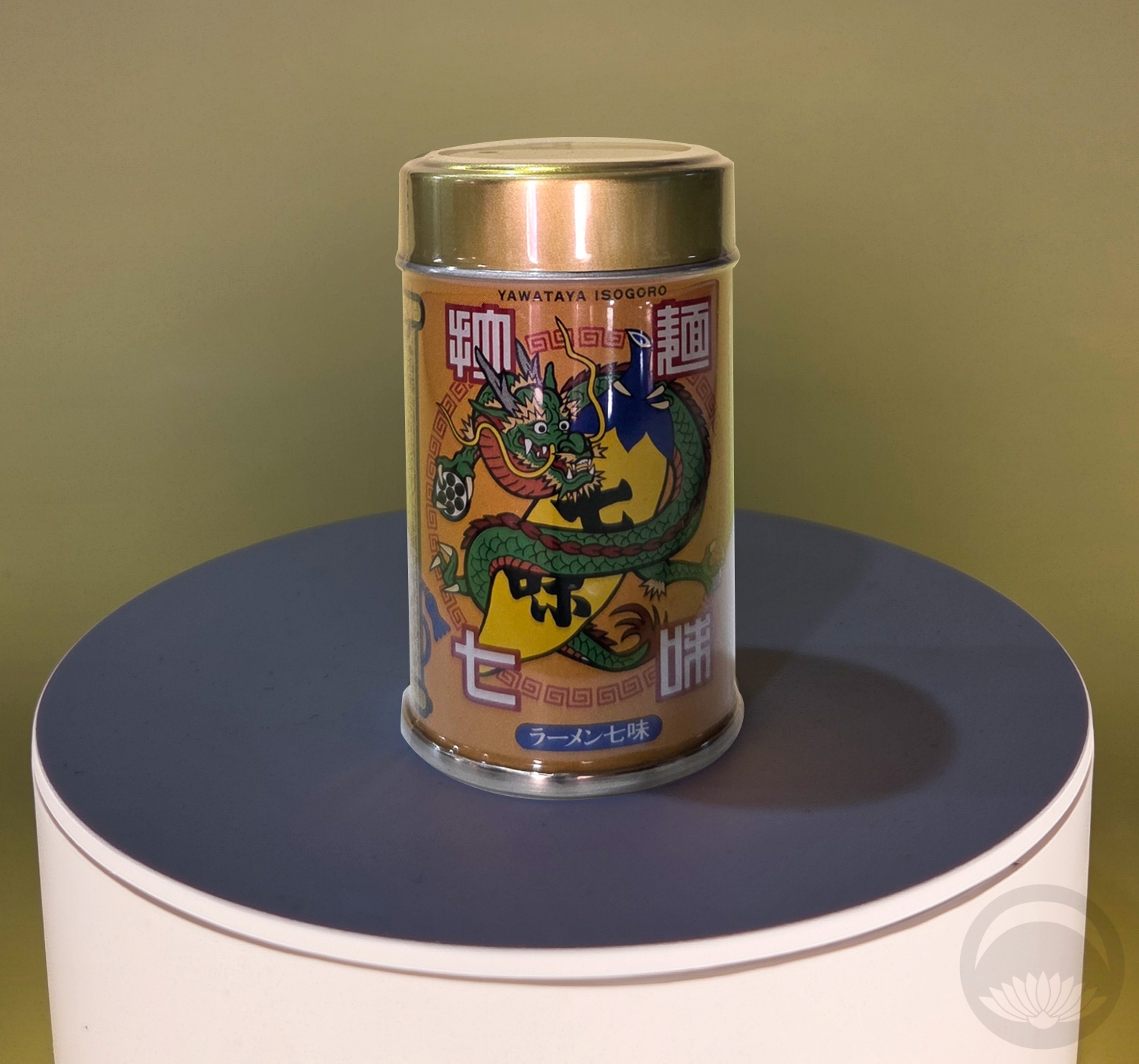
Ramen Shichimi spice blend

Hold on to your tongues here! This is a potent blend of shichimi spices with a potent dose of togarashi/capiscum that brings the heat. Use it sparingly, but defintely try it out in things other than just ramen. I put a pinch of it in the yuzu marinade I made for salmon and it was such a great balance with the clean citrus!


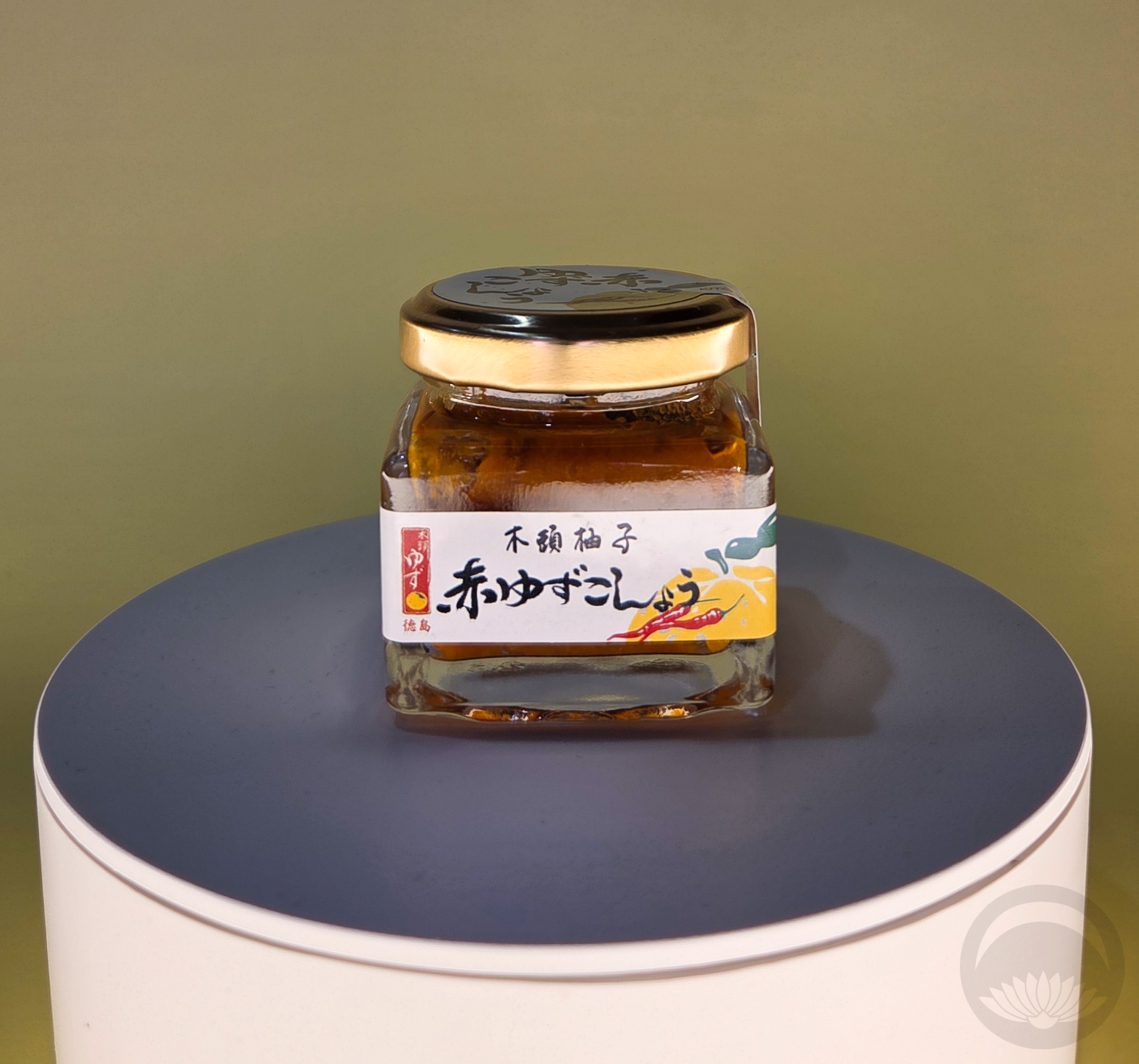
Aka Yuzu Kosho Paste

Oh look, more heat. Can you tell I like things spicy? This is actually a bit less potent than the ramen shichimi above but still brings a fantastic lightness to anything you use it in, thanks to the combined pepper and more yuzu.


A few things I have cooked so far using these wonderful products:

Ponzu-marinated salmon, tamagoyaki, teriyaki chicken and rice. I used a bit of the shiro dashi and usukushi shoyu when making the rice in both dishes and it adds an incredible depth of flavour without being overpowering.

Overall, I am incredibly impressed with the products Tokusen.store has chosen to focus on and bring to our doors. I will be stocking up every time I’m back in Canada, because they’re Montreal-based and the shipping is a lot more affordable. However you look at it though, if you’re in North America they’re going to be more accessible than ordering direct from Japan. I cannot recommend them enough and can’t wait to see what new products they bring to their storefront for us.

Peony Ikebana feat. Forest Decor

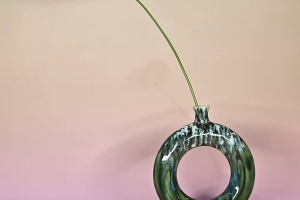
When Forest Decor reached out to me about a collaboration, I admit I was a bit stumped (pun absolutely intended). Their products are lovely, but not exactly in my realm of expertise. I was about to thank them politely for the offer but refuse when I saw this raw edge three-candle holder and my brain reimagined it as a vessel for ikebana with the help of this set of three tiny kenzan!

My original intention was doing a much more structured arrangement with one flower in each hole, in an ascending diagonal, but then I found these gorgeous, blousy, riotous peonies and knew that order and rigidity were not the way to go. In the end the uneven natural chaos of the flowers is much more complimentary to the raw edge of the olive-wood used for the holder, and I’m very happy I “listened” to the flowers instead of fighting nature and forcing the whole ikebana into something it didn’t want to be.

The only issue (such as it is) with using this gorgeous piece as a vessel is that the holes are very tiny and don’t hold much water, so it’s a very ephemeral arrangement. But peonies are very ephemeral blooms, so it all worked out in the end.

 I received this item from the retailer or manufacturer for honest review purposes.This post contains affiliate link(s). If you choose to purchase, I receive a small rebate or commission which goes to the continued maintenance of this site.If you have a topically appropriate craft, product, or service you would like me to review, please contact me. 

Oshiroi by Meleg Perfumes

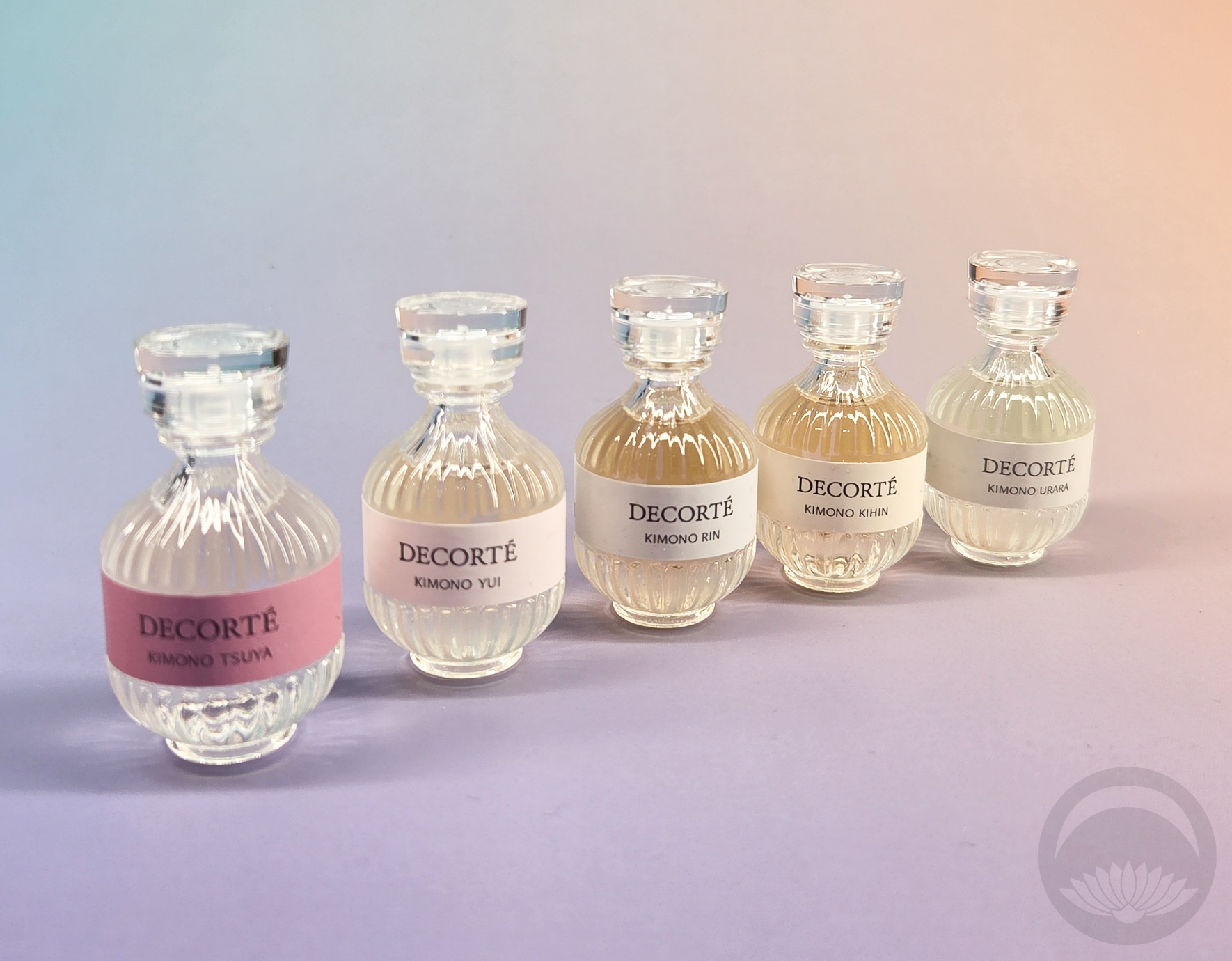
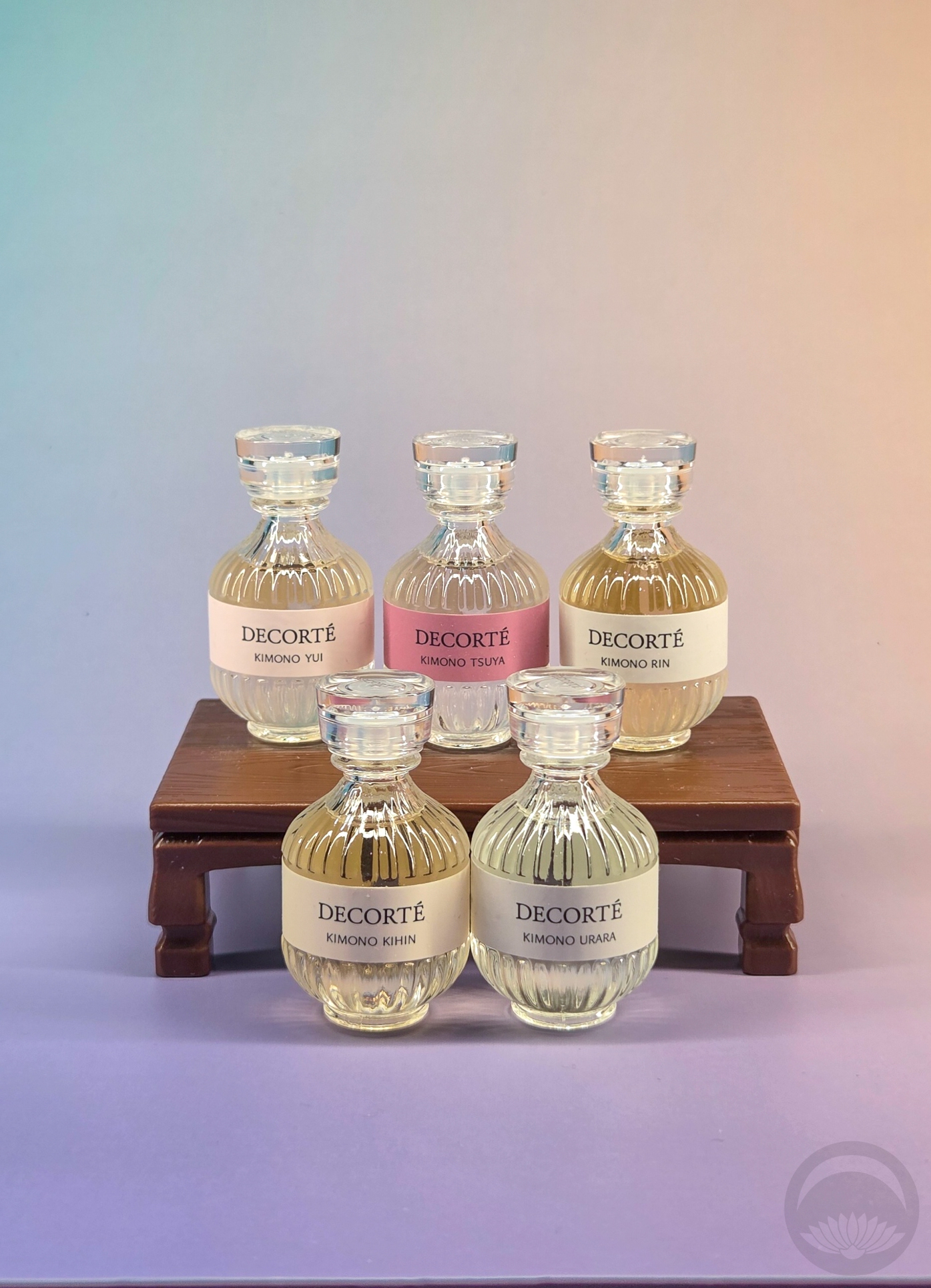
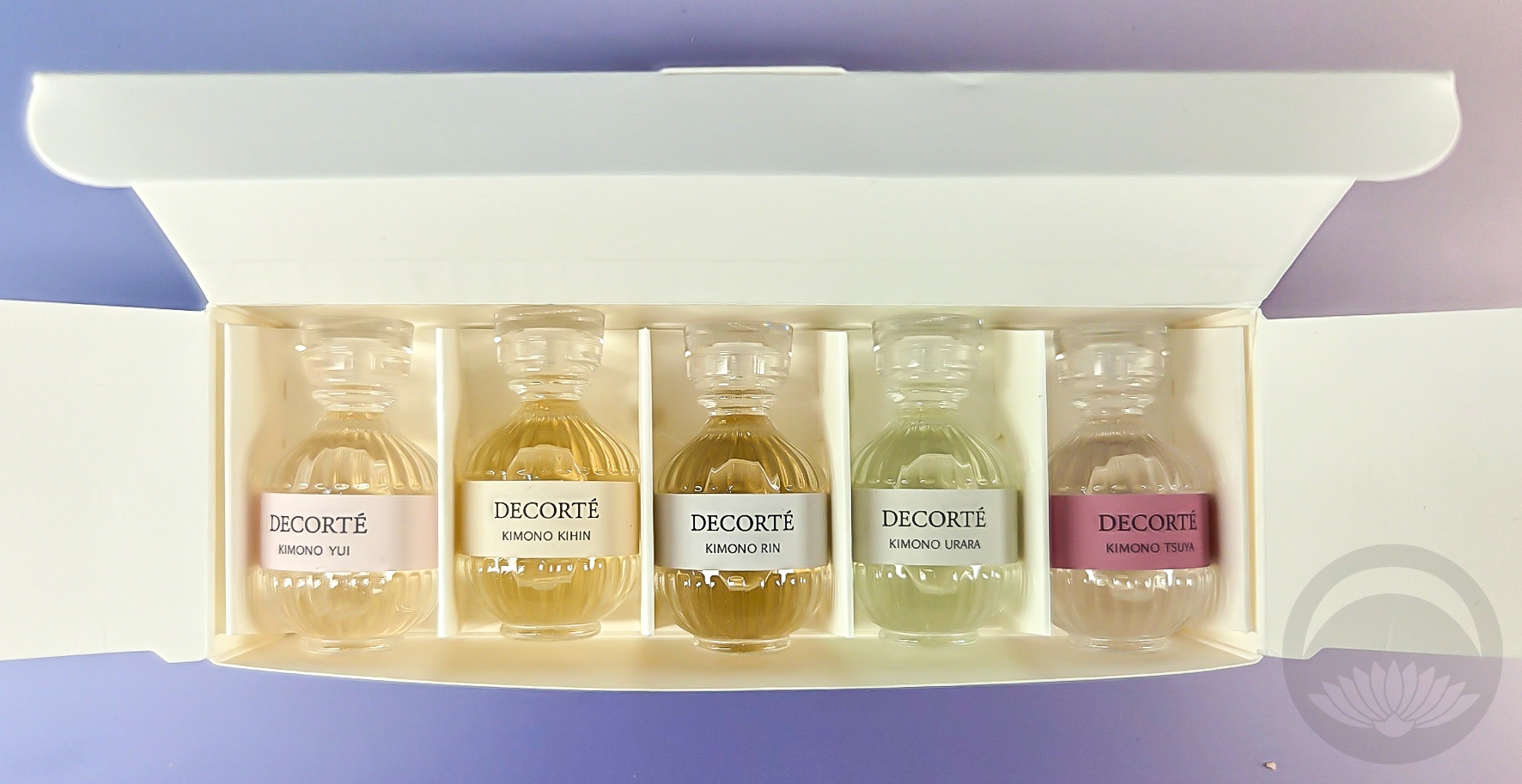
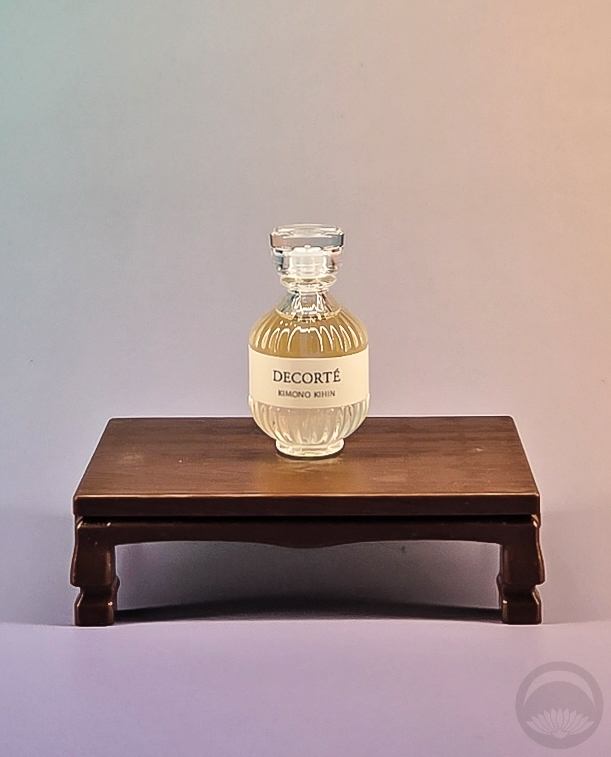
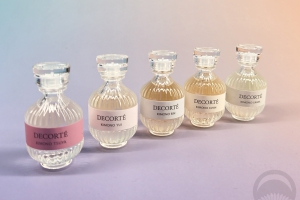
I have something incredibly special for you today. Sometimes I cannot believe how lucky and privileged I am that my passion gives me the opportunity to experience things like this. Oshiroi, created by small-batch artisan perfumer Matthew Meleg, is the first fragrance to be made officially in conjunction with geisha, specifically the house of Umeno Okiya of Kamishichiken. If you’re reading this blog, you likely already know what oshiroi is, but for any new readers or people who found me through unusual channels, it’s the traditional name for the classic white face paint used for centuries by maiko and geisha (as well as other theatrical, aesthetic, and celebratory performers — but in the modern day it’s most commonly associated with the flower and willow world).

Meleg Perfumes are all hand crafted using the finest oils and fragrances, and Matthew’s passion for both perfumery and Japanese traditional arts shines through with every thoughtful choice, from the fragrance to the bottle to the external packaging.

As I am not a perfume expert by any means, I will share the official description and scent notes:

The Perfume
Oshiroi is hand-blended in my garden laboratory using pure orris butter—one of the rarest and most precious ingredients in perfumery—and other fine natural materials chosen for their softness, grace, and timeless beauty.
Every bottle is crafted with care, and this inaugural edition is strictly limited to 500 pieces worldwide.


Top Notes: violet enfleurage
Heart Notes: ylang ylang extra organic, heliotrope
Base Notes: Orris Butter from Florence

As soon as I saw these on Etsy, my heart soared, and then sank. I knew a product made with this much love and attention would not be friendly to my budget. However, I thought maybe I could purchase a tiny tester, like the ones you get from stores, so I threw caution to the wind and sent out a message. Matthew got back to me with a response I could not have dreamed of. He offered to send me a custom travel-size to test out and share with you all. Even though this fragrance is a limited run and not available in the travel size he offers for some other products, he went out of his way to not only send me one, but to make this gorgeous custom package for it. You guys. I can’t.

The fragrance is just as transportive and stunning as the packaging. It somehow manages to feel vintage but timeless, not old and stuffy by any means. You can just imagine this scent wafting delicately through any period in time. It’s floral, but not too much. A bit powdery, a bit woody, but all so perfectly balanced that it never feels heavy or overwhelmed by one note. I can imagine that my grandmother might have worn this and I mean that as the highest compliment. She was an incredibly stylish, fashion-forward, and put-together woman, and the person who inspired my love of Japanese traditional art from the beginning.

Also, the packaging for the full-sized bottles is a work of art in itself. This is a showpiece, something you’d be proud to display along with a collection of vintage kimono and artwork. Not only is the bottle itself stunning, it comes with a certificate of authenticity as well as a little hanameishi from maiko Umemai.

photos courtesy of Matthew Meleg and Umeno Okiya

This perfume is by no means an impulse buy, and I understand that times are tight for a lot of us. I wish I could turn it into a daily fragrance but it’s so special that I will be saving it for important moments. But for anyone enamored of the flower and willow world who has the budget, it’s an incredibly unique and worthwhile splurge. It’s on par with buying a designer fragrance, but comes directly from a passionate artisan and an actual geisha house which makes it all the more special. It also inspired me to do something fun that should be posted soon, so keep an eye out.

Please check out Oshiroi and other Meleg Perfumes on Etsy, even if it’s just to admire the stunning beauty of these products.

 I received this item from the retailer or manufacturer for honest review purposes.If you have a topically appropriate craft, product, or service you would like me to review, please contact me. 

Review – Nippon Kodo Incense Discovery

Back when I had my little shopping trip to Wabi Sabi in Palm Springs, one of the treasures I brought home was this lovely set of five kayuragi incense fragrances from Nippon Kodo. It’s a great option for anyone who isn’t ready to commit to a larger box of one scent, and the beautiful packaging with ukiyo-e art makes it an excellent gift as well. These are traditional Japanese compressed incense with no wooden stick in the centre. Each small box comes with a little metal incense holder, but I have so many holders and beautiful little ceramic dishes that I didn’t feel the need to use them. But they’re handy for travel or gifting purposes!

I’ve been trying out the fragrances over the past couple of months, and have broken them all down and collected my thoughts for you.

Aloeswood

To me, this is the most classic-feeling. It has an almost dreamlike quality, heady but grounded. Something about it smells very “traditional”, like you might smell it in a temple or a minka, but not in a fussy or dated way. Just in a vital, historical, transportive way.

Green Tea

This one is so bright and fresh. It’s got notes of grassiness and an almost citrus-like property. It’s incredibly balancing and would make a great incense for the morning, or to help with focus while working. It’s definitely a light green tea scent, not an earthy matcha-type, and reminds me of a high-end spa. I really like it!


Osmanthus

I really enjoy smell of osmanthus, something that’s criminally under-represented in western fragrances but thankfully a staple of Asian scent profiles. This one captures the beautiful floral, slightly fruity aspects of osmanthus blossom without verging into cloying. I knew I’d like it, but I didn’t know I’d absolutely love it.

Sakura

As much as I love sakura for body and personal fragrance, and continue to hunt for the perfect one, it’s not my go-to for home or lifestyle type scents. That said, this one really surprised me. It’s definitely fresh, clean, and floral, but without any of the powdery or soapy quality sakura can often have. I can’t really describe it, other than a happy, upbeat sort of floral. If you need a mood booster, look no further!


Sandalwood

As someone who lives in North America, I’ve long associated the scent of sandalwood incense with head-shops and a certain sort of lifestyle. Nothing against that sort of lifestyle, but it’s not exactly a fragrance I find myself leaning into. I was apprehensive about these, but I’m so happy to report it was all for naught.  This is slightly spicy, slightly woody, and not remotely redolent of unwashed hair and the devil’s lettuce.

I still don’t think it will be my first choice, but it’s definitely a more elegant and elevated sandalwood than I was anticipating.

Overall, the aloeswood and osmanthus top my personal list but any of these would be a fantastic addition to a welcoming home. If you’re not ready to commit to a scent, or are just looking for a housewarming or hostess gift, this set is perfect for you. You can find Nippon Kodo on their own website, or on Amazon.

 I purchased this item myself and chose to review it.This post contains affiliate link(s). If you choose to purchase, I receive a small rebate or commission which goes to the continued maintenance of this site.If you have a topically appropriate craft, product, or service you would like me to review, please contact me. 

Stepping out of my comfort zone

In the more than two decades I’ve been studying, collecting, and coordinating kimono and Japanese arts and aesthetics, one thing I still find myself struggling with is Japanese colour palettes. I studied graphic design before I fell into this little rabbit hole, and my colour sensibilities are innately Western.


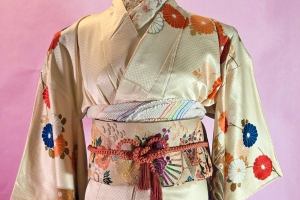
It’s possible you’ve seen this adorable little A Dictionary Of Color Combinations book on some fashion and personal style social media accounts lately, it’s gone somewhat viral, and for good reason. It’s less a book and more a collection of colour palettes that appeal to the Japanese aesthetic. If you’re ever stuck for inspiration, it’s a fantastic place to start. You can either open a random page and go from there, or if you have a piece in your collection you’re unsure of what to do with, there’s a handy index at the back. Find the swatch closest to your piece and then view all the options! That’s what I ended up doing here, with this gorgeous early-Showa komon I picked up at the Palm Springs vintage market a few months back.


I found this palette with the colour “Eugenia red”, which was about as close as I could find to the kimono. The complementary options were “Sulphine yellow”, “Green Blue”, and “Raw Sienna.” The obi is nearly spot-on for the sulphine yellow, and the other two colours show up in the obi motifs quite nicely. Would I normally have paired a red kimono with mustard and green accessories? Not in a million years! Was it successful? That’s for you to decide. I think it works, but it’s definitely not my favourite thing I’ve ever put together. I will definitely keep trying combos from this book though

Also if you’re curious about my manicure in the book pics, it’s Zoya Midori stamped with this Maniology sashiko plate. I was going for “matcha latte” vibes.


Items used in this coordination


 This post contains affiliate link(s). If you choose to purchase, I receive a small rebate or commission which goes to the continued maintenance of this site.