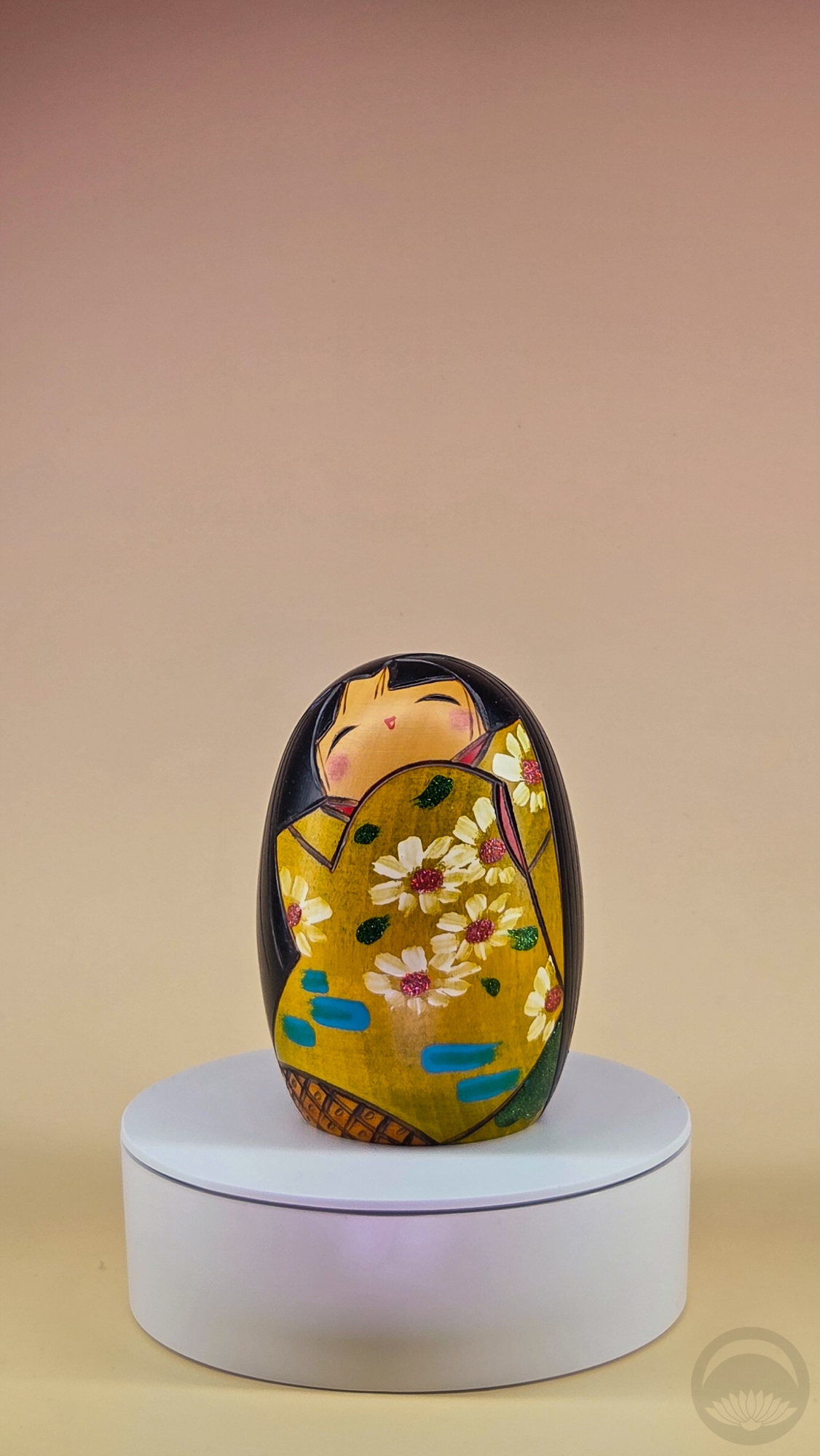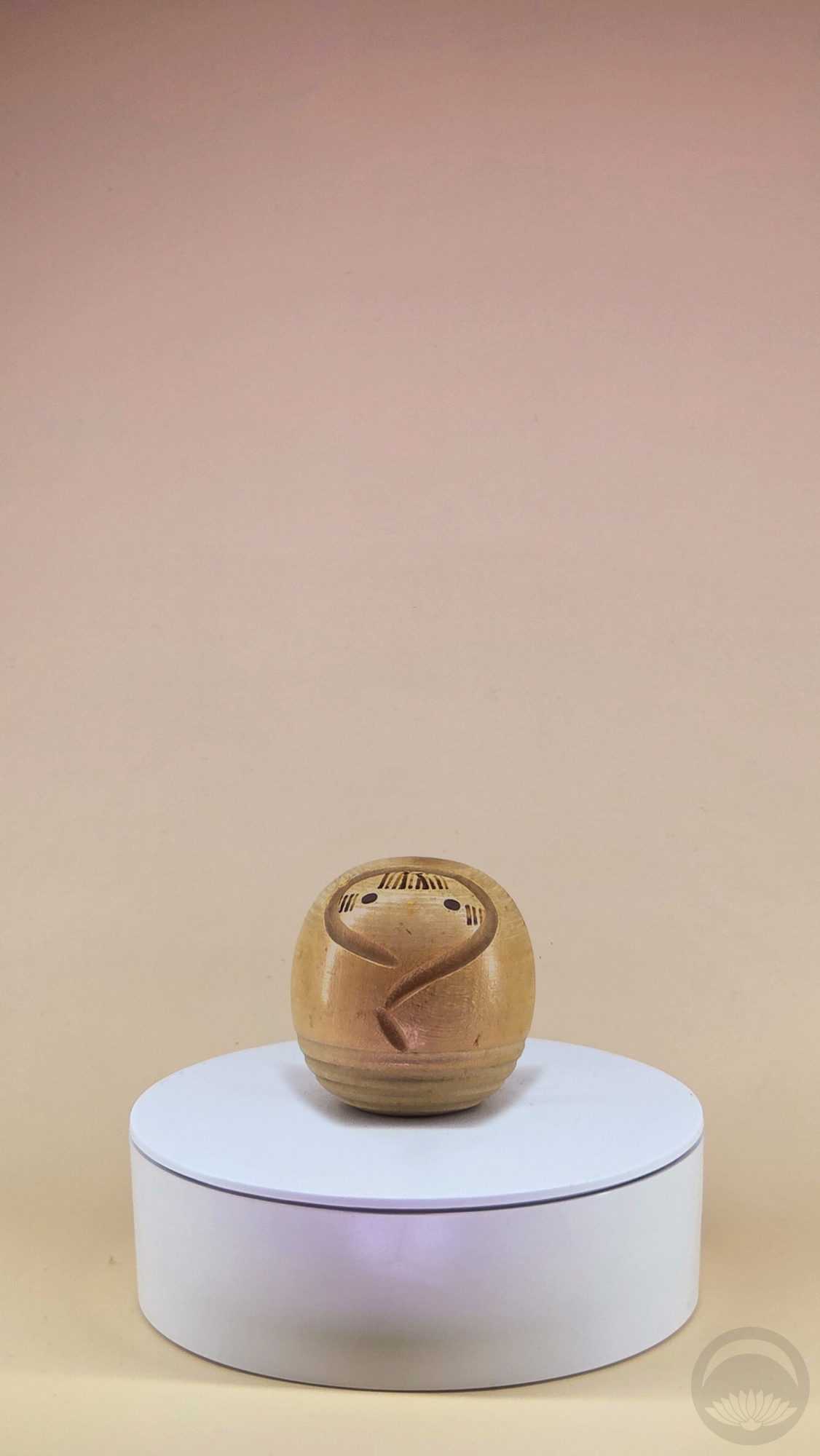
My Kokeshi Collection

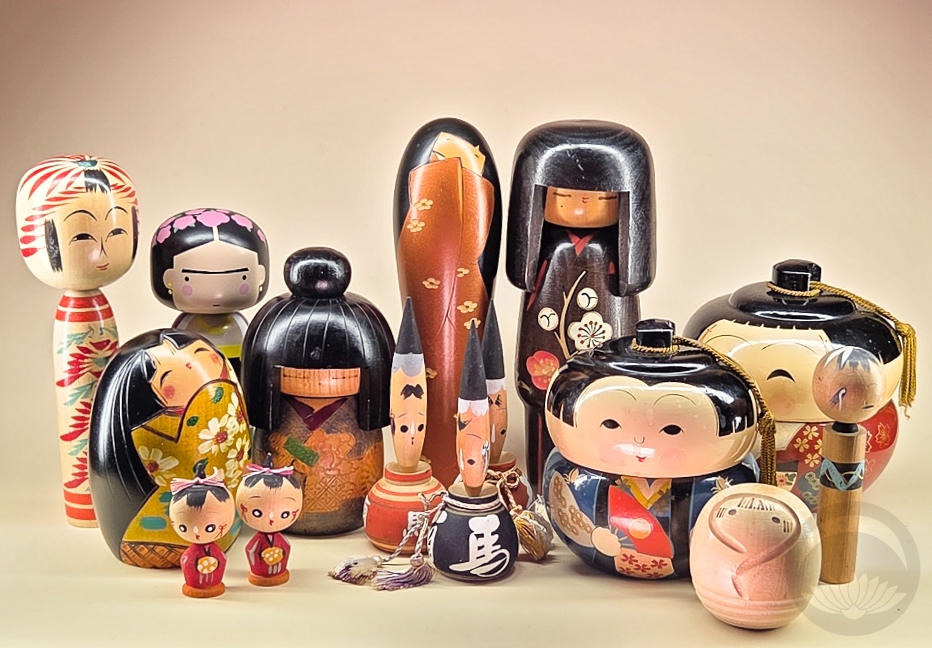
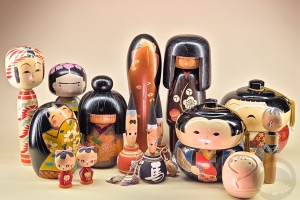
I didn’t set out to start collecting kokeshi ( 小芥子, こけし) dolls, but let’s be realistic — if you’re in any way involved in Japanese traditional arts it’s going to happen eventually. Whether it be gifts, souvenirs, impulse purchases, or any other myriad options, these charming little figurines will find their way into your heart and your home.

I’ve already posted about my Kimmidolls, which are a more modern Australian take on kokeshi-style figures, but as my actual kokeshi collection continues to grow, thanks in no small part to this incredible mystery bundle I got from the Los Angeles Toy, Doll and Amusements Museum, I figured it was time I gave these lovely ladies (and occasional gentleman) their moment in the spotlight.

Dento (Traditional) Kokeshi

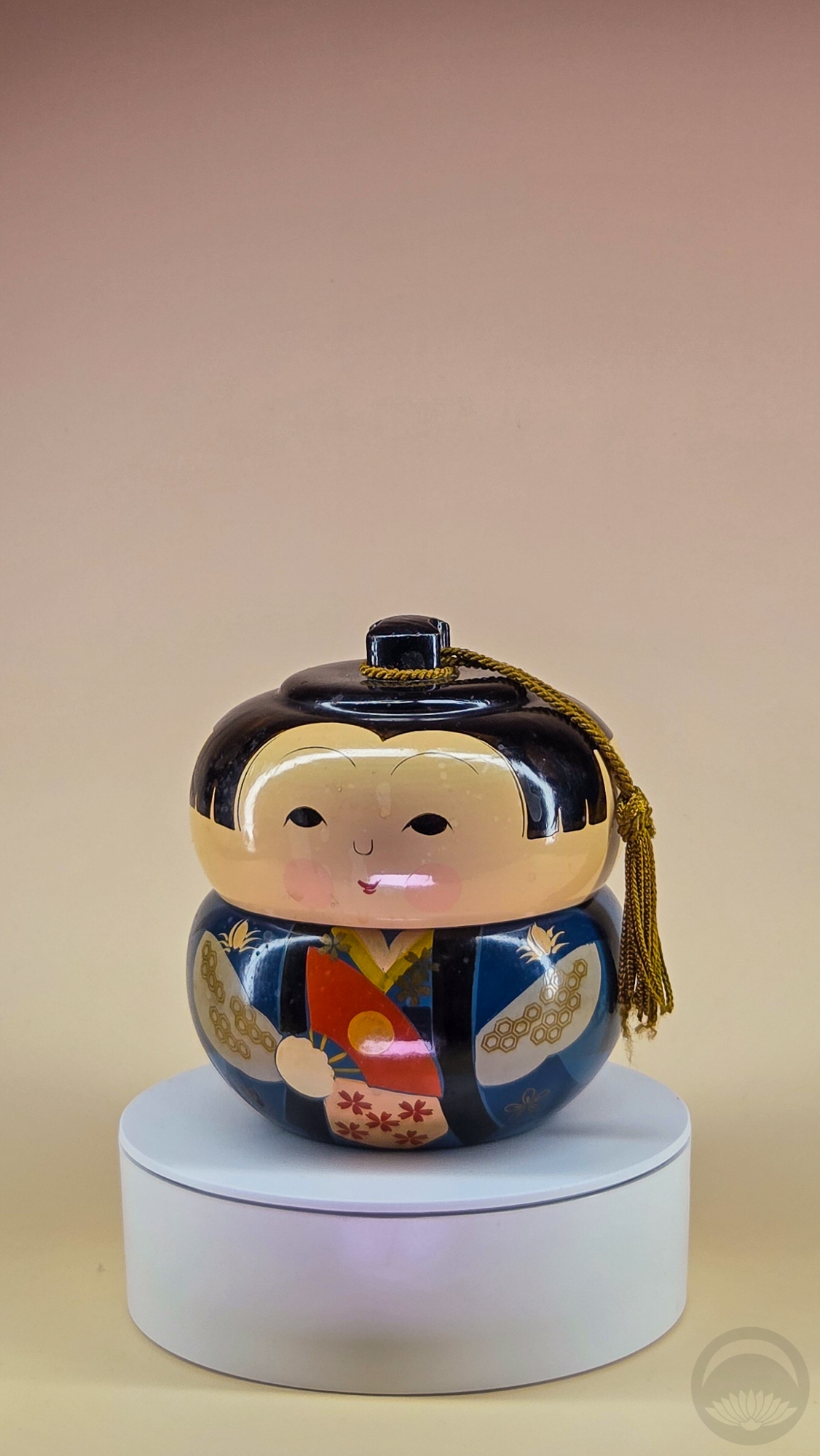
Starting with the classic Tohoku-style lathe kokeshi most folks are familiar with, and including regional variations and tourist souvenir types. These tend to have the most “vintage” style faces and decorations.

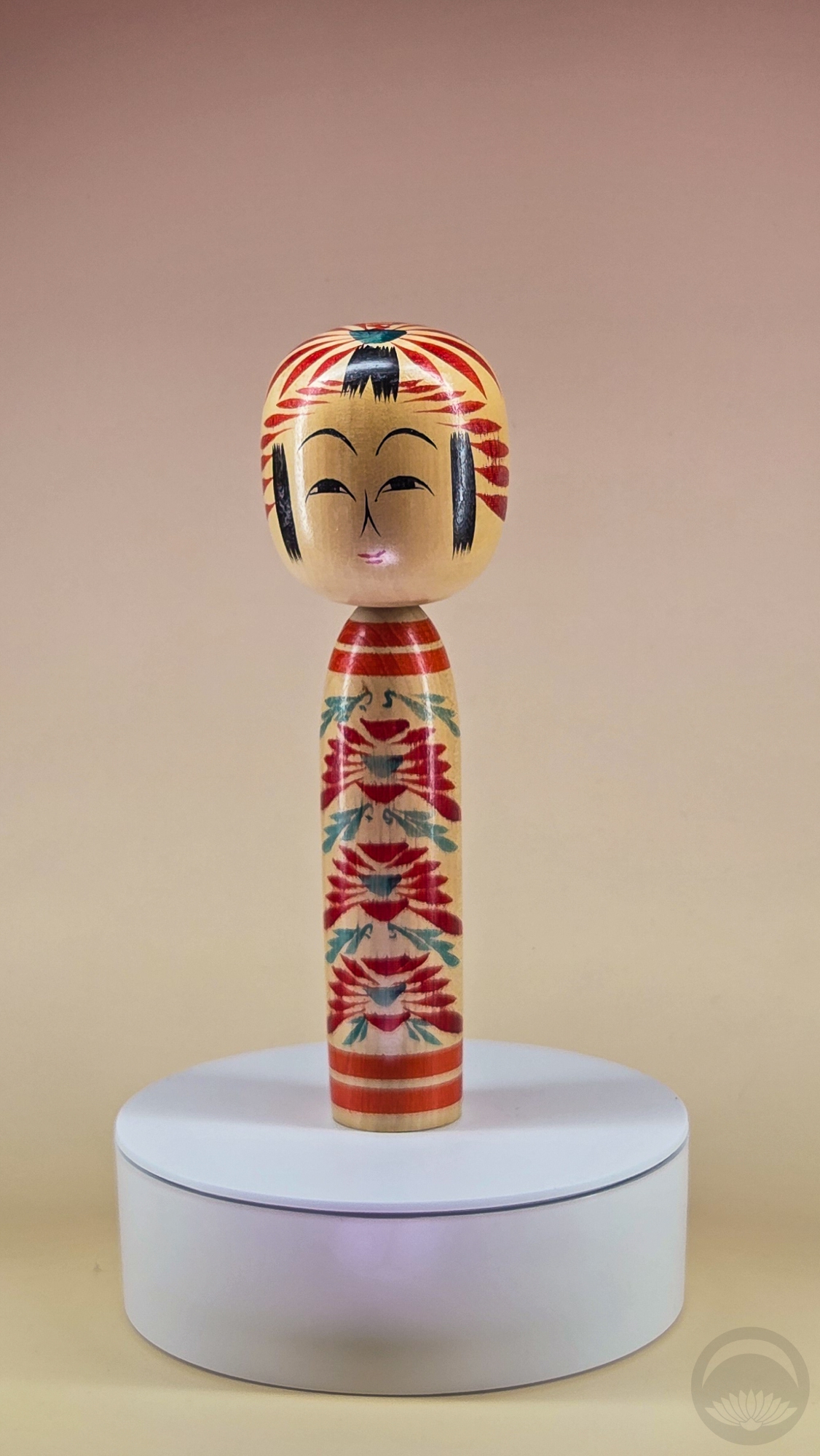
Traditional Togatta (遠刈田)-style kokeshi

gifted by a local kimono vendor in Montreal, QC
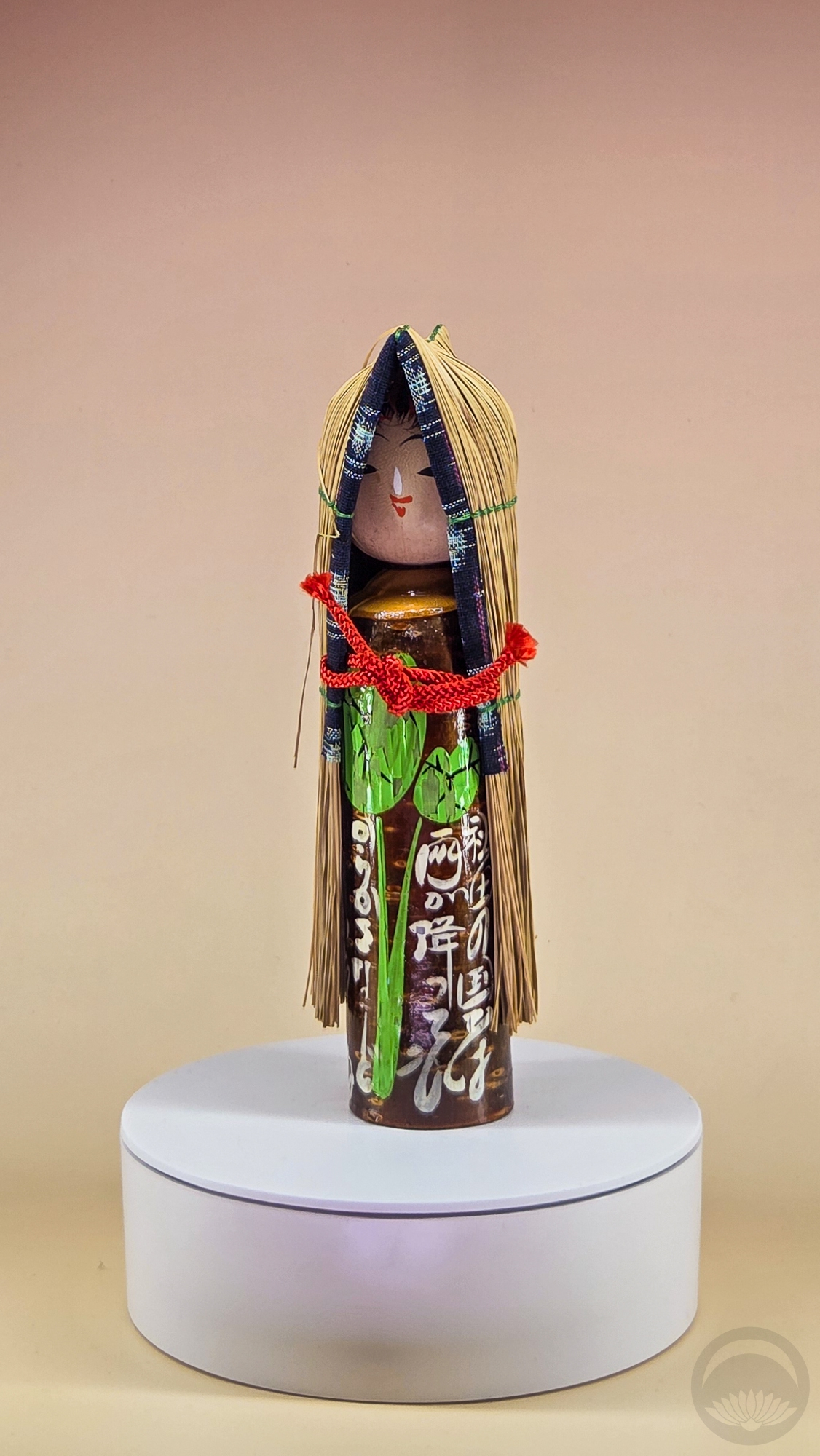
Yukinko (雪ん子) – Child in Snow kokeshi

LATDA kokeshi mystery box
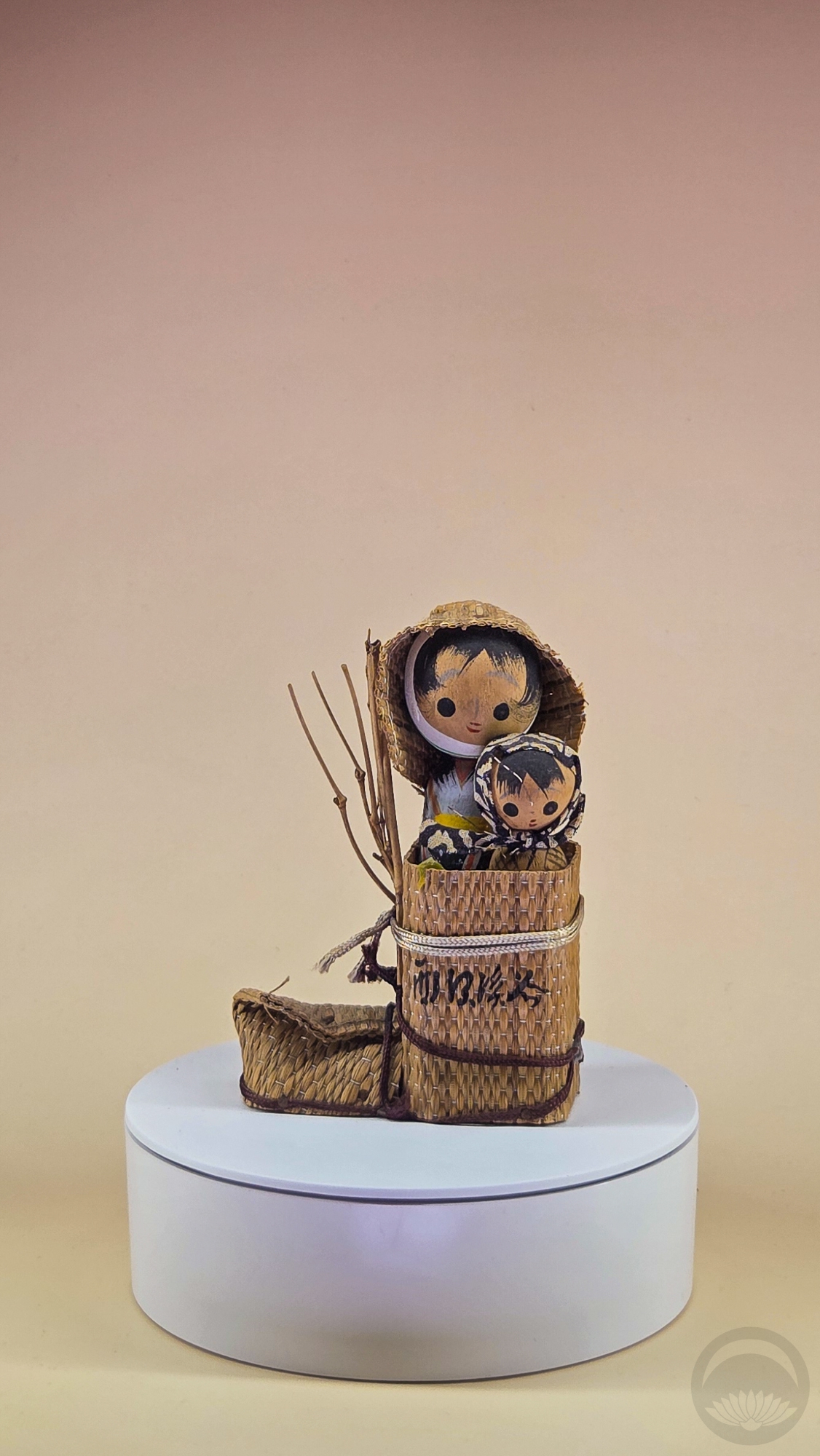
Koke-shoe? Yukinko (雪ん子) – Child in Snow kokeshi

LATDA kokeshi mystery box
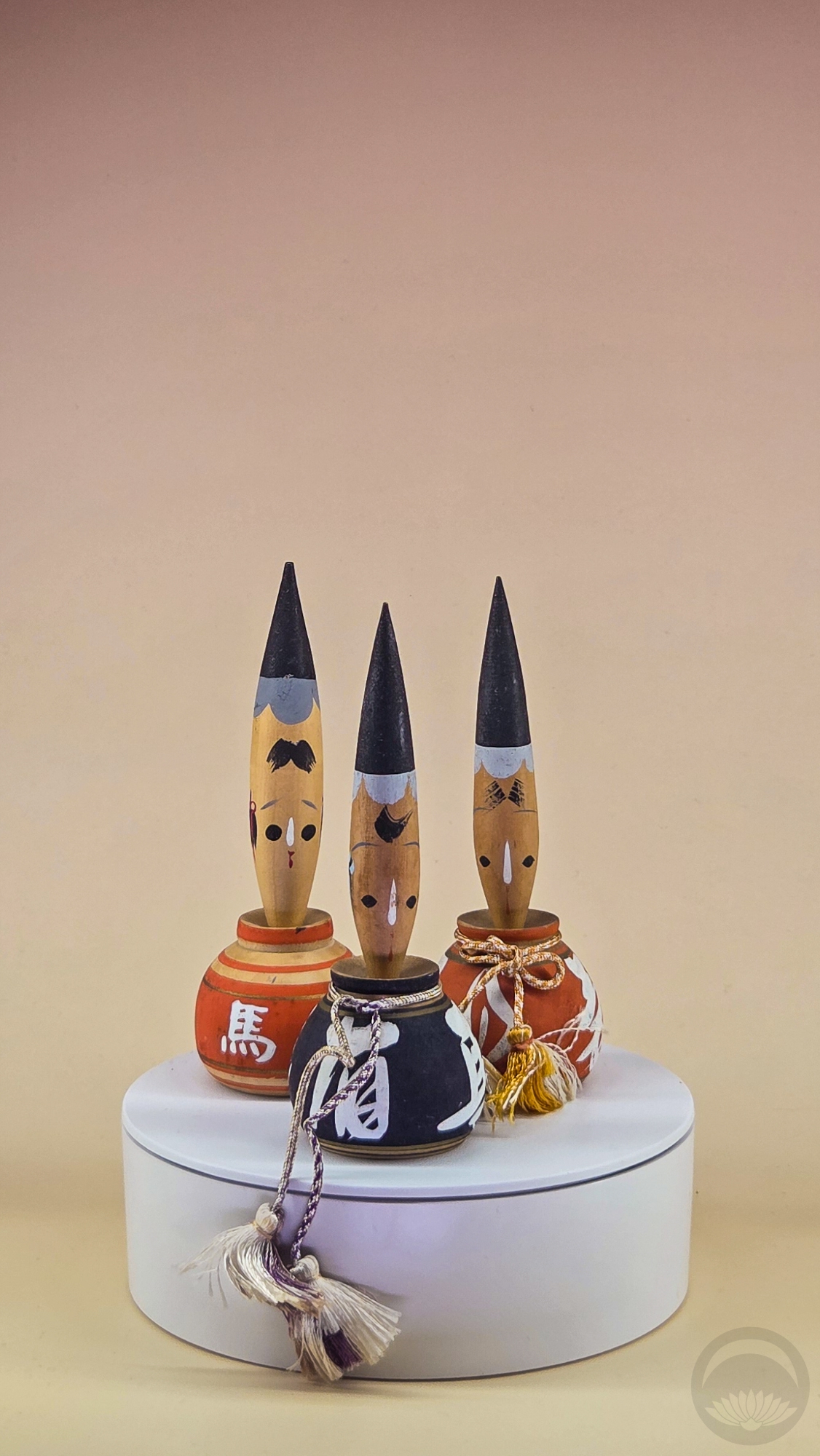
Three Fude (筆こけし) – Ink Brush kokeshi

LATDA kokeshi mystery box
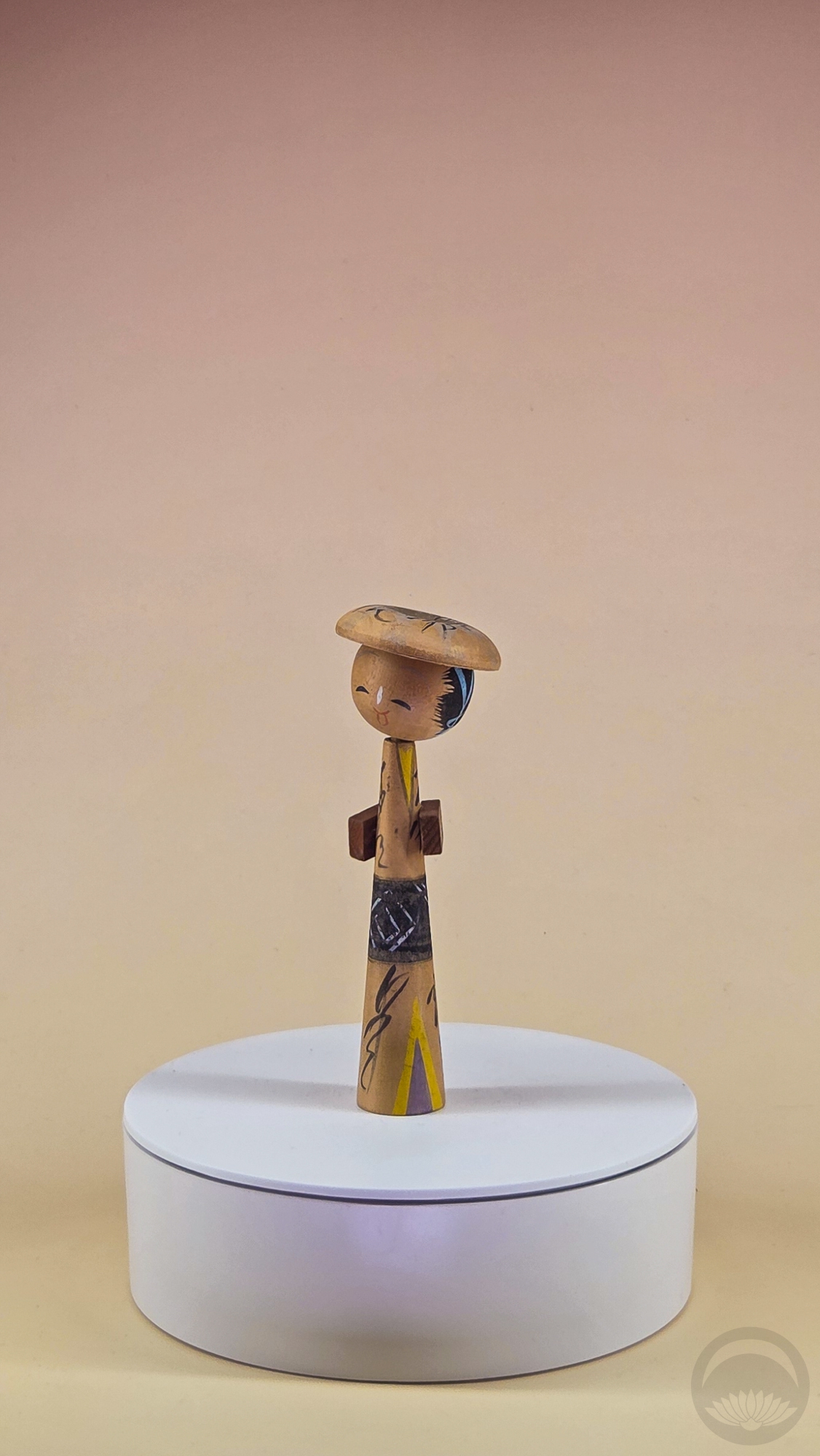
Tall stylish kokeshi with packages and hat

LATDA kokeshi mystery box
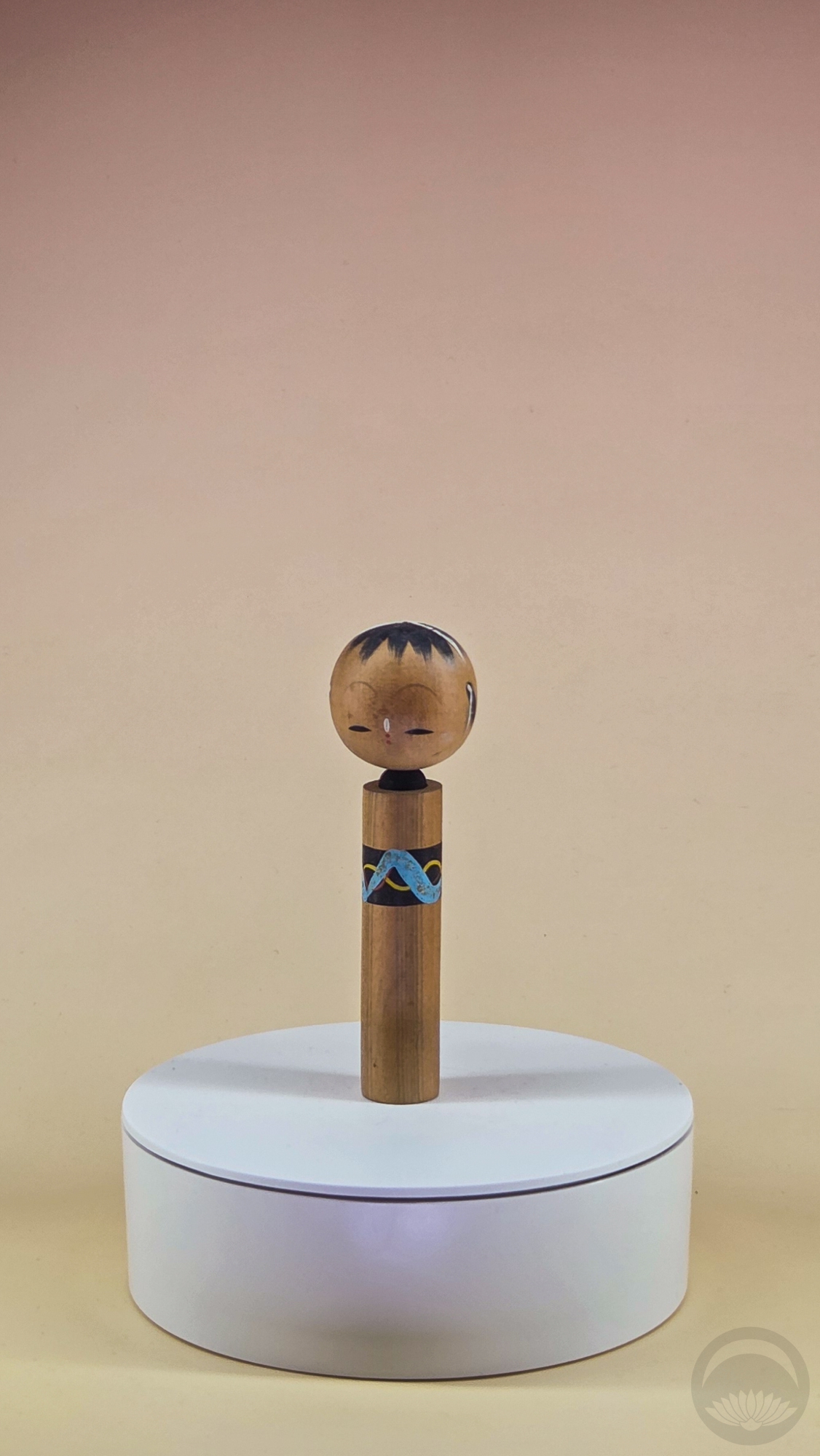
Tall skinny kokeshi

LATDA kokeshi mystery box
Twin girl kokeshi-nodda (nodding/bobble head)

gifted by restaurant owners in Montreal, QC
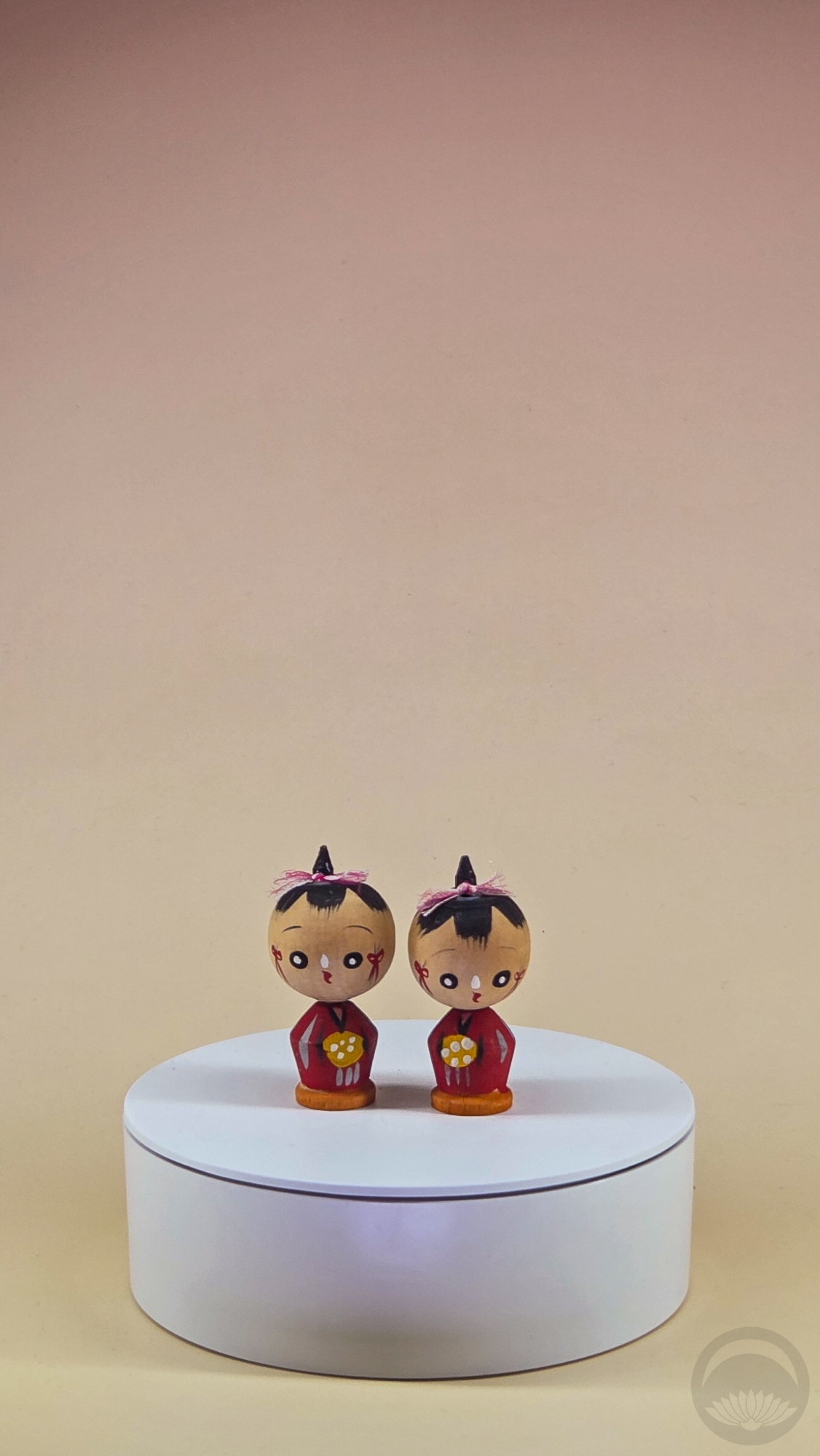
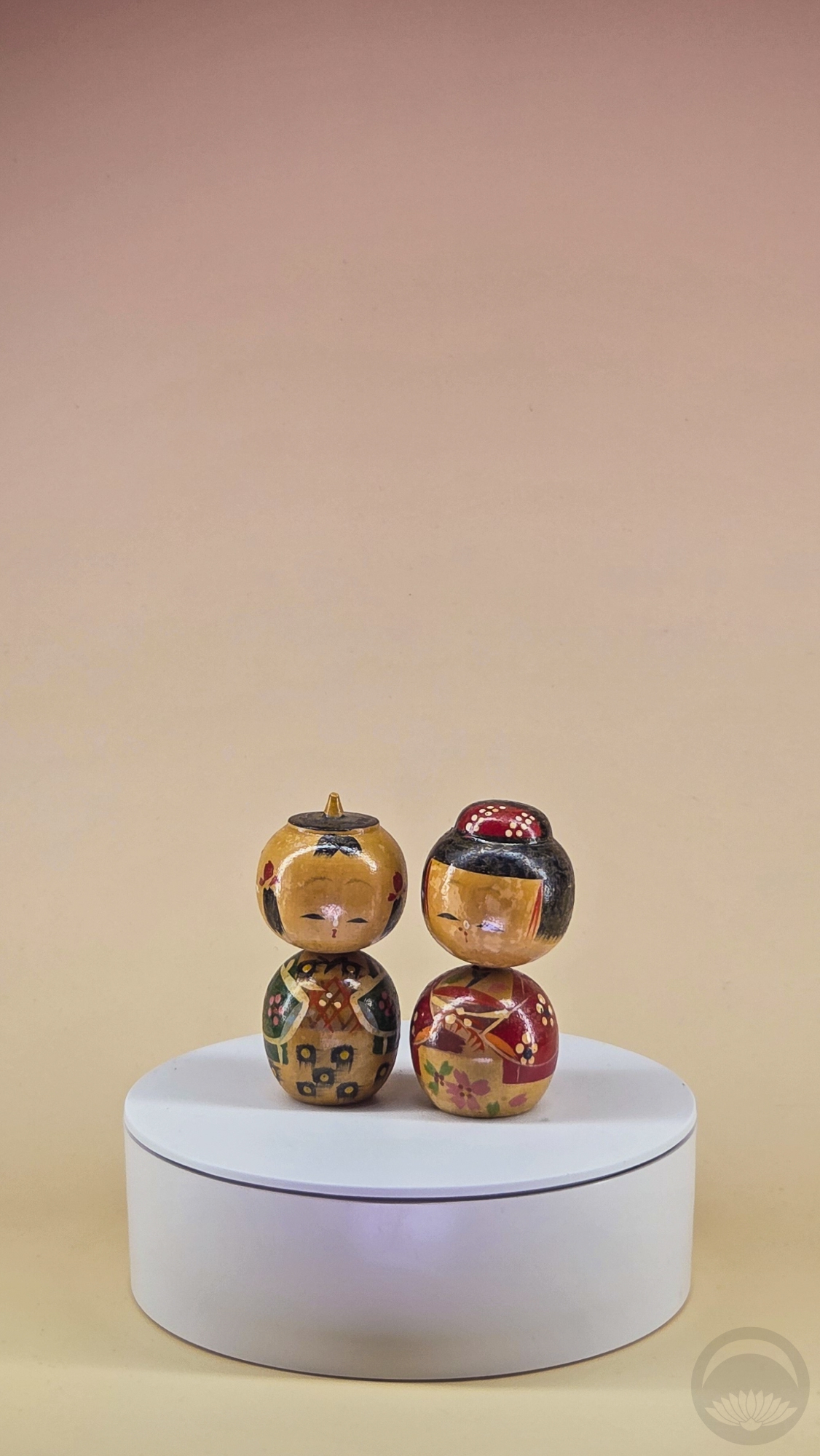
Charming pair of kokeshi-nodda (nodding/bobble head)

LATDA kokeshi mystery box
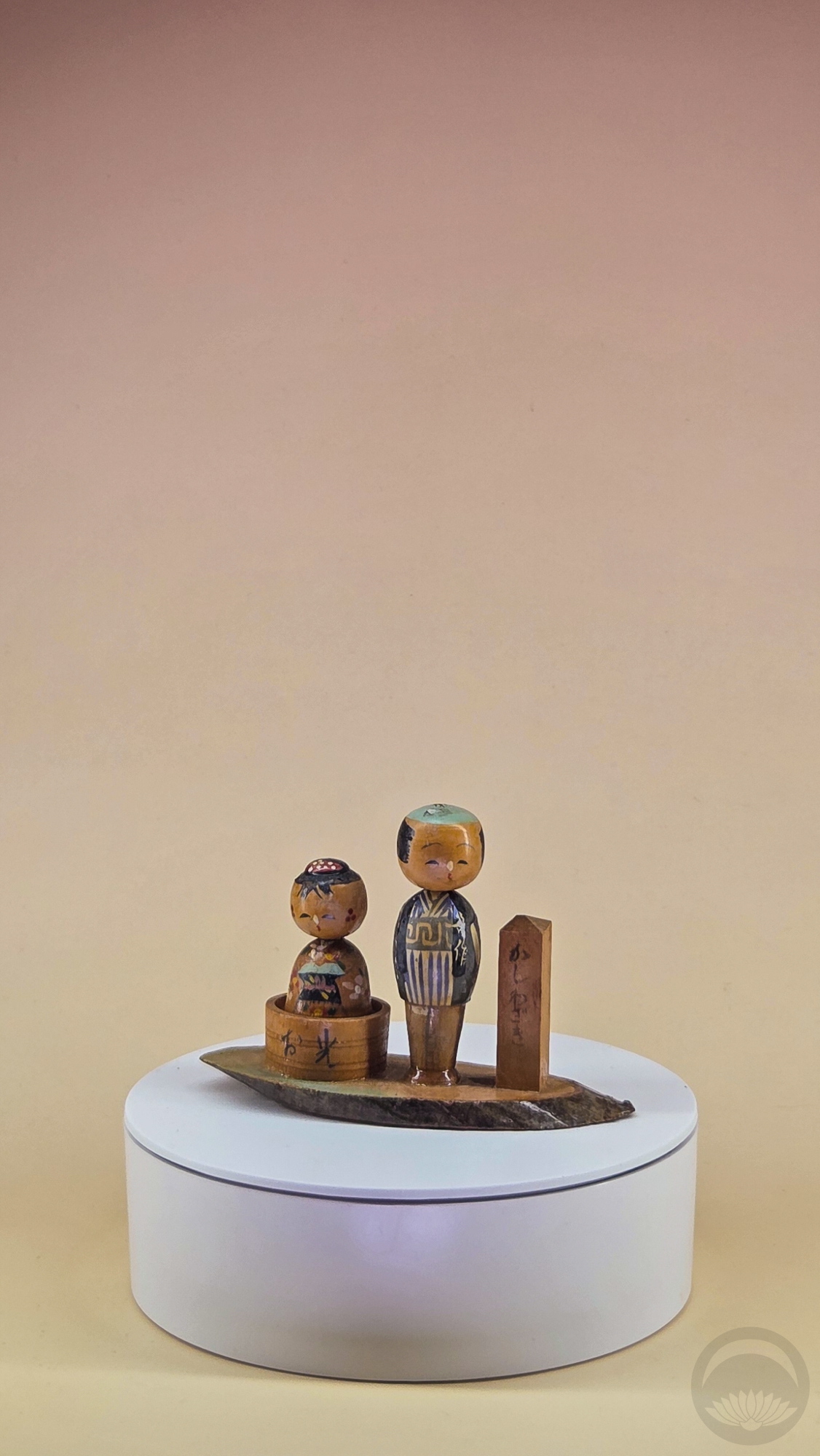
Couple on wooden base

LATDA kokeshi mystery box
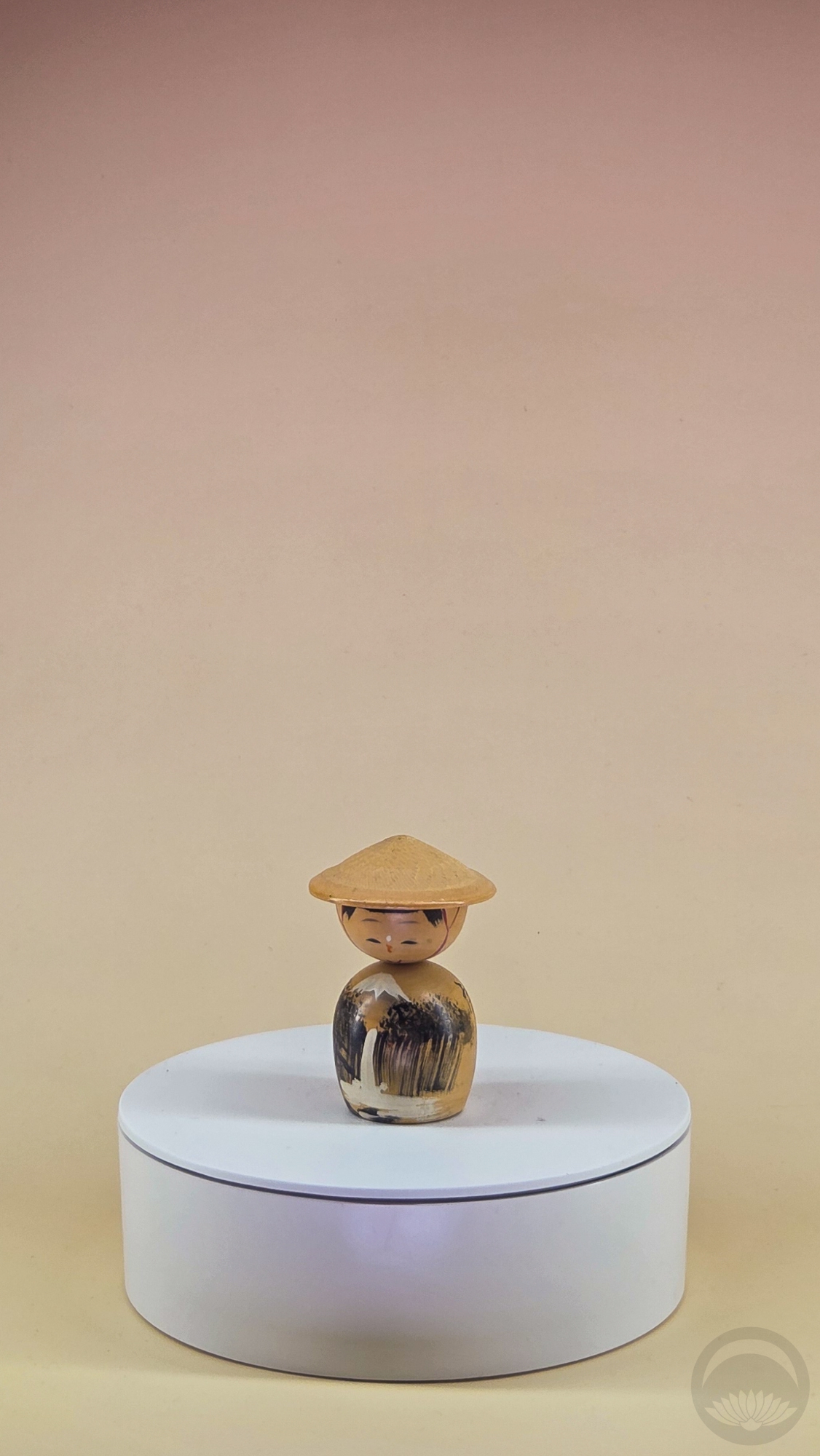
Adorable small kokeshi with landscape

LATDA kokeshi mystery box
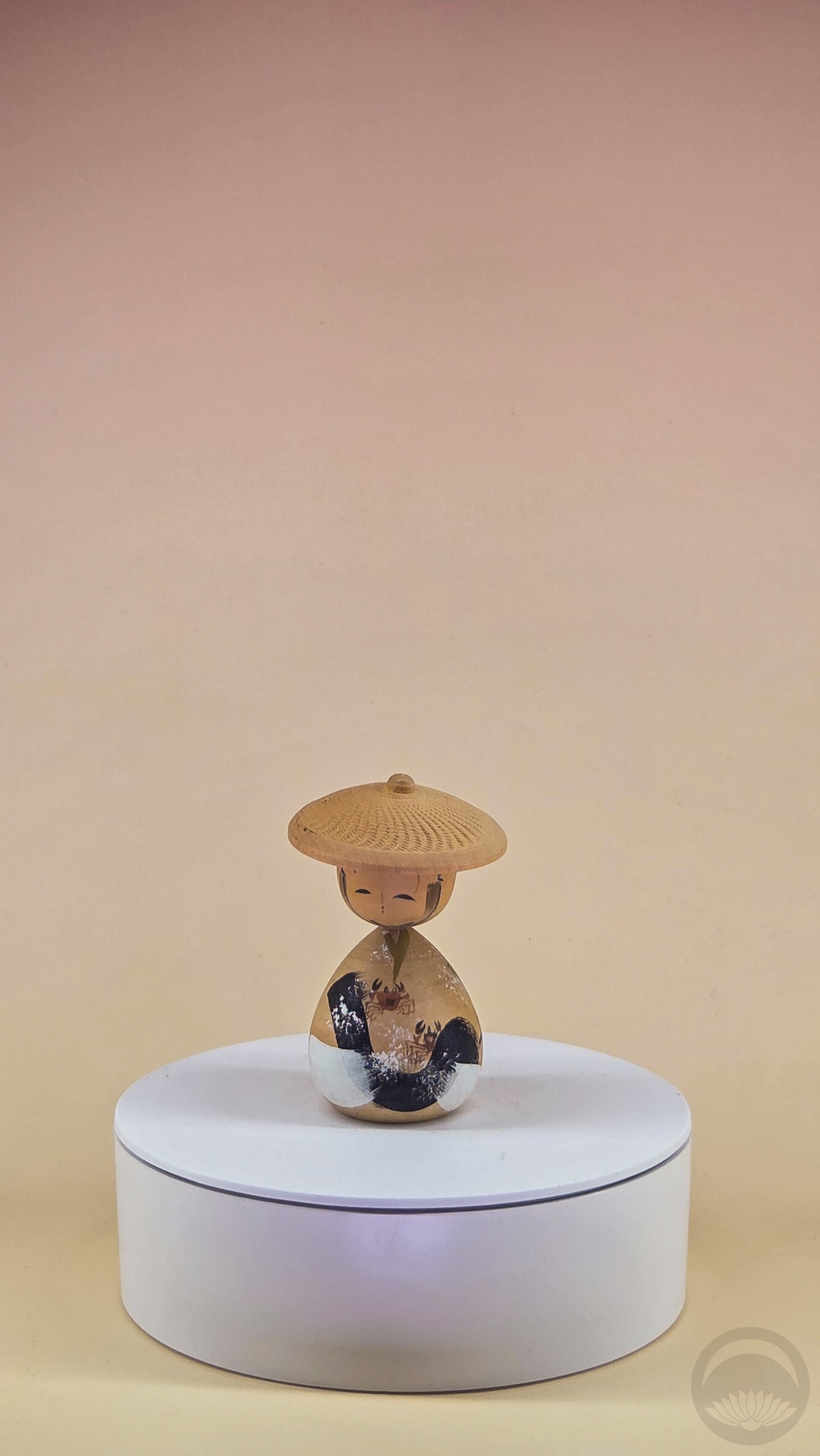
Small kokeshi with charming crab motif

LATDA kokeshi mystery box

Sosaku (Modern) Kokeshi

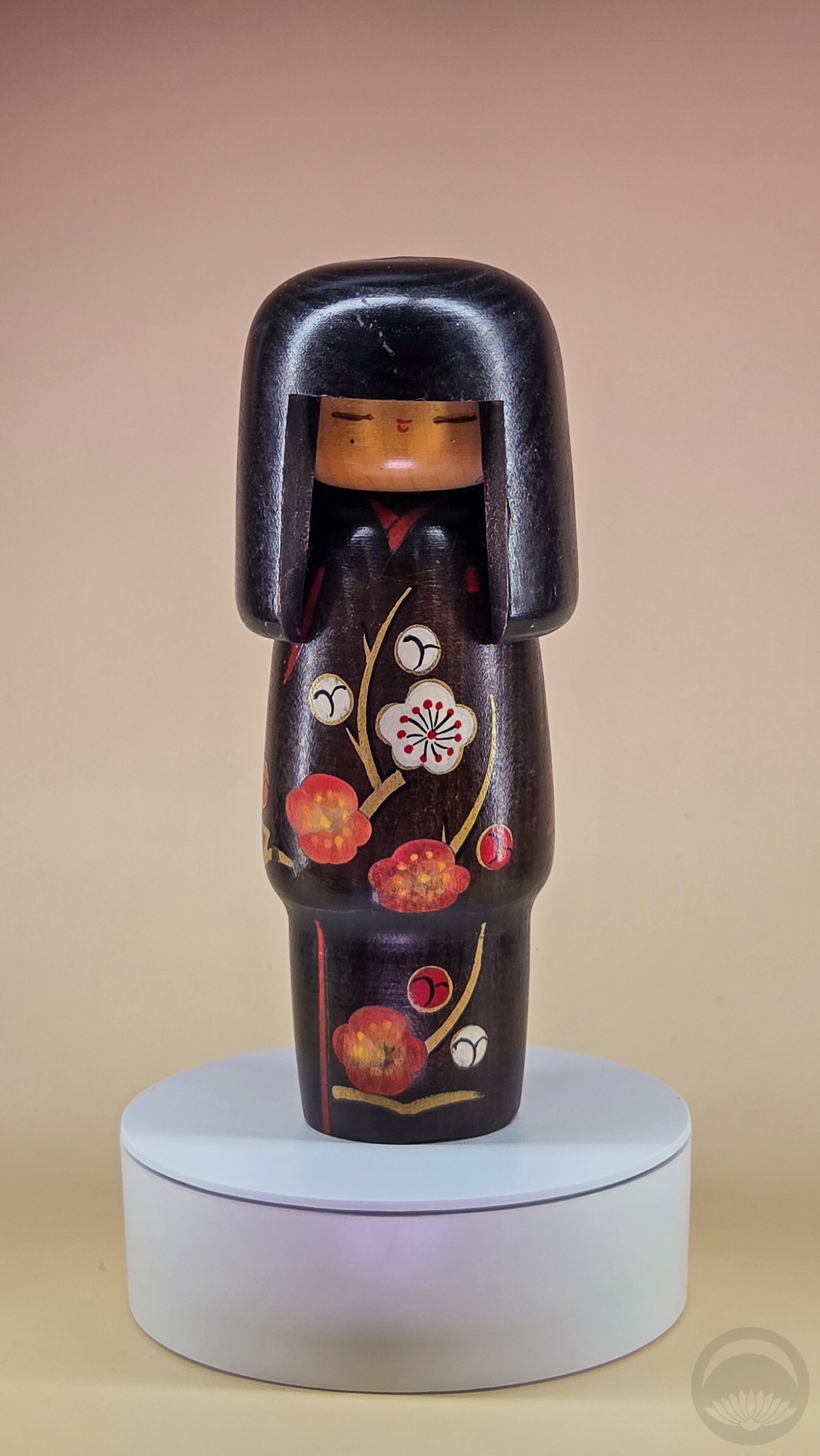
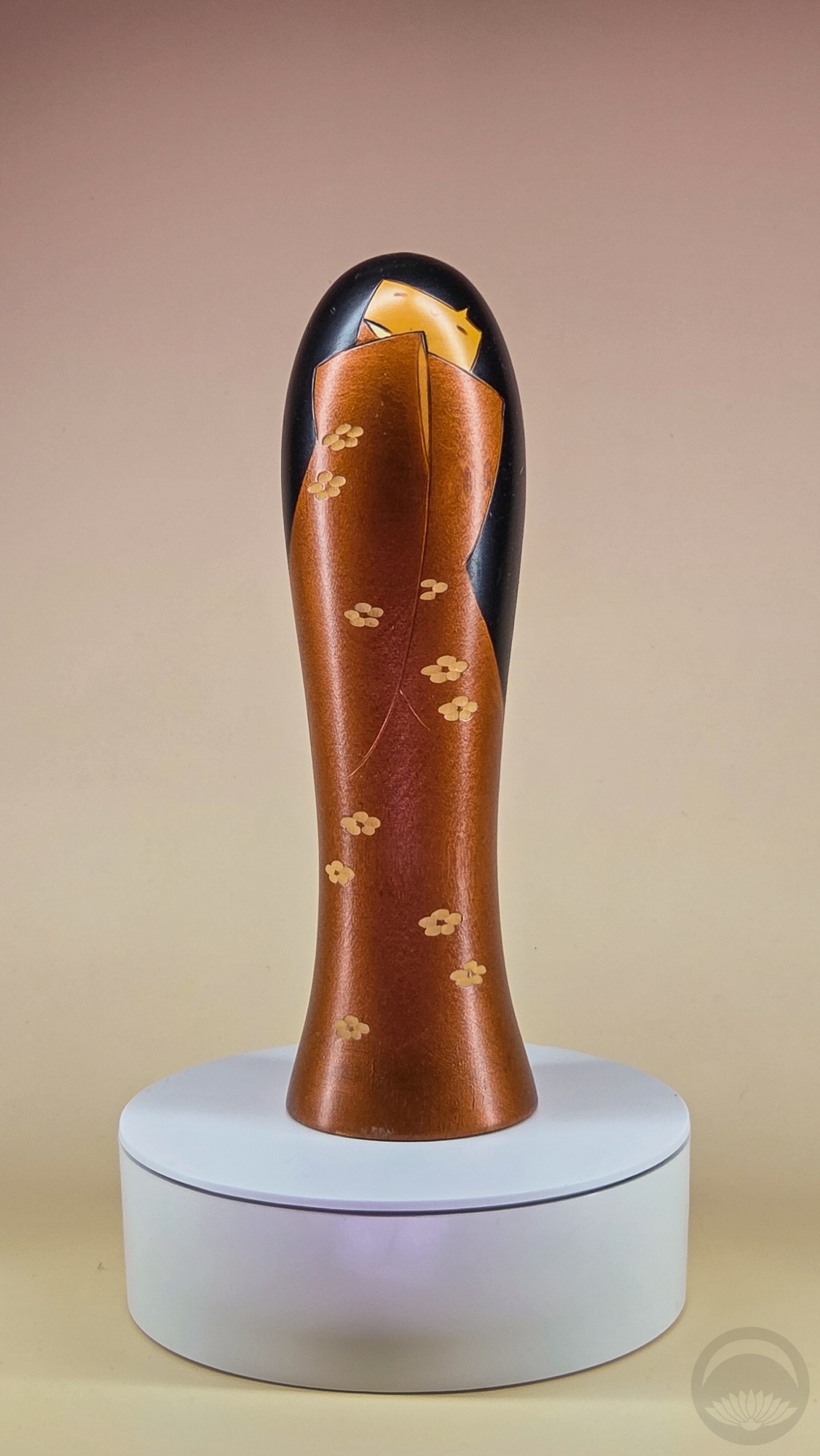
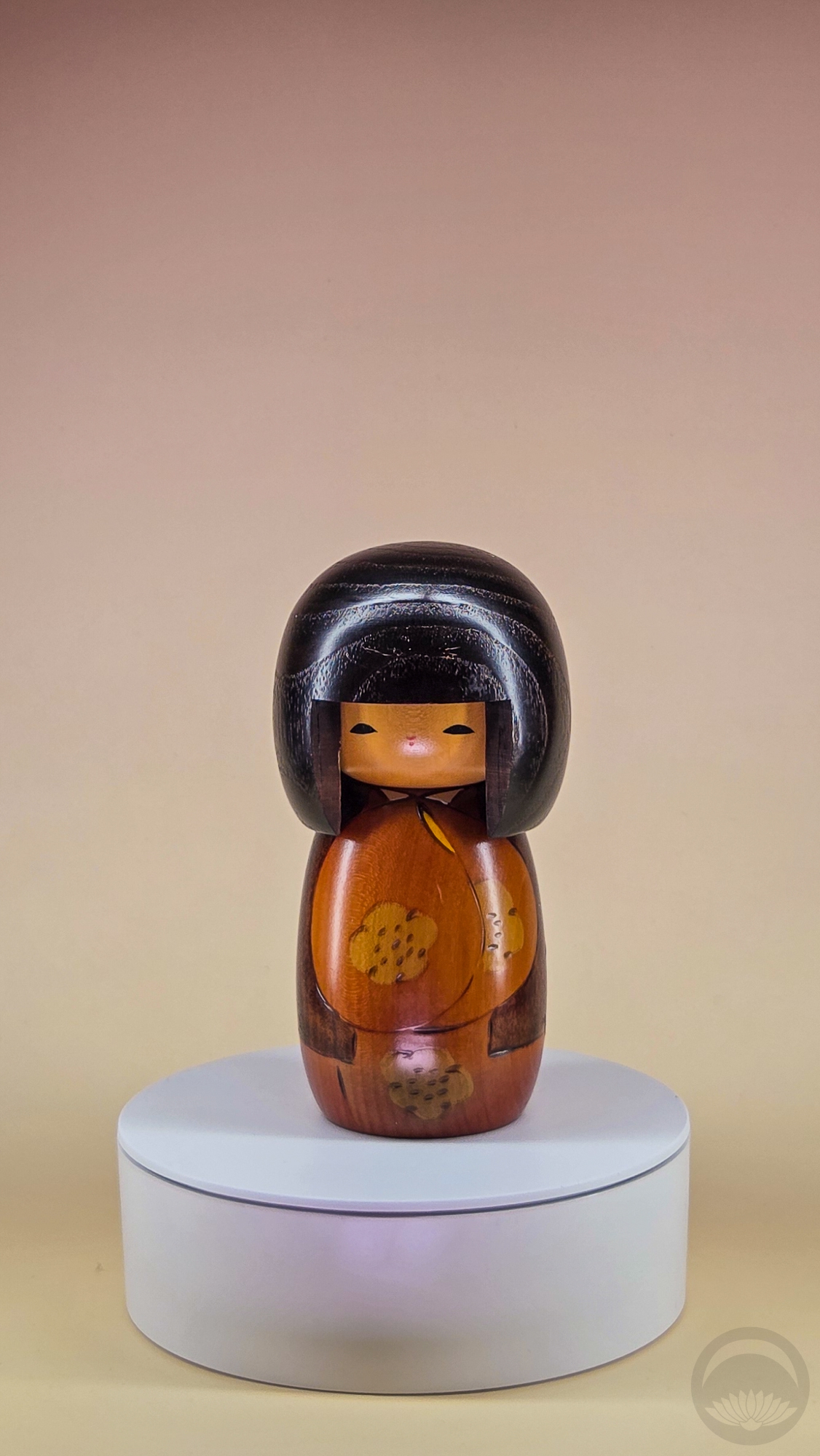
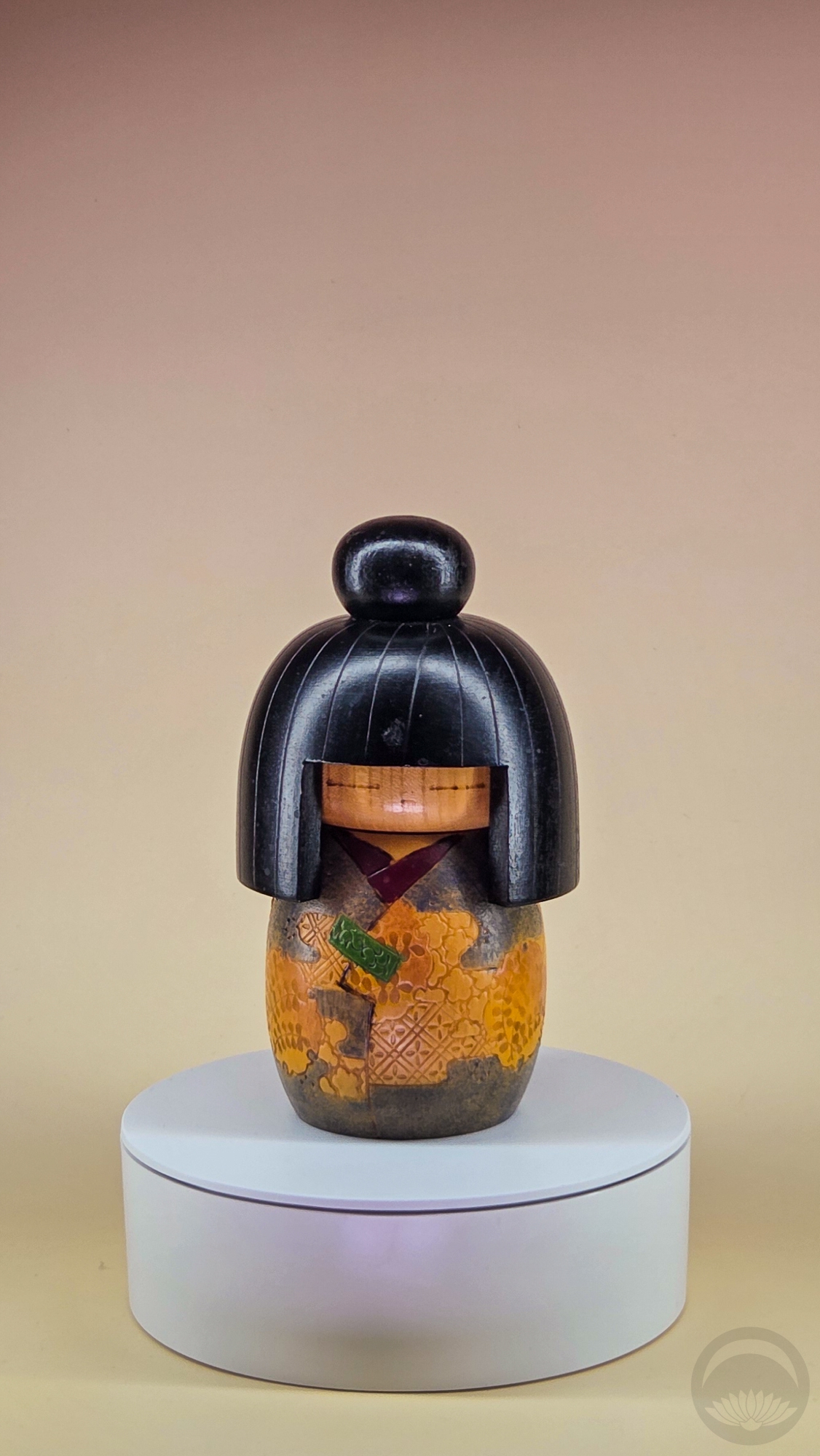
Still crafted by Japanese artisans, these fall under the modern style that became popular in the fifties and sixties. Their designs are more fluid, the shapes are more organic. This is personally my favourite style. I love how shapely they are, and tend to have an excellent and comforting feel when held.

Ume kokeshi with interesting shape, unmarked

thrifted in Oak Glen, CA
Slender Usaburo kokeshi

thrifted in Montreal, QC
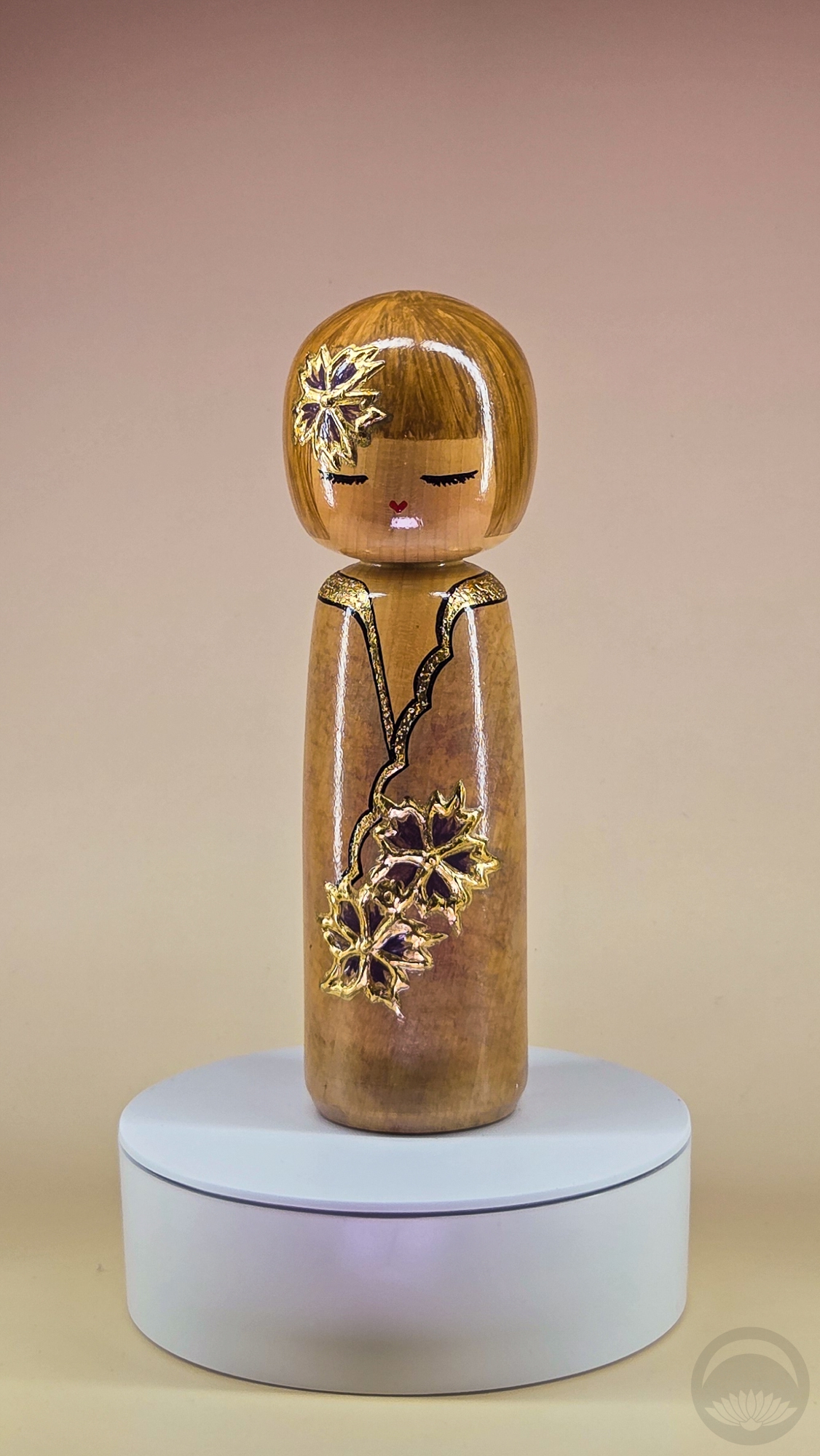
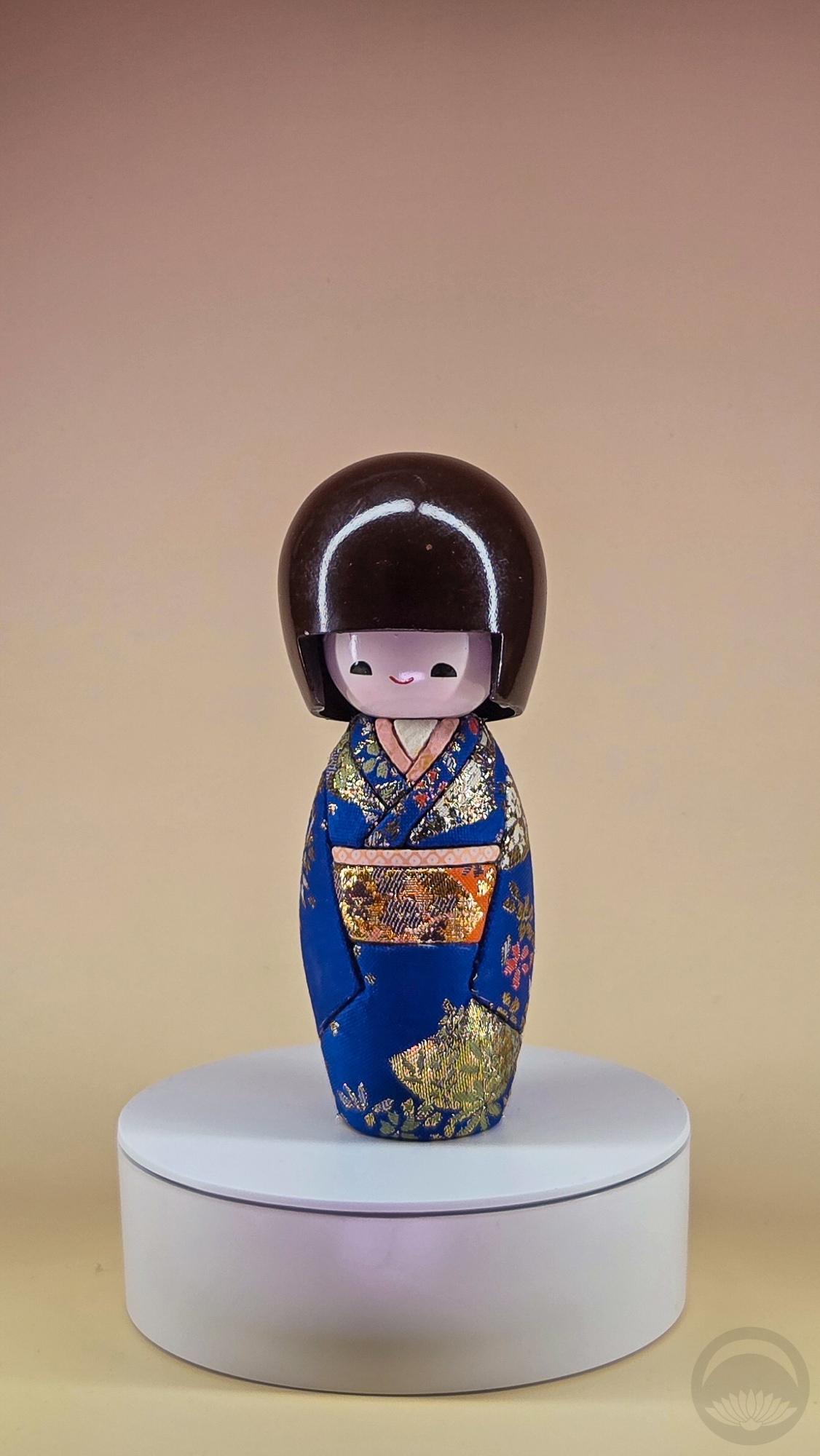
Petite kokeshi with bob, unmarked

gifted by a friend
Carved kimono kokeshi by Takamizawa Kazuo

LATDA kokeshi mystery box
Hanakasumi kokeshi by Artforum

gifted by a friend
Diminutive unpainted round kokeshi

gifted by a friend

Alternative Kokeshi

These may include Japanese dolls that don’t fit elsewhere or kokeshi-inspired art dolls from around the world.

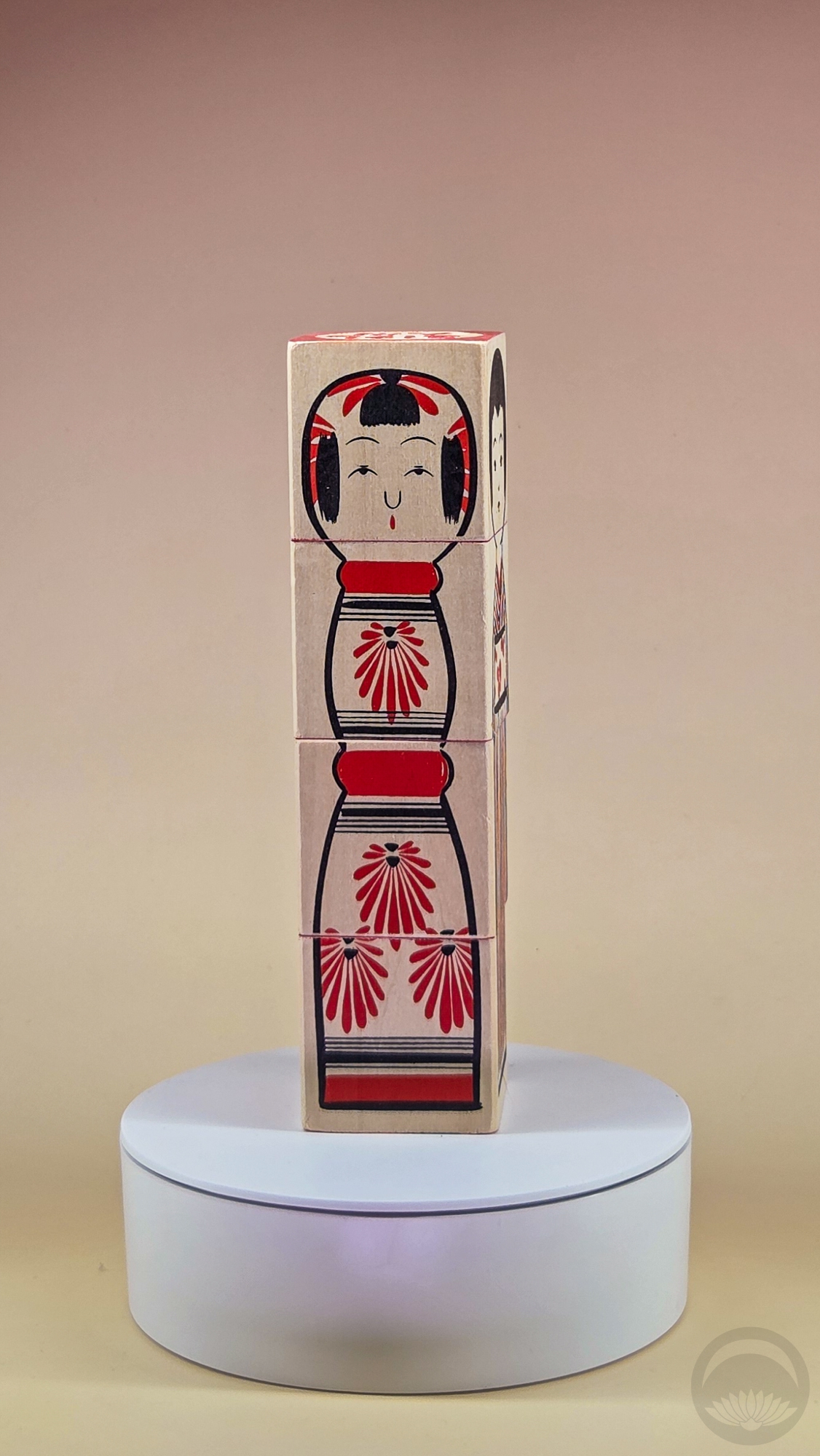
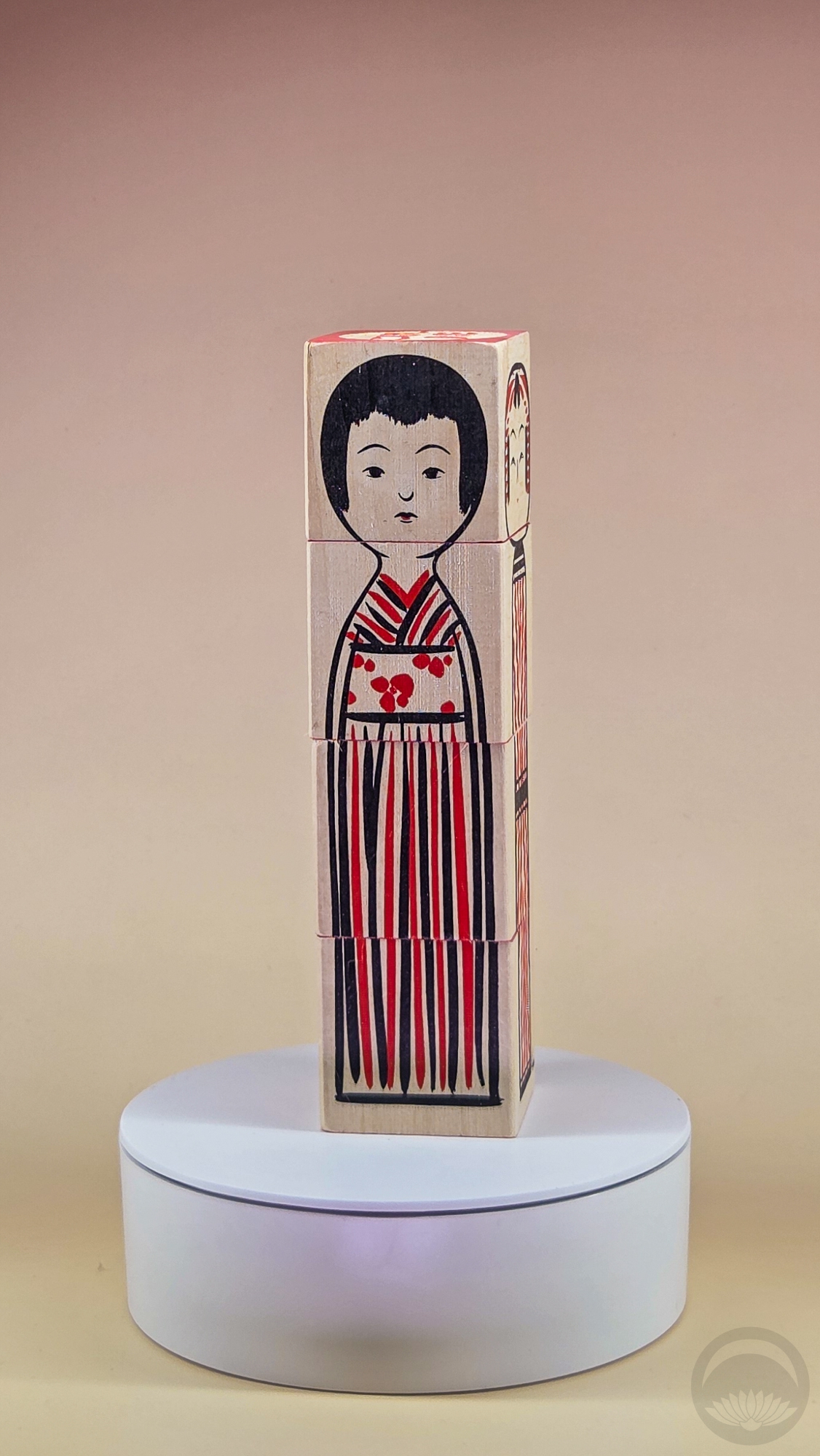
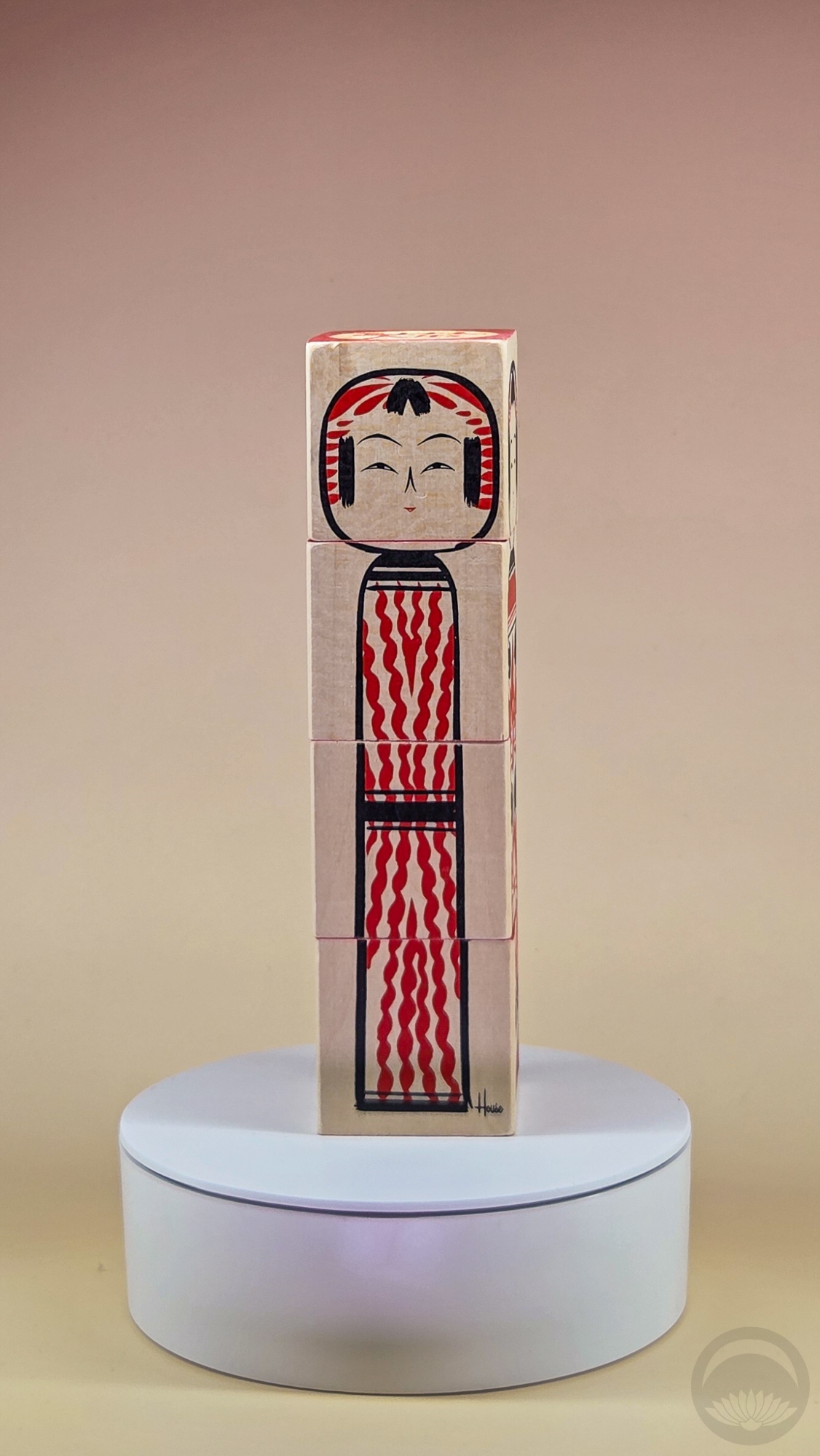
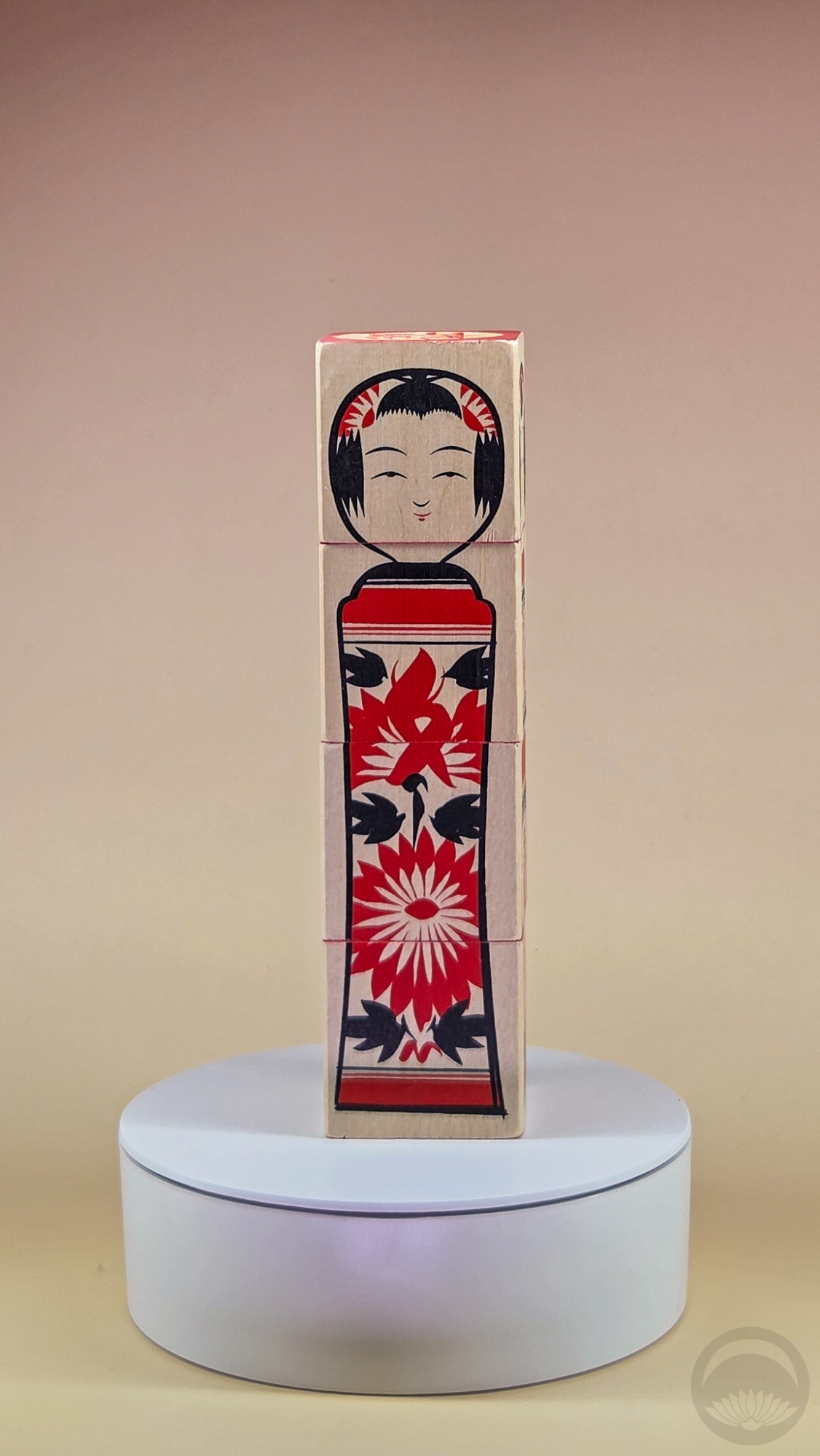
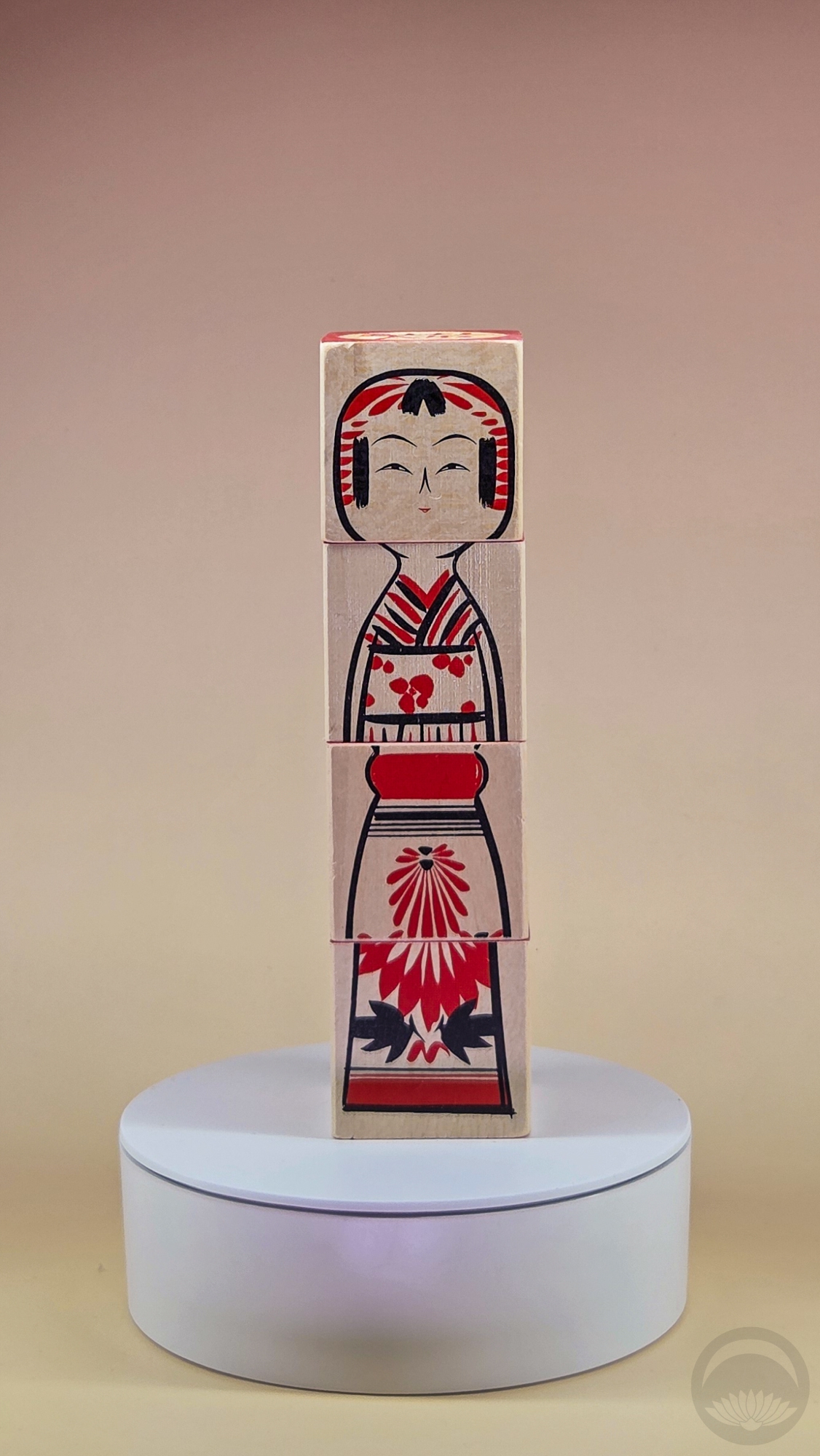
Kokeshi stacking block toys by House Industries x Uncle Goose

purchased on Etsy
Kokeshi stacking block toys by House Industries x Uncle Goose

purchased on Etsy
Kokeshi stacking block toys by House Industries x Uncle Goose

purchased on Etsy
Kokeshi stacking block toys by House Industries x Uncle Goose

purchased on Etsy
Kokeshi stacking block toys by House Industries x Uncle Goose

purchased on Etsy
Elegant kokeshi by Canadian artist Christiane Bissonnette

thrifted in Montreal, QC
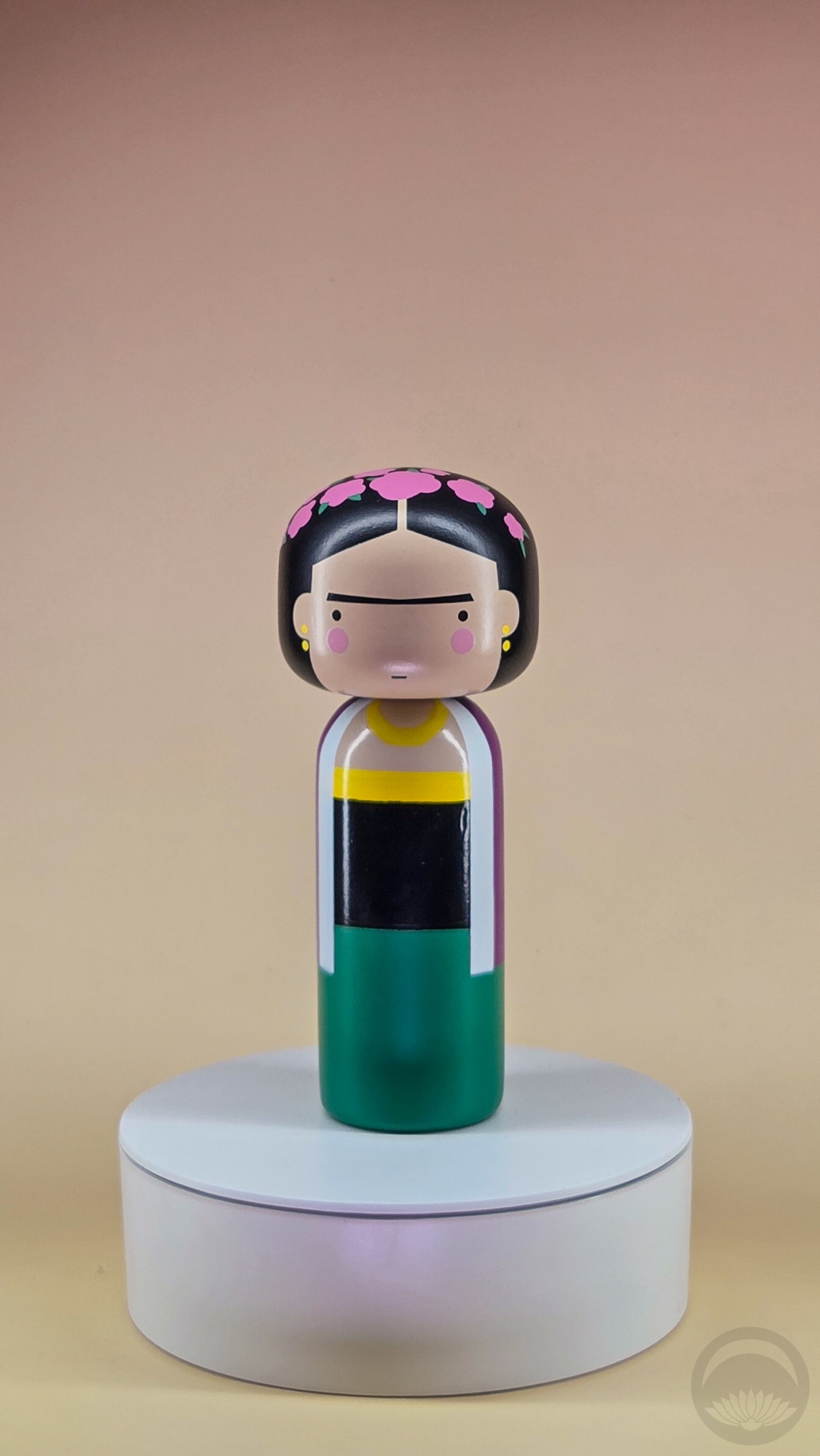
Frida Kahlo art doll Kokeshi by Lucie Kaas

purchased at Palm Springs Art Museum gift shop

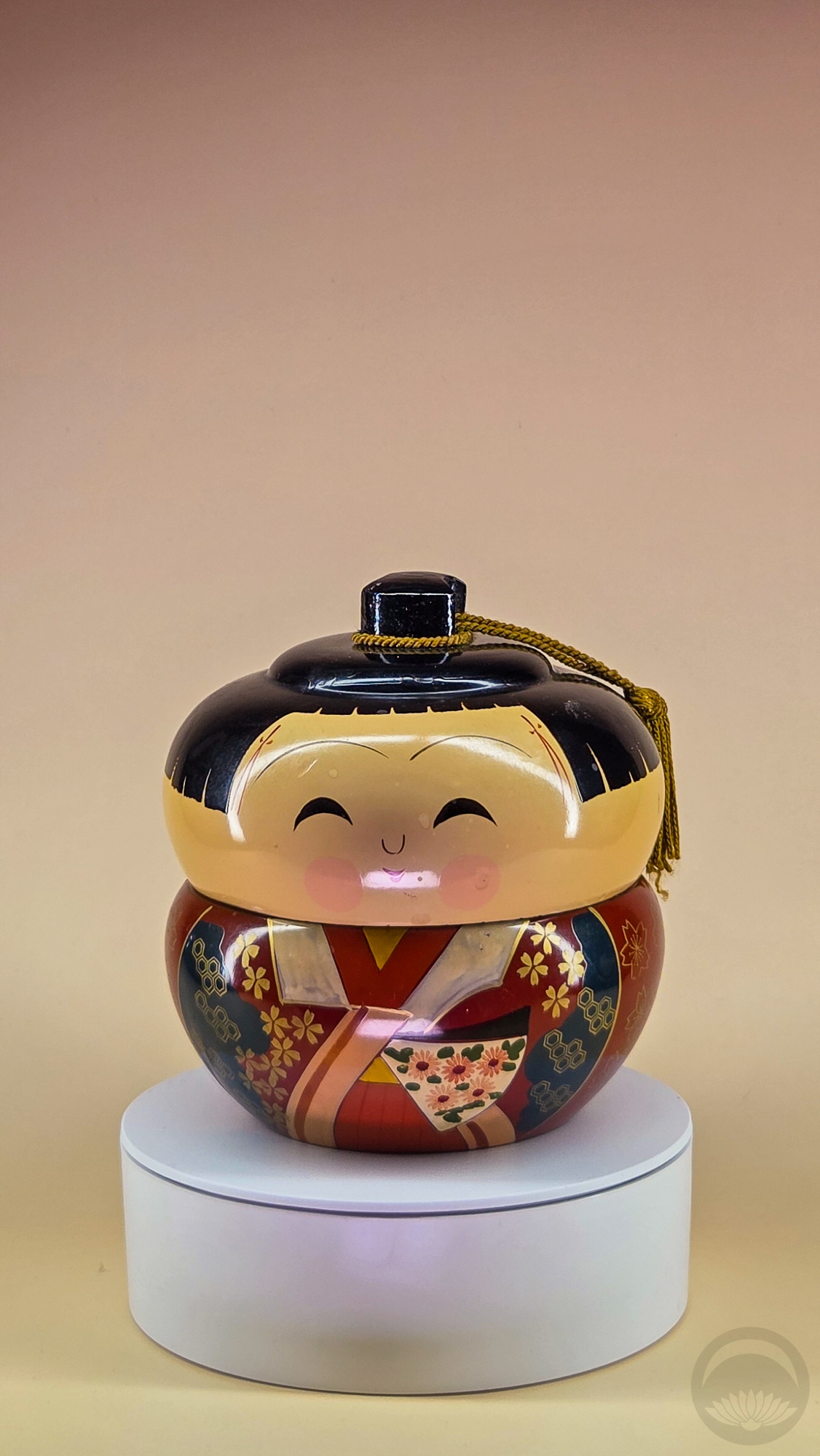
Kokeshi-style trinket box, girl

purchased at Palm Springs Vintage Market
Kokeshi-style trinket box, boy

purchased at Palm Springs Vintage Market
Mass-produced tourist kokeshi I bought because it looked like me in this outfit.

purchased in Montreal QC’s Chinatown district
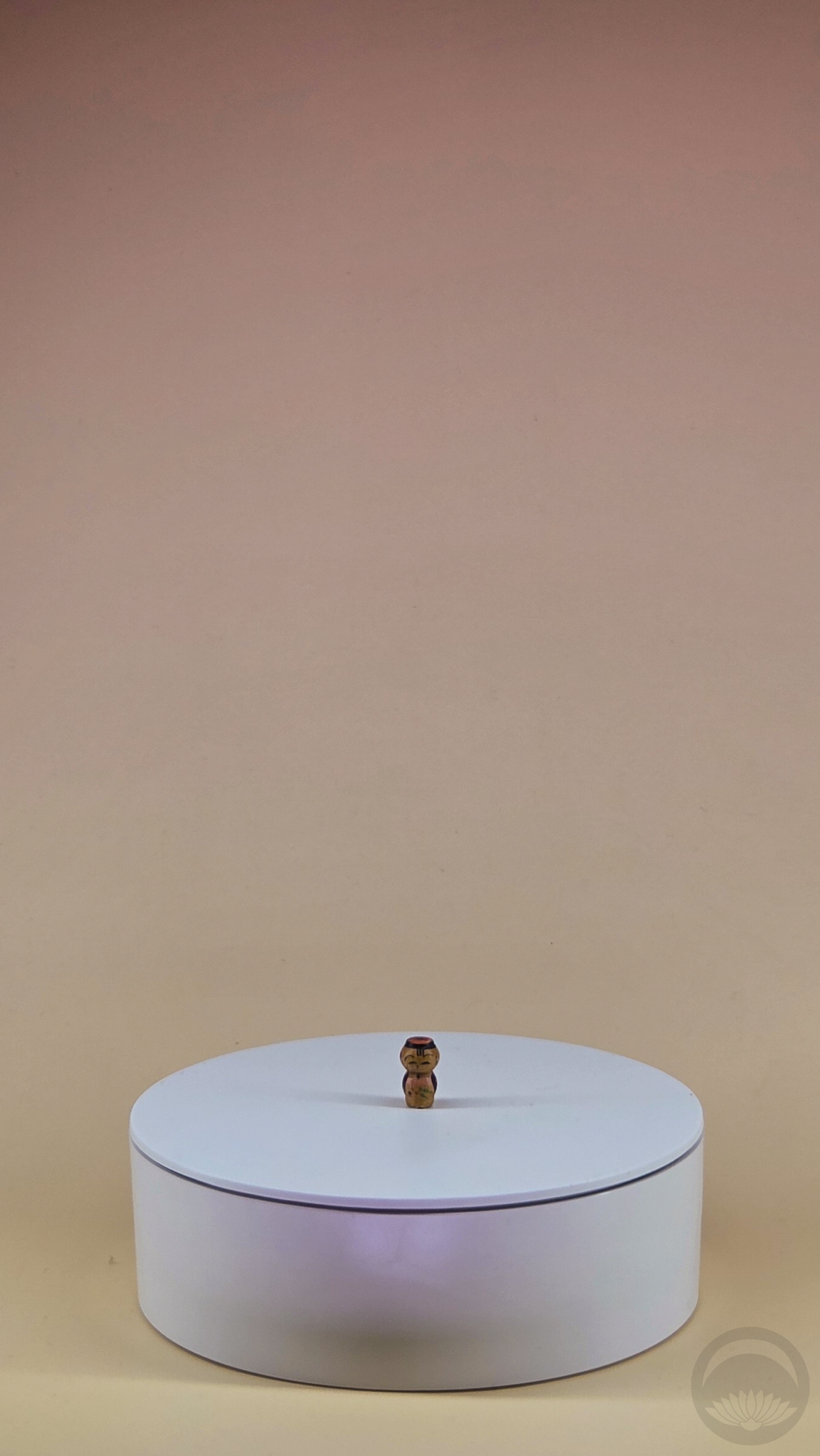
Teeeeny Tiny Kokeshi. You can view a close-up here. This one lives in this diorama now.

gifted by a friend

I do intend to get full 360 video of each of these beauties, since some of them have writing or fun details on alternate sides, but that’s a project for when I have more free time.

Because I am nothing if not shameless, I do have a wishlist of easily-available kokeshi on Amazon right now too. I am also on the hunt for the Usaburo Kuromi and may snag her soon, as well as Lucie Kaas Vincent Van Gogh but it’s not available at any North American retailers I can find at the moment.

By Any Other Name

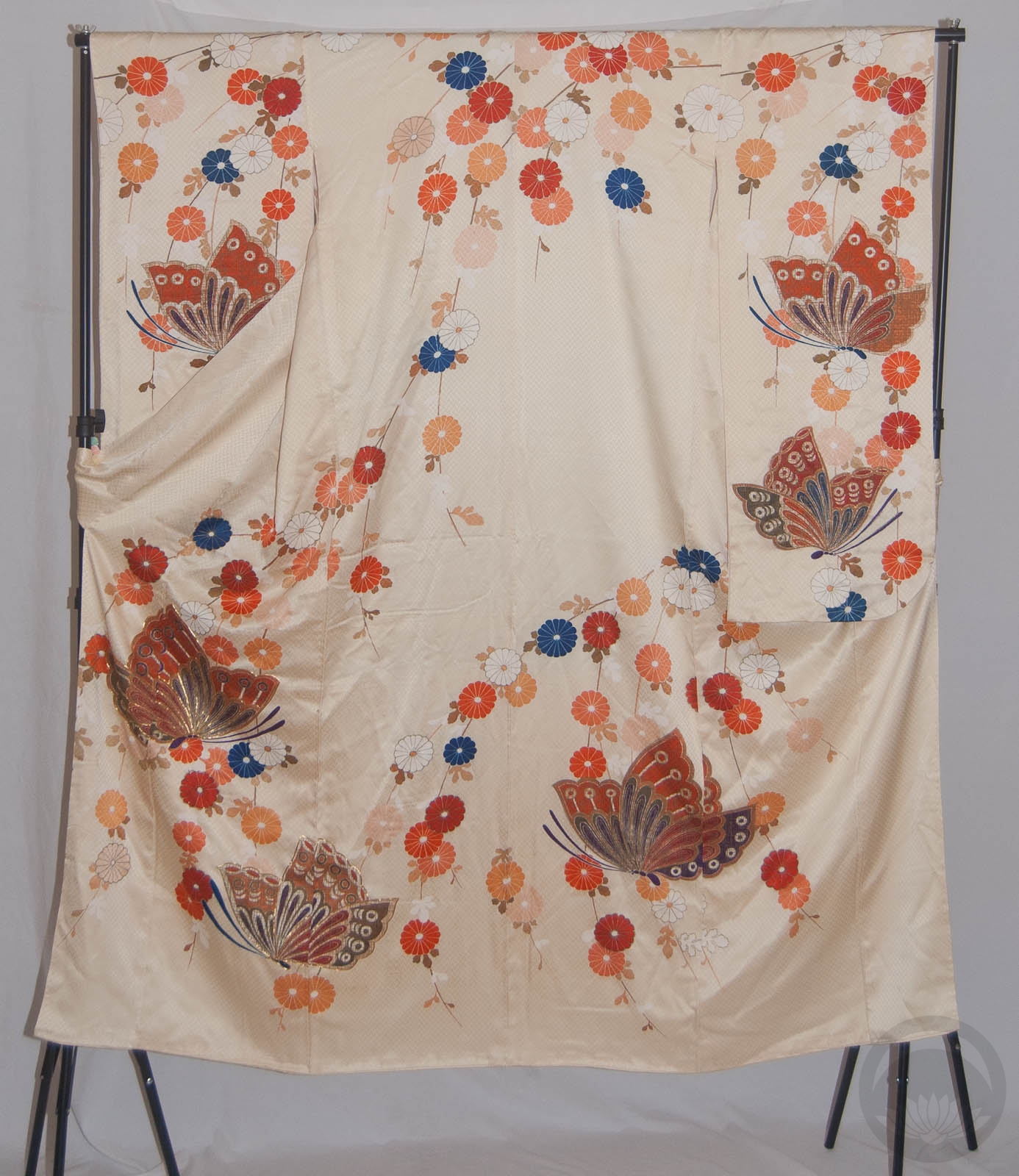
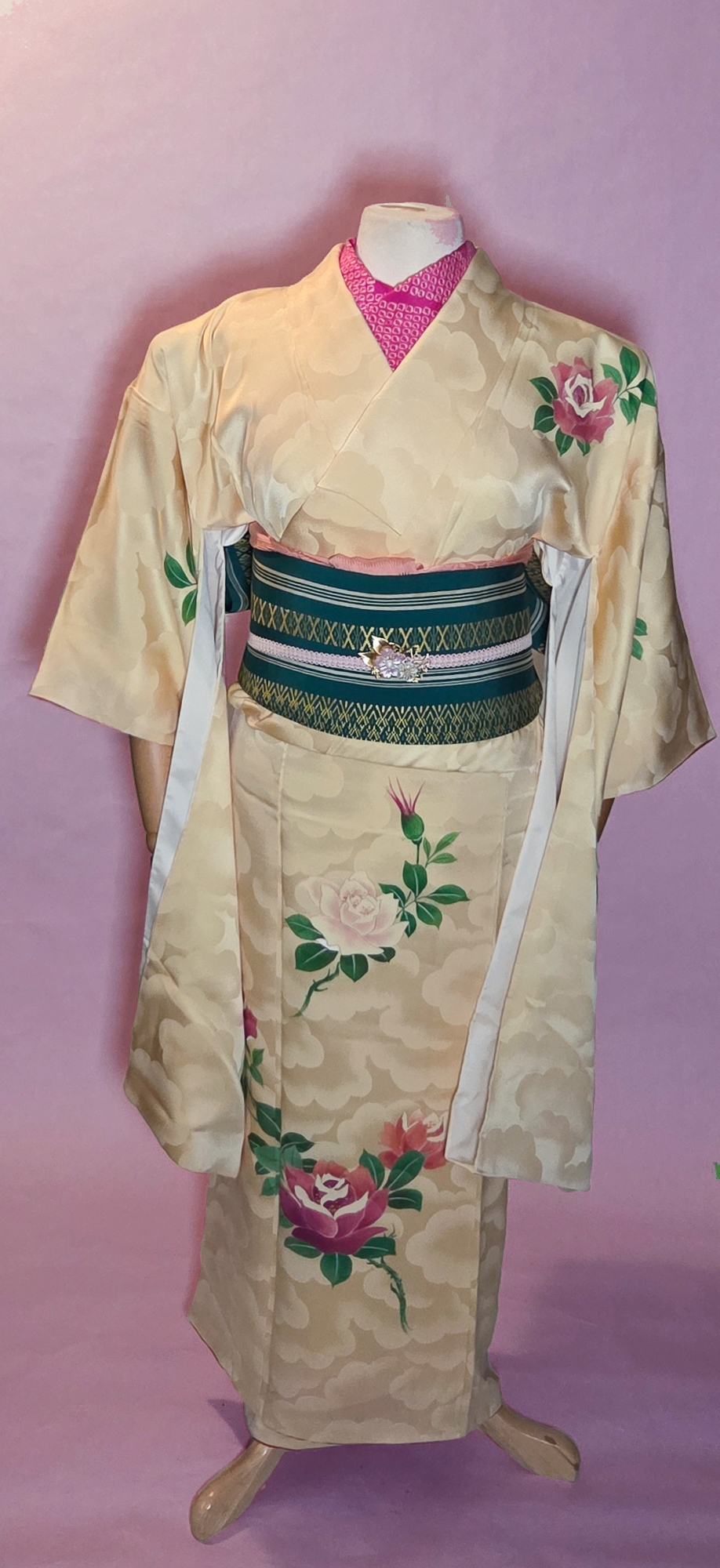
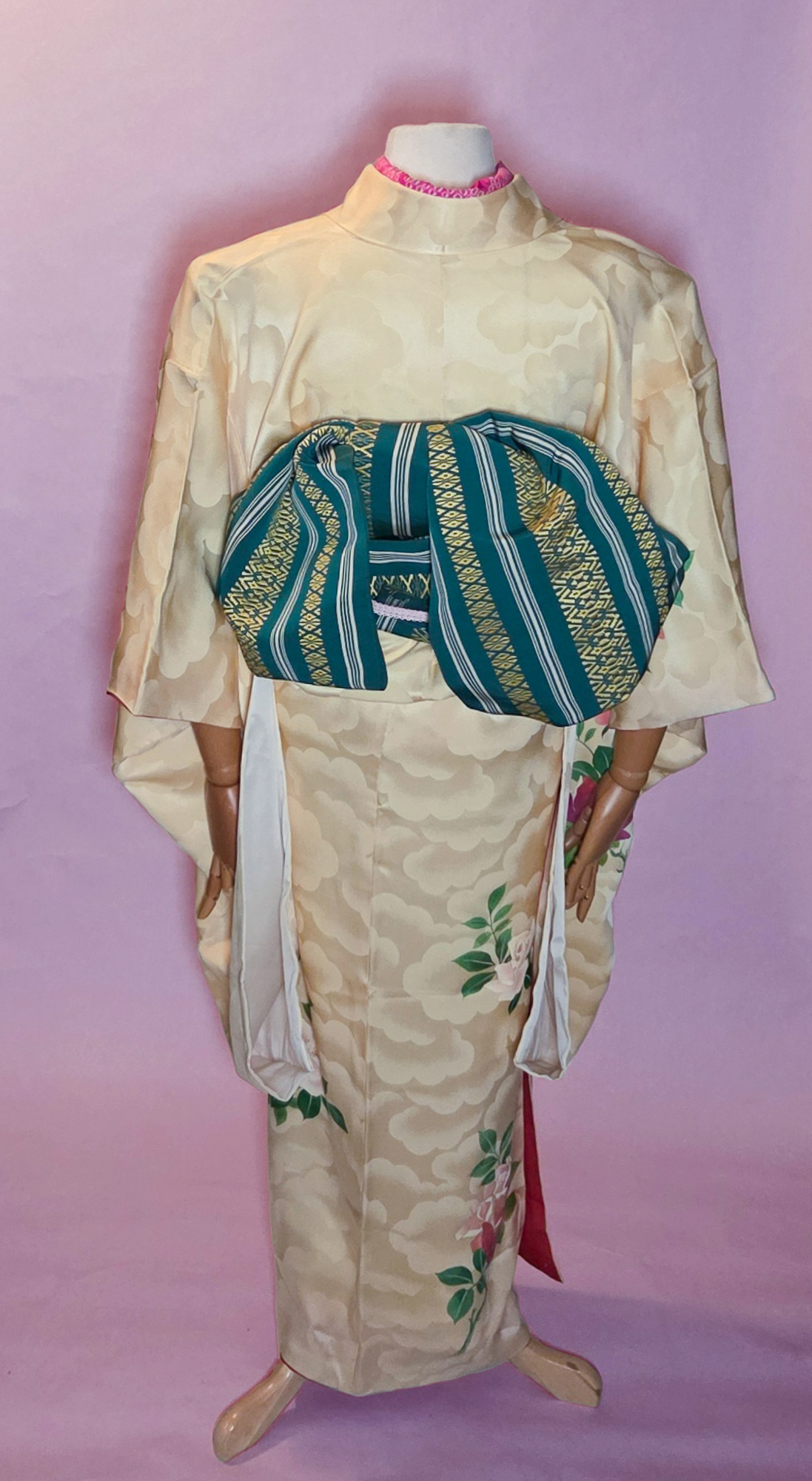
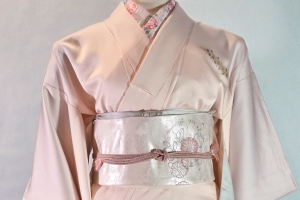
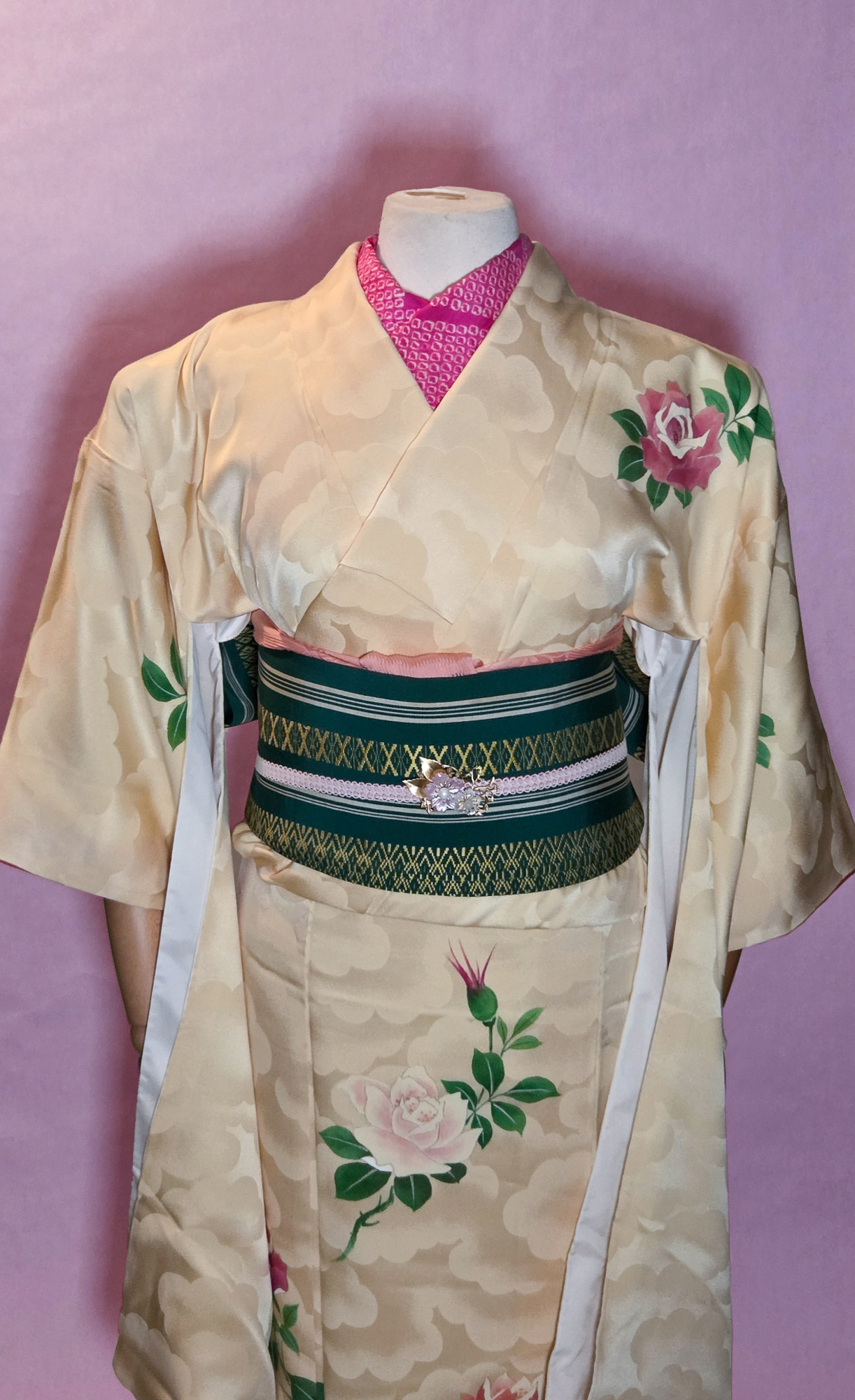
I found this charming rose furisode at the same time as I got the absolutely unctuous brown houmongi recently. As a married woman in her mid-forties, did I need yet another furisode? Heck no. Was I going to let that stop me? Also no. I love how subtle and demure it is, especially for a furisode. And the price was fantastic.
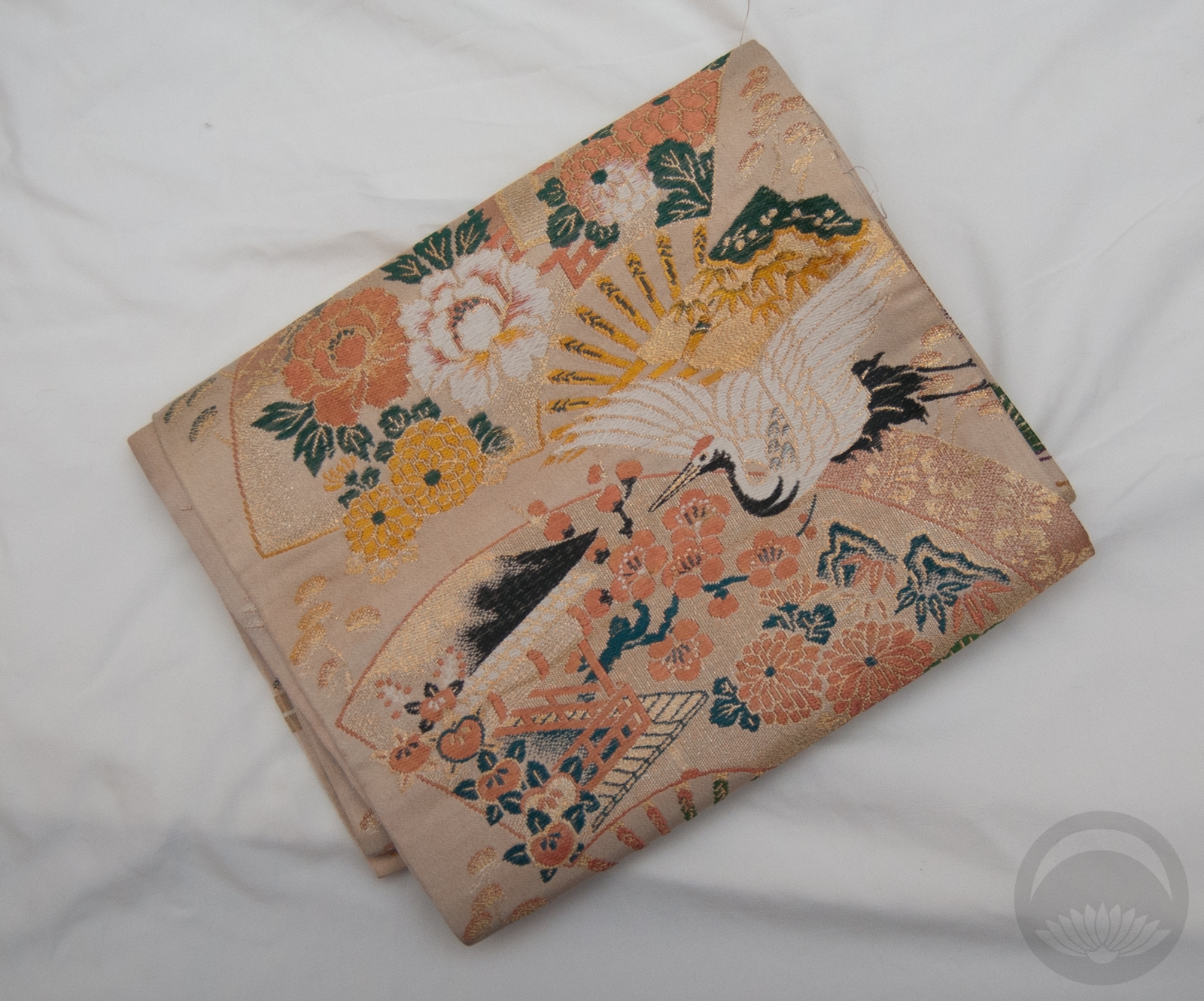
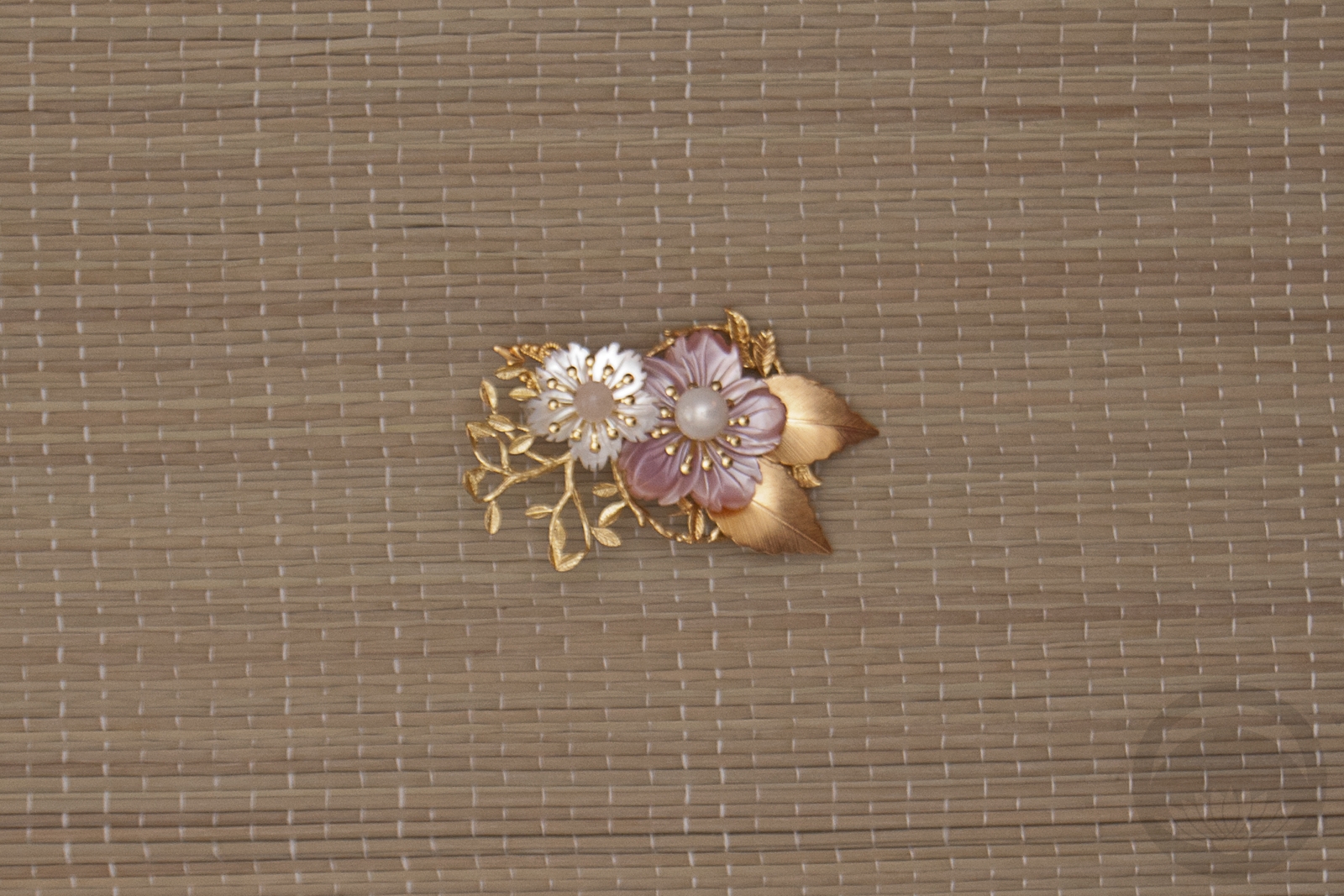
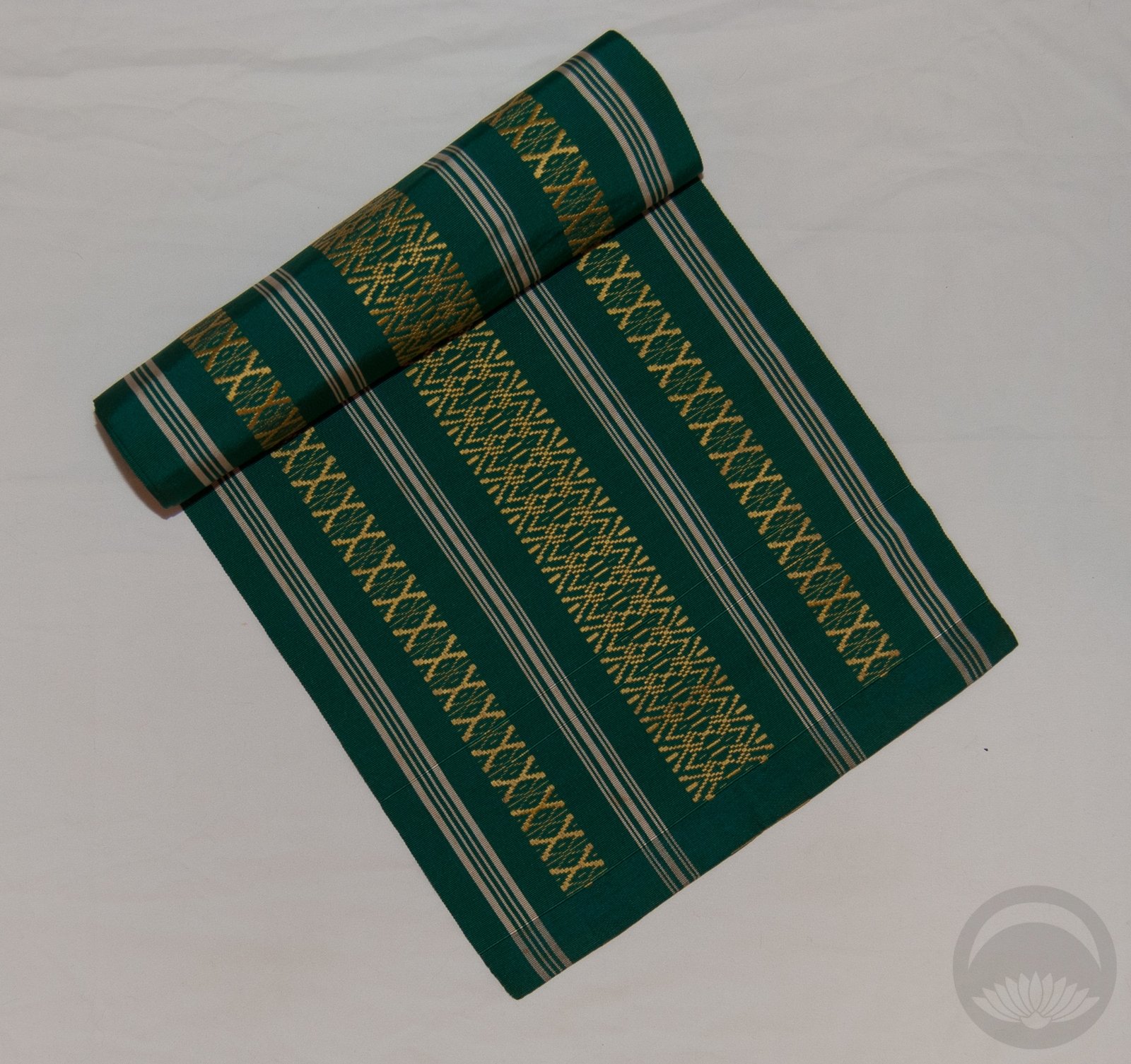
My beloved emerald and gold hakata packs a nice punch against the muted creme tone of the kimono, and pink accessories were a no-brainer. I’d love to get an actual rose obidome or obi-kazari to go with it, but this gold and sakura piece works in the meantime. I feel like this is a good “mature” furisode outfit, especially if I were to tie the obi in something a bit less large and fluffy next time.
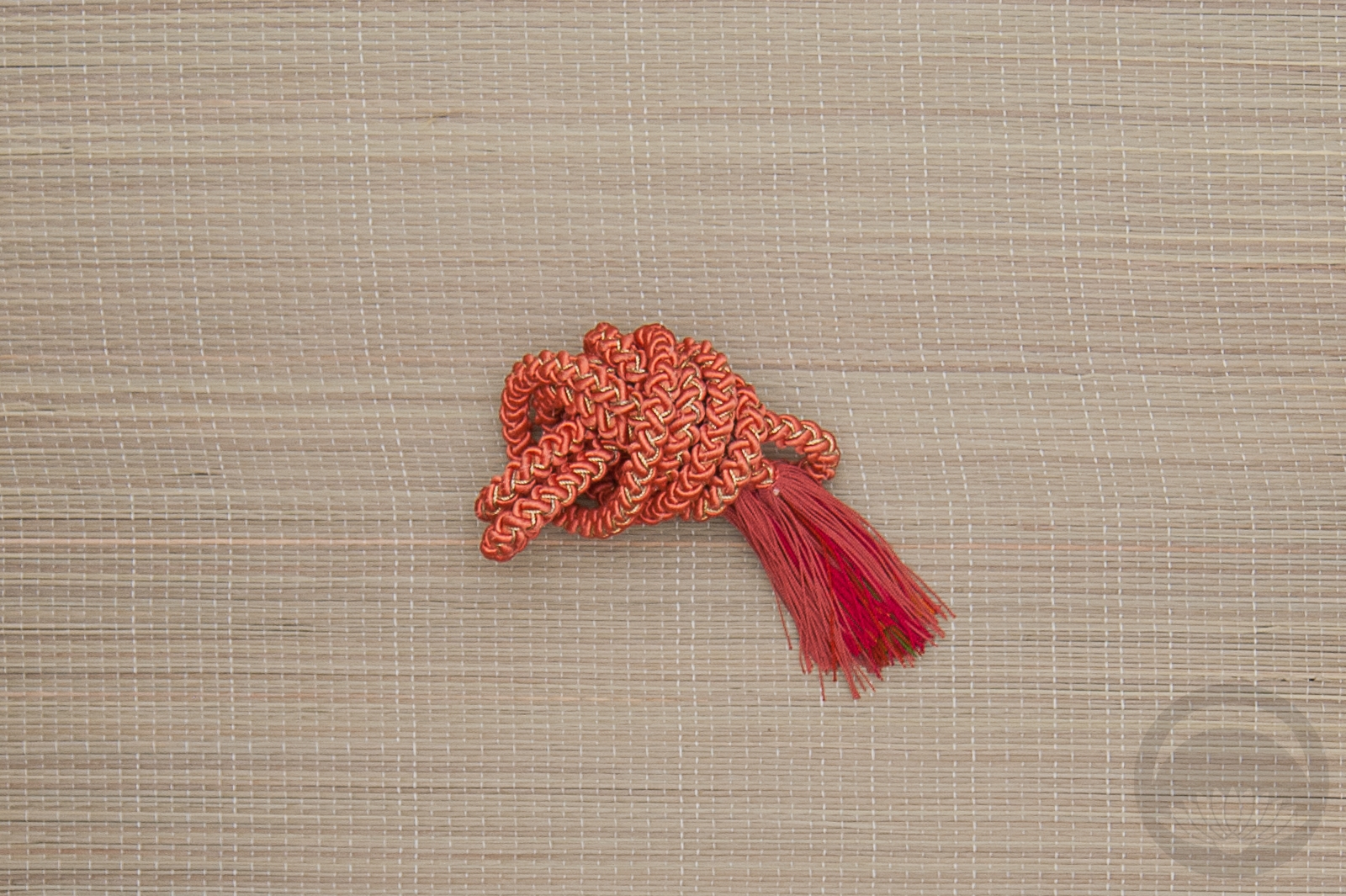
The kimono is quite new so I don’t have a catalogue photo for it, but weirdly I don’t seem to have one for this sanbuhimo either? Which is odd, because I’ve had it for eons. One day I’ll get my collection catalogue up to date. One day…

Items used in this coordination

A Work of Art

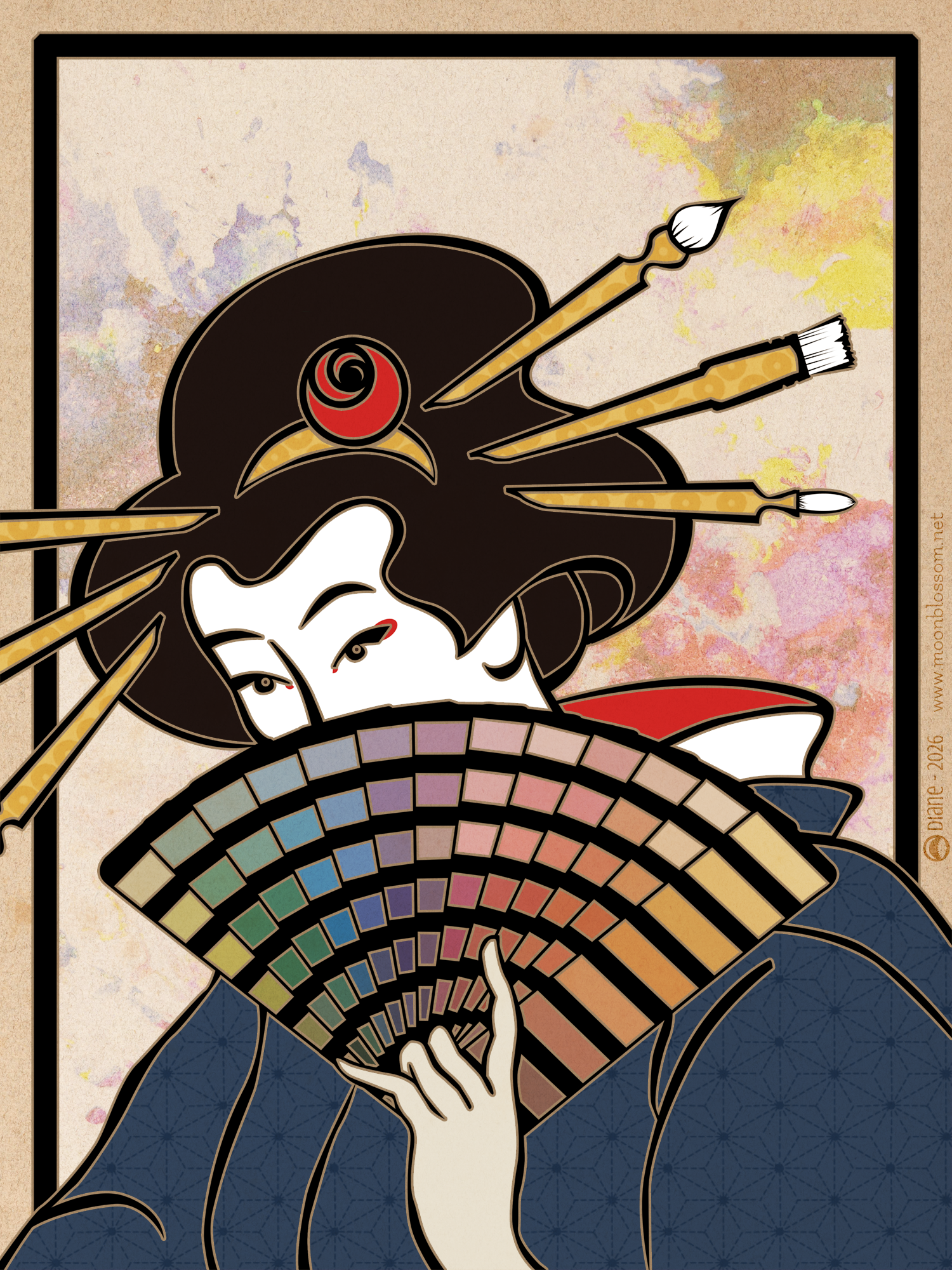
Some months back, someone on Reddit posted about an amazing vintage poster they’d found at a thrift shop of a woman in a traditional woodblock-print style holding a fan made of colour swatches. The only info on it was the name of a printing company, and she was dubbed the Pantone Geisha. And of course, as someone with a graphic design background and a borderline-unhealthy special interest in Japanese art, I fell completely in love.

I spent eons trying to track down the poster,  or find some sort of accreditation other than the facility where it was printed, so I could buy a copy but to no avail.

So I gave in, decided to use that damn graphic design background, and make my own take on her and her delightful palette fan. With the support and encouragement of my friends, I worked on pushing the “arts” aspect even further by turning her mimikaki kanzashi into paintbrushes, making her kimono have a blueprint inspiration, and possibly the easiest to miss but my favourite detail, turning a fibonacci circle into another hair ornament. A bit of a watercolour splash in the background, and the portrait was done!

Since this is inspired by extant, unaccredited art, I don’t feel comfortable selling prints, but if you would like to print a copy of your own, you can get a high-resolution copy right here. And if you do, you can always consider supporting me in other ways, if you’d like.

Modern Valentine

Pink, orange, and black may not be the most expected Valentine’s Day combination, but this is what happens when I’m thousands of miles away from my husband on a day to celebrate love, I guess. No, I kid! I was actually inspired by the incredible modern styling of aedam_furisode on Instagram to pull out a ruffled juban and a big loud furisode. Since the only ruffled juban I own is black, the rest of the outfit had to be built around that. I brought out this bright salmon-pink gosho-guruma (royal cart) furisode, since I knew it had some stark black outlines on it, and then grabbed my trusty orange hakata chuuya obi because it matches the peonies on this kimono so well. If I’m being honest, any excuse to use this obi is a good one.
To break up the tonal similarities of the salmon kimono and orange obi, as well as reinforce the non-traditional vibe and aedam style, I used black cotton lace as a sort of obiage and shigoki-obi, as well as running it through the obi-musubi. It also makes the black ruffles feel more cohesive I think, and brings more attention to the stark black outline of the gosho-guruma motif on the kimono. Without the lace I think this would have just felt confusing and the exposed juban more like an afterthought or an accident, but with the punches of black accessories it pulls everything together. A black obijime tied in a modified kokoro-musubi was the final touch. It’s too short to do a normal one, but if you’re looking for instructions I made a tutorial years ago which you can find here.
Are you doing anything special for valentine’s day? Since I’m so far from Keith, I’m going out for bbq chicken with my folks later tonight. Ahhh, middle age. So romantic. But hey, at least I don’t have to buy him honmei-choco this year!
 

Autumn Fairy Tale

Both this kimono and this obi are nearly impossible to coordinate. I’ve used the kimono before, but despite having had this obi in my possession for nearly a year now, I’d never found a good way to use it. Last night it came to me while I was soaking in the bath, as many great ideas do.

They both have a sort of fantastical, storybook, decidedly un-Japanese vibe to them. The kimono has always reminded me of The Moomins and other Scandinavian childrens’ books, and the obi has a vaguely Middle-Eastern fantasy feel to it that wouldn’t be out of place in One Thousand and One Nights. I also thought the green and brown would complement each other very well, and the gold accents would echo each other nicely too.

Was I right, or was I right? I’m over the moon with how these pieces look together. I decided go with pink accessories to make the pink trees in the kimono stand out a bit more, since they can get a bit lost against the white hill. They also help to add a touch of light and contrast between the kimono and obi, which are both quite dark. It worked very well, I think. From a distance they almost read as white, just like the trees do, but when you get close you get this lovely surprise. There are also tiny pink and gold botan on the haneri, which are decidedly out of season but the colours worked so well I had to run with it. Next time I might add a gold date-eri to break things up a little further, but I think it works fine without it too. It also just occurred to me that my pink lace haori would look amazing with this too, so I will have to try that sometime.

Another neat thing about this outfit is that all the items aside from the obijime are significantly larger than average, which means I might be able to wear it if I ever have the energy to dress myself again. Something to look forward to, maybe?

Items used in this coordination