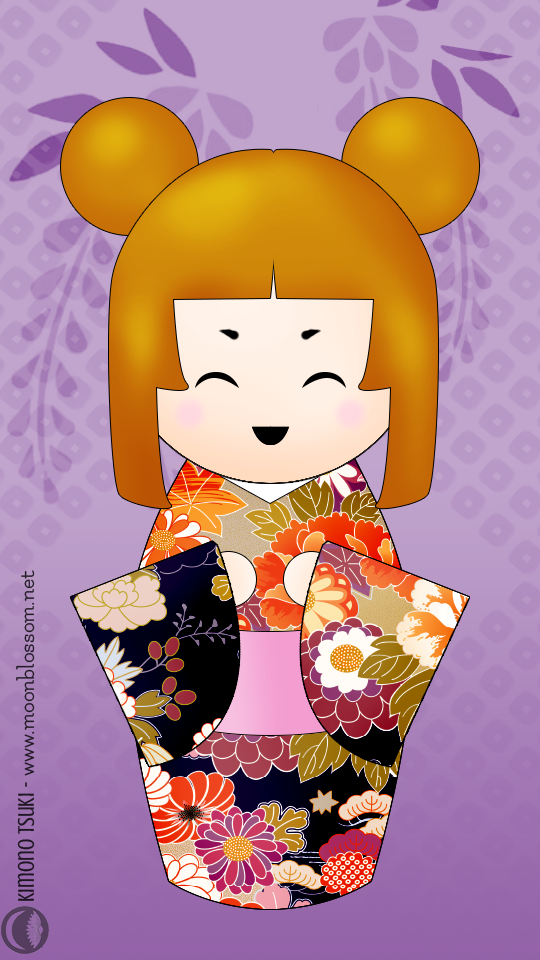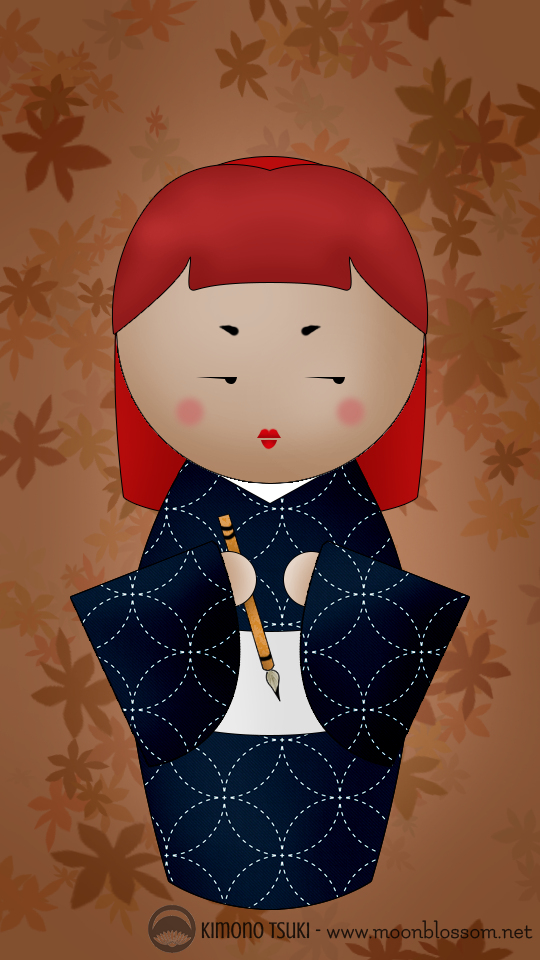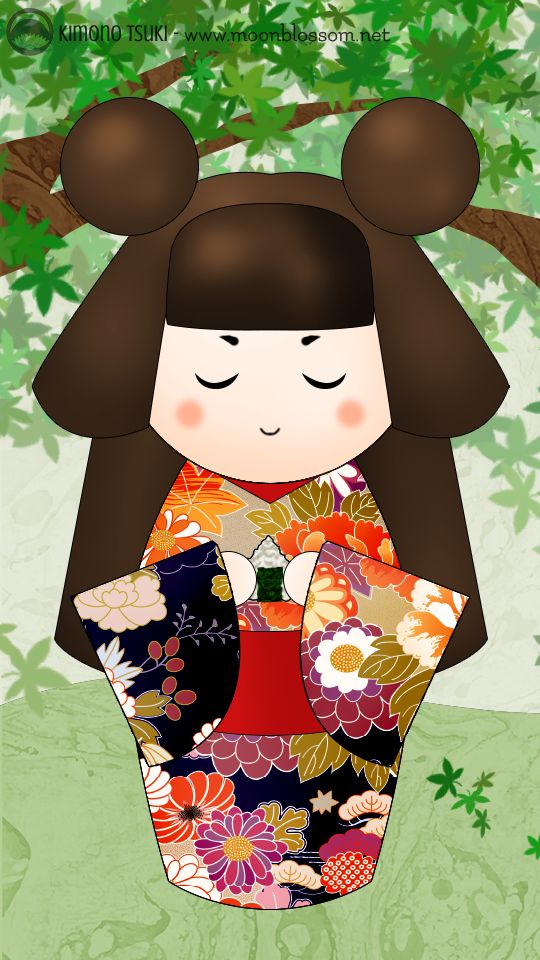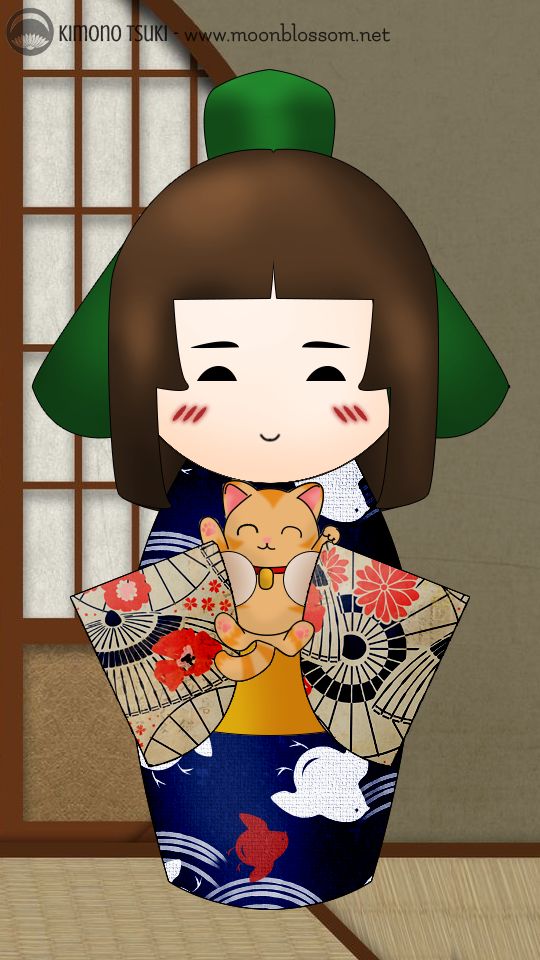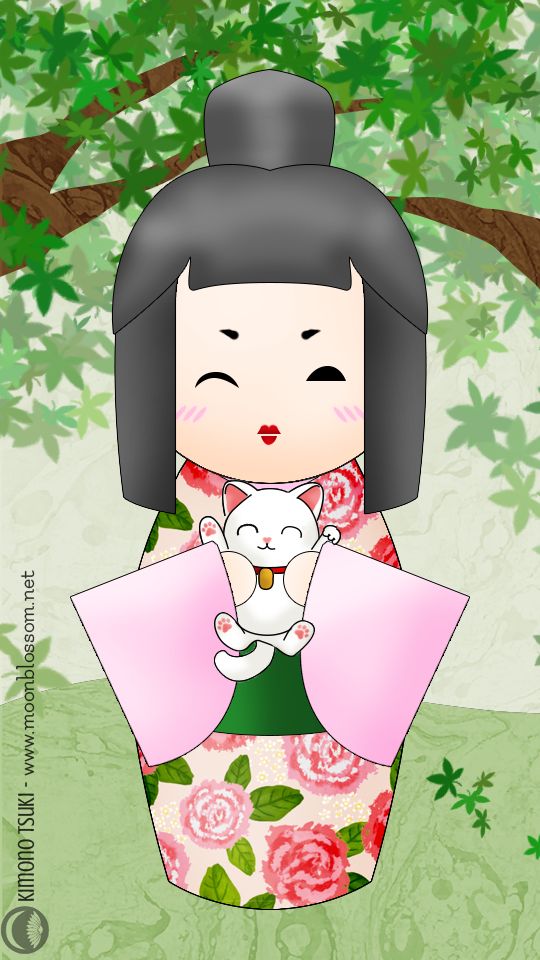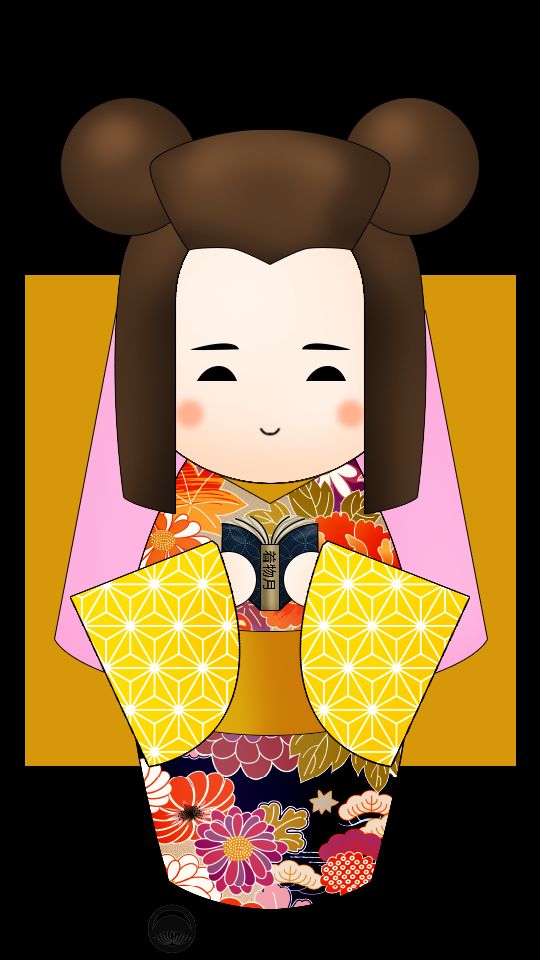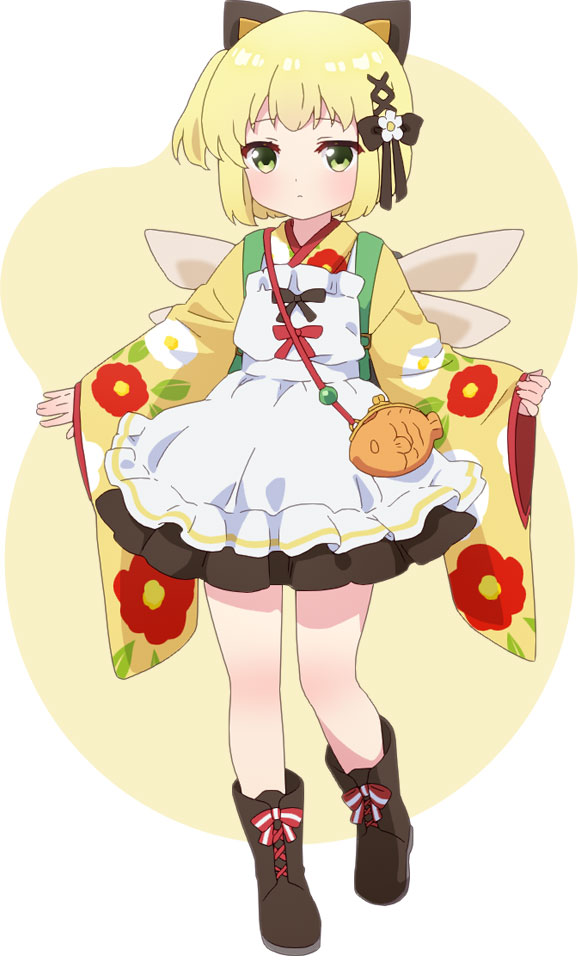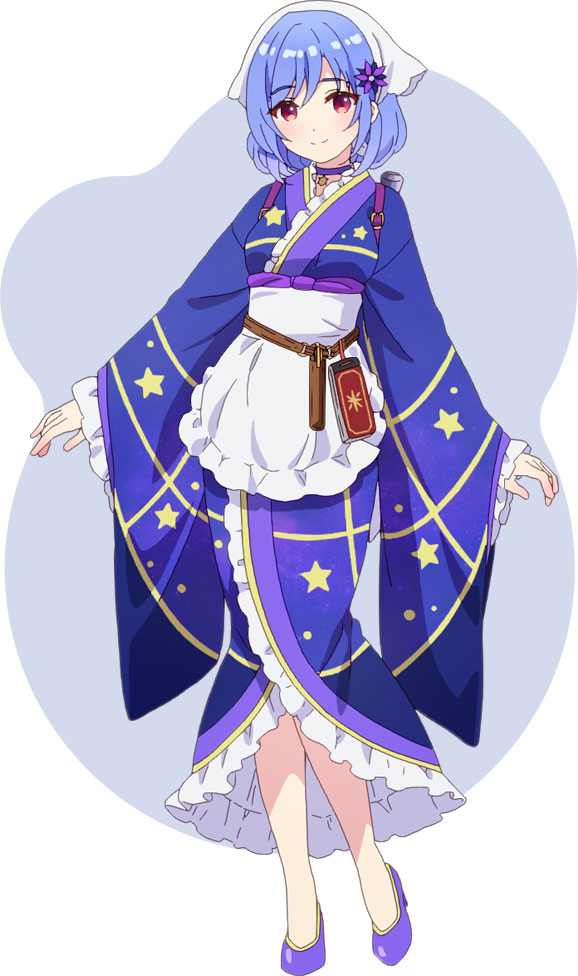
Kokeshi Picrew for Hinamatsuri!

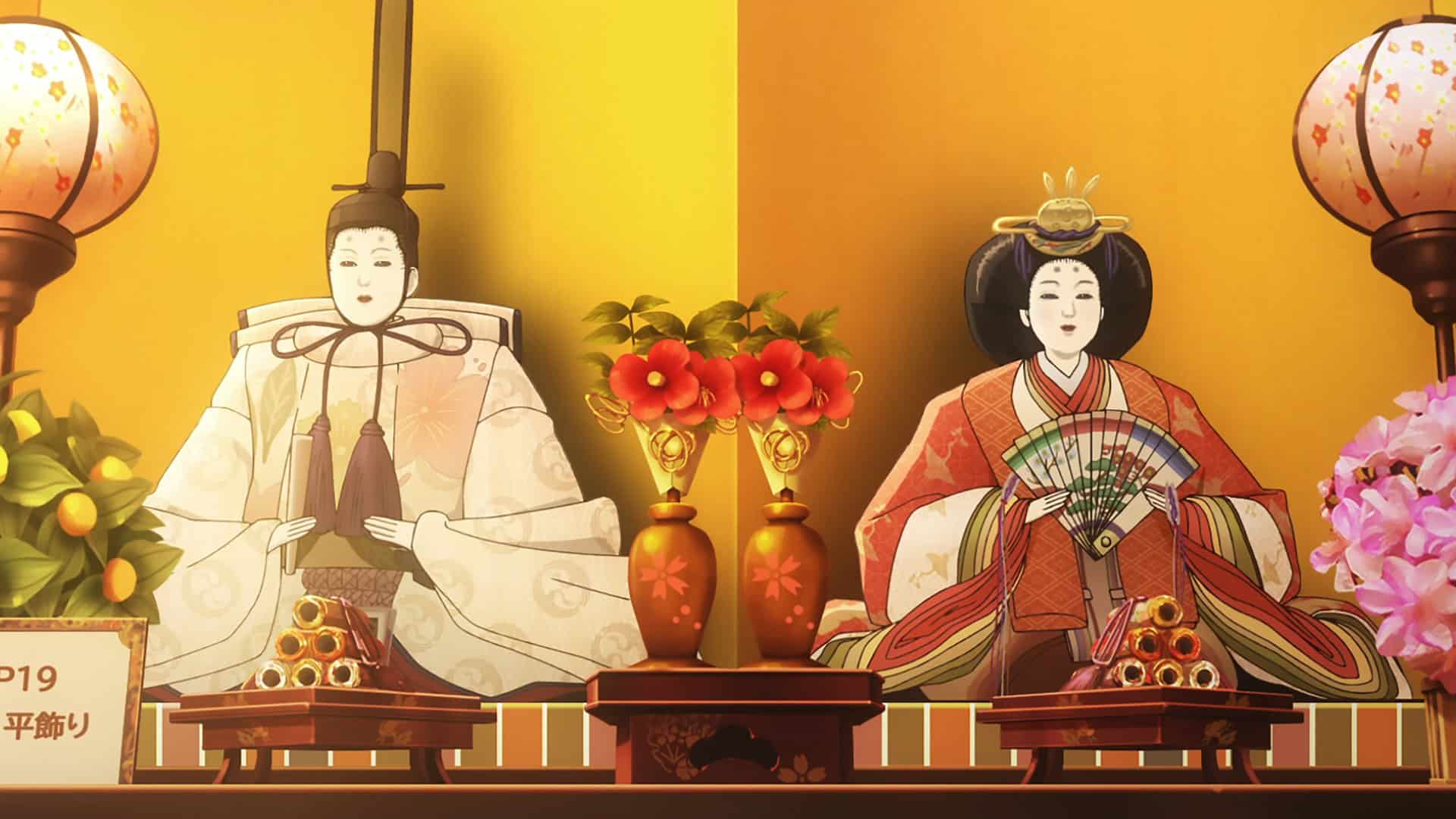
Today is Hinamatsuri! In the past, I’ve usually either done a coordination, displayed dolls I’ve collected, or done some sort of DIY to celebrate. This year, I had bigger plans; Sophie and I were going to attend a gathering at a local tea house over the weekend. Unfortunately, I woke up with the most miserable cold and sore throat I’ve had in eons, to the point where I could barely swallow. I wasn’t up to doing much and did not want to risk spreading the ick. I was at a bit of a loss on what to do for today but then I realised it would be the perfect time to share my newest long-term project!

You all know how much I love finding and reviewing picrew avatar creators, and I figured it was high time I make my own! Presenting the official….

Kimono Tsuki Kokeshi Doll picrew maker!


It’s been a labour of love for the past few months, puttering on weekends and after work. I still have plans to continue updating, adding more hairstyles, more hand-held items, a variety of kanzashi, maybe a haori layer… if you have any other ideas or suggestions please don’t hesitate to let me know! For fun, here’s a variety of dolls that have been made using it, by myself and my friends.
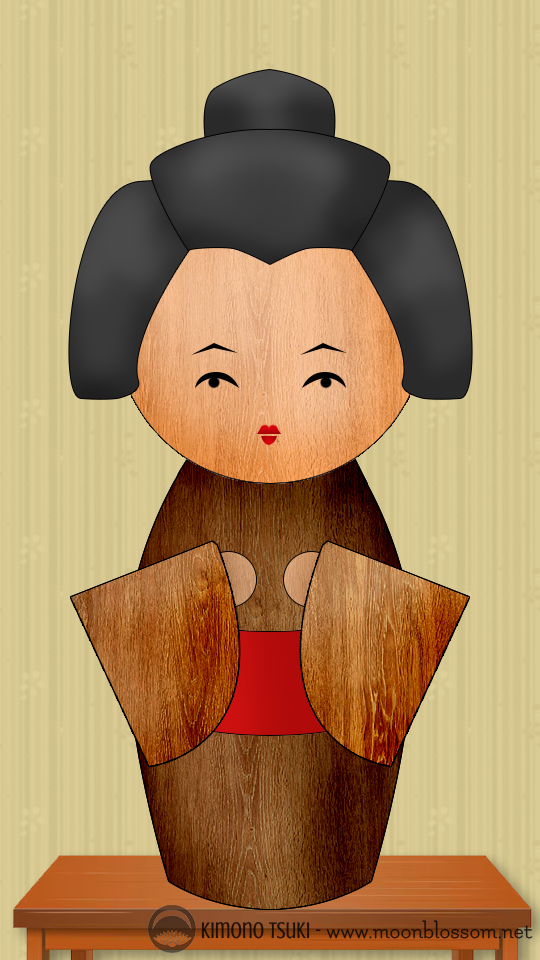
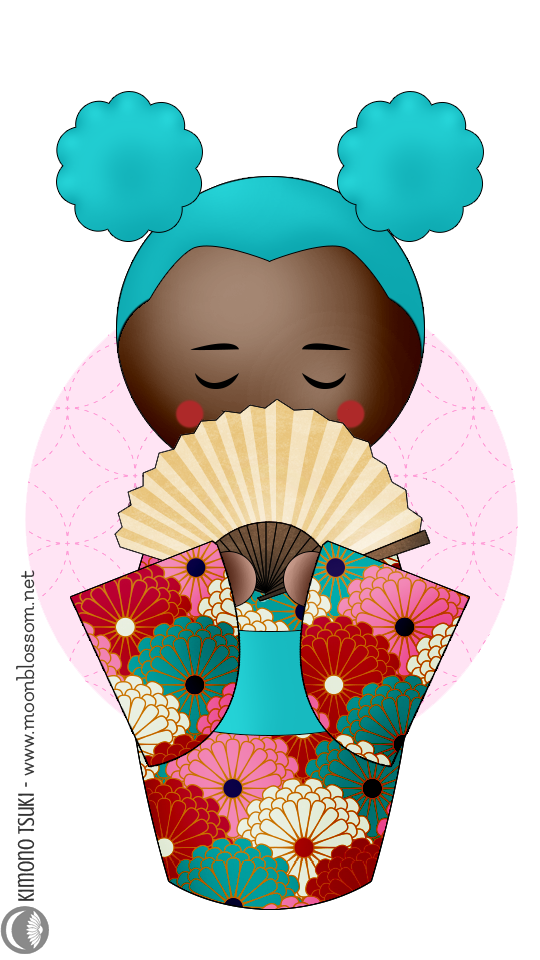
 

If you need a primer or a refresher on how to use the Picrew.me interface, I broke it down in my first post about the site, which you can read here. I hope you have fun with it, and if you make any cute dolls please show me! I would love to see!
Kabuki Glamour

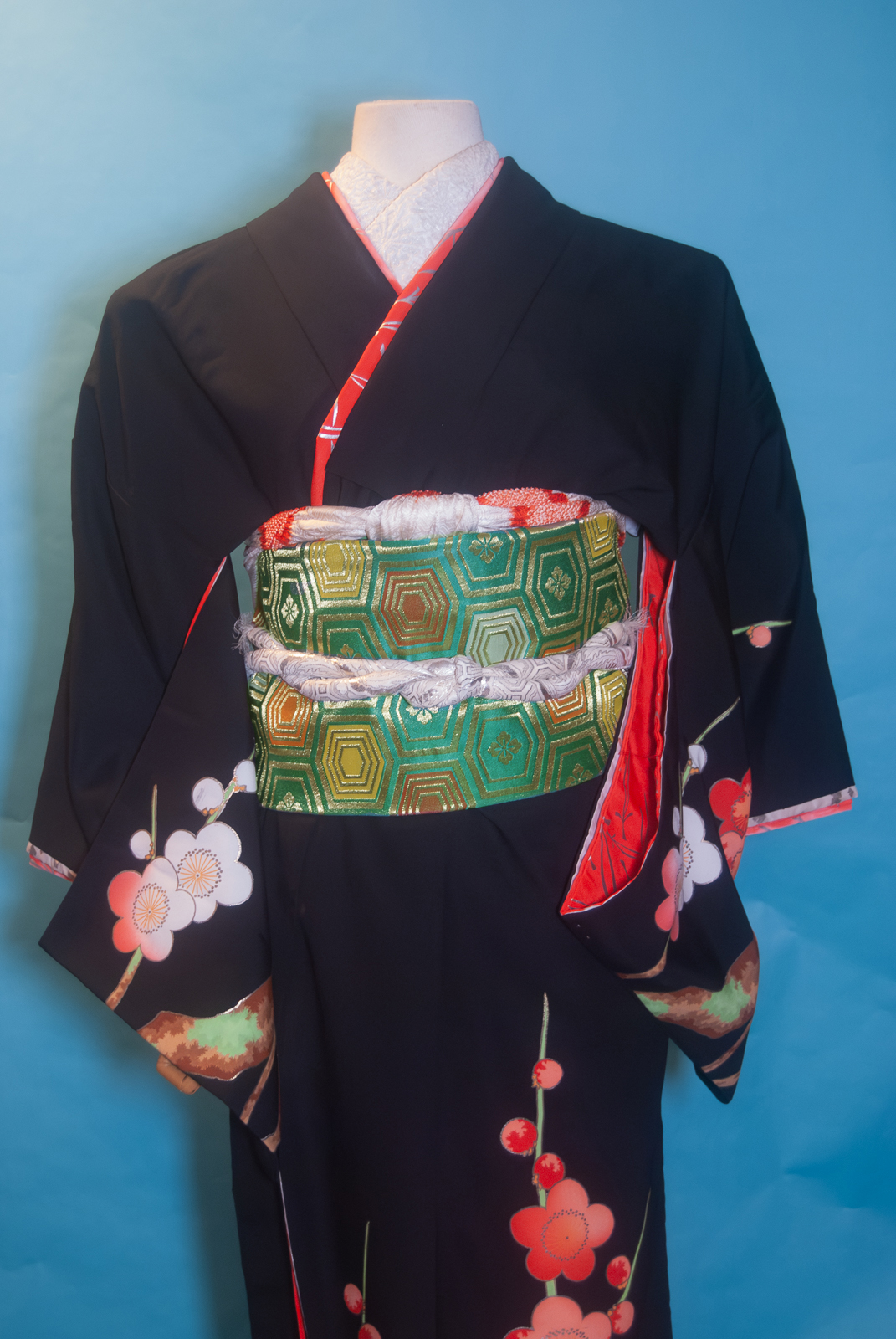
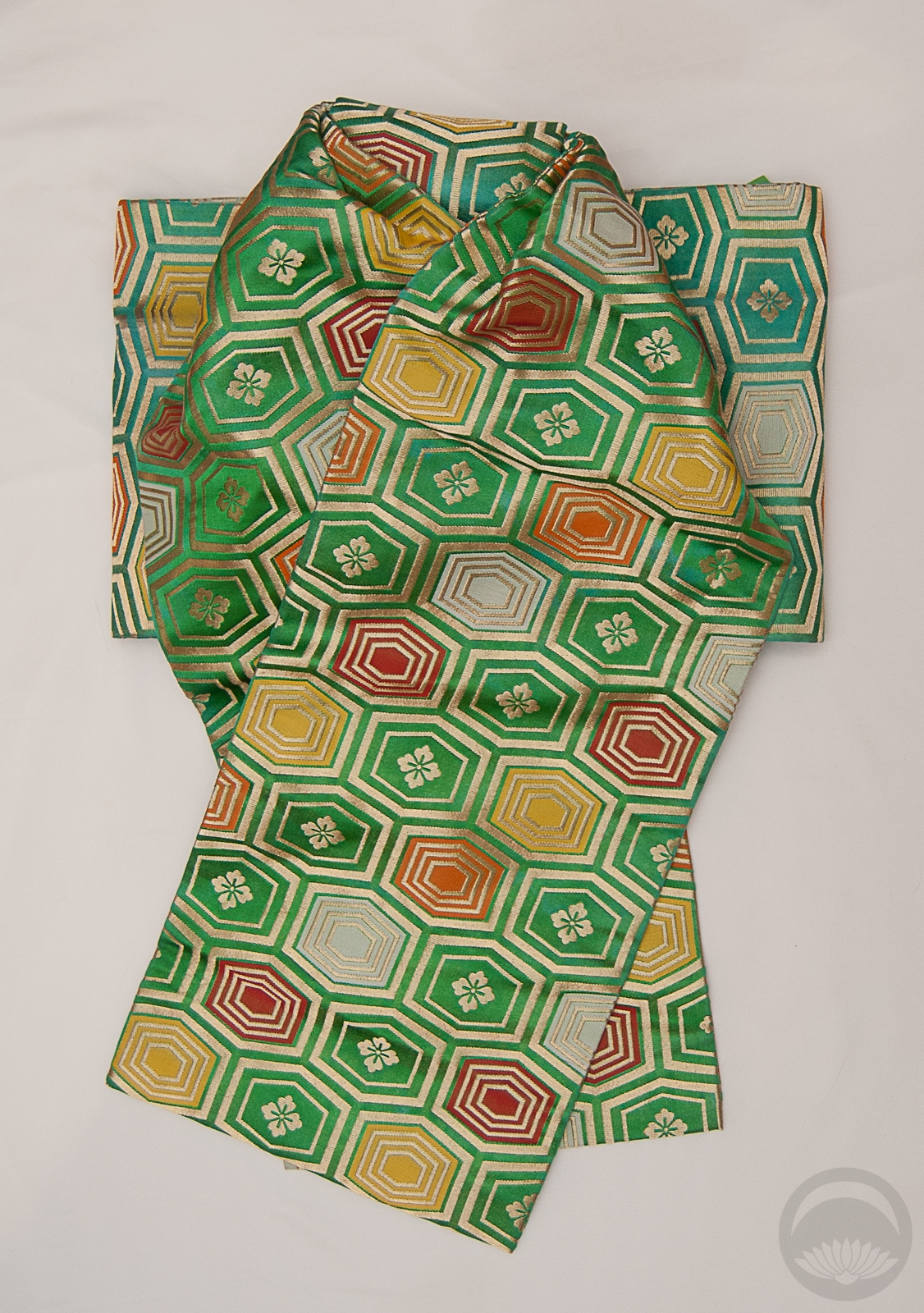
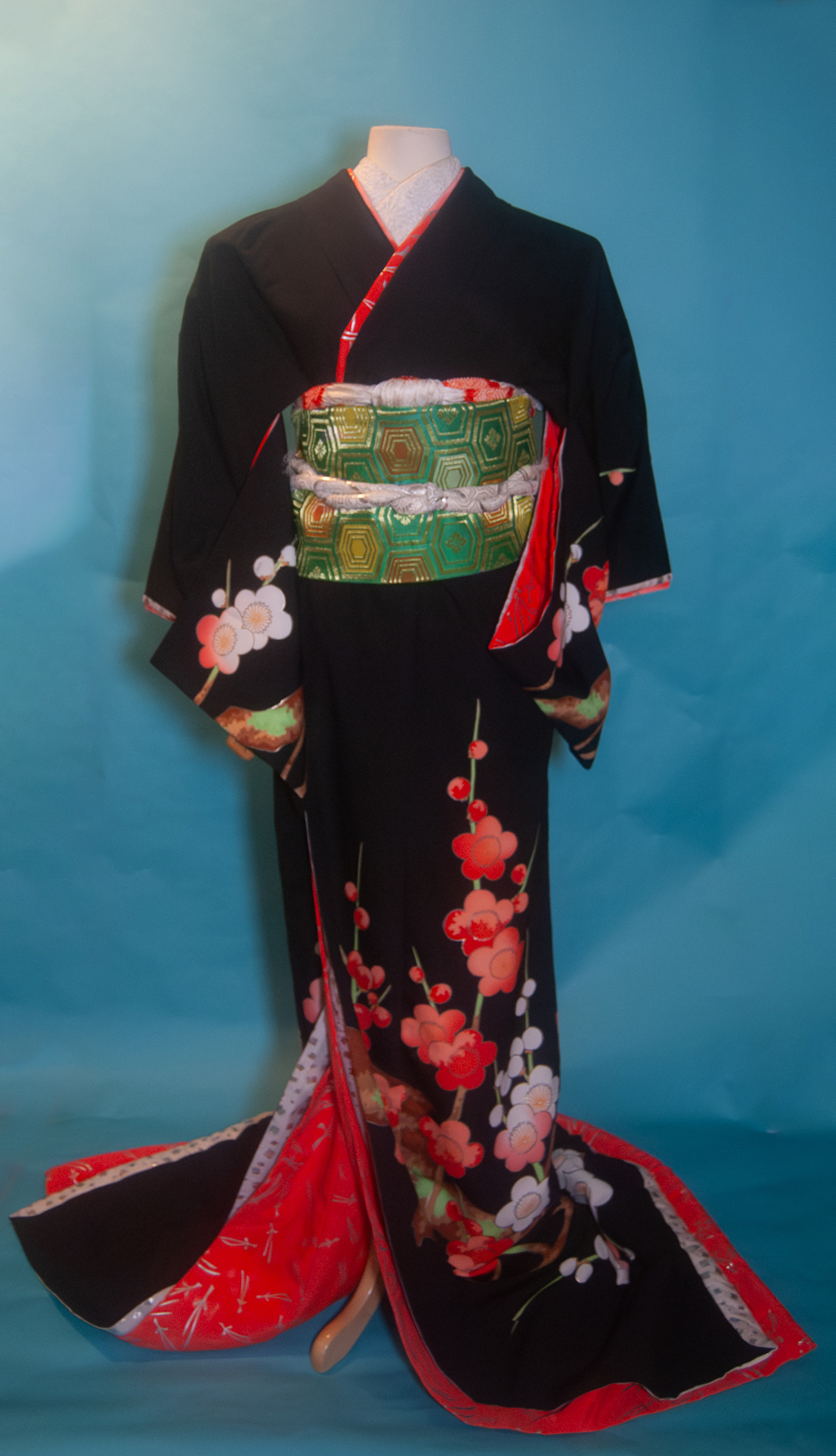
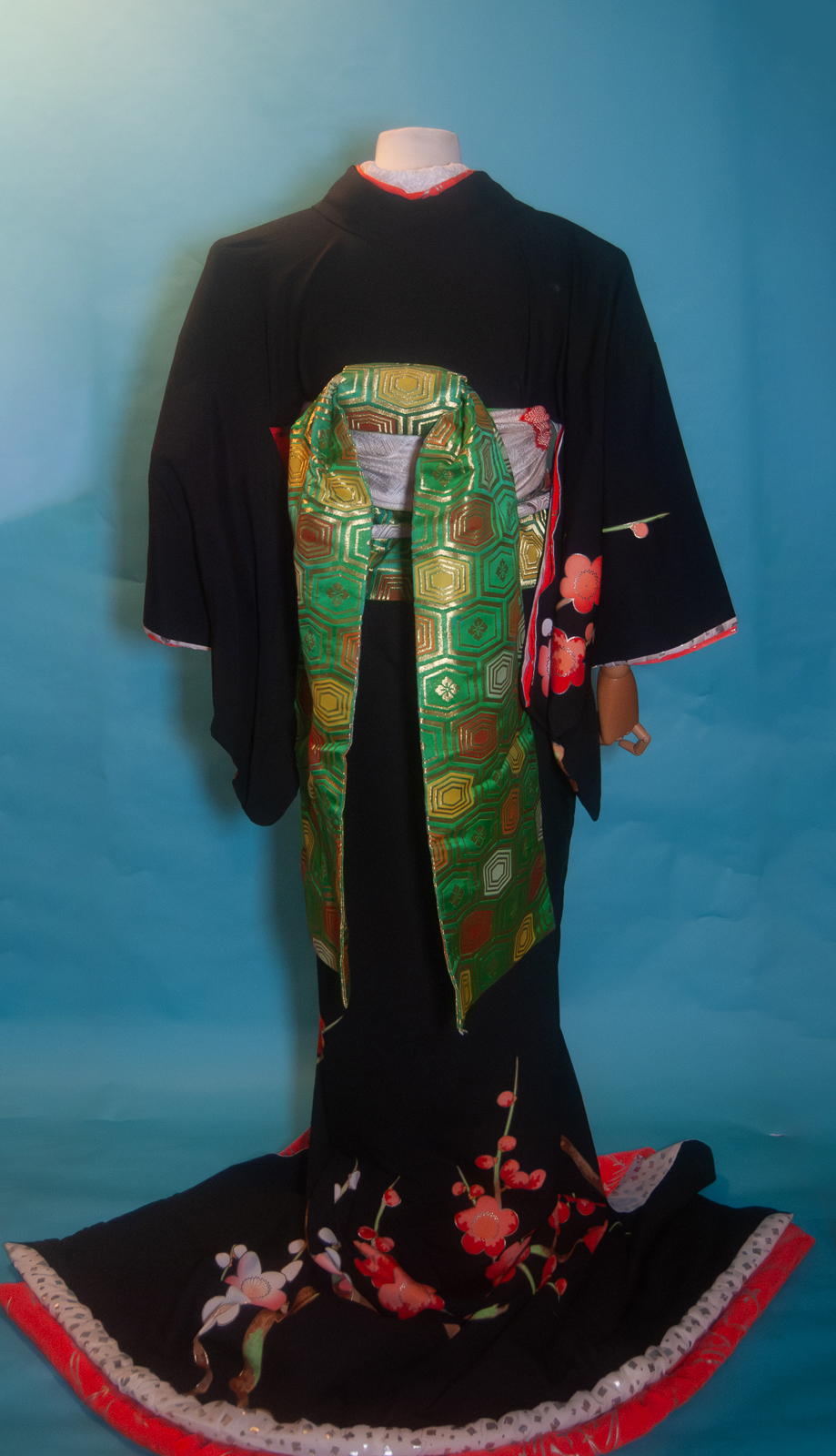
For today’s outfit I was inspired by the lush decadence and pure kabuki glamour of the costuming in Kokuho, which I reviewed earlier this week. This astonishingly big and heavy stage hikizuri was the perfect base, and for once I’m actually in season with it. I waffled between my black and white hakata tsuke-obi and this green short han-darari style, but in the end the bling and the drama of the darari won out. I also really like how it picks up the green in the ume branches of the kimono. They feel very theatrical together, don’t they?

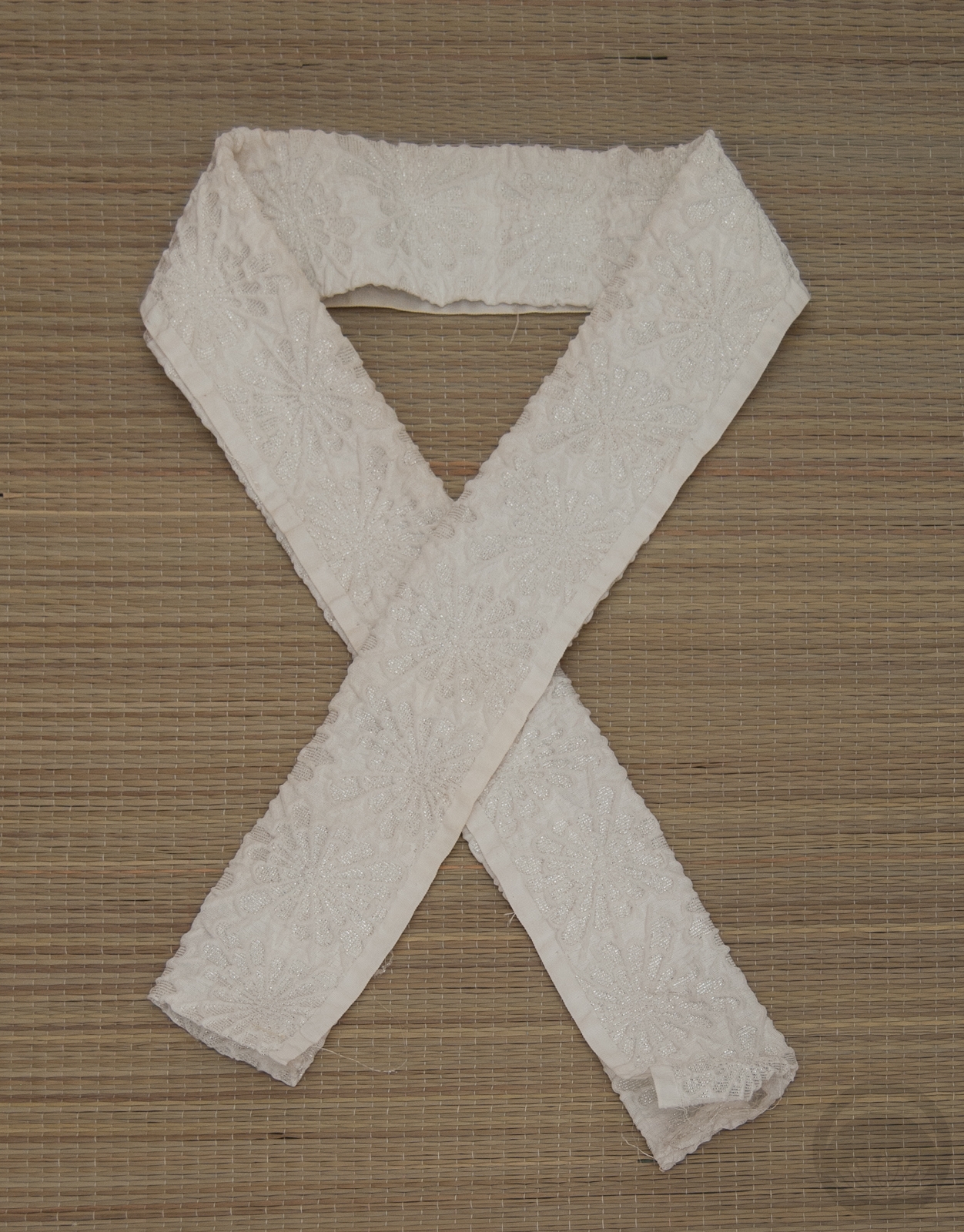
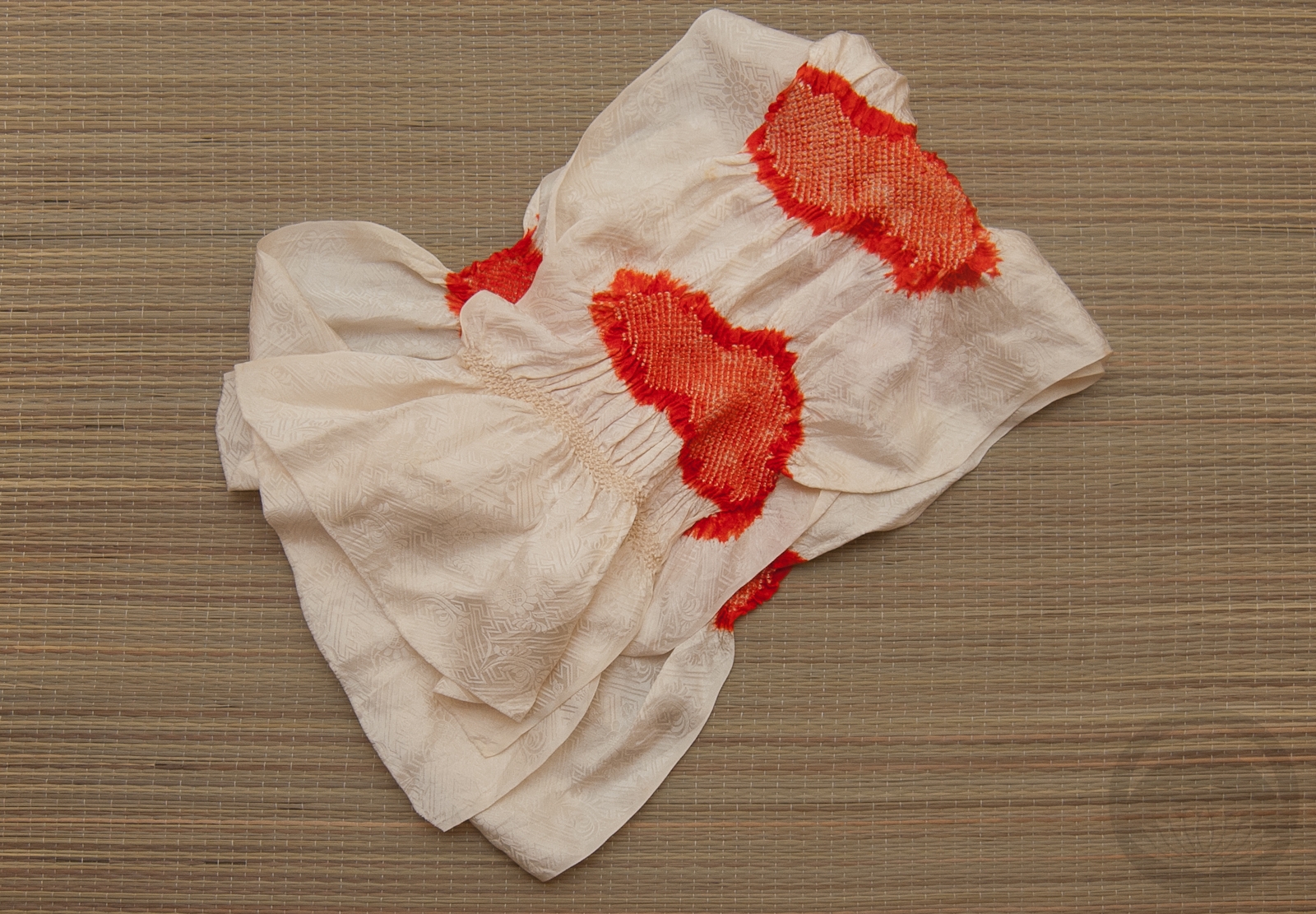
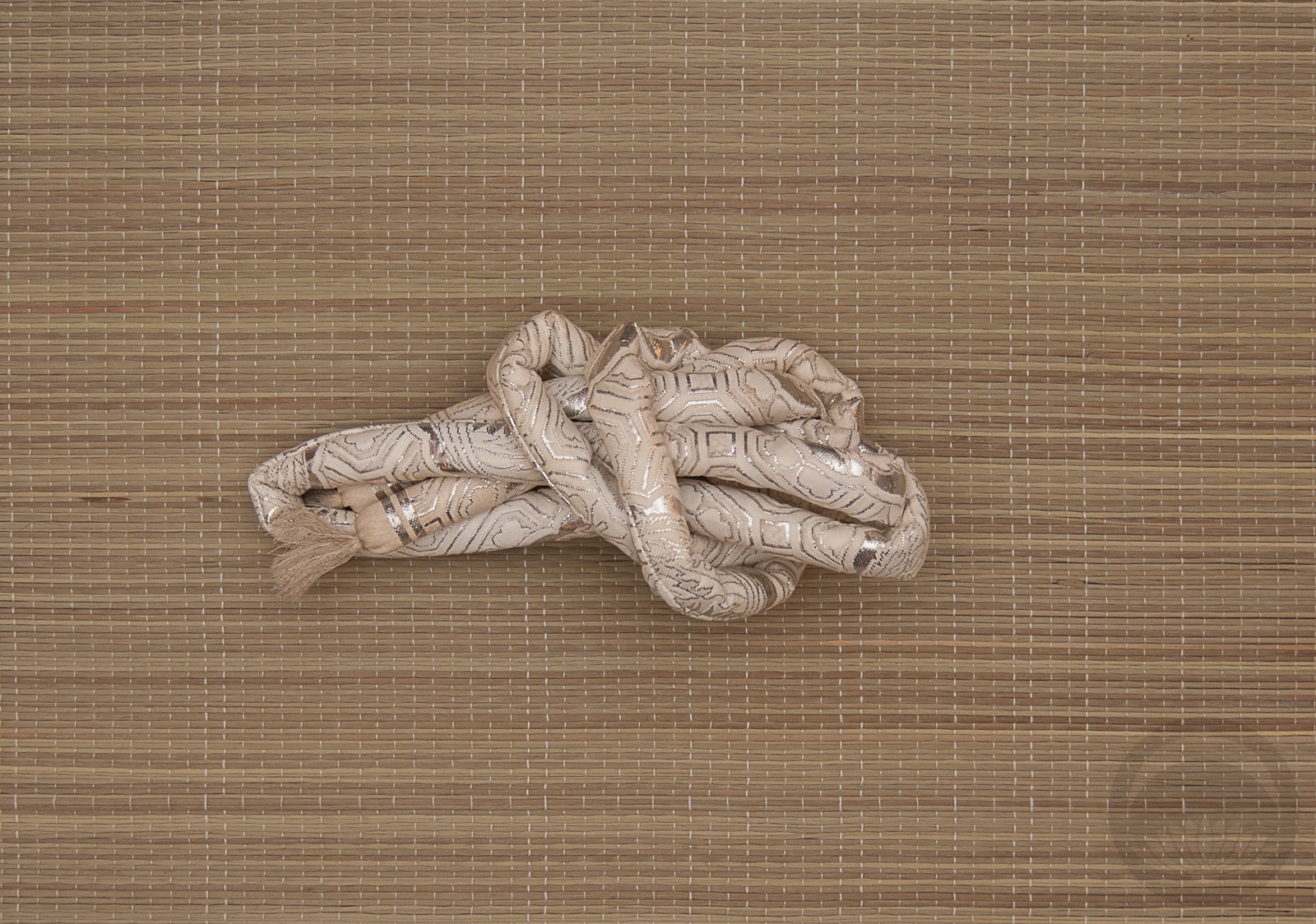
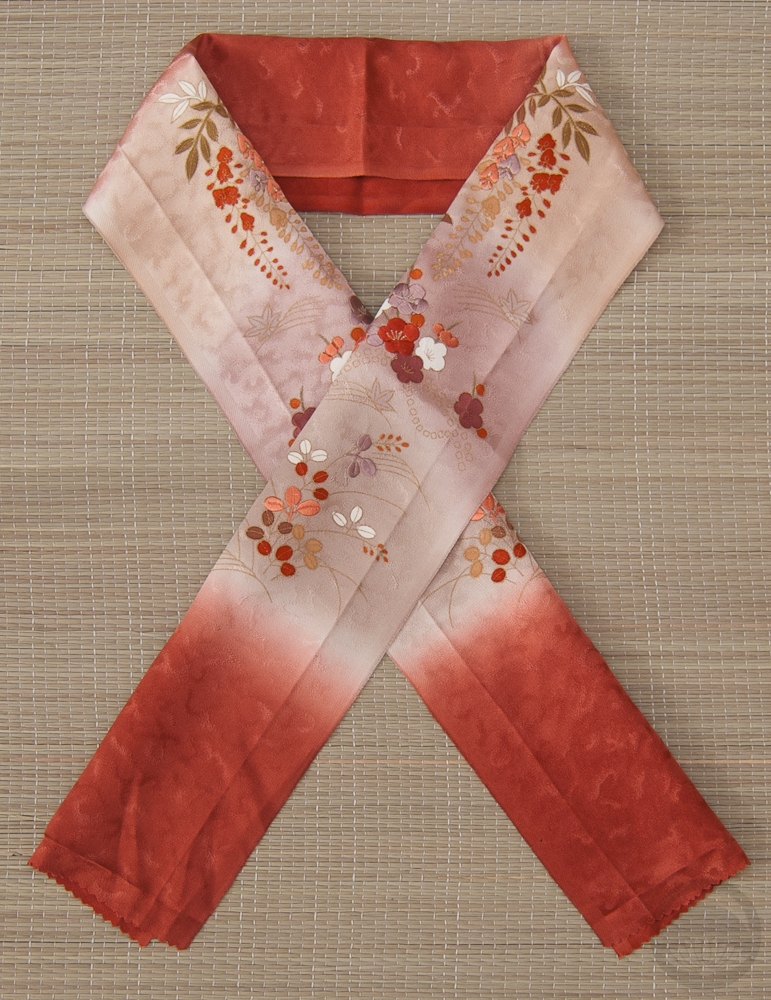
Colour-wise, there was already more than enough going on so I figured white accessories with a lot of rich texture would be the best accent, and I’m glad I didn’t add in anything else. I went with my tried-and-true textured kiku haneri, the white and silver maruguke obijime from one  of my bridal sets, and my white obiage with red shibori clouds. I think they make an excellent combo!

This kimono is so big, and the obi so easy to put on, that I am seriously debating wearing this entire outfit myself and going to take photos in the snow before it melts. We’ll see if I end up finding the time and energy. (ed note: Don’t get your hopes up, the writer is tired)

Also one fun note about this kimono, there are still trace of oshiroi smudged onto the red inner layer. I should have taken a close up, now that I think about it.


Anime with kimono eye-candy, take 3

Now that I’m home in California and all settled in, I thought it might be nice to get back into the swing of things with a fun addition to my series featuring kimono-heavy anime. As usual, whenever possible there will be links to streaming services like Crunchyroll or Netflix where you can watch these!


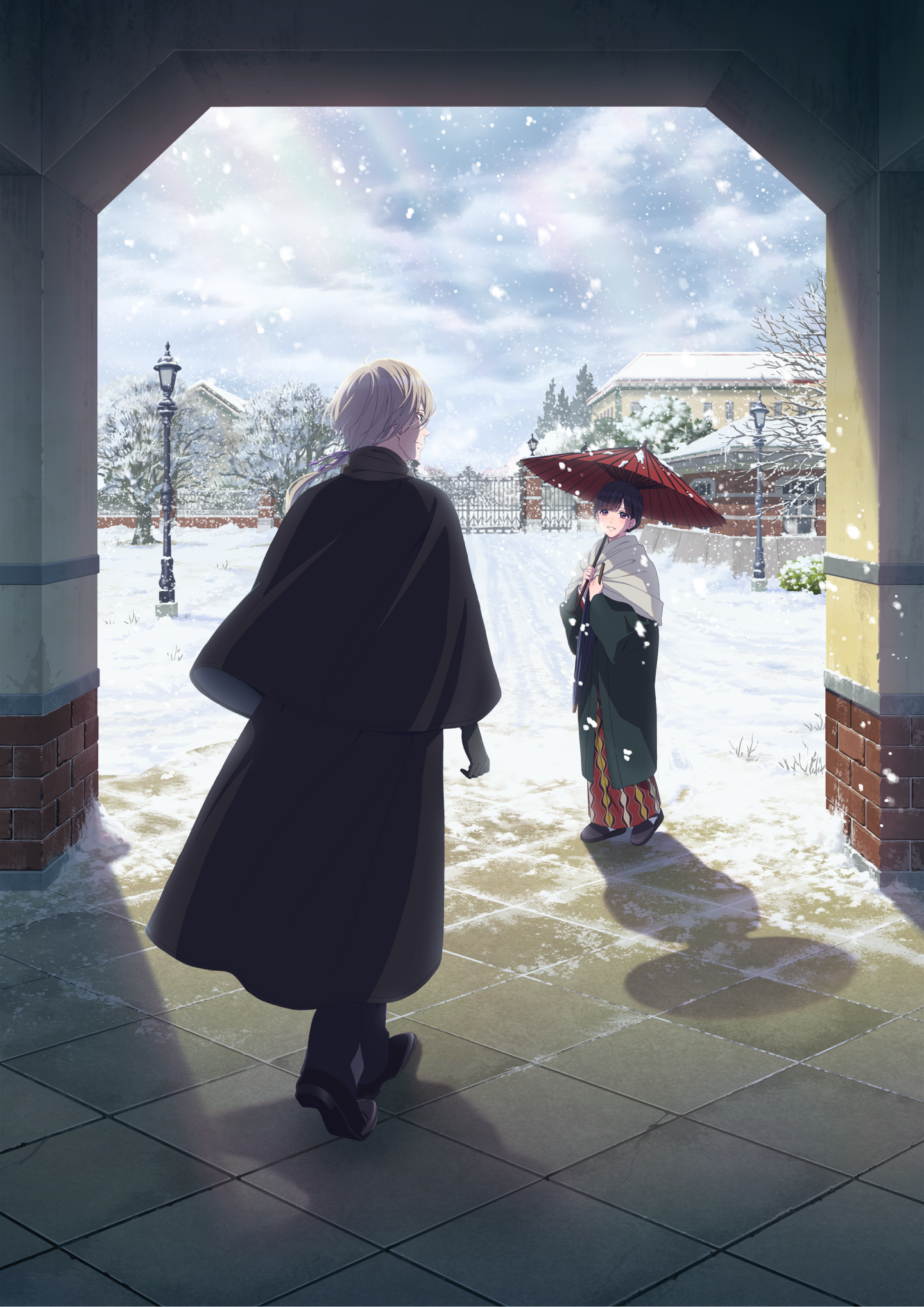
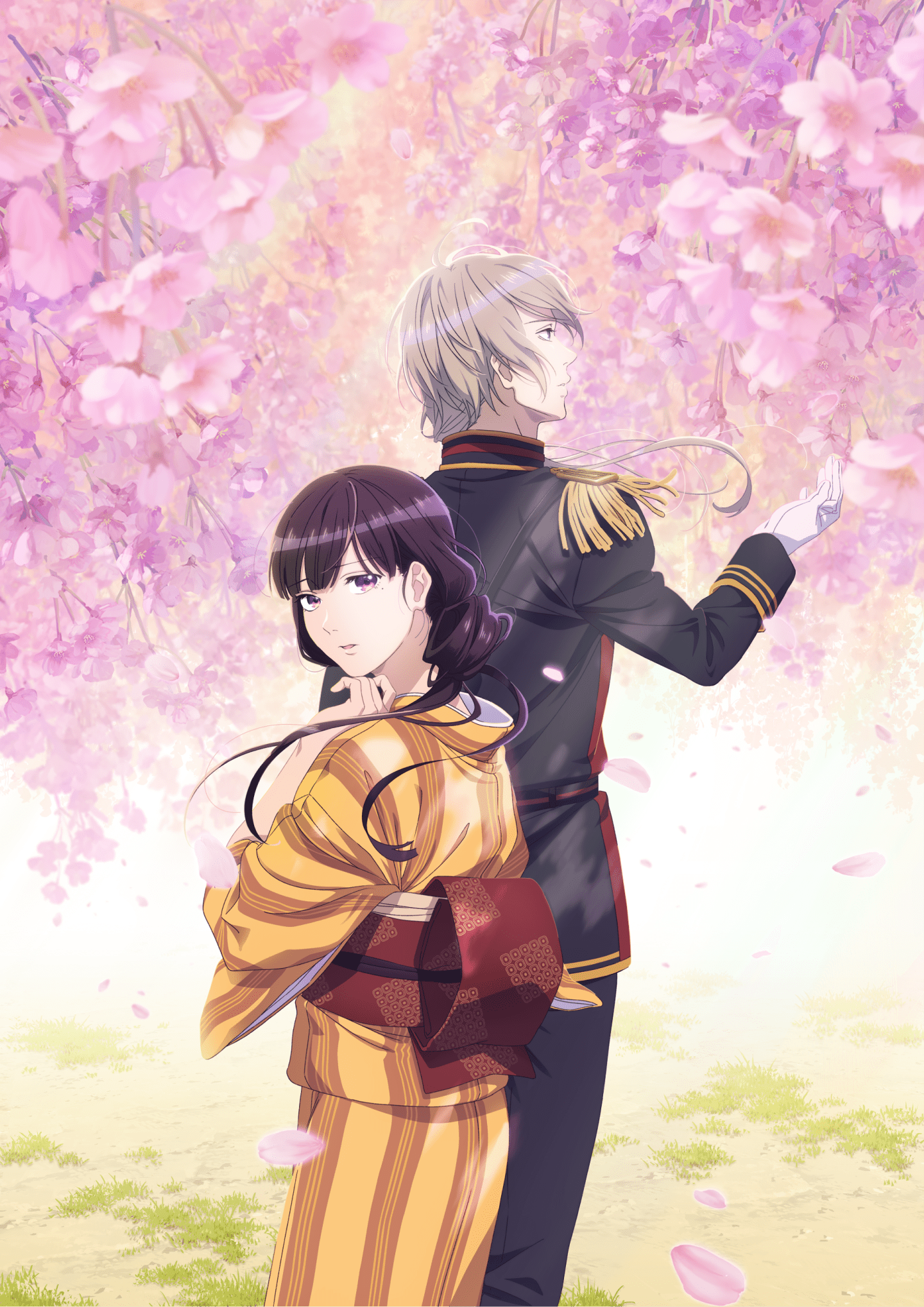
Watashi no Shiawase na Kekkon/My Happy Marriage (わたしの幸せな結婚)

My Happy Marriage starts out feeling like Cinderella (in kimono), morphs into Beauty & The Beast (in kimono), and ends up being a fantastic and unique series that just happens to include terrible step-relatives and a husband with an angry façade but a heart of gold. And there’s still lots and lots of kimono.

The story is about Saimori Miyo, a shy and quiet young woman whose father remarries an absolute harridan with a shrill, spoiled daughter. They treat her like garbage due to her lack of magical ability, and end up marrying her off to Kudo Kiyoka, a military man with a history of driving away potential brides.

Of course, everyone’s perception of the two of them is entirely off-base and they slowly learn about each other and fall in love, strengthening both their bond and Miyo’s magical abilities as the series progresses. He also takes her kimono shopping early on in the series and I dare any kimono aficionado to not fall for him right then and there. We’ve all had that dream!

Through Kiyoka’s love and encouragement, Miyo’s abilities bloom along with her determination and resolve. She remains her quiet self, but in a strong and self-assured way, no longer the doormat she once was. In turn, Kiyoka learns to open up and allow others to help him.

I also really appreciate that while yes, there are some awkward moments and misunderstandings, they are generally both open with each other about their thoughts and feelings, with the bulk of the conflict coming from outside instead of the typical petty nonsense some romance stories put their protagonists through.

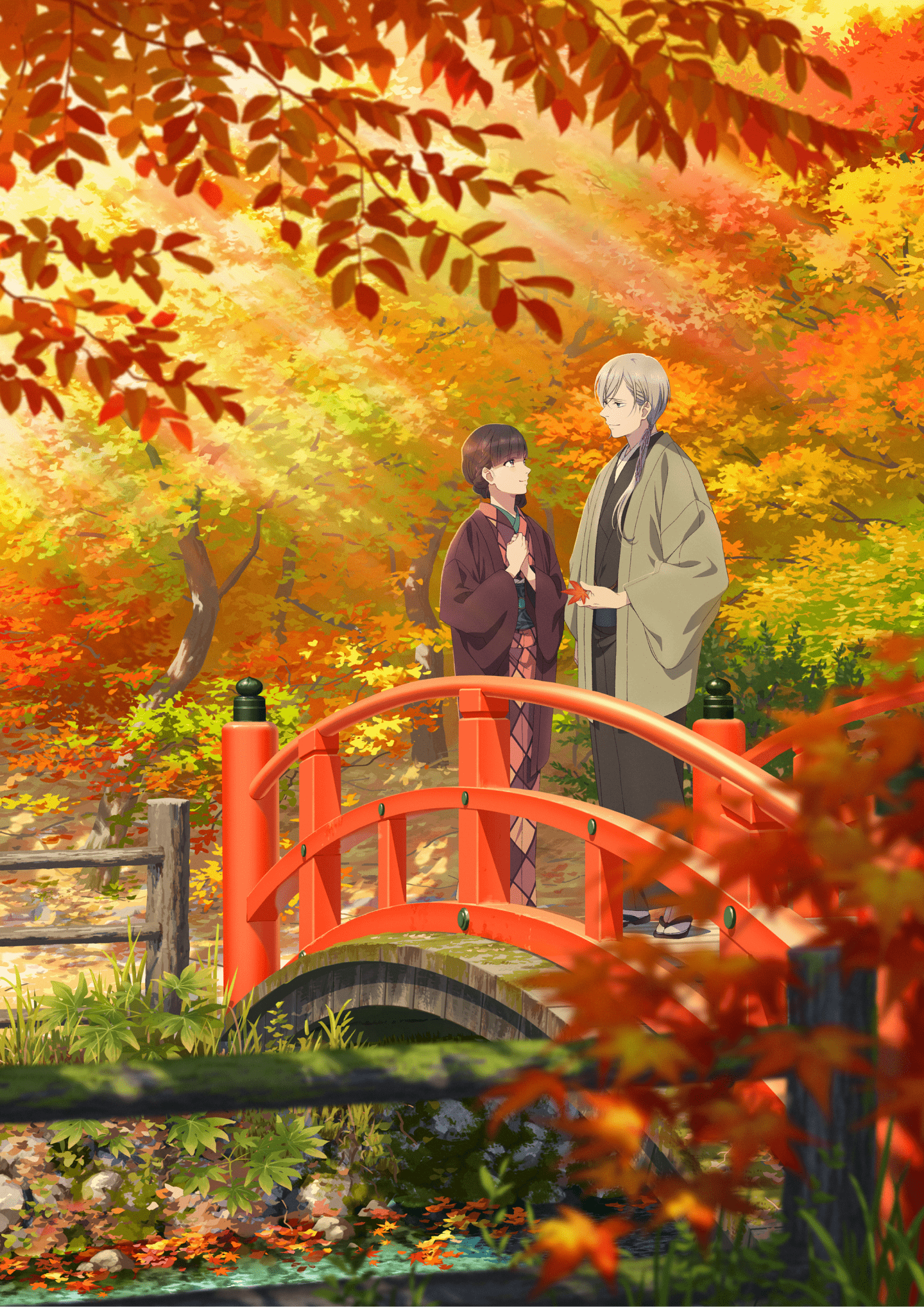
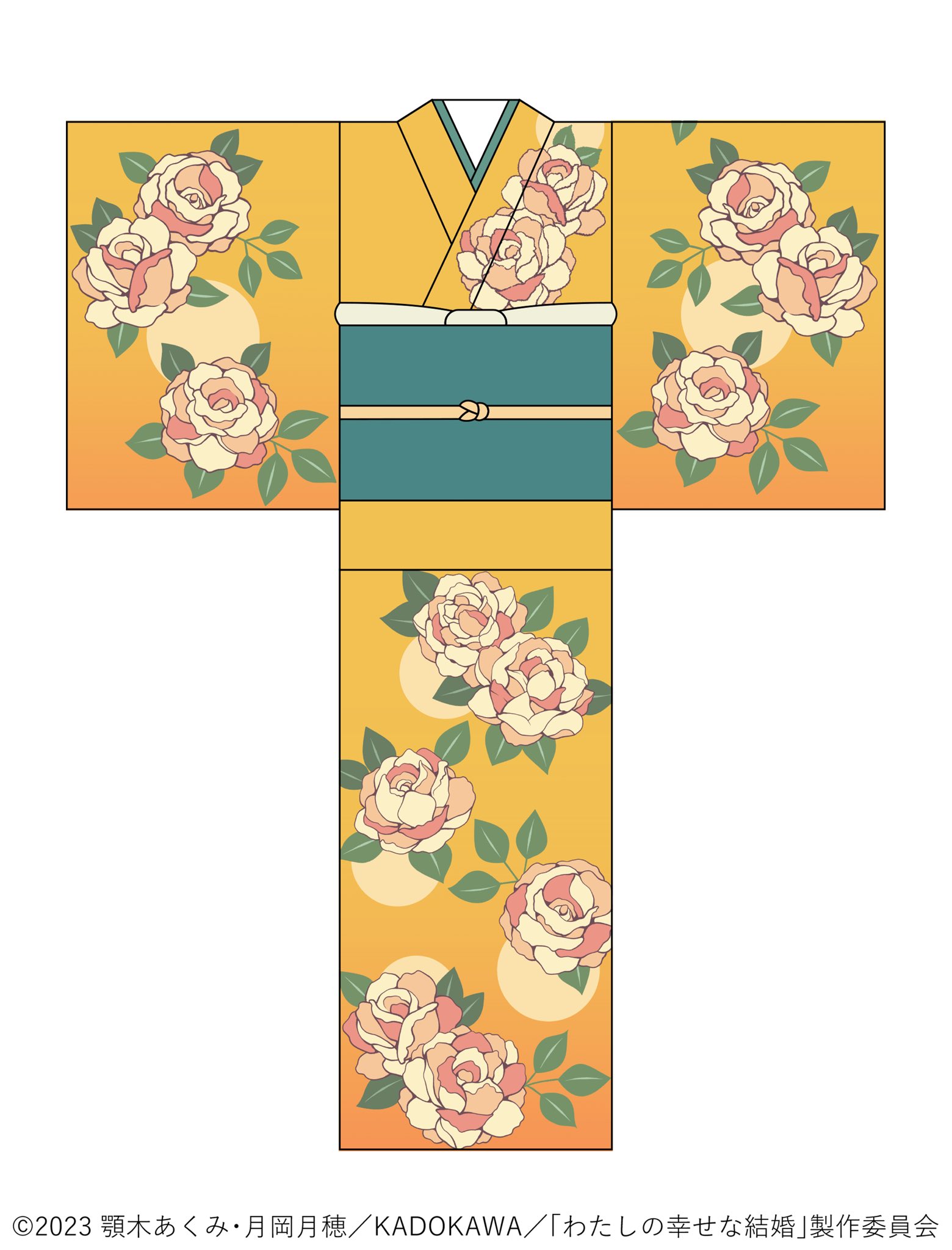
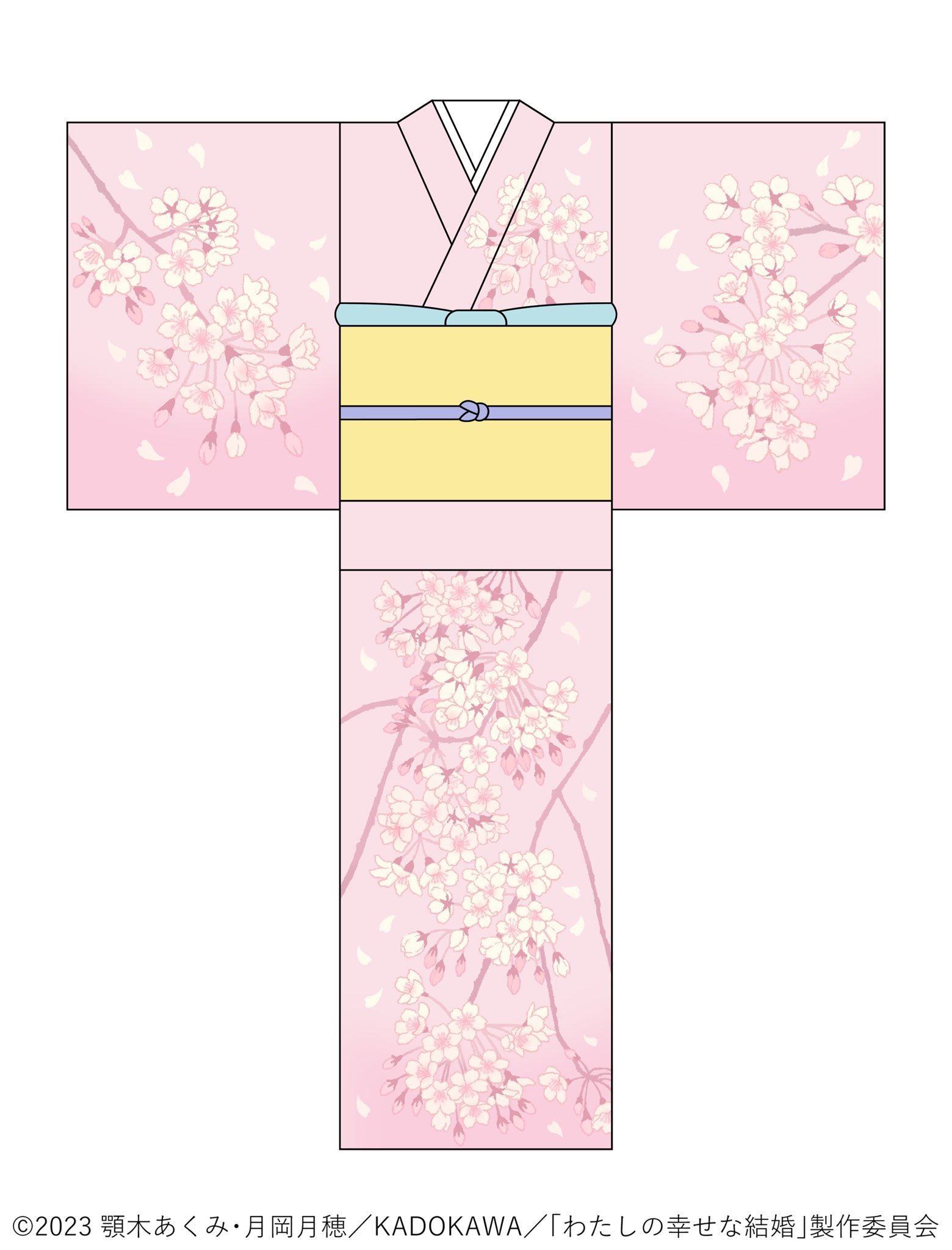
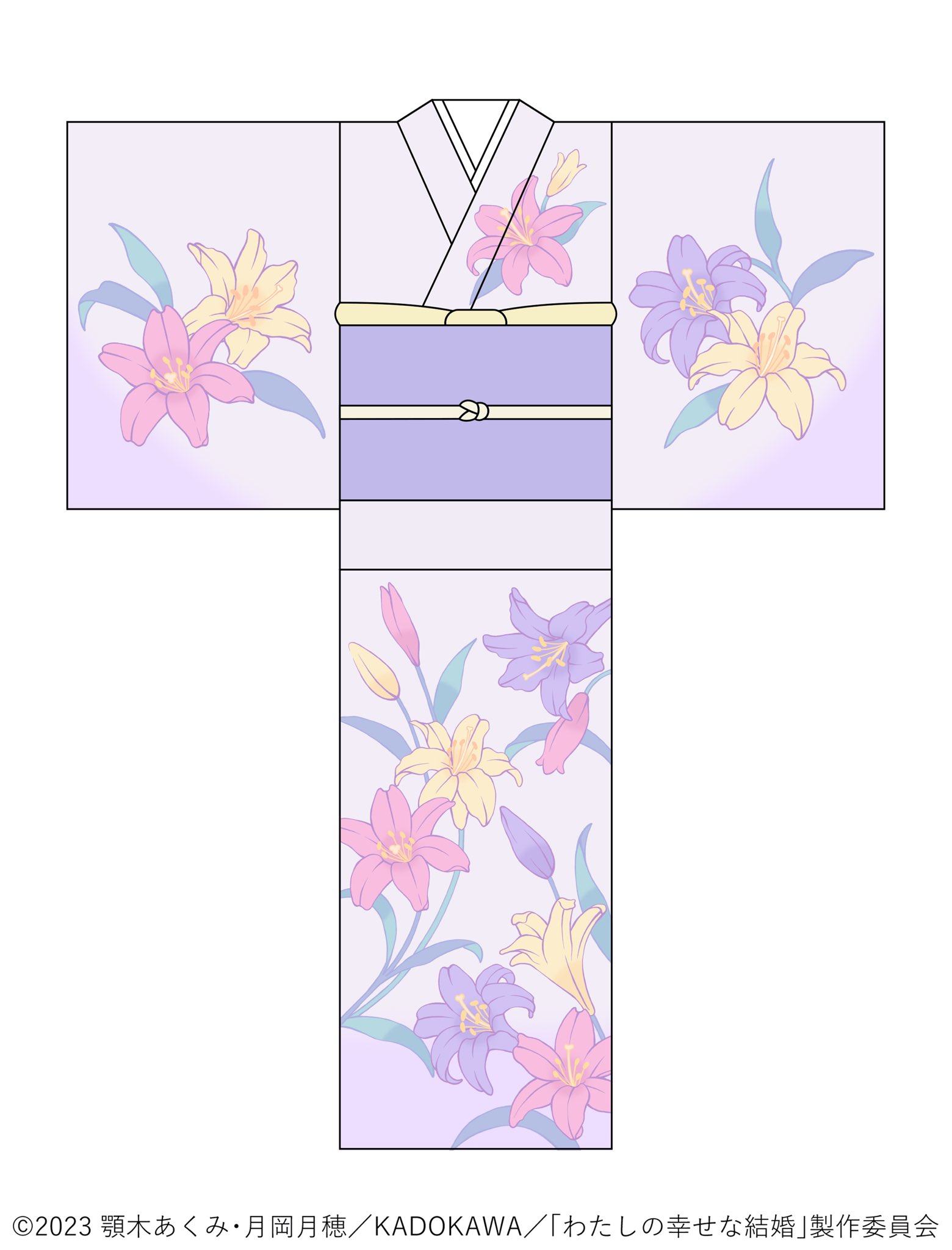
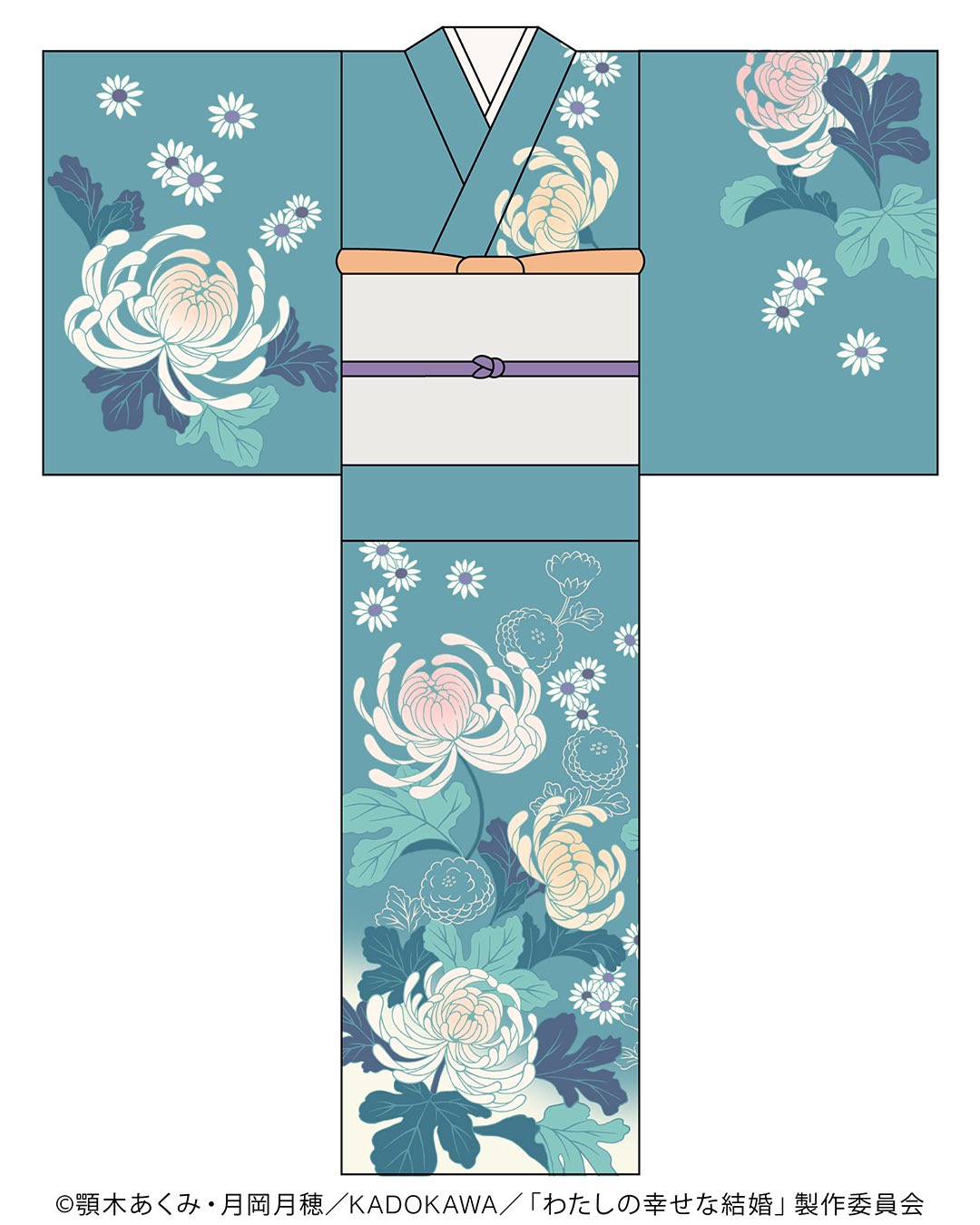
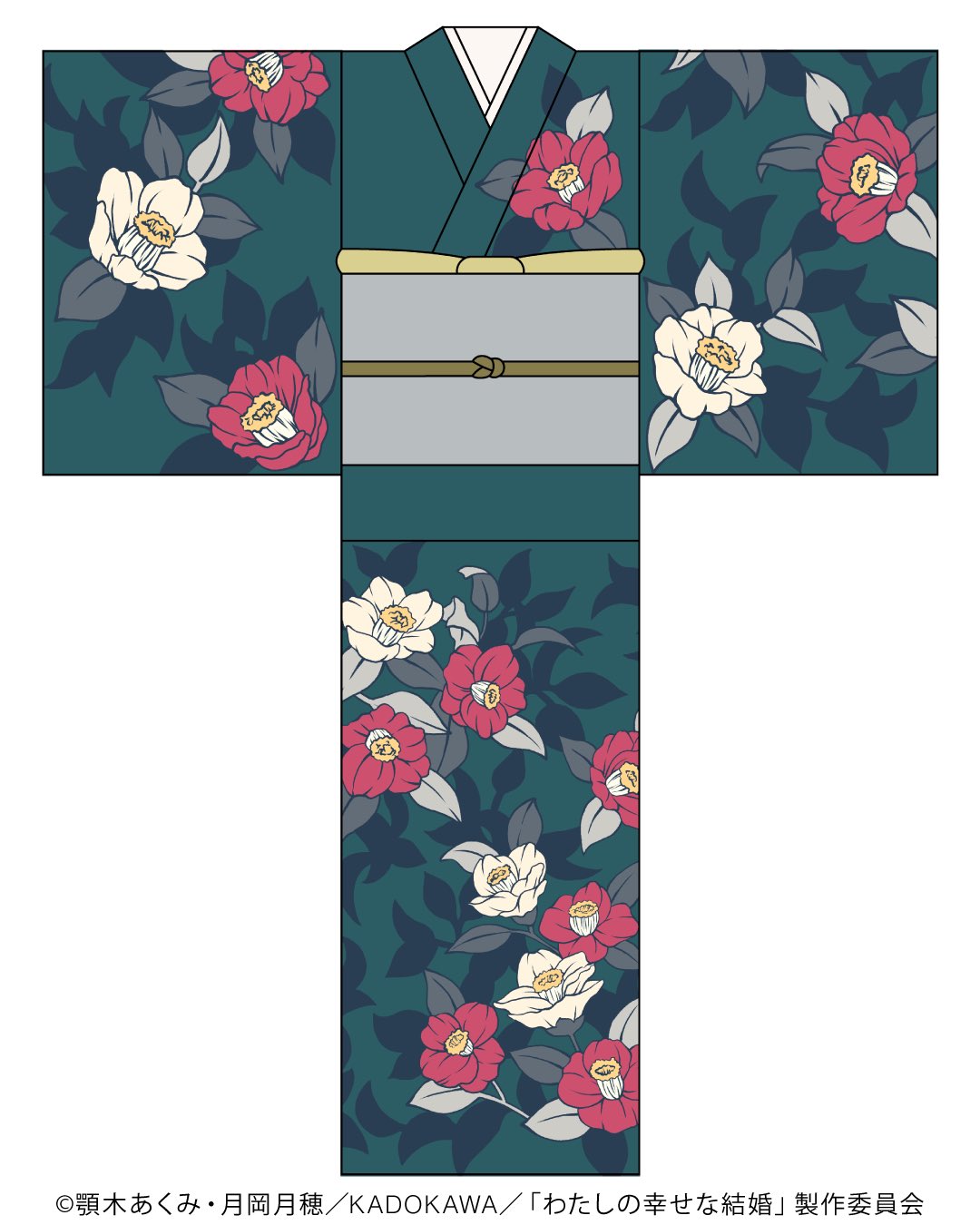
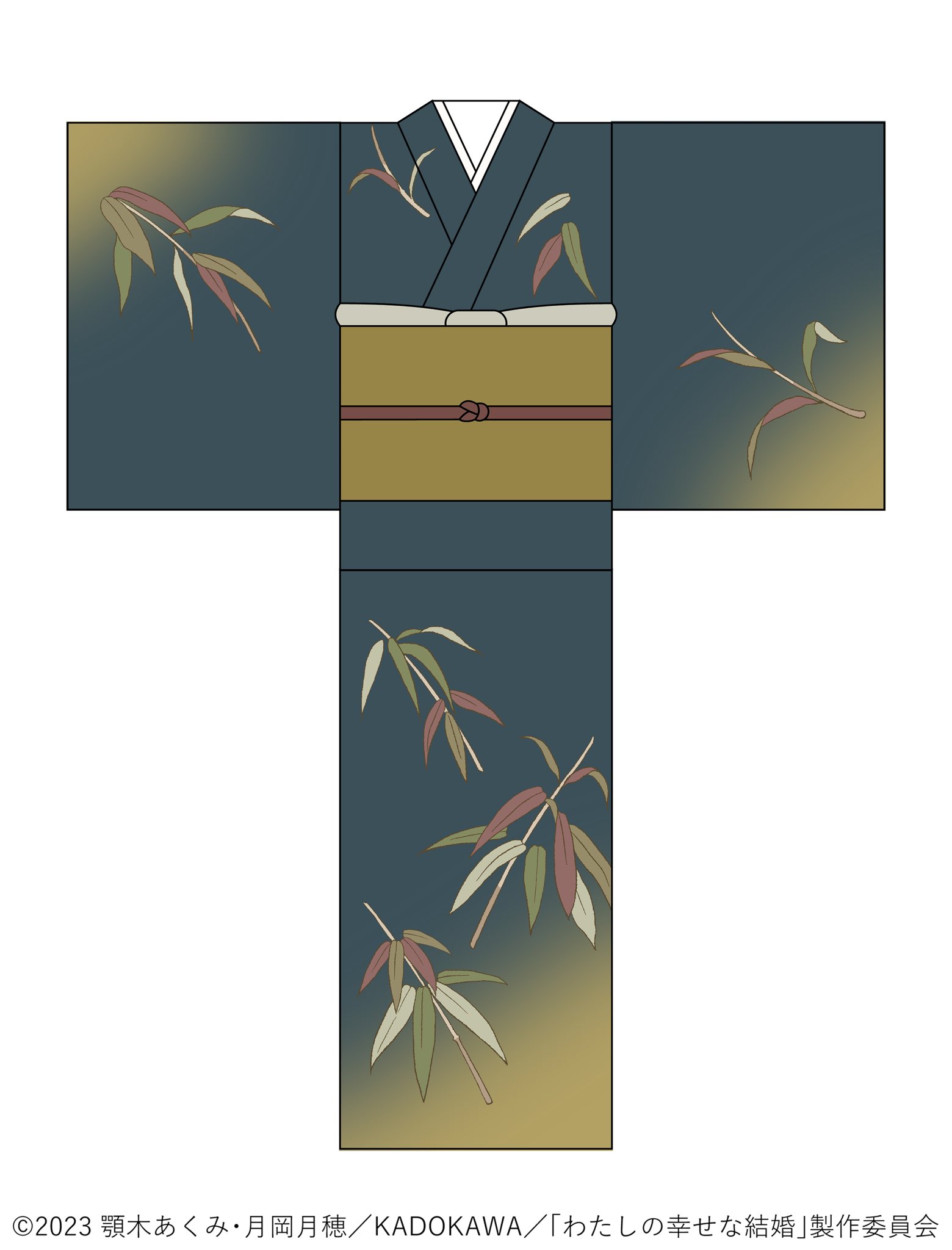
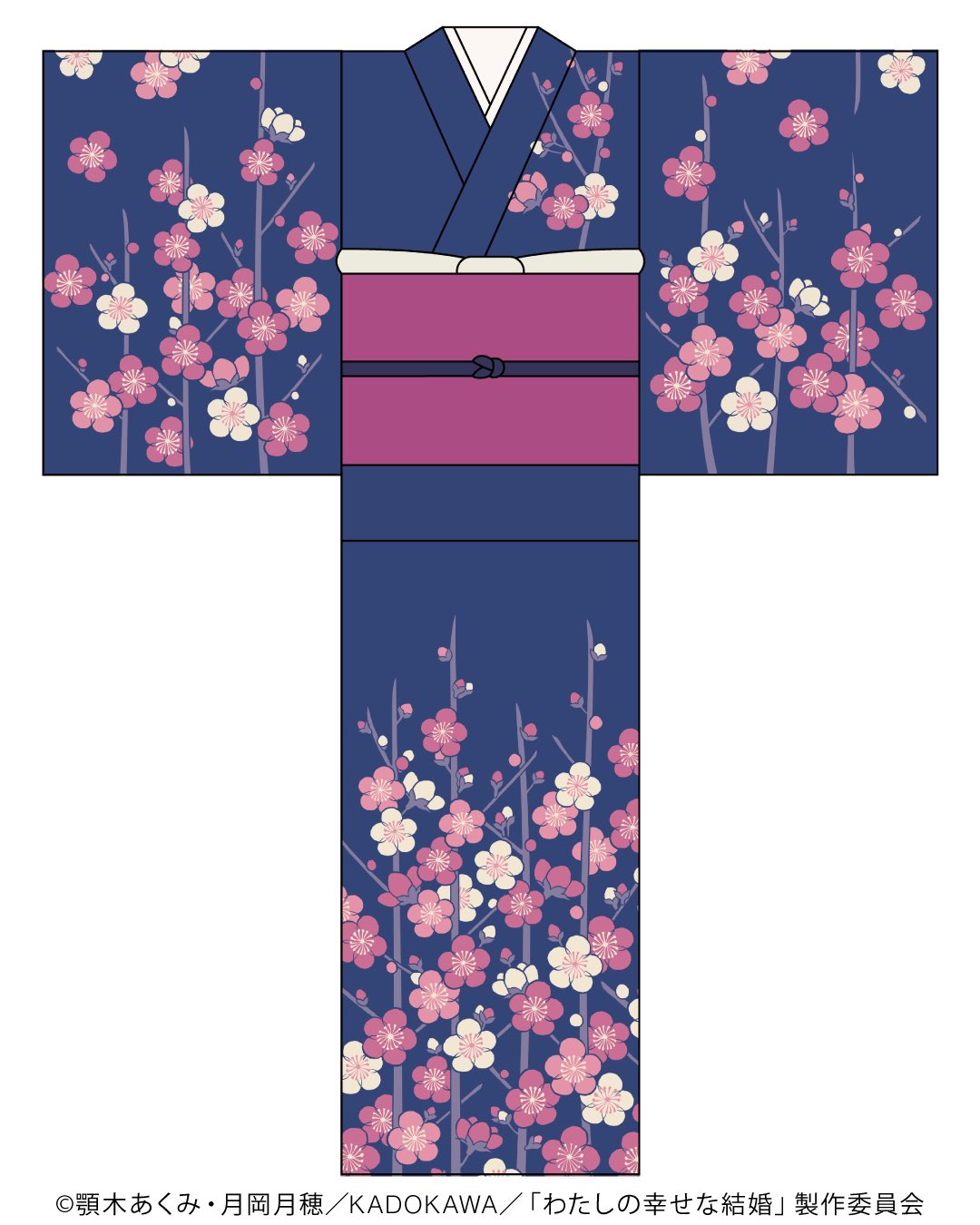
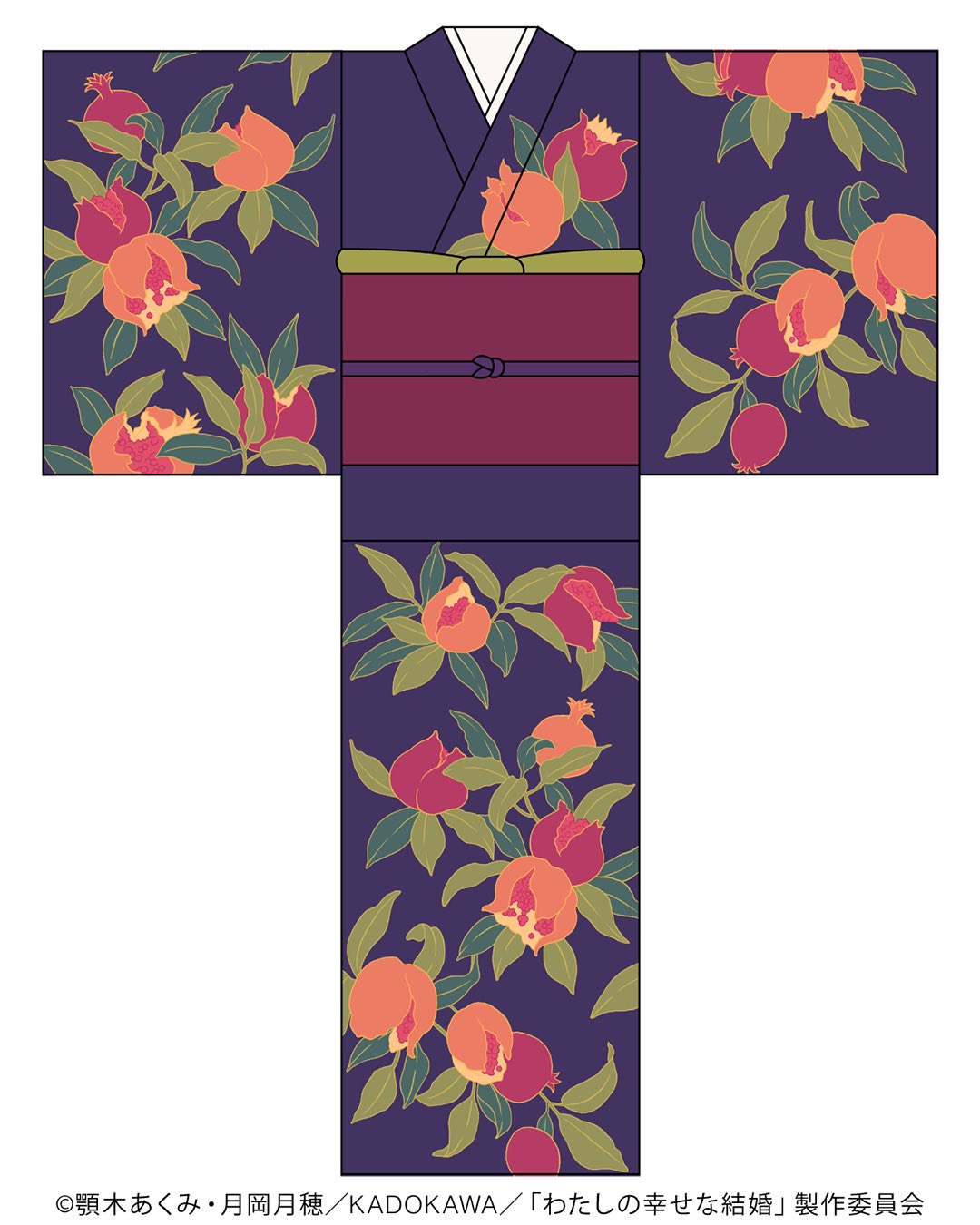
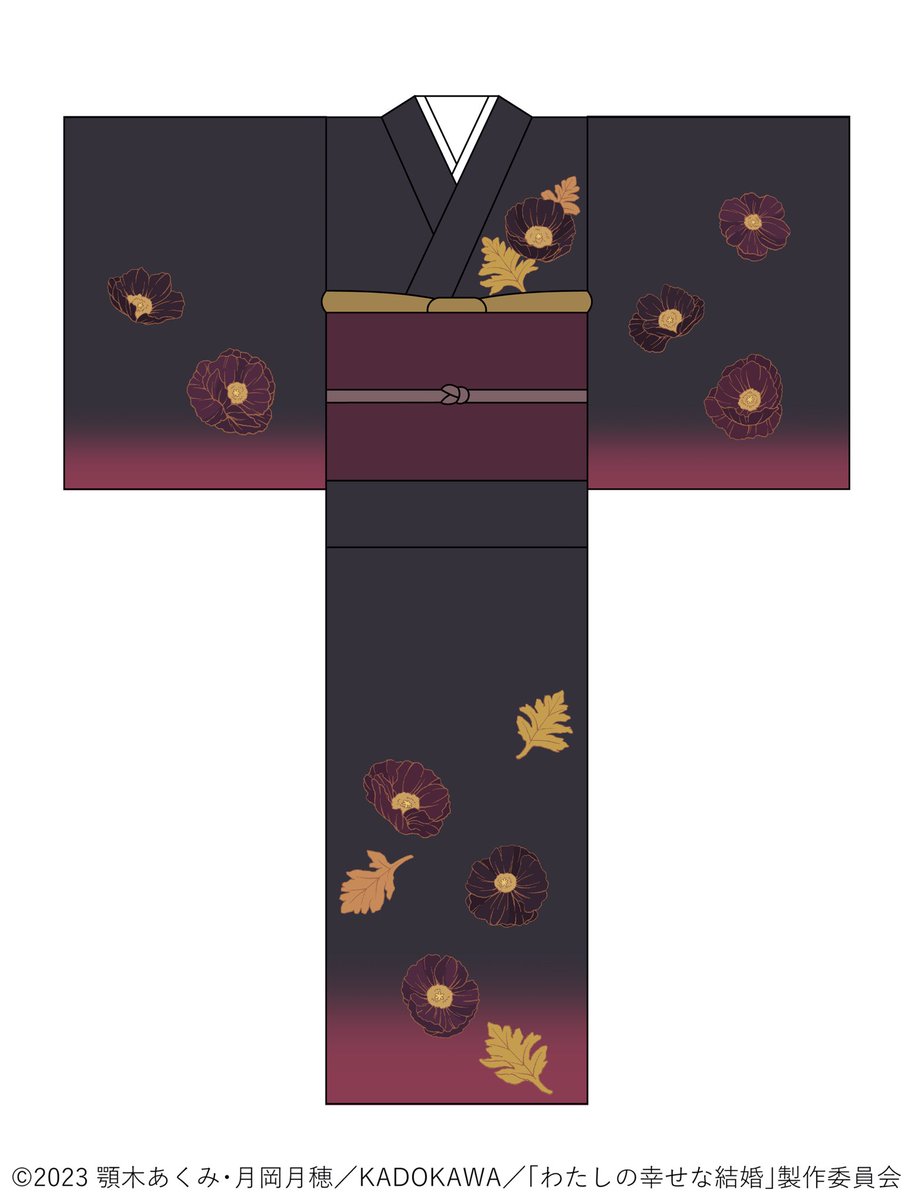
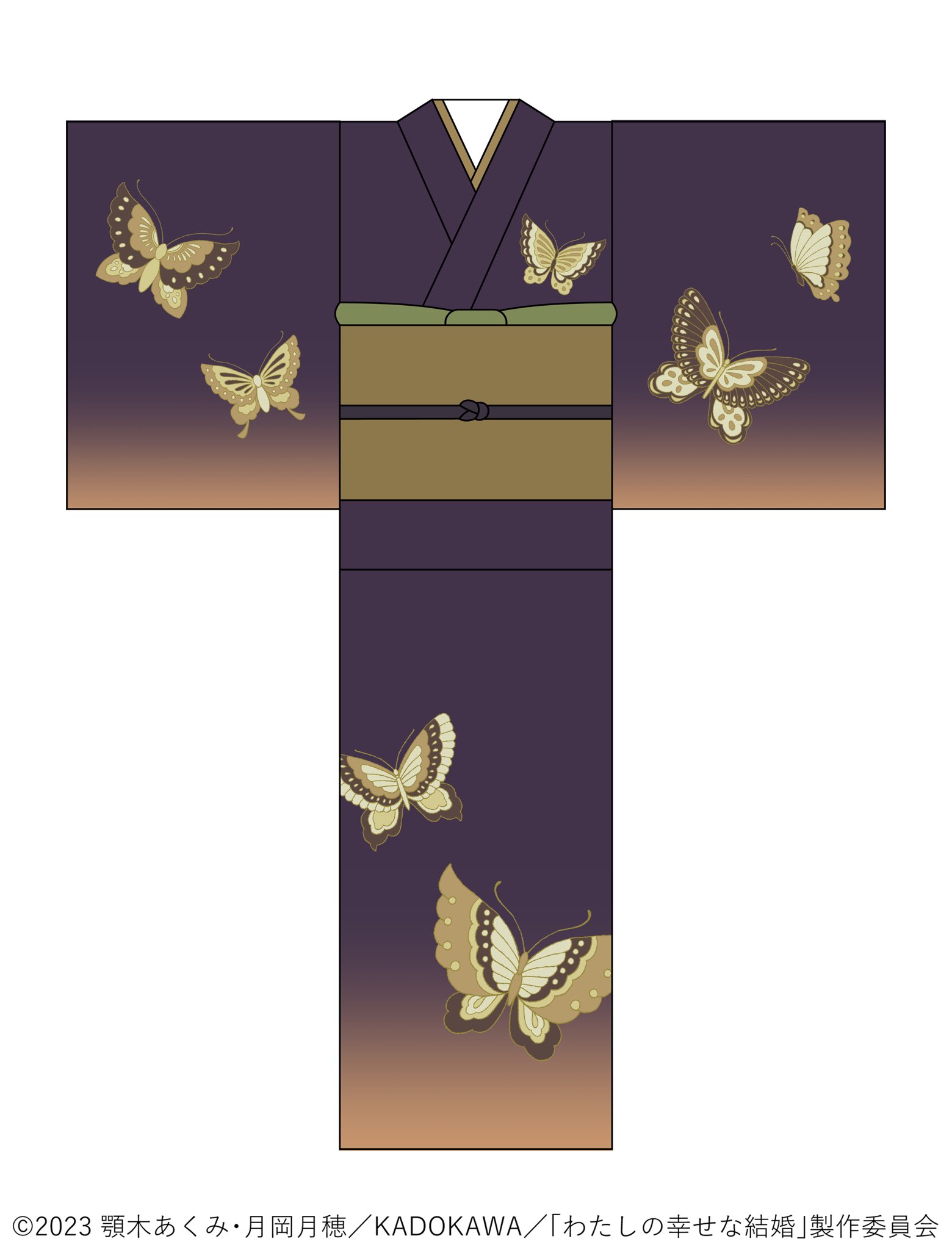
The kimono in My Happy Marriage are so gorgeous, and such an integral feature of the show, that I nearly did a review of the show by itself. One illustrator, Halka, was responsible for all the designs to ensure they were accurate and cohesive. You can see her process and designs over on X but I’ve selected a few of my particular favourites here. She also did the beautiful title screen and eye-catch art designs.

So far there are two complete seasons of My Happy Marriage and it appears that a movie is in the works! There is also a live-action adaptation but I haven’t had the opportunity to watch it yet.

My Happy Marriage on IMdb
My Happy Marriage on Netflix
My Happy Marriage on Wikipedia


Taisho Otome Fairy Tale/Taisho Otome Otogibanashi (大正処女御伽話)

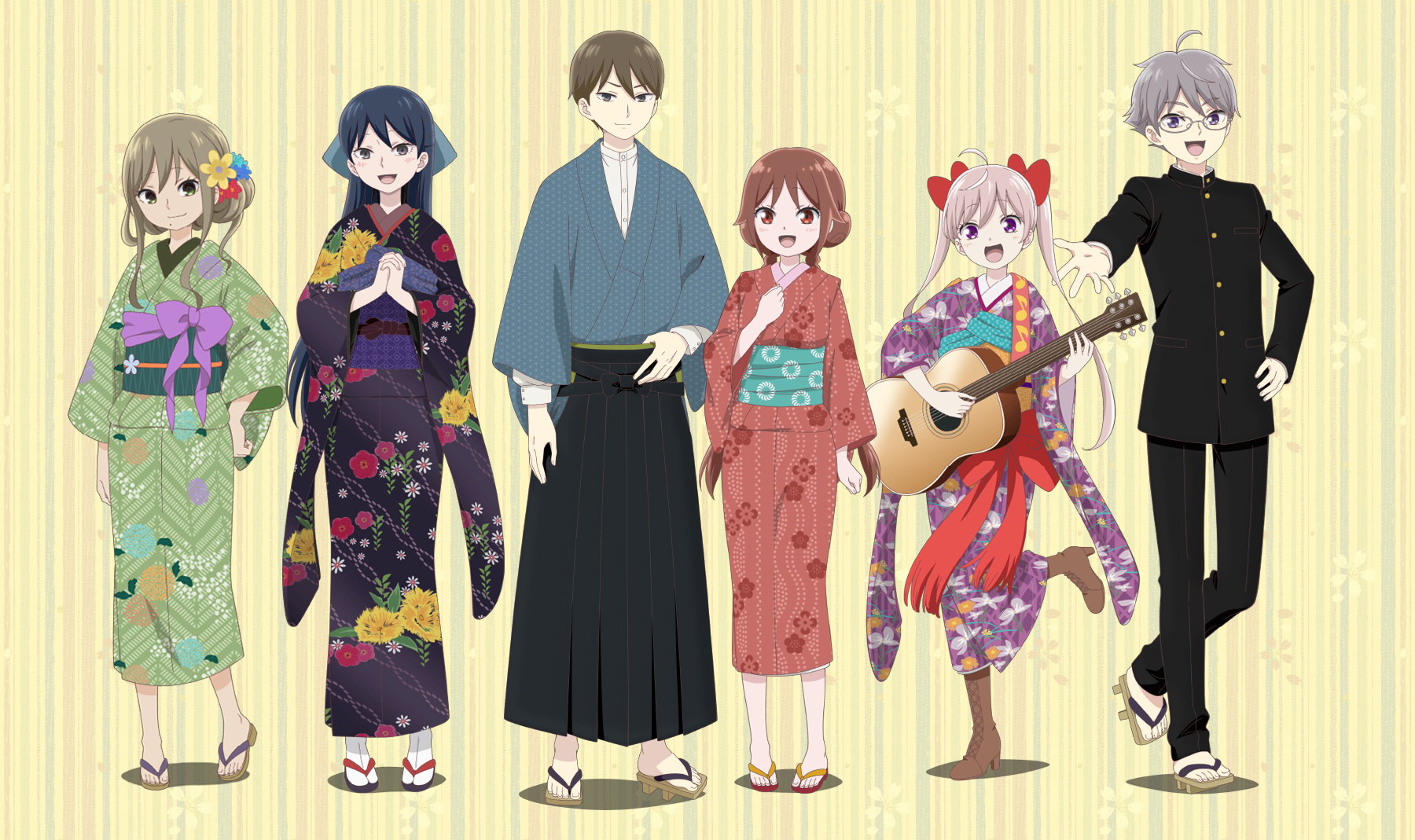
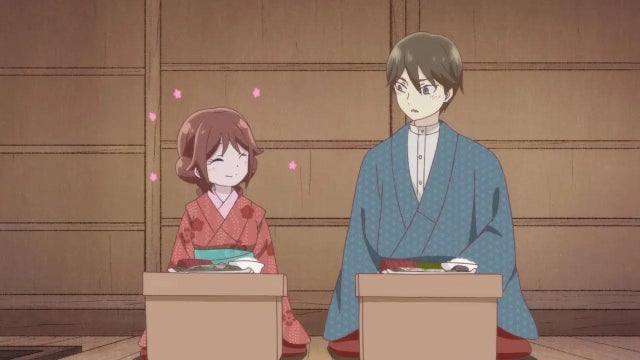
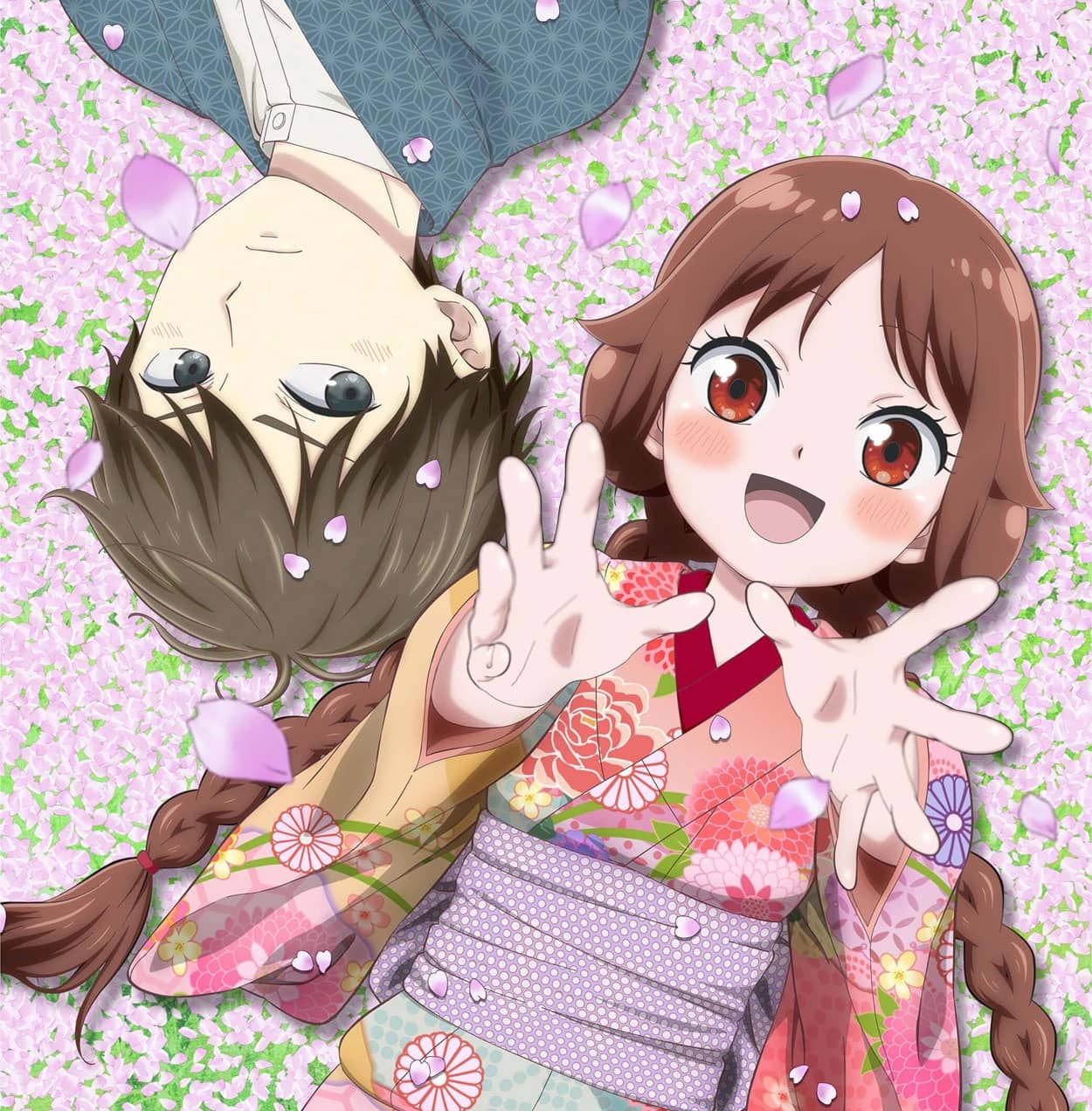
 Taisho Otome Otogibanashi (大正処女御伽話, Taisho Otome Fairy Tale) is a twelve-episode anime that was released in the autumn of 2021 and I’ve been meaning to write about ever since. If you’re a regular reader of my blog you likely know that the Taisho era is probably my favourite era for kimono style. This anime doesn’t disappoint, as nearly every character wears kimono the entire time, and we get to see a variety of Taisho-Roman influenced styles as well as more traditional styles.

The story starts out with an admittedly awkward-sounding premise; Shima Tamahiko is a seventeen year-old boy who has been disowned by his rich father after being in an accident that leaves his right hand paralysed and leaves him “useless.” After he falls into despair, his father sends the bubbly and optimistic fourteen year old Tachibana Yuzuki to live with him, after purchasing her from her impoverished family.

The idea of a rich father essentially buying a child bride/maidservant for his cranky teenage son could have been incredibly uncomfortable and inappropriate, but they handled it very deftly (if somewhat unrealistically). There’s no creepy or ecchi content, the romance is very slow, awkward, and feels genuine to teenagers forced to grow up early for varying reasons and then falling in love with each other.

There’s a cast of female characters, all in various absolutely lovely kimono, that might lead you to worry that this is a harem-style anime, but aside from a bit of playful subversion with one character there’s no evidence of that anywhere. Once these two realise their feelings, they are utterly devoted to each other. There is one big obstacle in the way of their relationship but it’s a historically valid and heart-wrenching one (that link is a spoiler, so don’t click if you don’t want to know), not some silly forced love triangle, which was incredibly refreshing.

The series ends on a very happy and optimistic note without being overly bogged down or trying to rush things. I really appreciated that. There’s currently no plan for any more seasons of the anime, but there is a manga by the same creator that takes place in the Showa era, and I still hold out hope that it will be adapted one day!

Taisho Otome Fairy Tale on IMdb
Taisho Otome Fairy Tale on Crunchyroll
Taisho Otome Fairy Tale on Wikipedia


Prima Doll (プリマドール)

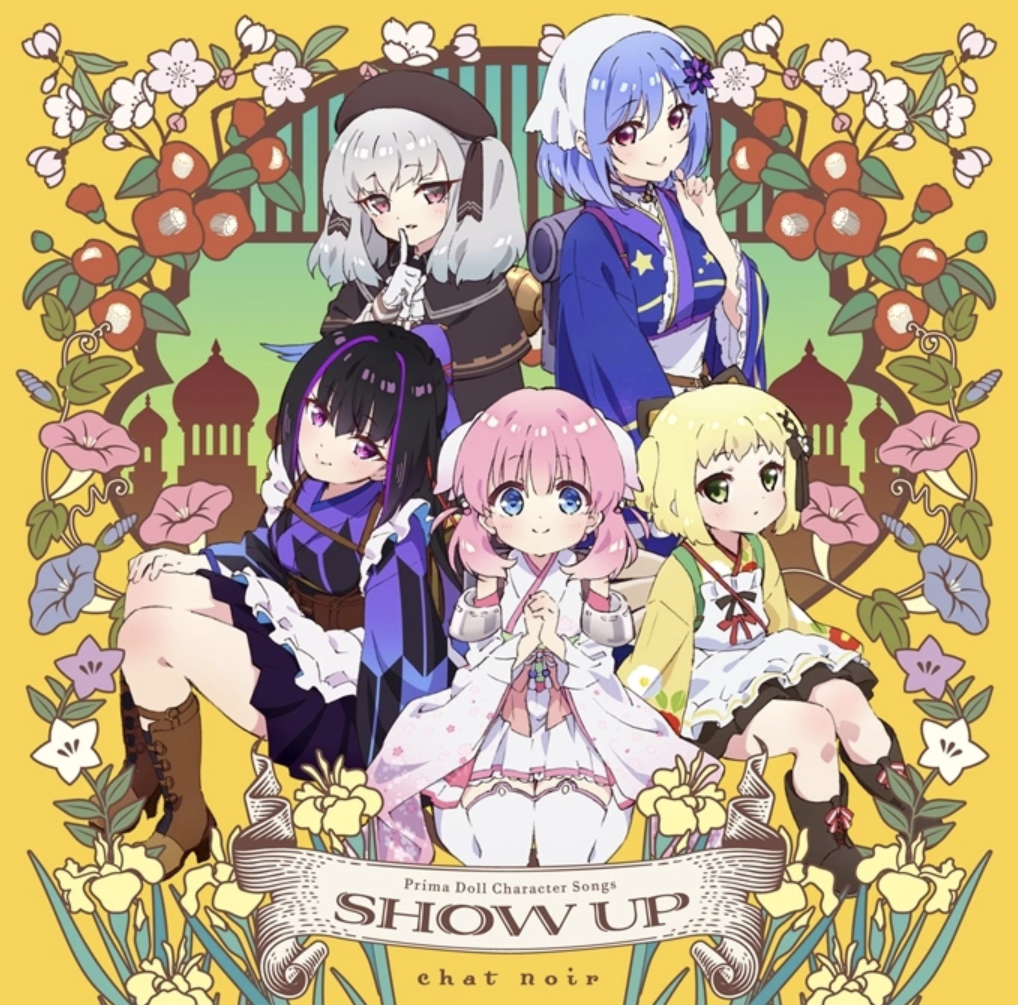
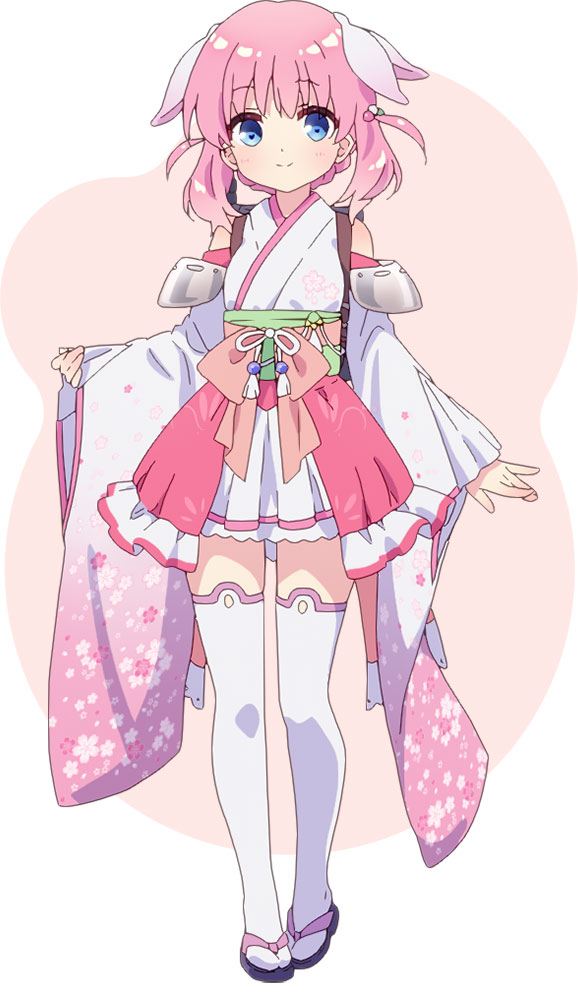
Prima Doll asks the bold question “what if adorable singing cafe employees were also former military automata with post-traumatic stress disorders?”, and somehow manages to mostly answer it in twelve tight little episodes. It starts out as an adorable little slice-of-life/”cute girls doing cute things” show and morphs into an action-packed, emotional gut punch, so don’t be fooled by the initial tone. The show does deal with PTSD and briefly hints at suicidal ideation despite the cuteness so please do keep that in mind if it may be triggering to you.

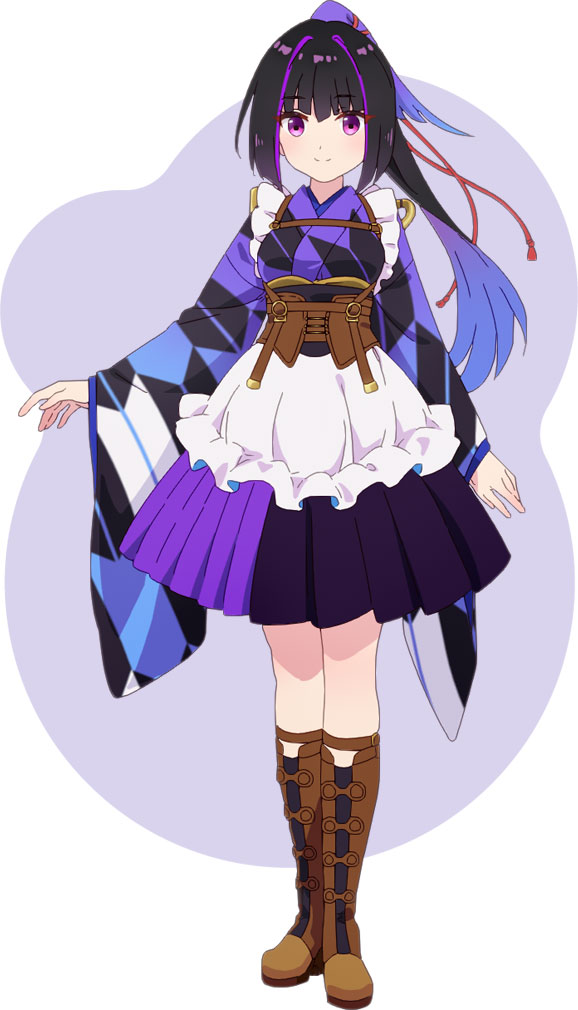
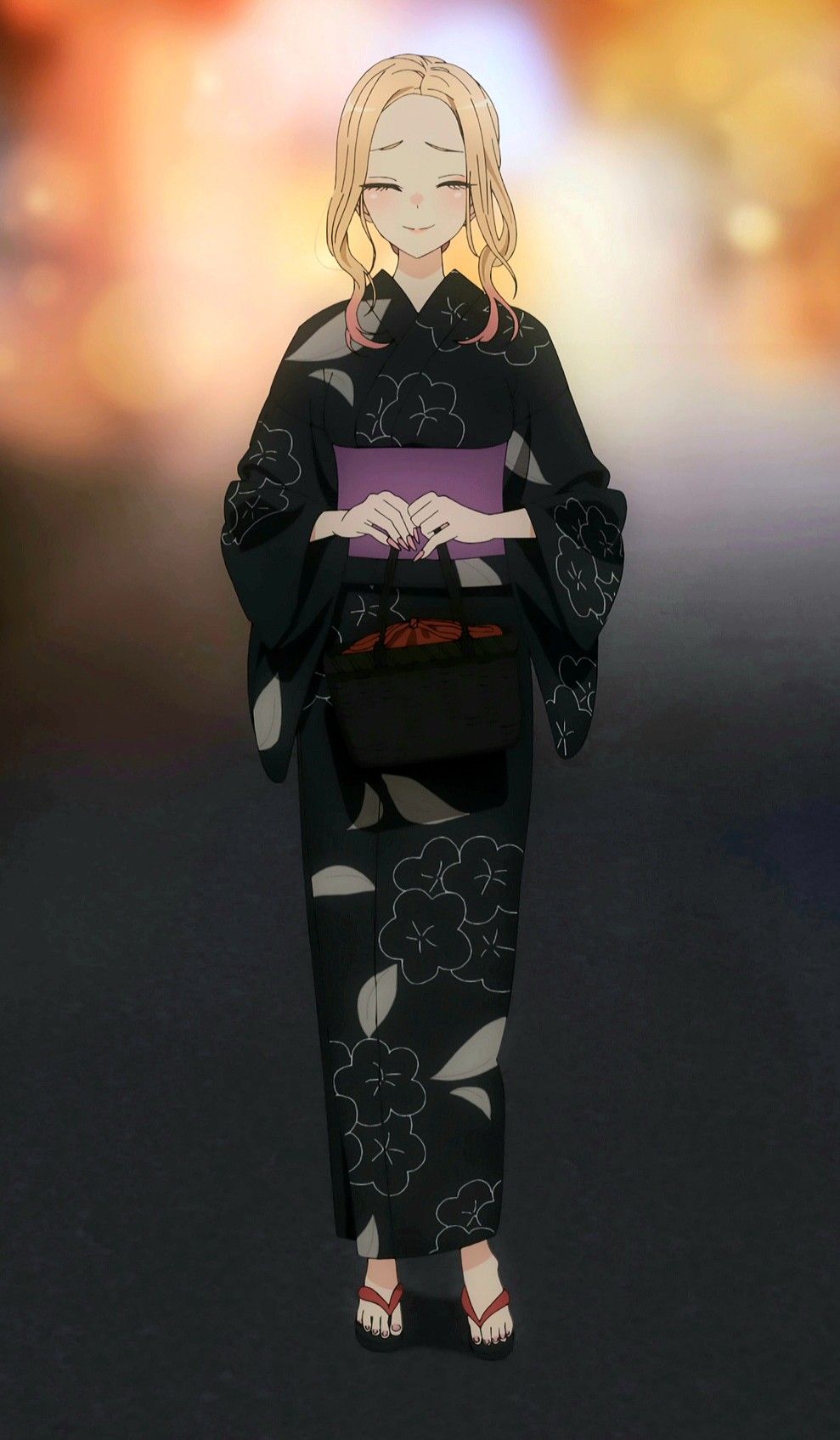
Prima Doll is actually a couple of years old and I stumbled across it while looking up recipes, since Haizakura (the main character) shares a name with a brand of soy sauce… but of course, upon seeing them I immediately fell in love with the outfits. Nearly all the automata wear outfits in some form of wa-lolita, steampunk, or otherwise kimono-influenced outfit. Sure, they’re far from traditional, but the show isn’t exactly steeped in realism and I desperately want to cosplay Karasuba at some point in my life. We even both have a bum knee!
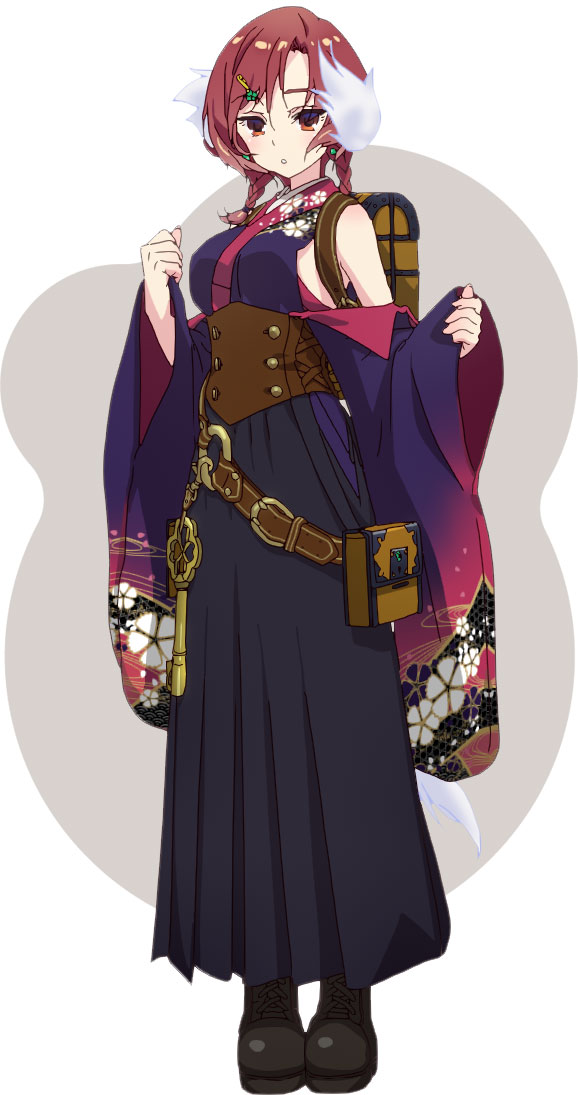
Despite my warnings above, the show is generally heartwarming and adorable, even if it does deal with some very intense subject matter. I would not necessarily recommend it for “comfort” watching, but it does end on a mostly optimistic note and is definitely charming enough to make it a net positive in the emotions department.

Unfortunately, this is no longer streaming on any big North American sites so it may be harder to find but if you are able to come across it, it’s worth a watch 🙂

Prima Doll on IMdb
Prima Doll on Wikipedia


I’d also like to give an honourable mention to Sono wa Bisque Doll/My Dress-Up Darling. It’s about Marin, a modern, gyaru cosplayer and Gojo, the shy, awkward, very traditional boy who learns to sew her costumes for her. He grows up making hina dolls at his family shop and wears samue pretty exclusively in his spare time, so there’s a bunch of lovely shots of those. Marin wears kimono or yukata a couple of times for her cosplays (and of course the requisite romantic/slice-of-life matsuri staple episode). It’s not a full review though, since a) there’s not a ton of kimono content and b) it’s not explicit but there’s definitely some mature/ecchi content that’s not appropriate for anyone under 16. If you’re okay with that and want a charming, slow-burn, silly teenagers confused about their feelings anime with lots of cosplay content, it’s definitely worth checking out!

My Dress-Up Darling on IMdb
My Dress-Up Darling on Crunchyroll
My Dress-Up Darling on Wikipedia


As always, thank you for reading and sticking around! And if you have any suggestions for anime or media that heavily feature kimono that you want me to check out, let me know in the comments!

Japanese-themed game reviews, just in time for Steam summer sale!
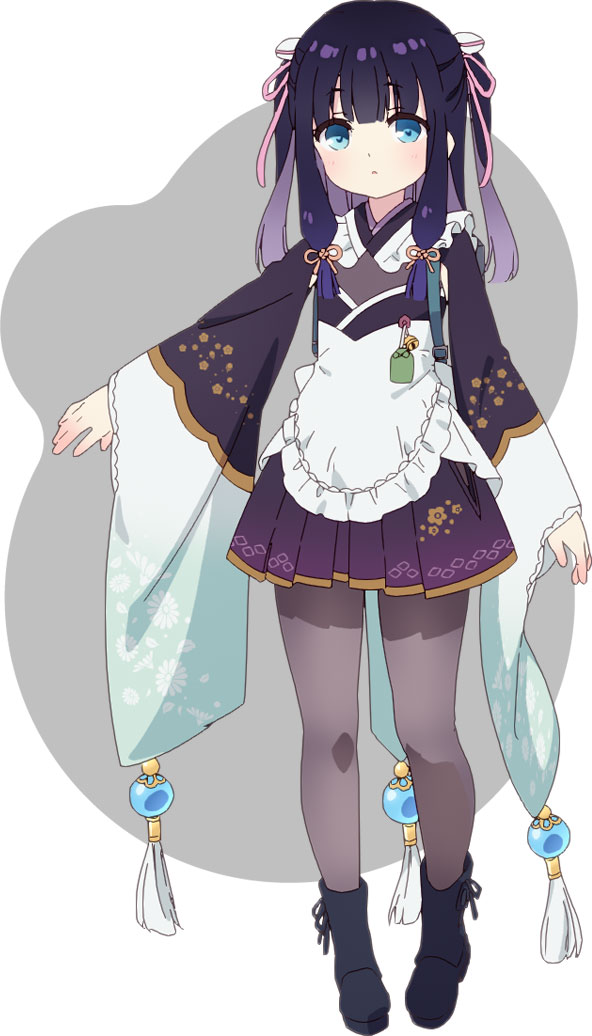
I had initially planned to do separate entries about these games sometime in the near future, but since the Steam summer sale is live now I figured it would be best to share them with you all while you can snatch them up at big discounts! These games all feature Japanese (or Japanese-inspired) visuals and culture in one way or another so if you’re looking to inject a bit of wa into your gaming, keep reading!
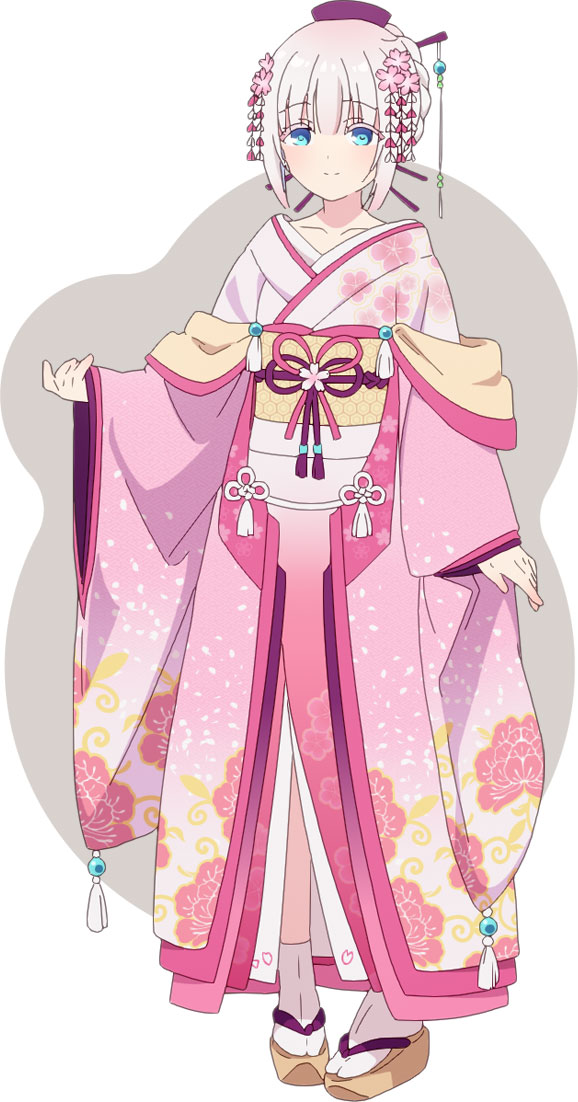
(Fun note, these are also all on sale on the Nintendo Switch store so if that’s your platform you can totally snag these games on sale too.)


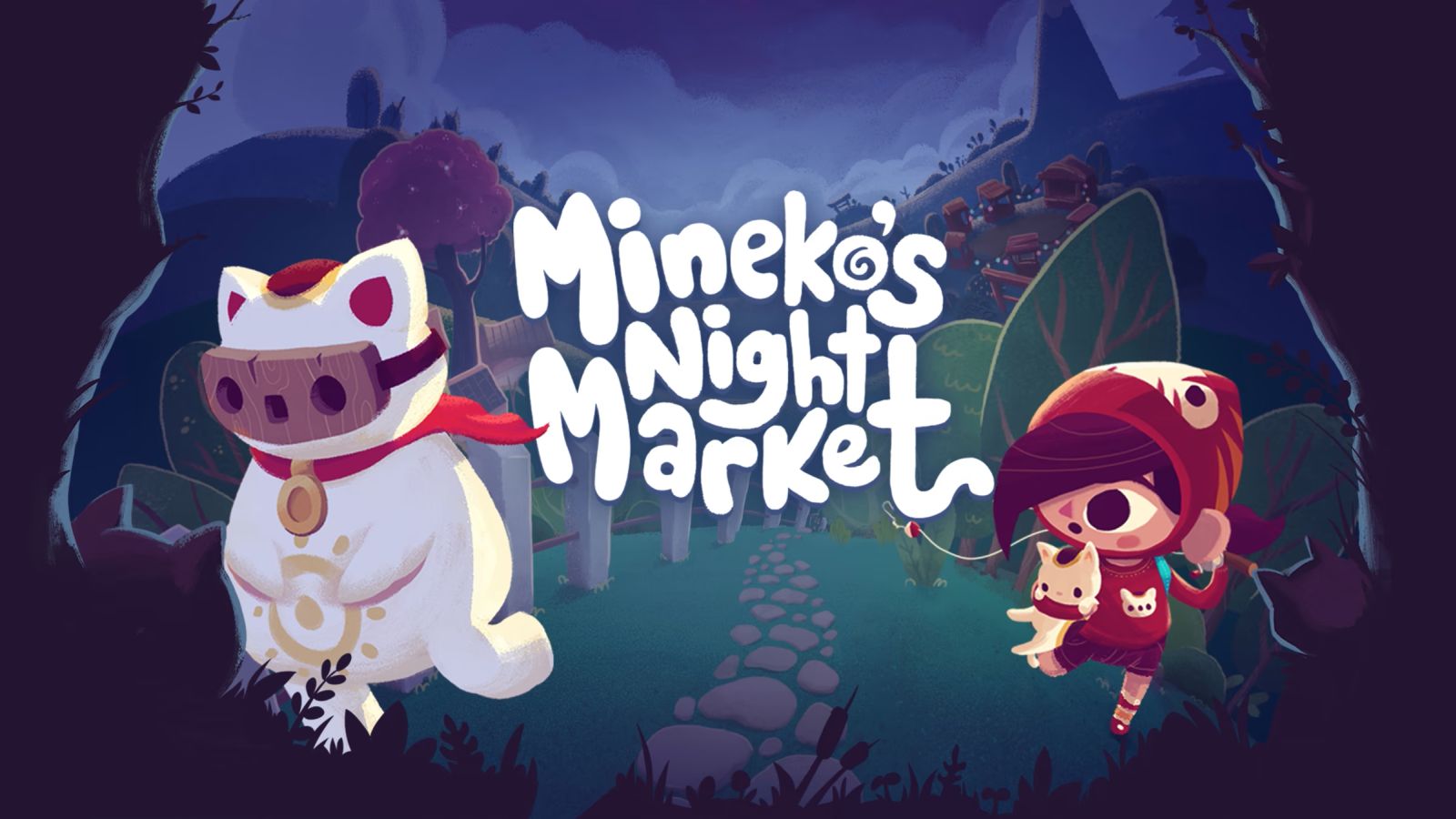
Mineko’s Night Market

Mineko's Night Market

I started playing Mineko’s  Night Market the day it was released a few years back. I was so excited by the adorable, almost picture-book graphics and the heavy emphasis on traditional Japanese art and craft. You play as Mineko, a young girl who moves to a rural town with her father. The main focus is learning about Nikko, the mysterious giant maneki-neko who is the mythical protector of the area. You end up helping him escape a shady government agency while things like ikebana, origami, and cooking delicious ramen to help the villagers. Once a week there is a night market where you can purchase rare items and products and participate in challenges to earn trophies and prizes.

At release, the game was very buggy and while it’s been vastly improved there are still issues so do keep that in mind. However, my main beef with this game is that parts of it are incredibly grindy. I know in this sort of game that’s the main challenge, but for example if you don’t collect enough flowers in one specific part you end up having to go through all the seasons again before you can progress in the story. So my biggest piece of advice would be to collect everything you possibly can. Even if you think you don’t need a particular resource any more, hoard it anyway. Learn from my mistake.

If you’re looking for a cozy, relaxing collection/resource grind kind of game with a charming storyline that feels like a love letter to Japanese tradition, you should definitely check out Mineko’s Night Market. If only one of her clothing choices was a proper kimono!

Mineko’s Night Market on Steam
Mineko’s Night Market on Nintendo Switch


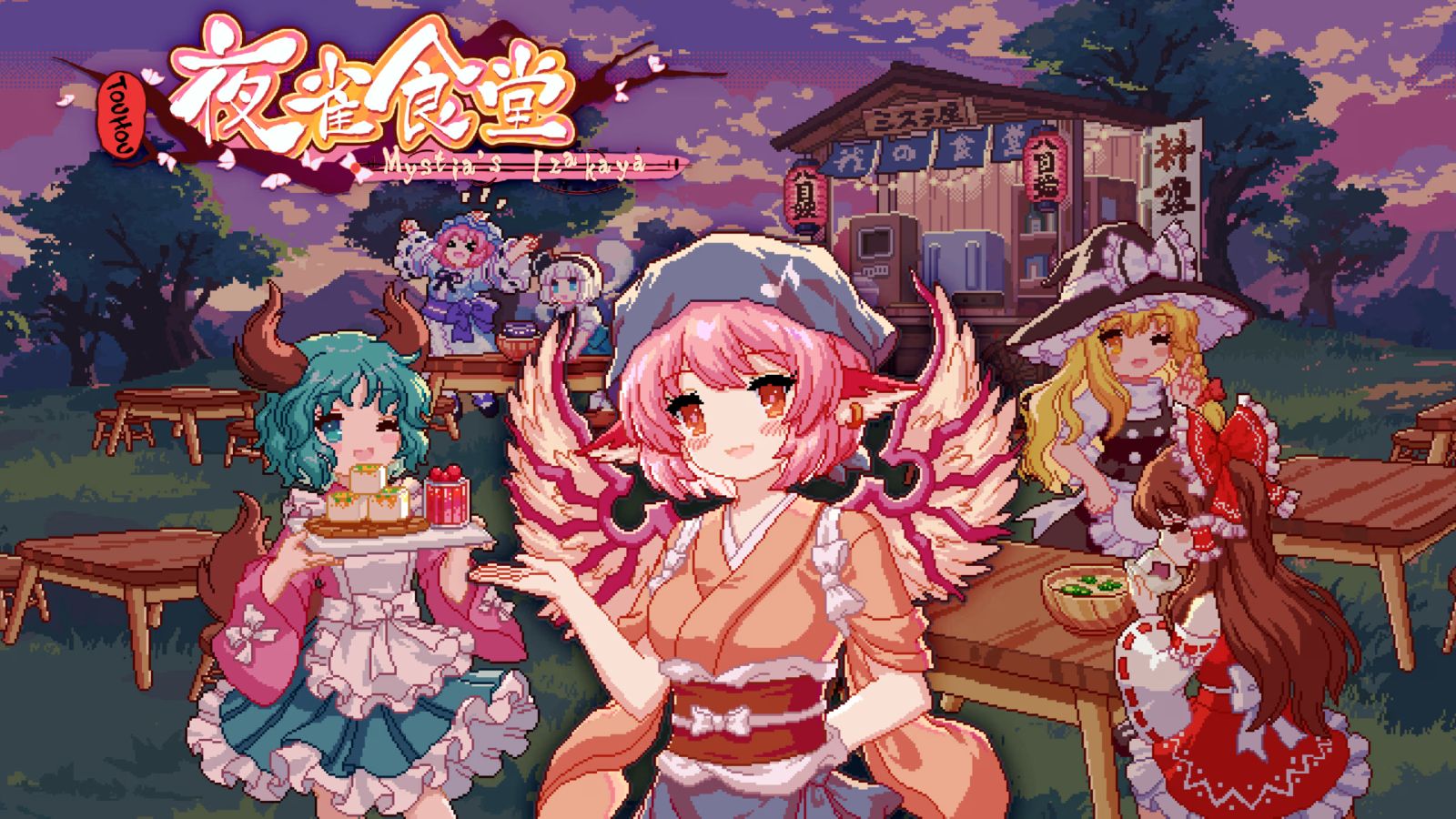
Tohou Mystia’s Izakaya

Tohou Mystia's Izakaya

When I think of the Tohou Project, I generally think of overwhelming bullet-hell shooter games that are absolutely not up my alley; definitely not cozy resource management games. Tohou Mystia’s Izakaya, like a lot of other Tohou games, is a fan-made creation that turns the series on its head. You play as Mystia Lorelei, a nigh sparrow youkai, who is fulfilling her dream of turning a small food stand into a series of fully-fledged izakaya. The game is split into the daytime, where you collect resources and increase your bonds with the other youkai, and the nighttime, where you cook and serve customers to keep everyone as happy as possible. The artwork is charming retro-style pixel art and the gameplay is straightforward and simple, but the night/day mechanic keeps it from getting too repetitive.

This was on my wishlist for ages and I finally bit the bullet (ha, appropriate for a spinoff of a bullet-hell series) when the sale went live, which was actually the impetus for this post. I’m very glad I did, as it’s a great relaxing game and a little break from my currently bonkers work life.

Tohou Mystia’s Izakaya on Steam
Tohou Mystia’s Izakaya on Nintendo Switch


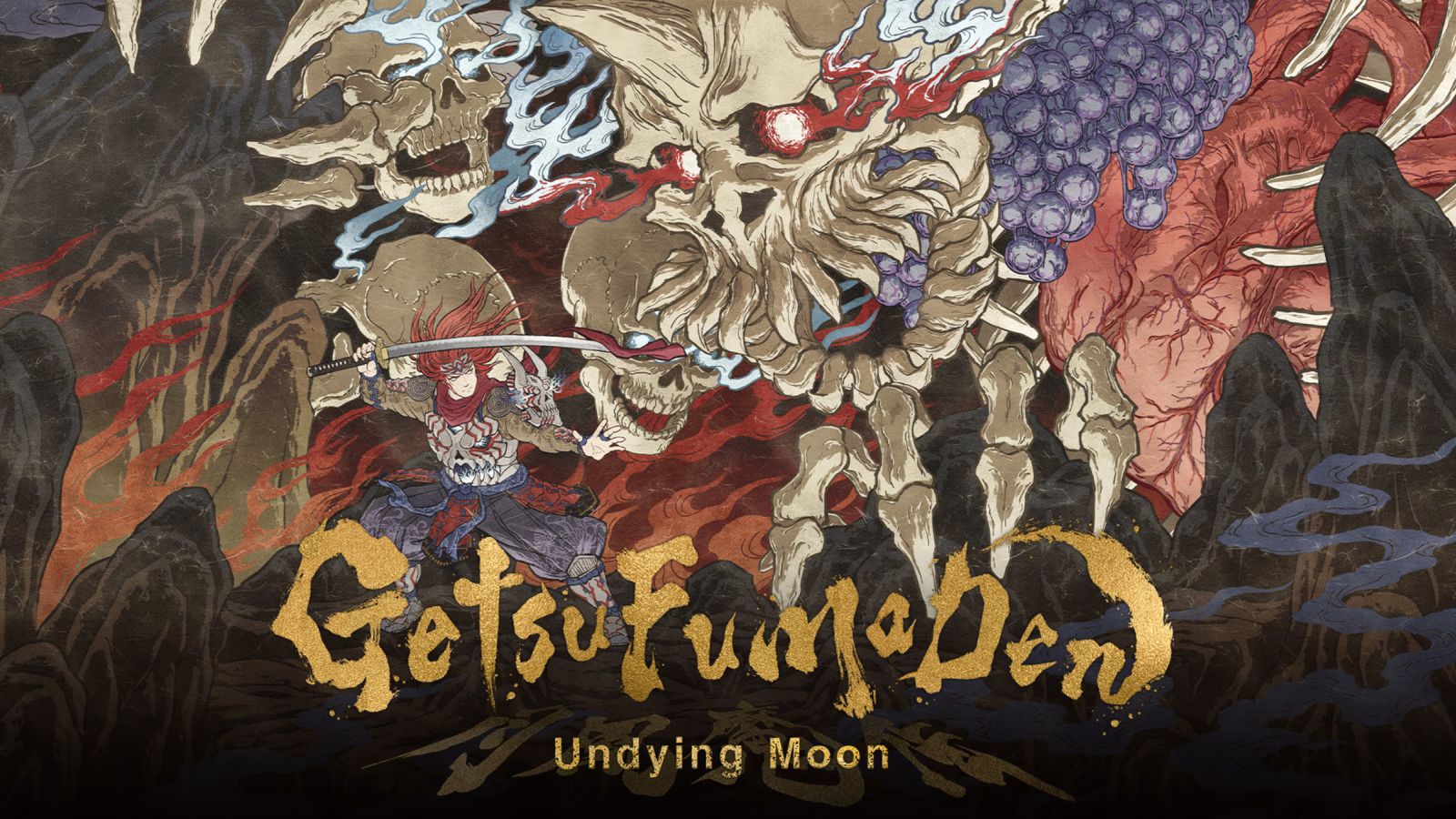
GetsuFumaDen: Undying Moon

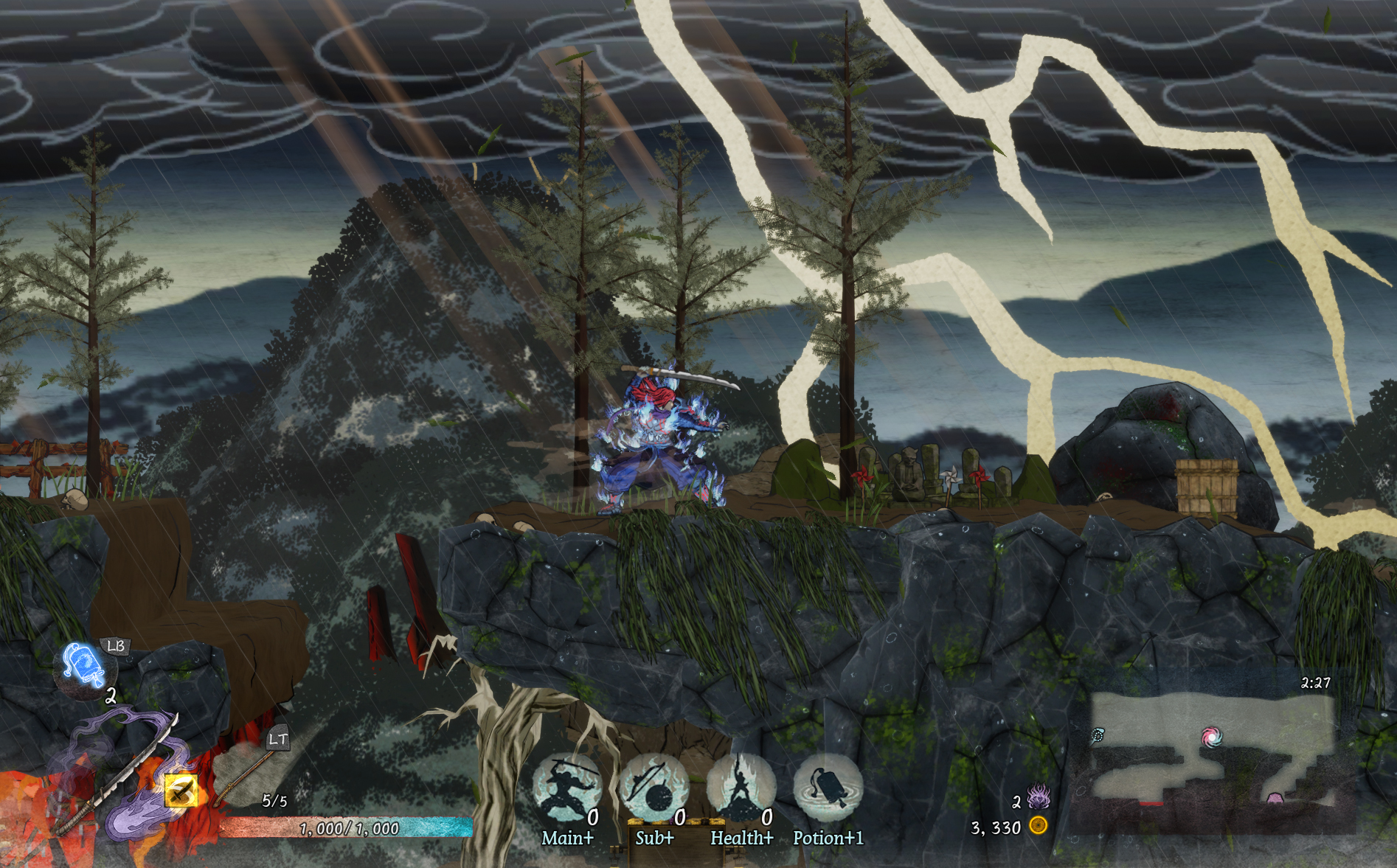
GetsuFumaDen: Undying MoonOne of these things is very much not like the others. While the first two games I’ve featured are adorable, resource-management and life-sim type games, GetsuFumaDen: Undying Moon is a hack ‘n slash roguelike and not my typical sort of game at all. Frankly, I suck at it. But it’s so absolutely visually stunning that I keep playing, and had to include it in this list. The art style is lifted straight out of traditional woodblock prints. I especially love the home base and Shrine Maiden designs, because of course I do, but a lot of the enemies (the first boss especially) give off very strong Kuniyoshi’s Sōma no furu-dairi vibes. The gameplay is straightforward and not overly complicated, but the roguelike element is particularly frustrating to me. If you’re like me and prefer comfy, cozy, casual games then this might not be on your to-play list, but if you love traditional Japanese woodblock prints and enjoy a challenging but ultimately rewarding game, I definitely recommend giving it a try! I haven’t given up and will keep trying to play for a while now, but I suspect in the end I will just watch Keith play it so I can ogle the gorgeous visuals without losing my mind.

GetsuFumaDen: Undying Moon on Steam
GetsuFumaDen: Undying Moon on Nintendo Switch


Happy Gaming!

The Seventies called; they want their outfit back

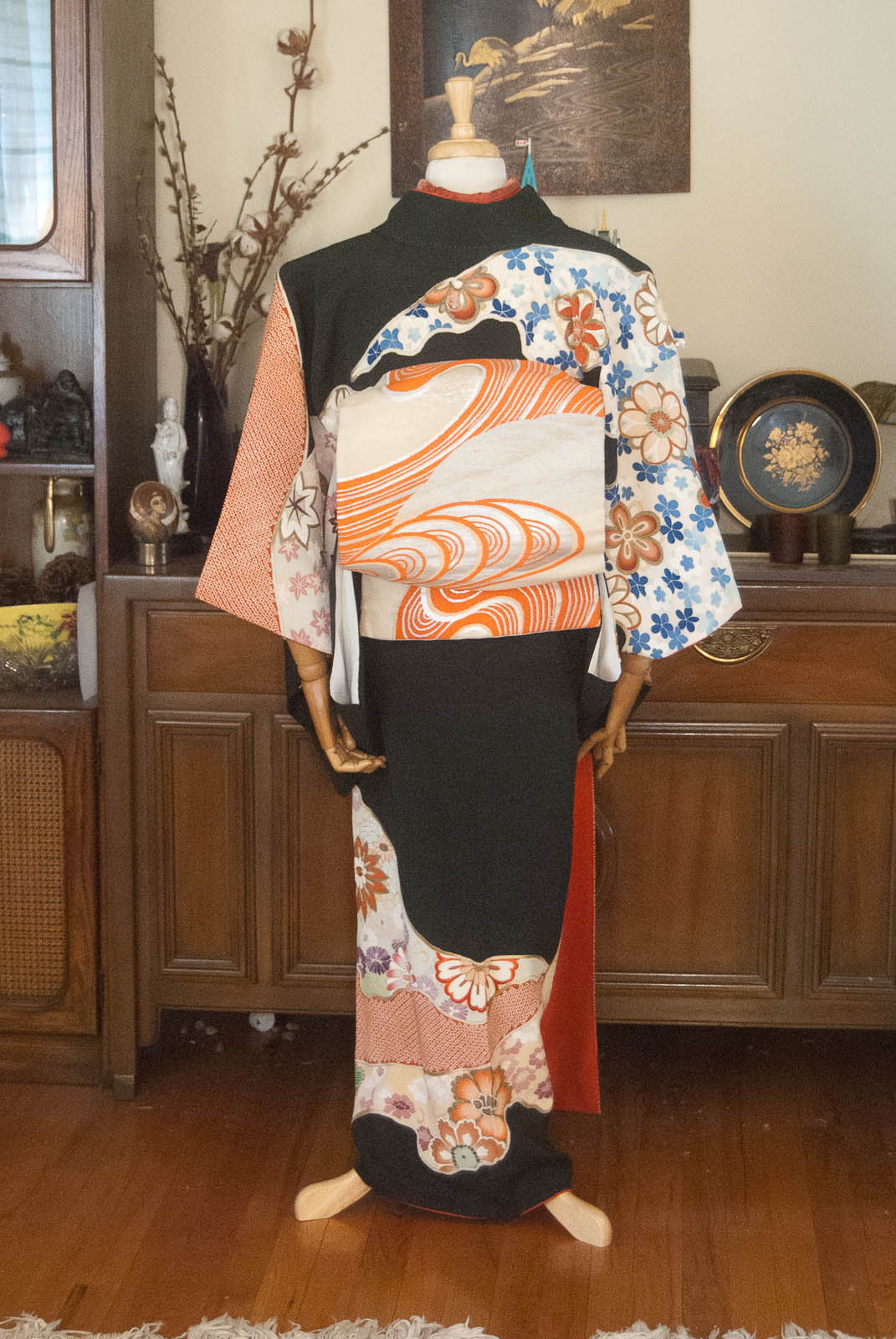
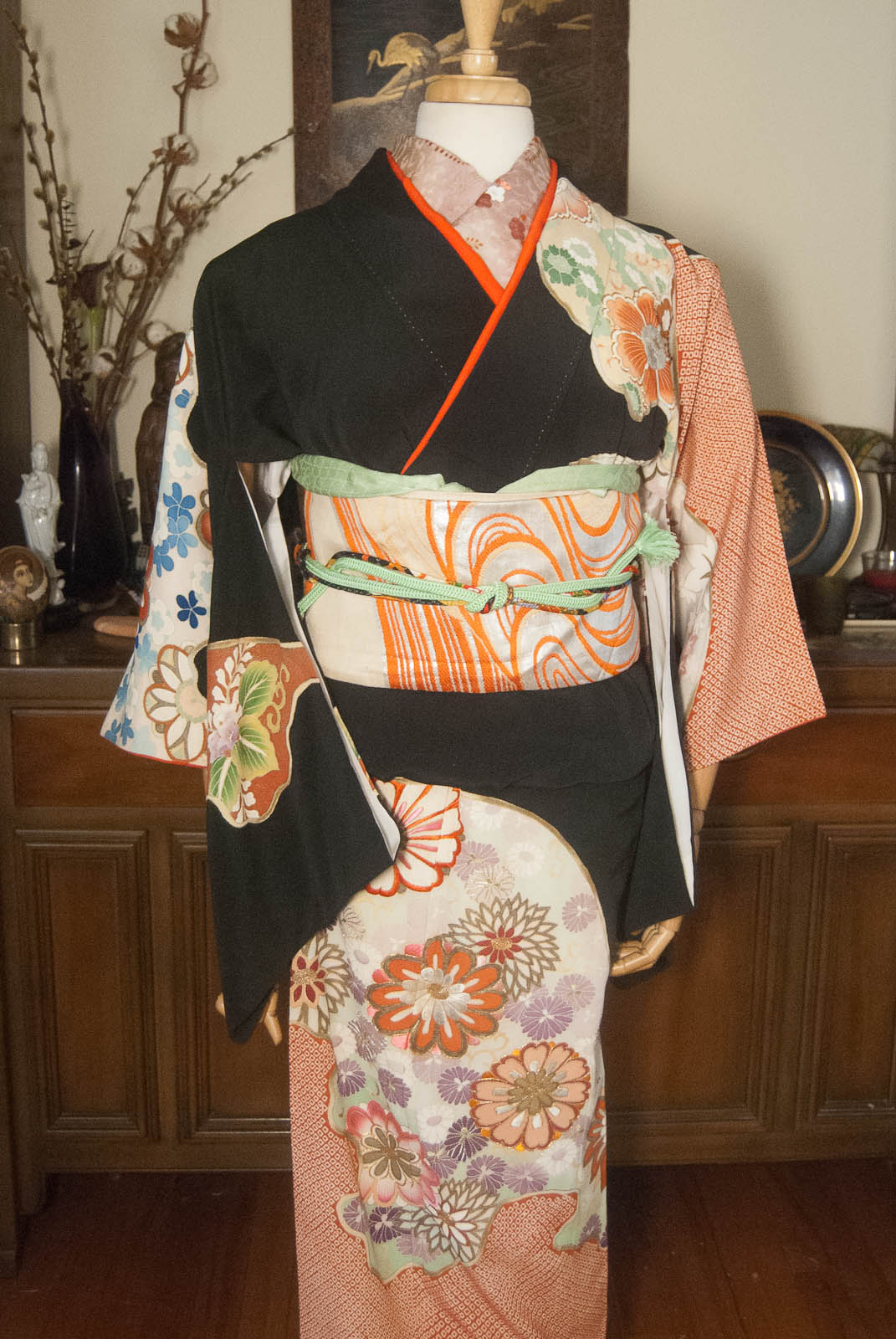
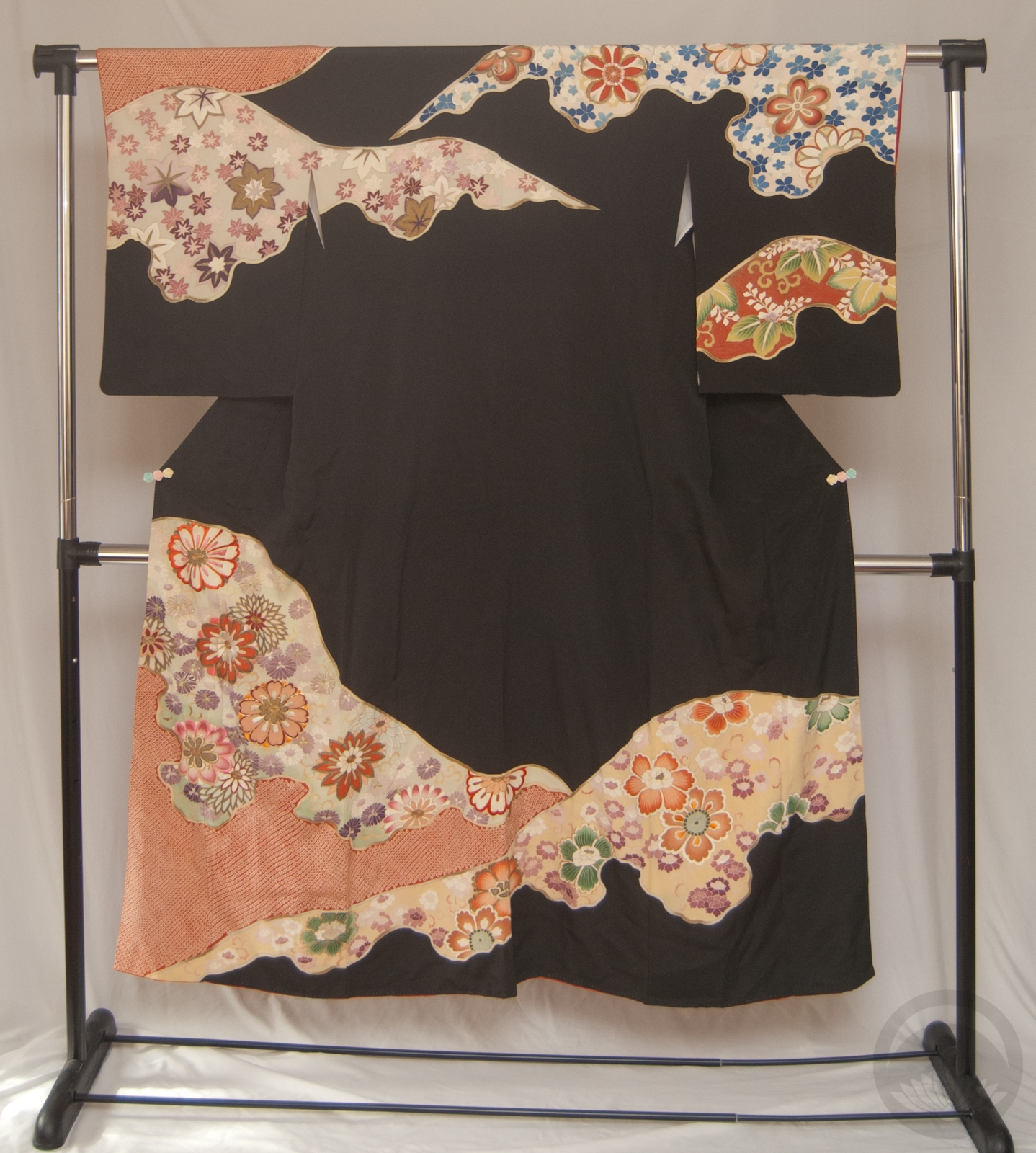
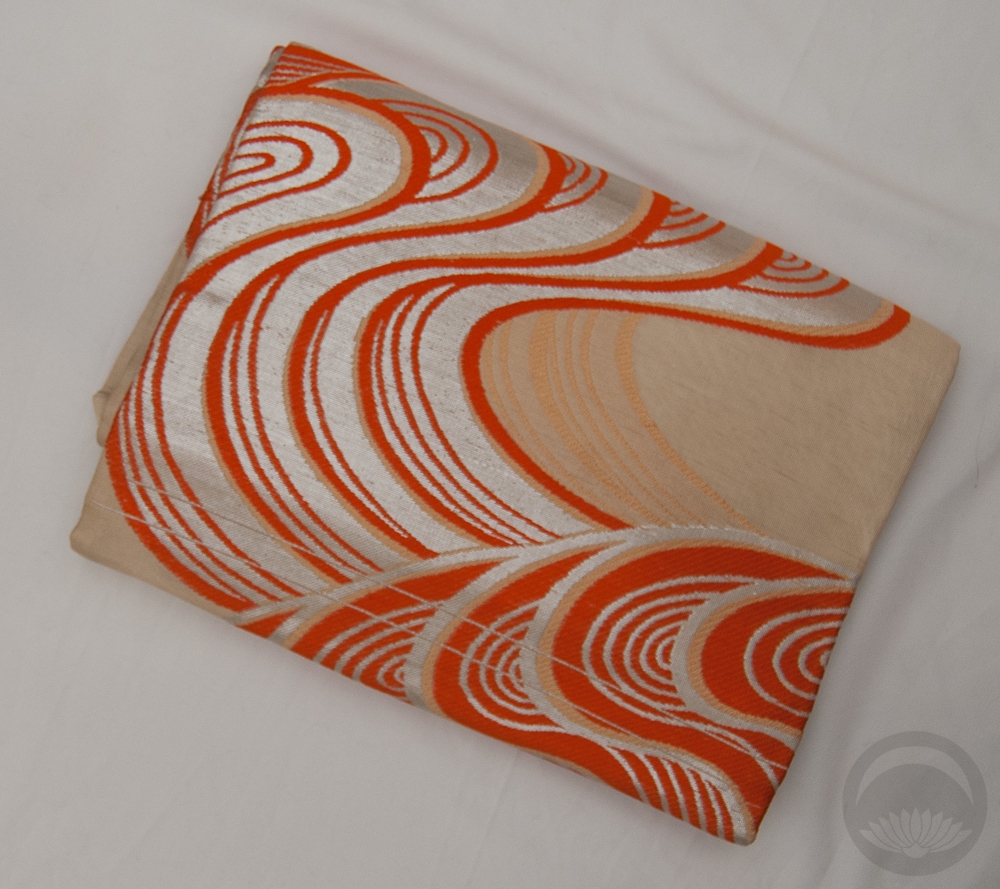
I haven’t used this gorgeous showa-fabulous houmongi Sophie got me for my birthday a while back anywhere near frequently enough. I decided to have some fun with it today, and realised this obi (which I nearly sold! what was I thinking?) is the absolute perfect seventies-style match for it.

As timeless as the shape of a kimono may be, the patterns and colours are just as susceptible to trends as western clothing is. This particular shade of orange, especially paired with gold, and the big warm-toned and almost pop-art flowers, are very emblematic of the middle of the second half of the Showa era, from the late 60s to the early 80s. I could just as easily see this general colour and pattern scheme on a polyester pantsuit as I could on this particular coordination.

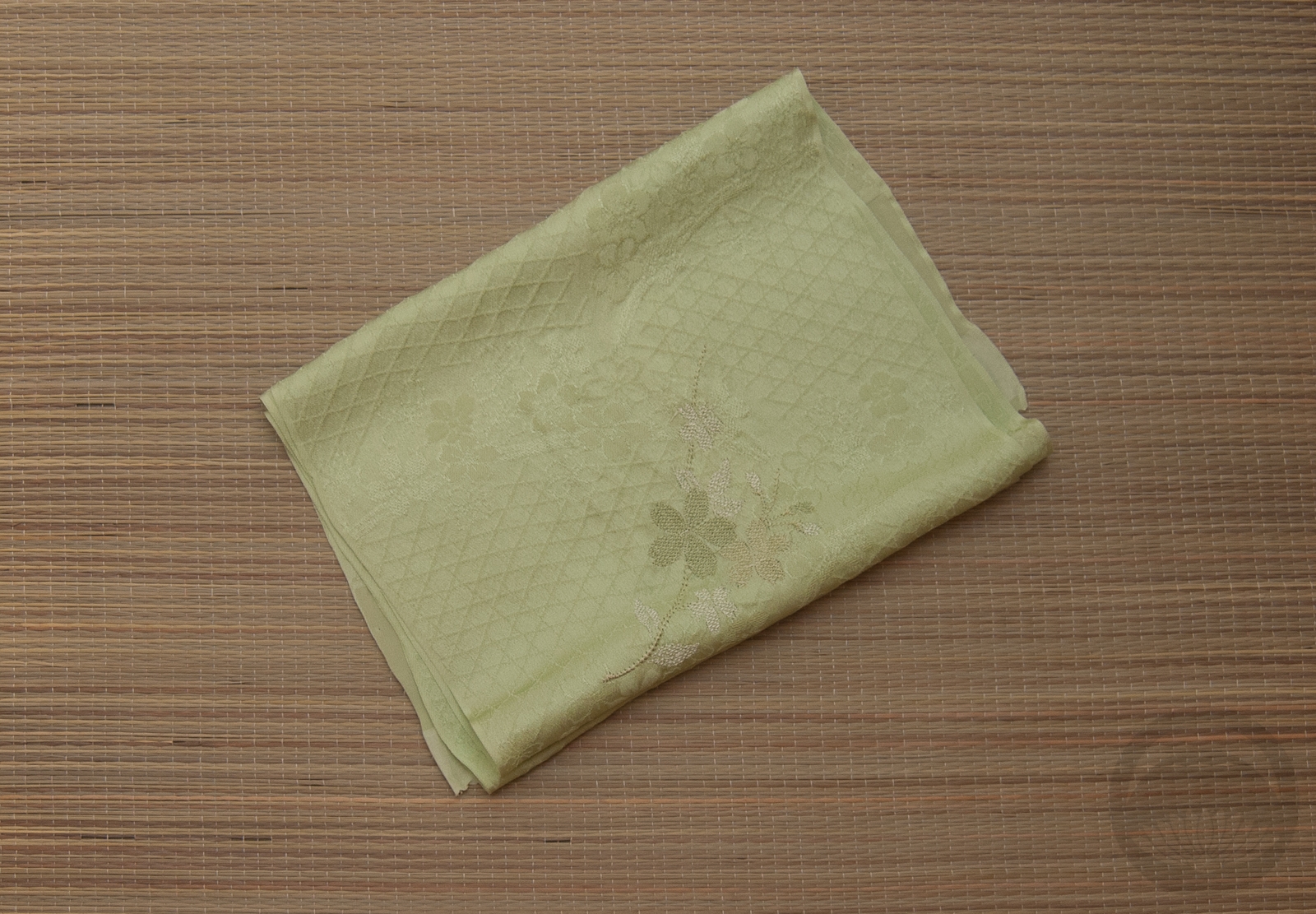
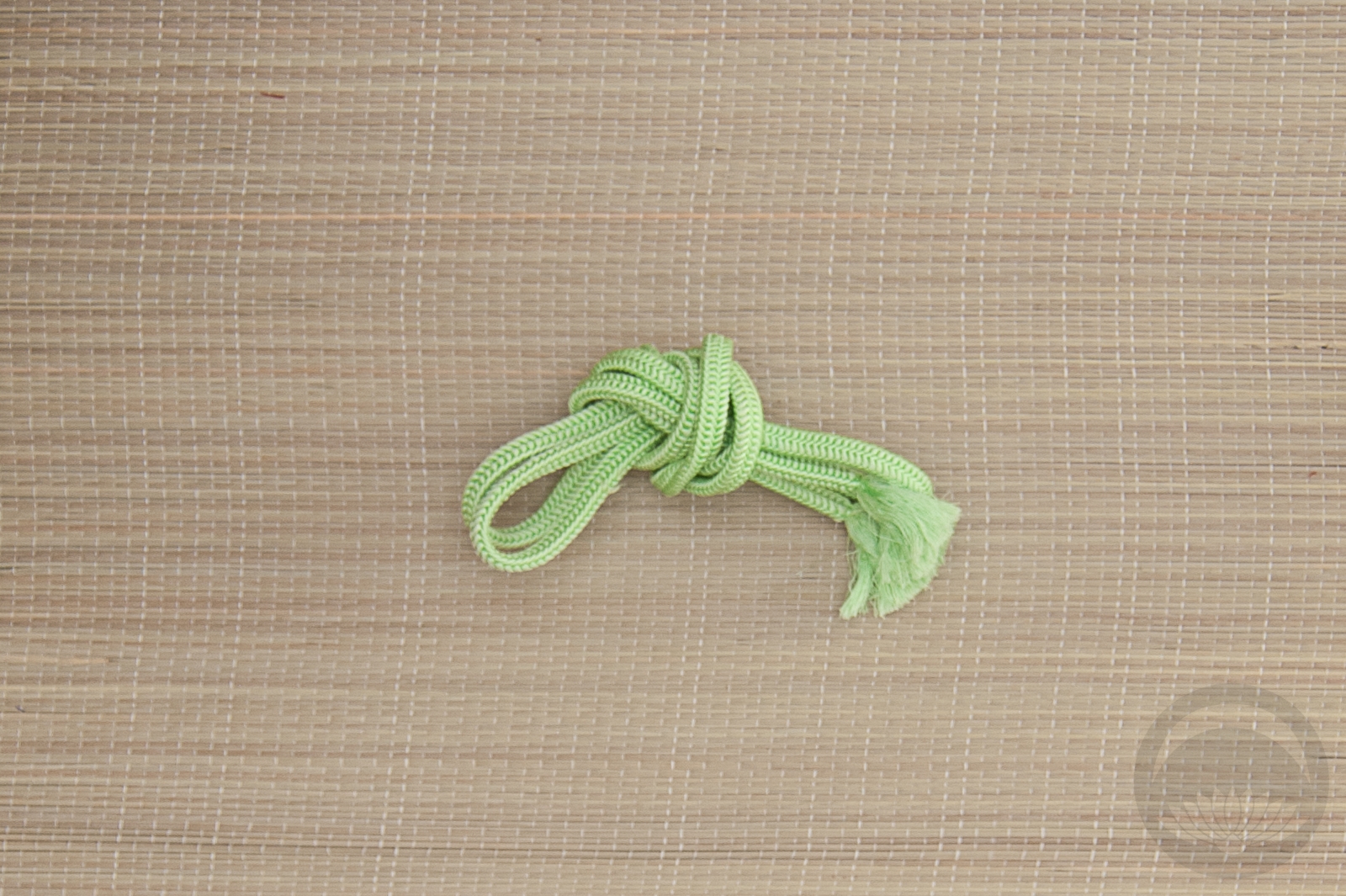
I decided to keep things relatively quiet with the accessories, since the kimono and obi are so flashy already. This soft leafy green picks up the green accents in the design so it seemed like the best choice, but the obijime did get a bit lost against the obi. Then I remembered this padded, decorative little cord I picked up at the Daiso last time I was in California. It’s a bit too thin and delicate to be a functional obijime by itself but it’s absolutely perfect wrapped around as an accent. The black and bold colours just call back to the kimono so well and I’m so happy I remembered I had it!

Items used in this coordination