Furisode Glam

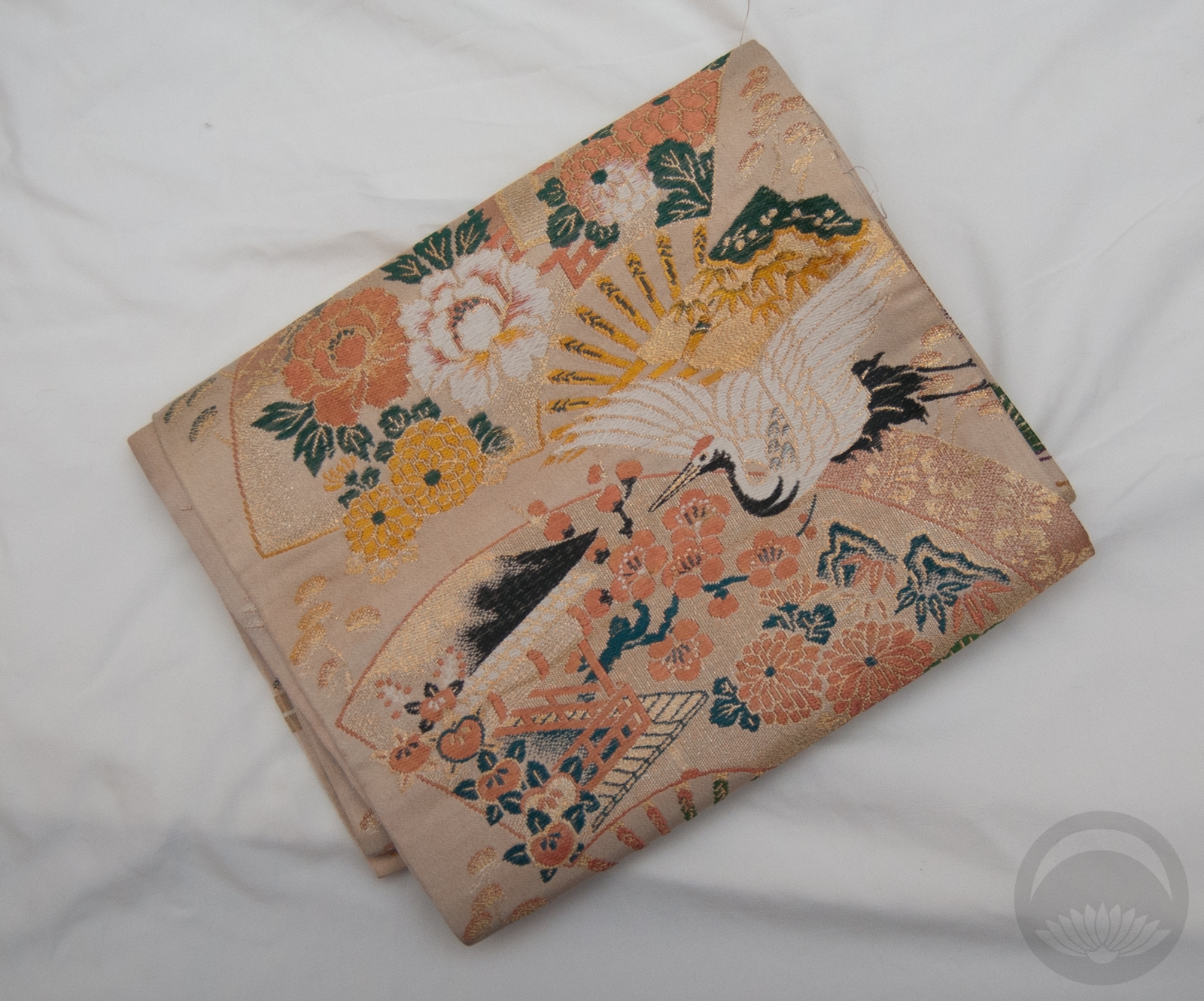
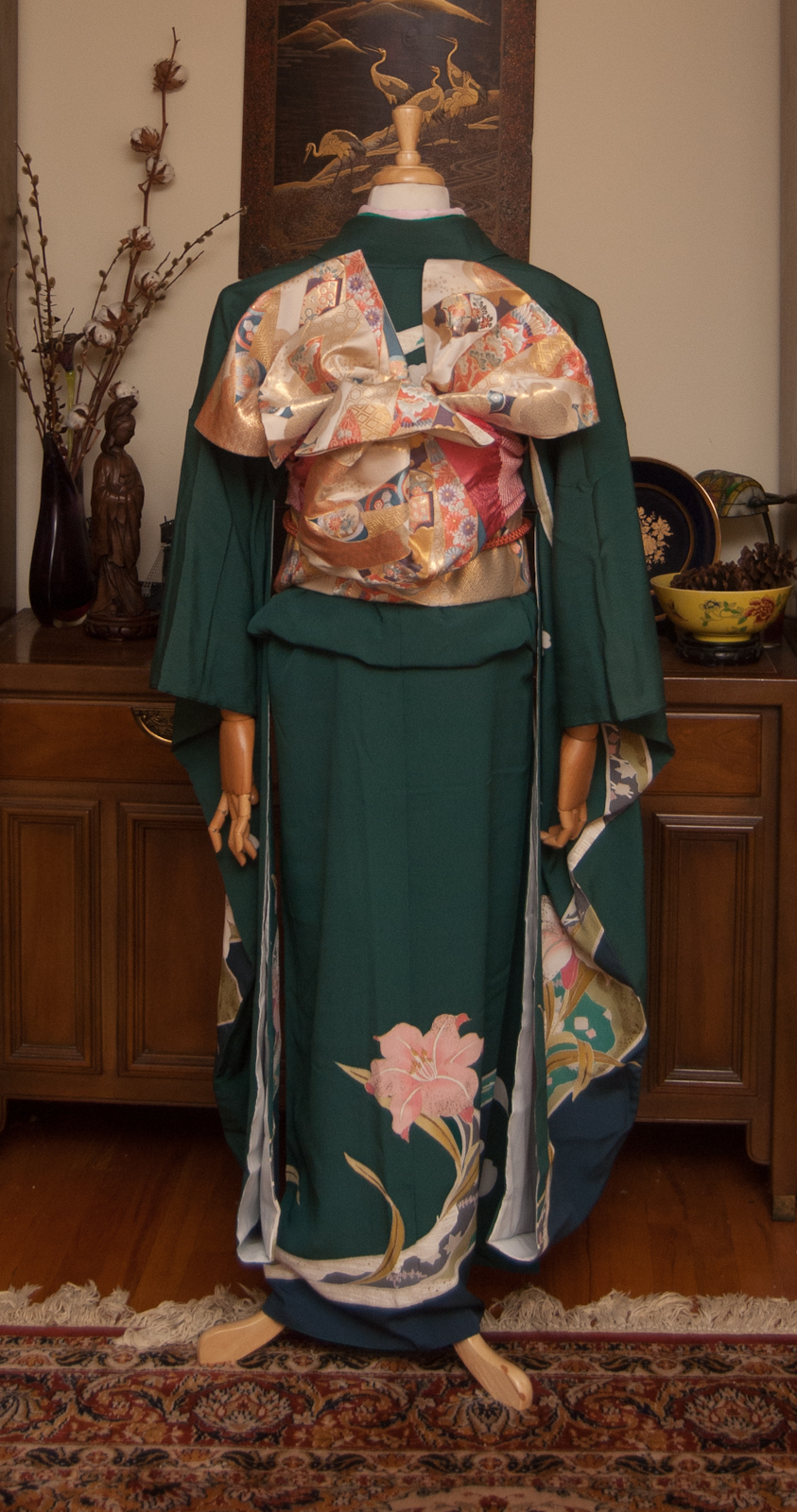
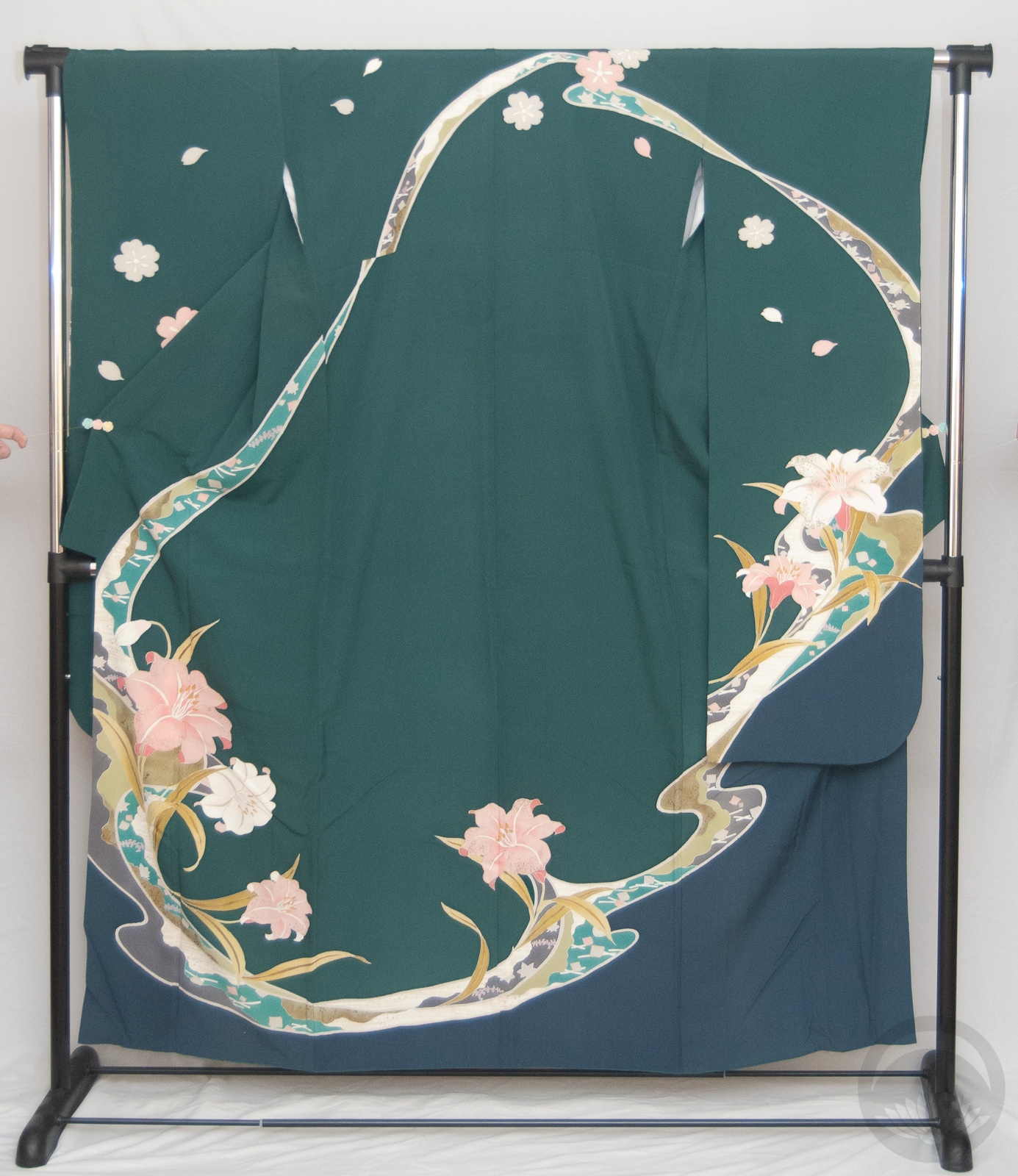
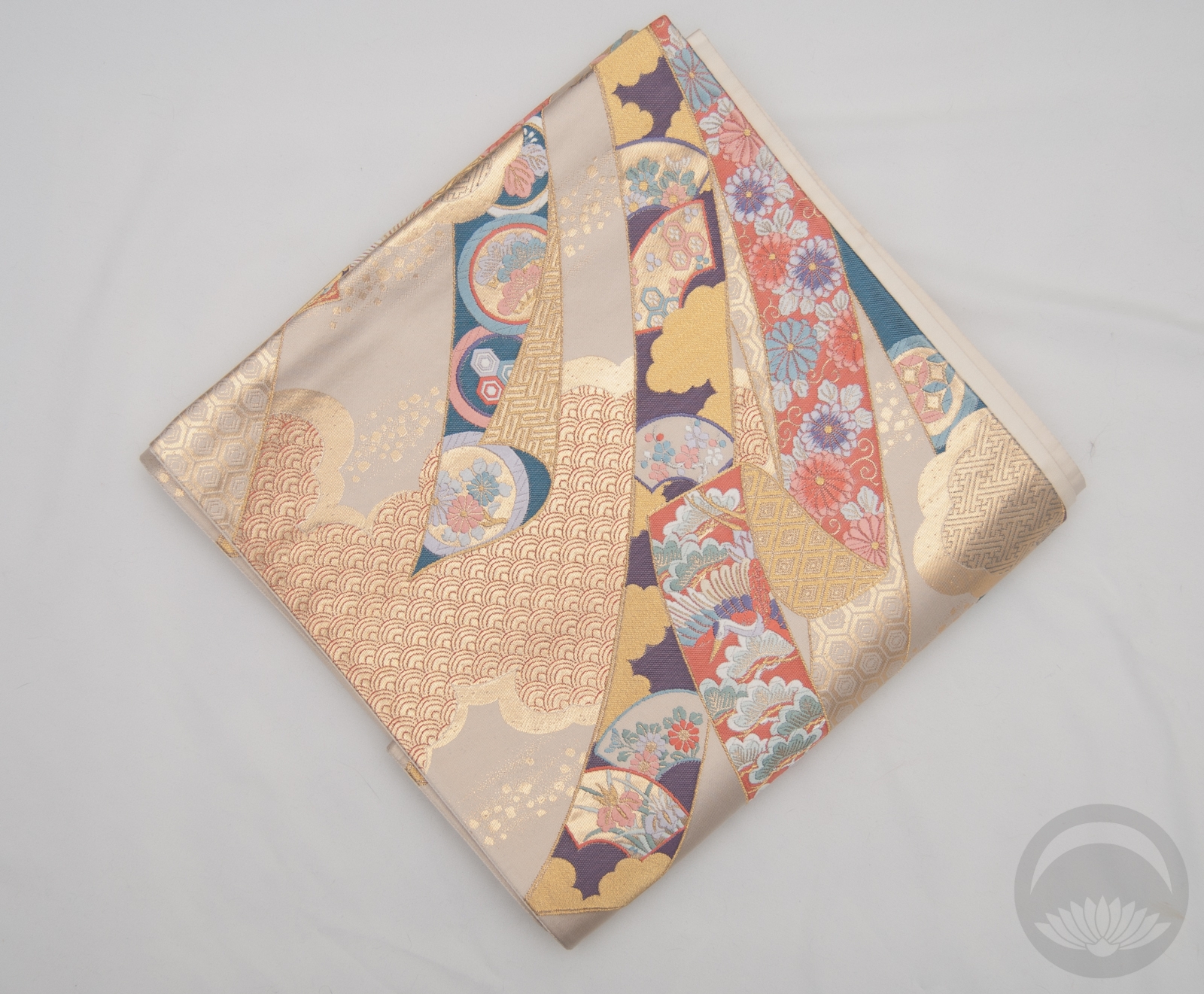
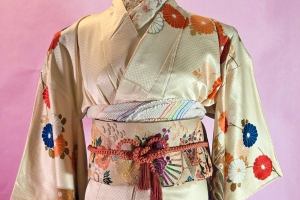
Ahhhh! I can’t get over the pairing of this kimono and obi! It’s just.. *chefs kiss*. The obi was part of my final Ichiroya purchase and I fully admit I didn’t have any particular pairings in mind when I bought it, I just thought it was pretty. But it occurred me last night that it might look good with this kimono and man, was I ever glad to be right. The pinks tie in perfectly and the dusty navy accents on the obi call back to the hem of the furisode in the best possible way.
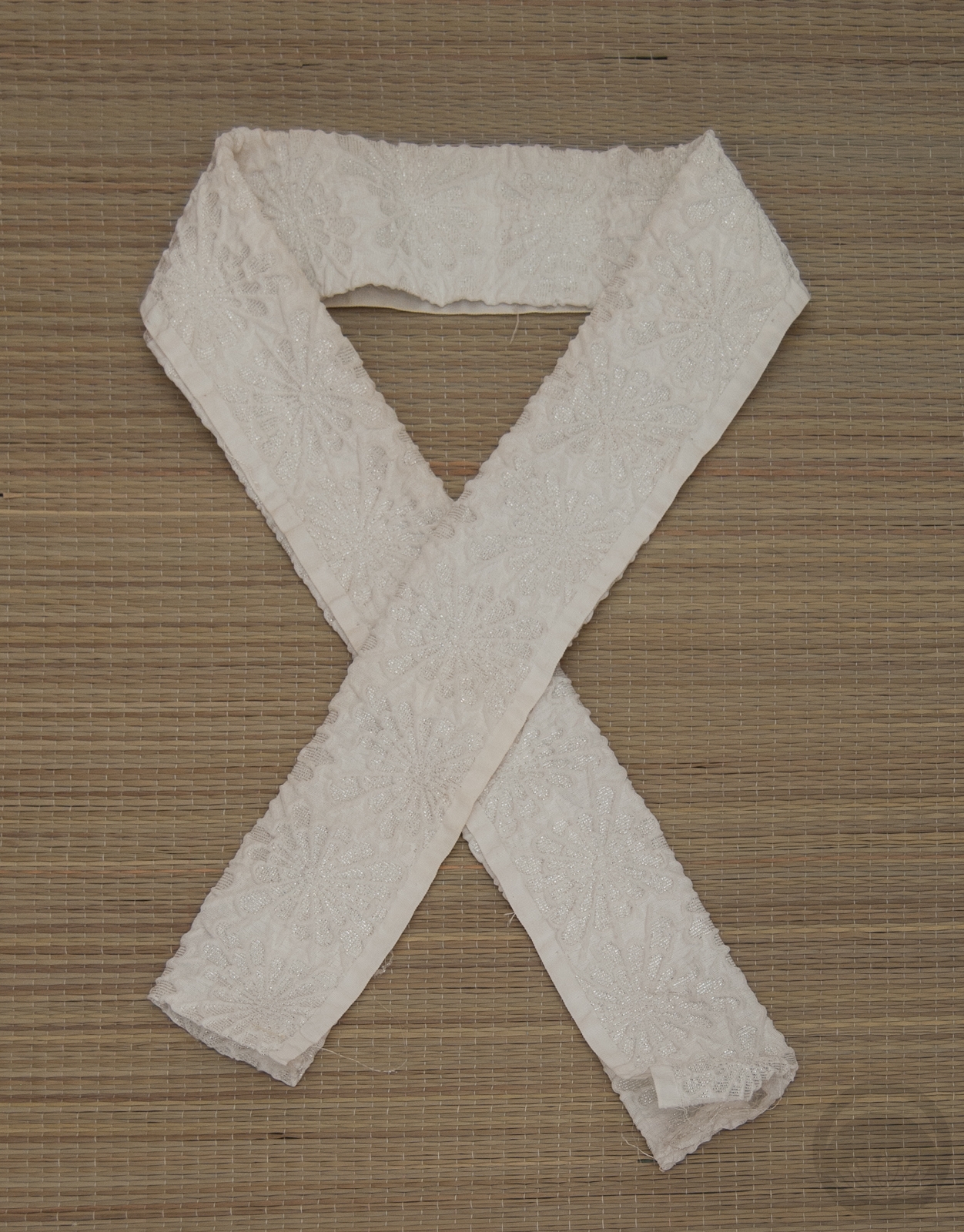
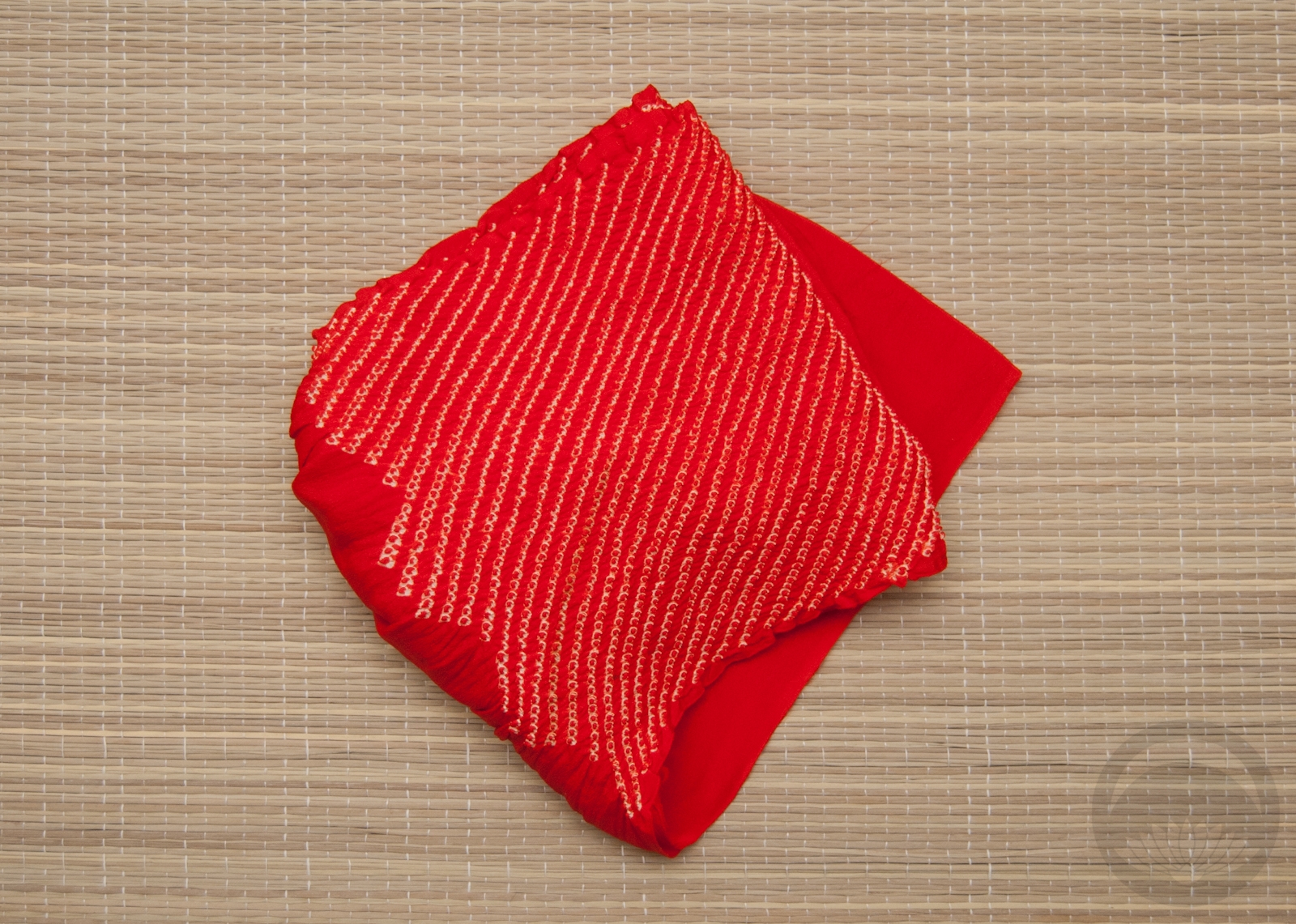
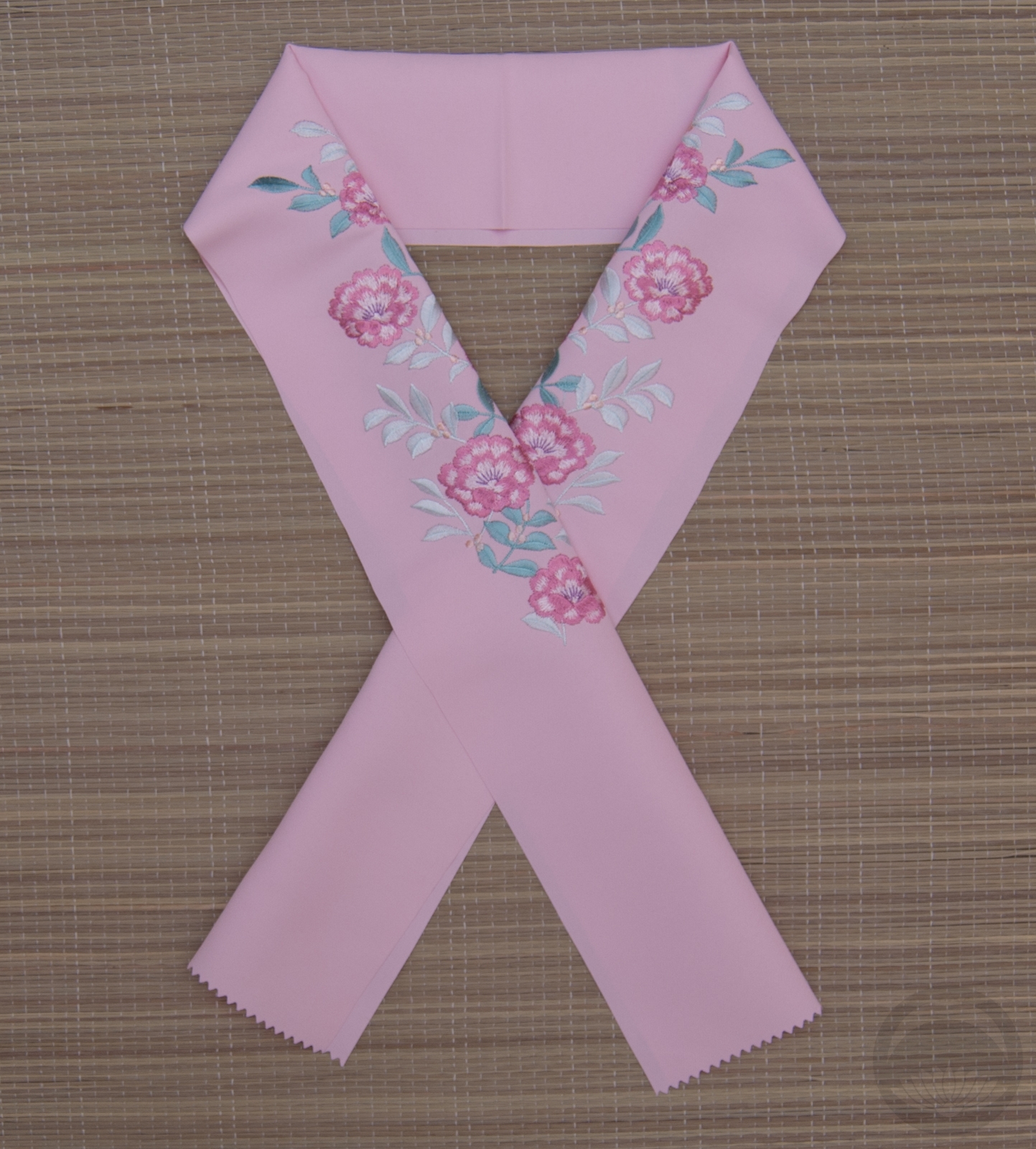
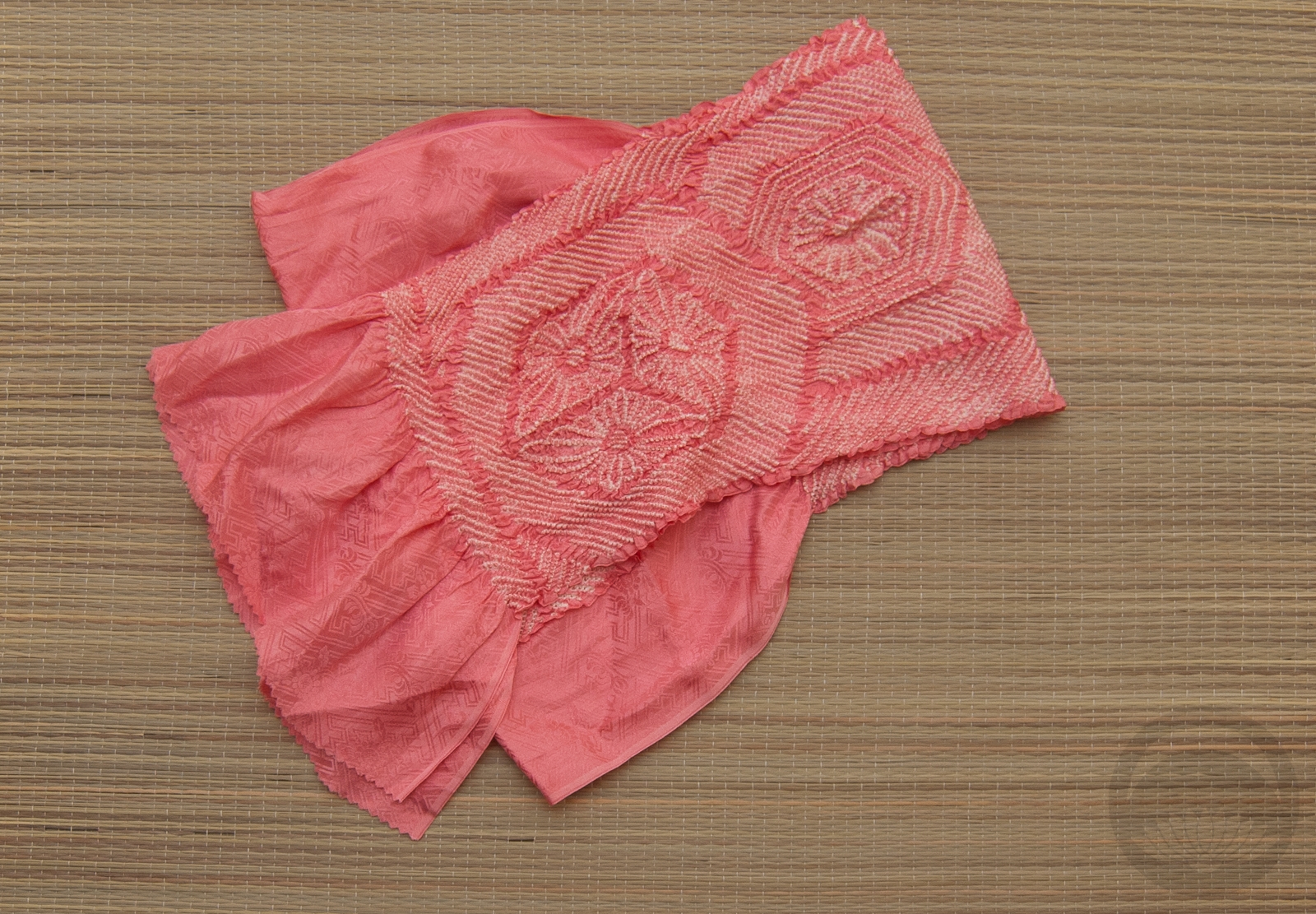
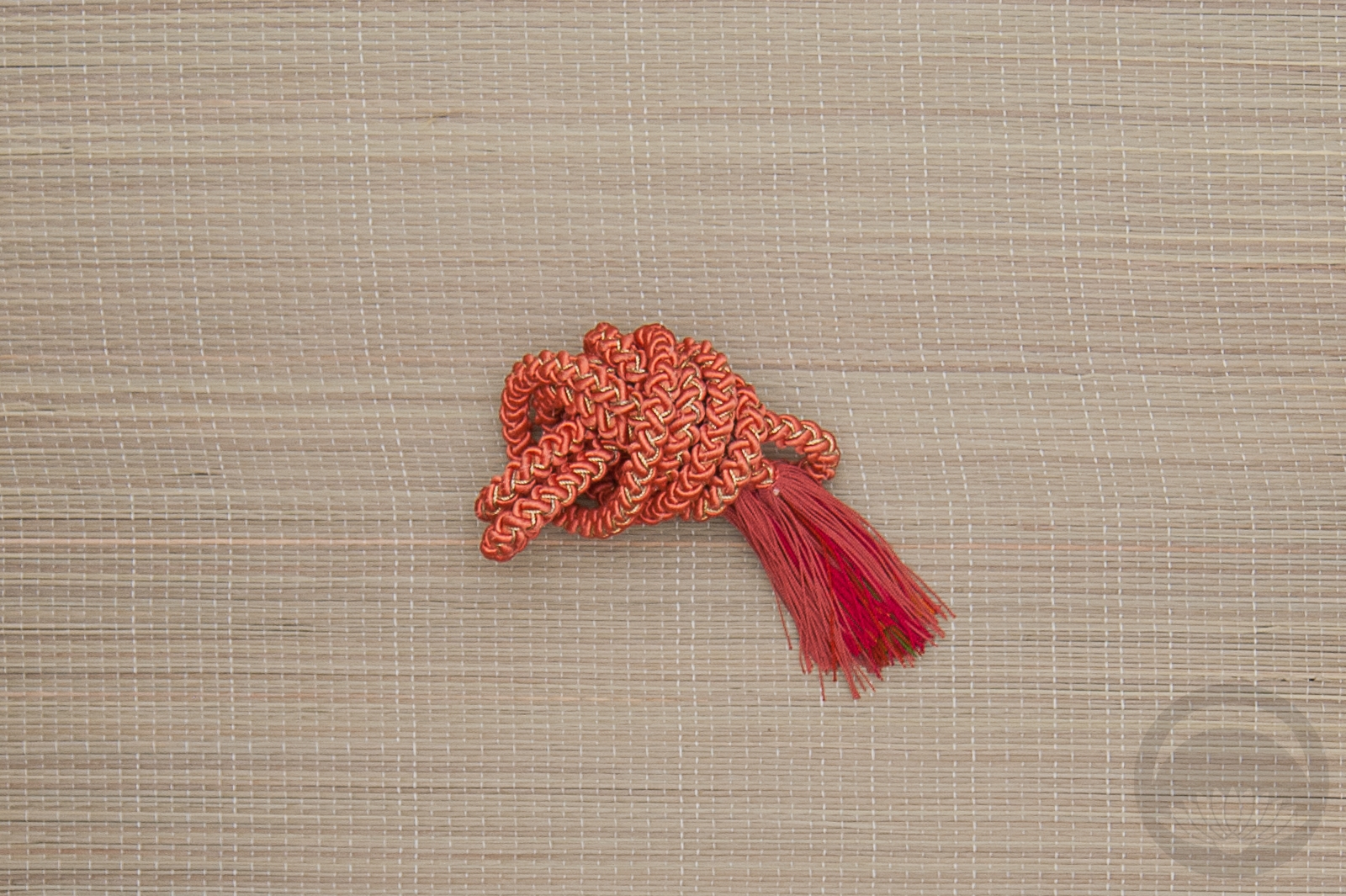
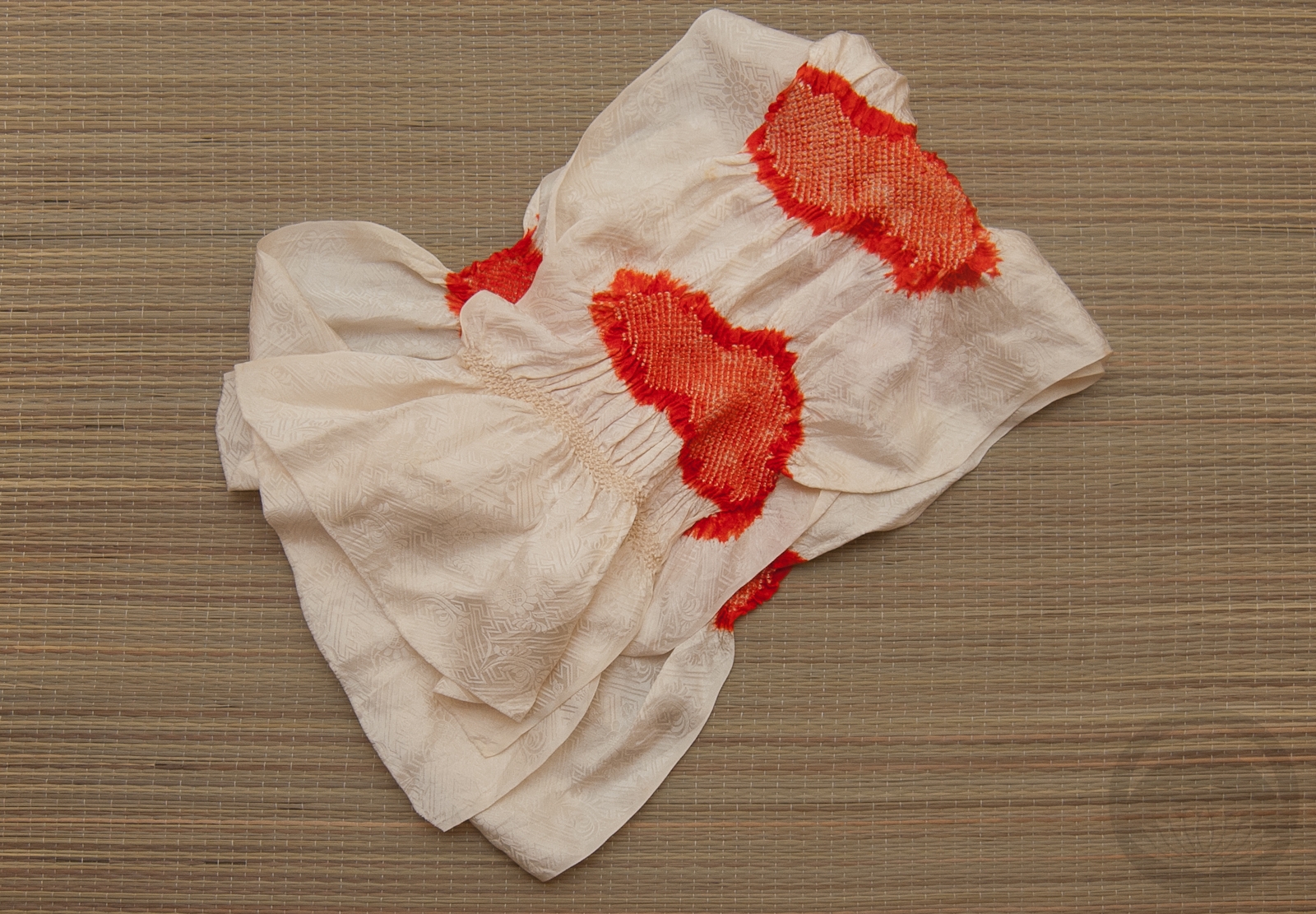
I decided to go full modern furisode glam today; a big bold haneri, gold and green kasane-eri, shibori obiage, and bright tasselled obijime. The obijime looks more orange than it actually is in the photo. In reality it’s a more warm salmon-pink shade that works really well with the obiage and the shadowed parts of the lilies on the kimono.

Like last week’s outfit, this coord is very “proper”, but definitely has a much more vibrant and youthful feel. Just goes to show that correct kitsuke doesn’t have to be stoic or subdued!

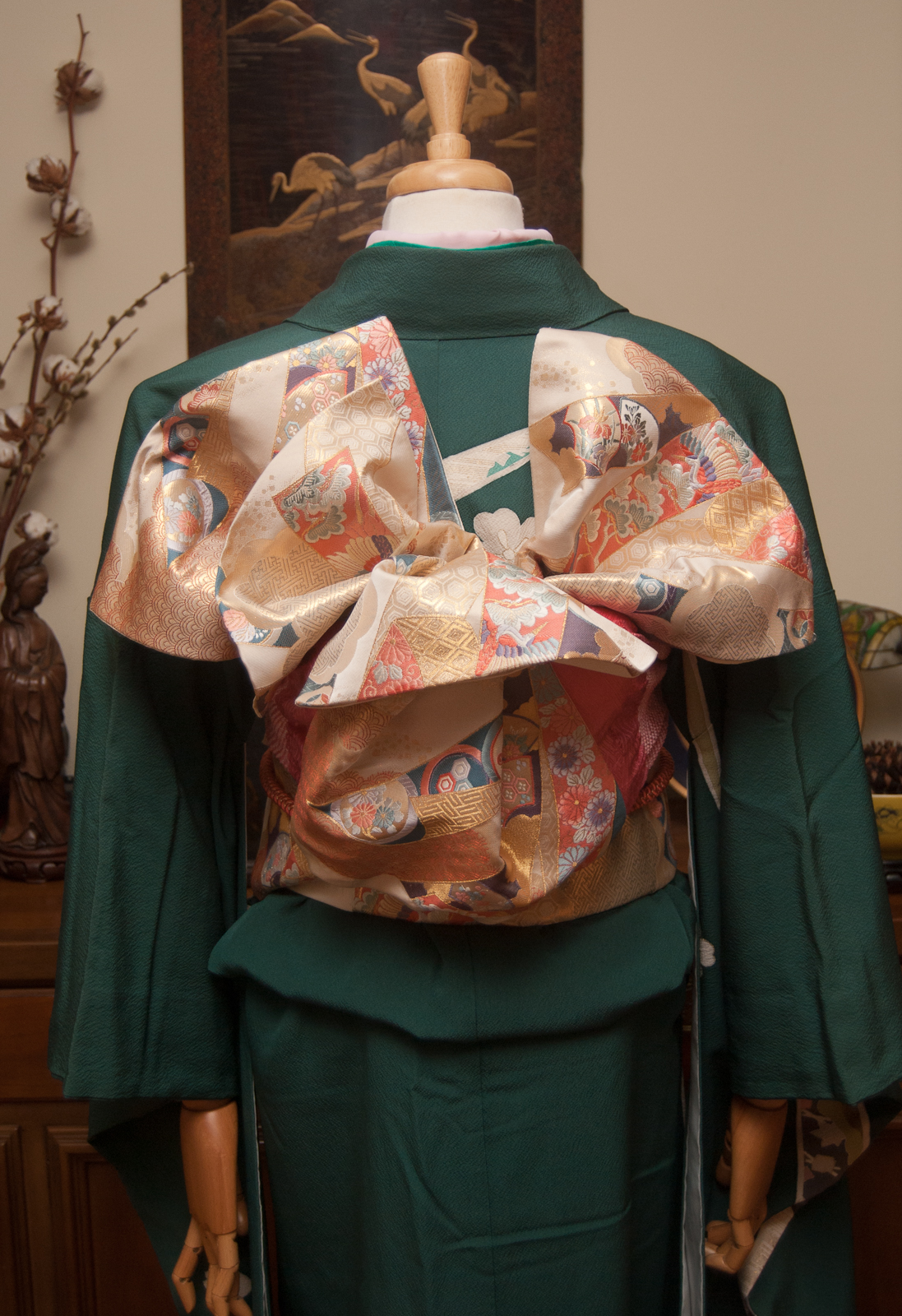
I followed this tutorial for a big poofy obi musubi and I am thrilled with how it turned out. That homemade sanjuhimo I made a while back works really well. I normally don’t include a close-up of the back of the outfit but I was proud of my work and felt the need to show off.

Items used in this coordination

G is for Gosho-Guruma

Gosho-guruma, 御所車図, Imperial Carts

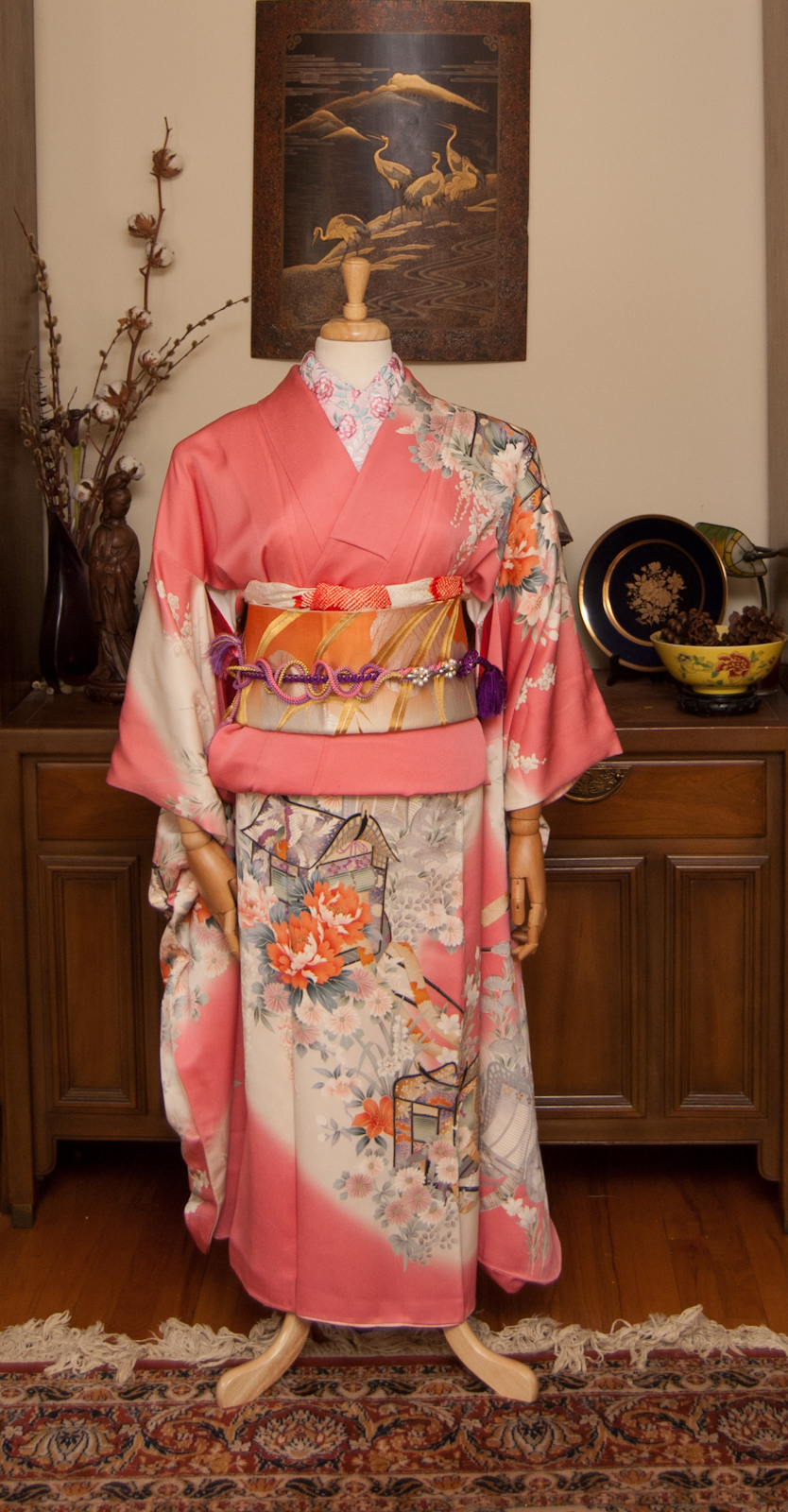
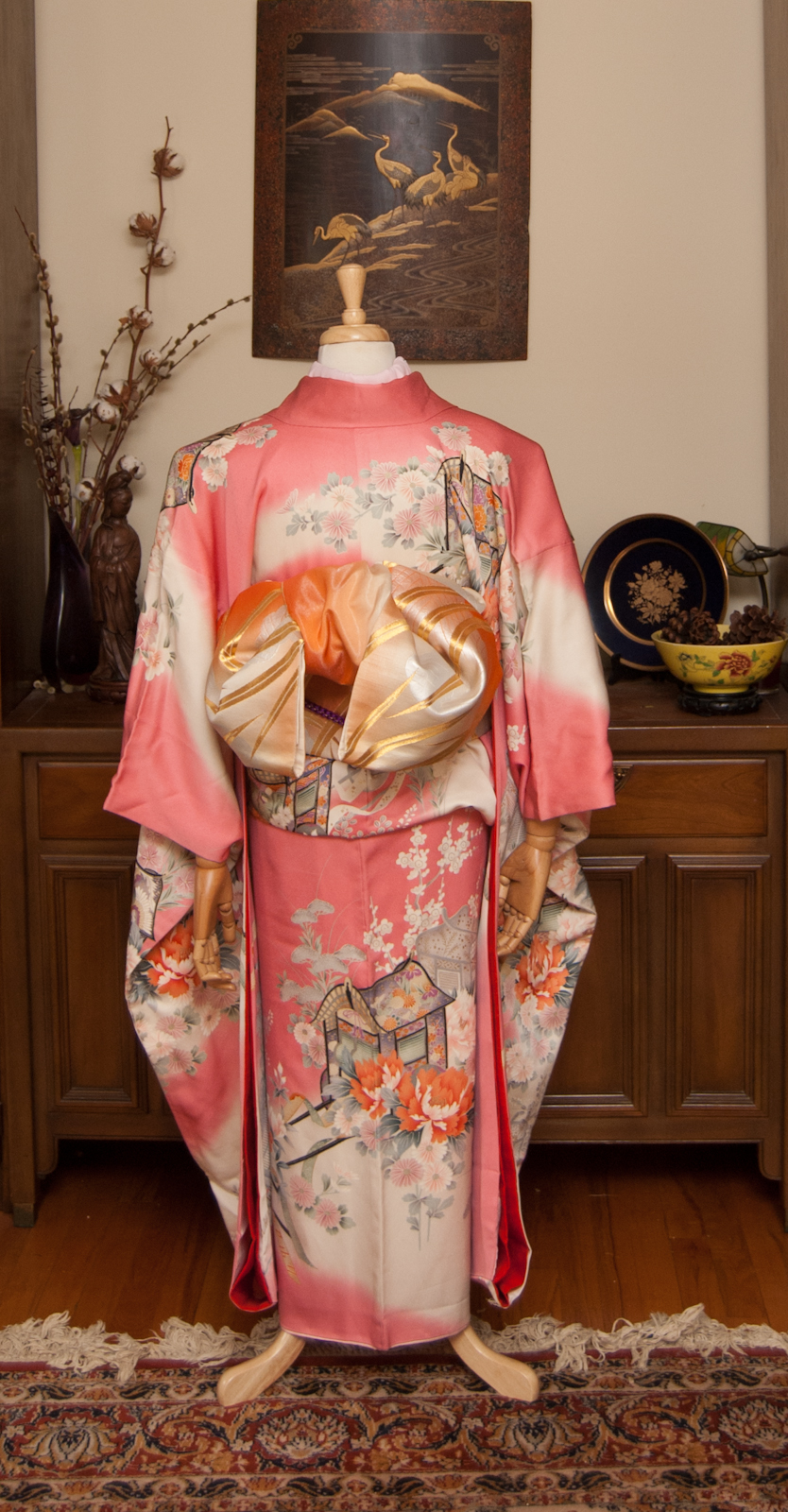
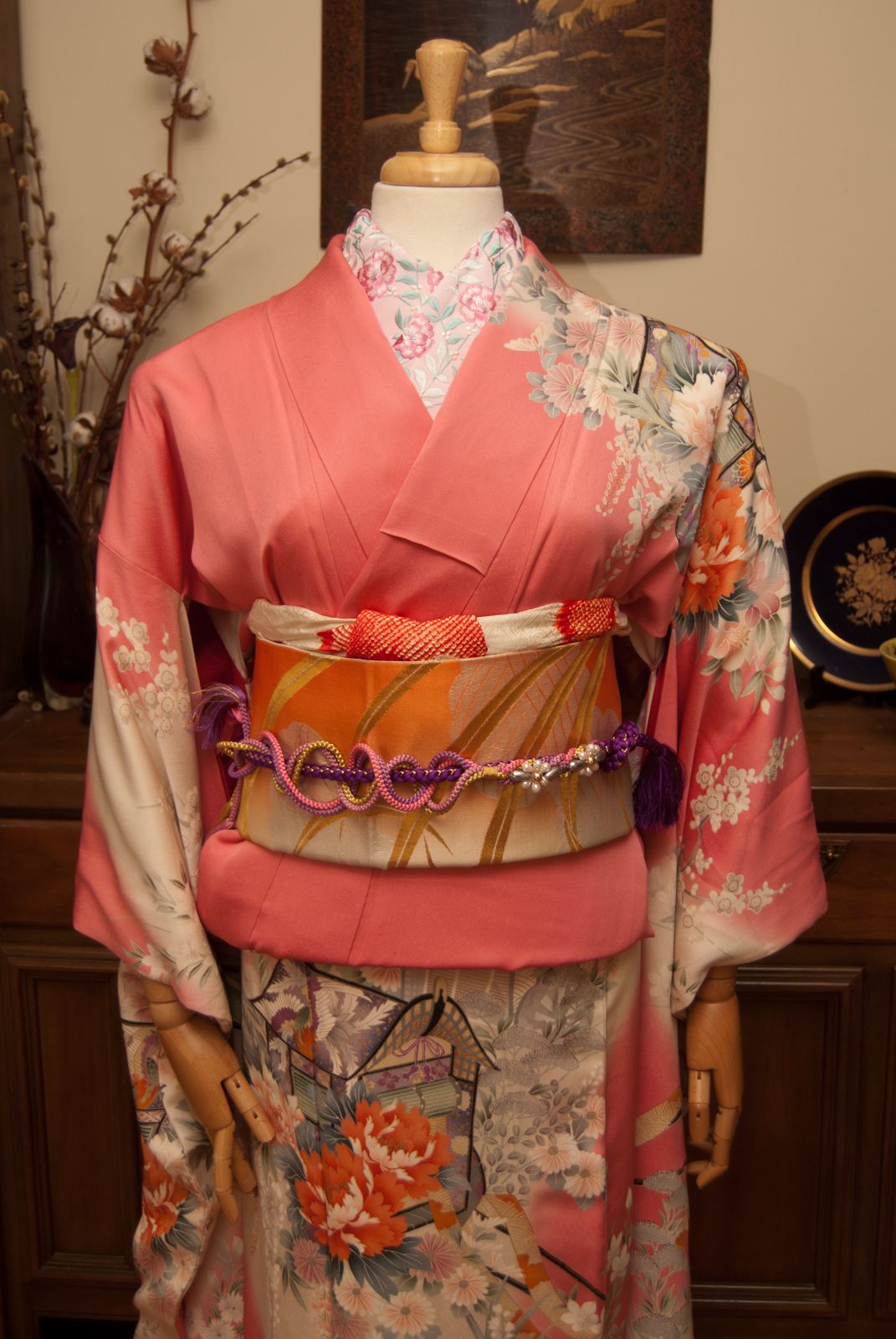
Confession time: these representations of the carts used by imperial nobles are quite possibly one of my least-favourite kimono motifs. To me they look like deformed marshmallows. Because of that, using gosho-guruma as today’s word for the letter G didn’t even occur to me at first. But then I remembered I have this one kimono I love, despite the motifs. I guess the fact that they’re partially hidden behind lovely flowers helps a lot!

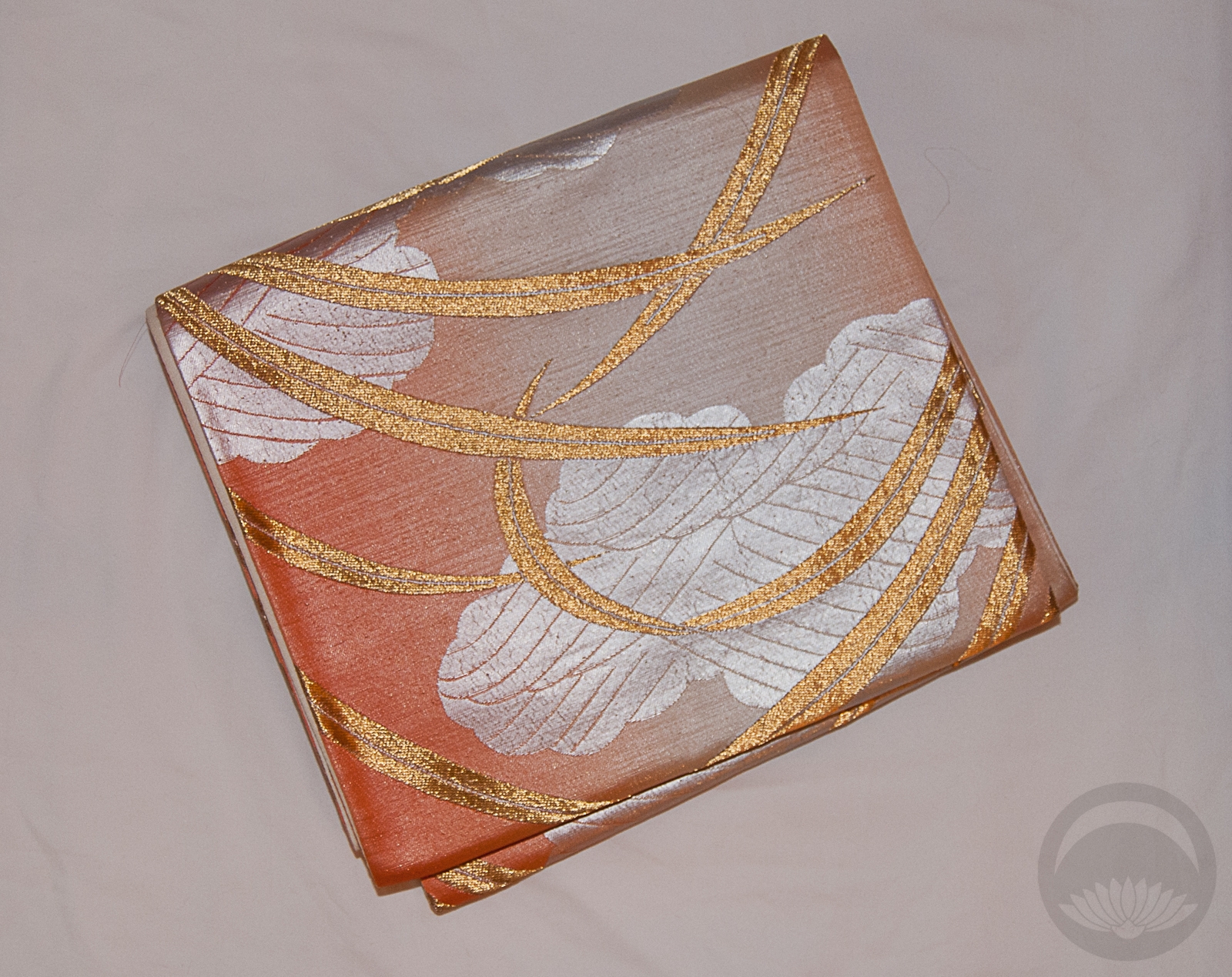
I’ve been wanting to see how this kimono looks with this particular orange obi ever since I bought it. I think it’s perfect for this particular coordination, since it’s very low-contrast against the kimono, which helps make the cart motifs the main feature. I pulled out accessory colours from the floral arrangements in front of the carts. I’m not sure how well this particular obijime works, but I don’t hate it. I just think it might have been better with a more muted one to match the low-contrast feel of the rest of the ensemble.

Overall I think I did a good job of featuring a motif I am not fond of! That’s the important part.

Items used in this coordination

Let’s Celebrate the New Era of Reiwa!

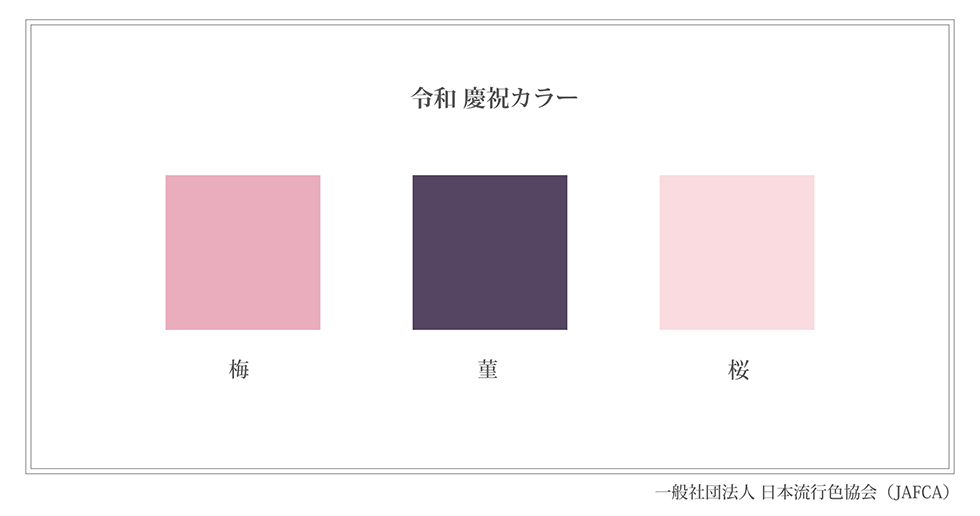
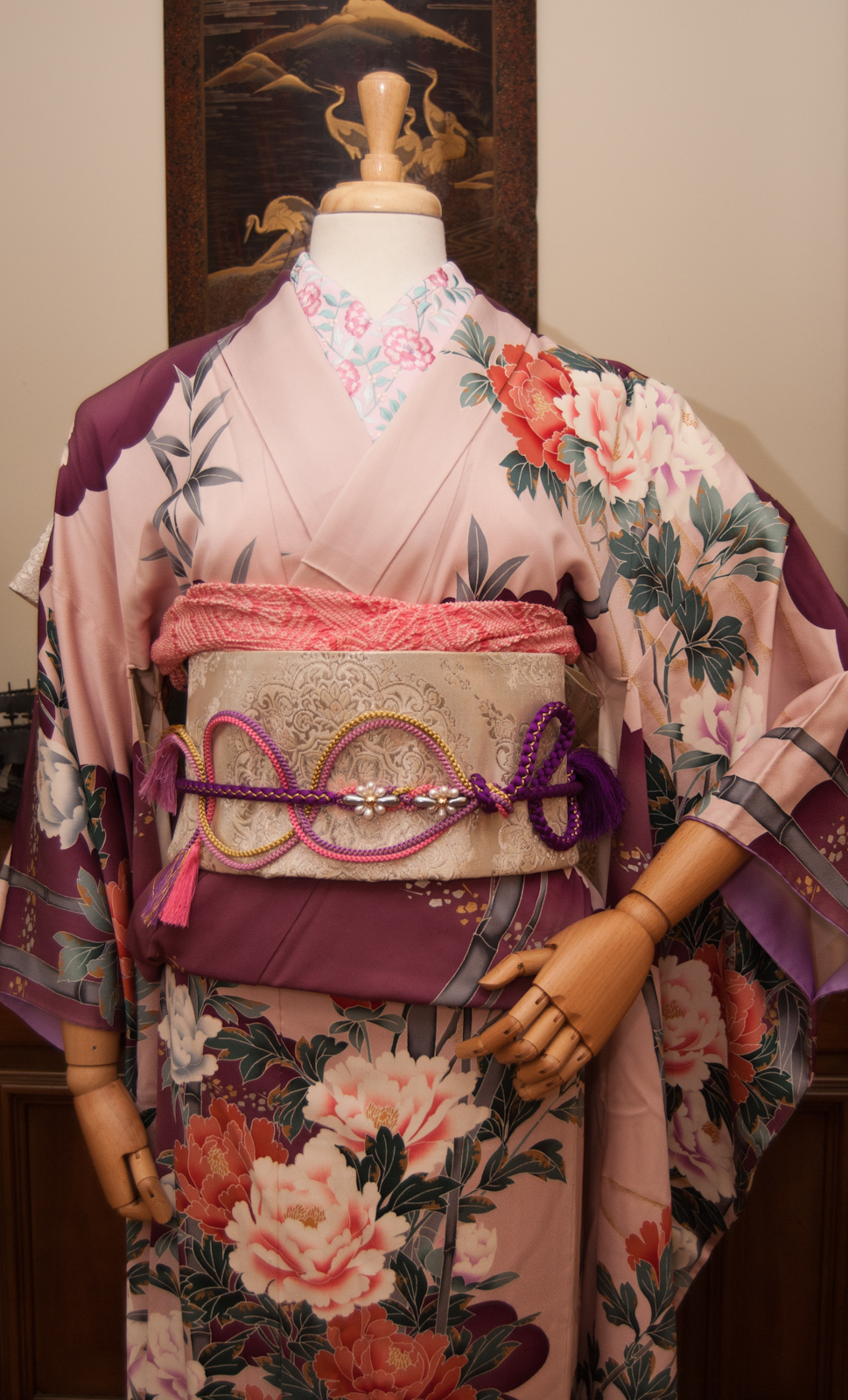
Yesterday marked the beginning of a new era in Japan. Emperor Akihito abidcated the throne at the end of April, paving the way for his son Naruhito to ascend to the throne. This ushered in the end of the Heisei era and the beginning of the Reiwa era. There will be a week of celebrations of all sorts, but when I saw that they had announced a special colour palette for the event, I knew I had to do a coordination to celebrate. The three celebratory colours are ume (plum), sumire (violet), and sakura (pink).  They  were  chosen  because  they  are  all  traditional  spring  flowers,  and  also because  they  are  mentioned  in  the  Manyoshu,  Japan’s  oldest  recorded  poetry  that  served  as  inspiration  for  the  new era’s  name.

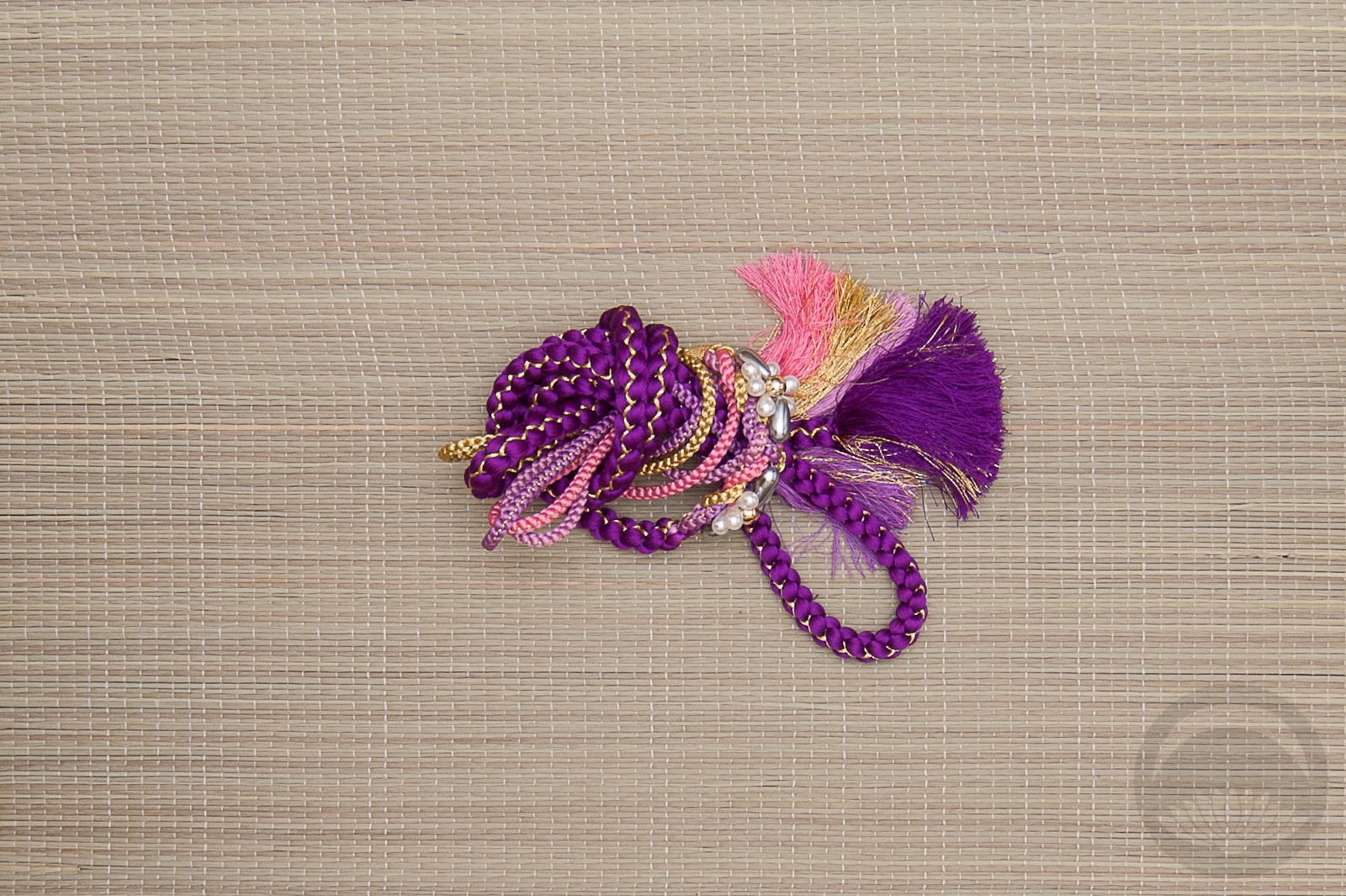
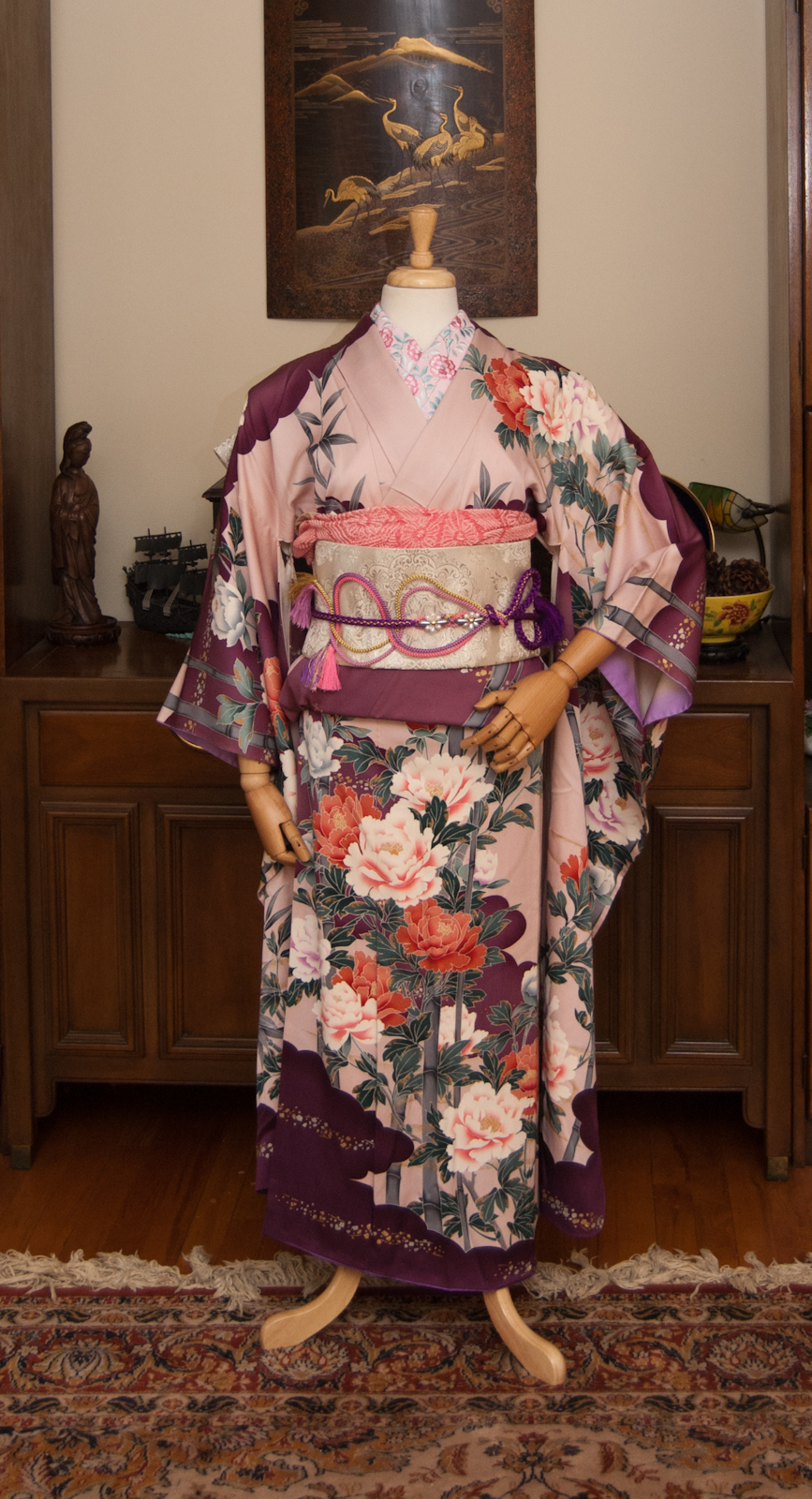
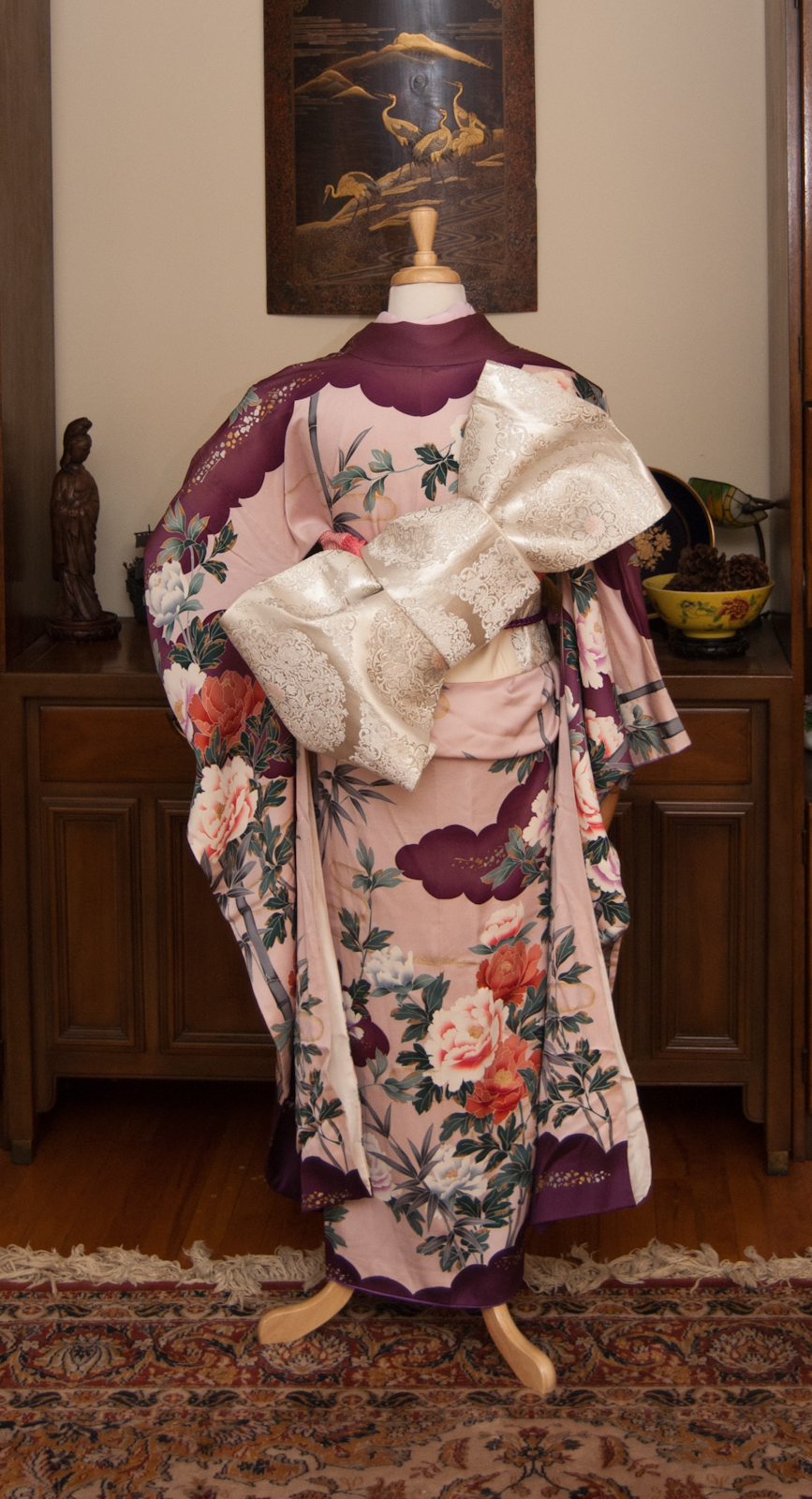
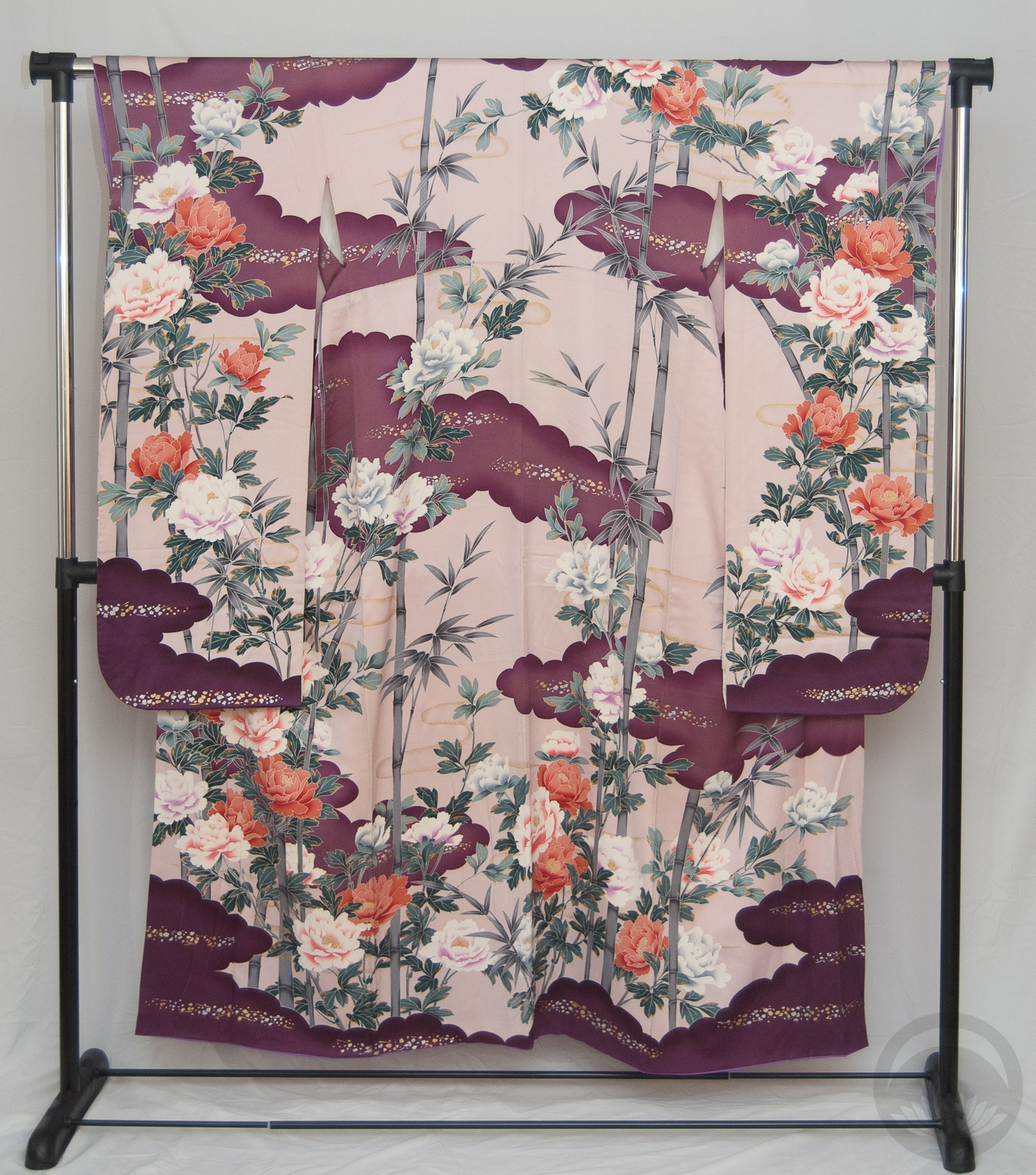
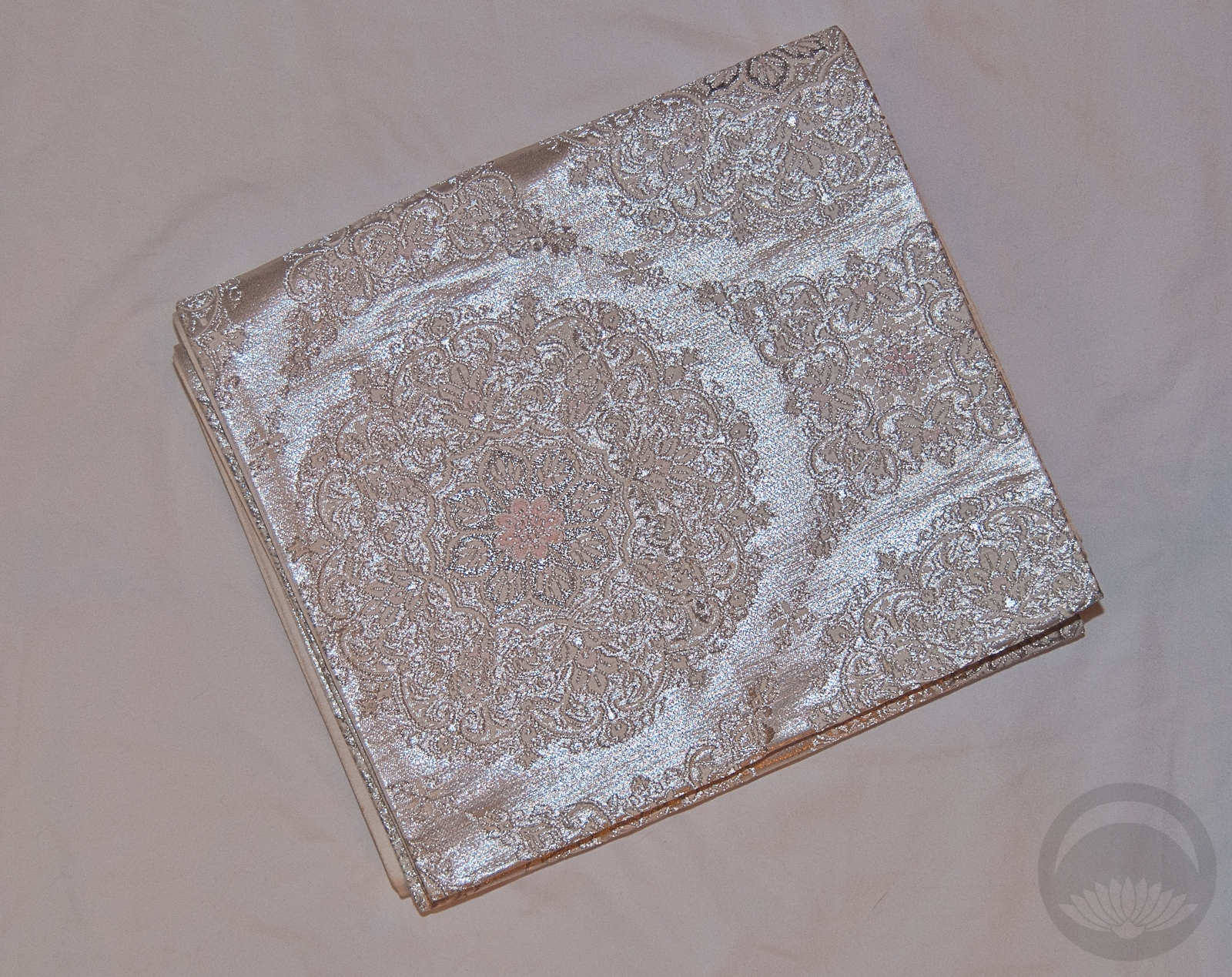
I knew right away that my beloved peony furisode would be absolutely perfect for this outfit, since it features all three colours already. A white-based obi with delicate pink accents gave the outfit a bit of visual rest, since the kimono itself is quite busy and bold. I chose more pink and purple accessories to reinforce the theme and went with a classically feminine but modern styling.

To me, this outfit is the perfect way to usher in what will hopefully be a new era of peace, cooperation, equality, and prosperity for Japan.

Items used in this coordination

Pastel Pearl-fection!

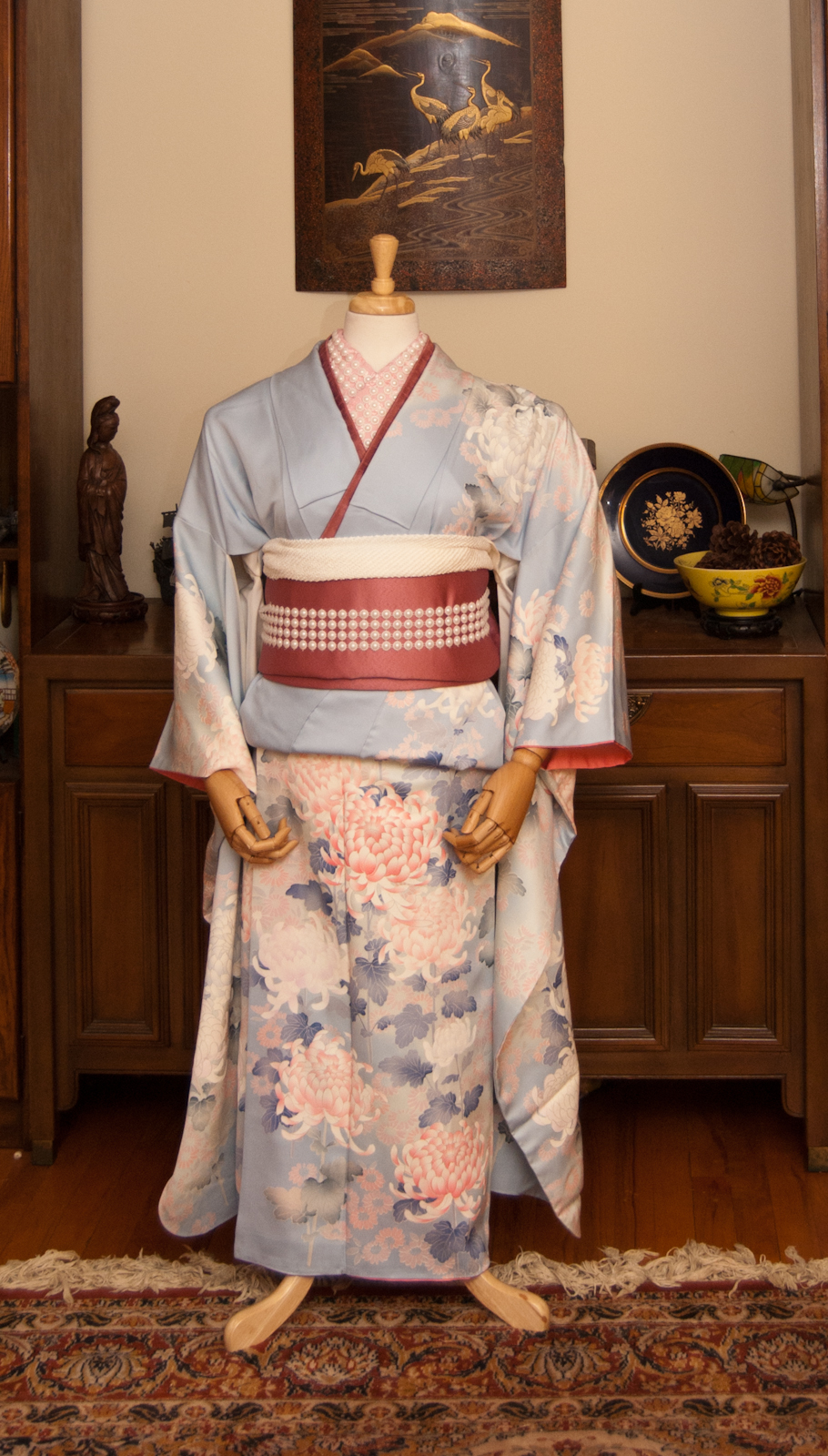
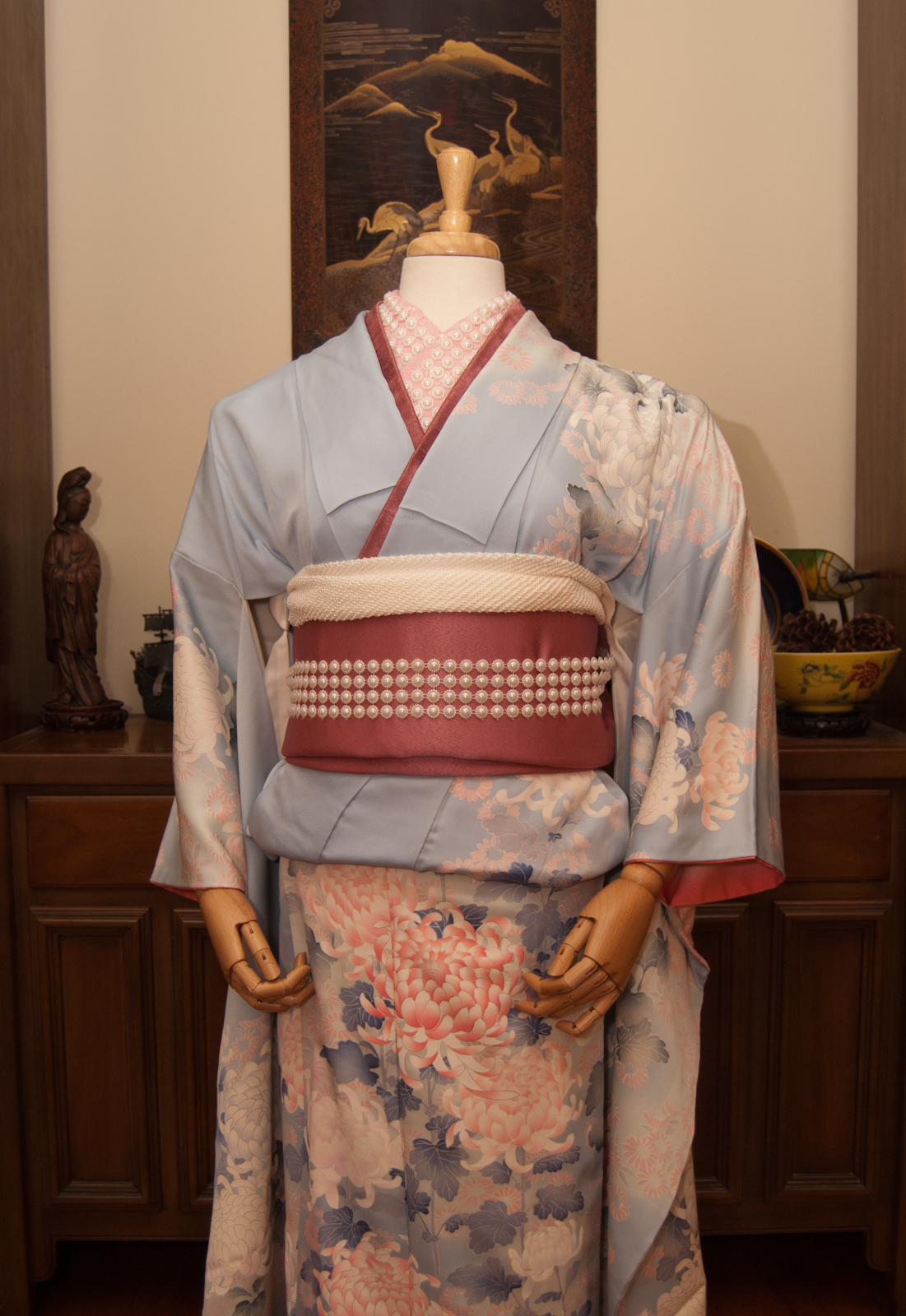
I bought this pearl ribbon thing a while back with the intention of using it in kitsuke and somehow never got around to it. When I was looking for an inspirational jumping-off point for today’s outfit I remembered I still had them and decided to work off that.

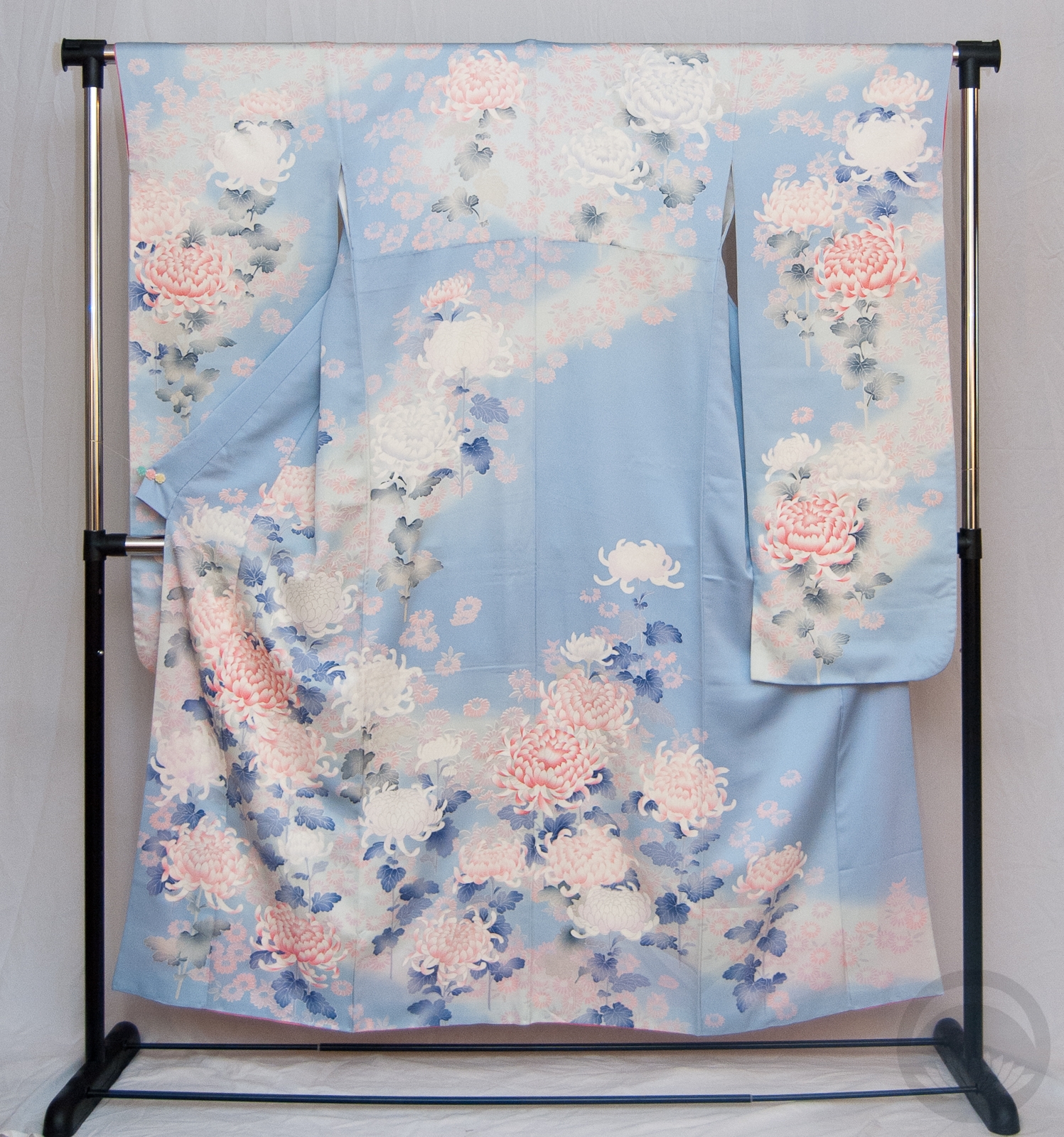
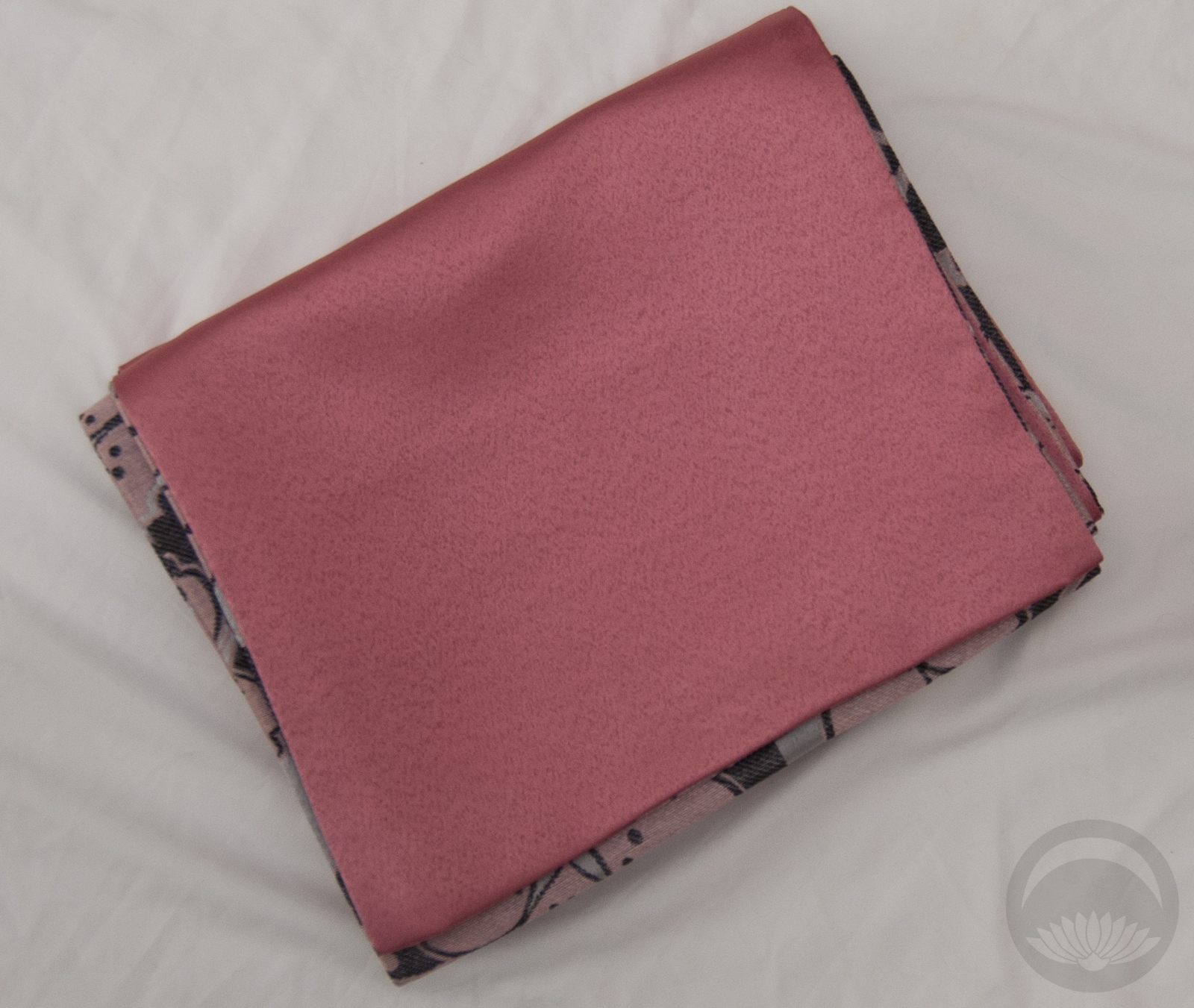
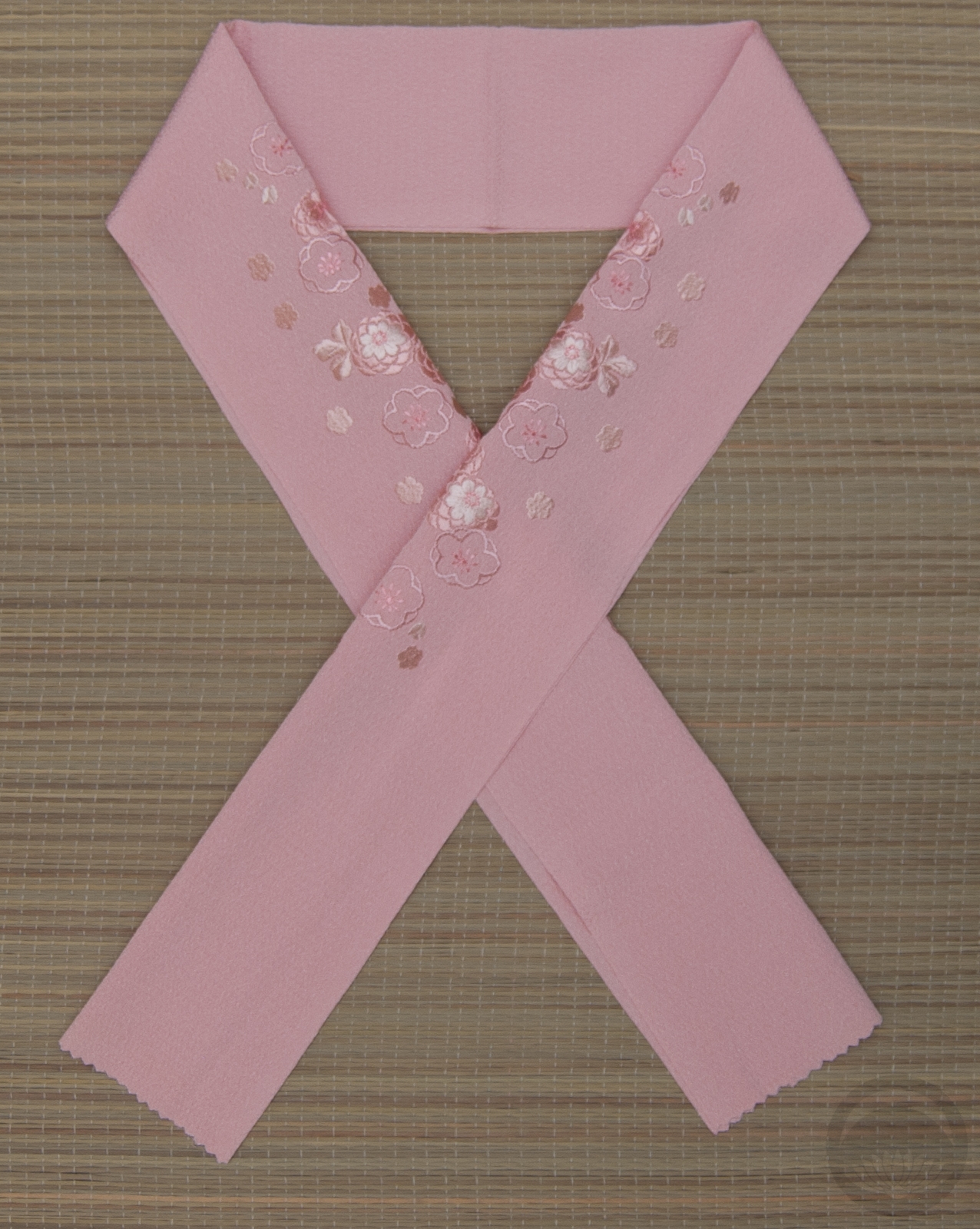
Pearls, to me, needed a really sweet and feminine outfit, so it was time to bust out this gorgeous blue furisode with pink accents again.  I went with the solid deep rose side of my sakura chuuya obi, and decided to use the pearls as something between an obijime and a pattern itself. I really like how this looks! I also covered up a pink embroidered haneri with more pearls because sometimes more is more. The obi provides a bit of visual weight to an otherwise very light and airy kimono. Previously, all the coordinations I’ve done with this piece have been with white or silver based obi, and it’s pretty cool to see how different it feels with something richer and more colourful.

I also had fun improvising the obi musubi, it sort of looks like a cross between a fukura suzume and a han-darari. It feels very sweet and youthful, and took advantage of this soft, floppy obi well I think. A few more rose and white accessories just pulled the whole thing into a really pretty, girly, cohesive outfit.

Items used in this coordination

Armed & Dangerous

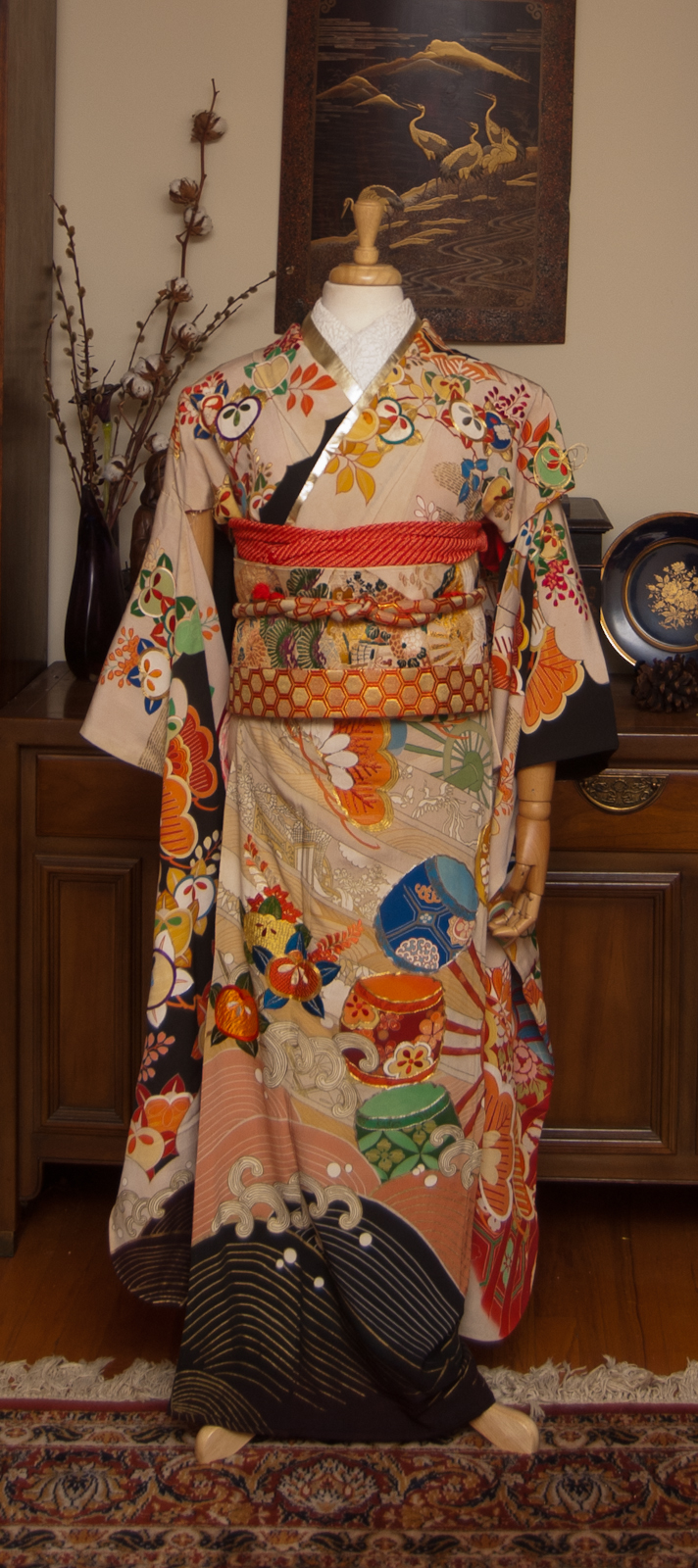
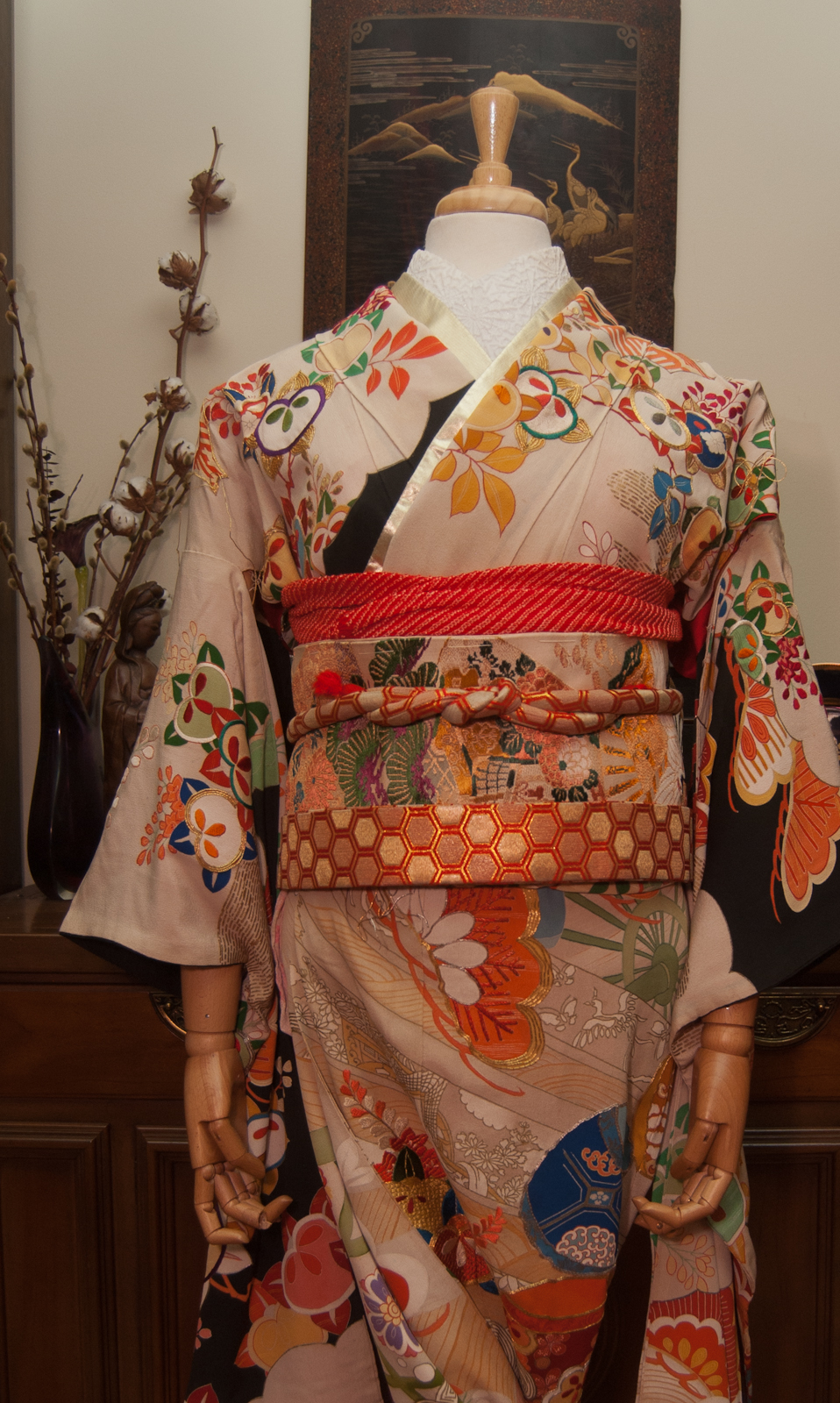
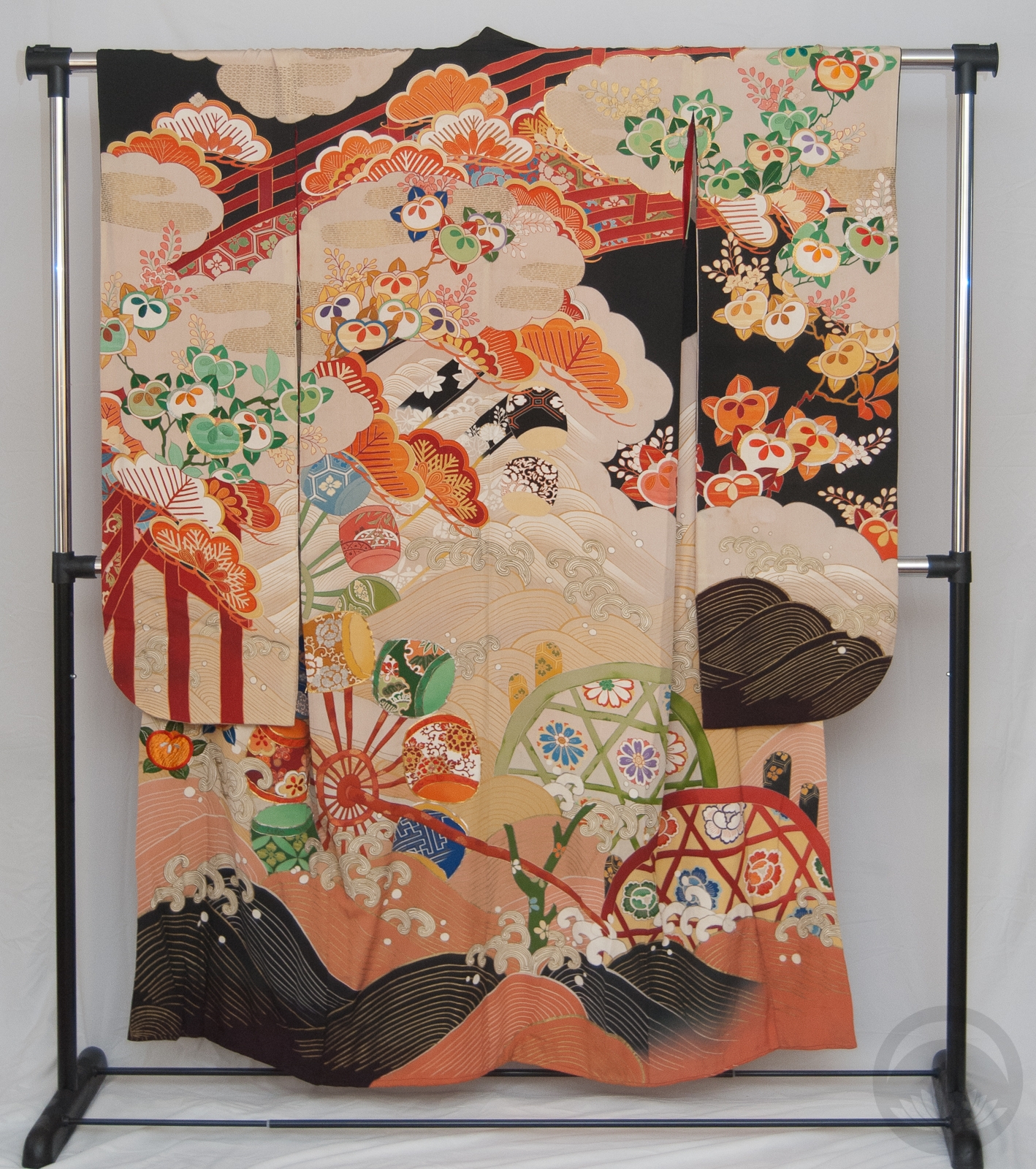
The mannequin, I mean. Not me! She’s still not perfect, but we managed to make her arms work for the time being. After all the fuss and bother on Saturday, I figured that since she had arms now, I should probably work on getting her dressed. I thought that to get myself out of the funk, I’d try to redo one of my favourite old outfits featuring one of my most prized kimono. Unfortunately, it’s basically unwearable now due to the sleeves detaching and a lot of the gold embroidery lifting off the silk, but gently draping it on the mannequin is safe enough.

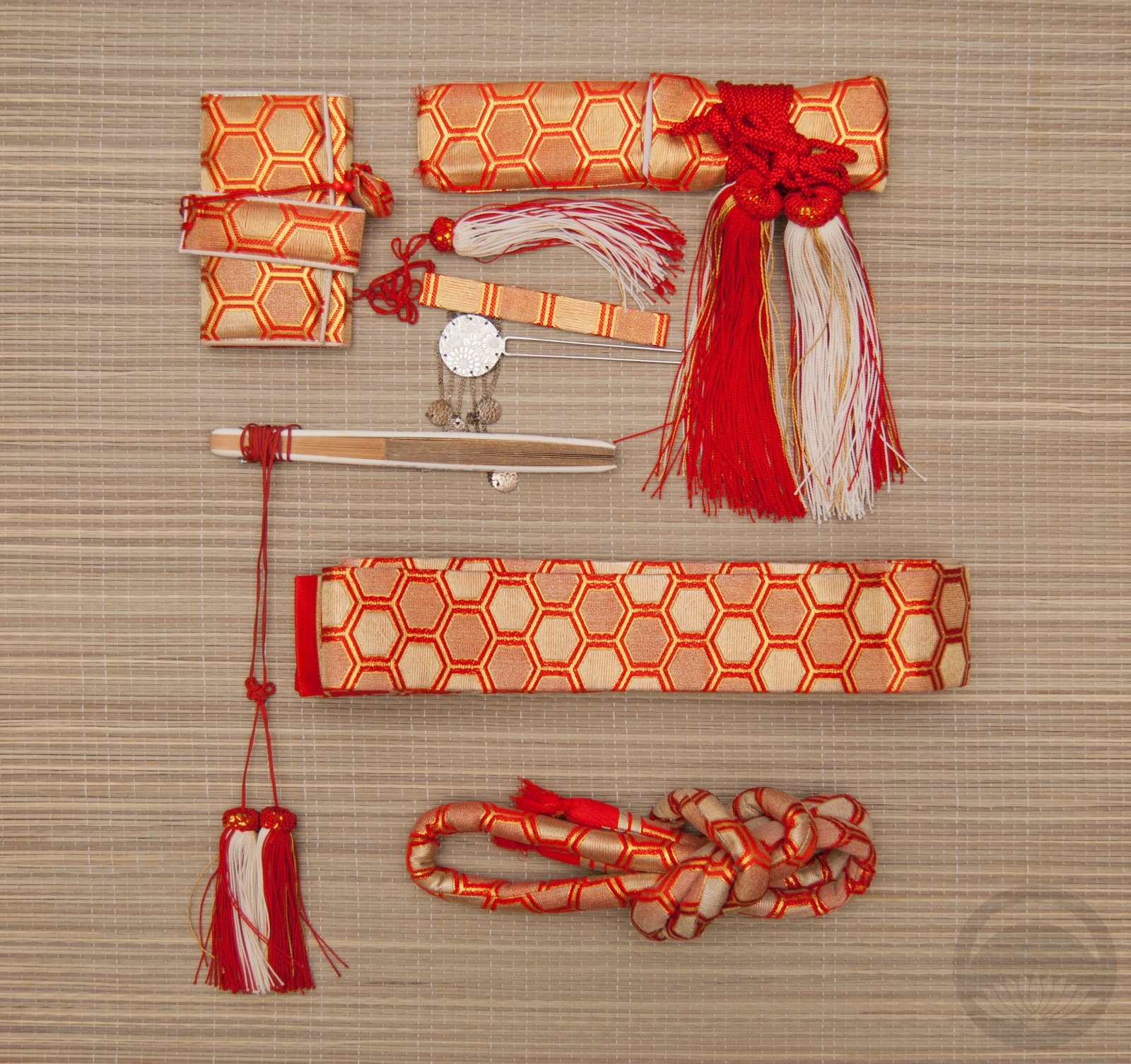
Rather than use the same old hakata obi I used last time, I decided to see what I could do with the tsuke darari obi I got over the summer. I think I managed to disguise it quite well and I totally love how they tied together. This green and gold date-eri really looks like it belongs with this obi, doesn’t it? Red accessories finished things off and pulled out some of the warmer tones from the kimono. I had fun with the obijime too. I love playing with the multiple thin ends on some of these fancy furisode obijime.

It may have been a struggle, but I’m glad I pushed through because the end result is so beautiful. I will, however, be looking for someone to repair this kimono. At the very least, the sleeves need to be re-attached properly and the gold couching needs to be fixed where it’s coming off.

Items used in this coordination