T is for Tachibana

Tachibana, 橘, mandarin orange

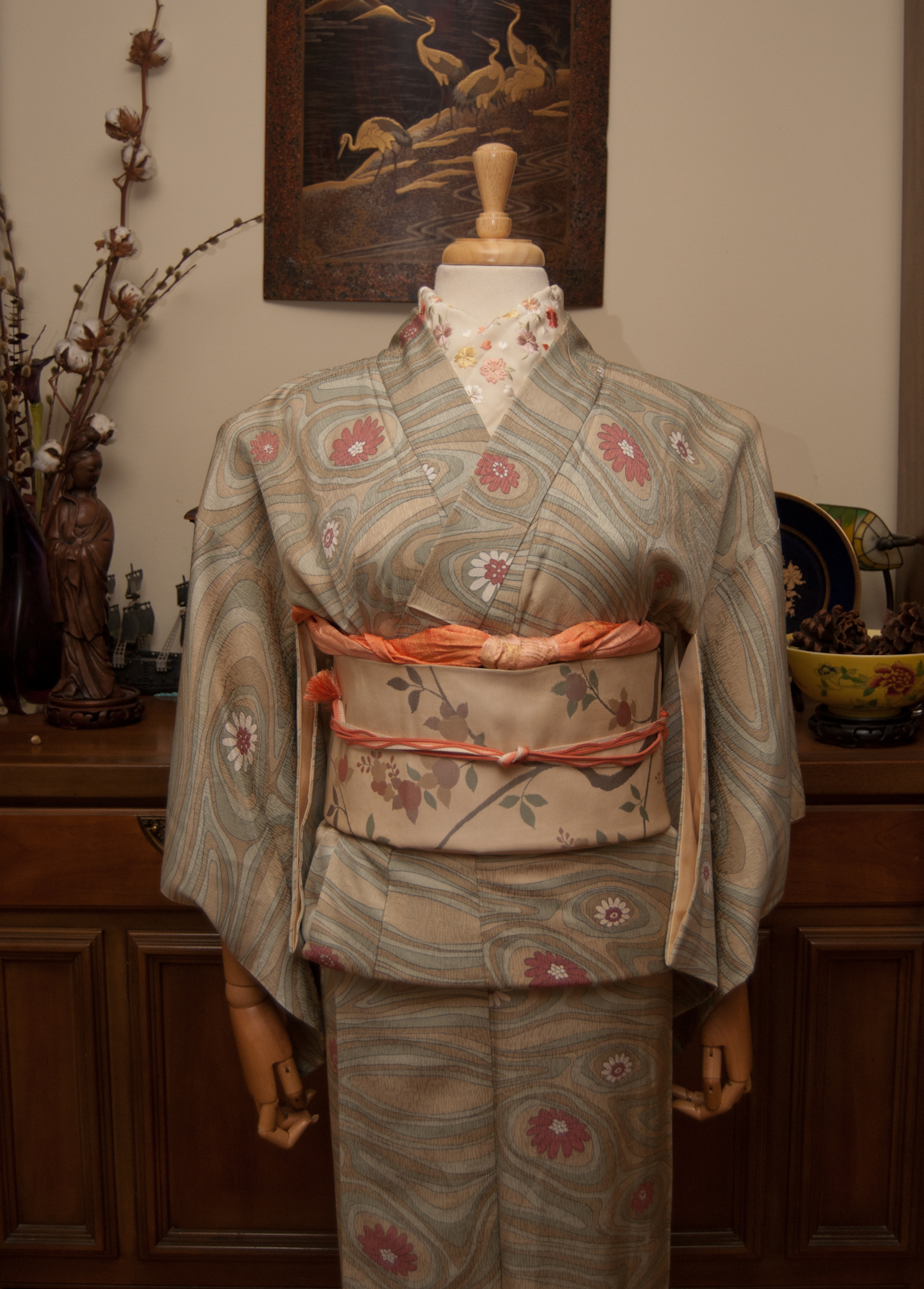
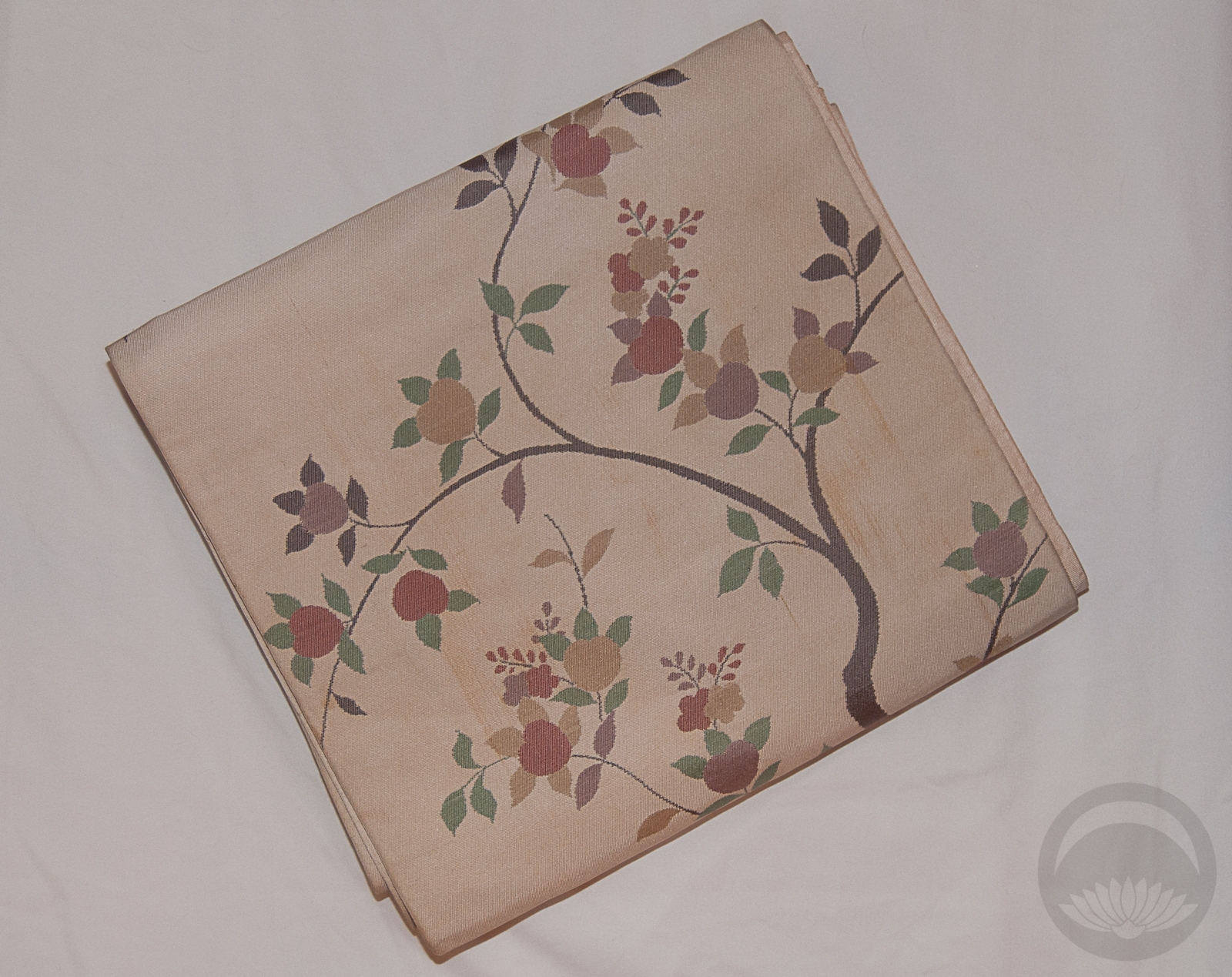
I somehow didn’t realise how many tachibana items I have in my collection until just now! It makes sense though, it’s a motif I love. I have lots of kimono I could have used for today’s coordination, but I thought I’d give this obi some love instead. It’s not in the best shape, but it’s so soft and sweet that I’m able to look past the smudges.
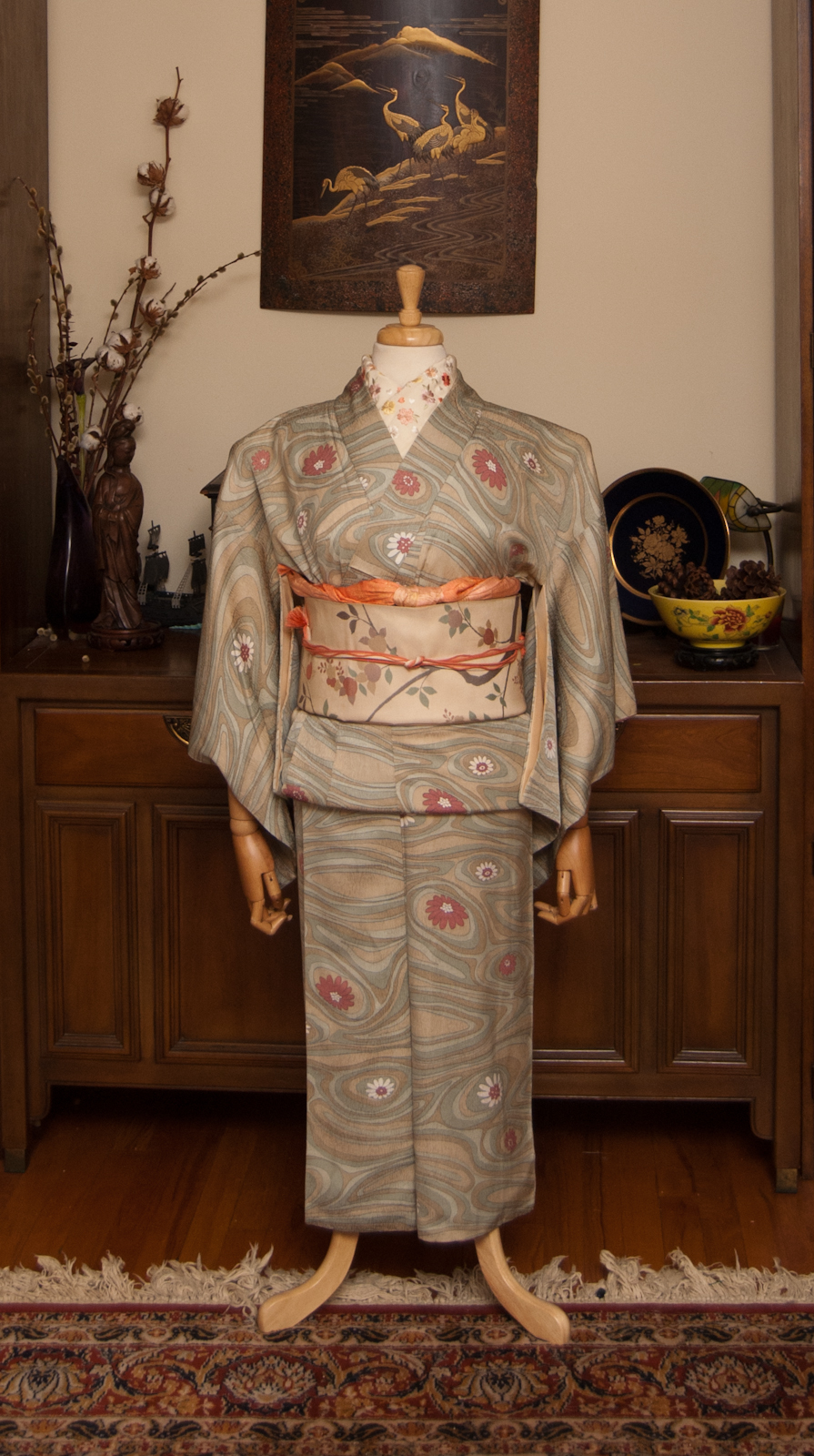
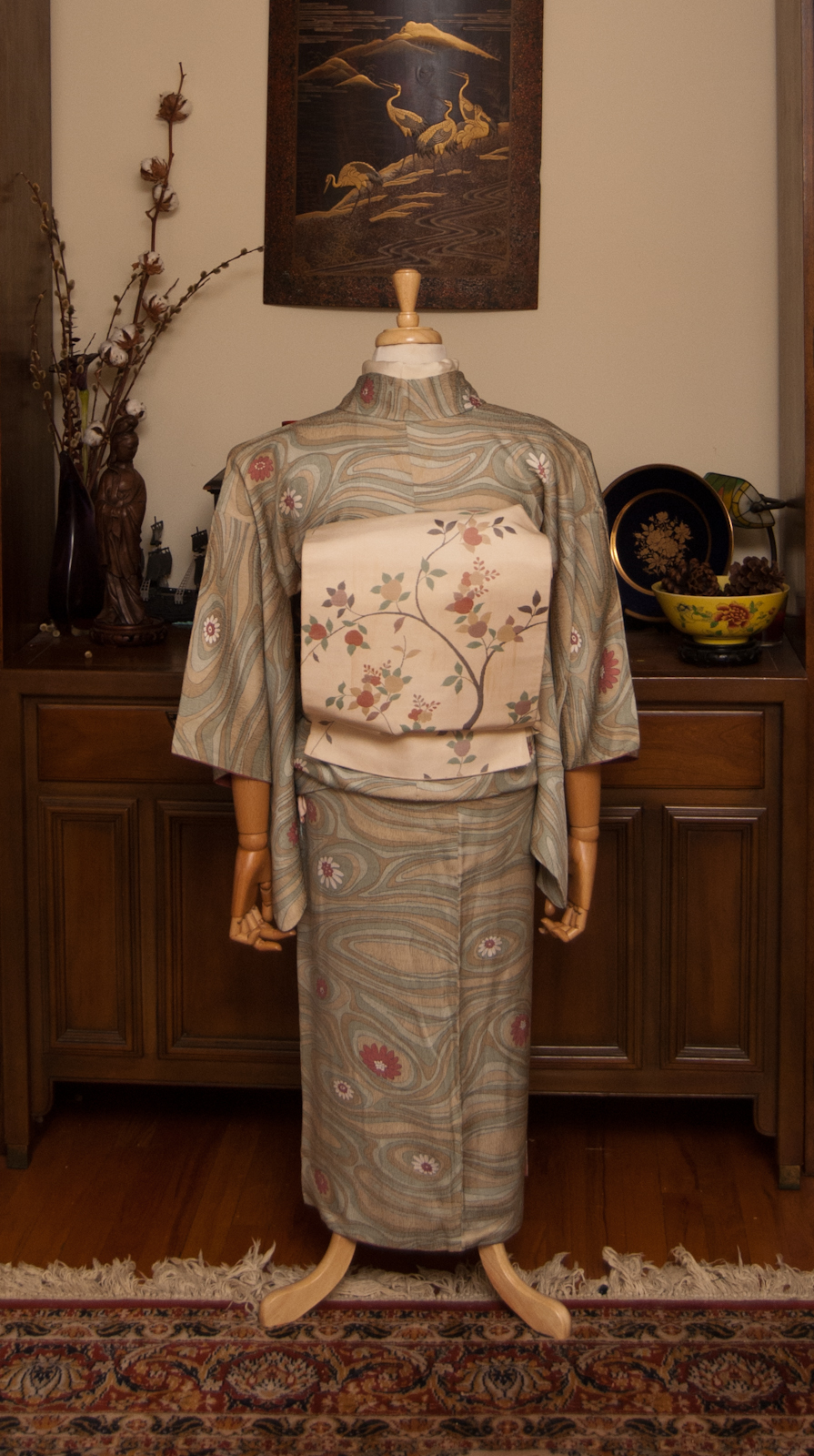
It’s a fukuro obi, so arguably too formal for this komon, but because it’s got an evenly-spread all-over woven pattern with no metallic and no embroidery it reads as very casual to me. On first glance, I think most people would assume it was a nagoya obi.

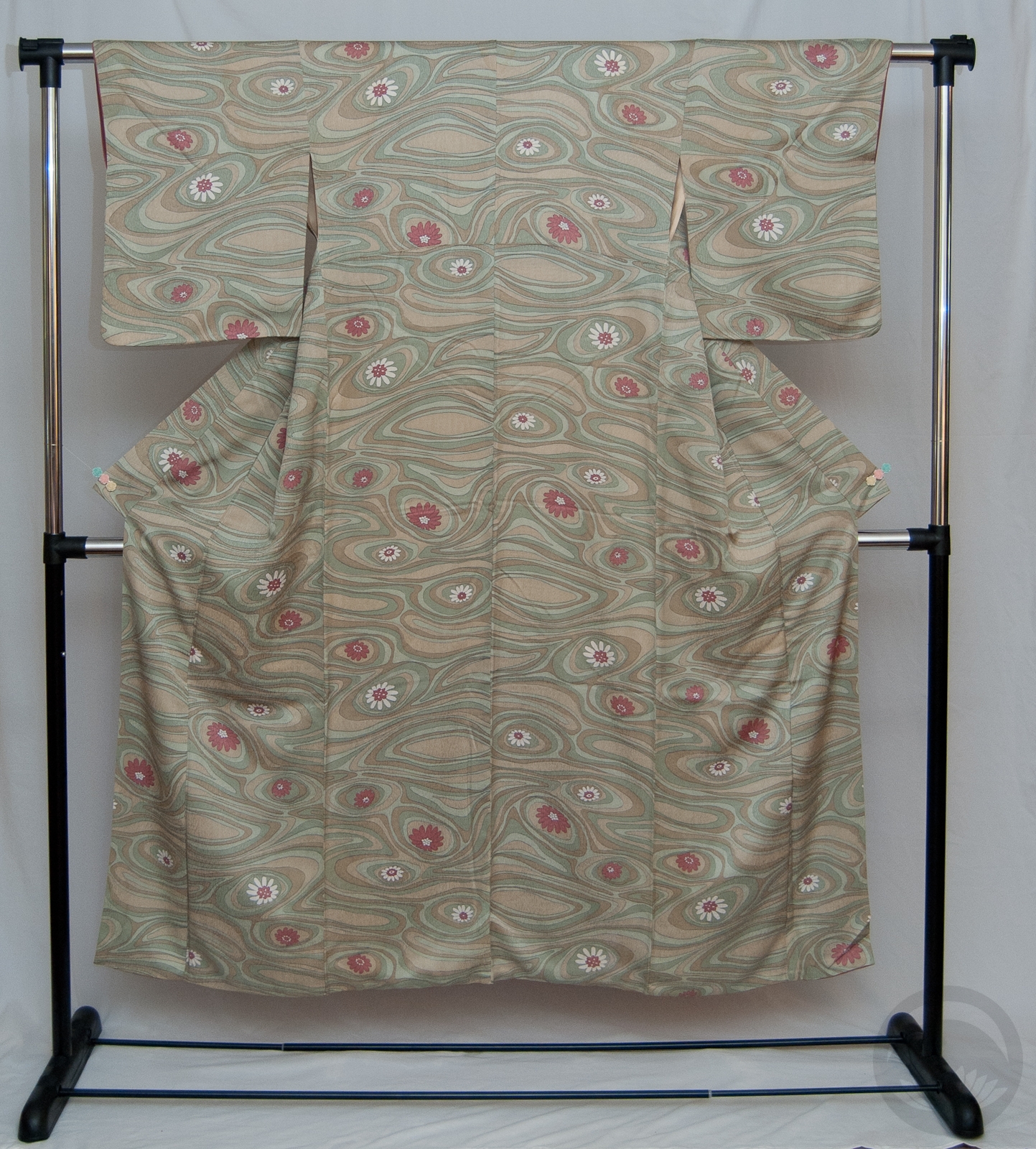
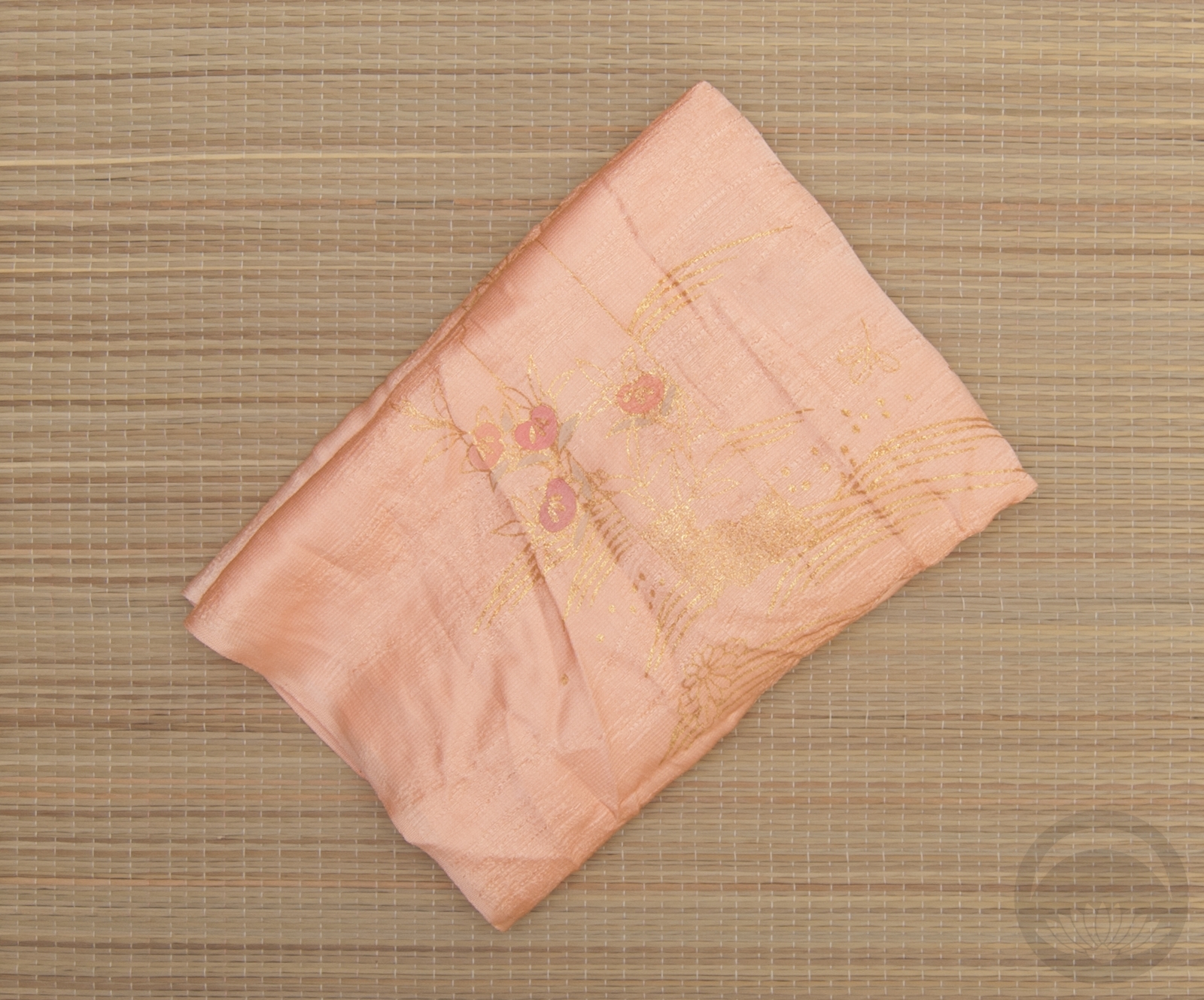
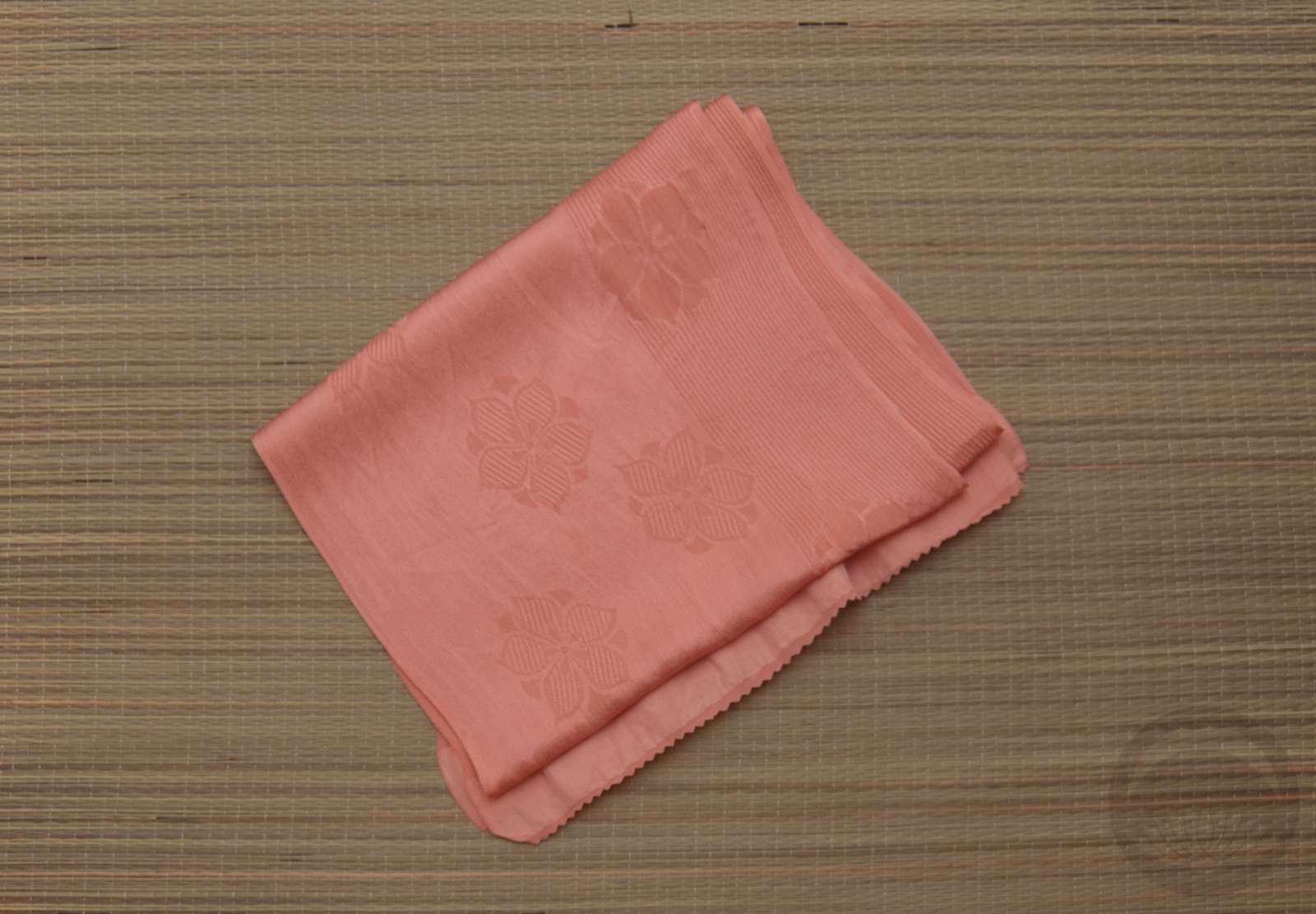
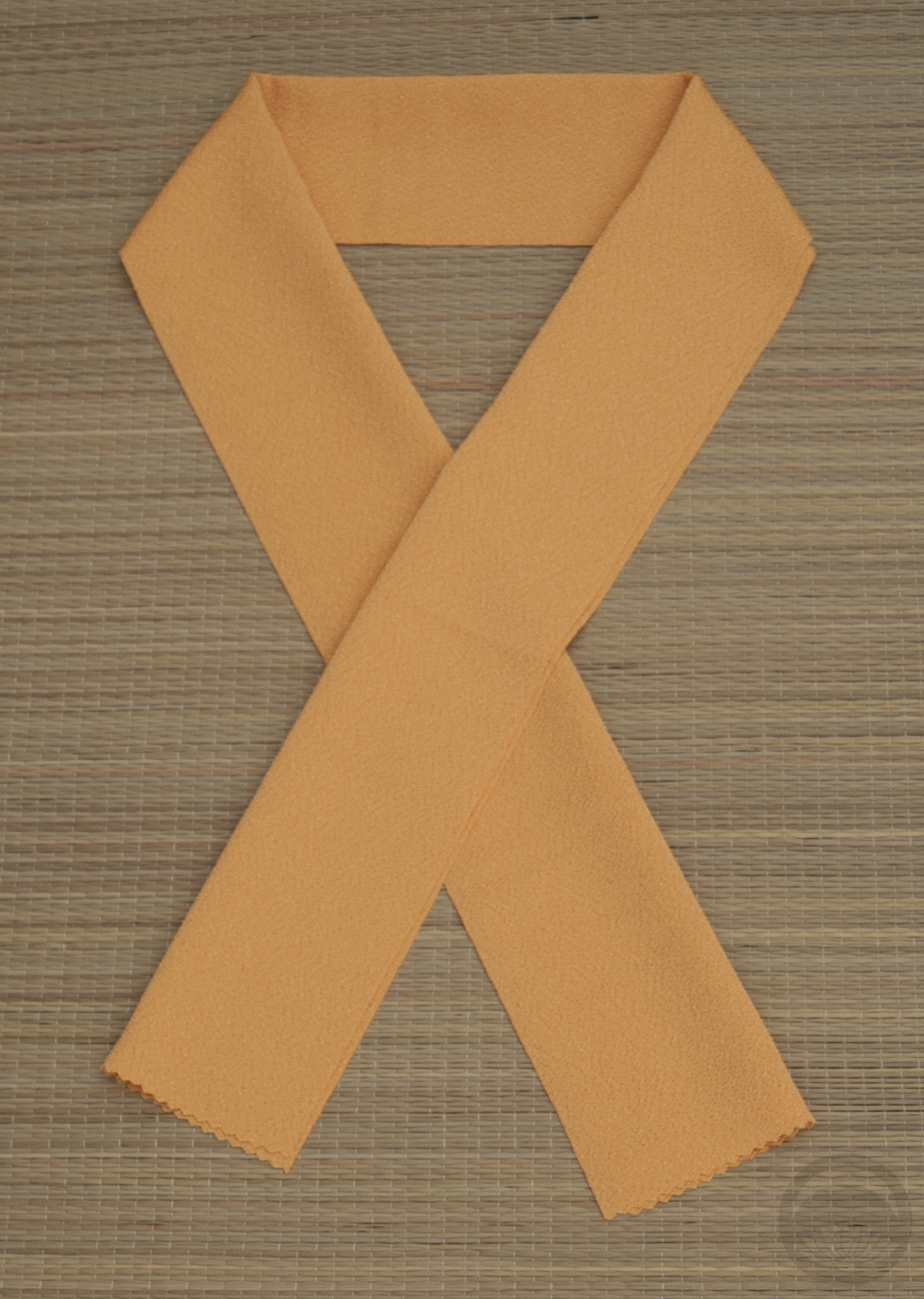
I decided to keep things very soft and genteel with this muted kimono. The peach accessories were already out from a previous coord (and my utter inability to put things away when I’m done using them), but I realised that not only does the peach look lovely, but the obiage actually has a motif of tachibana as well!

I’m not sure this outfit really features and focuses on tachibana but I do like how it turned out nonetheless.

Items used in this coordination

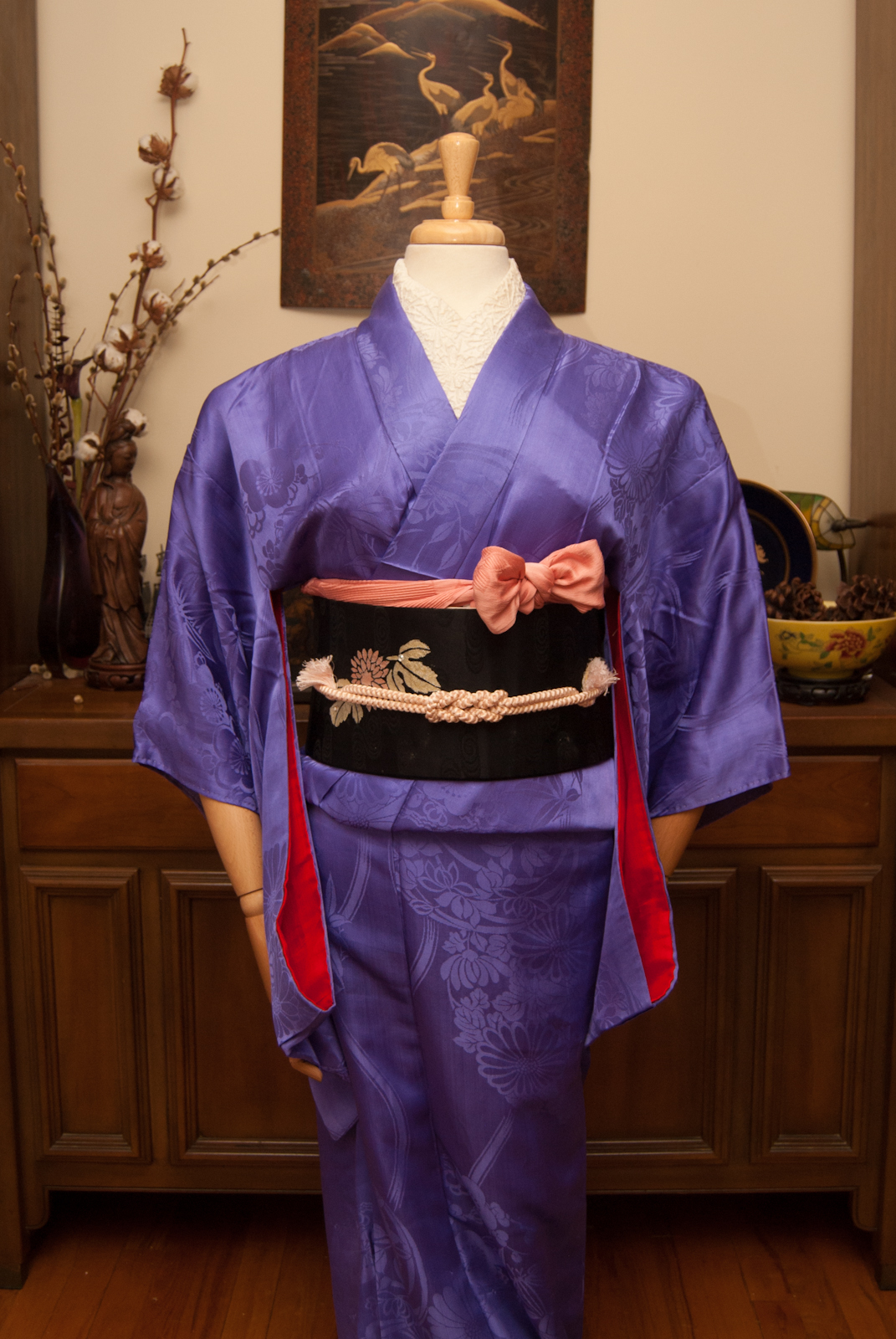
R is for Rinzu

Rinzu, 綸子, silk damask

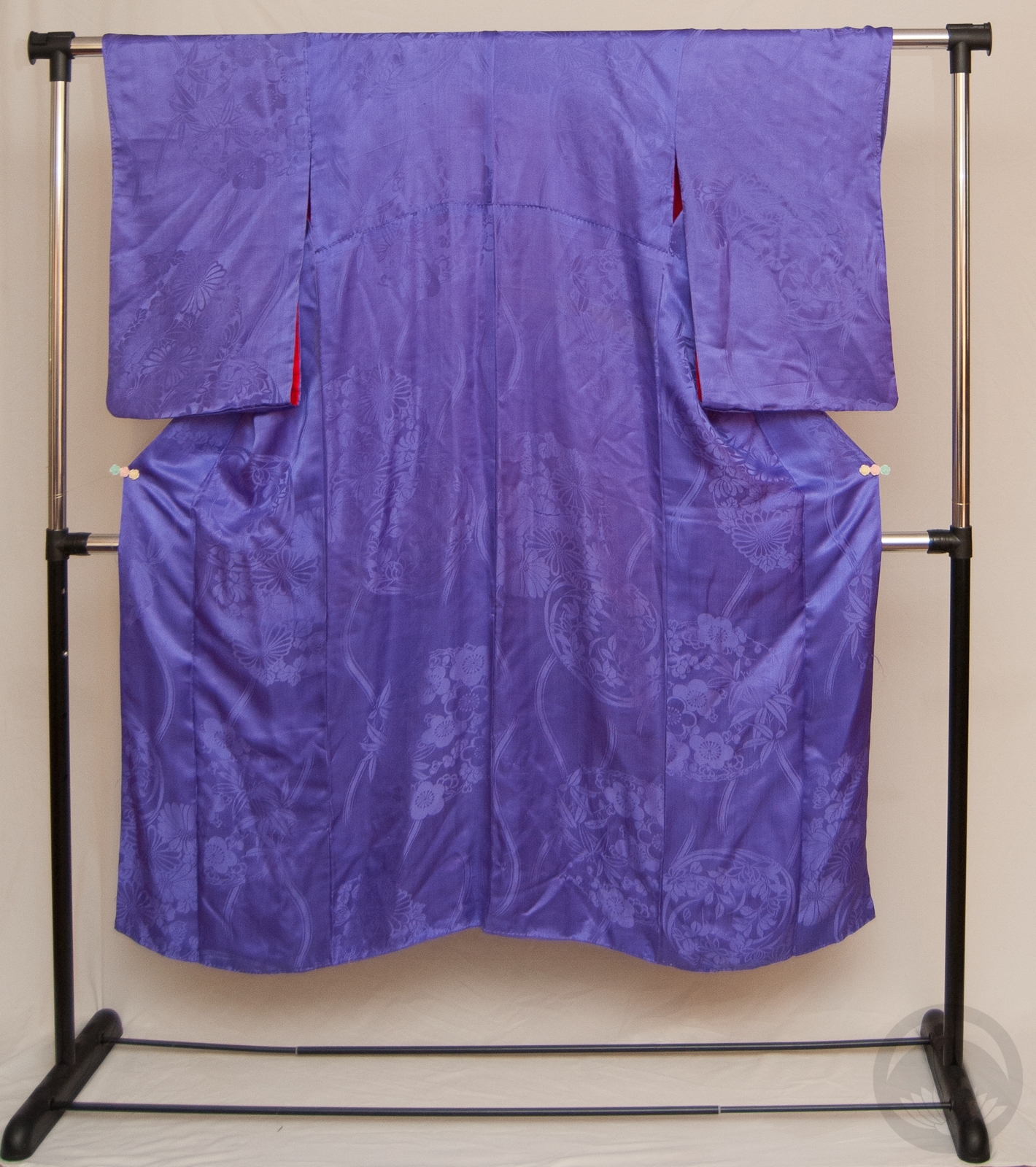
Rinzu is like jacquard, a beautiful tone-on-tone pattern achieved by weaving techniques only. No dye, no paint, just right off the loom with a rich, beautiful depth.

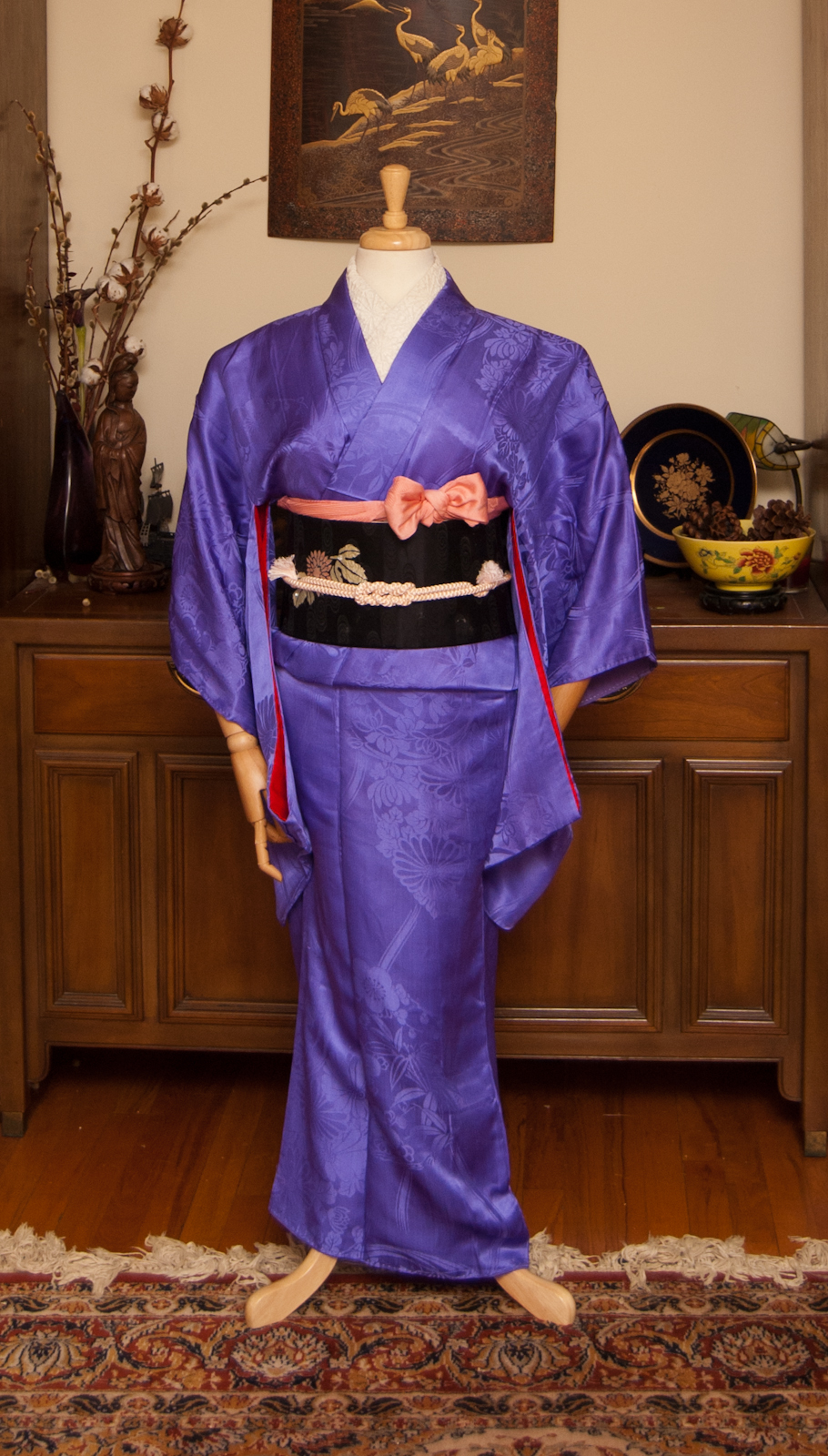
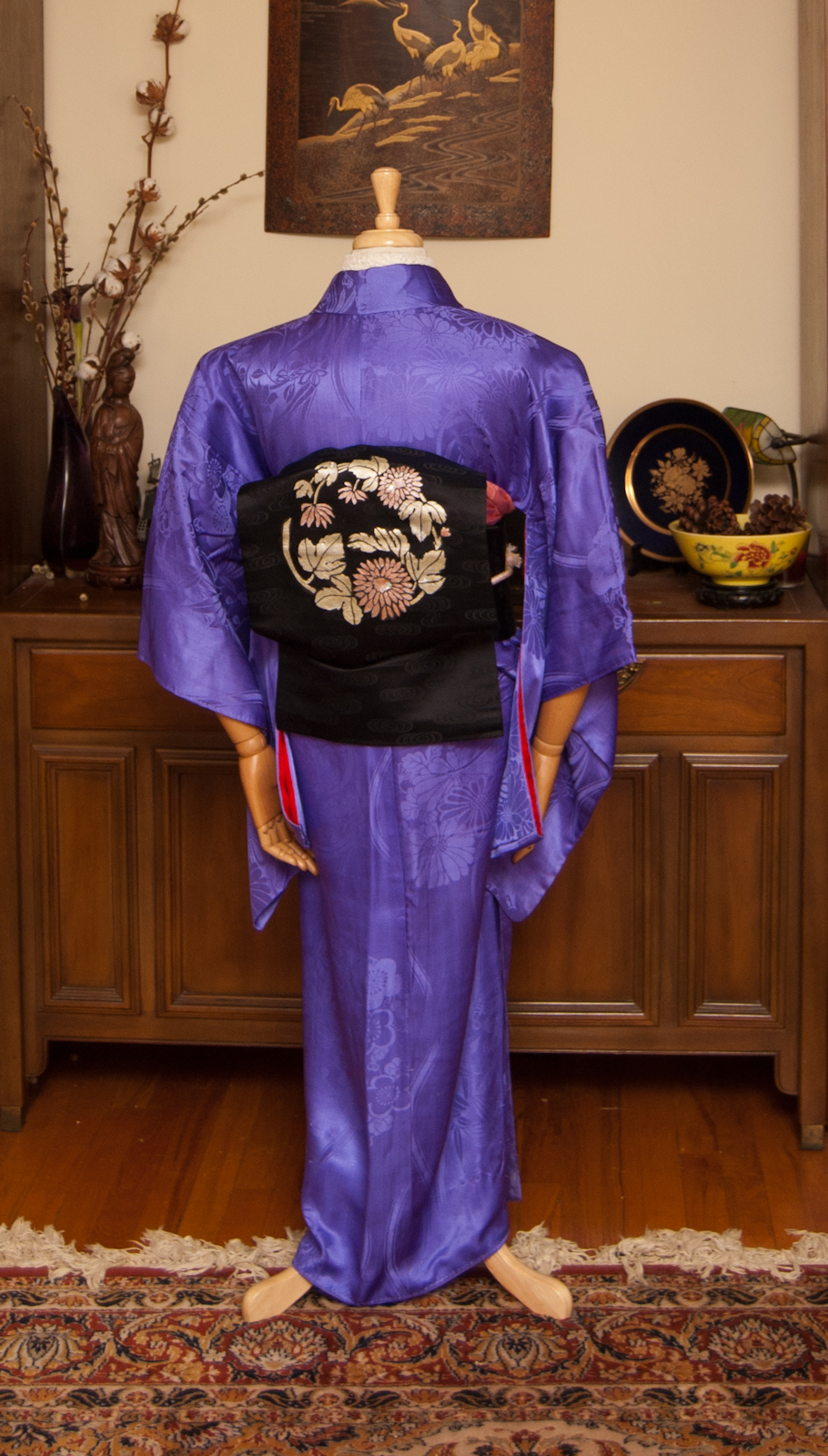
I have lots of pieces in my collection that have a rinzu base, but none of them show off and exemplify them quite as gorgeously as this vintage purple iromuji given to me by a friend. I decided to do an entire outfit (or as much as possible) using only solid pieces with bold rinzu fabric.
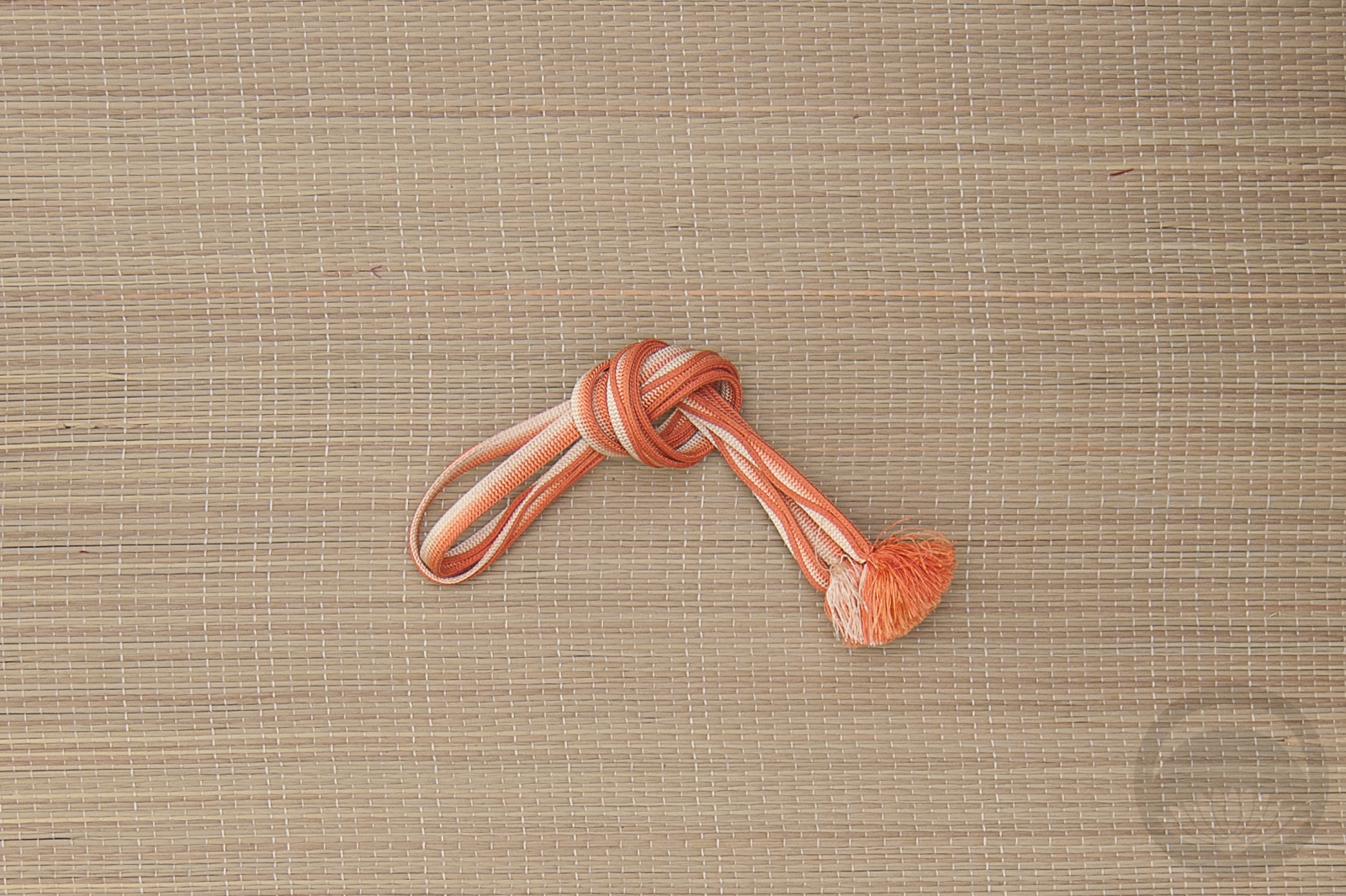
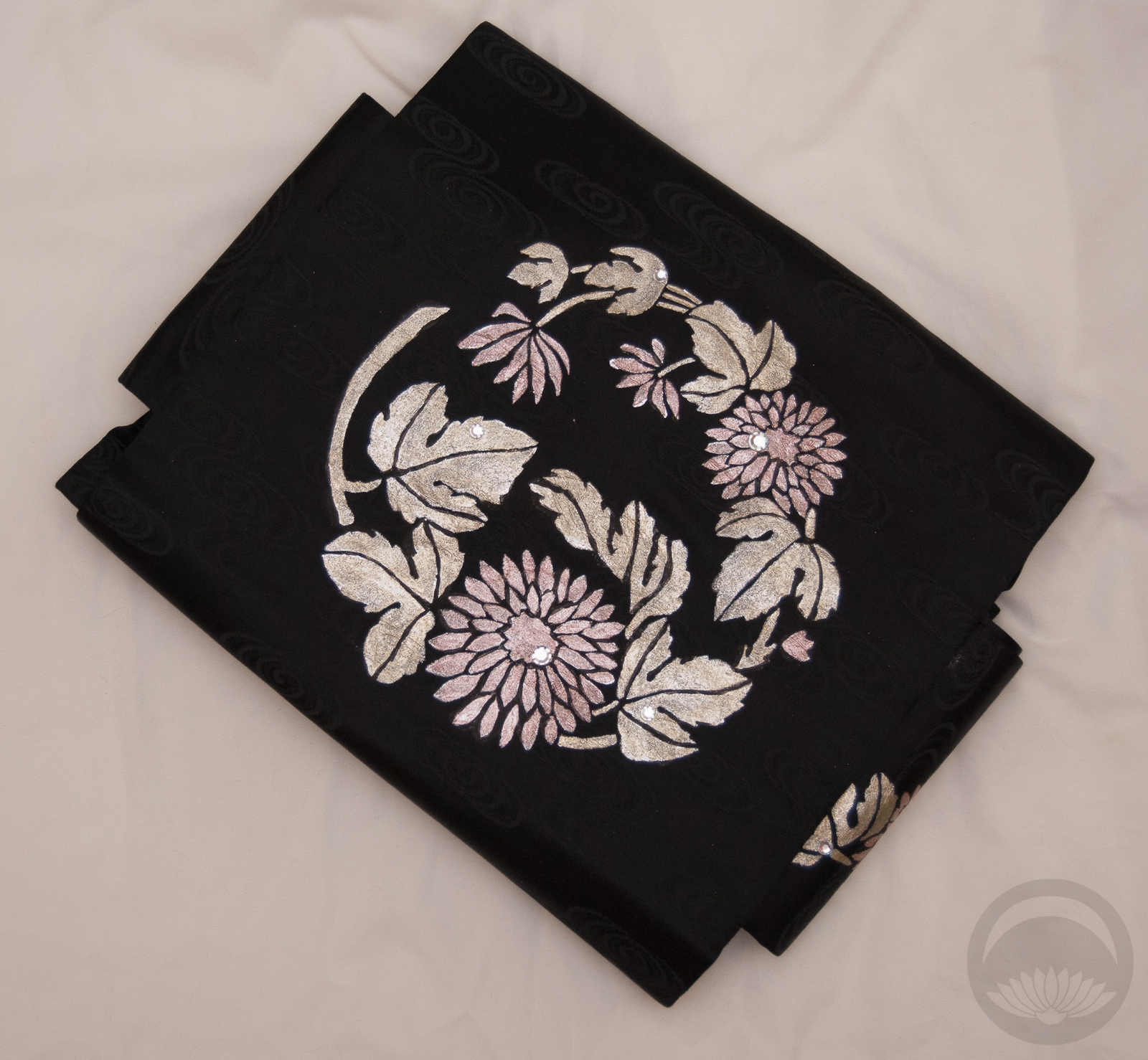
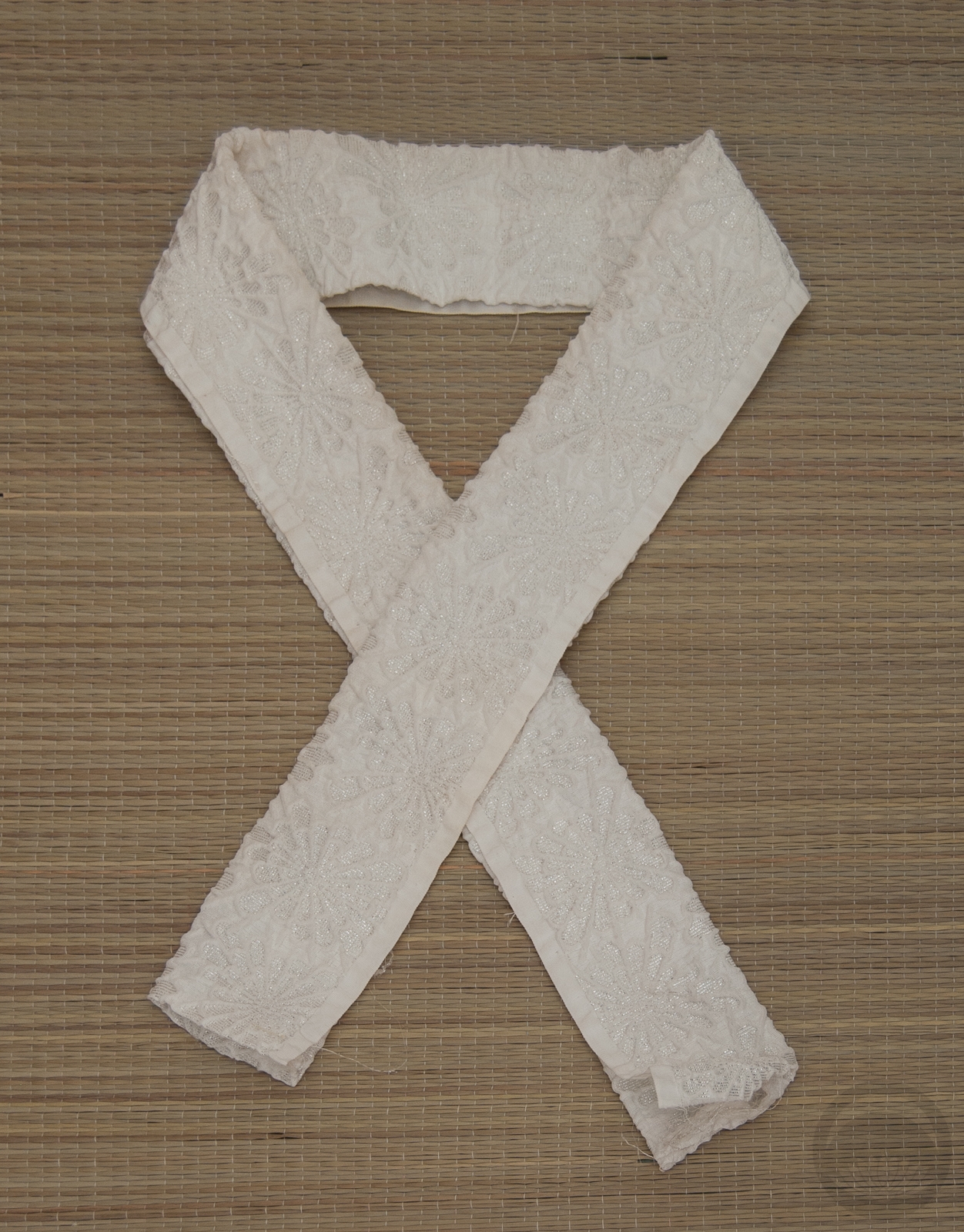
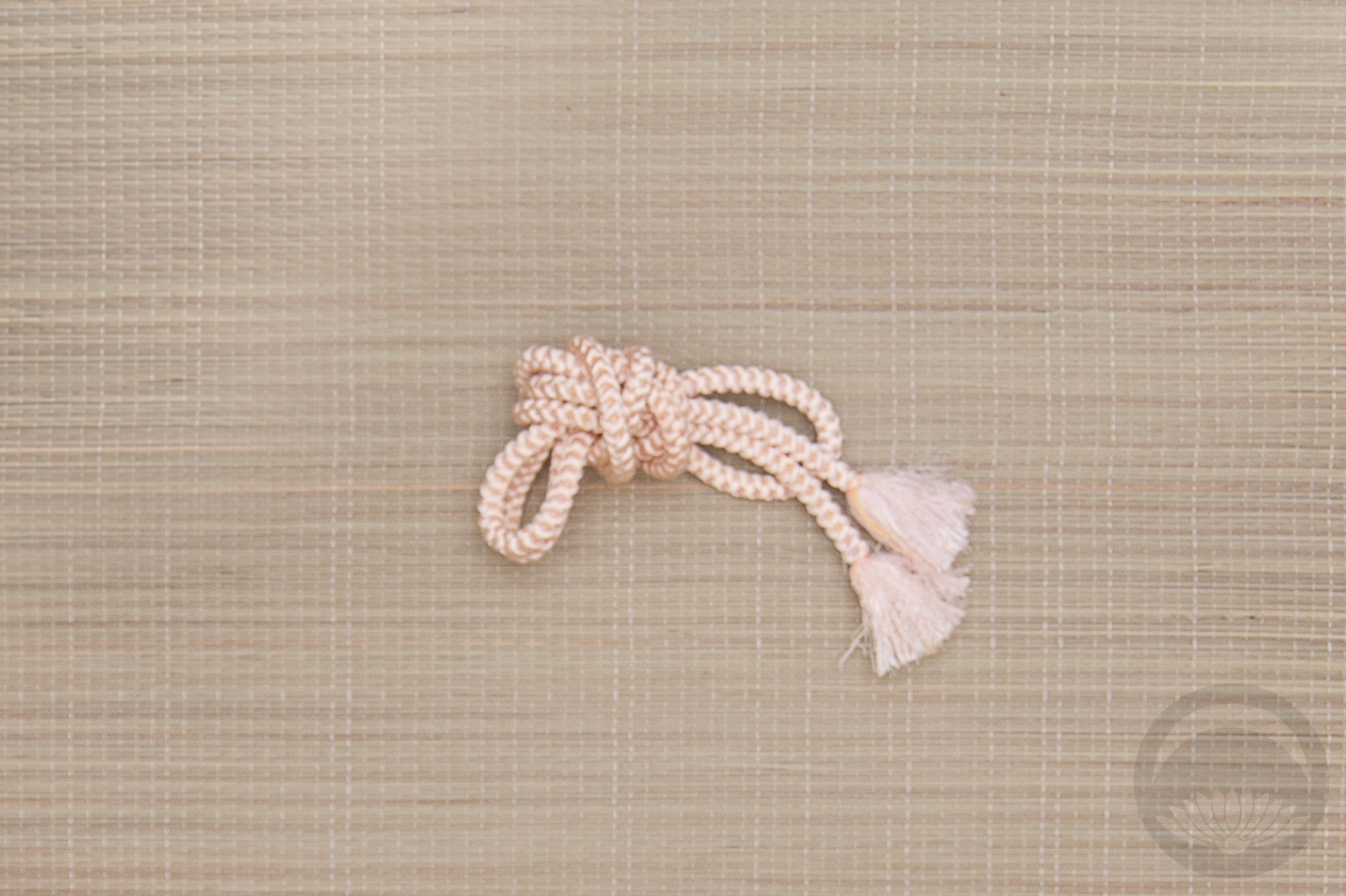
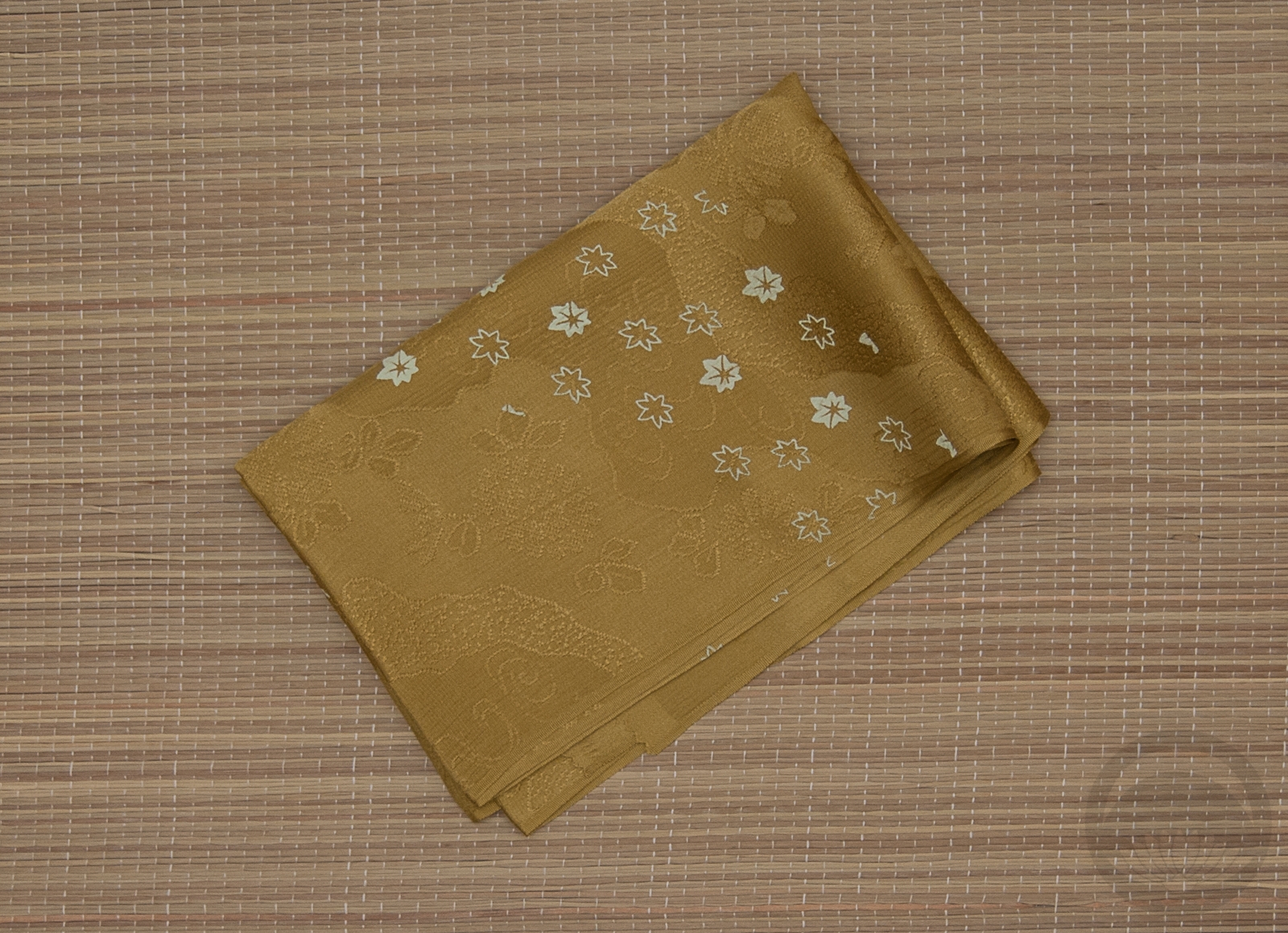
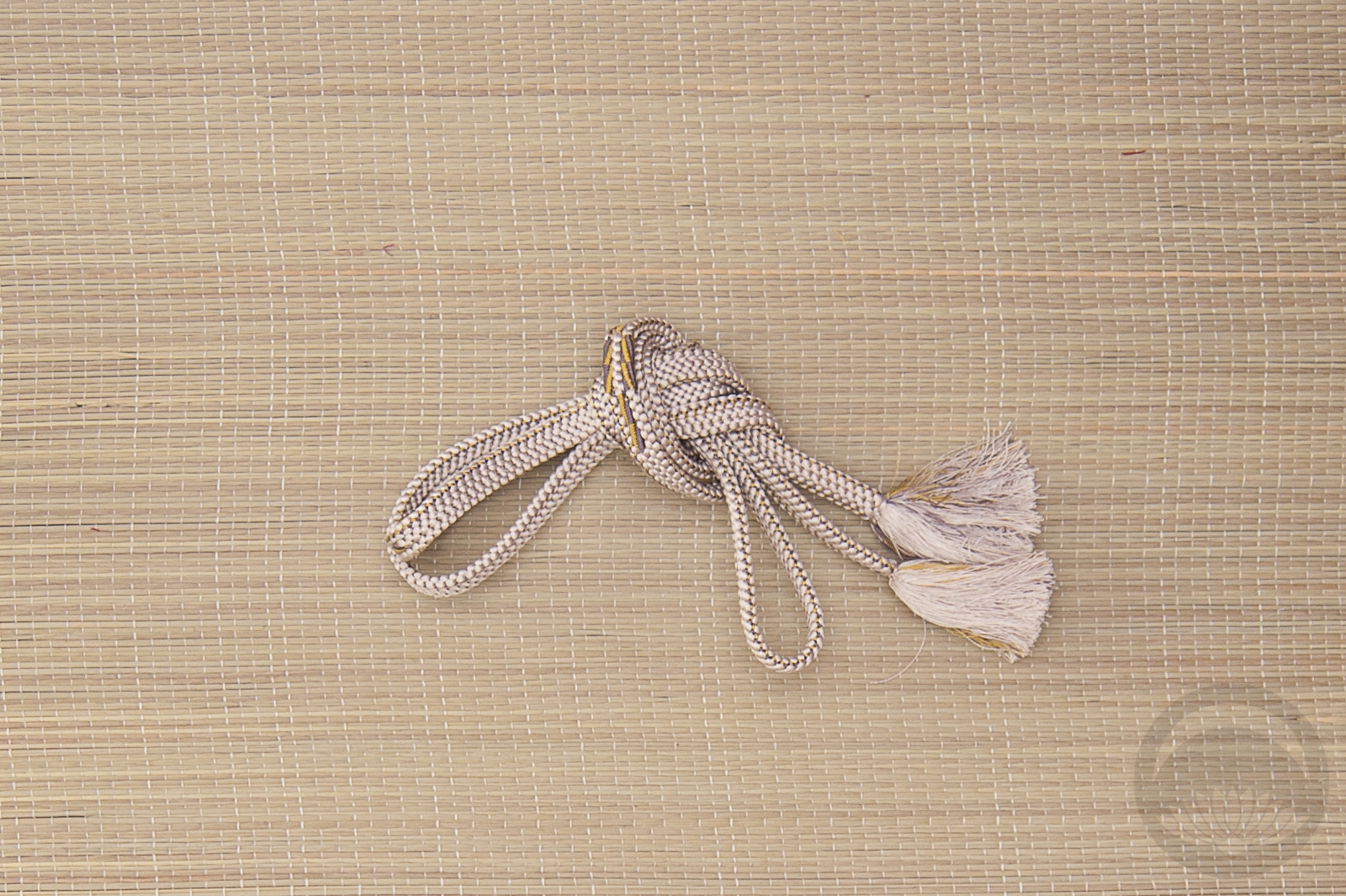
Aside from the utterly lush purple kimono, I used the mofuku obi I painted a while back, since you can still see the lovely water pattern in the black fabric. The obiage is a soft pink that ties in well with the obi, with a rinzu design of sakura and geometric lines. I tied it in a little bow for more sweetness and softness. I’m honestly not sure if the haneri counts as rinzu, the weave is much more textured and raised than anything else I own. But the design is woven, not painted or embroidered, so I ran with it. As for the obijime, the only rinzu one I own is an all-black mofuku piece, which felt too heavy against the black obi so I just went with a soft pink round braid.

The outfit is quite simple, but I think it does a fantastic job of showing off all the gorgeous woven design and texture that is rinzu silk!

Items used in this coordination

P is for Patapata

Patapata, パタパタ, onomatopoeia of “fluttering wings”

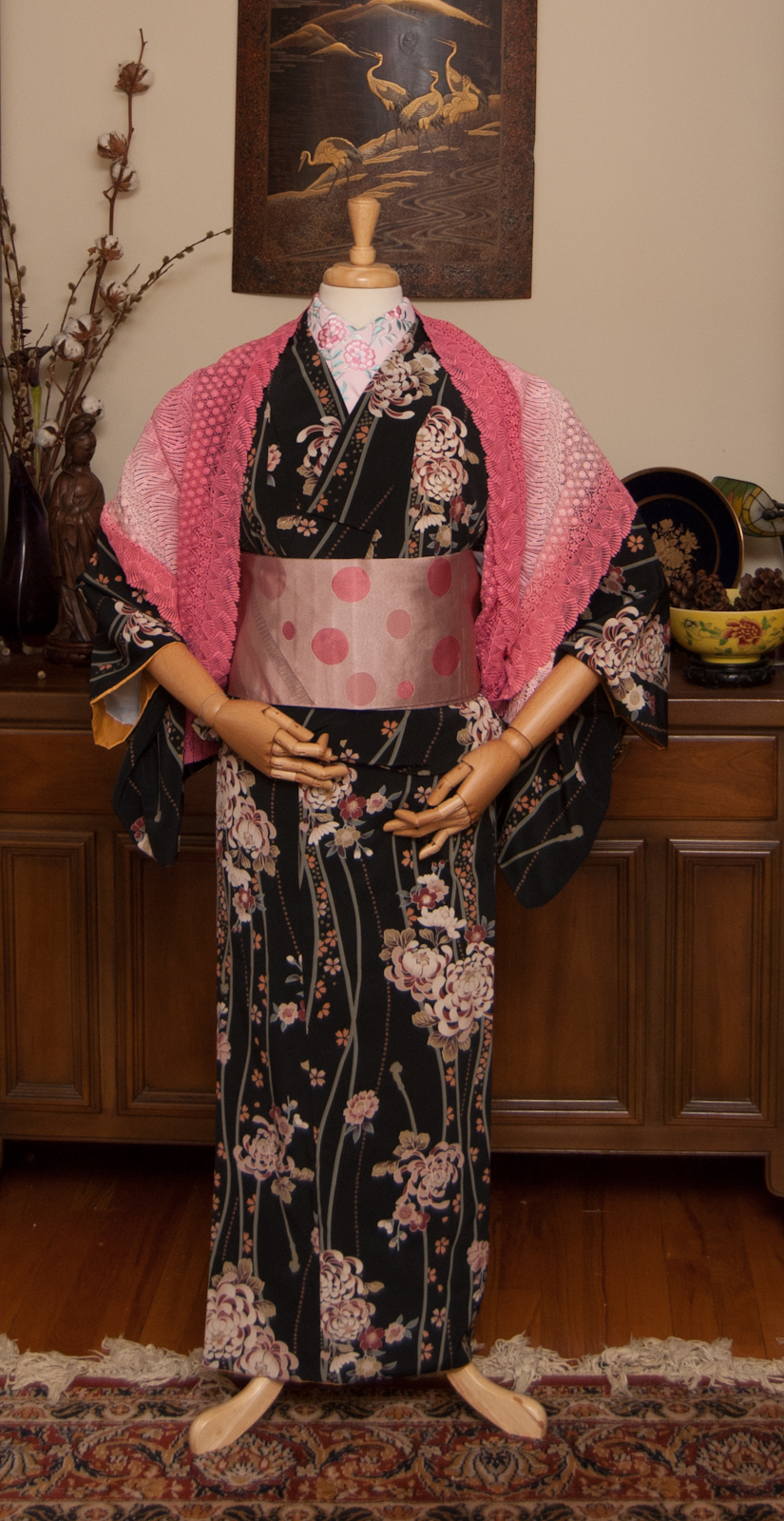
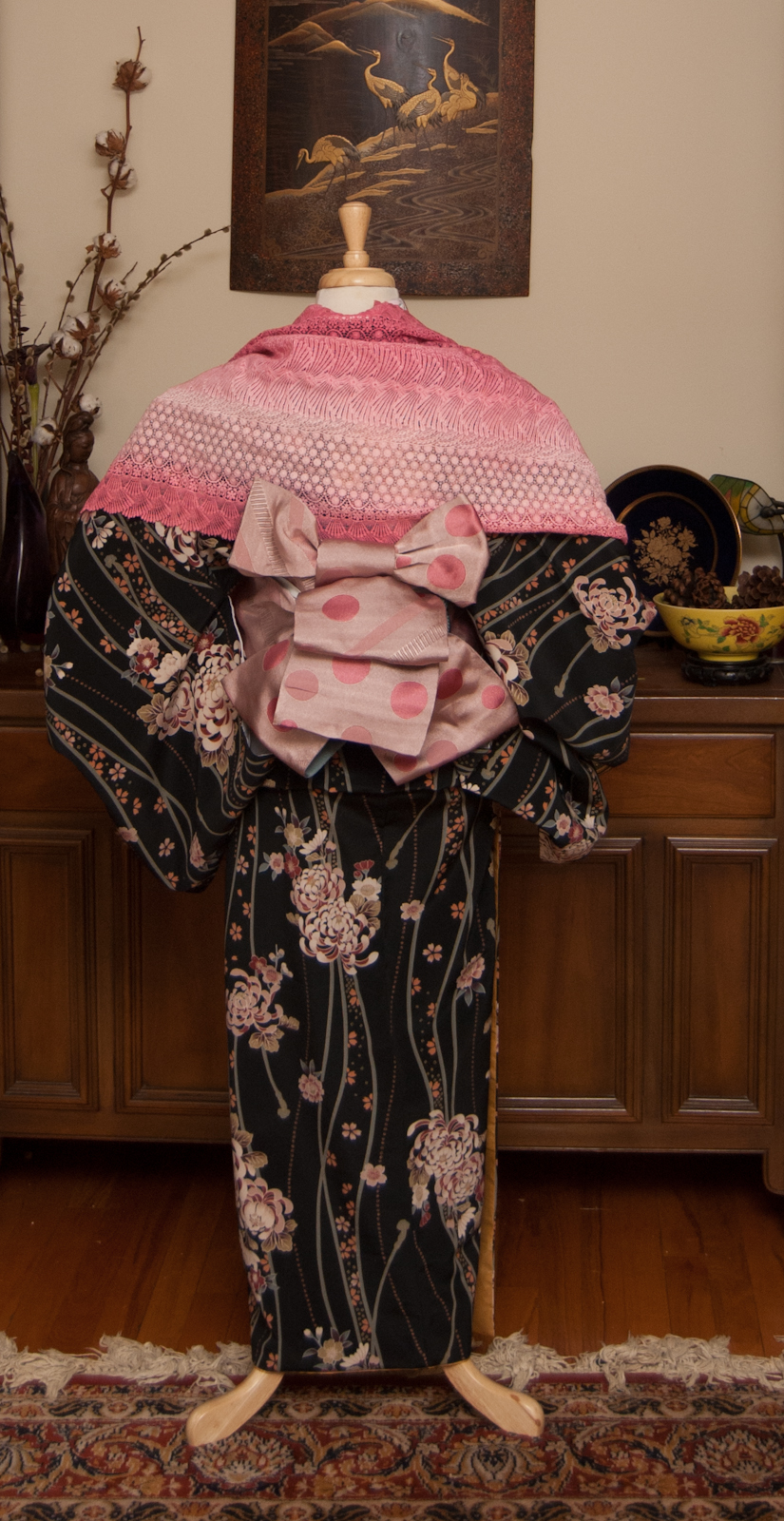
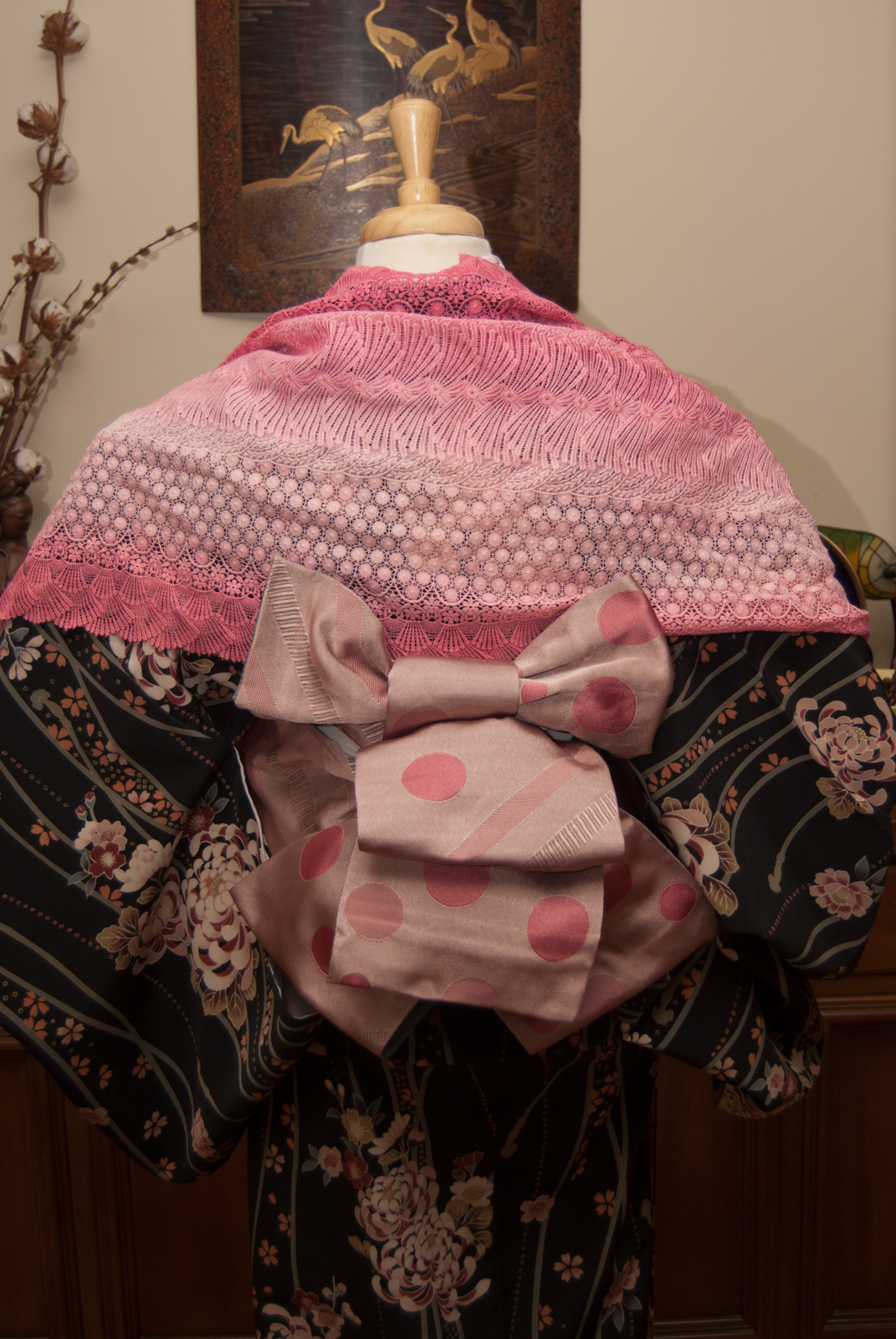
Ever since I saw this tutorial for an adorable patapata musubi with a bow accent, I knew I wanted to try it. I kept procrastinating for some reason, but now I’m glad I did because that means today I can show you this perfectly puffy pink patapata coordination! Japanese is a language full of adorable onomatopoeia, and patapata represents the fluttering sound made by bird or butterfly wings, and looking at the soft blousy folds it’s easy to see where the name came from.

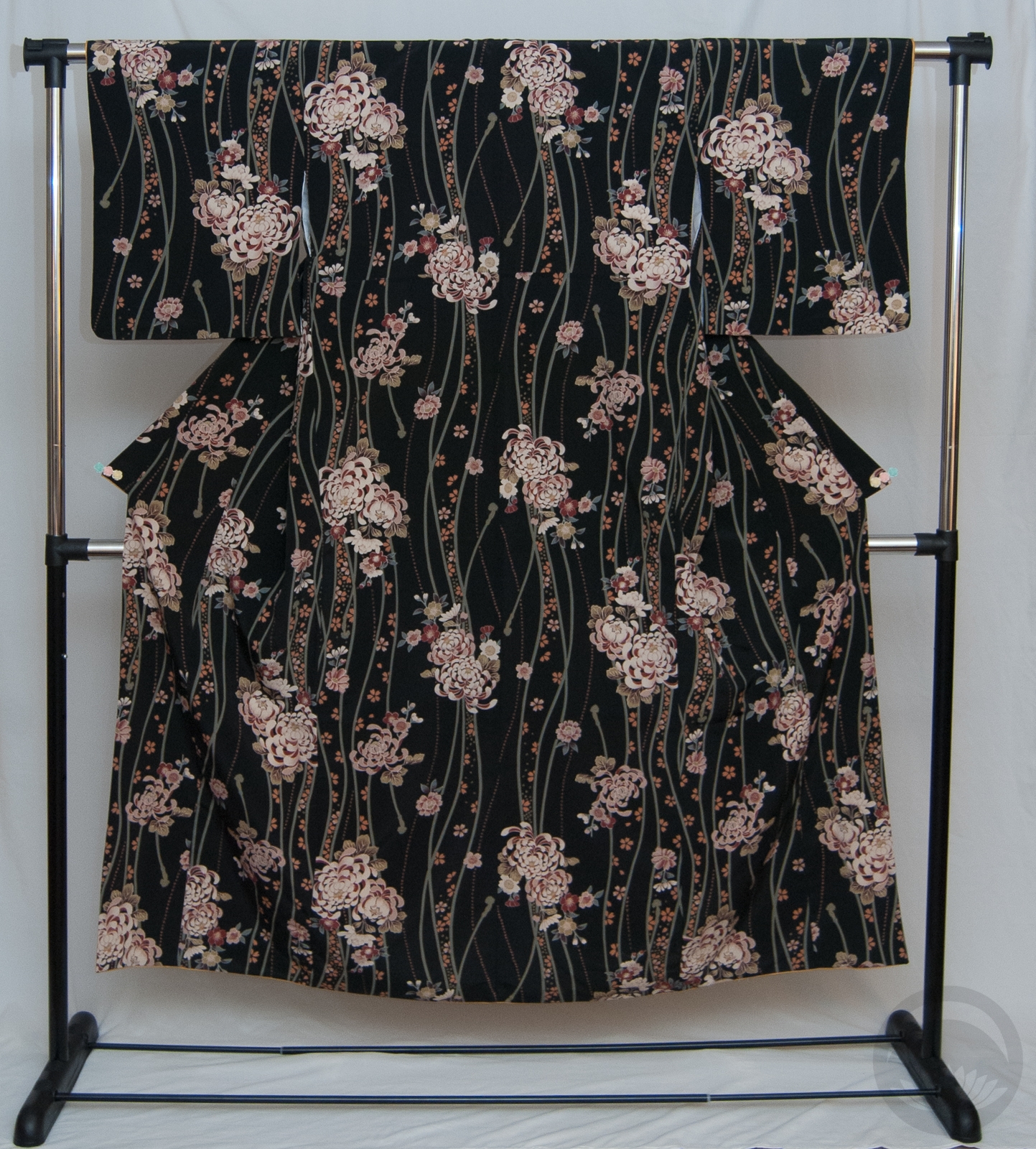
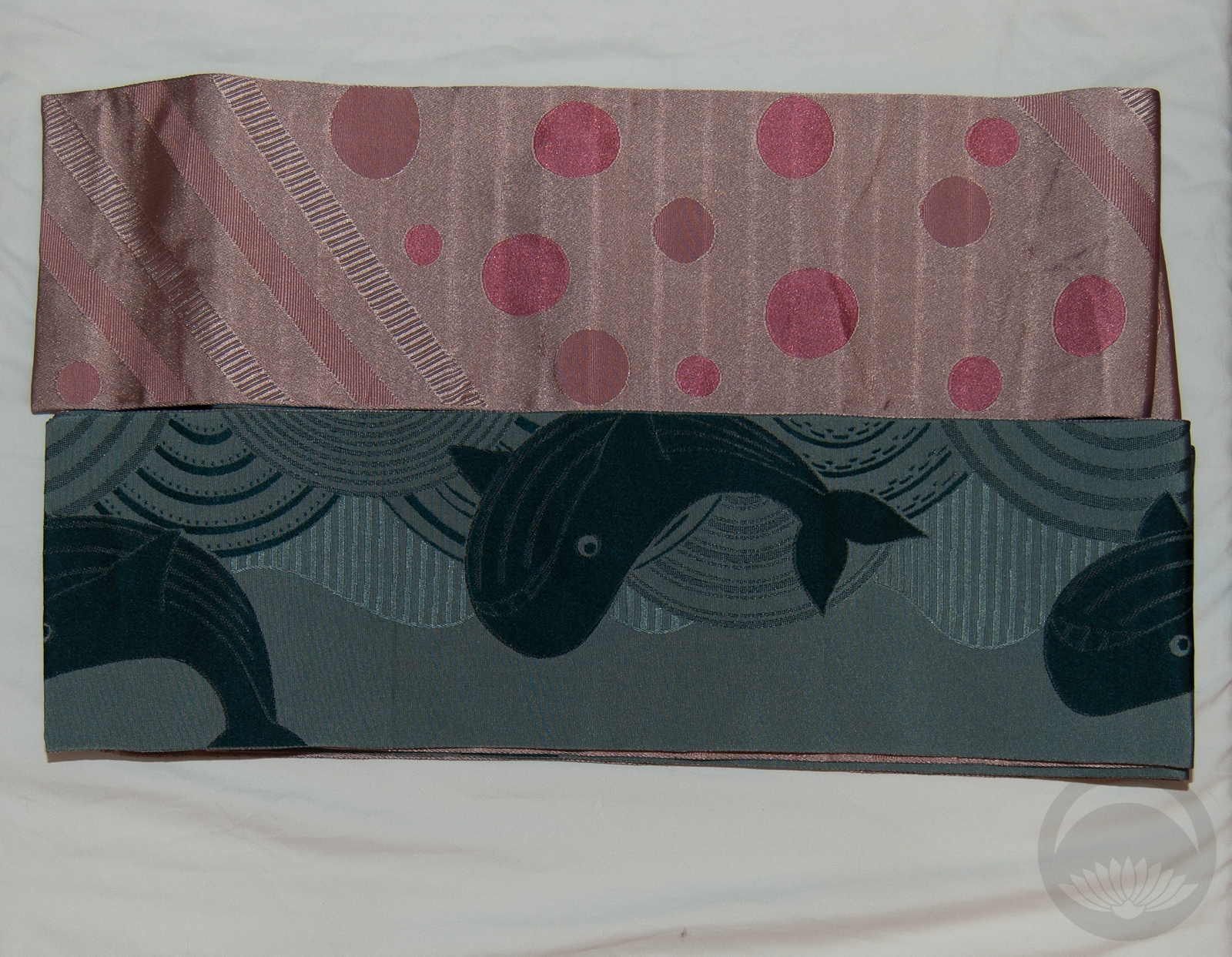
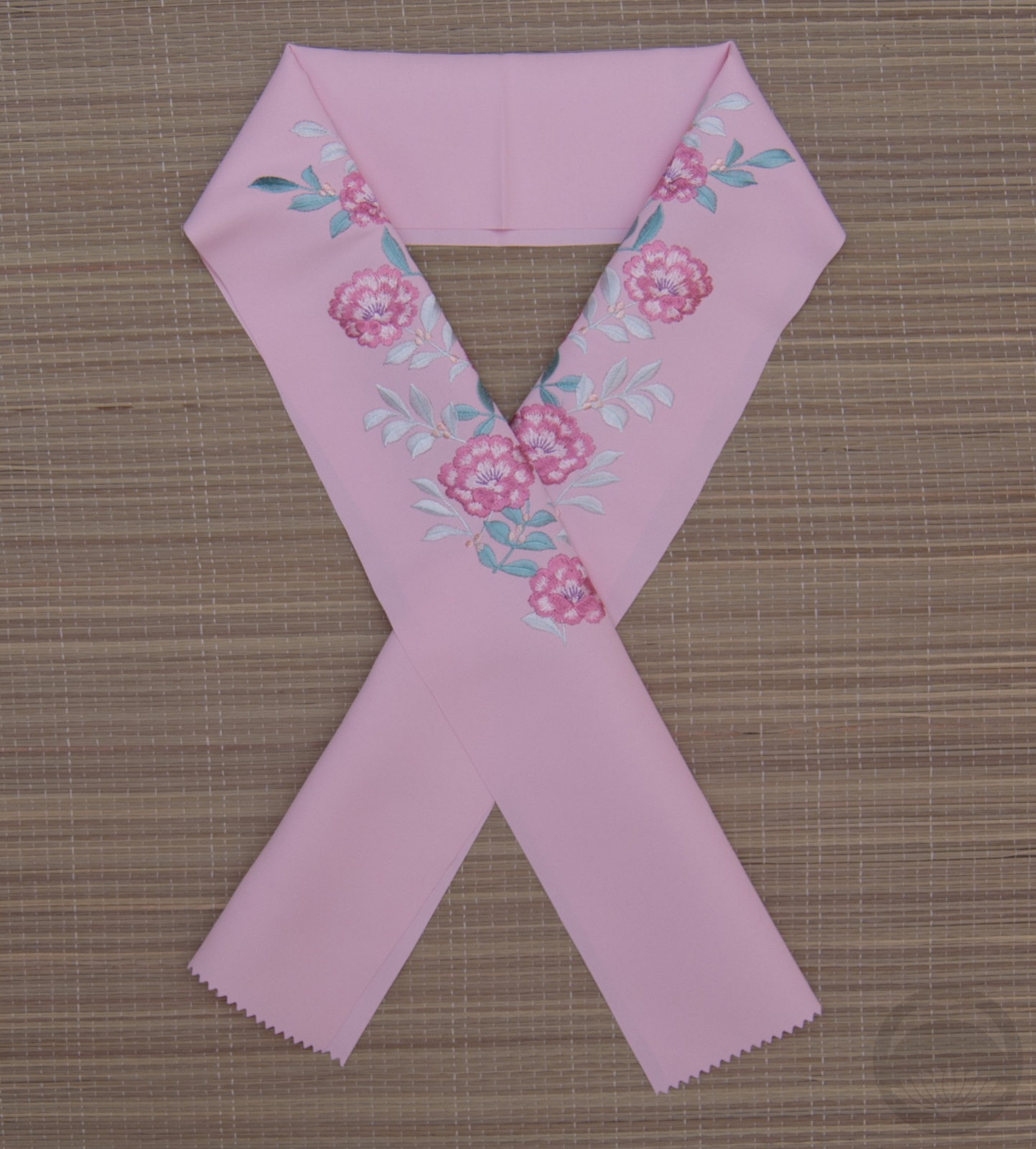
I used the pink bubble side of my adorable whale obi, along with a sweet multi-floral black komon kimono. The outfit felt a little too boring as-is, so I pulled out a bright pink haneri and lace shawl to complete the look while making sure nothing distracted from the adorable obi bow.

If you’d like to learn to tie patapata musubi yourself, here is the video I followed! I love Sunao’s videos, they’re very clear and the English subtitles are very well-written.

Items used in this coordination

N is for Ningyo

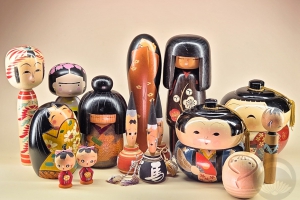
Ningyo (also ningyou), 人形, dolls

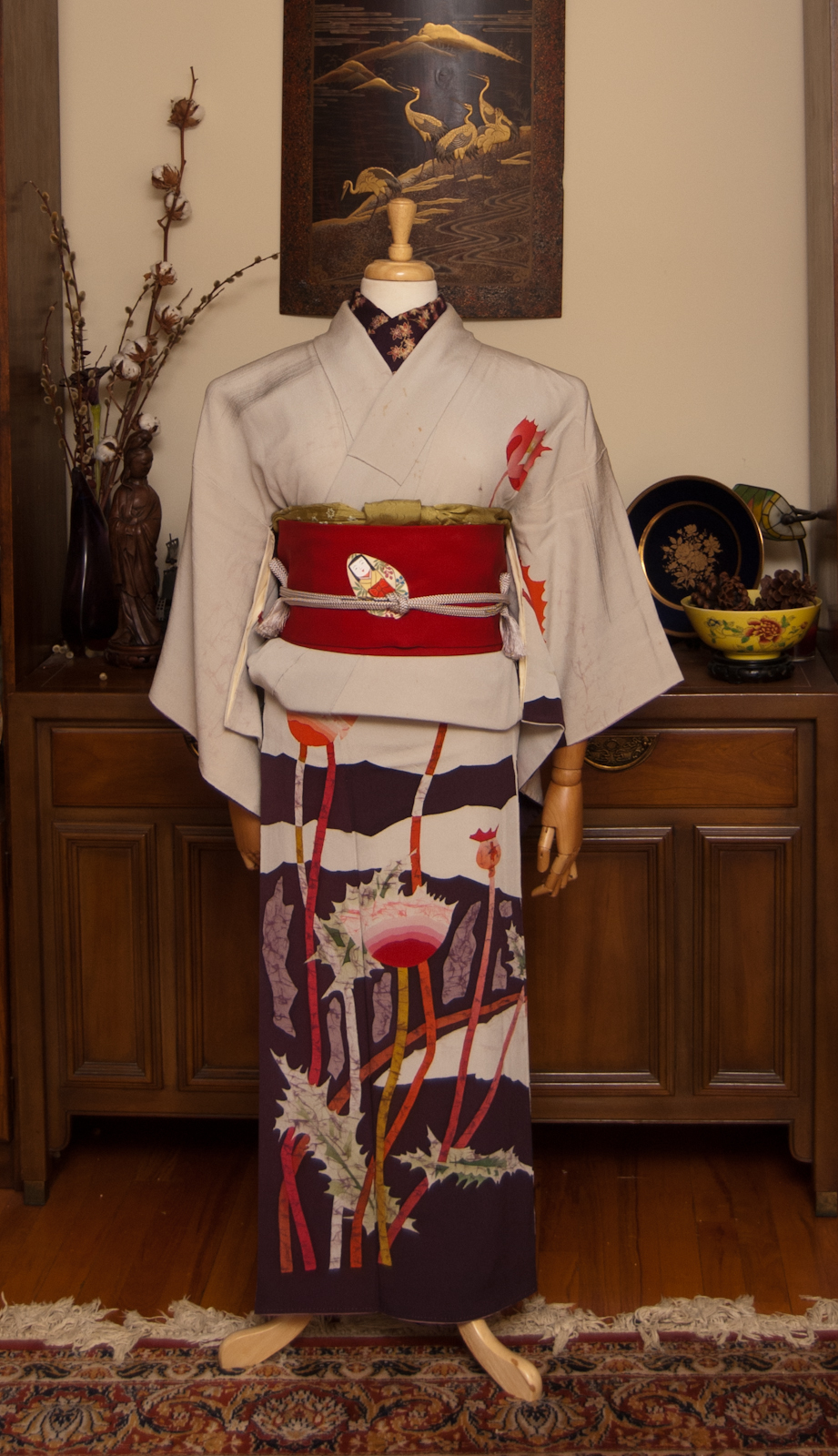
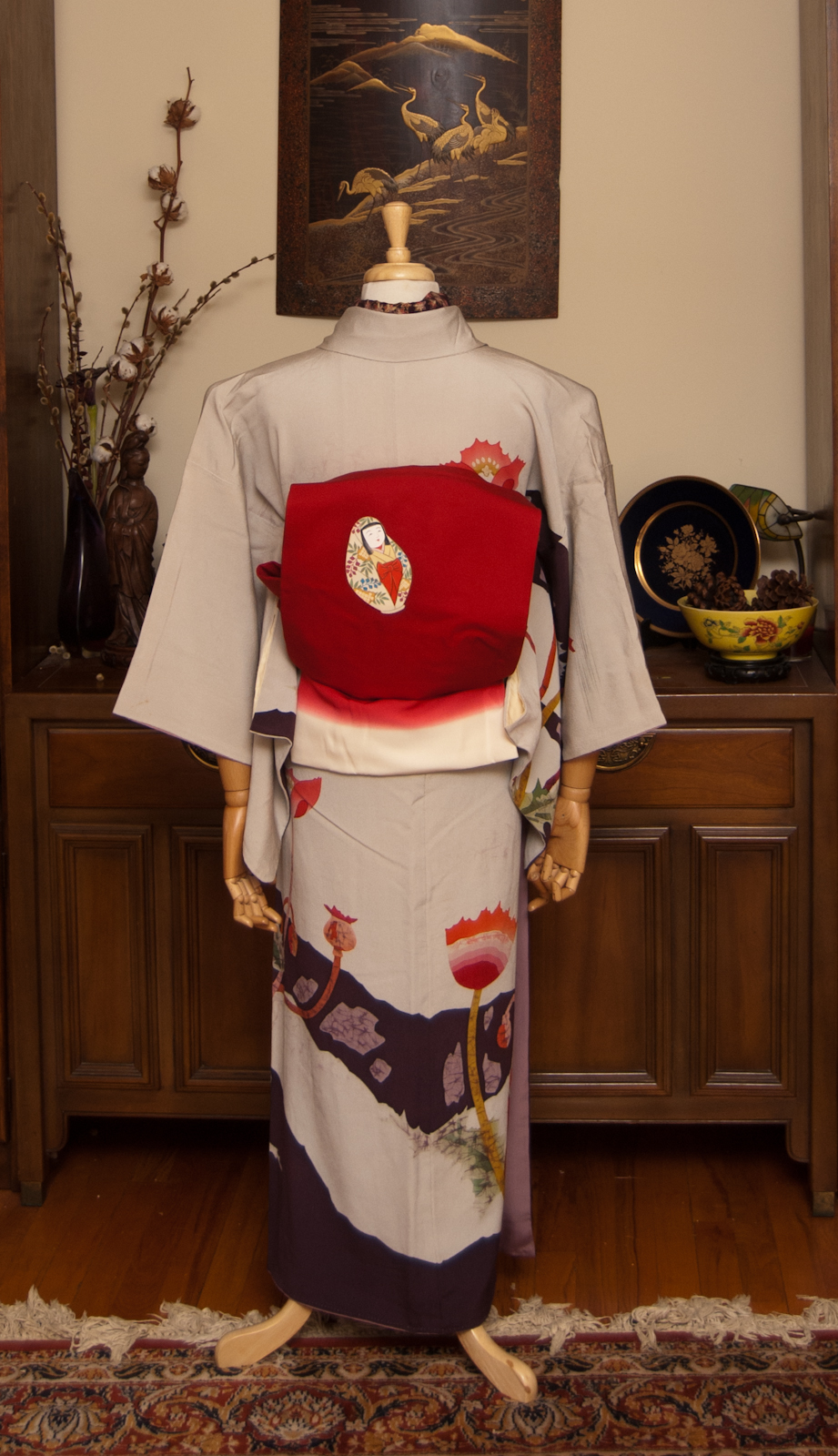
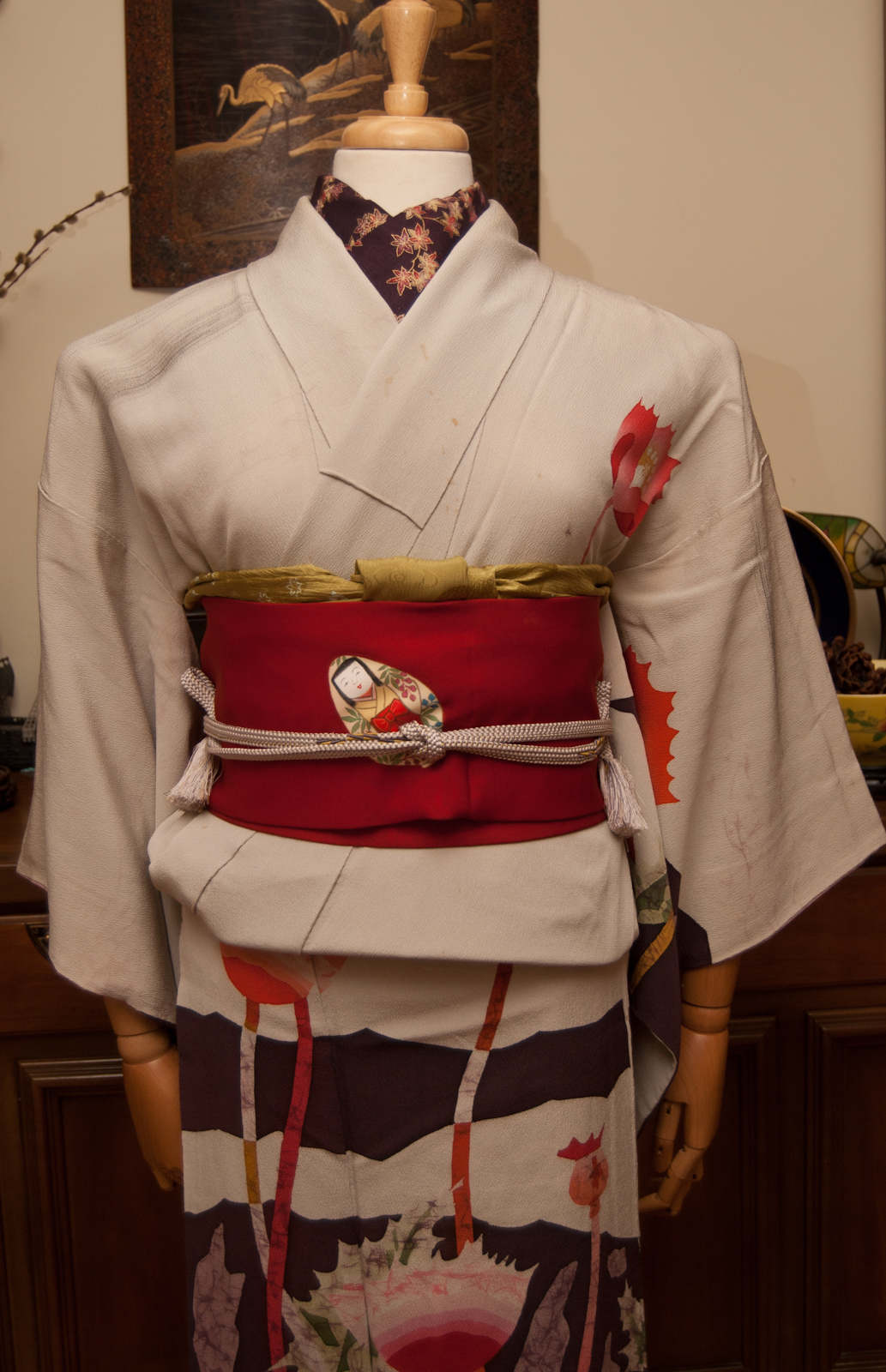
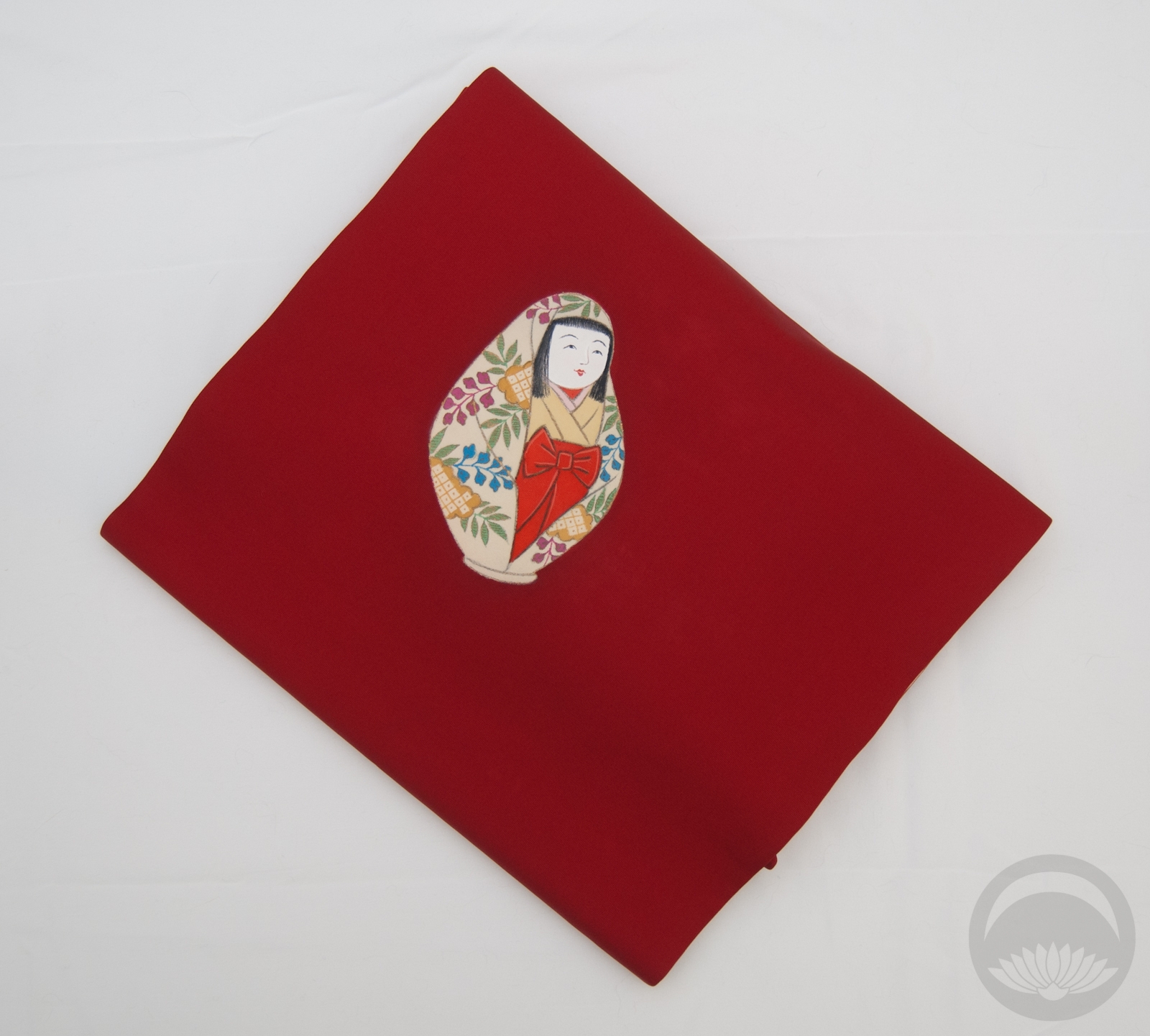
I had to feature this obi today, didn’t I? I love it so much! I wanted to pair it with a kimono that didn’t compete with it but also didn’t get lost in the background, and I think this was the perfect choice.

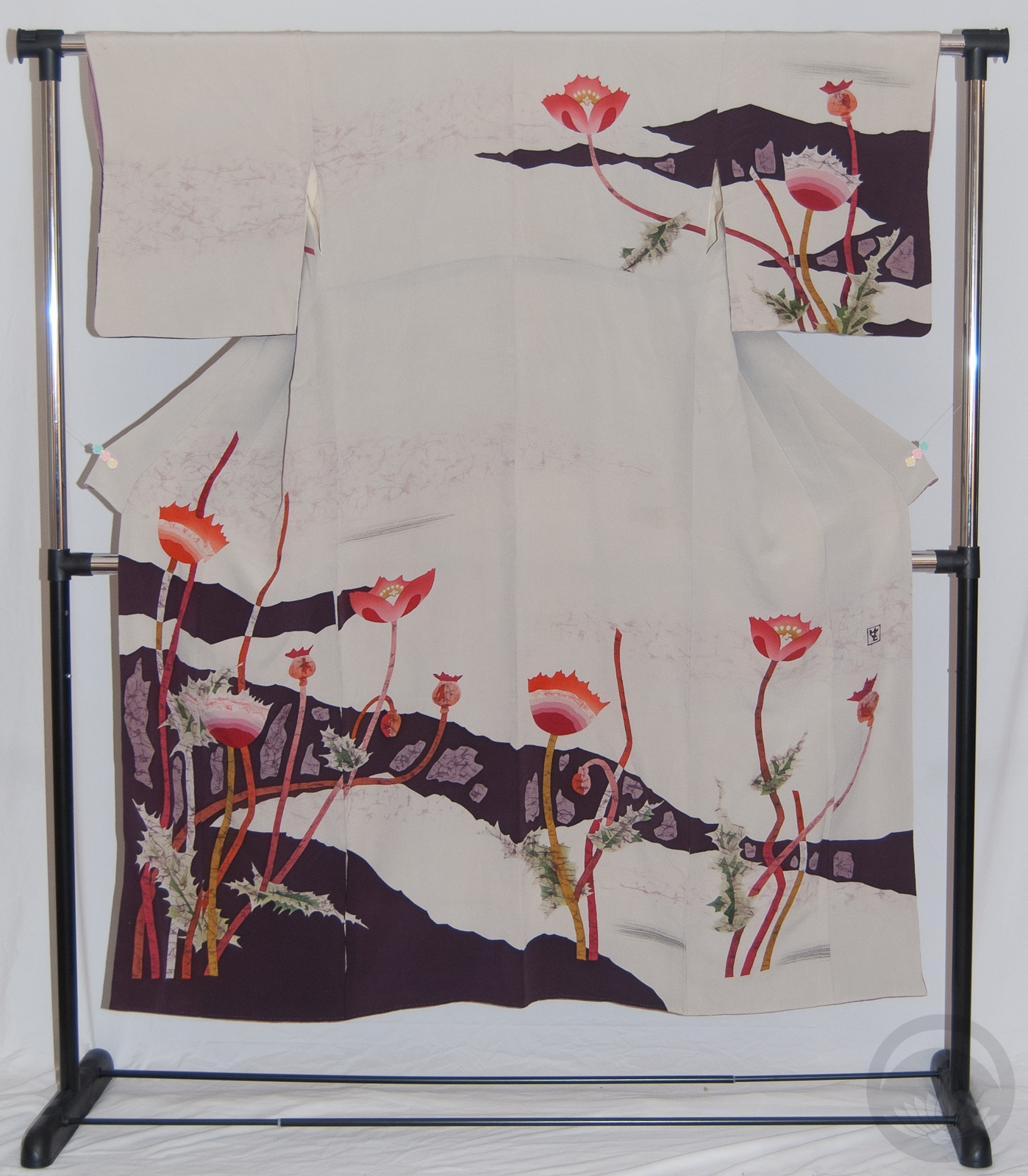
The red of the obi is repeated in the gorgeous red of the poppies on the kimono, and while it might not be super obvious, a lot of the colours in the doll herself are echoed in other parts of the outfit. The olive accent shows up in the haneri, the obiage, and the hem of the kimono. The lilac of the obijime isn’t an exact match for the grey background of the kimono but I feel like the soft, desaturated colours complement each other very well.

Items used in this coordination

L is for Layers

Layers, one thickness, course, or fold laid or lying over or under another

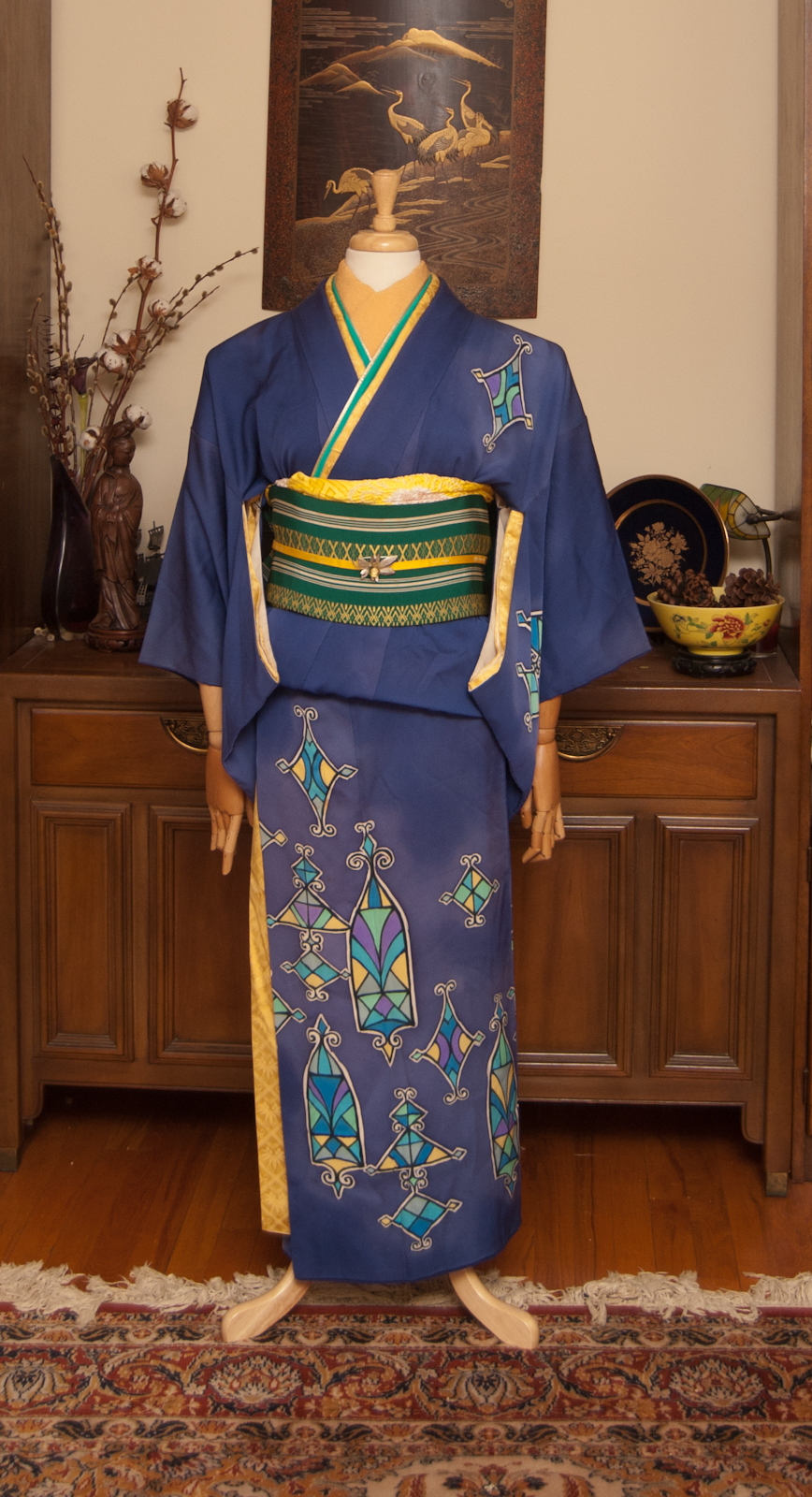
Today was a finicky one, since there is no L letter or phoneme in Japanese – loanwords from other languages such as English will typically use ru- or ra- syllables instead. So obviously I couldn’t use a traditional motif or technique for this entry. Instead, I decided to run with a relatively mundane English word. Layers. Lots of lovely layers!

The concept of layering one kimono over another is definitely nothing new. Think back to my entry about junihitoe from a few days ago! As recently as the Taisho era, it was common for formal kimono to come as a kasane set, including two or three layers of matching kimono in coordinating colours. Even after these were deemed too heavy and impractical, it was trendy to use a dounuki, which was somewhere between a kimono and a juban, to give the illusion of multiple layers.

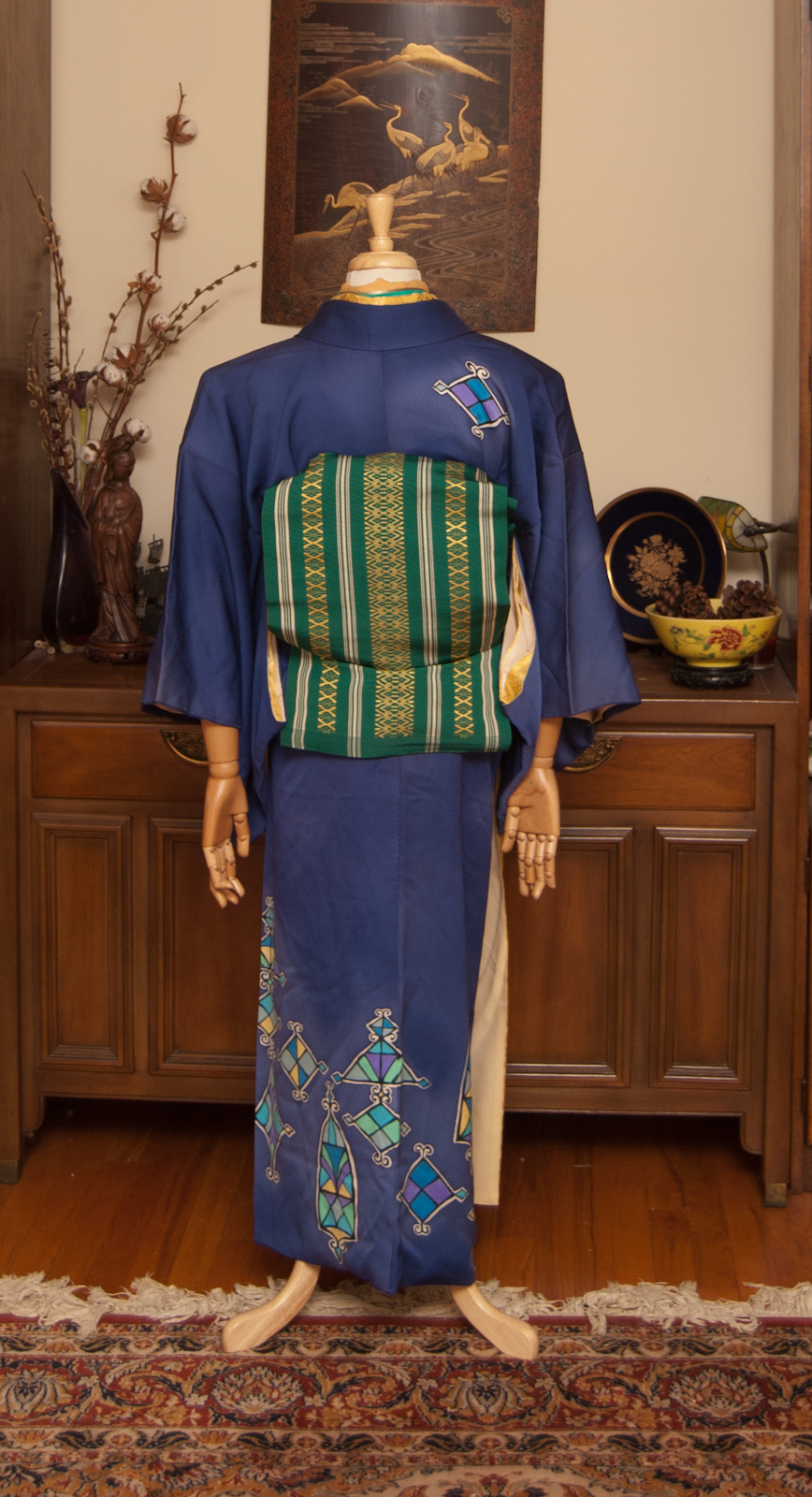
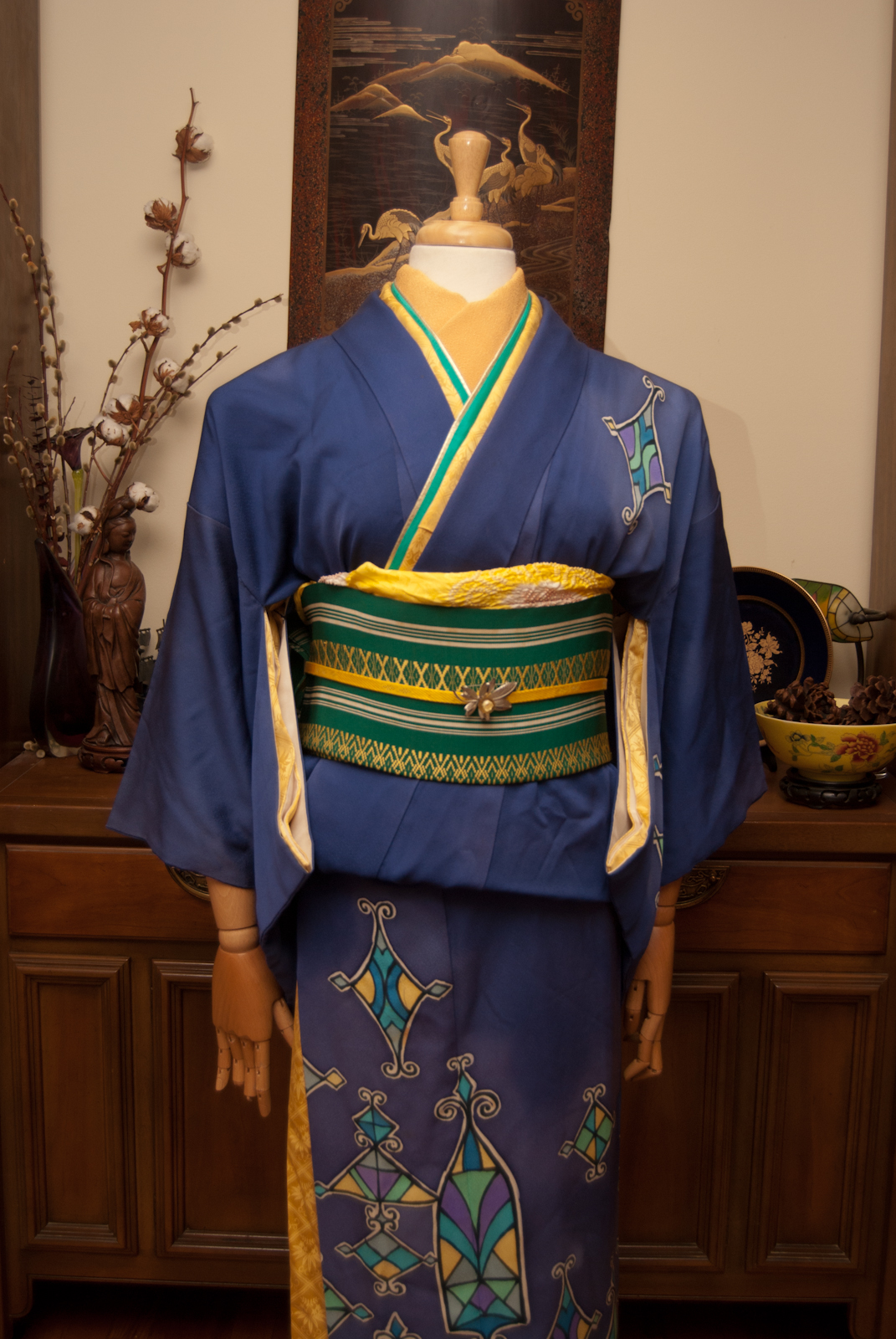
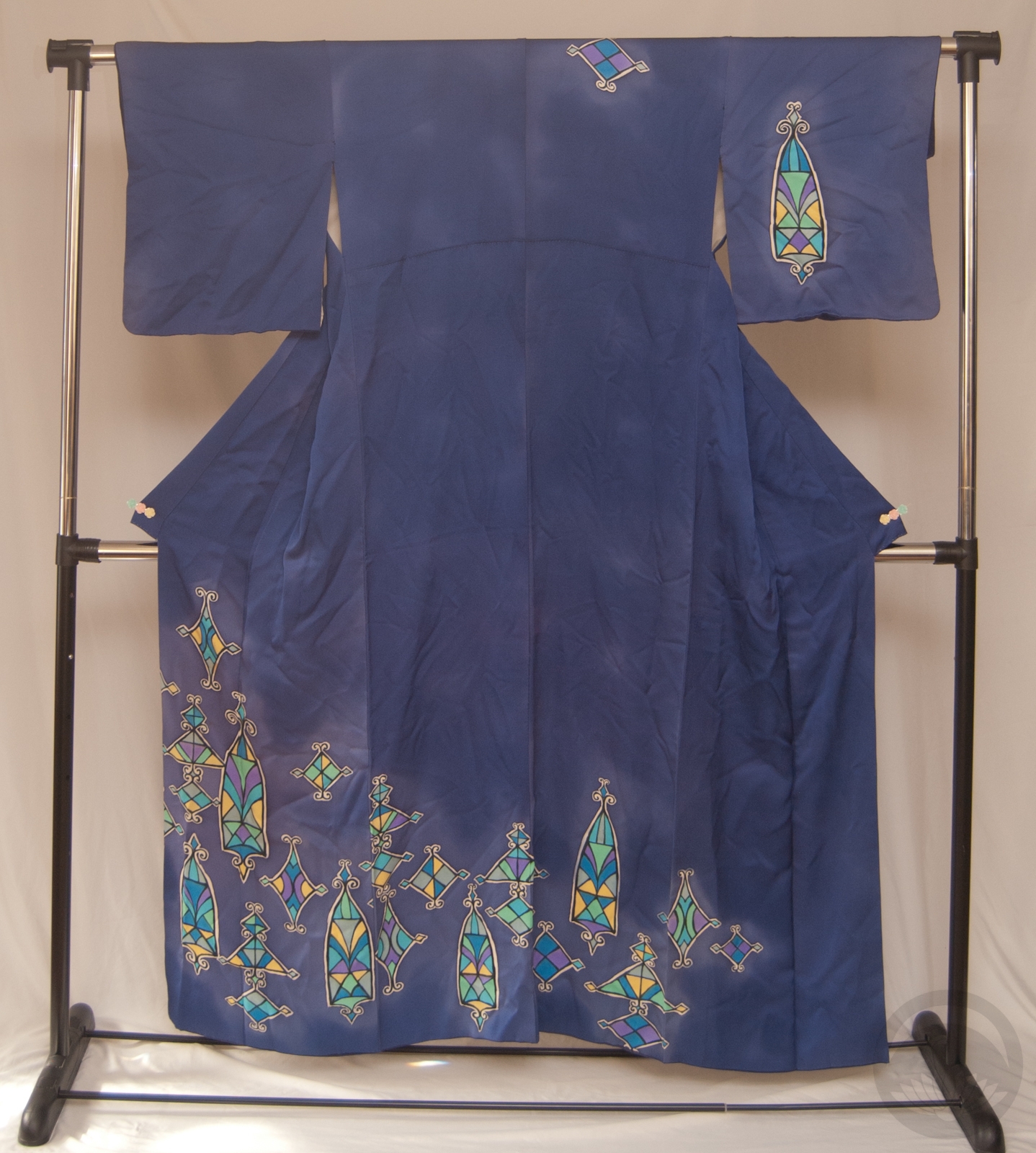
I bought this kimono way back in the early autumn, before the whole flood nonsense, but I’d just never had the occasion to do anything with it until now. But I knew it would be gorgeous with a peek of bright golden yellow peeking out at the collar, sleeves, and hem, so out it came.

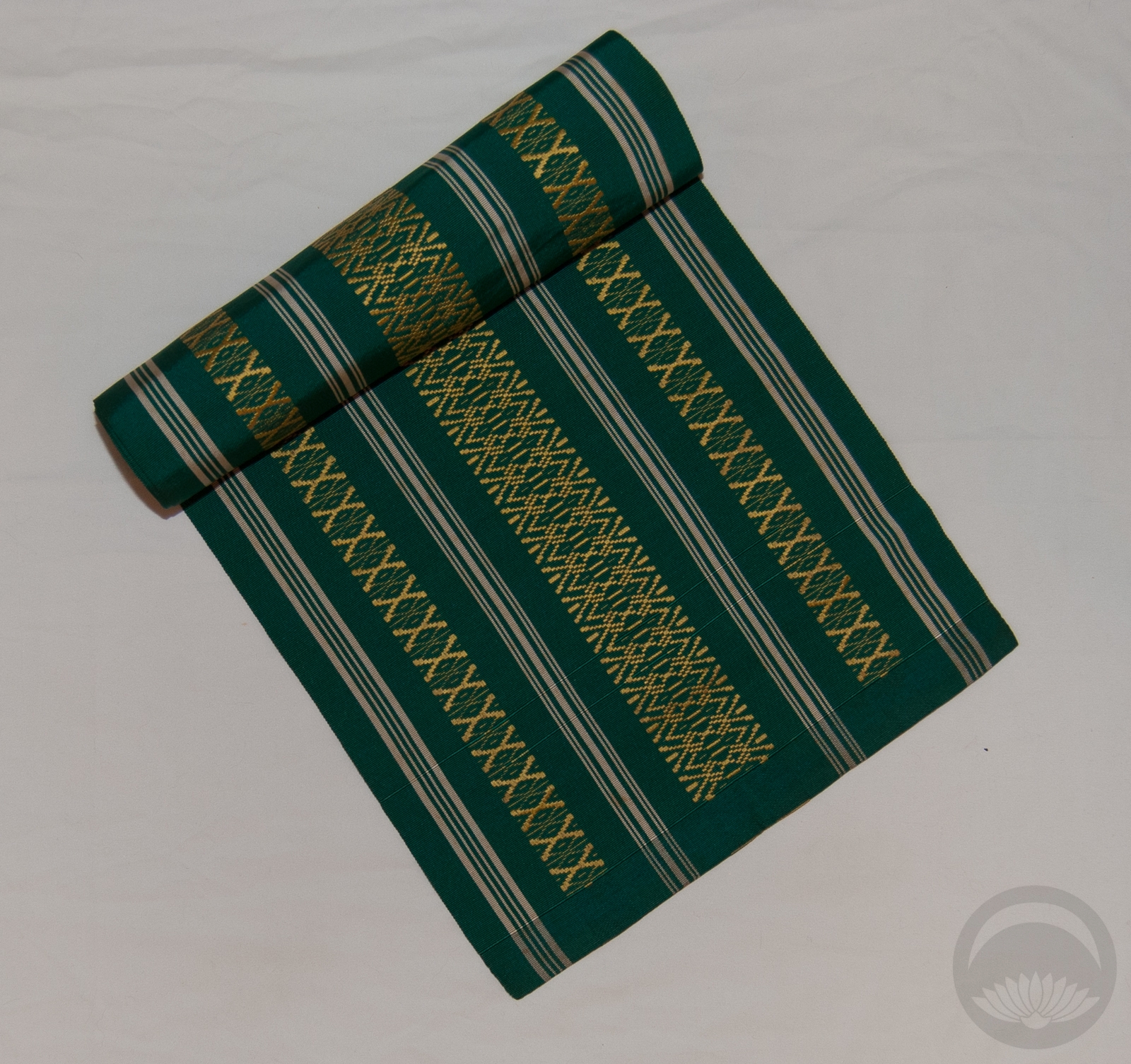
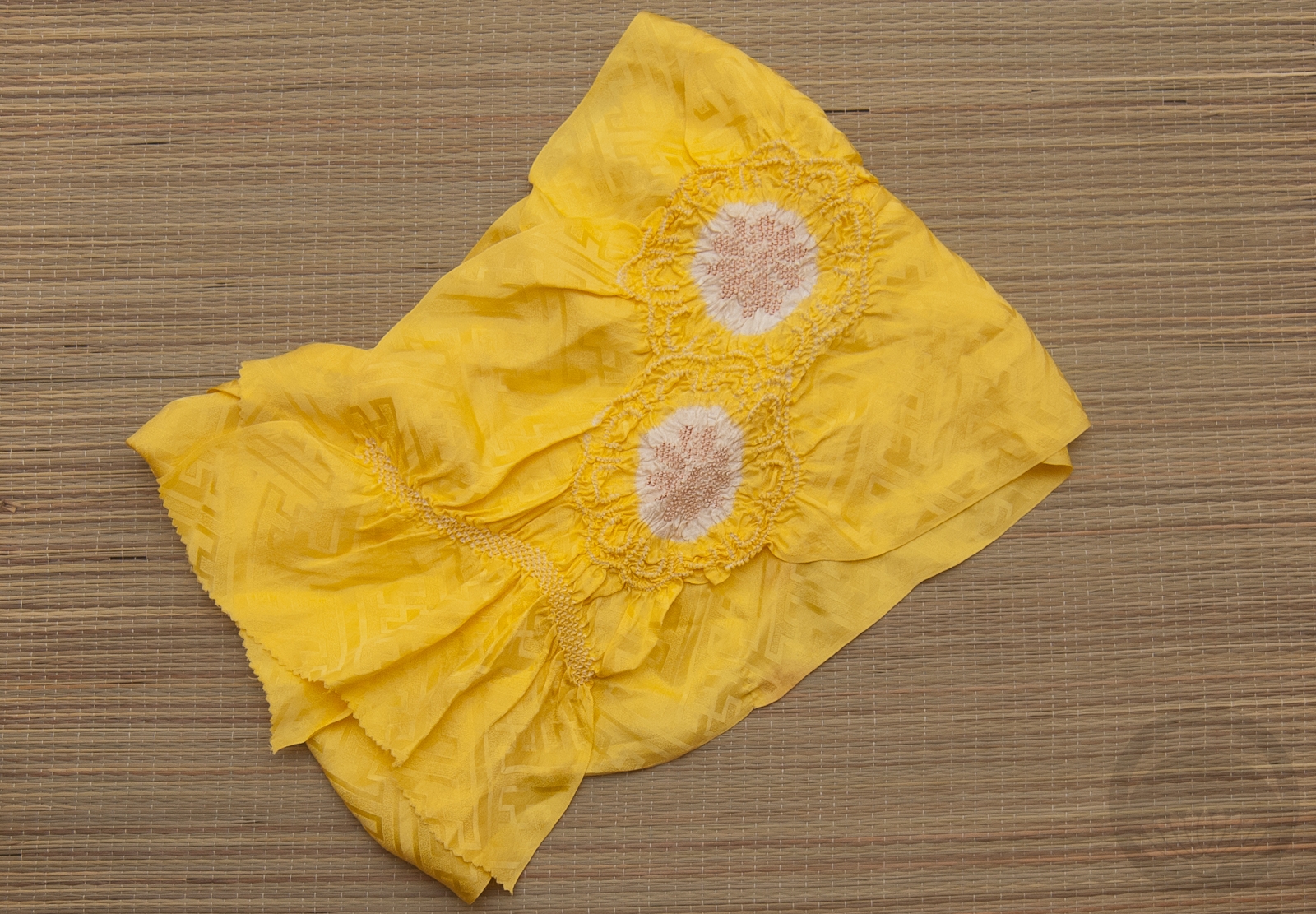
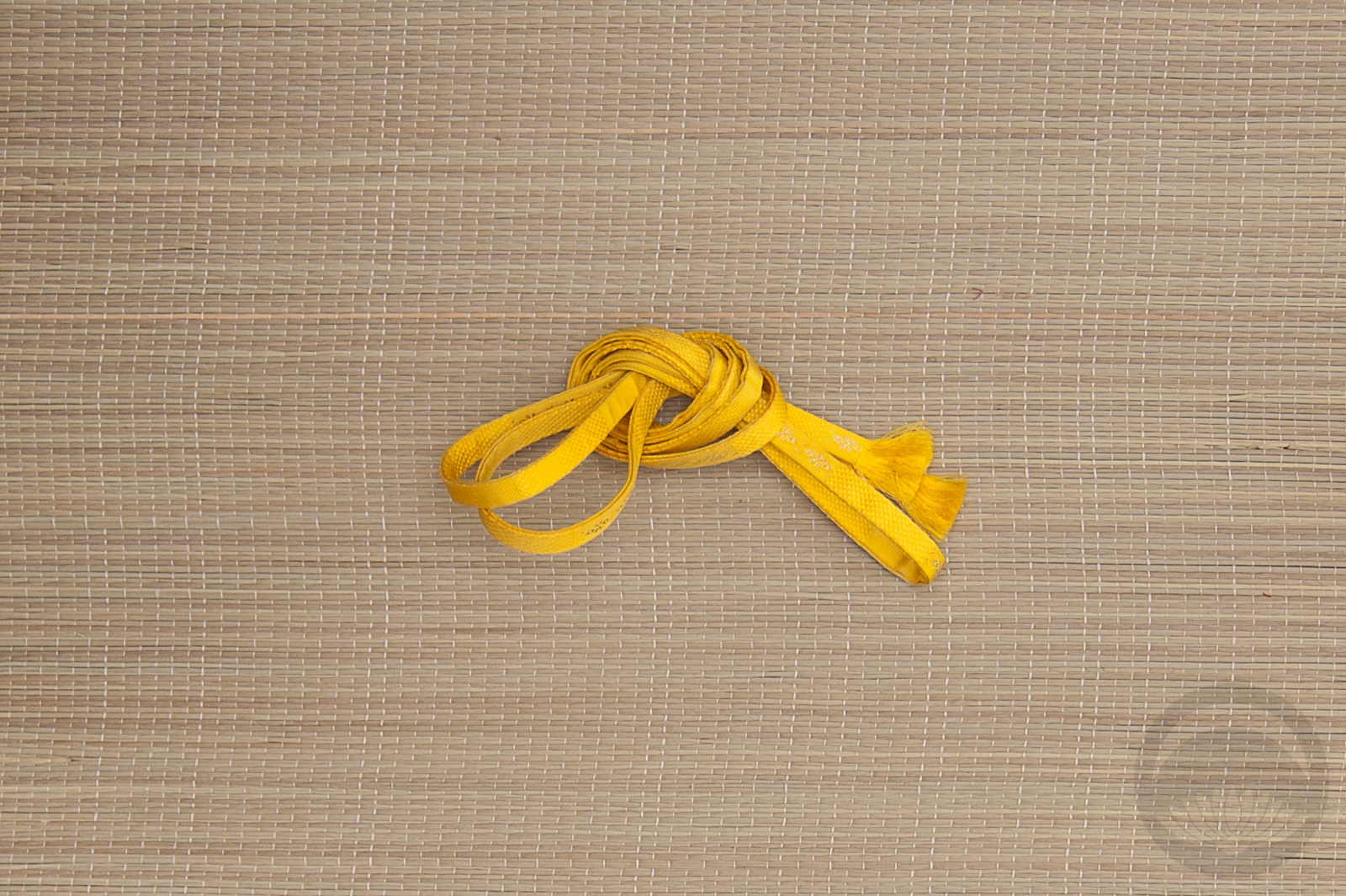
My vivid yellow rose houmongi made the perfect layer underneath, along with a green and gold date-eri to give the impression of even more layers! I used my beloved green and gold hakata obi to pull out more of the green and gold, and draw more attention to the gorgeous stained-glass designs on the kimono. Of course, my beloved lemon-yellow accessories worked perfectly here. But honestly, when don’t they work?

I love this whole coordination more than I can express. I knew in my mind it would work well, but seeing it in person it’s even better than I imagined. It’s always a great day when that happens!

Items used in this coordination