Kits-Mas Day 3 – Pretty Package

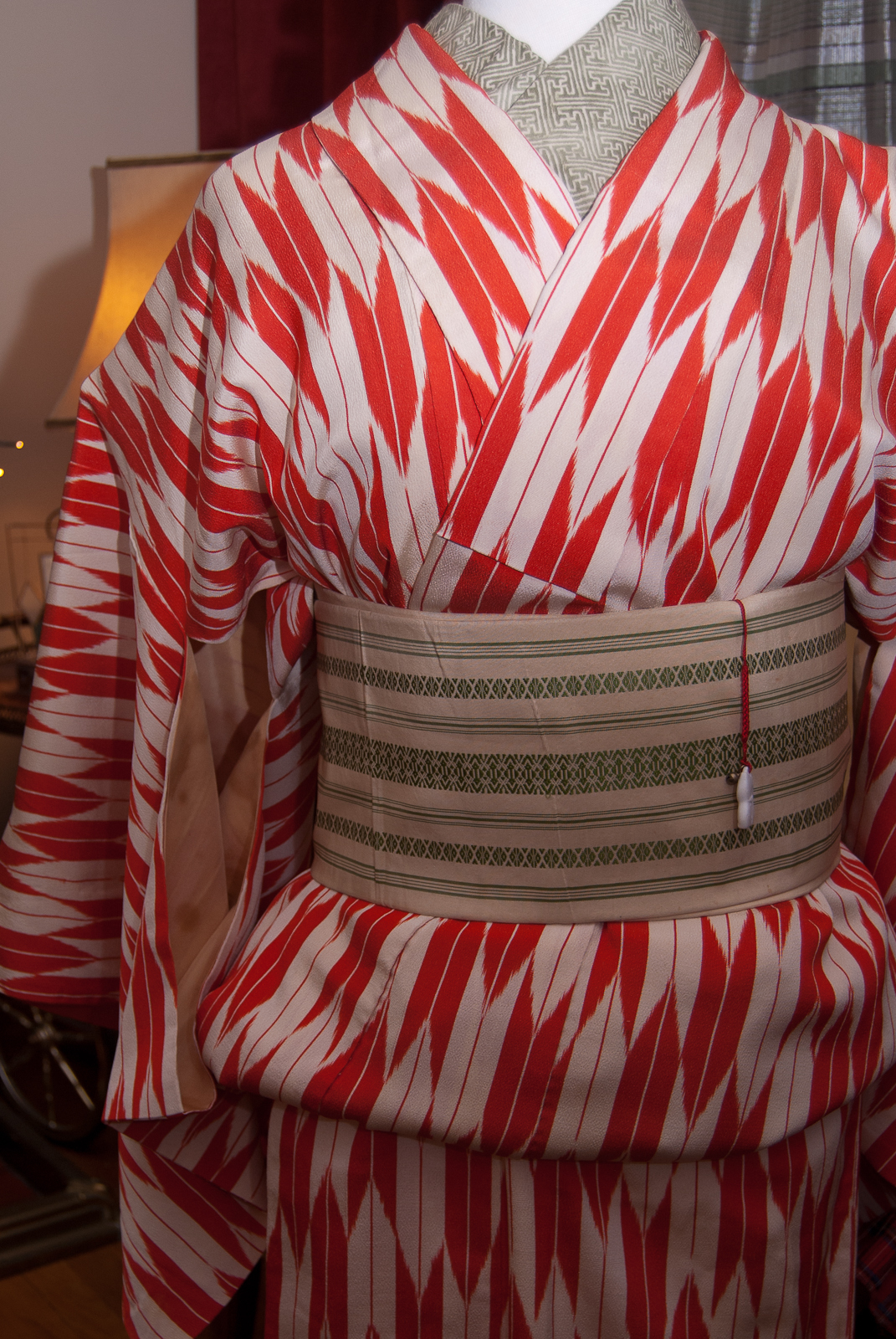
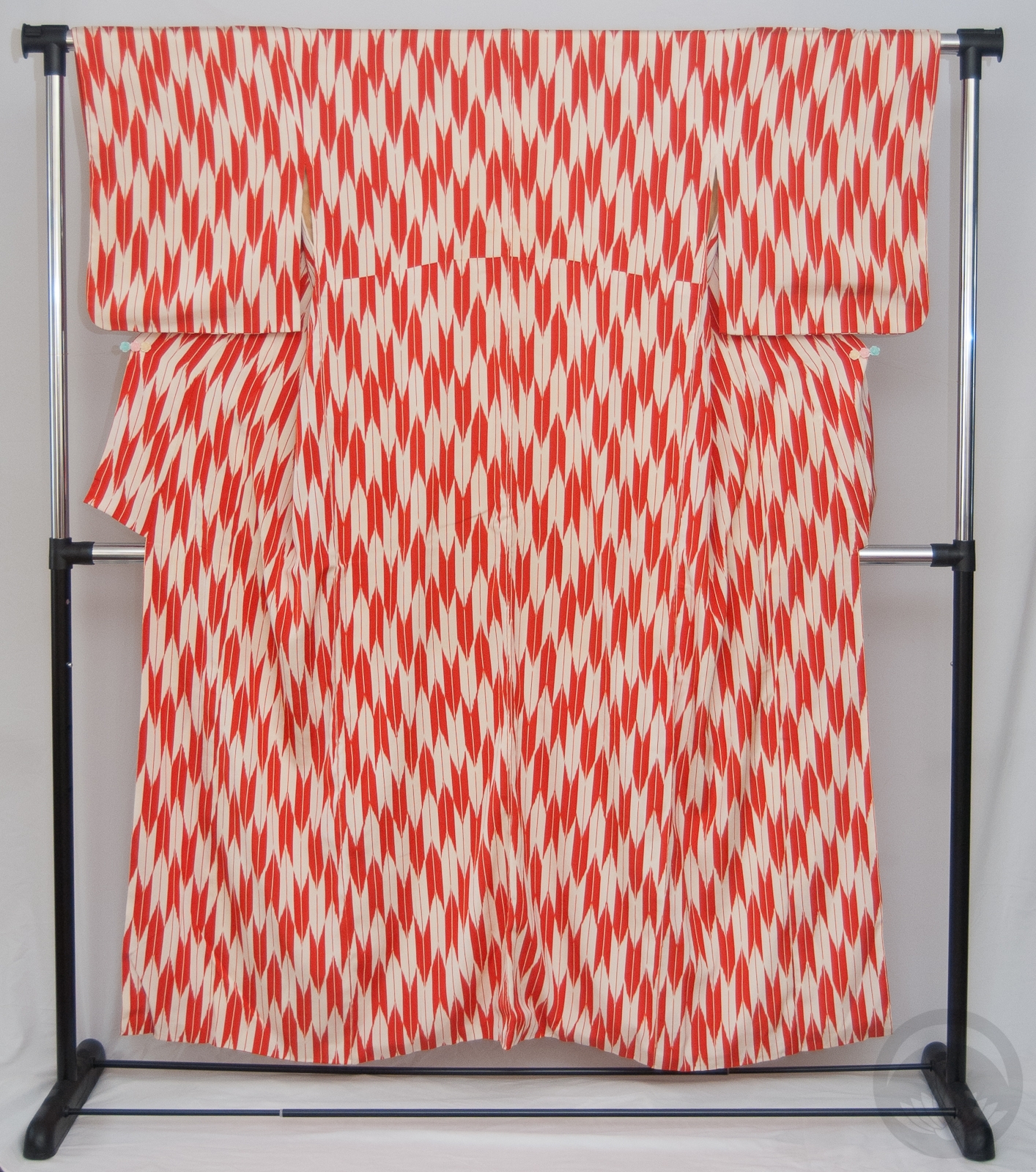
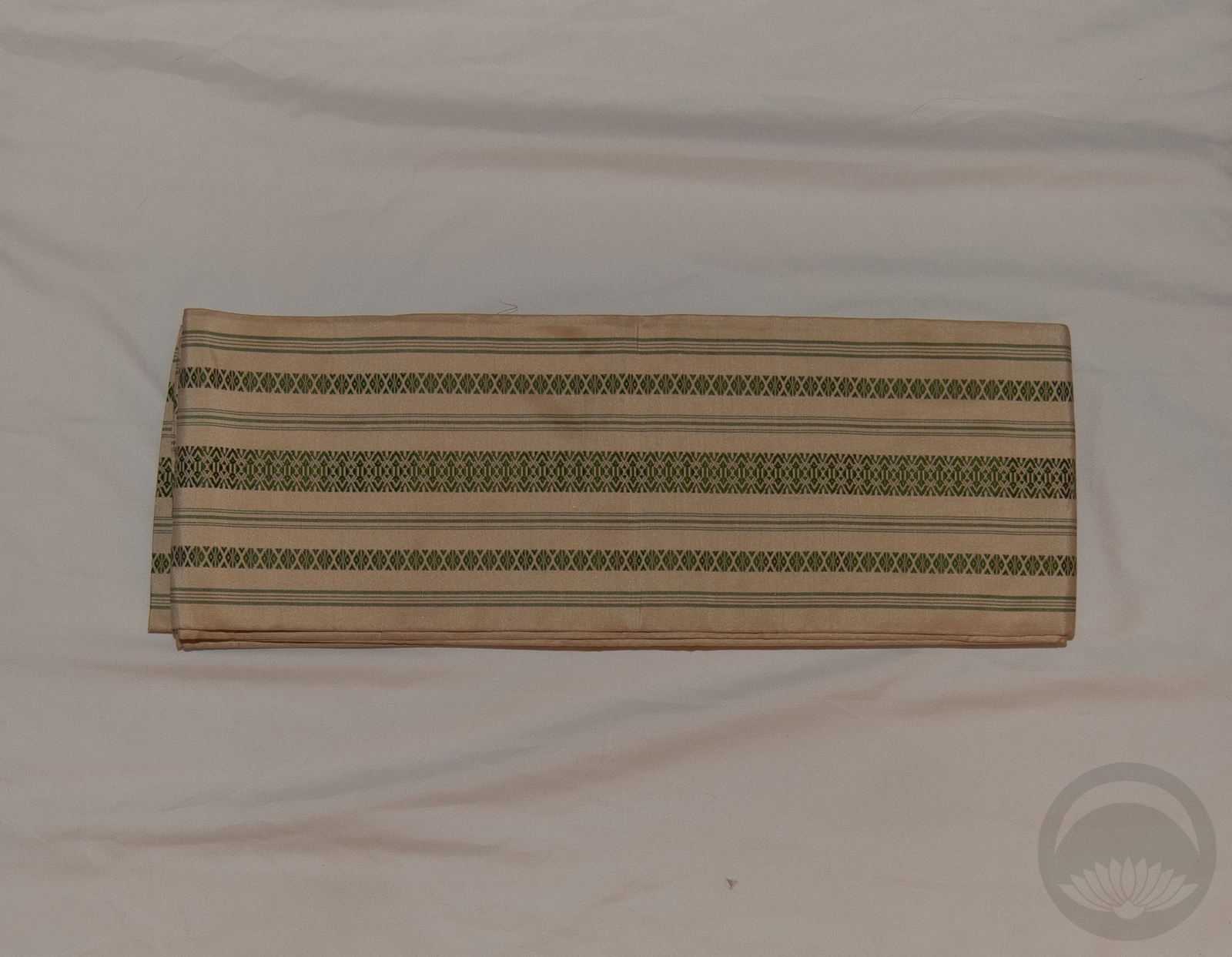
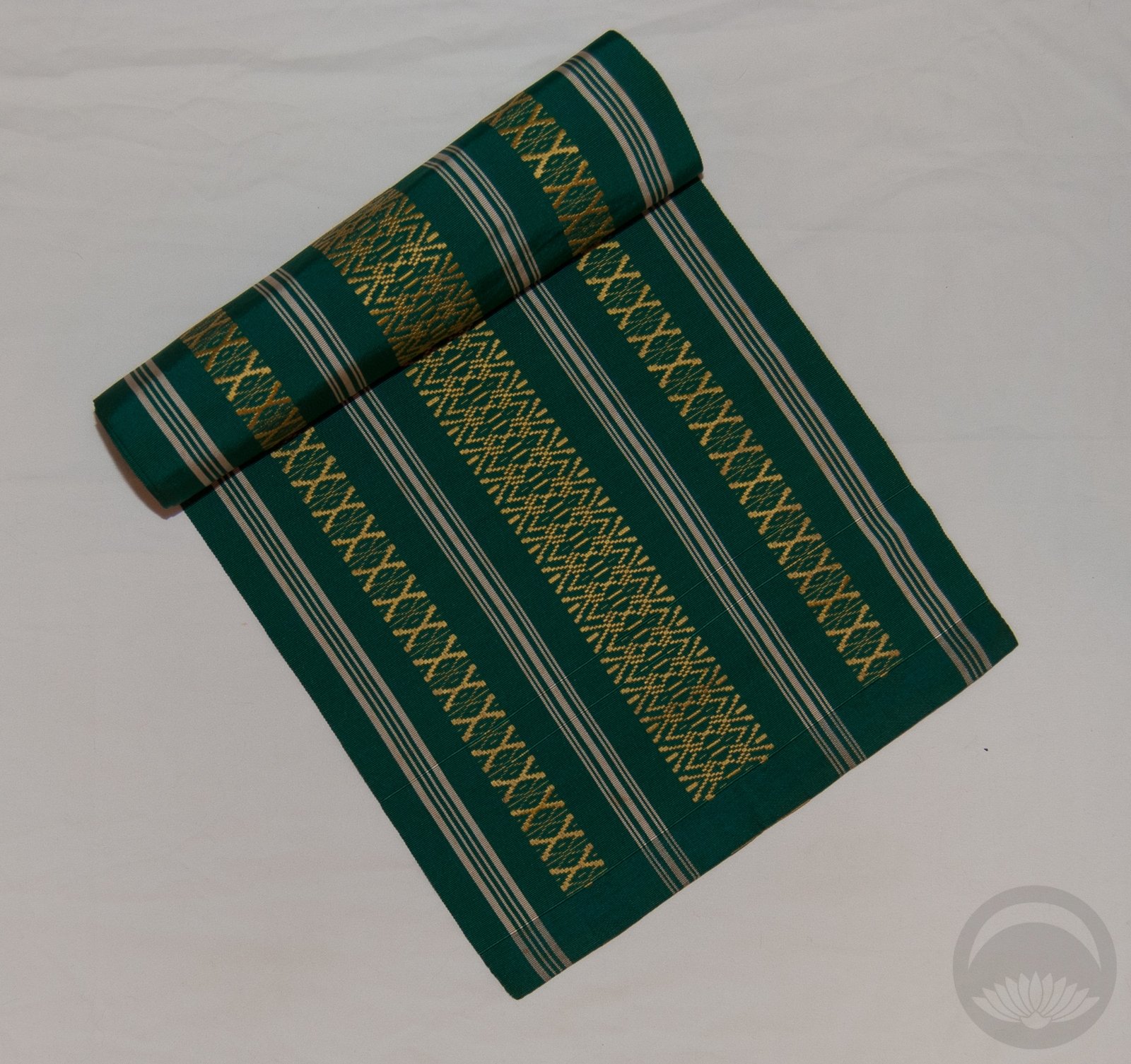
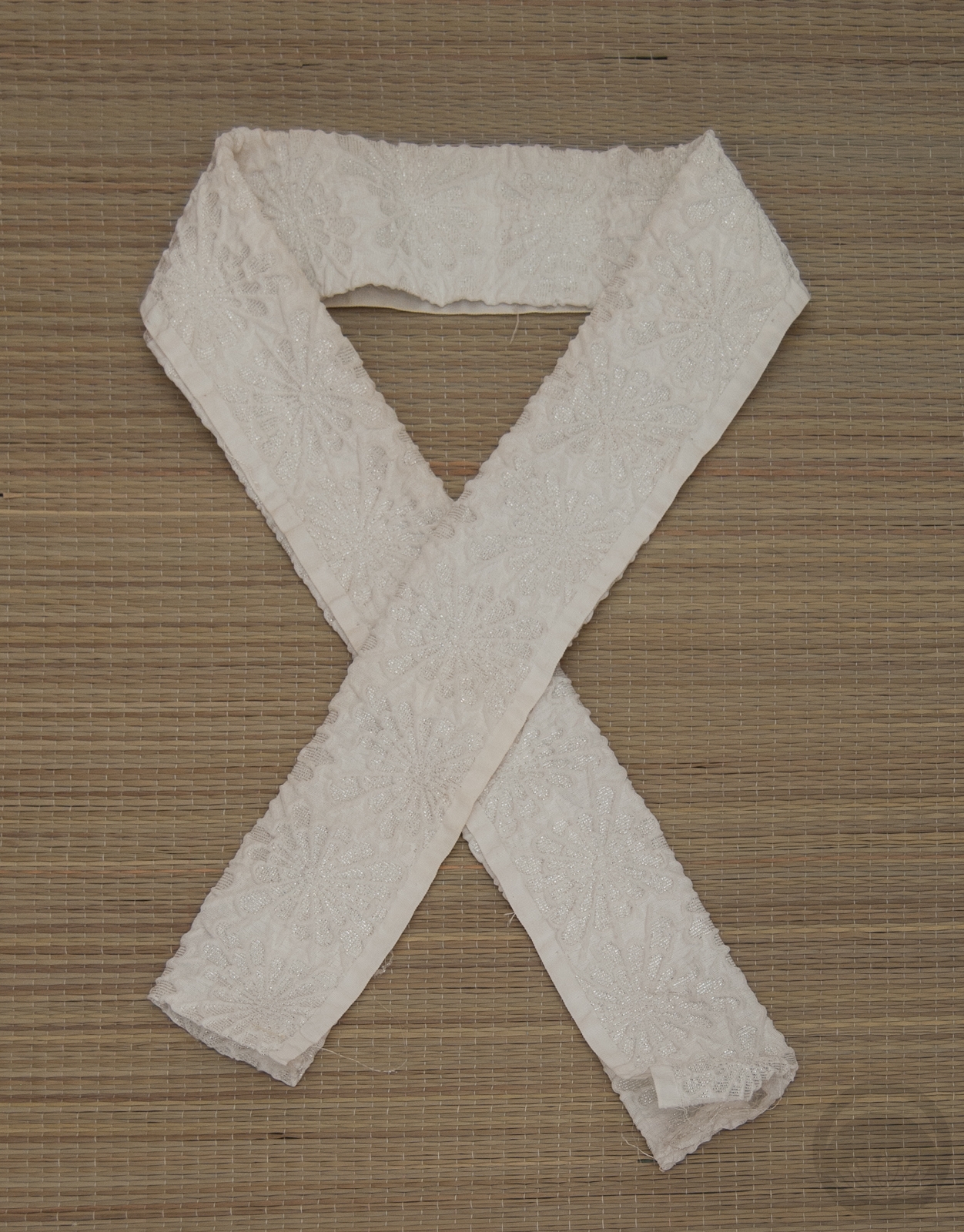
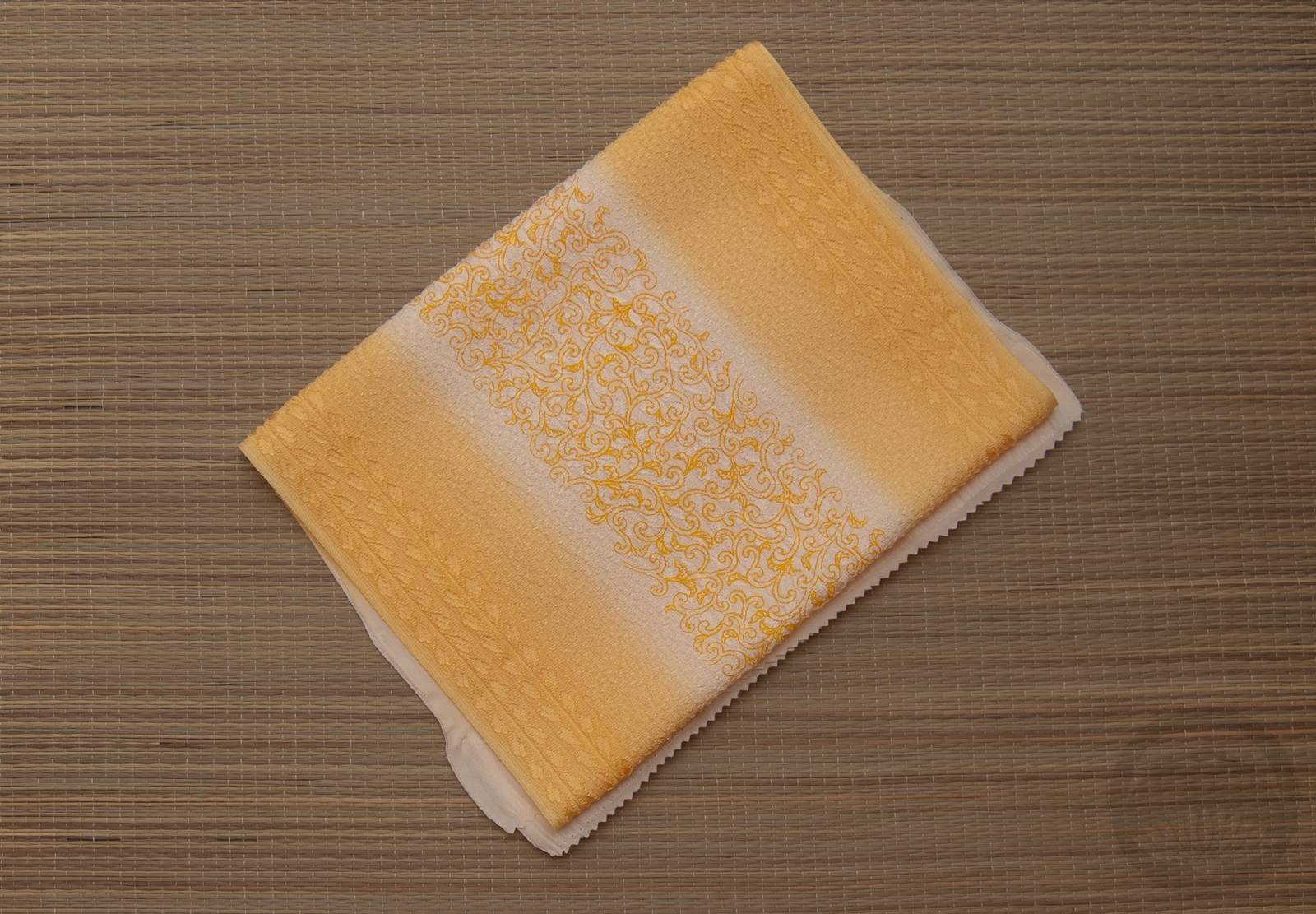
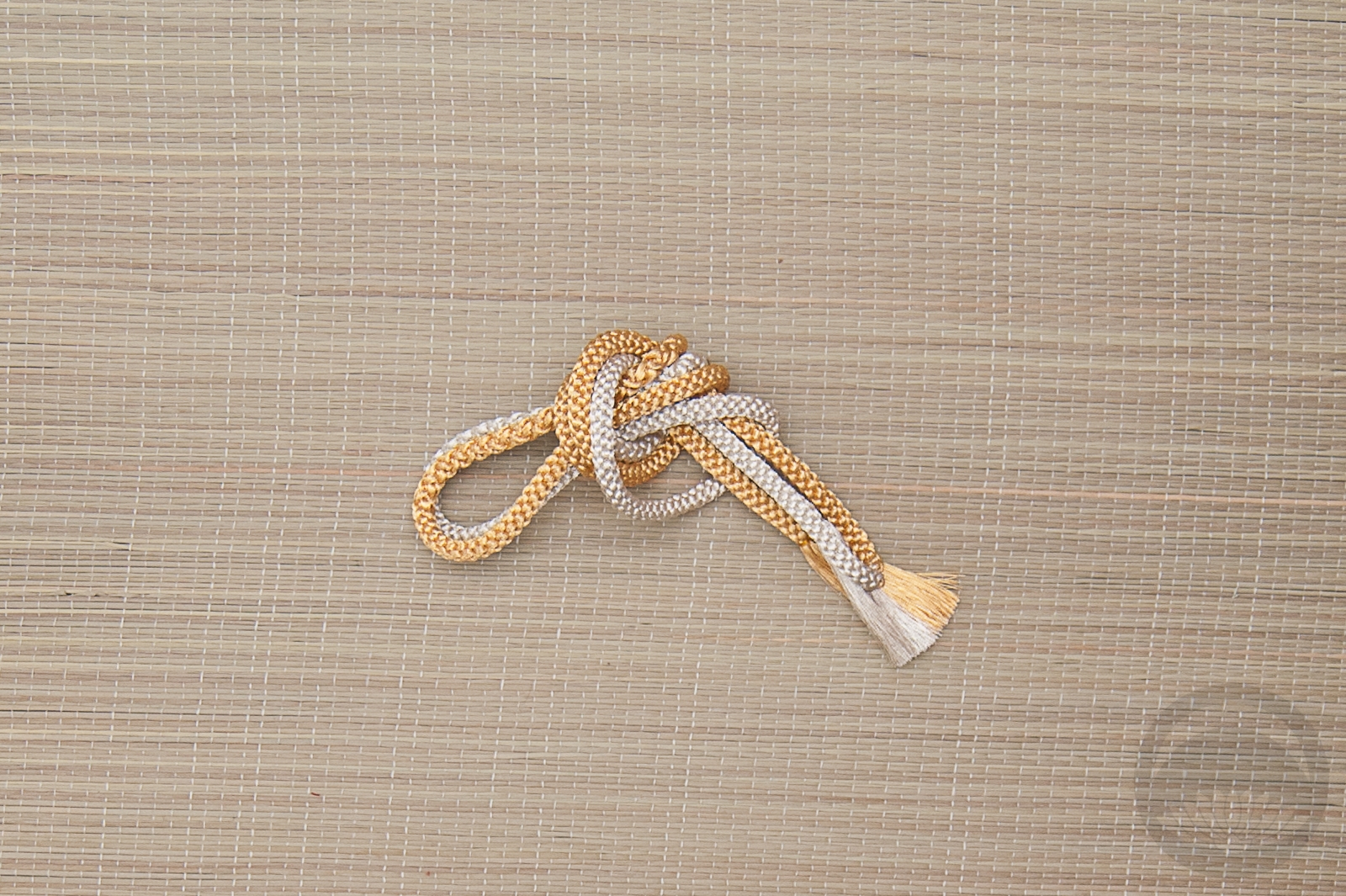
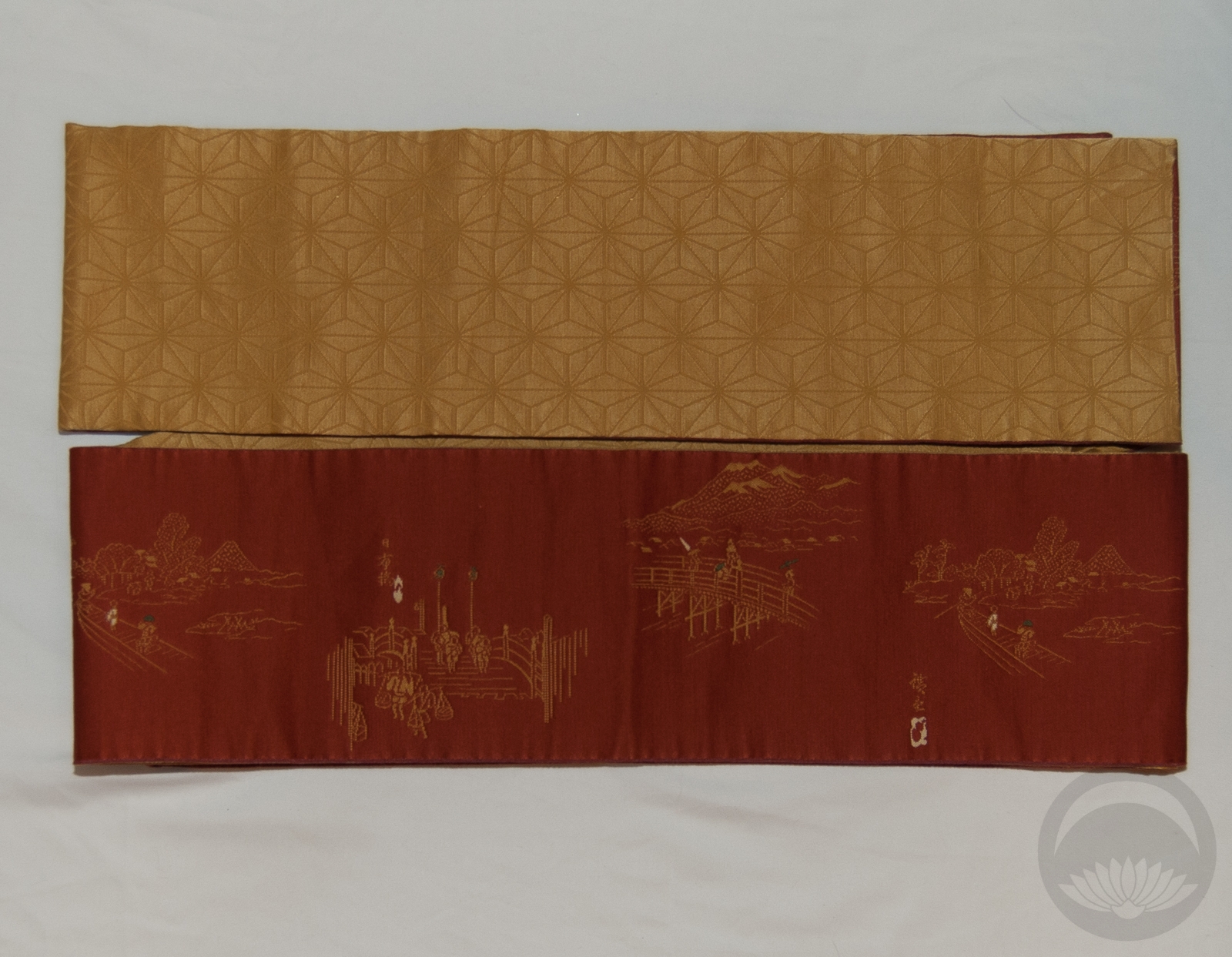
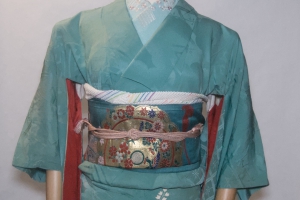
First I did something thematic colour-wise, then I did something thematic subject-wise, so today I thought I’d do a little bit of both. I love the graphic visual punch of both yabane and hakata motifs, and thought they’d make pretty fantastic wrapping paper. So here’s my attempt at a giftwrap-inspired outfit!

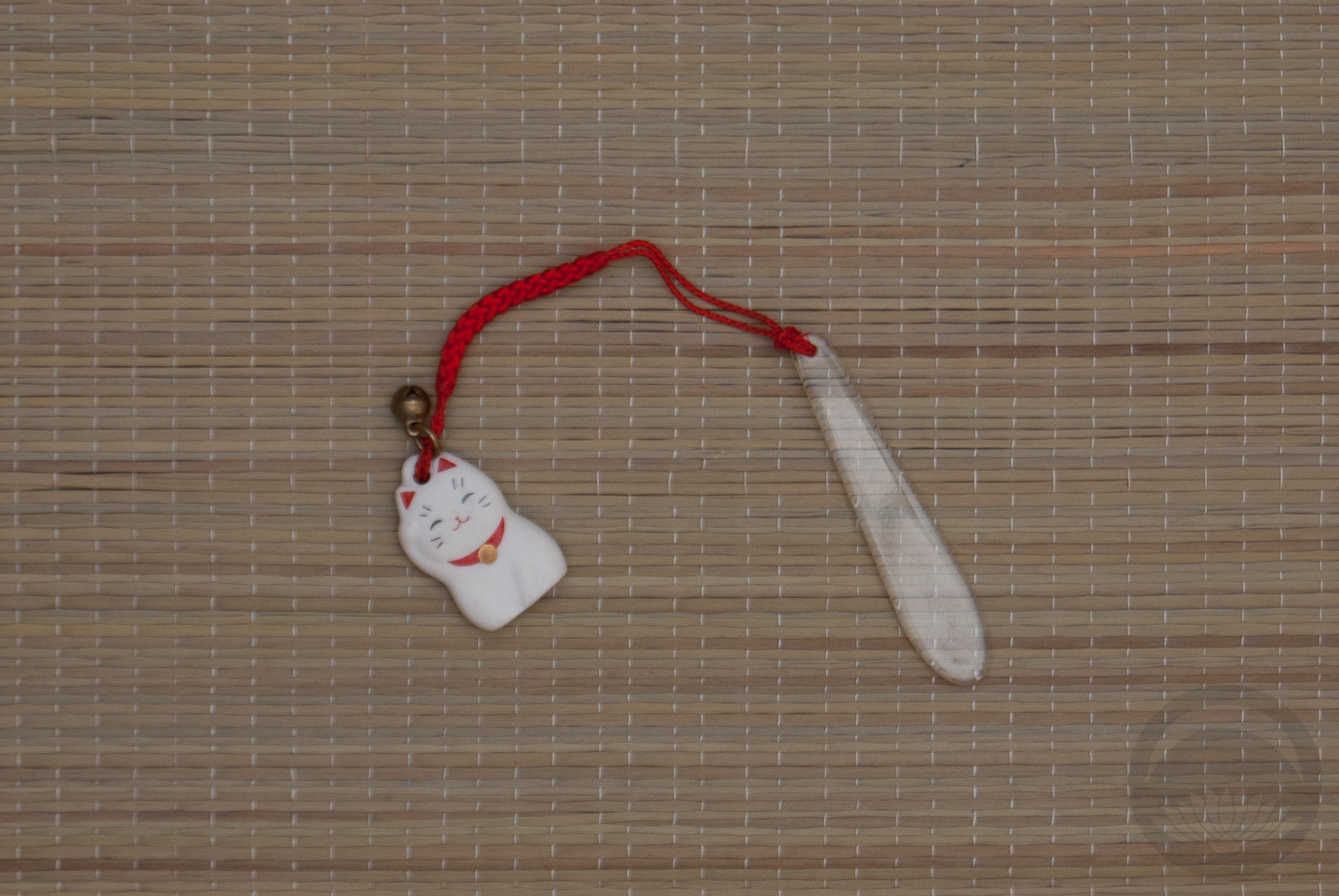
I honestly don’t have a ton to say about this outfit. I kept the accessories very simple and tied a very fluffy bow-style knot for the obi. My cute little maneki neko netsuke added a final little accent of red and a bell for that perfect finishing touch. Jingle all the way!
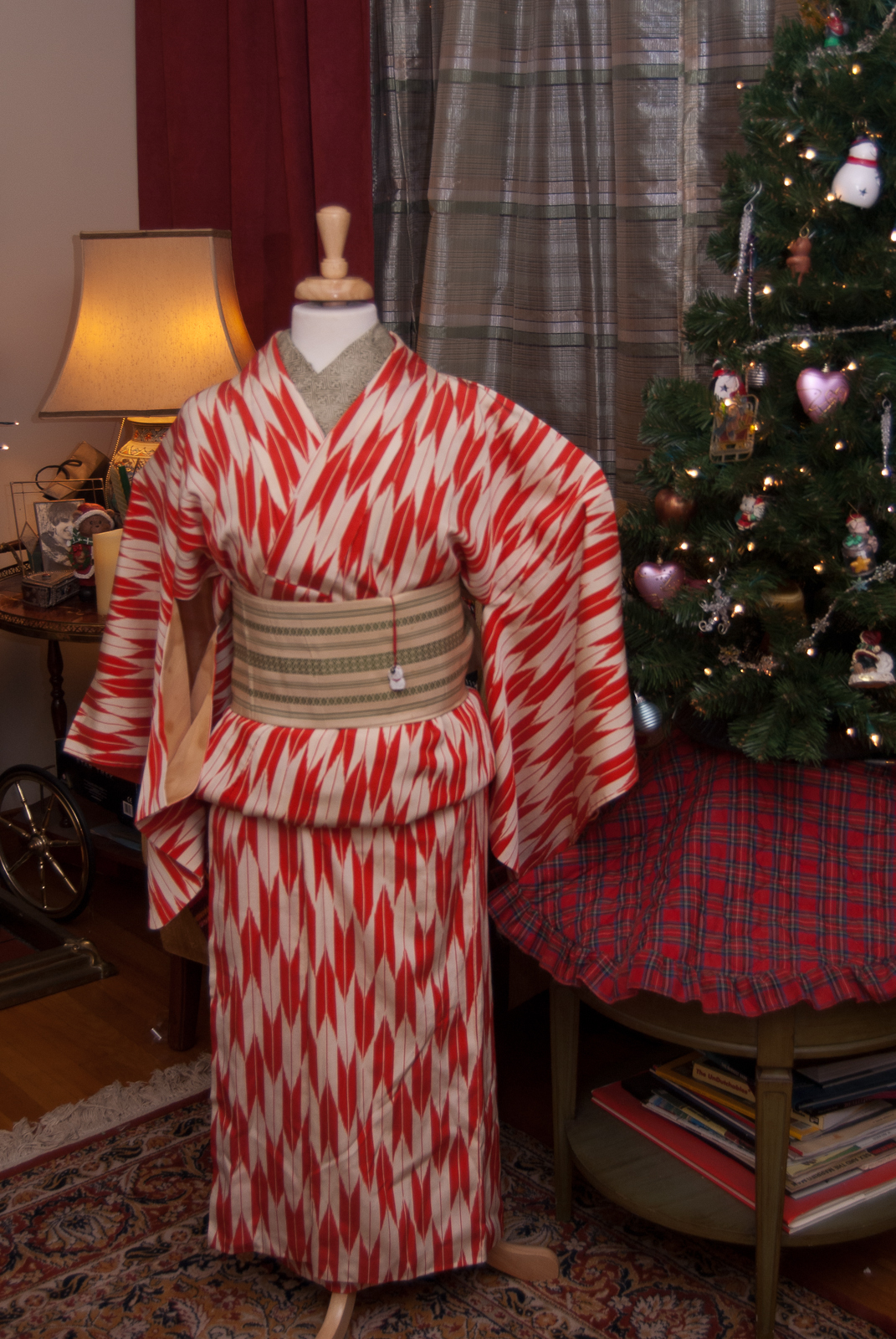
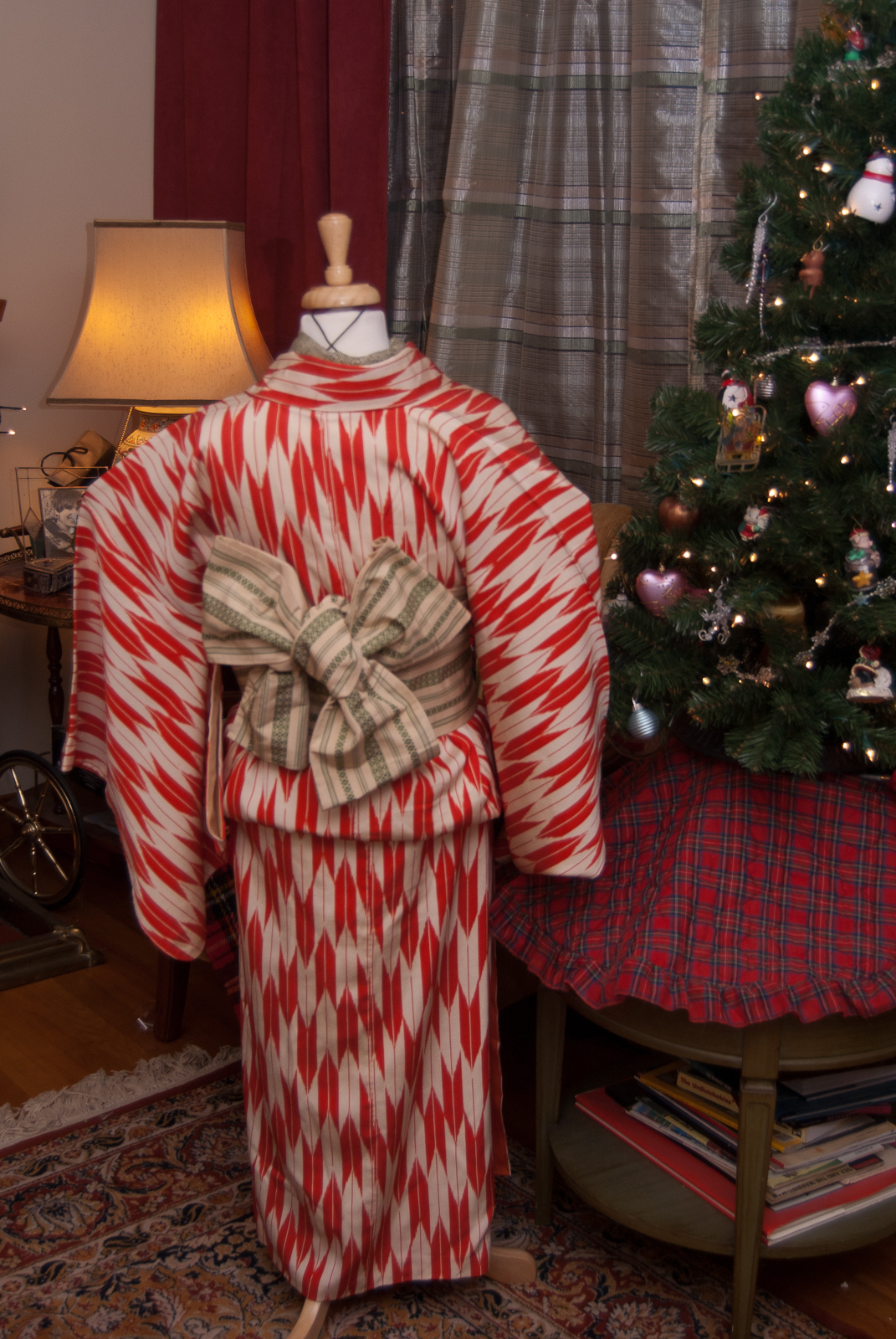
There’s really not much more to say about today’s coordination. I think the simplicity of this outfit is what makes it so effective. Tomorrow’s will be more fun and vibrant though, so be sure to check back!

Items used in this coordination

The Twelve Days of Kits-Mas

Merry Christmas to any and all celebrating today! You might remember me mentioning recently that I had a silly ambitious project in the works, Well, here it is!

Today is the first day of Christmastide, or what is often referred to as the Twelve Days of Christmas. A lot of folks seem to think it’s the twelve days leading up to Christmas, but that’s because over time it’s become sort of merged with Advent. In reality, Christmastide runs from December twenty-fifth to Epiphany on January sixth. My plan is to do one themed outfit per day, mostly revolving around the traditional colours of red, green, and gold, but with some variations. Kits-mas is a combination of the words kitsuke and Christmas, because I’m a sucker for a terrible portmanteau.

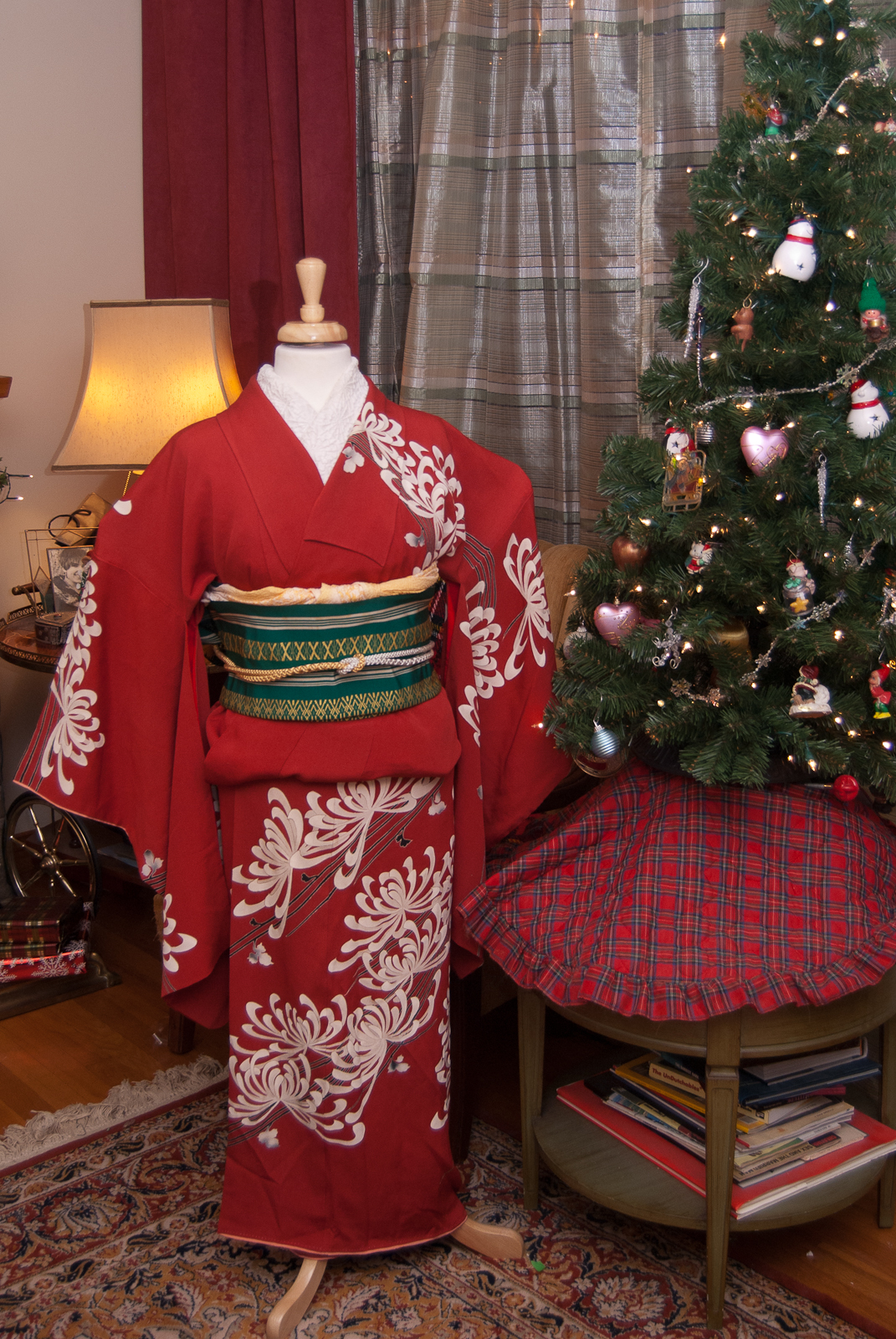
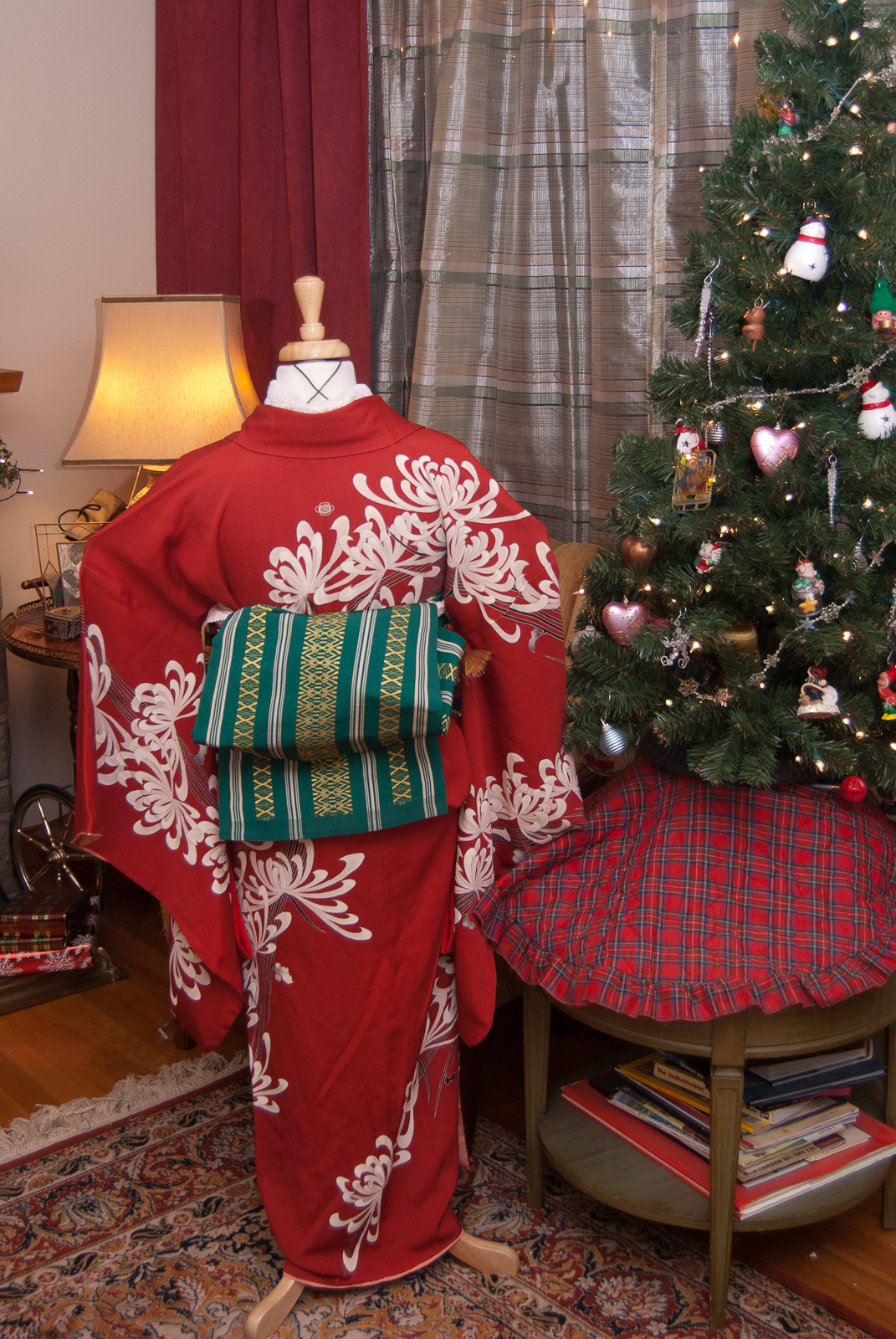
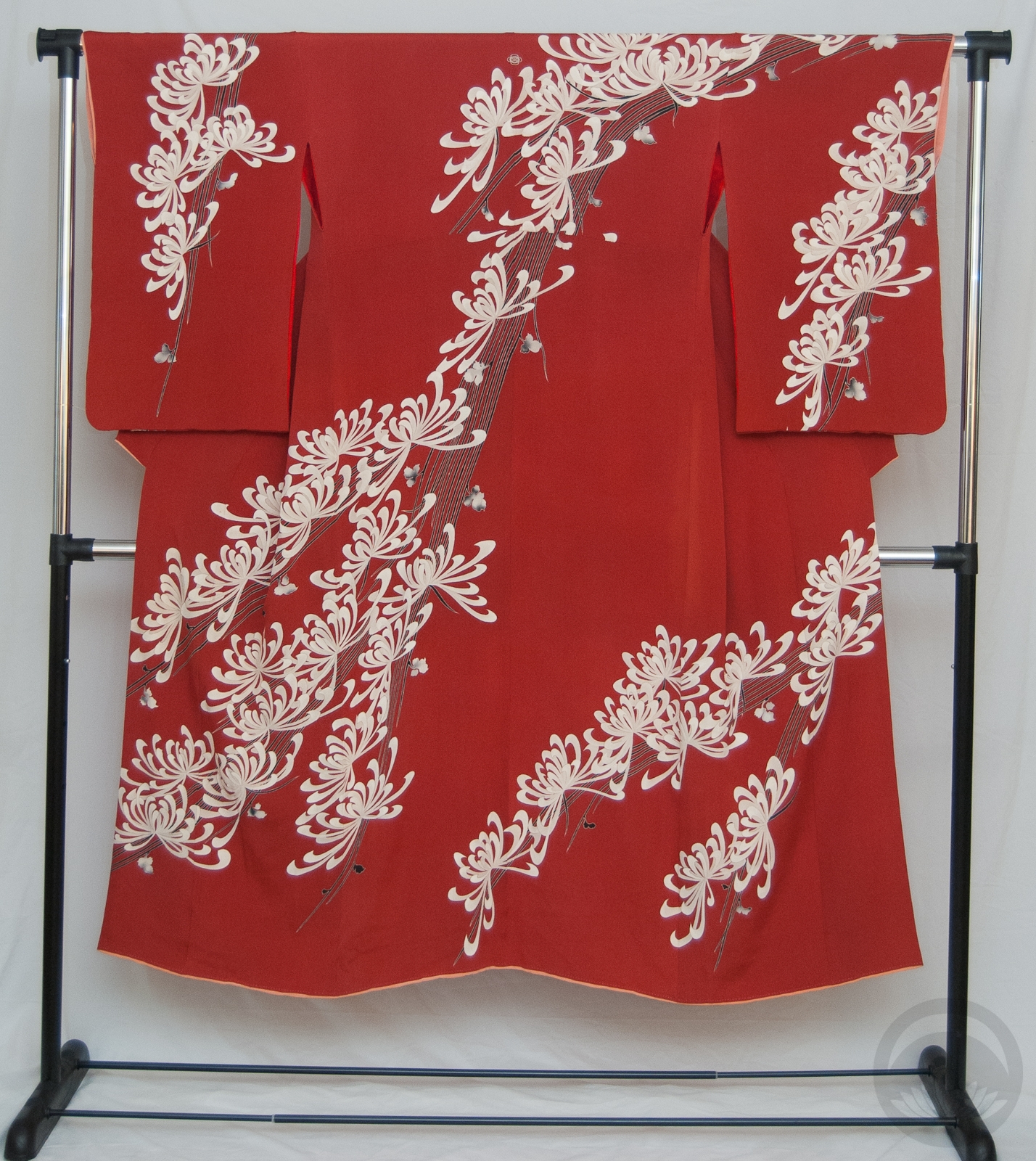
For the first day I went very simple and traditional; my favourite vintage houmongi in a rich red, paired with a green and gold hakata obi and metallic accessories. I wanted something classic that just screamed “Christmas” for today, and I definitely accomplished that! I also decided to change the mannequin’s usual position to show off our tree and decorations. It seemed fitting.

Be sure to check back every day for a new coordination until January 6th. 🙂

Items used in this coordination


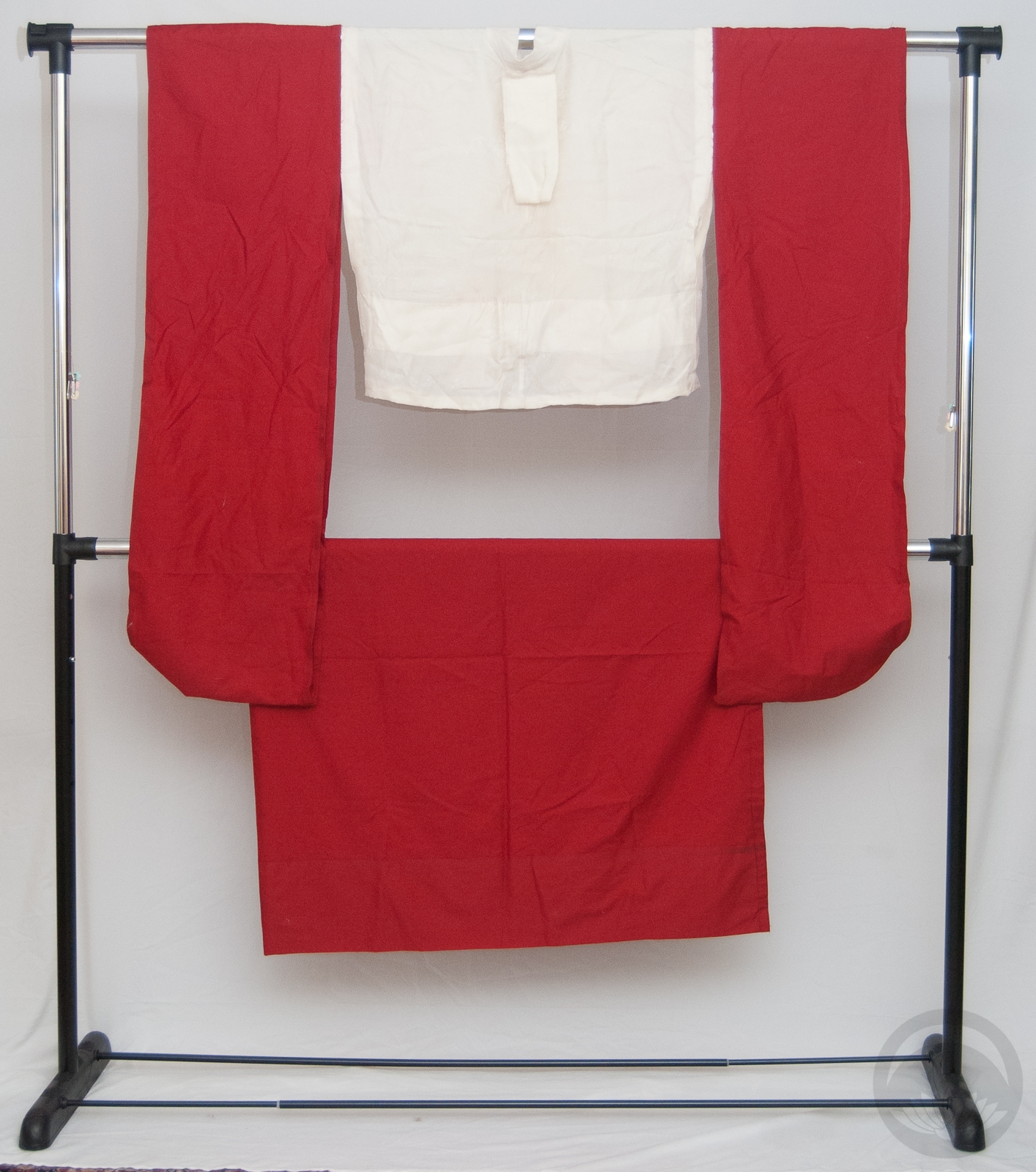
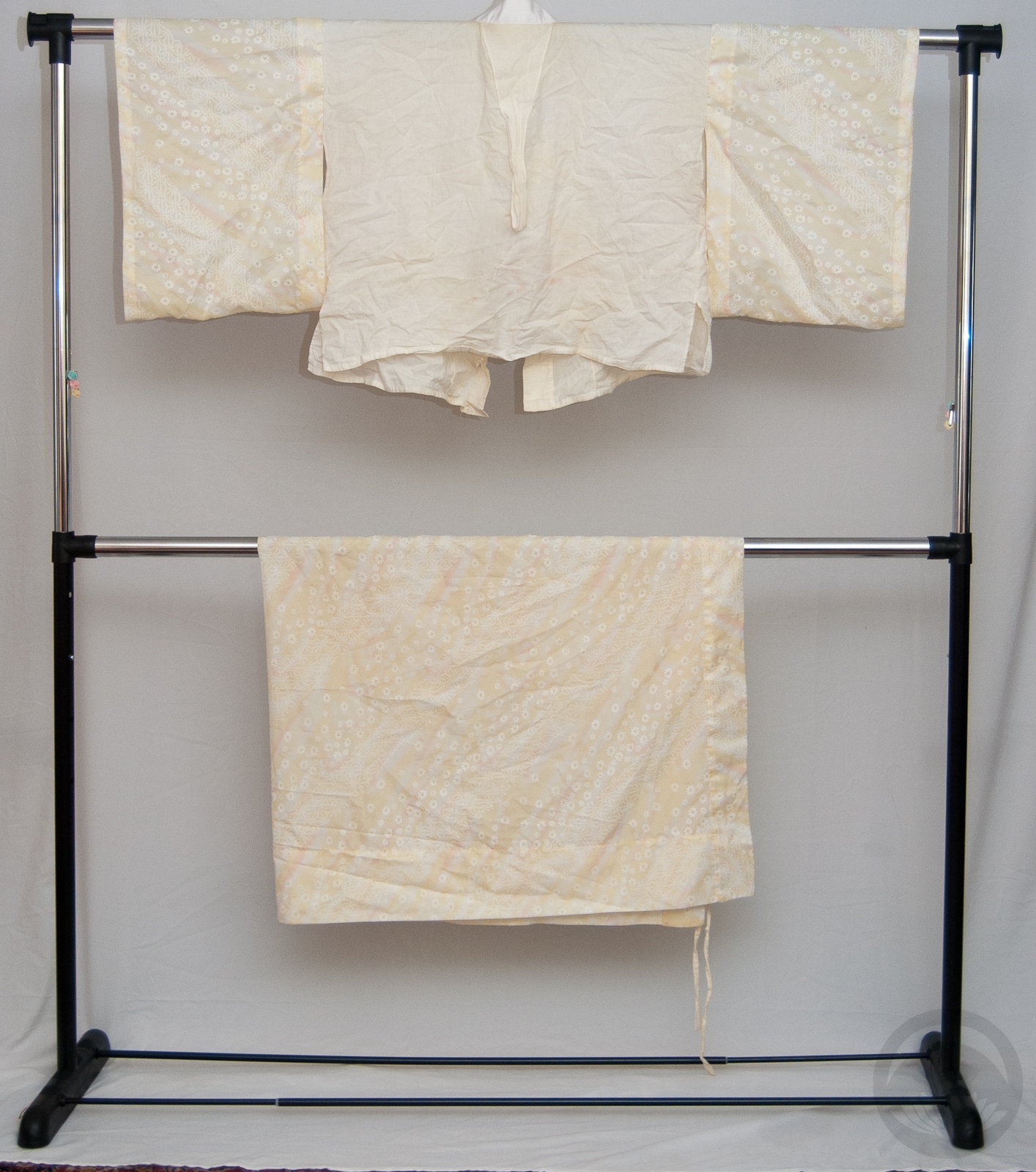
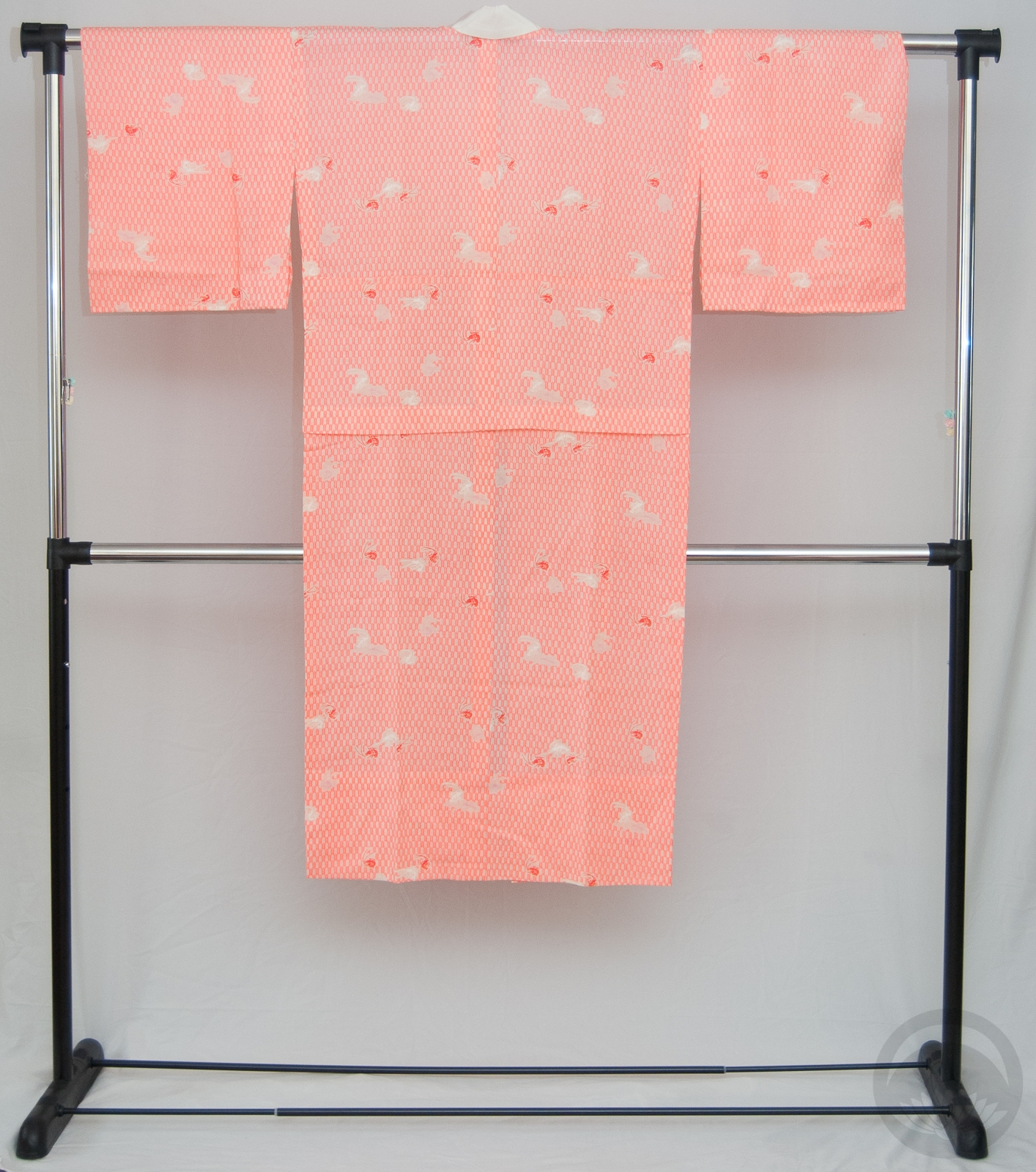
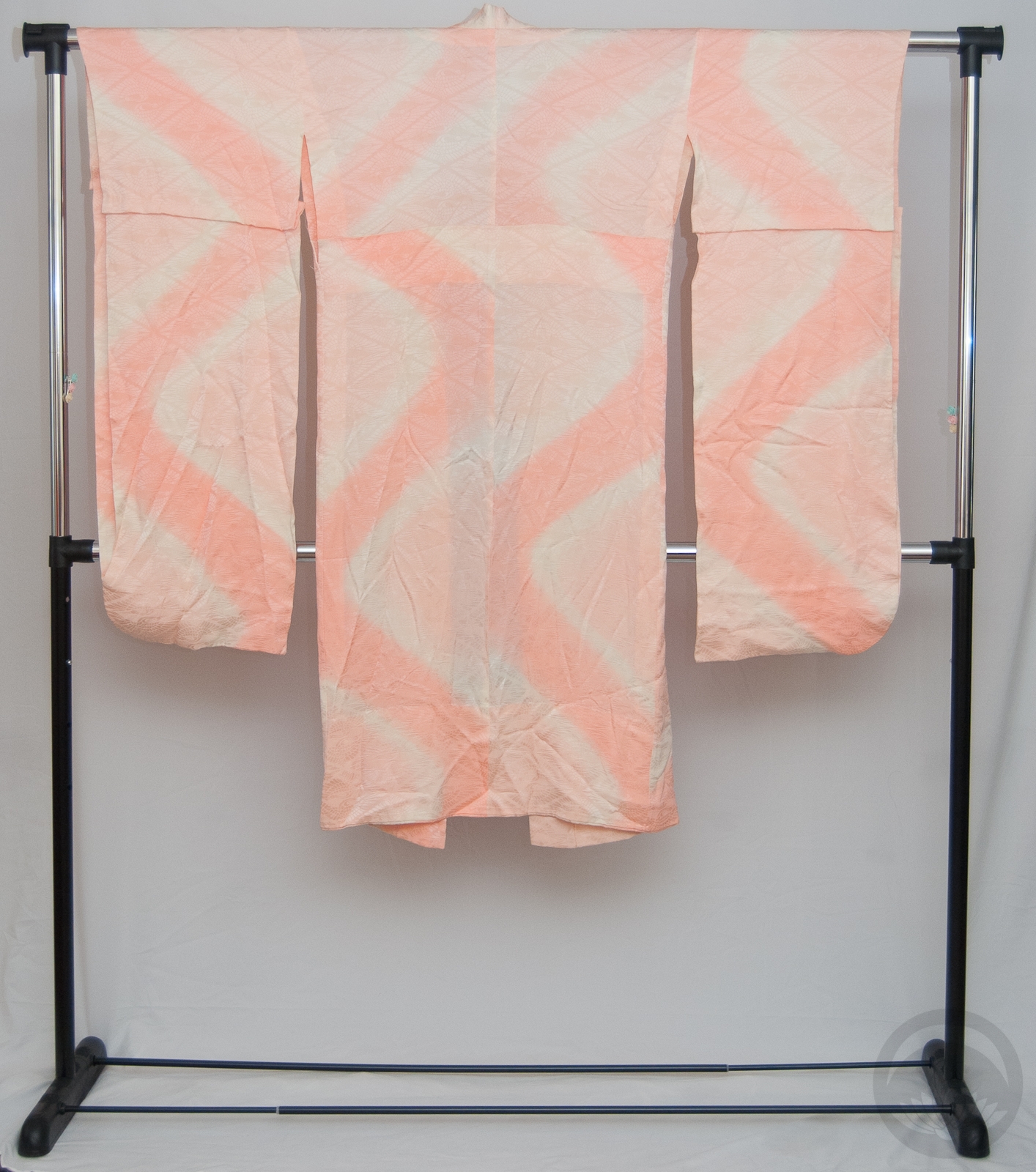
Under where?! Nagajuban and undergarments.

One of the most frequently misunderstood garments in a kimono wardrobe is the nagajuban (長襦袢, long juban, also referred to as nagajyuban, or sometimes simply juban). They are often so lovely and well-decorated that people might mistake them for proper kimono, which can be embarrassing and incorrect. It’s not uncommon to see attendees at anime conventions flaunting their “amazing kawaii new kimono” actually running around in these in-between garments. I have seen them worn as over-jackets (Angel Adoree does this quite often), and with proper styling choices this can be a fun look, but if you’re aiming for accuracy it’s quite awkward to be caught out and about in one with nothing over it.

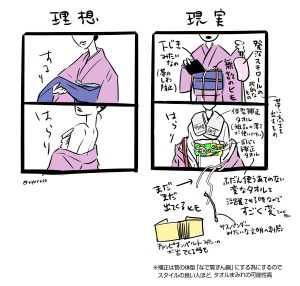
They’re not quite “underwear” as we’d think of them in Western terms. When wearing a kimono, you typically start with either a kimono bra (that helps to flatten and smooth the bust line) and comfortable panties or a traditional wrapping cloth known as sarashi. On top of that layer, there is another fairly plain layer known as hadajuban (肌襦袢), though I admit – in very hot or muggy weather I often forgo the hadajuban and just wear my nagajuban over my bra and shorts. The nagajuban goes over these layers, but they are not proper outer garments either. They’re meant to be seen in very minute amounts – at the collar, at the sleeve edges, and occasionally at the hem while walking. Anything more would be kind of indecent. They also add shape and structure to the kimono, to help achieve that ideal columnar figure. Between these layers, there are often towels or small pads used to help smooth out the body line. It always gives me a good chuckle when people imagine a woman undressing and simply slipping the kimono off her shoulders and being essentially naked underneath. The reality is far less sexy, and is illustrated spectacularly in this comic by @nyorozo on Twitter. Fantasy on the left, reality on the right!

There are a few giveaways that can help you differentiate between a kimono and a juban. Kimono for women are meant to be worn with an ohashori (fold at the waist) and so are typically quite long. Nagajuban are typically much shorter, since they’re not meant to be folded. They also often have a white or contrasting collar over which a decorative haneri can be attached. Lastly, they also tend to be more narrow, without the diagonal okumi panel attached between the front and collar pieces.

There is also a variant called hanjuban (半襦袢, half juban) that is much shorter, and typically paired with a wrap-style skirt know as susoyoke (裾除け). These are easier to adjust to your height, tend to be much more convenient to wear. Many modern ones are available in a combination of breathable cotton and washable polyester. Together, they are sometimes referred to as nibushiki (separated) nagajuban.

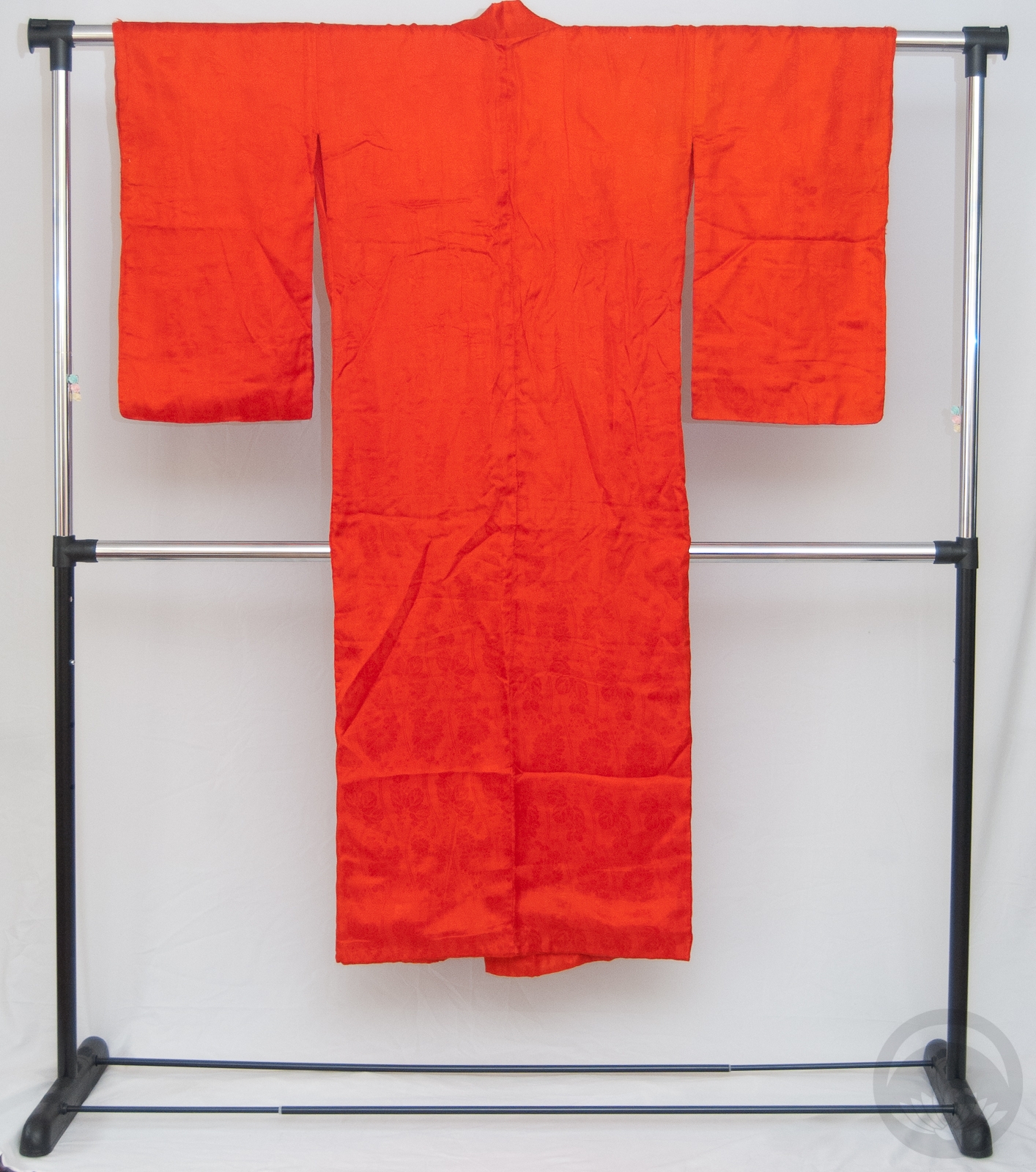
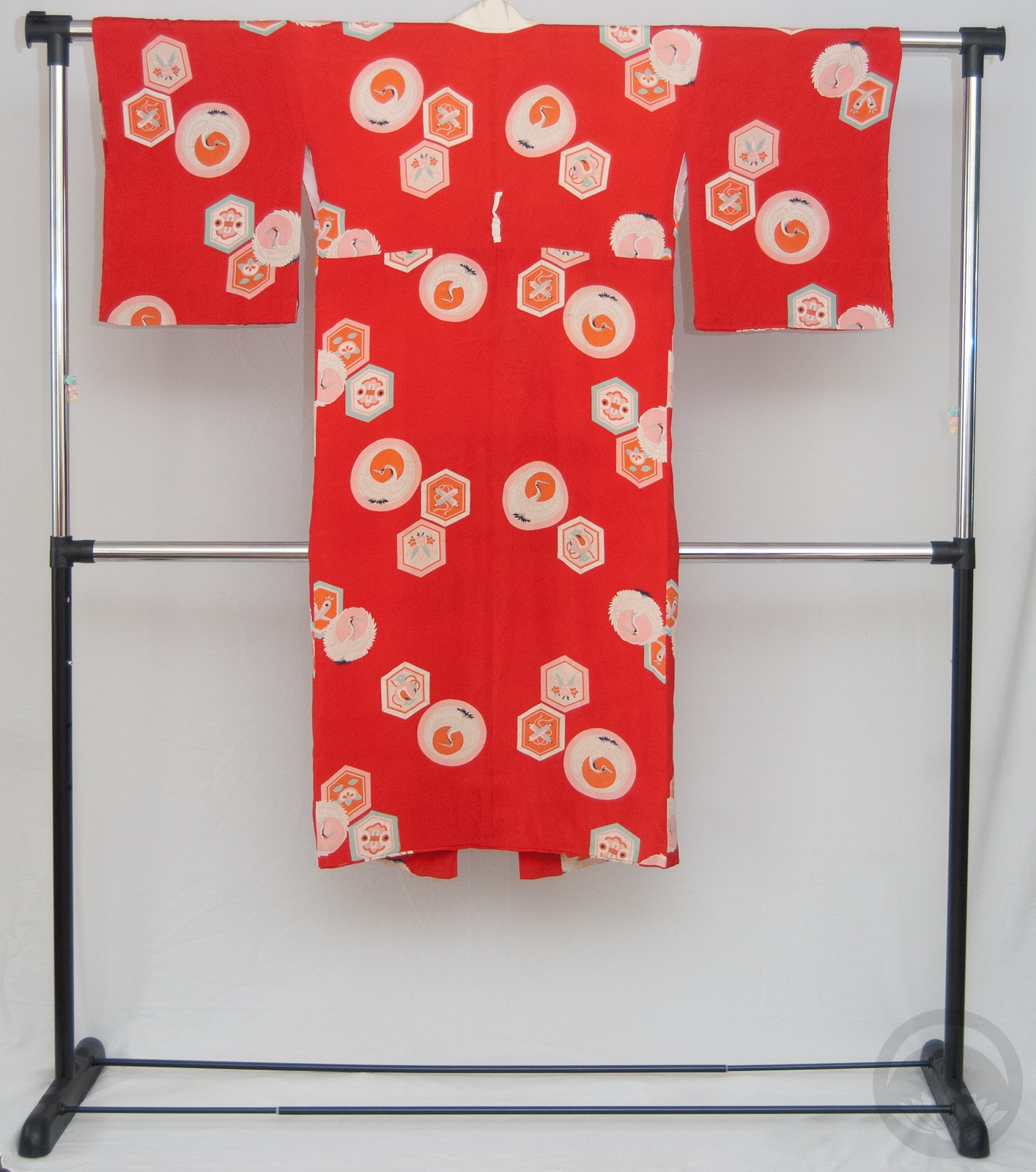
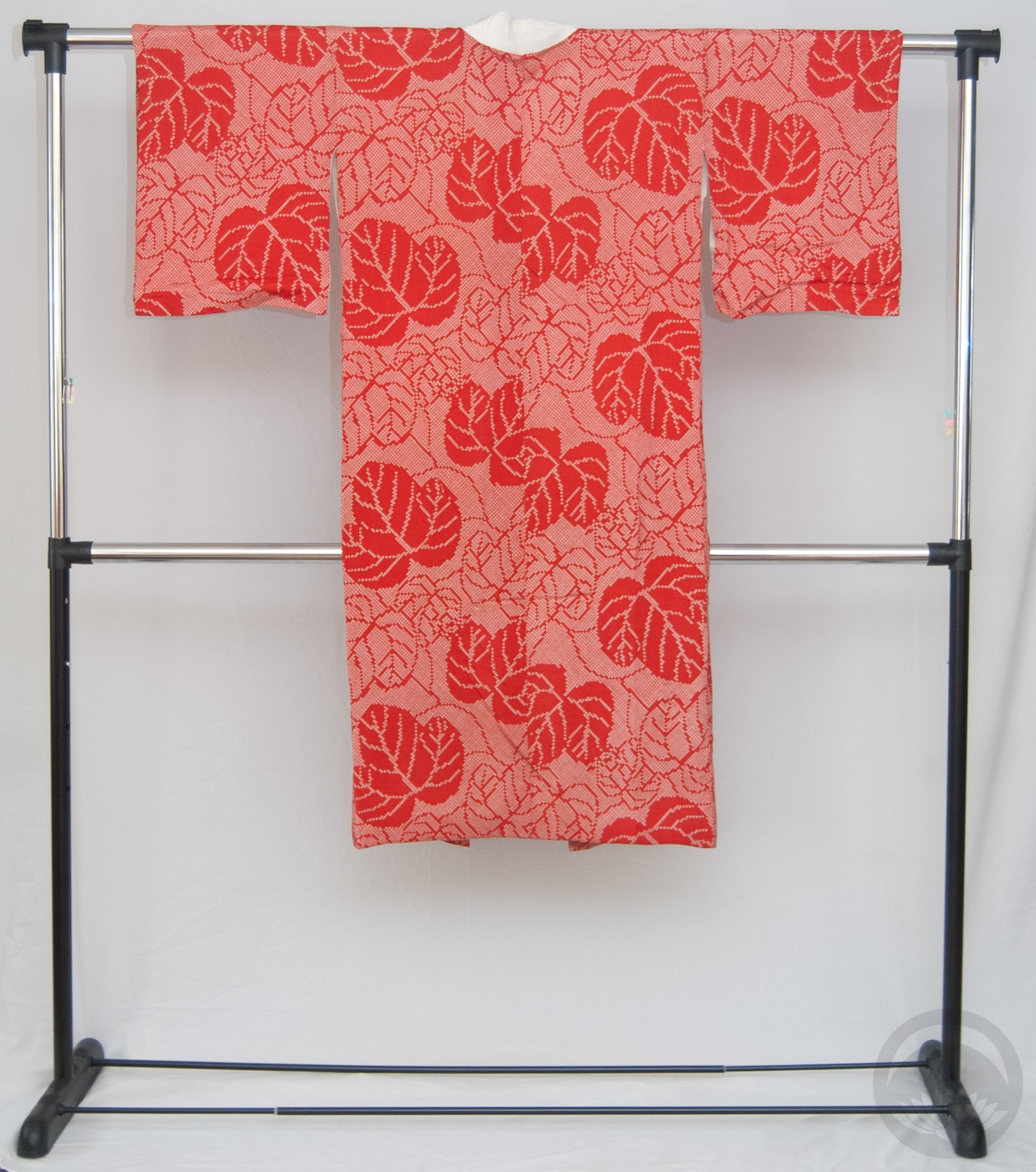
Vintage undergarments were often red or other vivid colours, back when kimono in general were much bolder and more vibrant, and people wore them more often and could justify getting ones that coordinated with specific kimono. Naomi no Kimono Asobi has a lot of very amazing examples of brightly-coloured vintage undergarments. These bold patterns an vivid reds are also a throwback to the sumptuary laws of the Tokugawa shogunate, which prevented the merchant class from wearing fabrics that were showier than the samurai and aristocrats. To get around this, they would often hide flashy designs and bright colours on their undergarments, a trend which continued on even long after the sumptuary laws were rendered defunct.

Nowadays, nagajuban tend to be white or pale pastels, since those are much more neutral and versatile. When you don’t wear kimono every day it’s not really worthwhile to invest in a large collection of undergarments; it makes much more sense to buy one or two that you can wear with everything.

That being said, my collection is a combination of versatile modern pieces, vibrant vintage nagajuban, and a few home-made or modified items. Because I’m so tall, I often have to rely on the two-piece variants and even then sometimes have to lengthen the skirt portion. If it’s cool enough, I might also wear a full juban with susuyoke, but that can begin to get quite thick around my already not-insubstantial waistline. Another handy aspect of a two-piece is that if you’ve got broader hips and the front hem of your kimono flaps open sometimes, you can tie the susuyoke so the split is in the back. This way if your kimono hem spreads too wide, you’re assured of the under-skirt keeping you decent.

Hopefully this will help alleviate some of the confusion about what these garments are and how they’re traditionally worn!

Snow White – Disney Princess Kitsuke Project

🎵 With a Smile and a Song 🎵

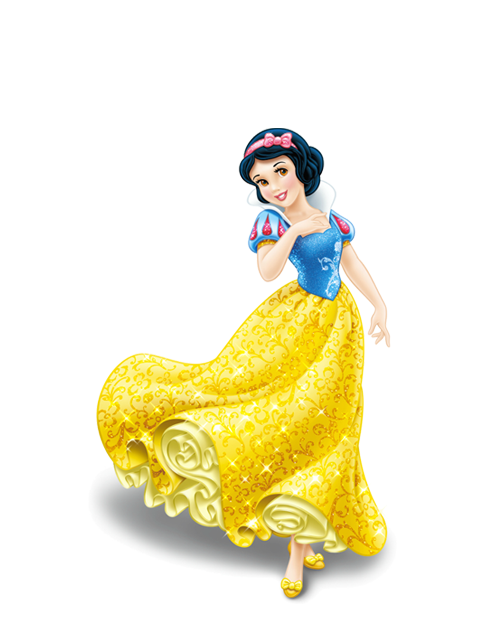
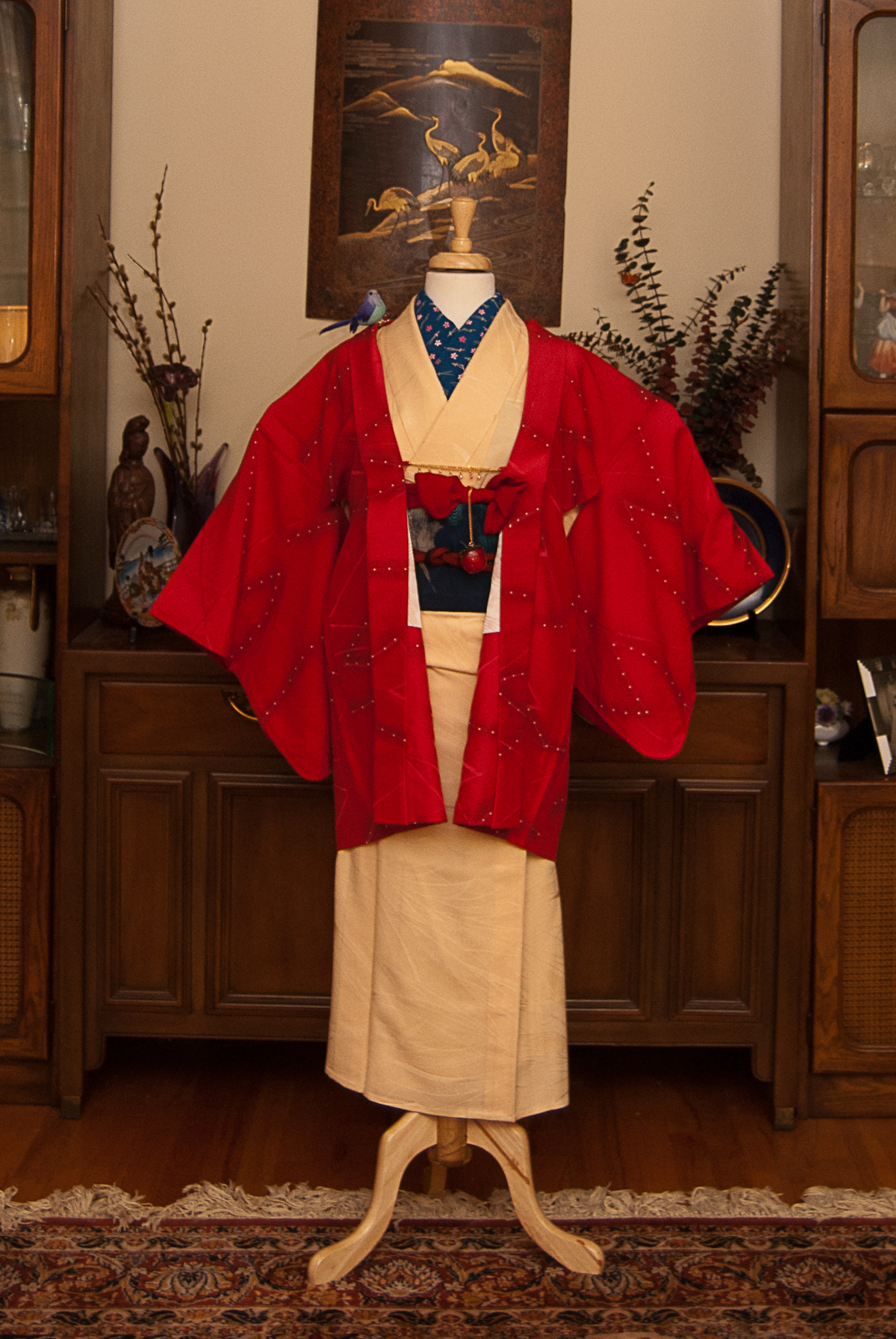
Snow White – the one who started it all, the OG Disney Princess. She’s kind and sweet and beautiful, and I wanted to make sure I captured all that in an outfit that still felt classic and simple. Her costume is very straightforward, and thankfully that converted quite well to kimono.

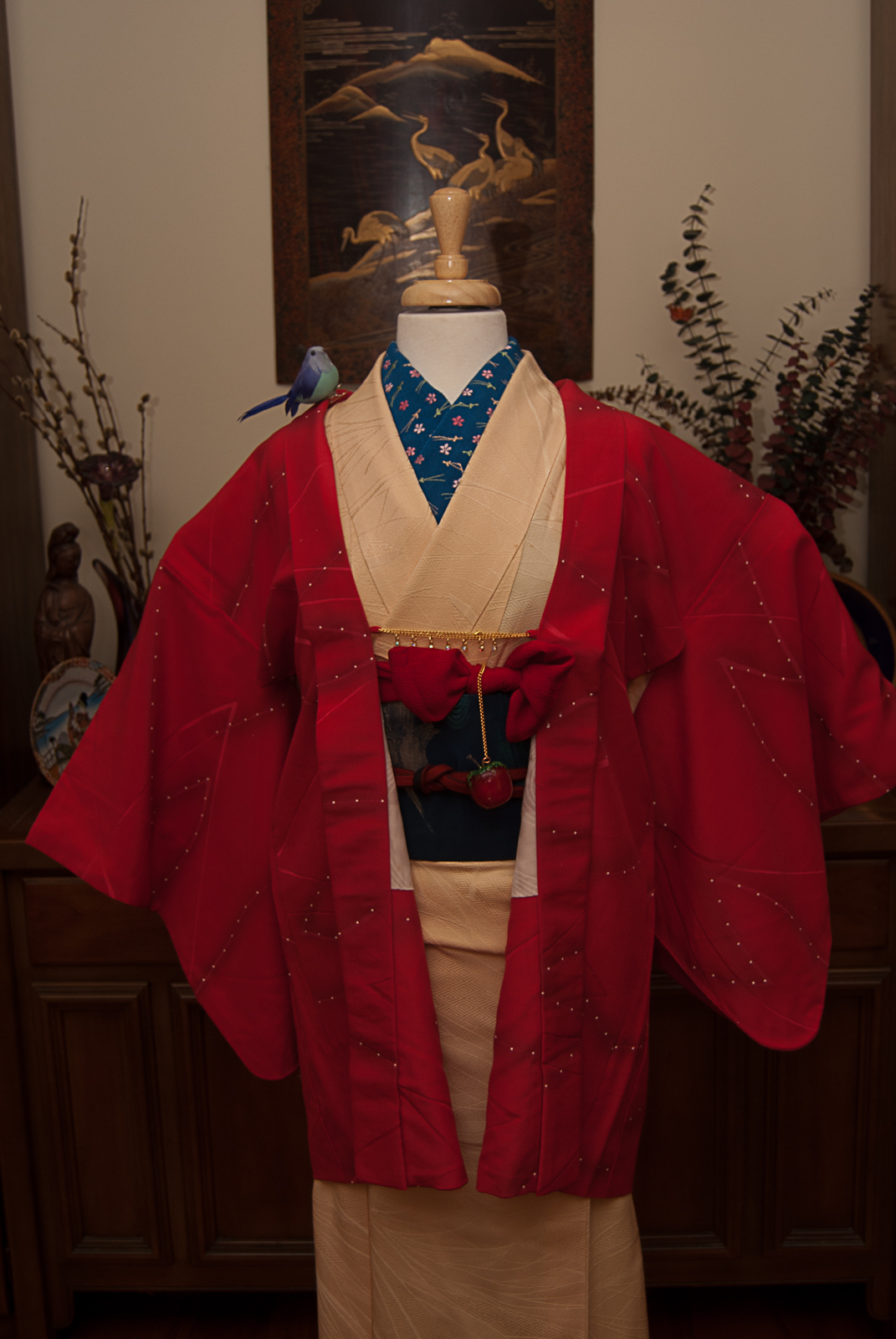
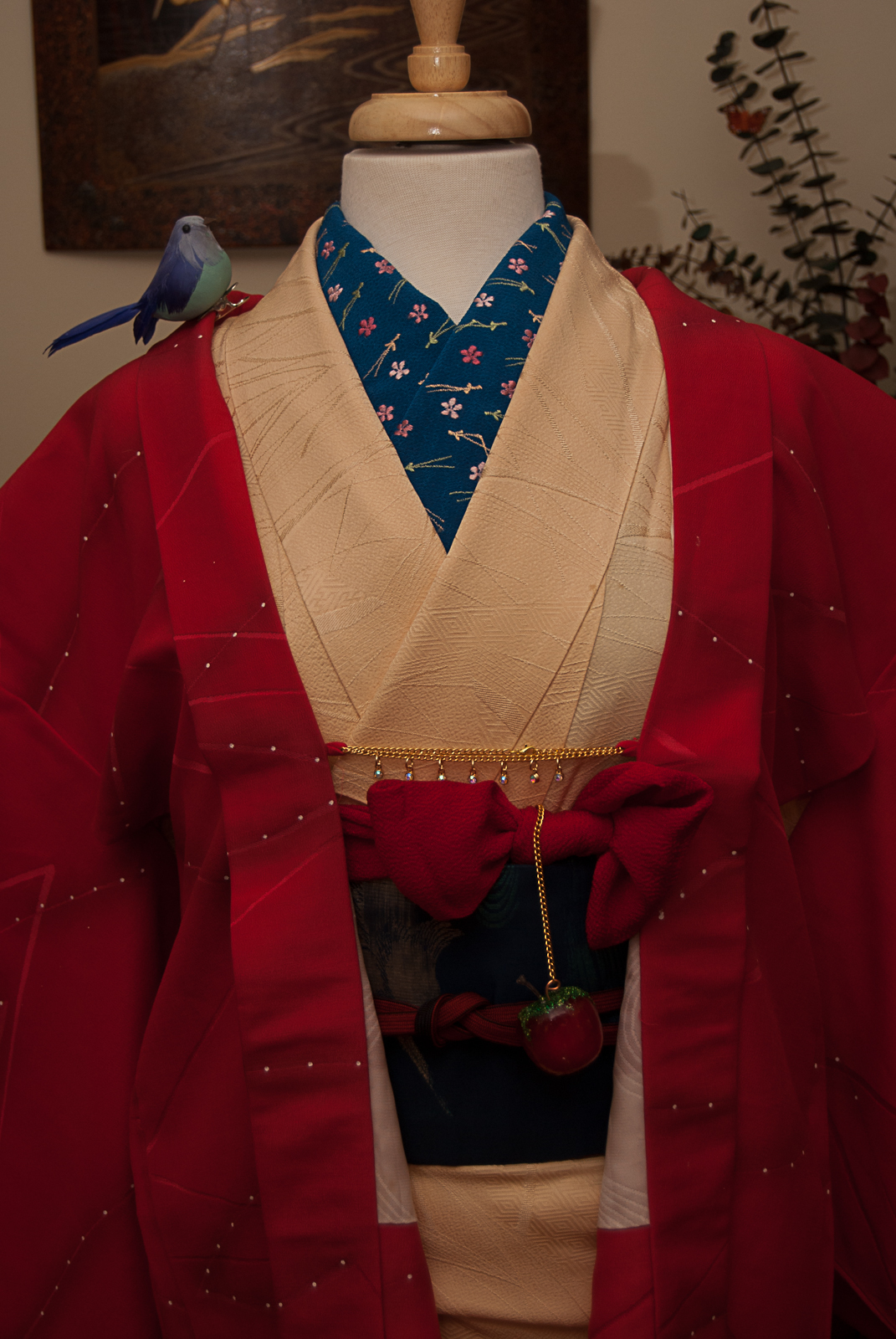
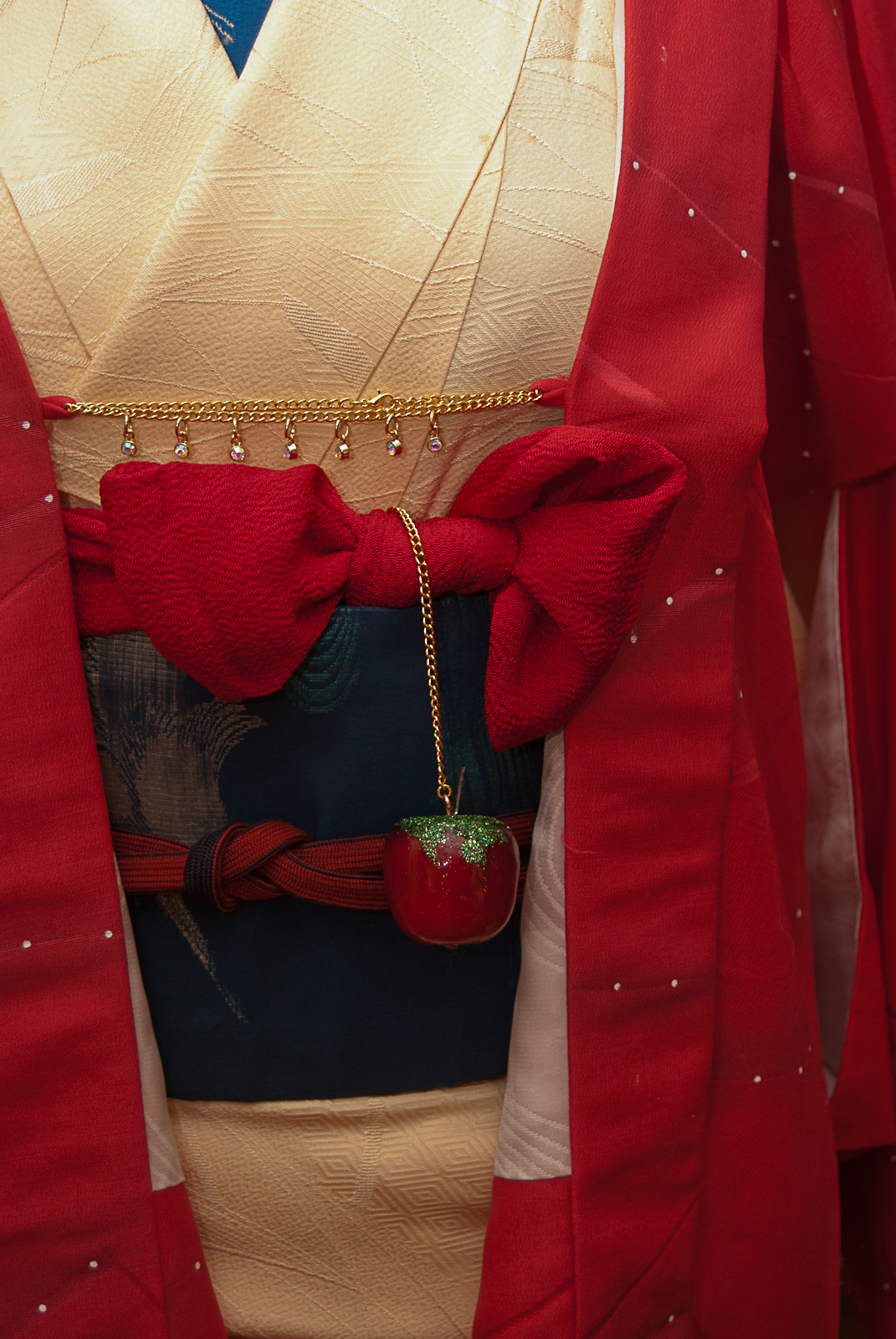
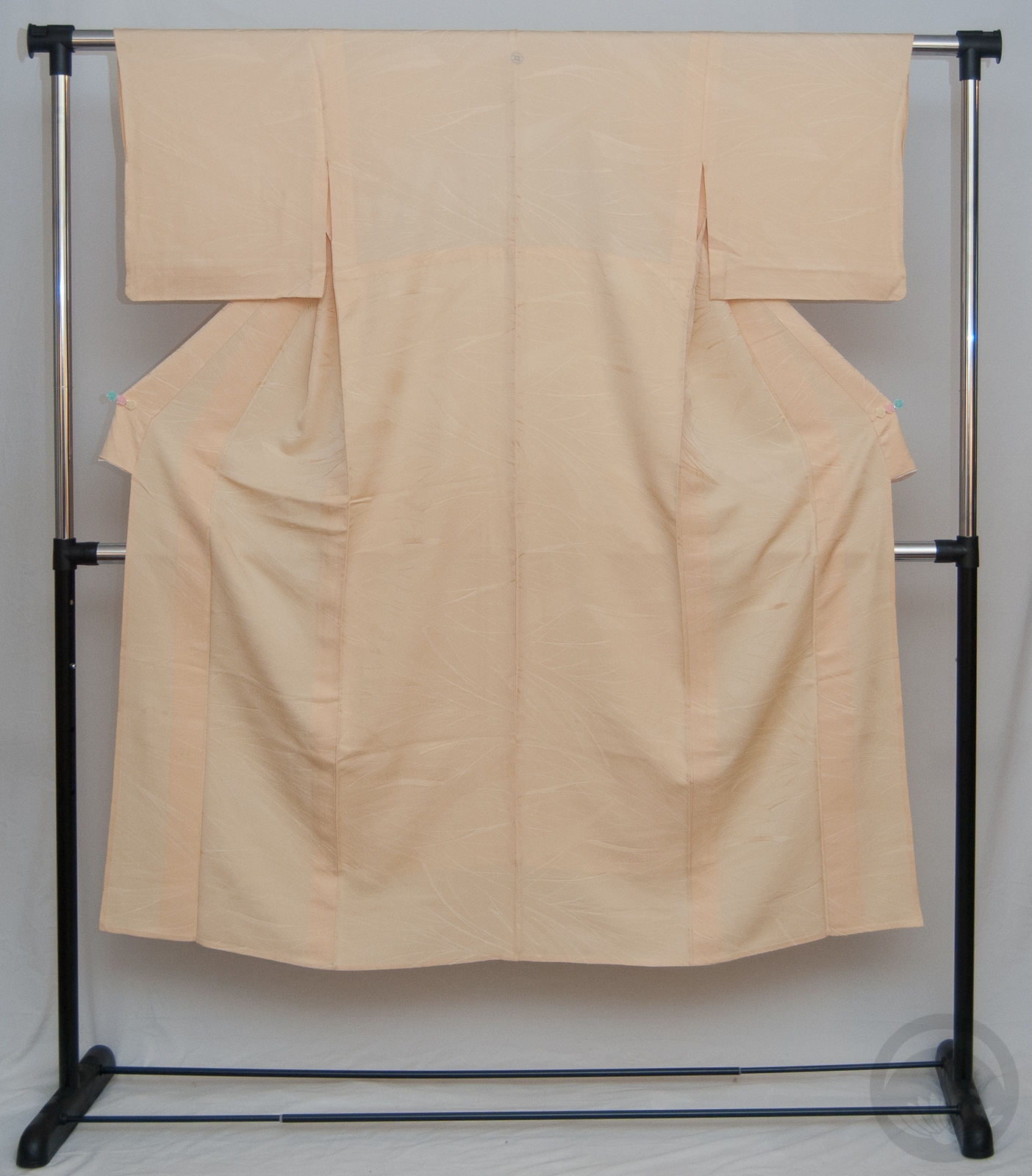
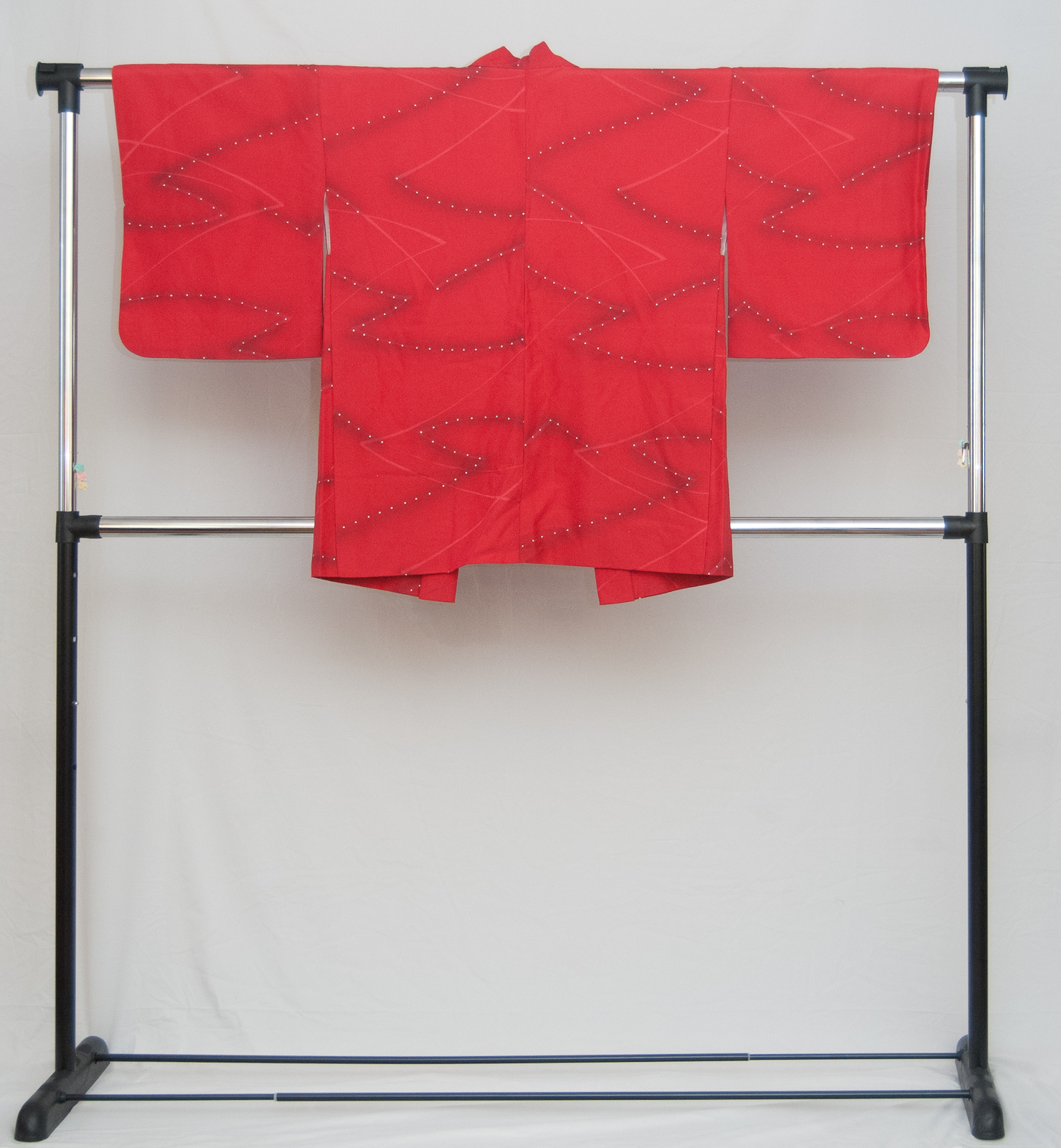
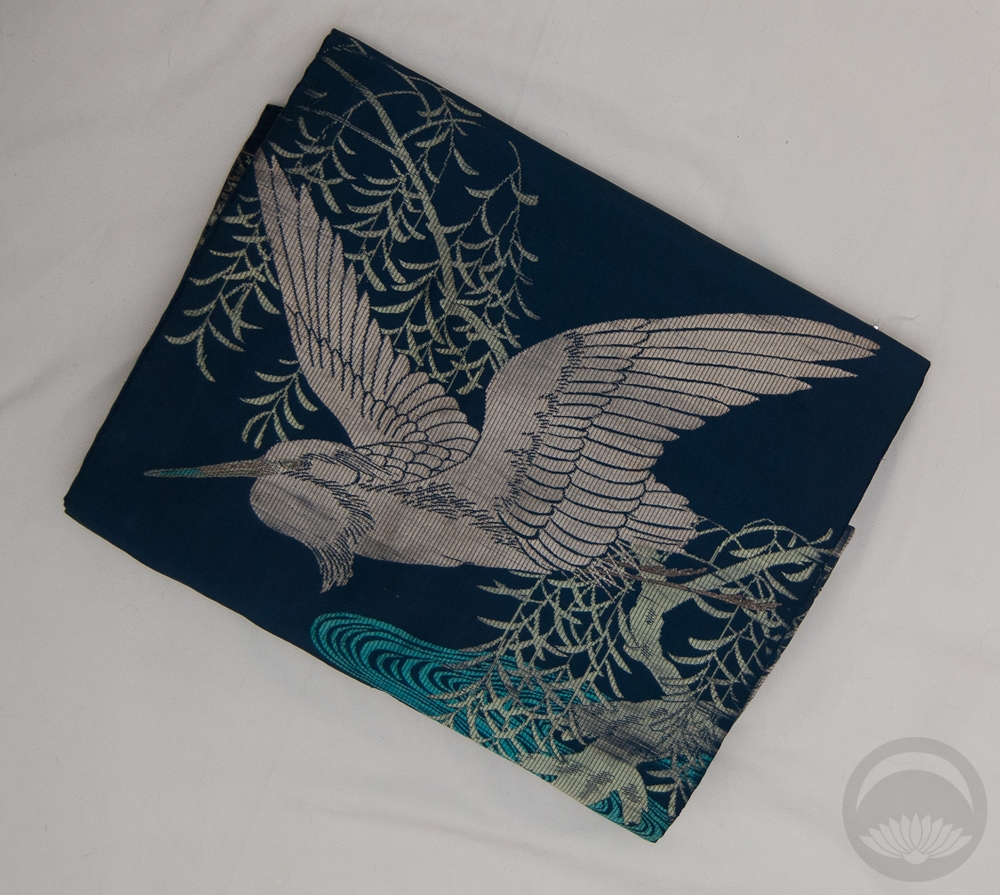
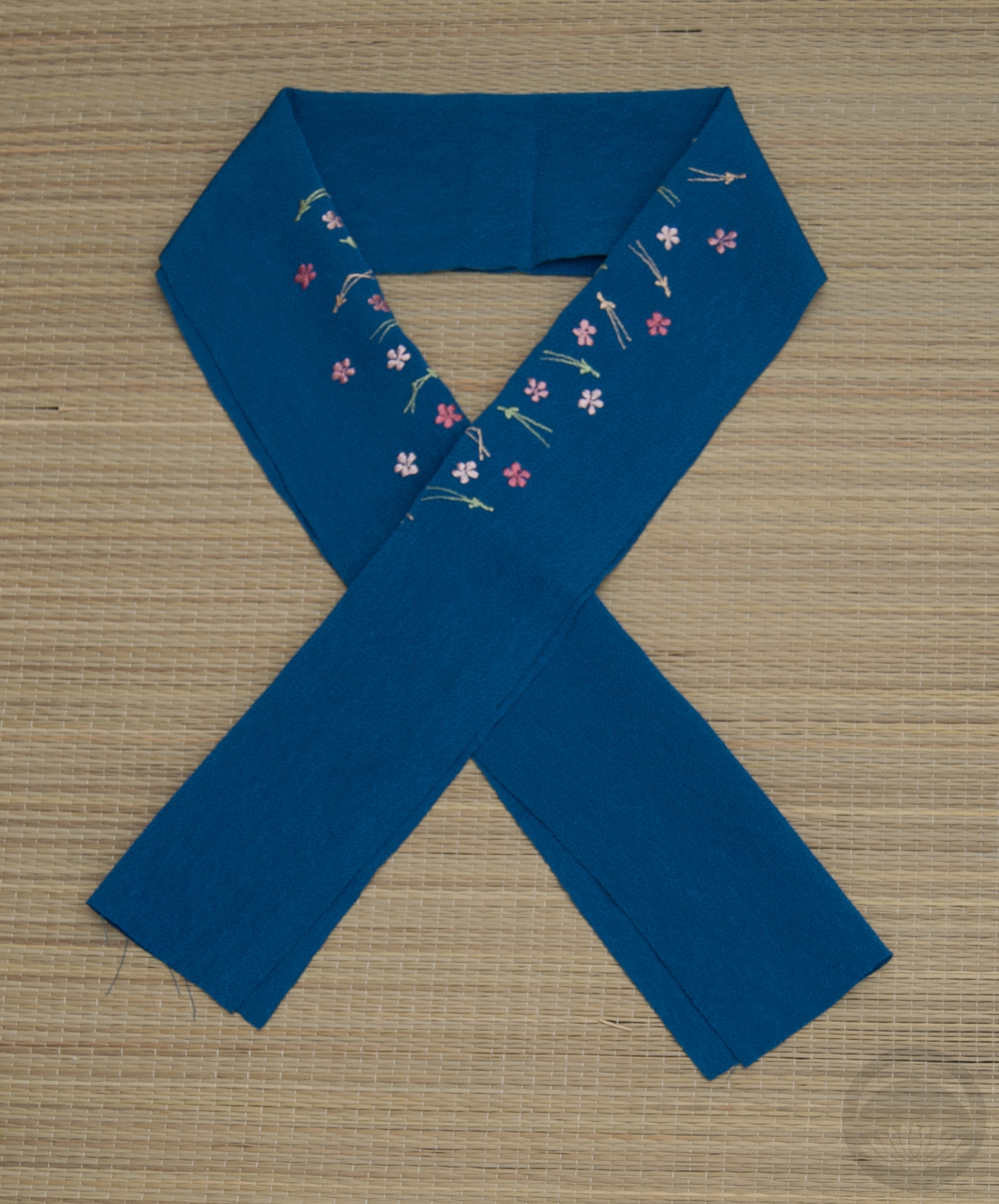
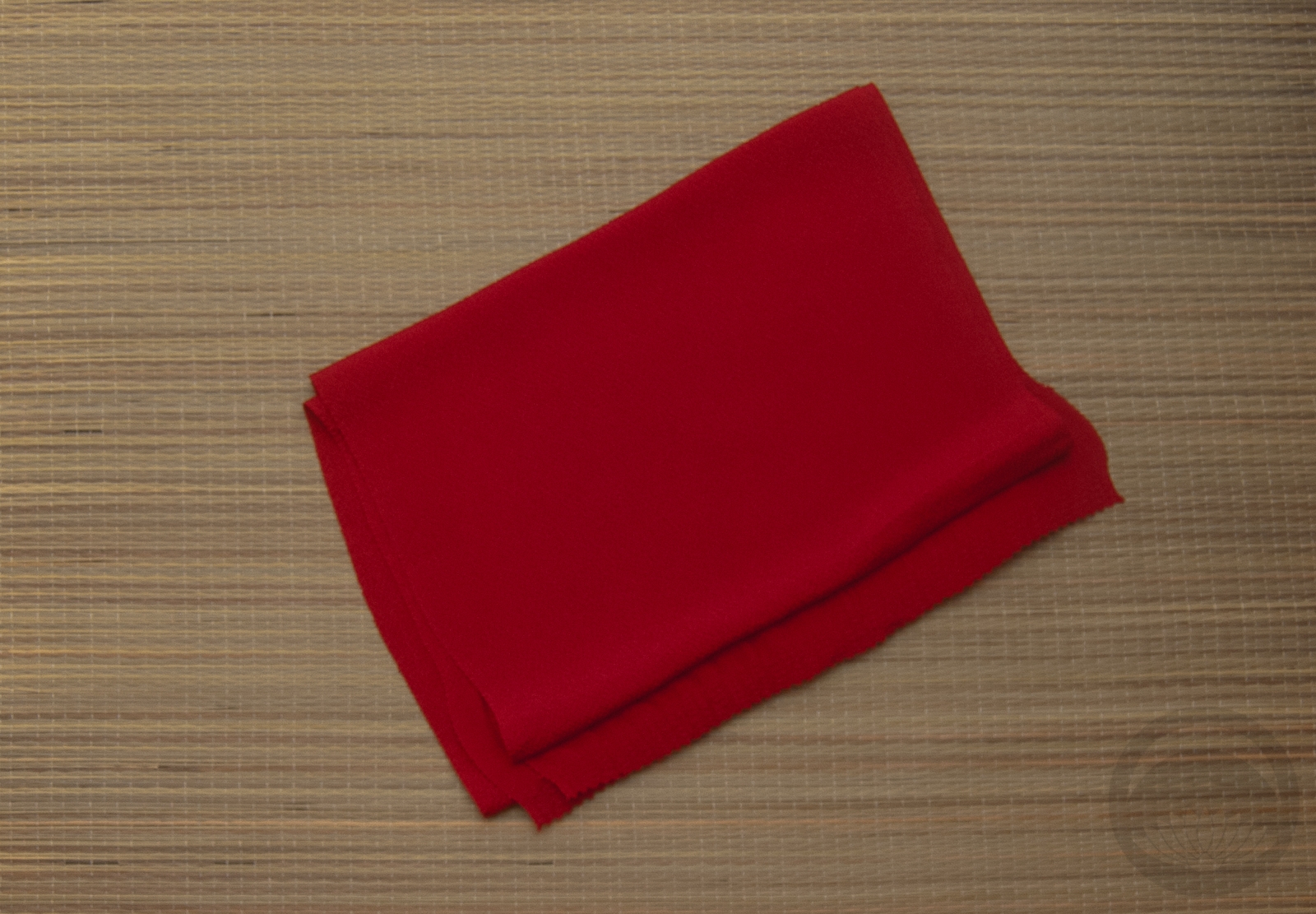
A simple creamy yellow iromuji serves at the base, echoing the skirt of her outfit. The blue obi has birds on it, but it’s in terrible shape and has really awkward pattern placement, so they’re not terribly visible. The outfit felt like it was missing something though, until I remembered the charming red capelet Snow wears for part of the movie. The red haori is a lovely call back to the capelet, and it ties everything together. For accessories, I absolutely needed a poison apple, and tying the bright red obiage into a bow reminded me of her adorable hair bow. The finishing touches were a sweet little bluebird keeping her company and a haori chain with seven sparkling stones on it to represent her the seven dwarves.

[AFG_gallery id=’104′]

This is probably one of the simplest outfits so far, but I think it pulled together perfectly. It’s sweet and straightforward, much like Snow White herself. And with this, we’re now more than halfway through the project! Only five more to go. I hope you’ll keep coming back to see them. 🙂

Items used in this coordination

Princess of Themyscira

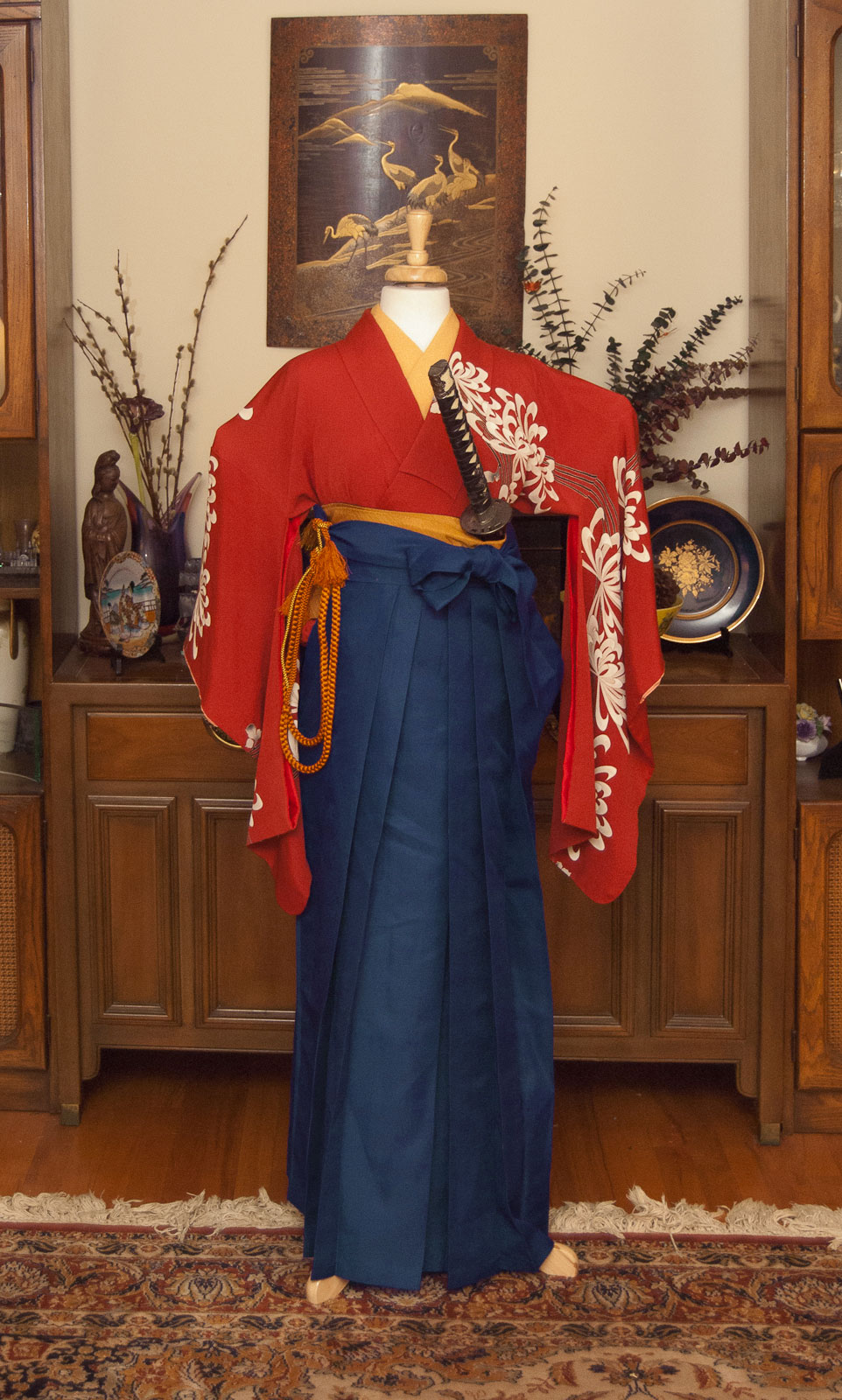
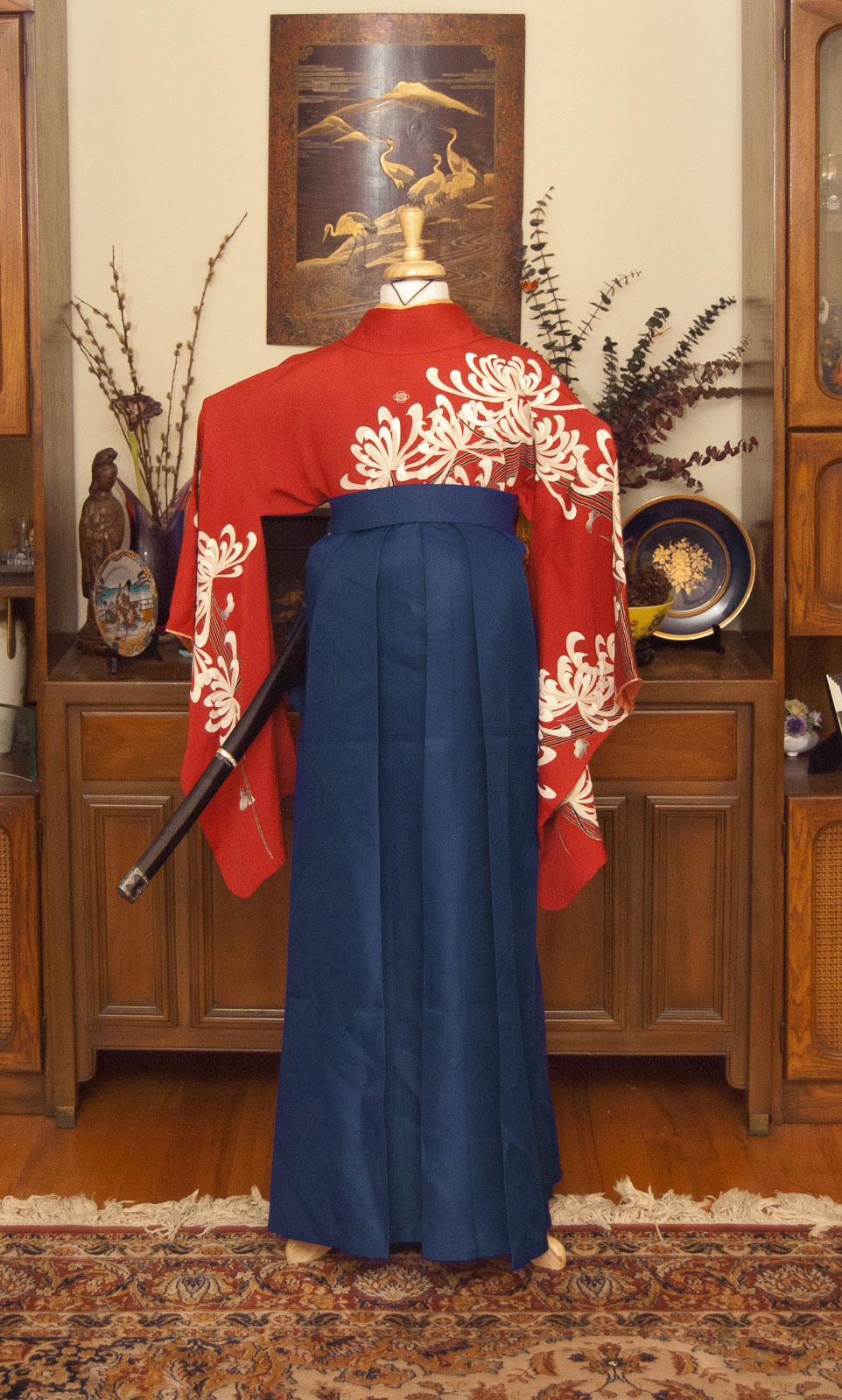
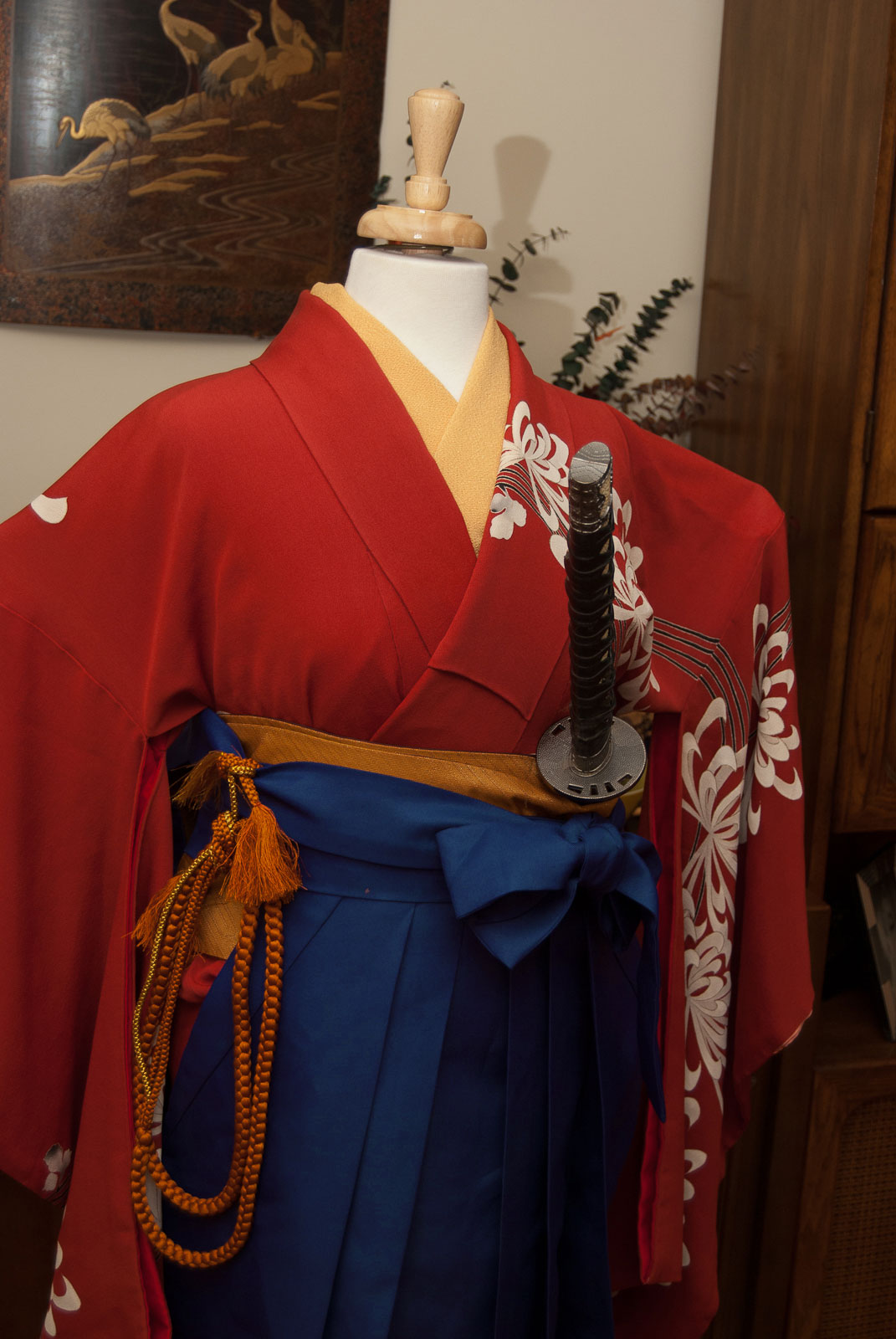
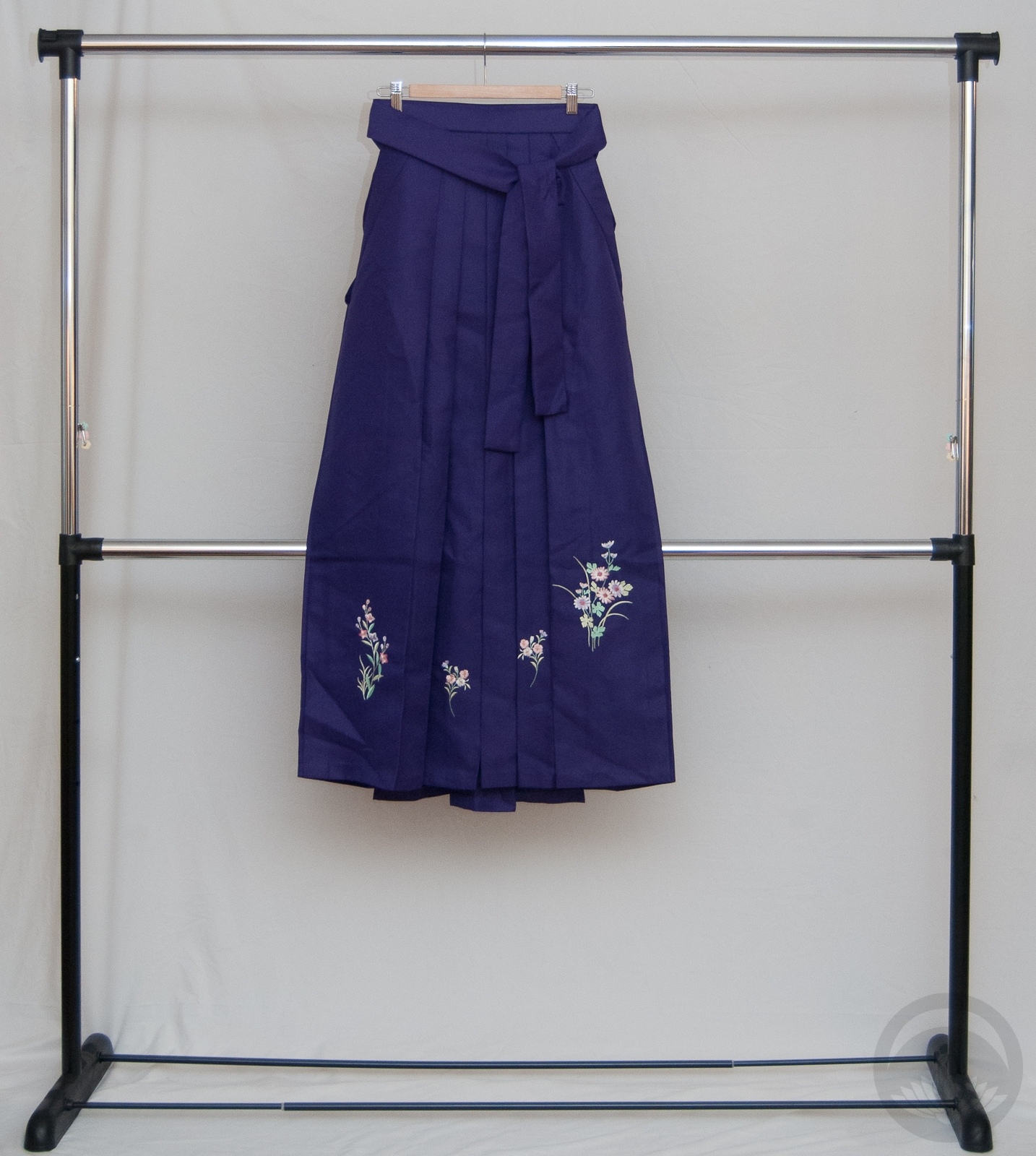
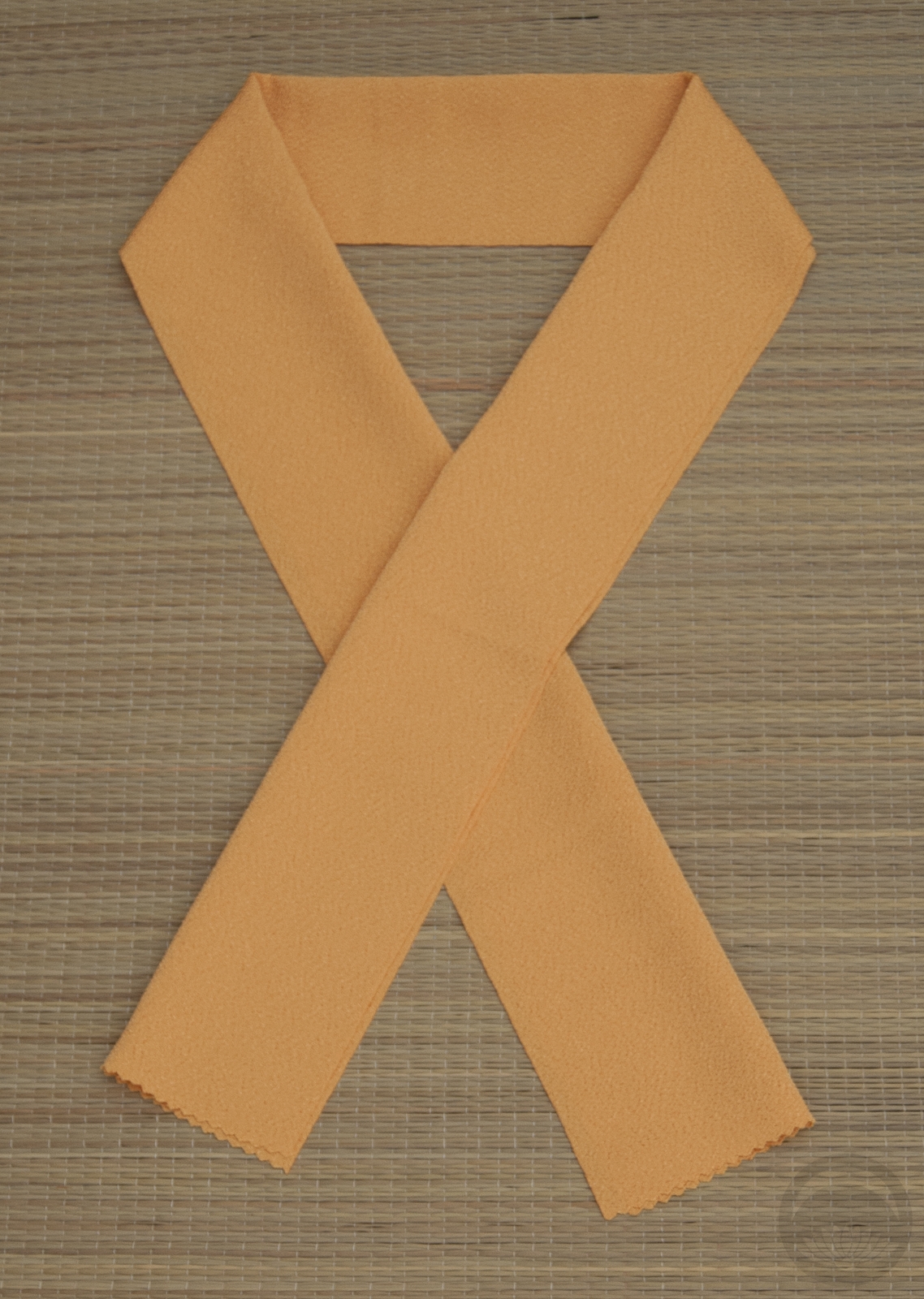
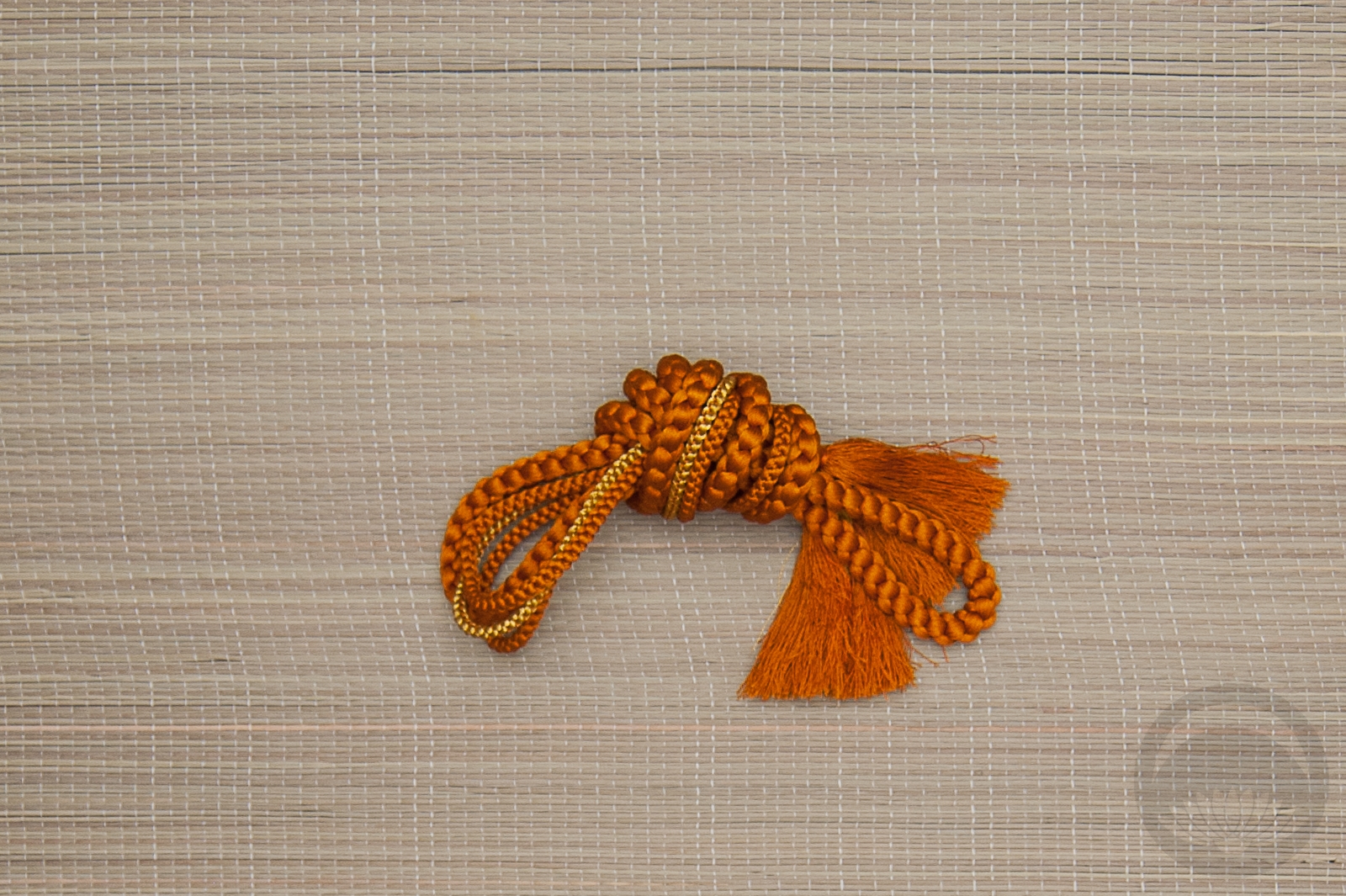
This outfit was inspired by the strong and compassionate warrior whose name is on everyone’s lips these days – Wonder Woman! I’ve had so much fun doing geeky-inspired kitsuke in the past (Star Trek, Bitch Planet, and Star Wars) and I wanted to give Diana her due. My initial plan was going to be a blue kimono and red haori, but I realised the vaguely onna-bugeisha style of a hakama would be much more balanced and representative of her red top and blue bottom. I felt like the kiku motif of this vivid red kimono was reminiscent of the star motif of her outfit, and a navy hakama would have grounded the whole thing. Since I don’t own one, I took the liberty of photoshopping my purple one to navy. Of course, I had to bring in gold as the accent colour of the haneri and obi. The sword seemed like a foregone conclusion once everything came together, and what would Wonder Woman be without her golden lasso (or in this case, her golden obijime)?

[AFG_gallery id=’97’]

Overall, I feel like this was another ultimately successful cosplay-style kitsuke. I would love to wear this outfit to a convention or something at some point, along with a tiara and bracers. It’s the sort of outfit that would take a minute to “get”, but I think once people recognised it, it would go over really well.

Items used in this coordination