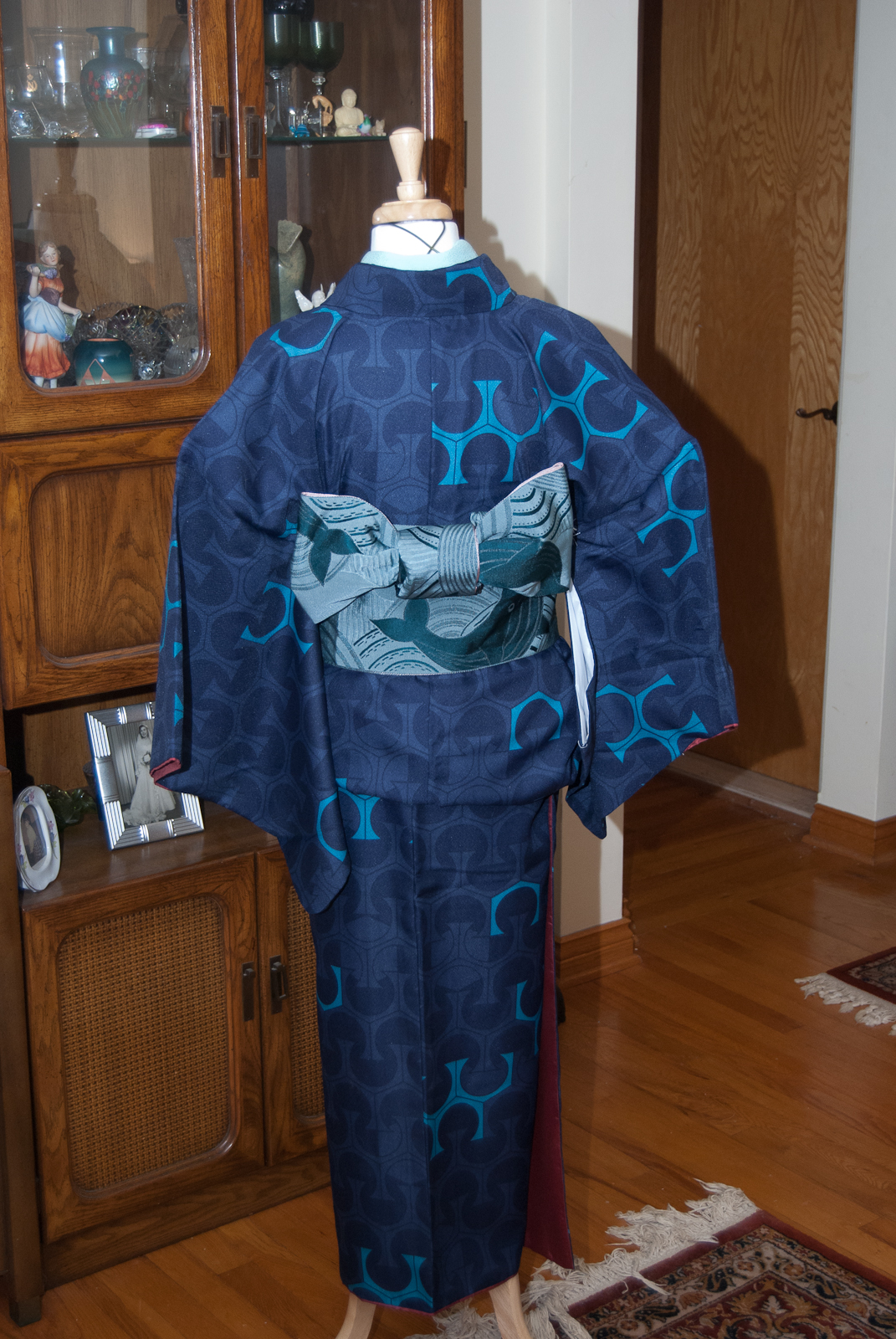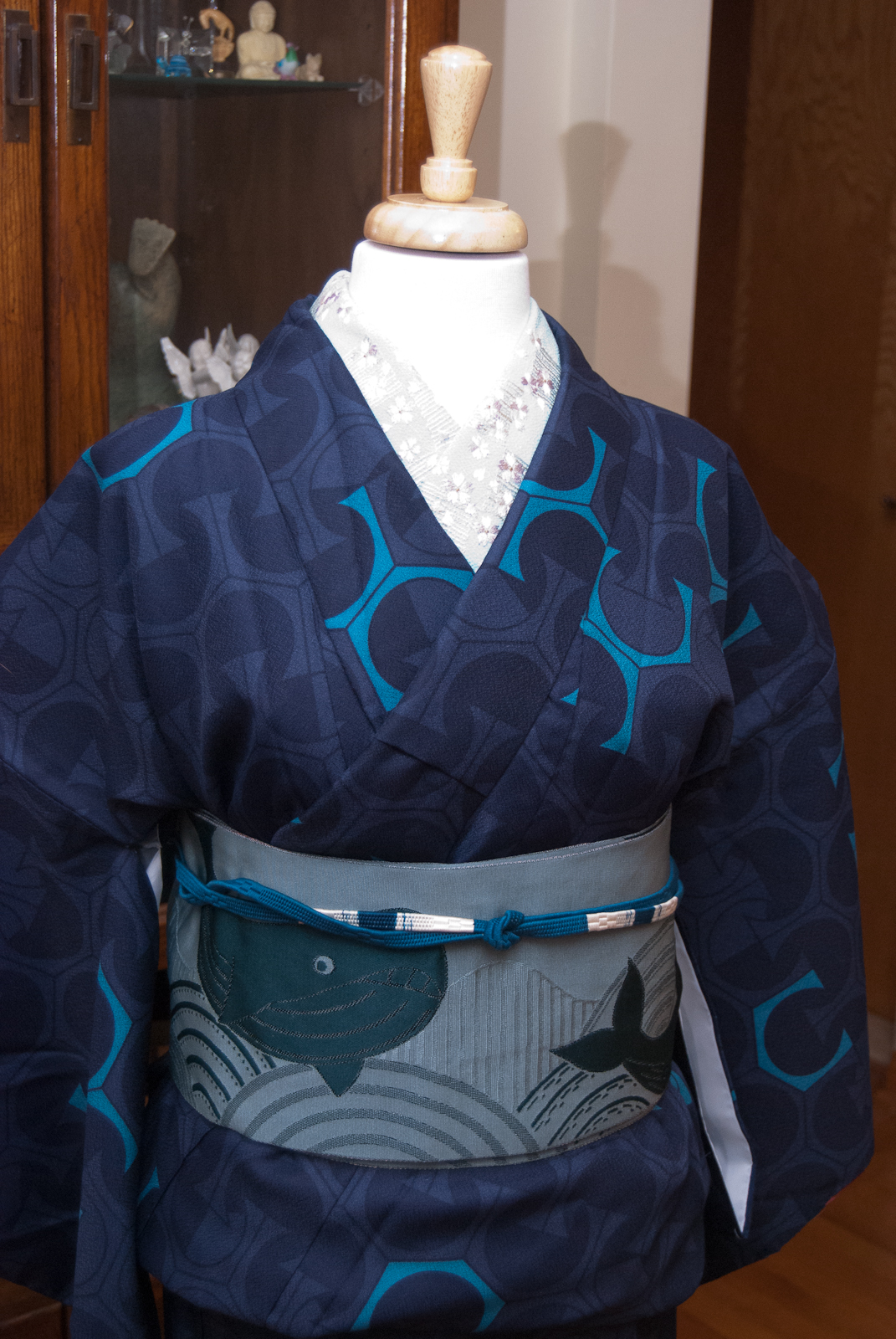
Whale, whale, whale…

What have we here?*

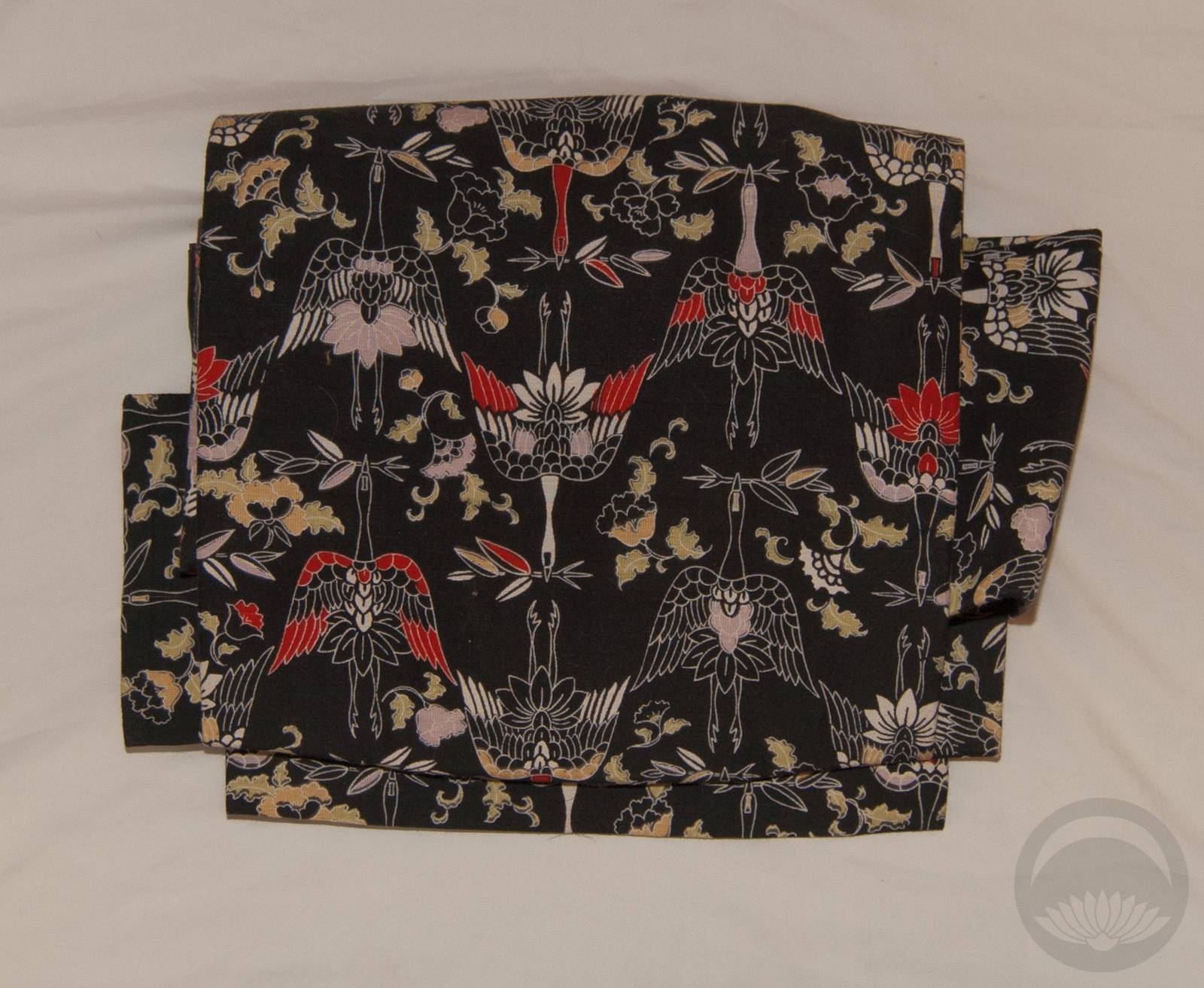
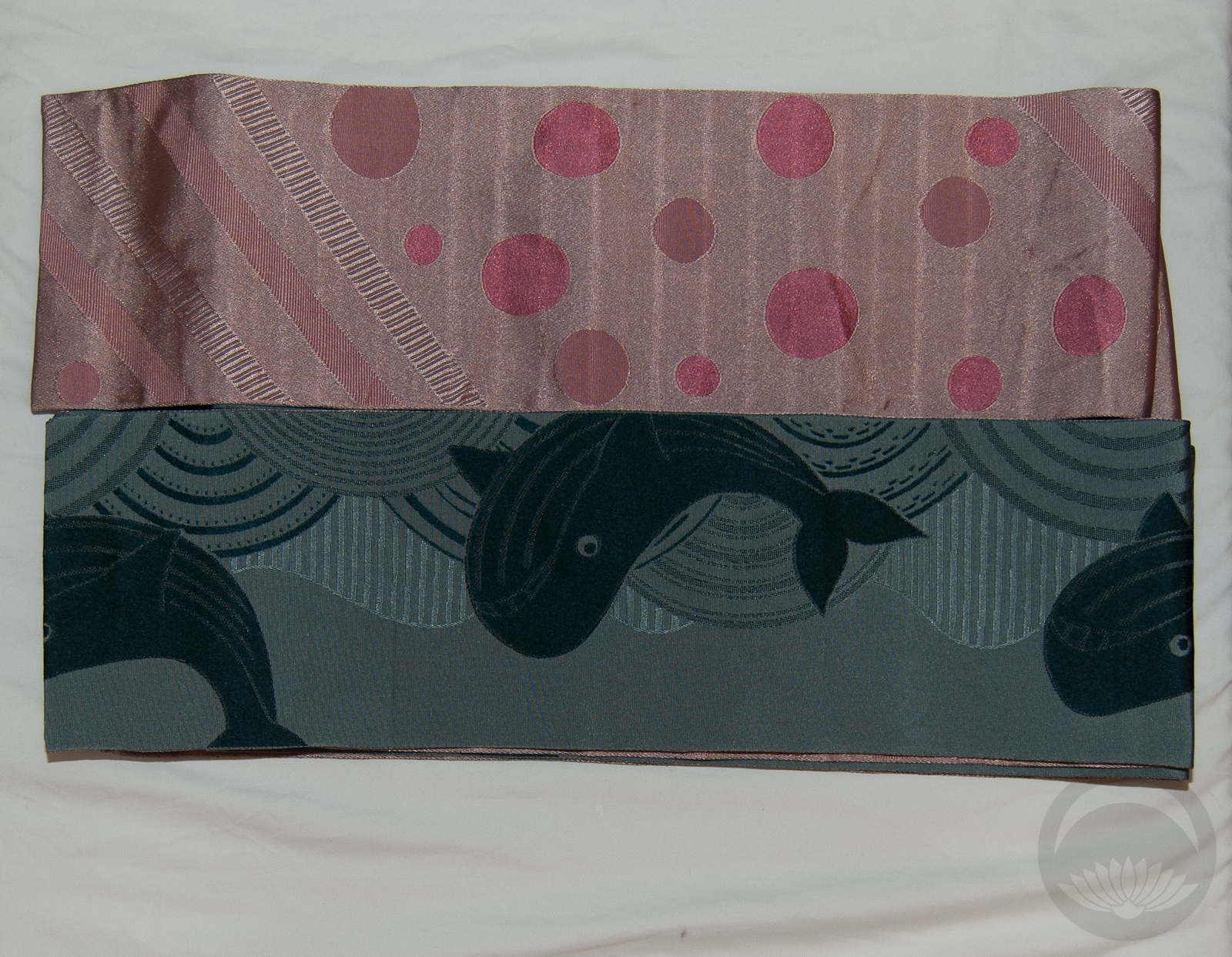
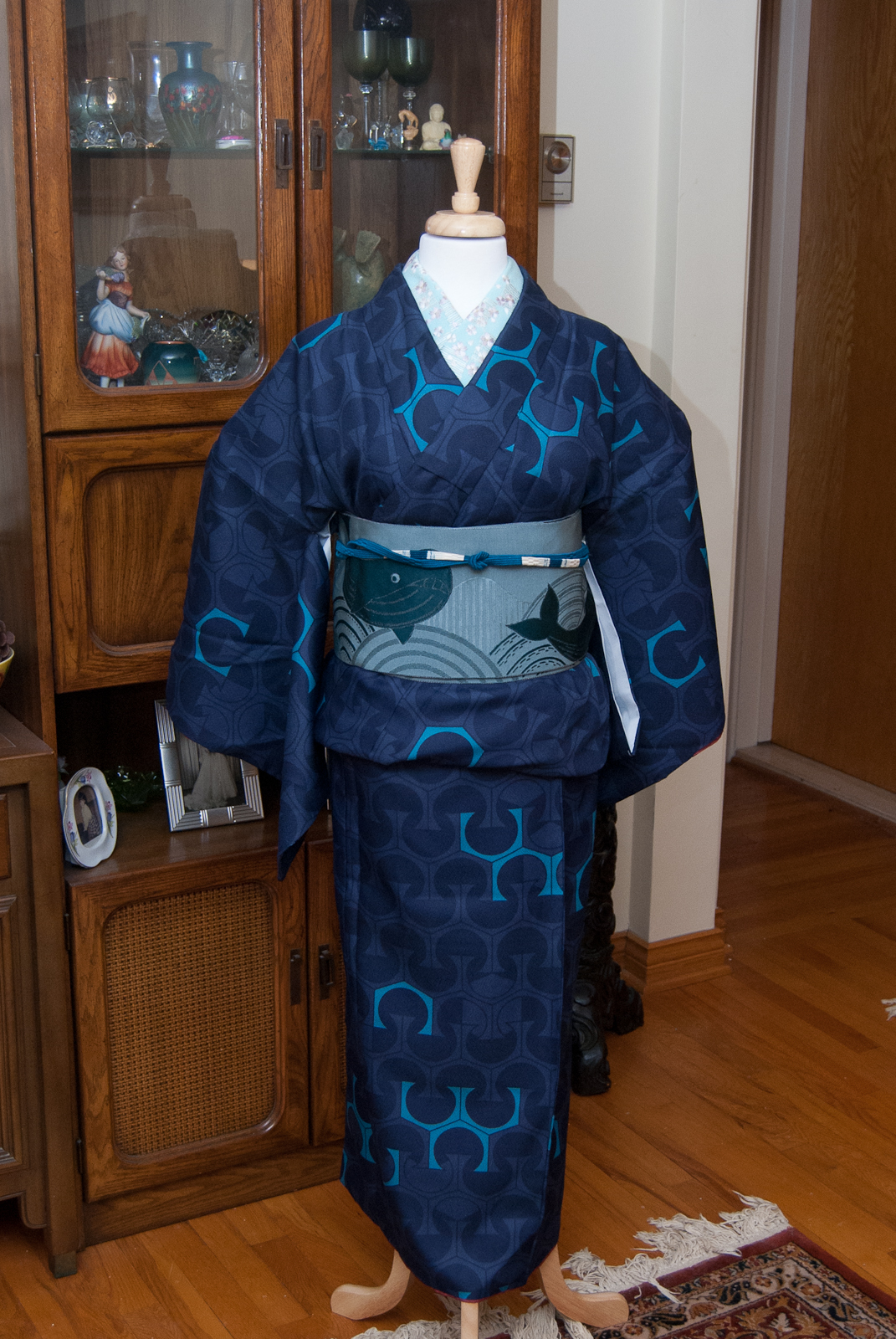
I found this obi online several months ago, and kept coming back to look at it. The whales are just so adorably goofy and charming, and I fell completely in love. Eventually I found myself with a bit of cash to spare on something special for myself, and after being enabled by pretty much every single one of my online friends, I went for it. I bought it from Murata, a store based in Vancouver, BC, here in Canada. It only took a few days to get here, and believe me, after over a decade of ordering almost exclusively from Japan that speed made me giddy. Kazue and Fumie were also both an absolutely pleasure to deal with, and I look forward to ordering from them again in the future.

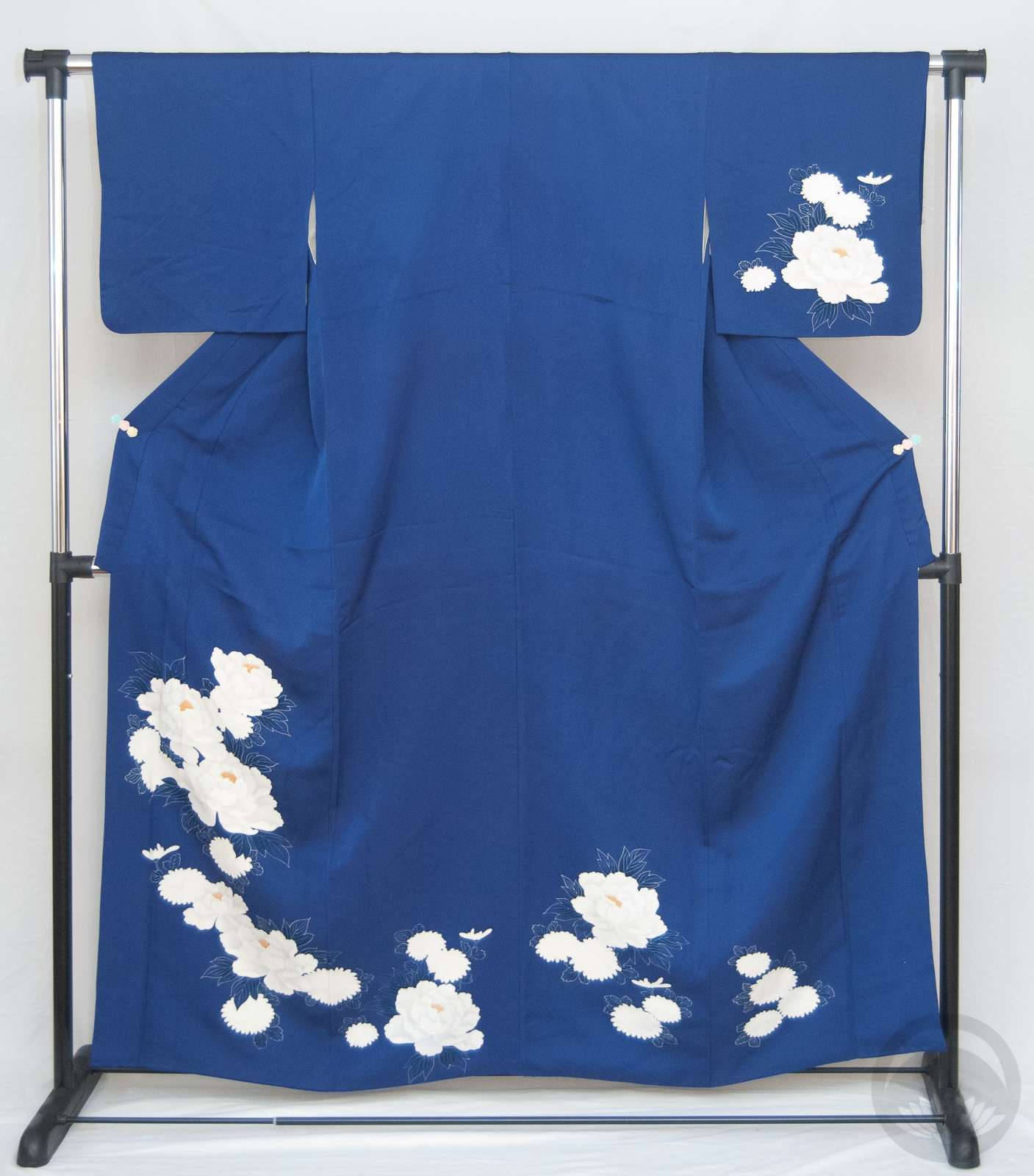
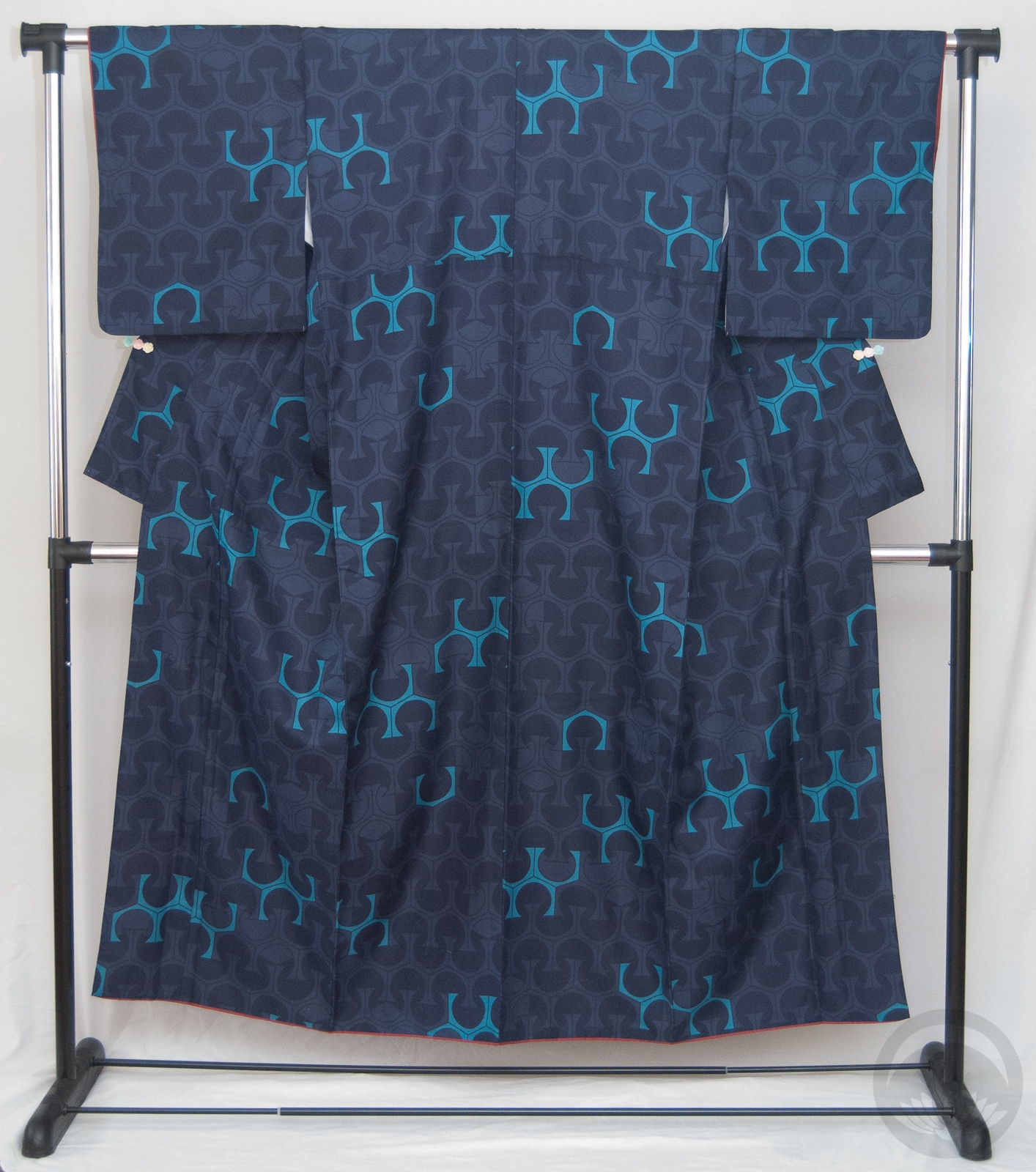
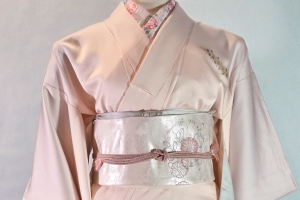
I felt that this obi is so fun and special that it had to be the focus of the outfit, so I went the vaguely monochrome route again. I thought this modern poly komon had a bit of a watery feel to it, and I love how it matches the obi but still manages to fade into the background, making sure all eyes are on the whales! This obi is also incredibly long, to the point where I had to wrap it around the mannequin three times, rather than the usual two. This means I’ll be able to wear it myself, and be able to tie all sorts of fun musubi with it. I can’t wait!

*(I would apologise for that terrible title, but I am not remotely sorry!)

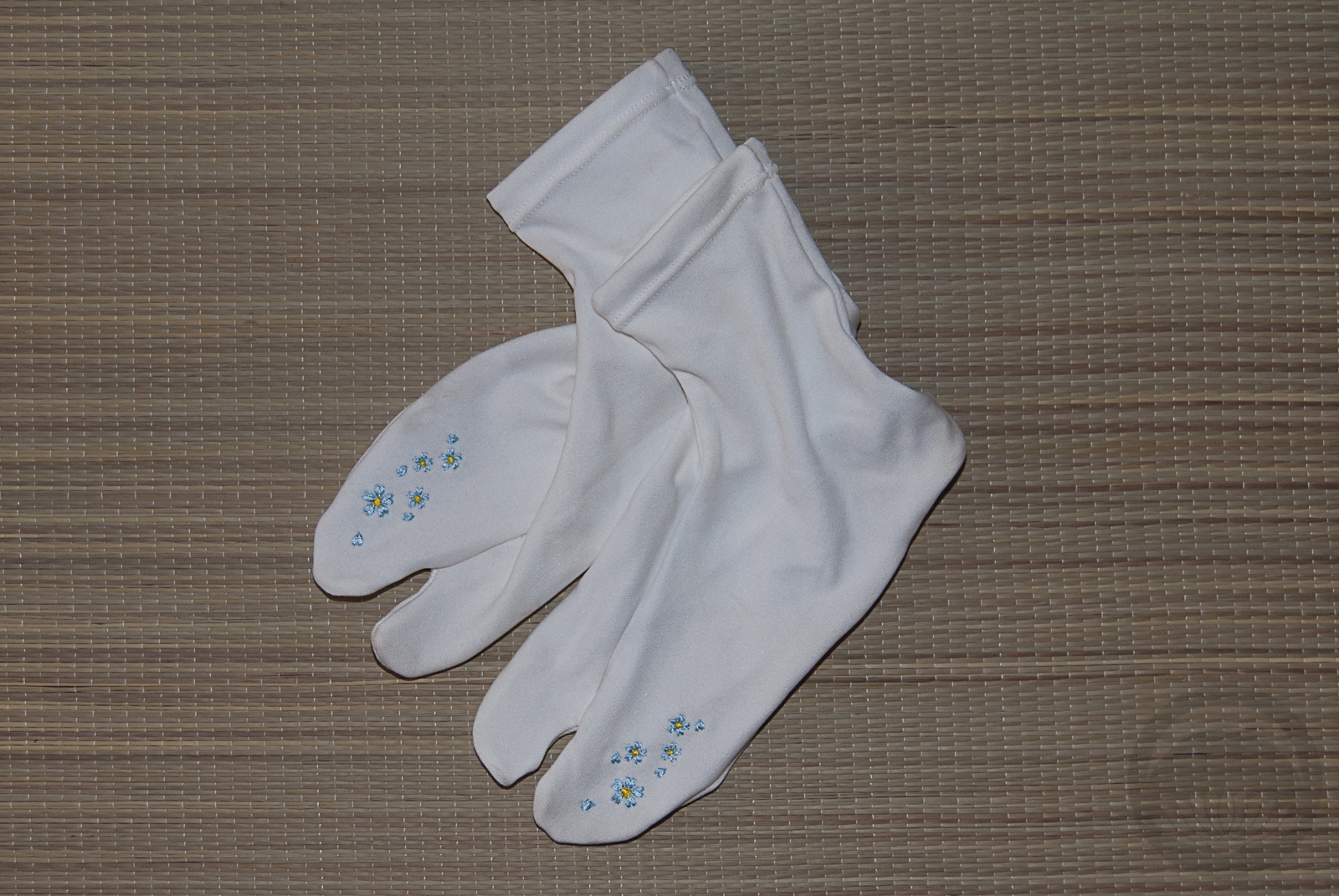
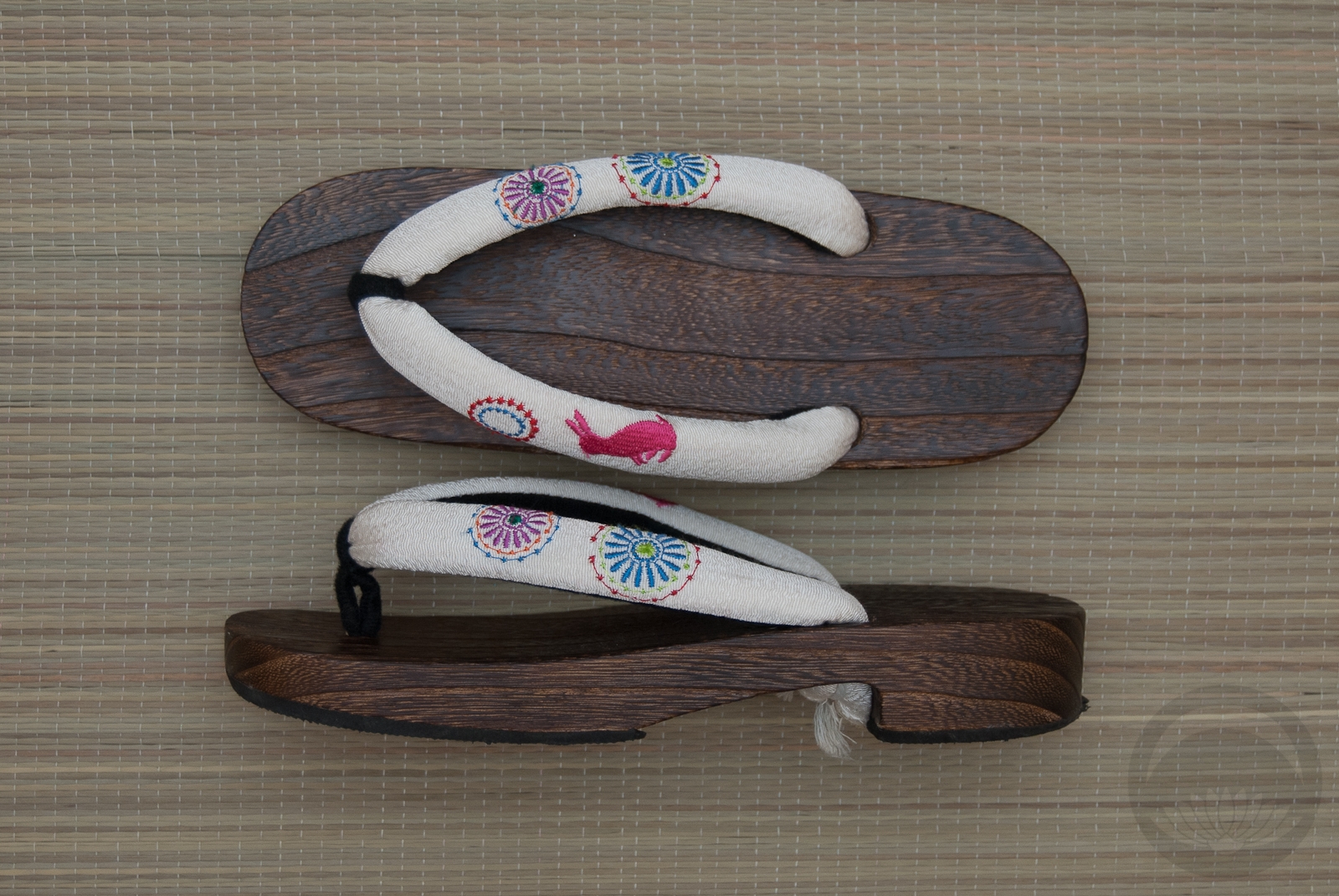
Items used in this coordination

Monochrome Magic

Typically, the rule of thumb for obi/kimono coordination is to choose contrasting colours and motifs. You want the two pieces to pop against each other and then be tied together with accessories. However, monochrome (or nearly monochrome) outfits are becoming more of a trend.

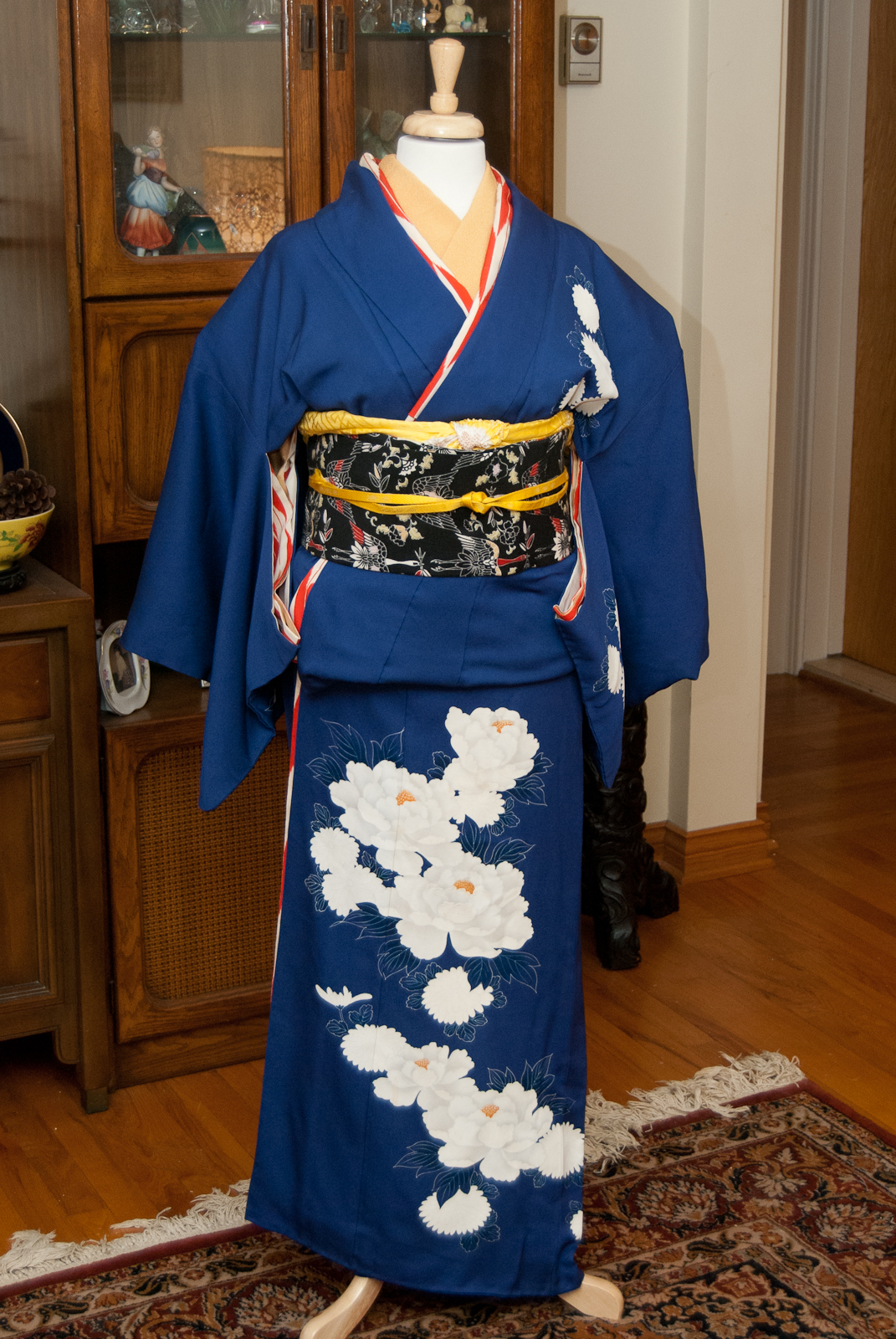
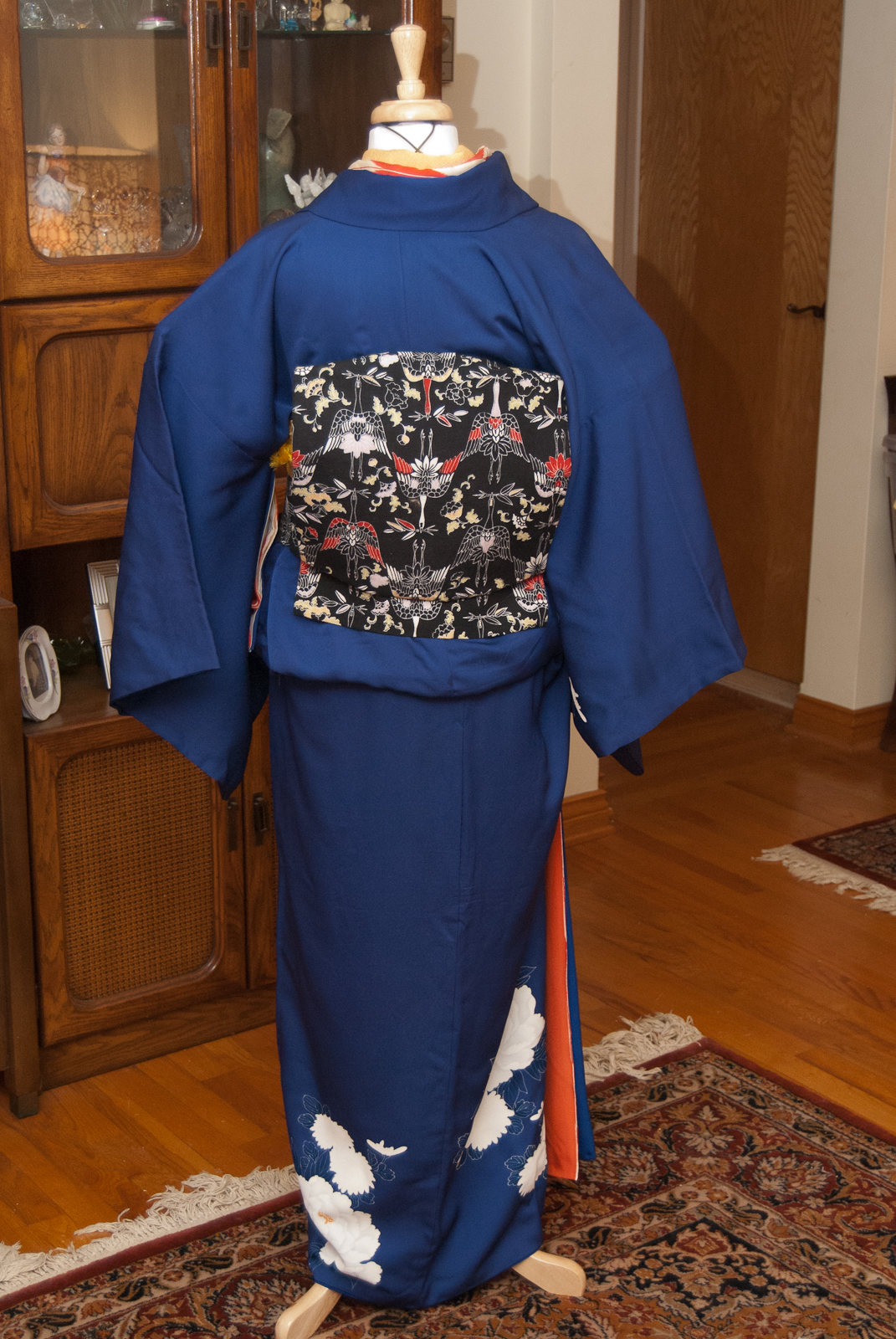
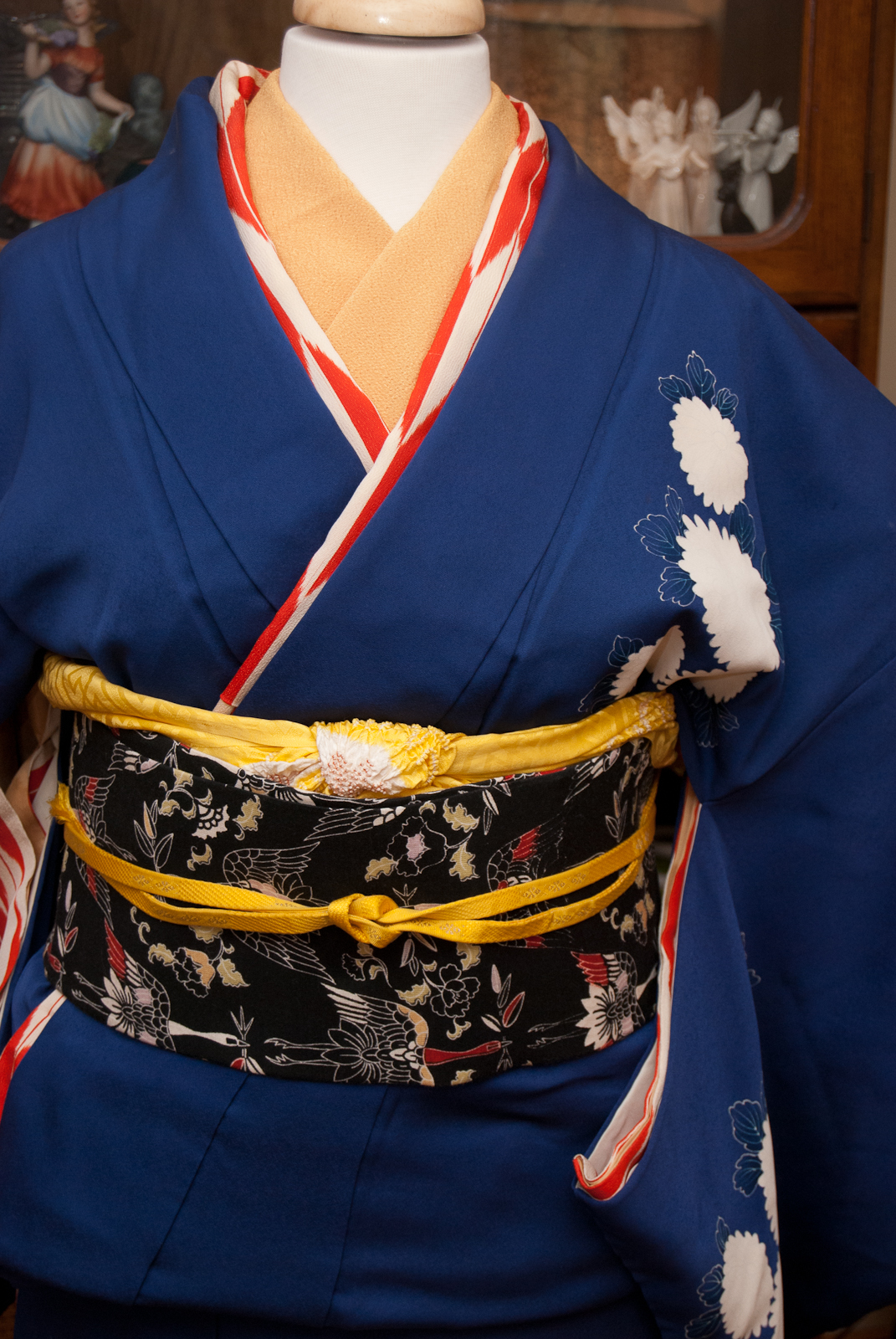
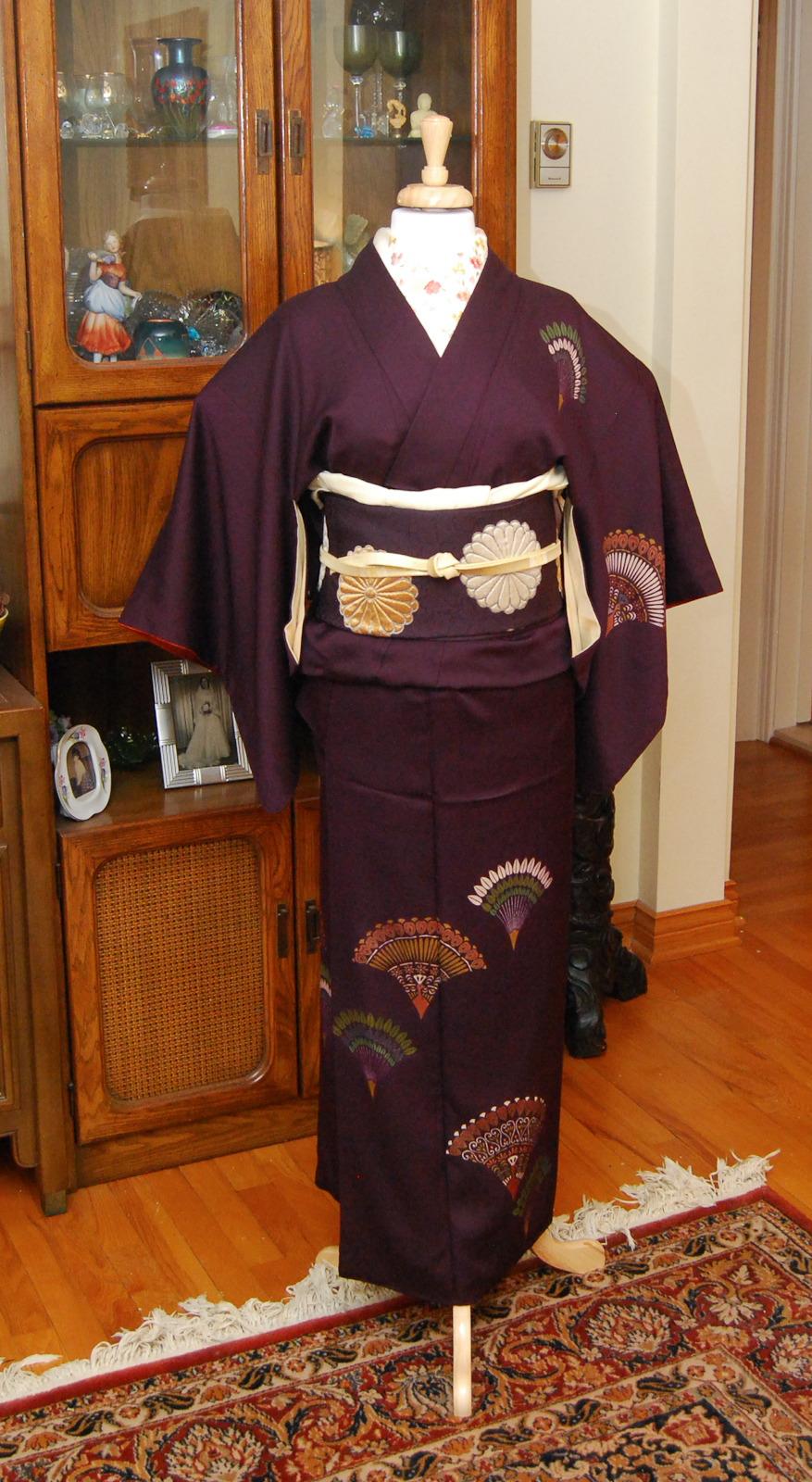
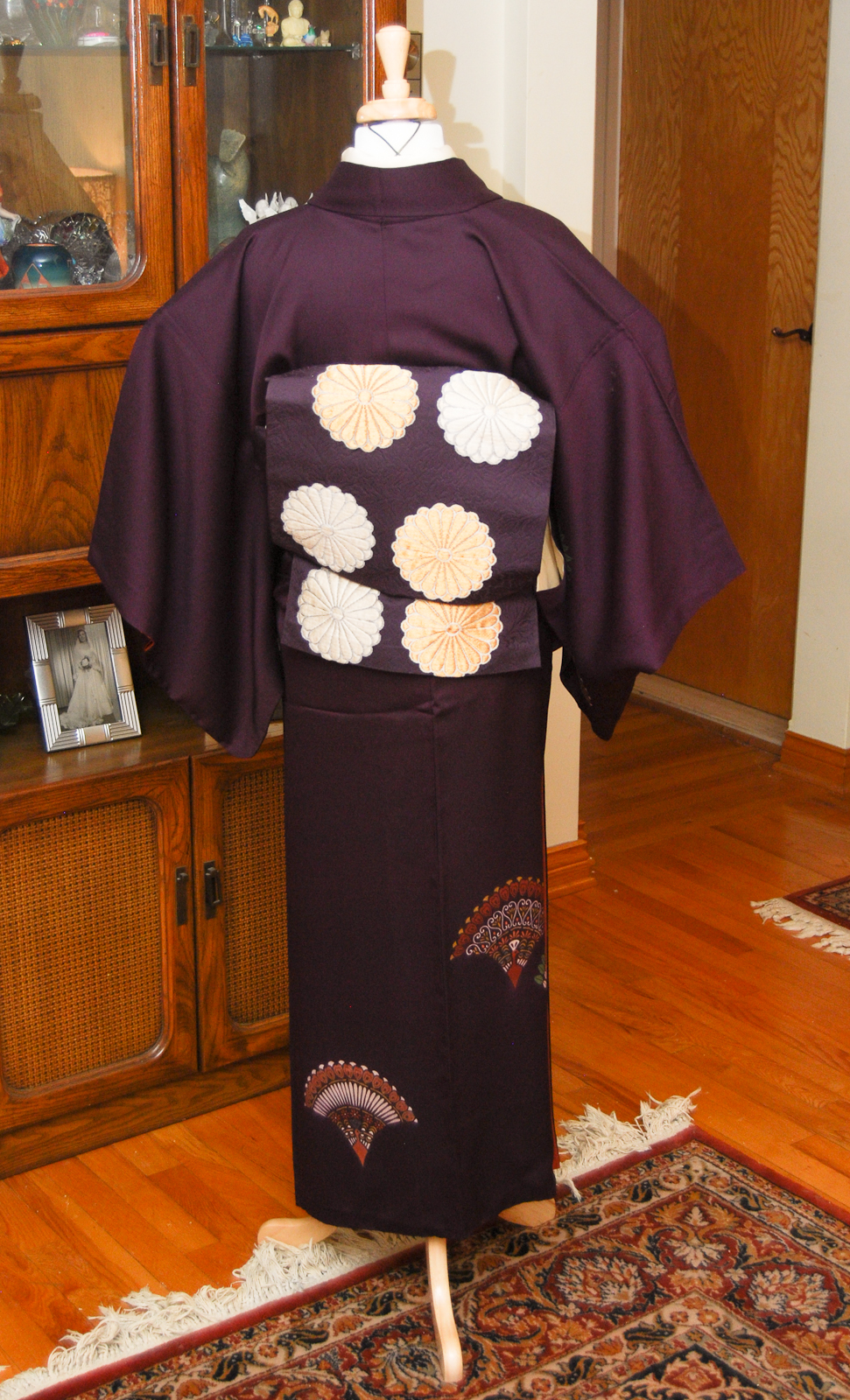
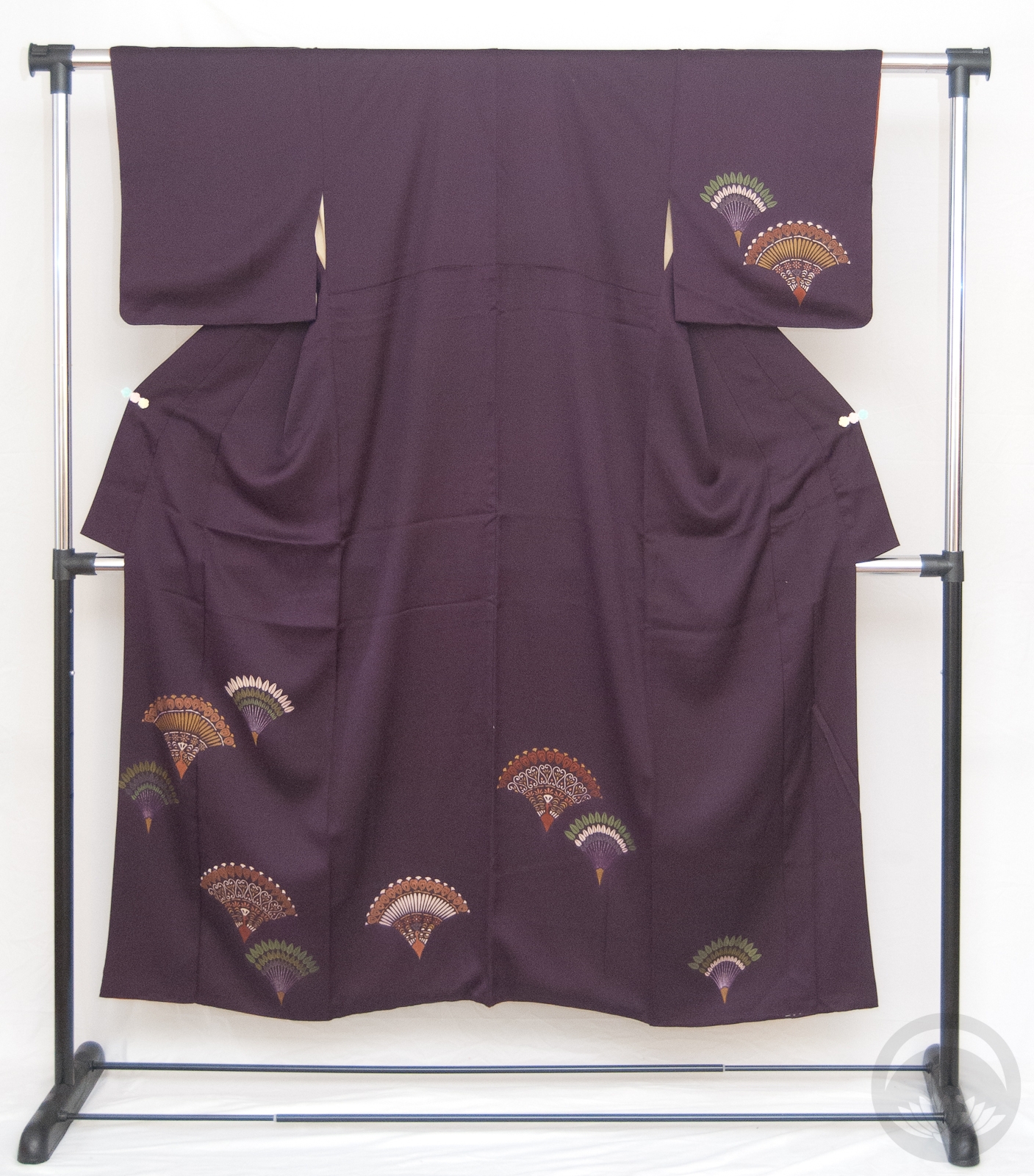
I found this plum tsukesage online and thought it would be a perfect match for the obi I already owned. While under the questionable influence of migraine medication I asked the lovely folks of the Immortal Geisha facebook group if I should go for it, and was actively and heartily encouraged. I tossed out an offer and promptly forgot about the whole thing. Imagine my surprise a week later when I got a shipping notice!

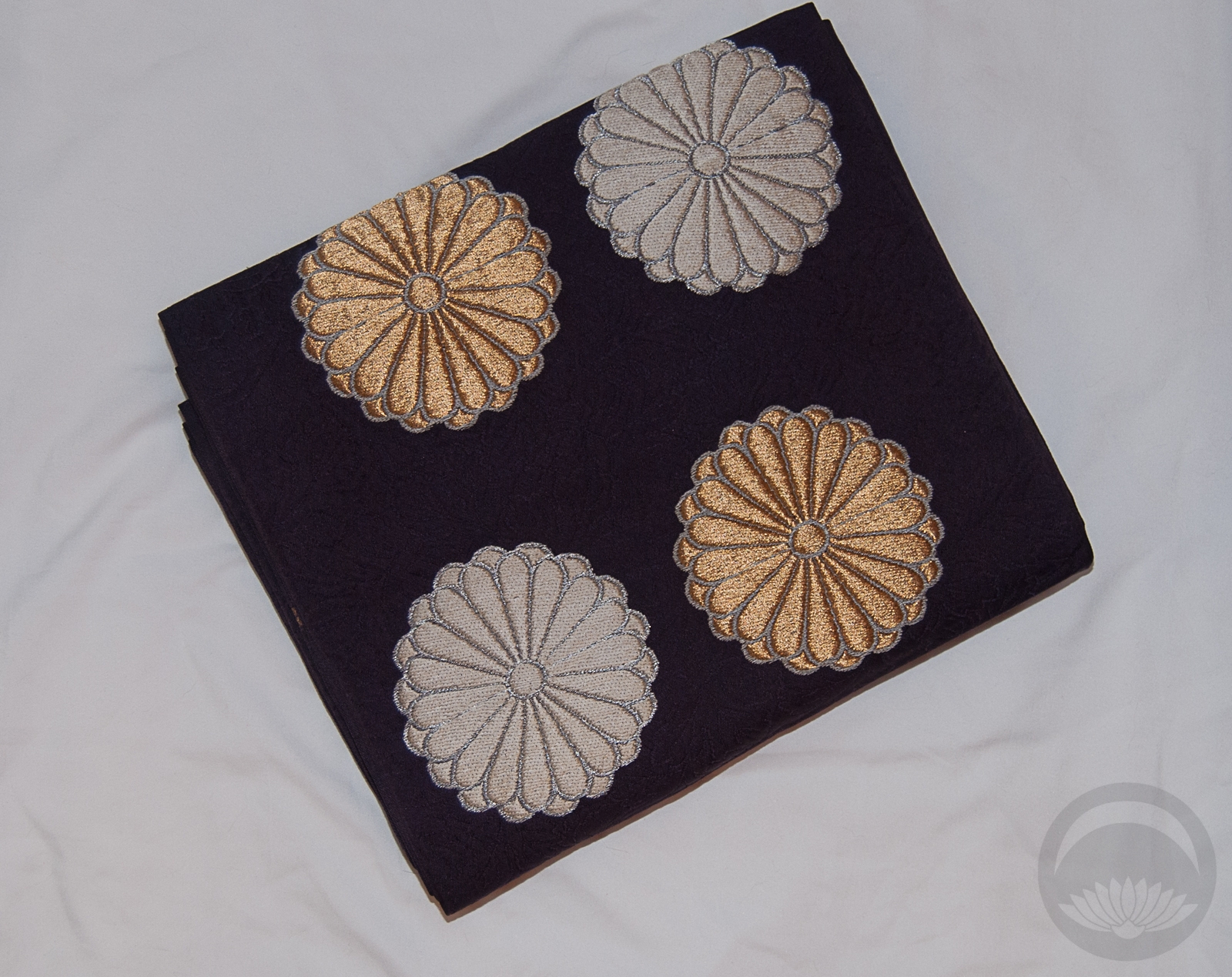
All that being said, I am completely and utterly thrilled with how well these two pieces suit each other. Not only are the base colours nearly identical, but the abstracted half-round peacock motifs perfectly echo the graphic round kiku on the obi. I decided to emphasize those motifs by accenting the outfit with cream and gold accessories, and I don’t think I could be happier!

Items used in this coordination

Purple Rain

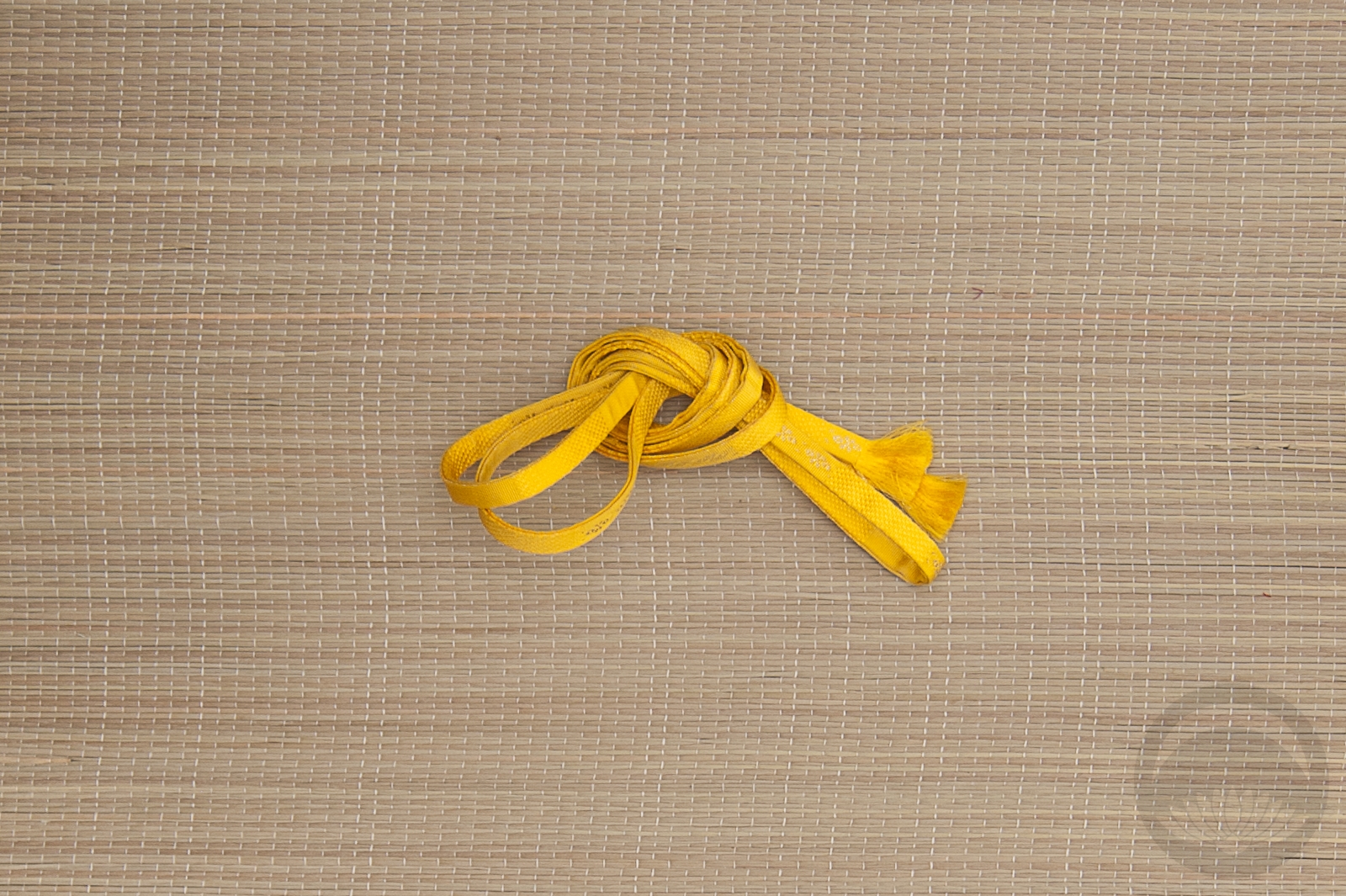
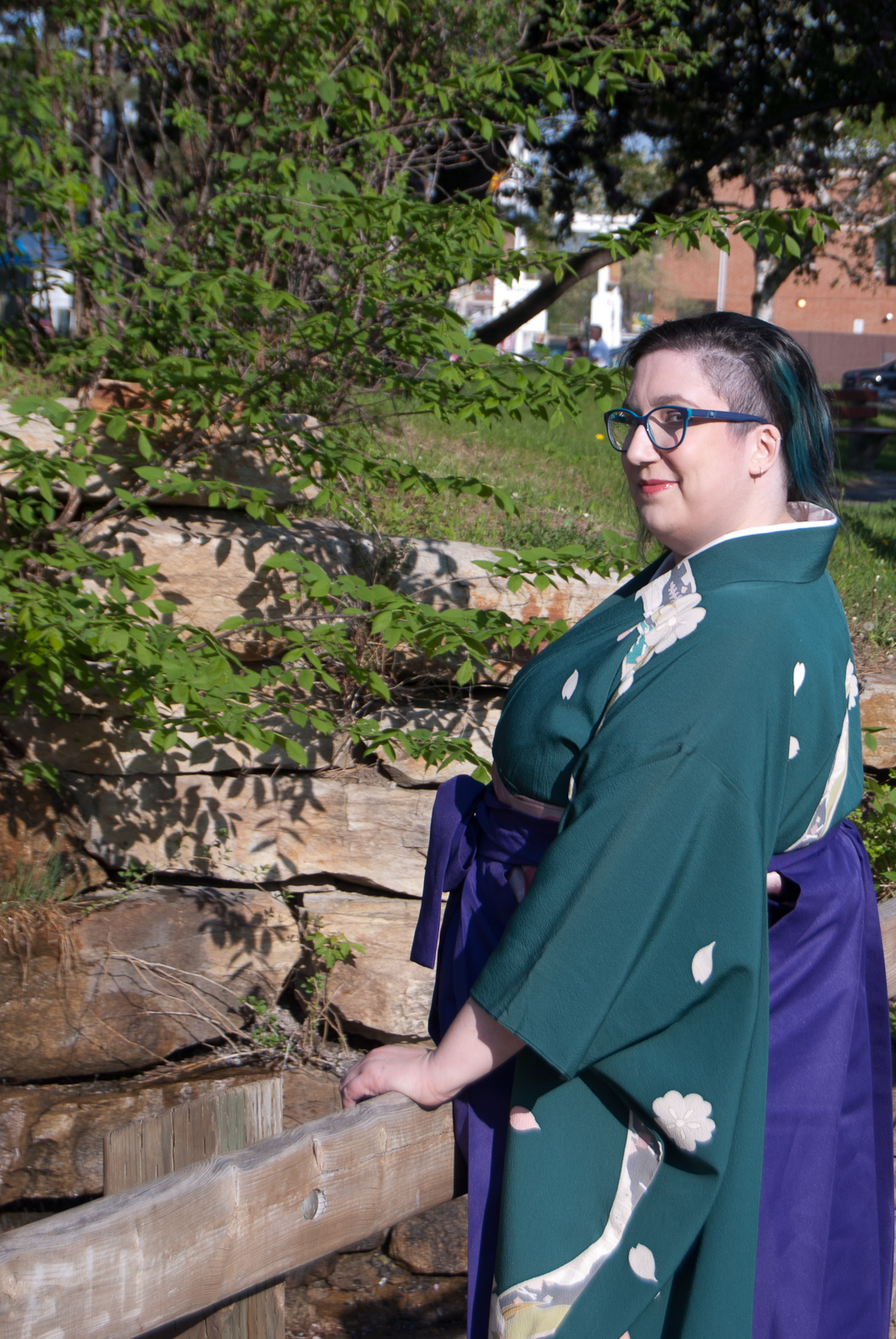
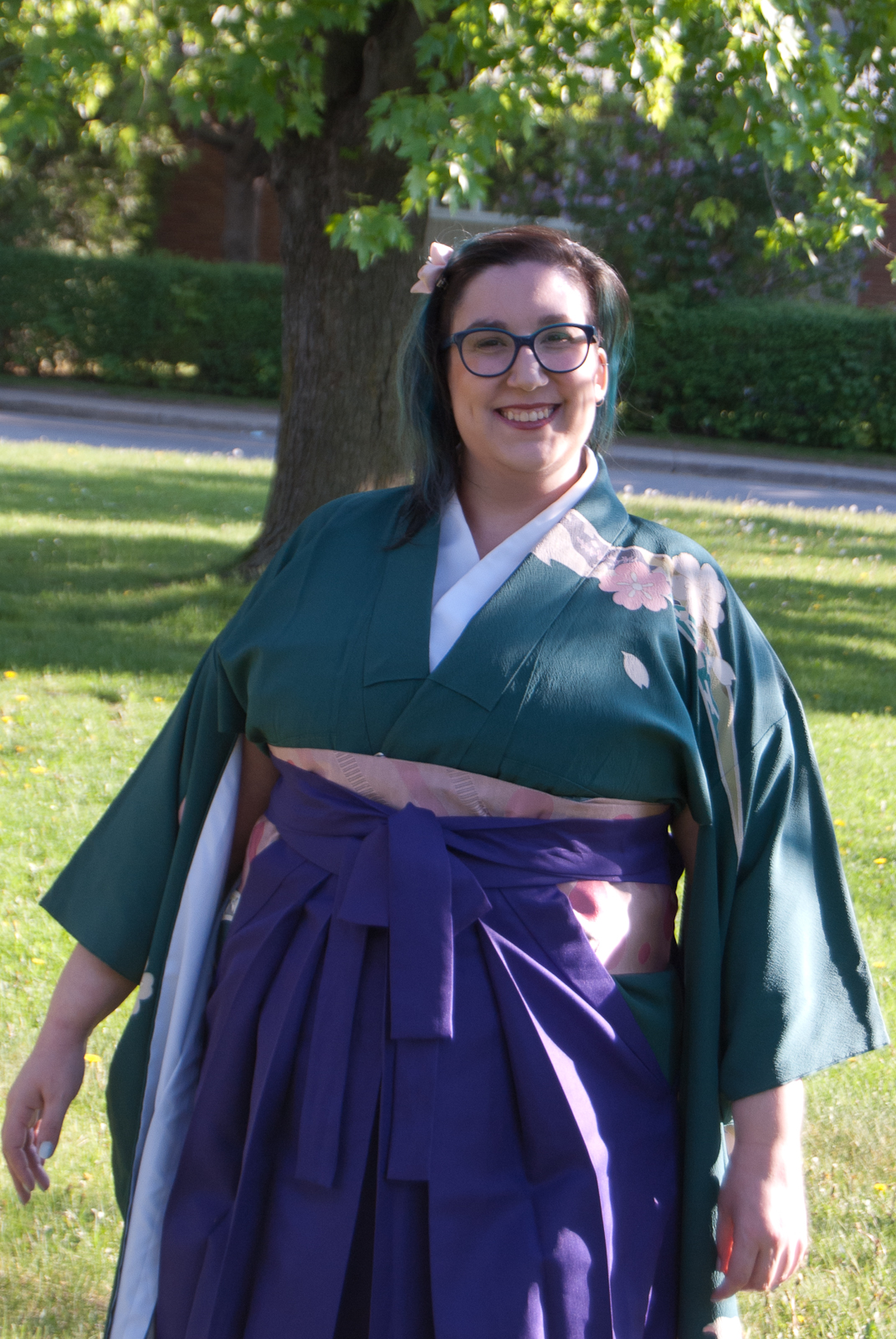
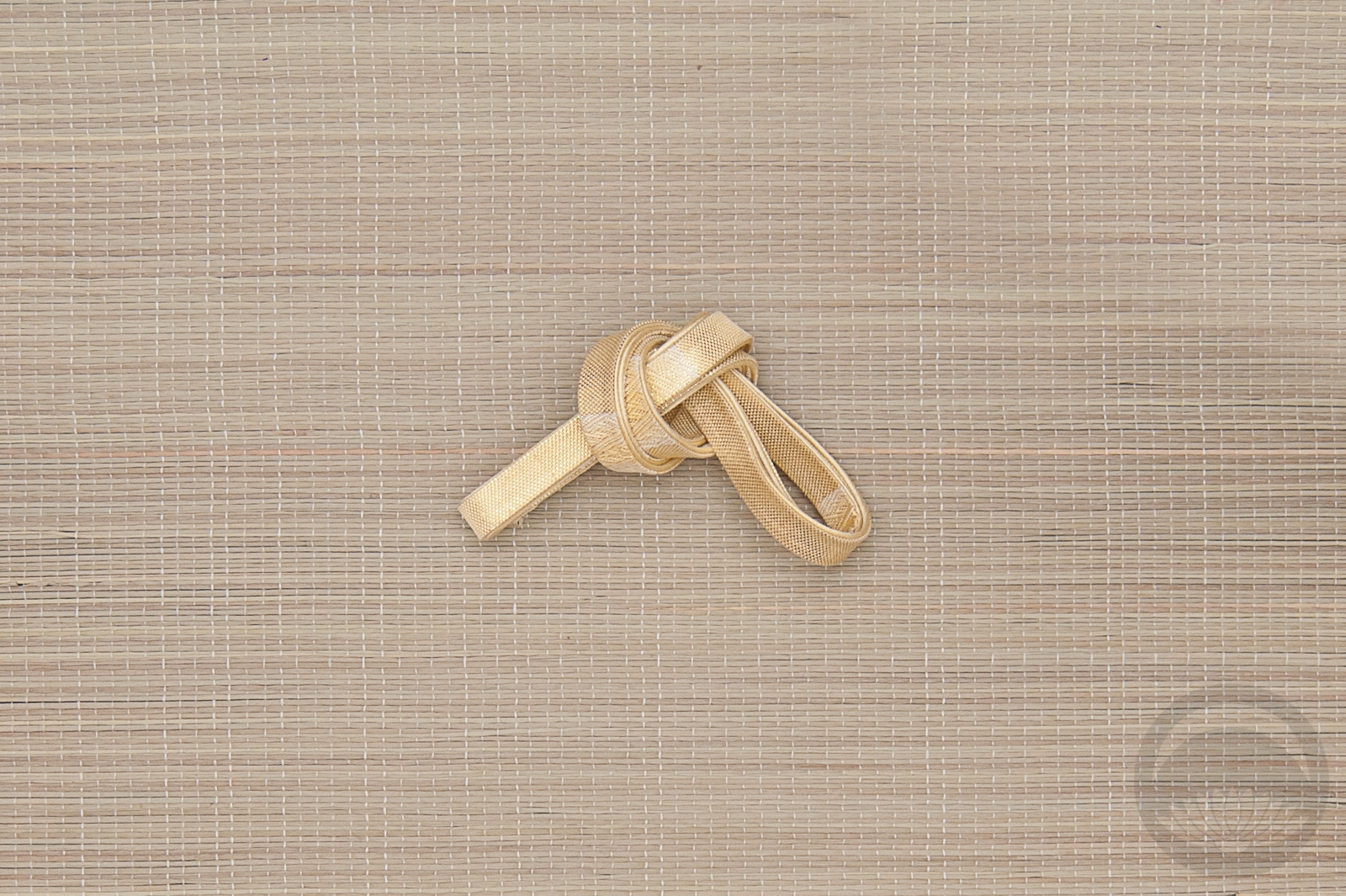
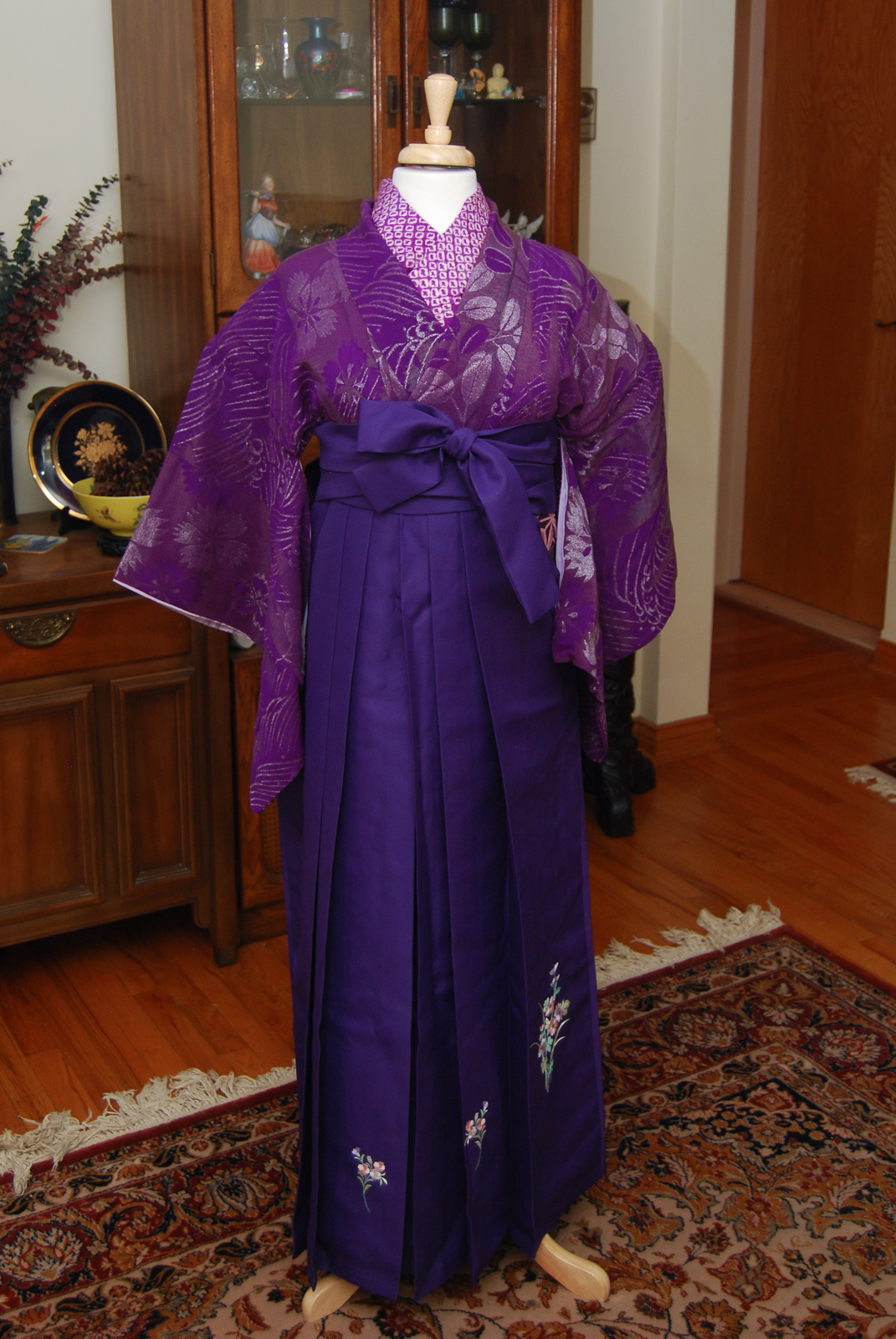
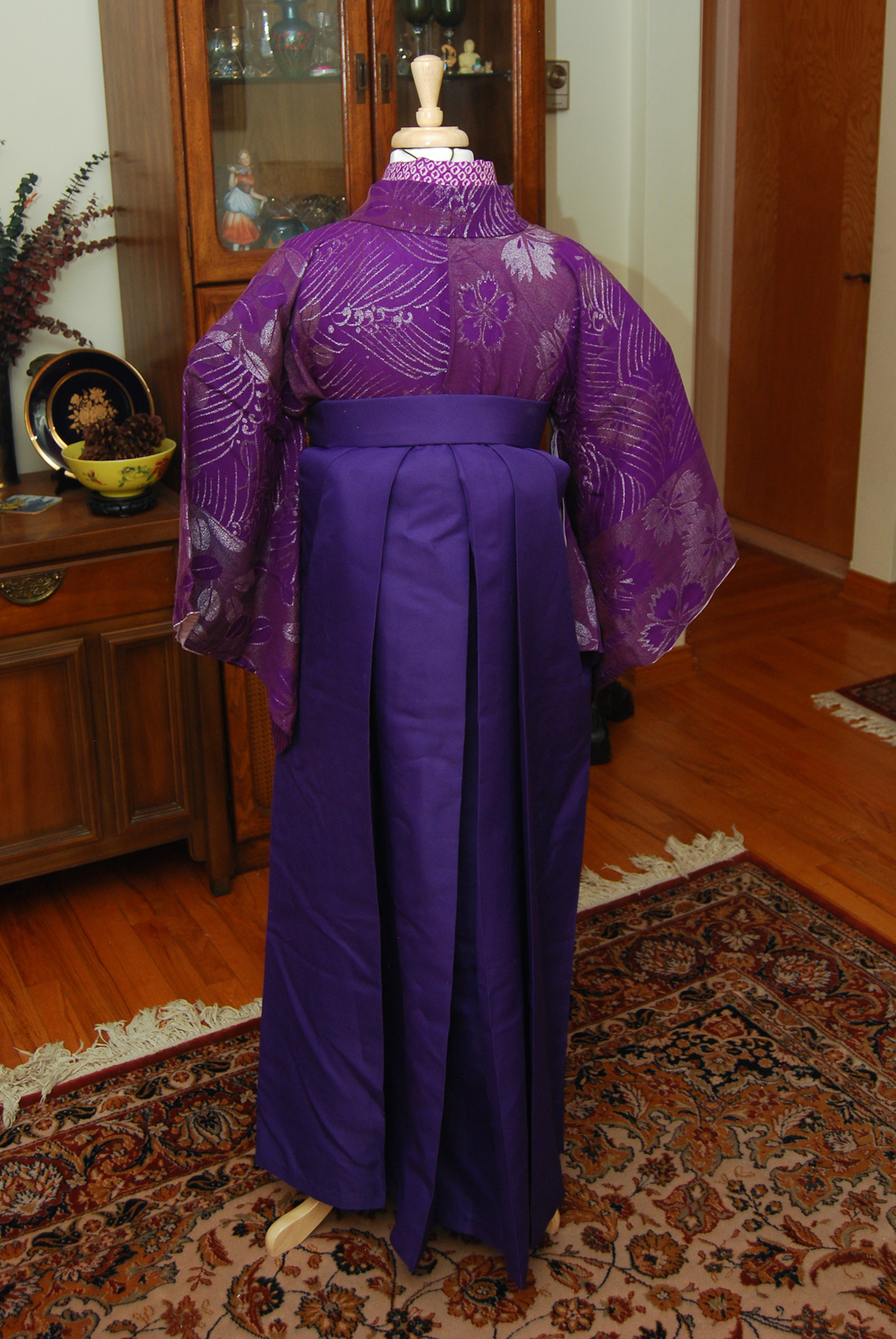
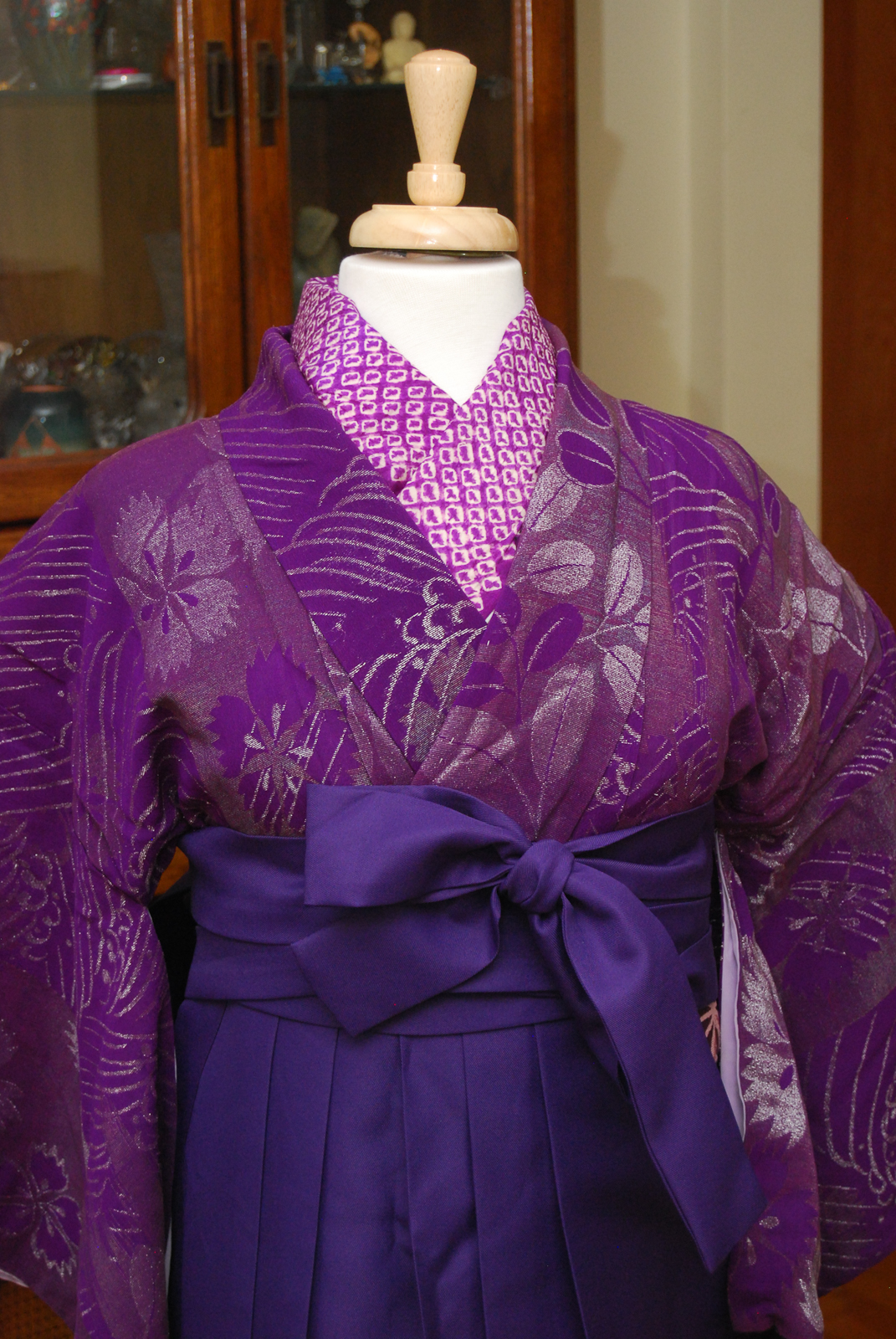
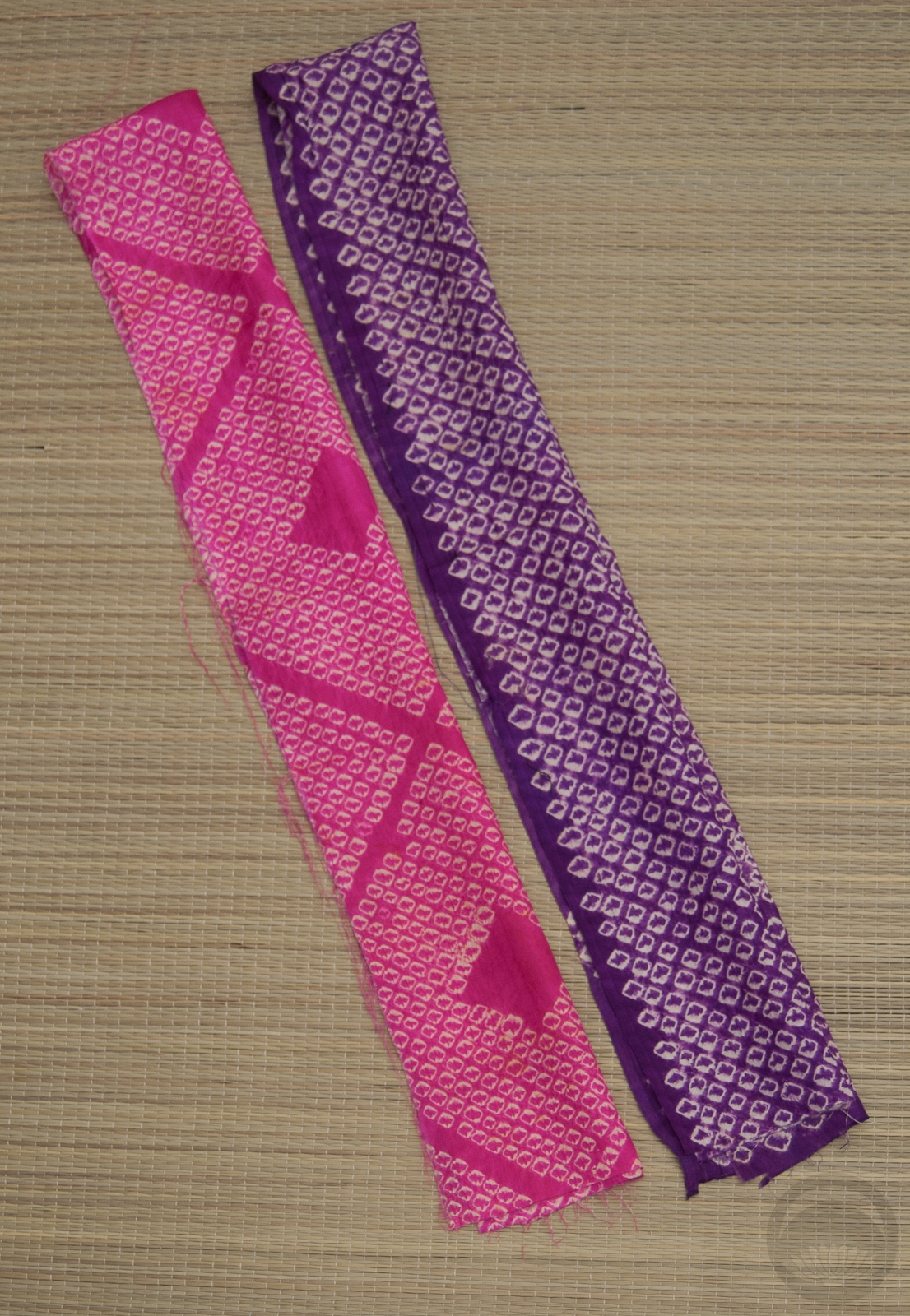
This year is shaping up to be a doozy when it comes to celebrity deaths. When I heard about Prince’s passing, I remembered how cathartic making a coordination in Bowie’s memory was that I figured I would fight through my current health issues and see what I could do. Of course, being in honour of Prince, I had to start with purple. I decided to do a monochrome outfit with a bit of flash and flair. Purple hakama, purple and silver lamé komon, purple shibori haneri, and even the obi (despite nearly being hidden) is entirely purple. I’m not used to monochrome kitsuke, but I have to say, I really like it. It’s a very effective way to showcase patterns and textures, and I think I’m going to attempt it more often.

Now, 2016, do you think you could lay off on taking musical icons from us for a few months? That would be great, thanks. As much as these memorial coordinations help me cope, I’d be perfectly happy not doing another one for a long time.

Items used in this coordination

Steampunk Adventuress

I was so pleased with the end result of using the high-necked Victorian-style blouse under the pink iromuji a few weeks ago, I thought I would try it again! Rather than simply re-hash the outfit with a different kimono, I decided to throw caution to the wind and do a full Steampunk-style ensemble. I purchased this corset recently for a cosplay, but it seemed like the perfect jumping-off point for this outfit. While I use it fairly frequently, this outfit screamed for my Gothic Victorian Landscape houmongi. A ruffly black crinoline and a brown faux-fur stole pulled everything together neatly, and a brooch from Scotland was the perfect finishing touch. I couldn’t be happier with how this one came together. I could totally imagine myself wearing this outfit – with a fabulous hat and knee-high boots – on the front deck of an airship, travelling to Japan to do some more shopping!

Items used in this coordination

Book Review – Kimono Now

Kimono Now
by Manami Ozaki
Language: English
ISBN: 978-3791349497
Amazon.com Listing
GoodReads Page

Kimono Now is an absolutely wonderful English-language resource about modern kimono culture. I’ve had it for quite a while but wanted to give my thoughts time to settle before writing this review. I absolutely loved it and wanted to make sure I wasn’t jumping the gun with my opinions.

It’s a big, lush book that looks as good on a coffee table as it does in your bookshelf. It’s broken down into logical and easy to read segments, from the craftsmanship and artistry involved in kimono to interviews and featurettes on modern designers, famous kimono style icons, people remaking kimono into new fashion, and artists working in other mediums who have been inspired by kimono. While most of the people discussed and interviewed are Japanese, the book also takes into account the kimono’s influence on the rest of the world and has features involving non-Japanese artisans and collectors, which is very refreshing. It’s chock full of gorgeous colour plates and plenty of detailed information that never feels dry. It covers a little bit of everything without feeling like a textbook, which is no mean feat. It’s definitely not a how-to guide, but if you’re already familiar with how to wear kimono traditionally and just want ideas and inspiration, it’s a must-have. If I have any one criticism, it’s that someone along the line (possibly the editor or publisher) decided to go with the western standard of pluralising kimono into kimonos, which has always been a bit of a peeve of mine. It’s a very minor nitpick though.


I would recommend this book for:


-People interested in modern kimono culture
-People looking to learn more about kimono designers, models, etc
-Anyone searching for inspiration and ideas to develop their personal style

I would not recommend this book for:


-Beginners looking for how-to-dress guides
-People interested only in traditional kitsuke


This post contains affiliate link(s). If you choose to purchase, I receive a small rebate or commission which goes to the continued maintenance of this site.