It’s not enough. We have to go deeper.

Why yes, that was indeed a reference to Inception as today’s subject line. Not only is it one of my favourite movies of the year (and possibly of all time), it is entirely relevant to the kimono I received this morning. If you’re familiar with Inception, the concept of a “dream within a dream” will be very familiar to you. So imagine someone like me, who dreams of kimono regularly, finding “kimono within kimono.”

When I first saw it on eBay I was completely smitten. It is a kurotomesode (short sleeved, five-crested black formal kimono), which is definitely something I don’t need more of. However, rather than the relatively typical celebratory designs of cranes, flowers, carts, fans, etc, the pattern on this kimono is… kimono! All around the inside and outside hem of this kimono are wooden racks with kimono out to dry, as well as bowls and tools for washing. I’ve never seen anything like it, and I knew I had to have it. It ended up going for a bit more than I’d hoped to spend, but was still well worth the investment.

Both the age and the usage of this kimono are a bit of a mystery. The design is very avante-garde and non-standard for a normal woman, and the hem is slightly padded, which weigh in the favour of it being a hikizuri of some sort. The length of the kimono is also longer than average for its apparent age, but not quite long enough to be proper hikizuri. It may have been made for a particularly short geisha, or possibly just a very stylish woman. It’s hard to say. The sleeves are lined in red, which is a typical element of Taisho and early Showa era kimono, but they are slightly shorter than average for that era. The body is also lined in white, not red, but that may have been replaced at some point during its lifespan.

Update, April 22, 2012 – Naomi recently discovered the existence of a motif known as tagasode, or “whose sleeves?”

Literally, “whose sleeves?.” Painting theme depicting beautiful kimono 着物 draped across a wooden rack, ikou 依桁. The subject was usually painted on folding screens *byoubu 屏風 and became popular in the late Momoyama and early Edo periods (16c and early 17c). Although the subject is highly decorative, the word tagasode has deep literary connotations and probably originated from a line in KOKIN WAKASHUU 古今和歌集 (905): “Iro yorimo/ka koso aware to /omohoyure/tagasode fureshi/yado no ume zomo 色よりも/香こそあはれと/おもほゆれ/誰が袖ふれし/宿の梅ぞも”. Tagasode often implies a beautiful woman whose absence is missed, since beautiful sleeves are thought to evoke the image of an elegant woman and the fragrance arising from her kimono.
In early examples, typical objects belonging to a room in the pleasure quarters or even a beautiful woman herself were depicted; a screen in the Burke Collection, New York (early 17c), includes a musical instrument, koto 琴, while two young women are painted on early 17c screens in the Nezu 根津 Museum, Tokyo. Variations on the tagasode theme became more removed from literary associations, and finally the kimono and stand remains as the only motifs depicted against gold foil background. There are many examples from the Edo period, often by unknown genre artists.


source – JAANUS, tagasode

Outside view
Meta-Kimono

Inside view
Meta-Kimono

Outer details
Meta-Kimono

Meta-Kimono

Meta-Kimono

Inner details
Meta-Kimono

Meta-Kimono

It’s absolutely beautiful up close – everything is covered in tiny and delicate patterns, from the kimono to the racks holding them up. The kimono are all outlined in gold couching thread which is in impeccable condition, no drooping or detached threads anywhere that I can find.

I seem to have a knack for finding kimono that are technically kurotomesode but have characteristics that may throw them off. My chidori and matsu hybrid kimono is another prime example. As for this piece, it may be an oddity, and I may not know who wore it or when, but I love it nonetheless.
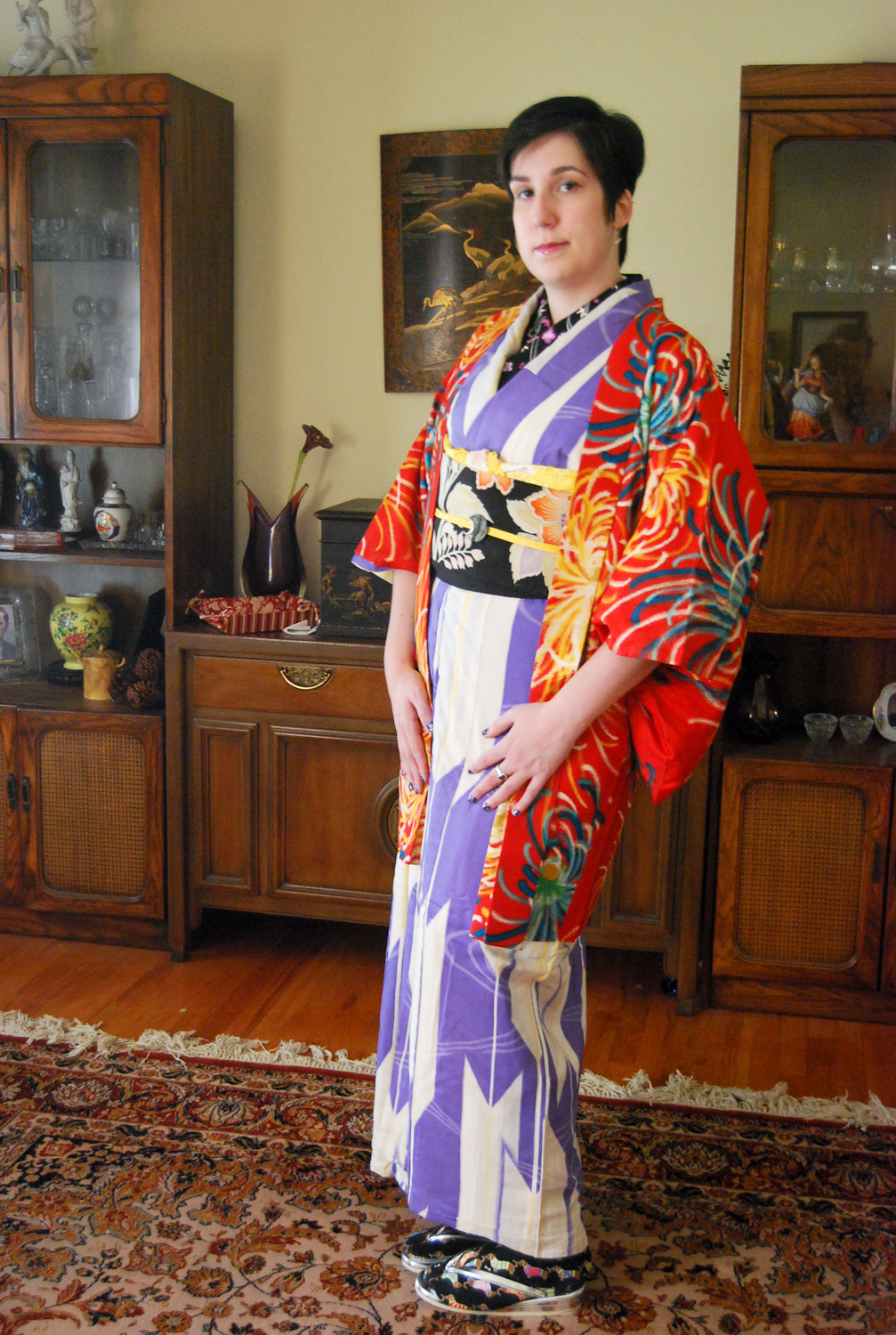
Montreal ToyCon October 2010

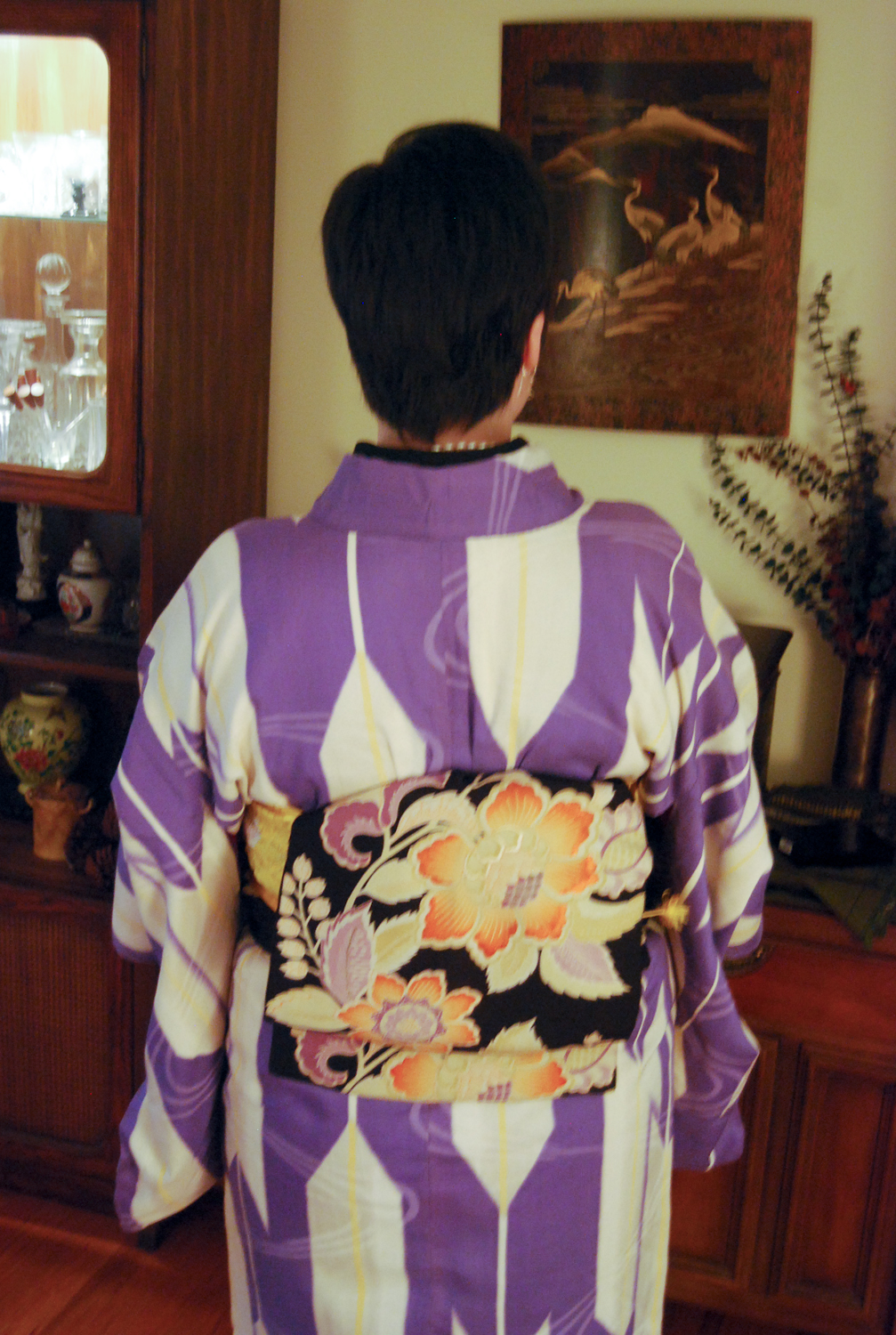
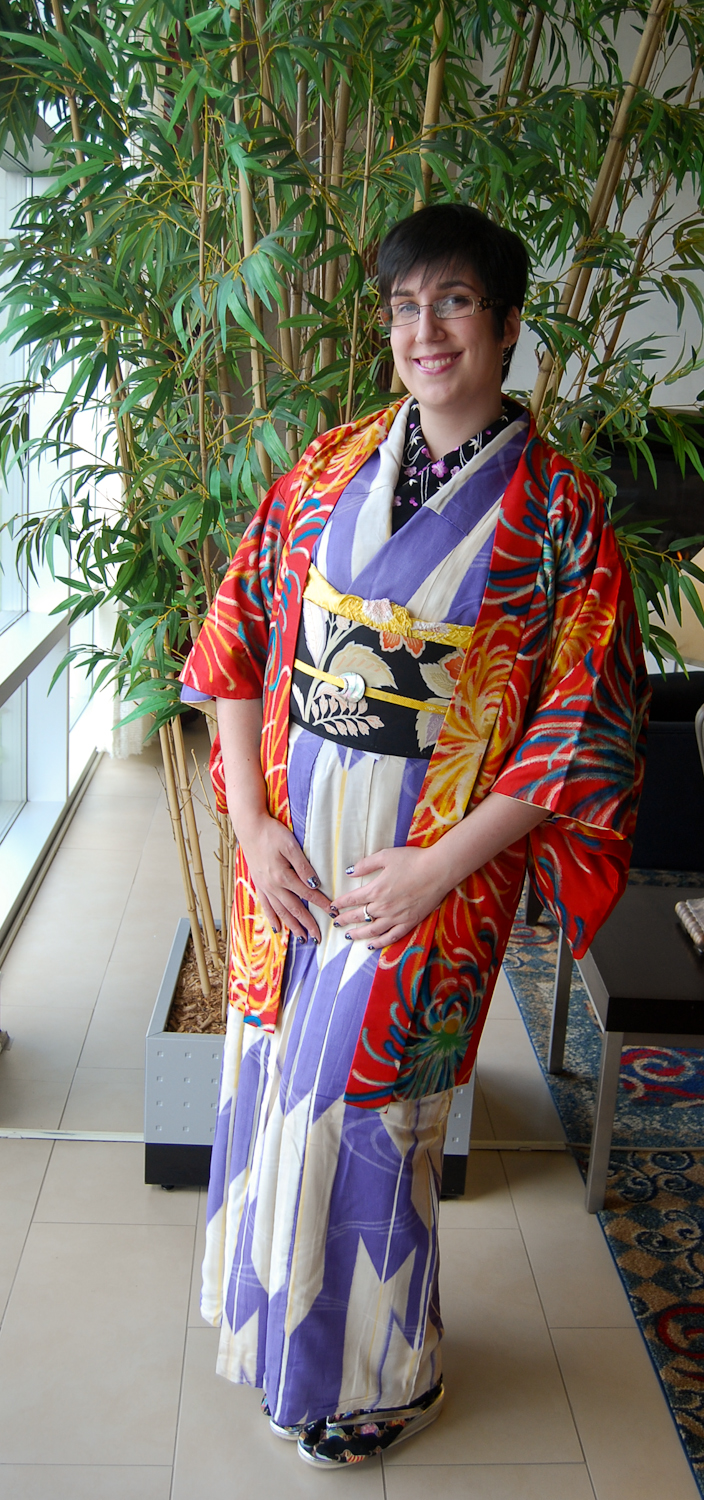
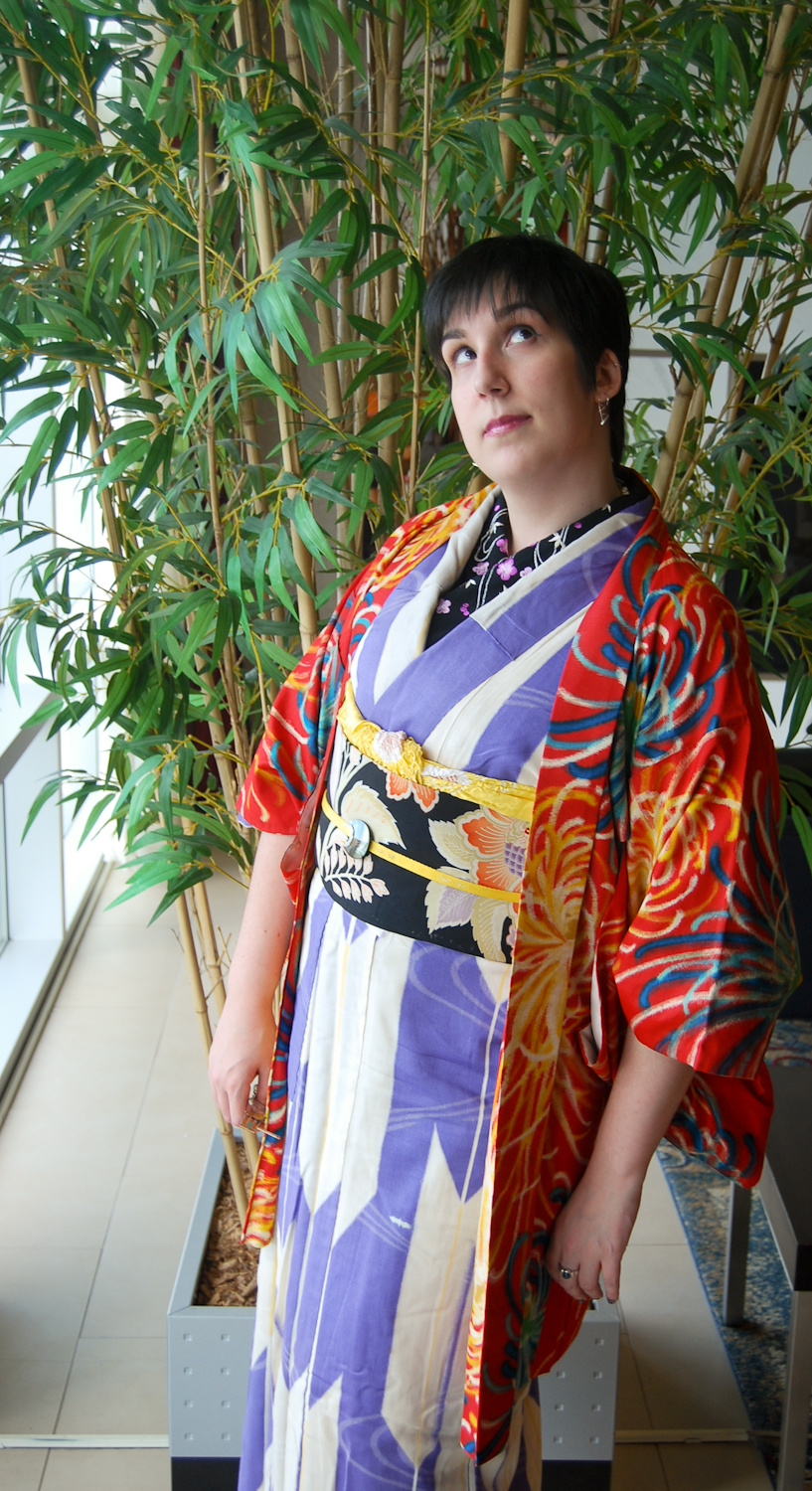
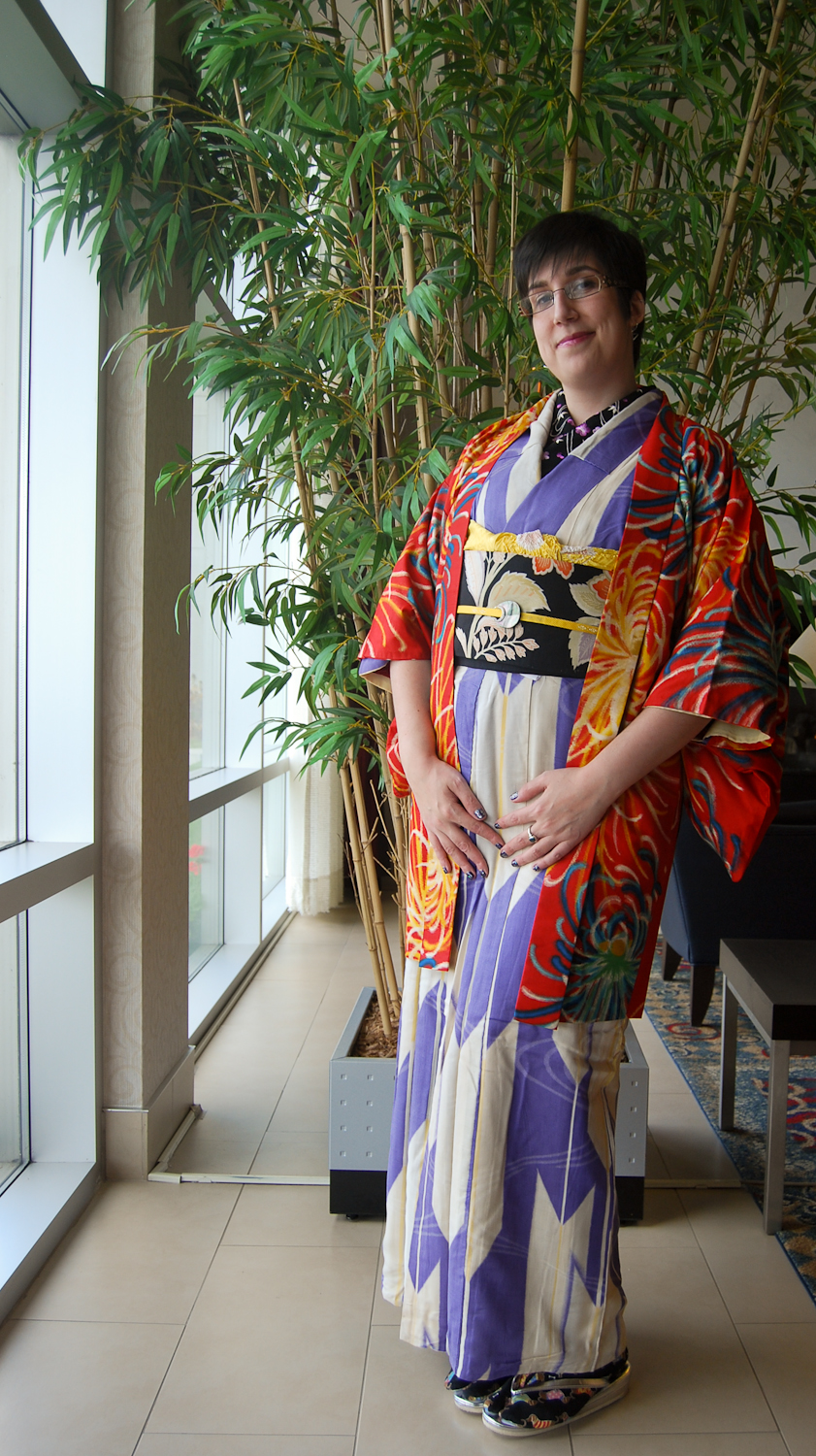
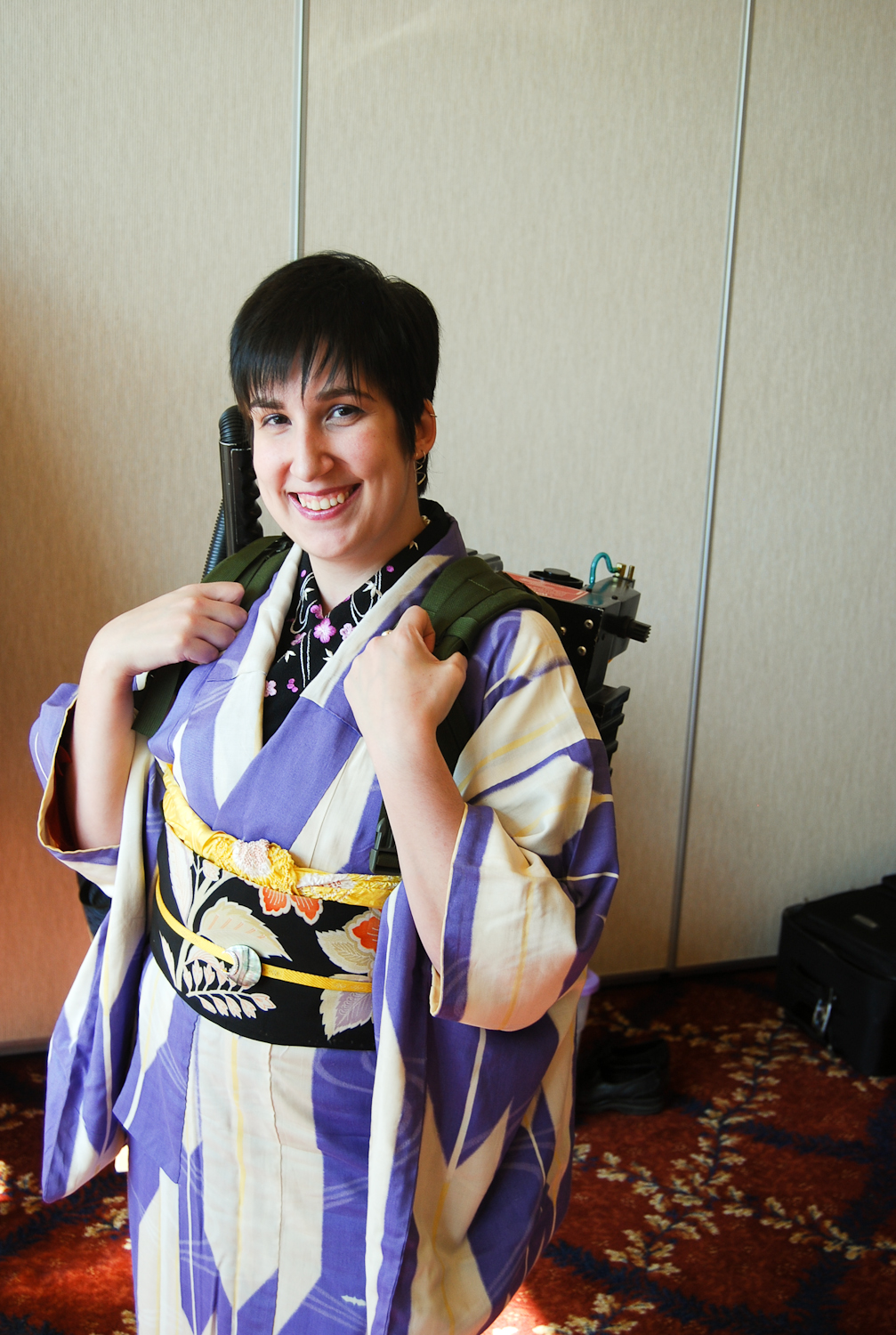
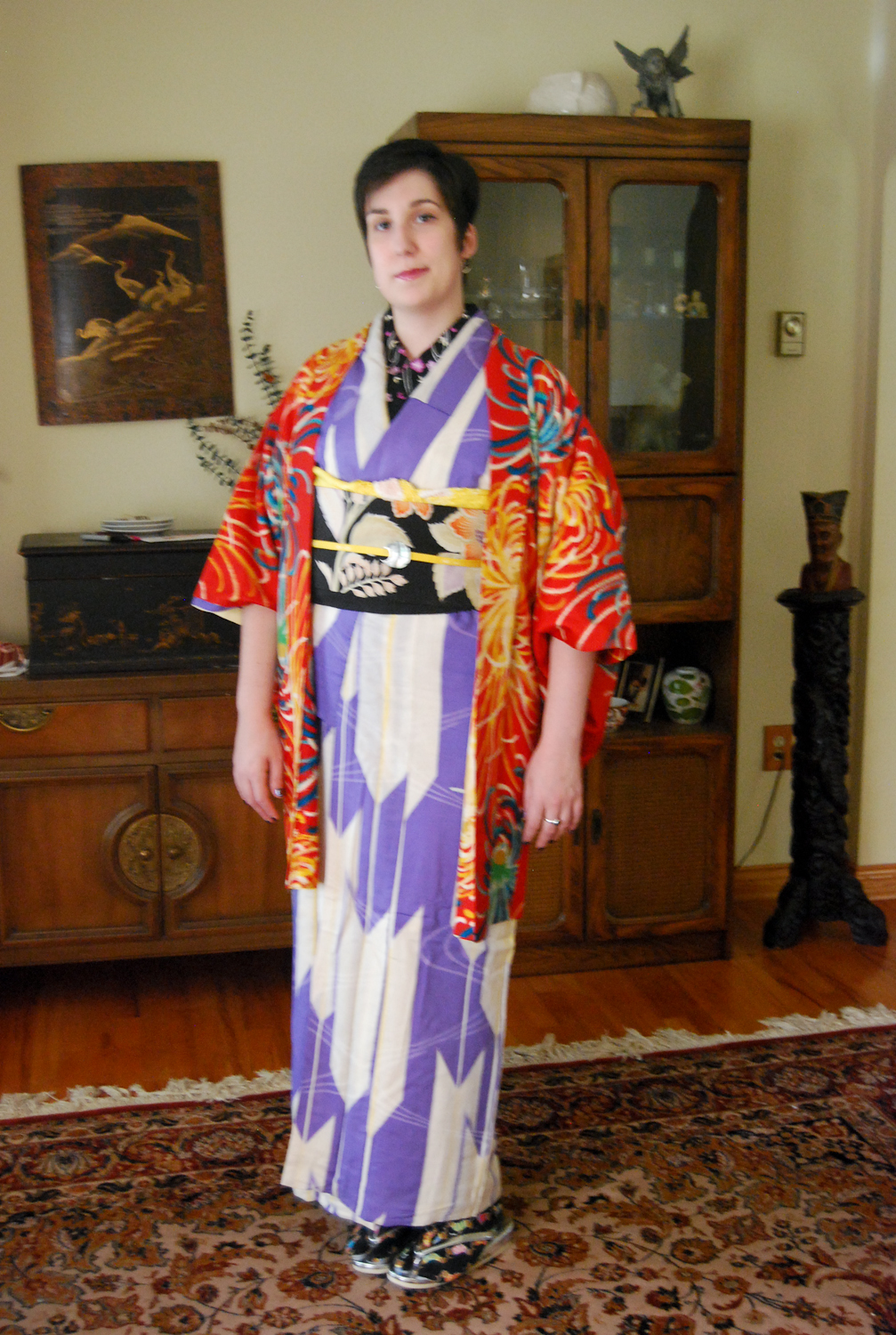
So as some of you may know, I work in just about the coolest toy store in the universe and twice a year we organze a toy convention. I usually use it as an excuse to wear kimono, and this year was no exception. I’ve been wanting to wear all these pieces for a long time now, and I’m so glad everything came together so well. The kimono is way too small so I could not swing an ohashori, but it’s a casual enough outfit that I think it’s sort of irrelevant.

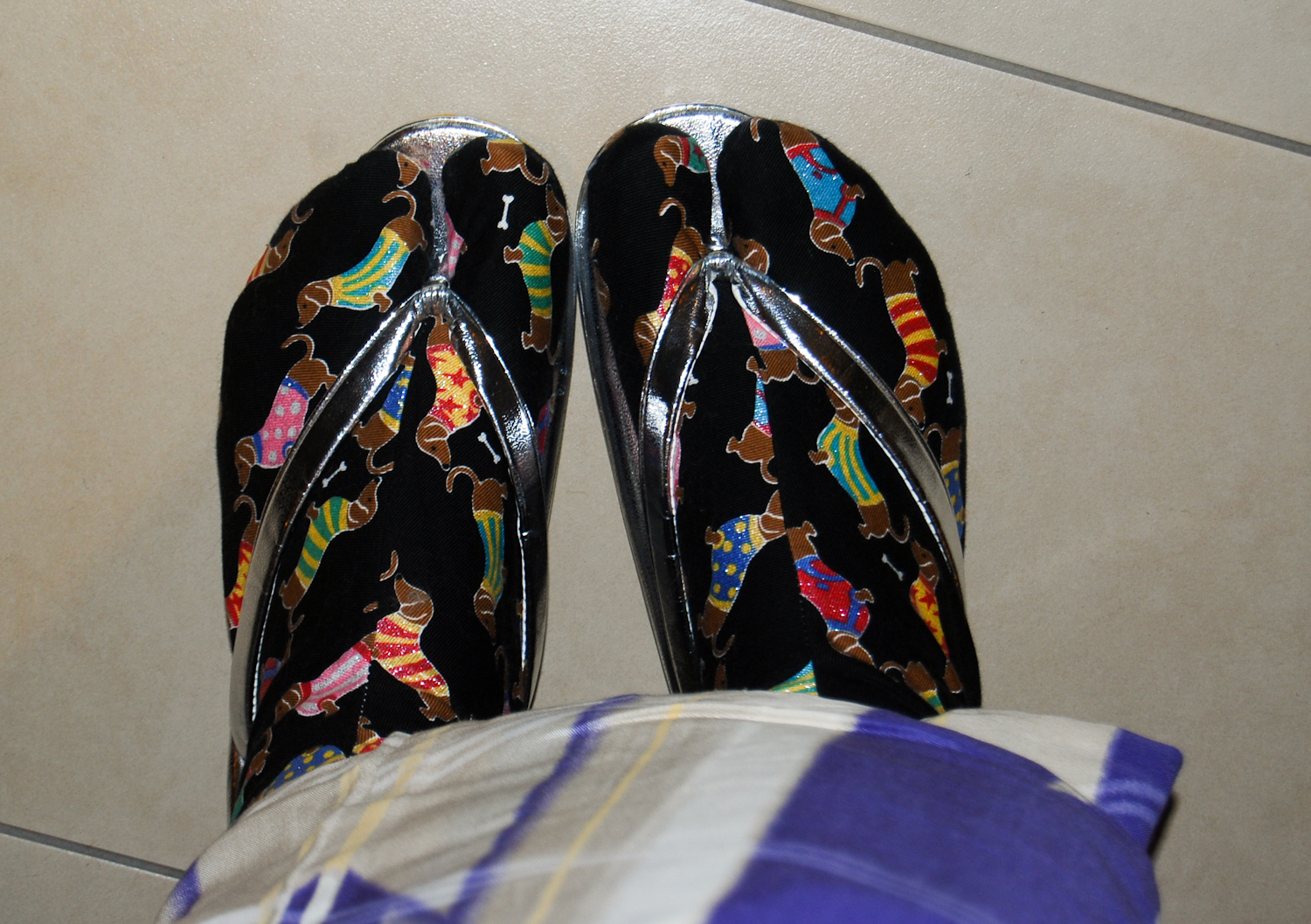
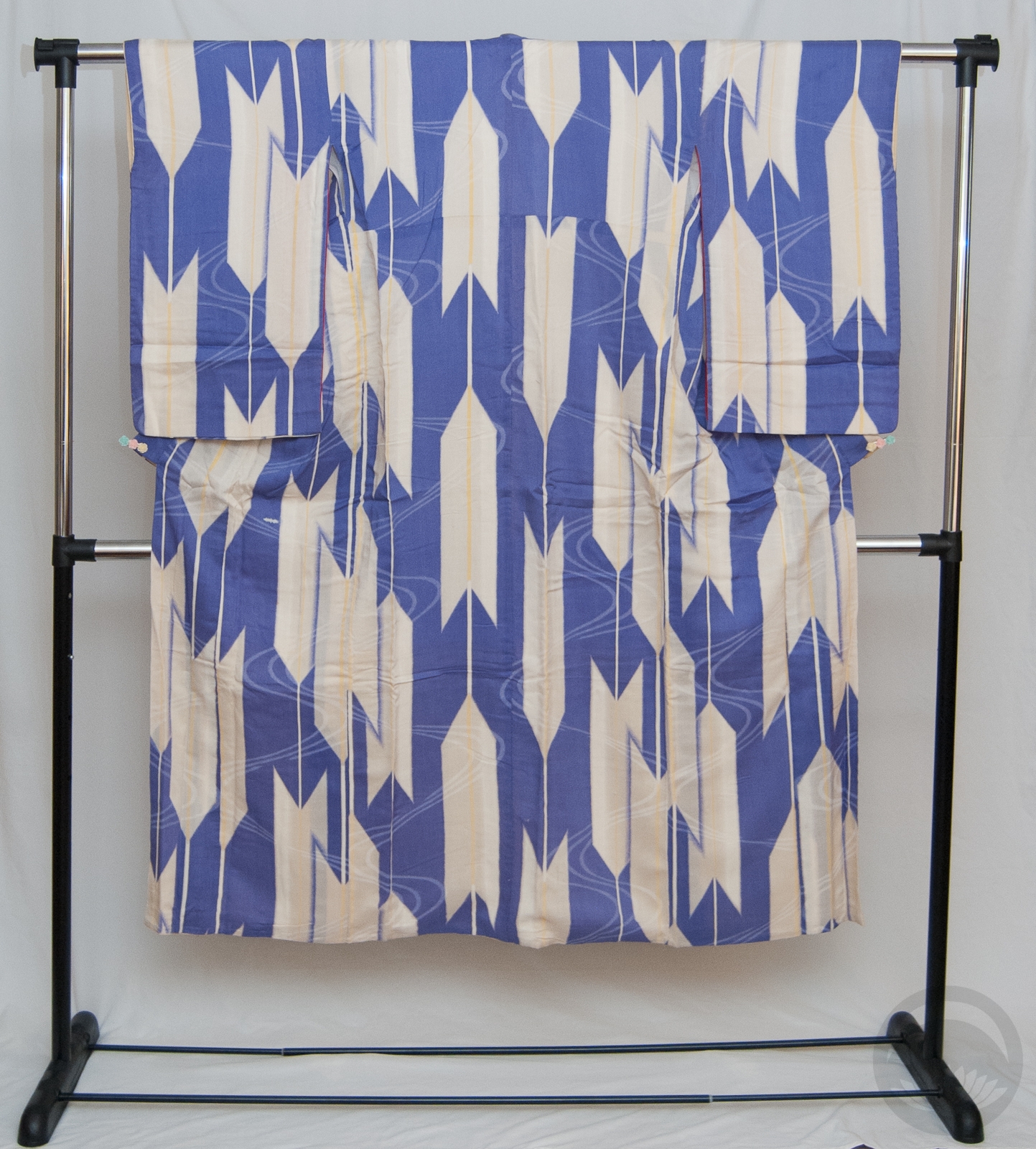
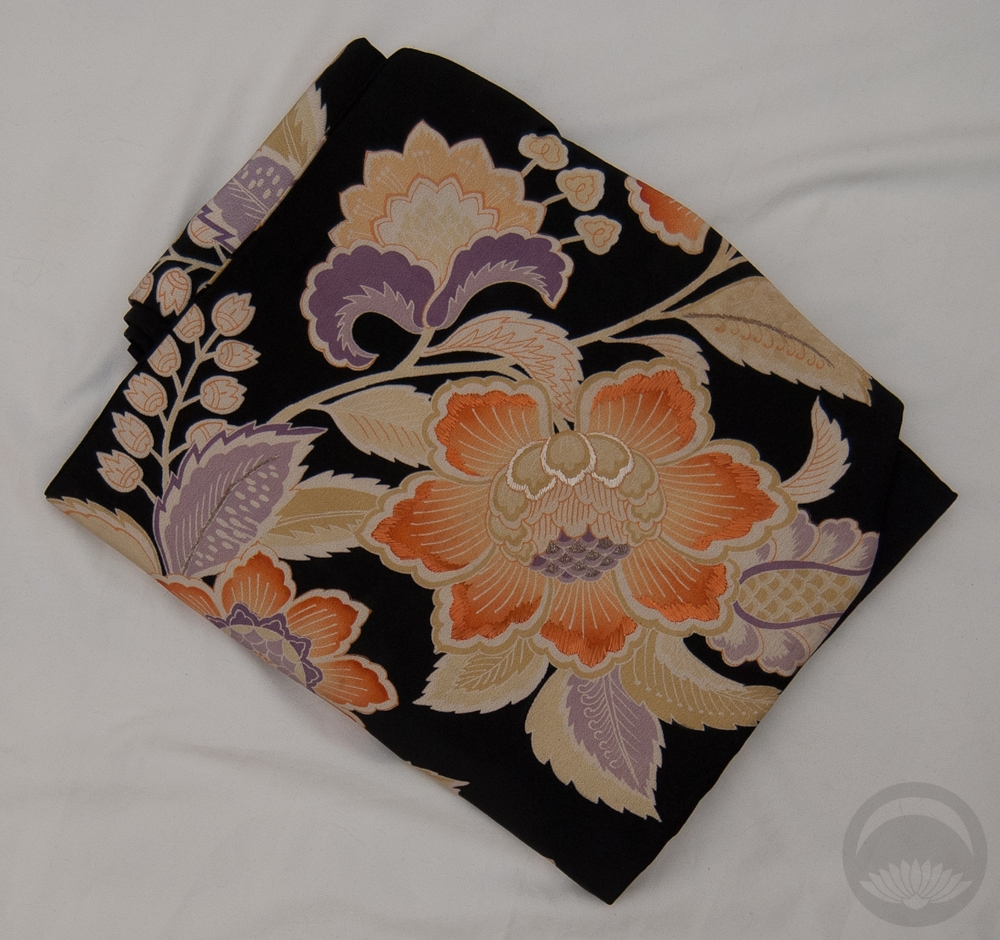
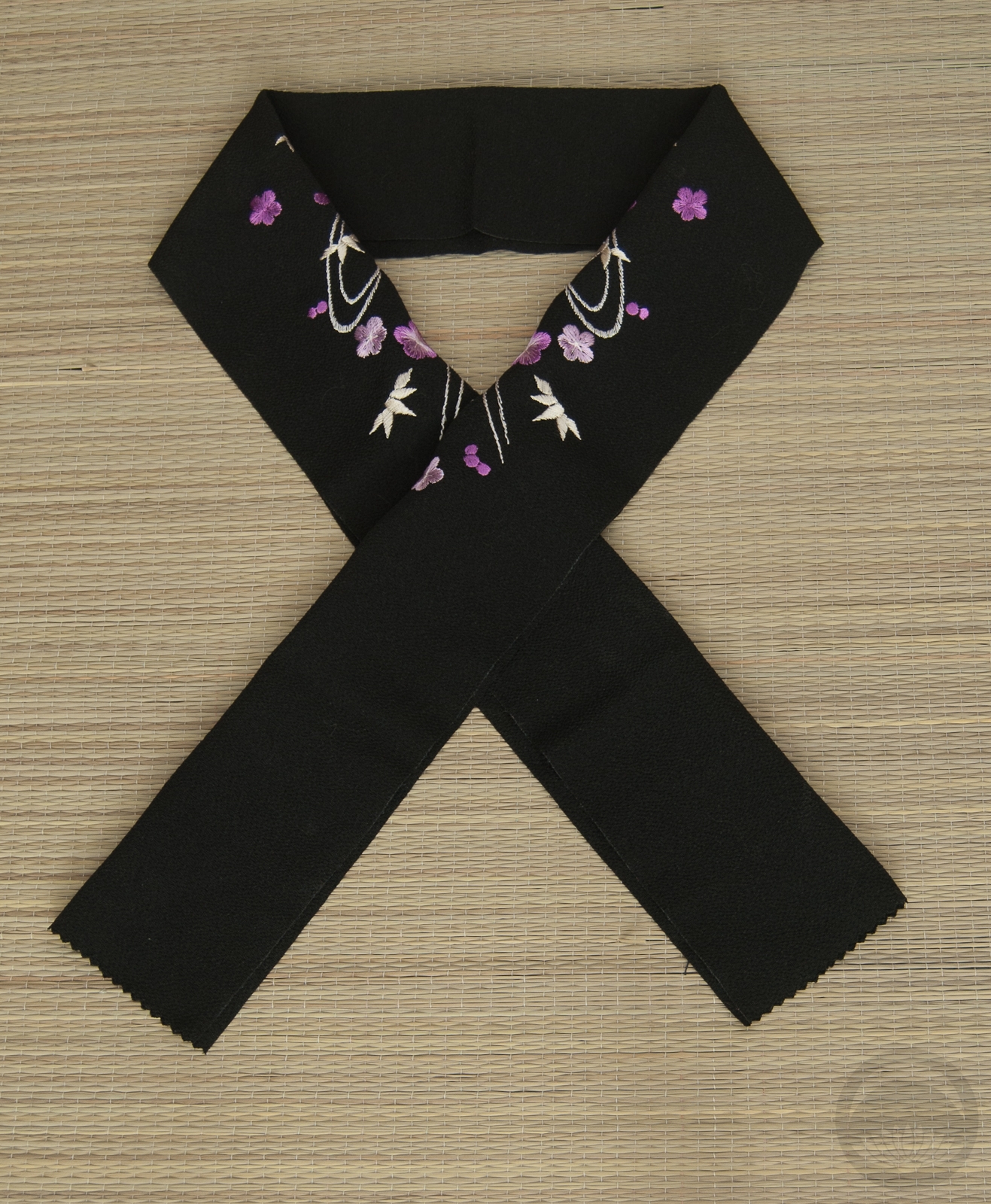
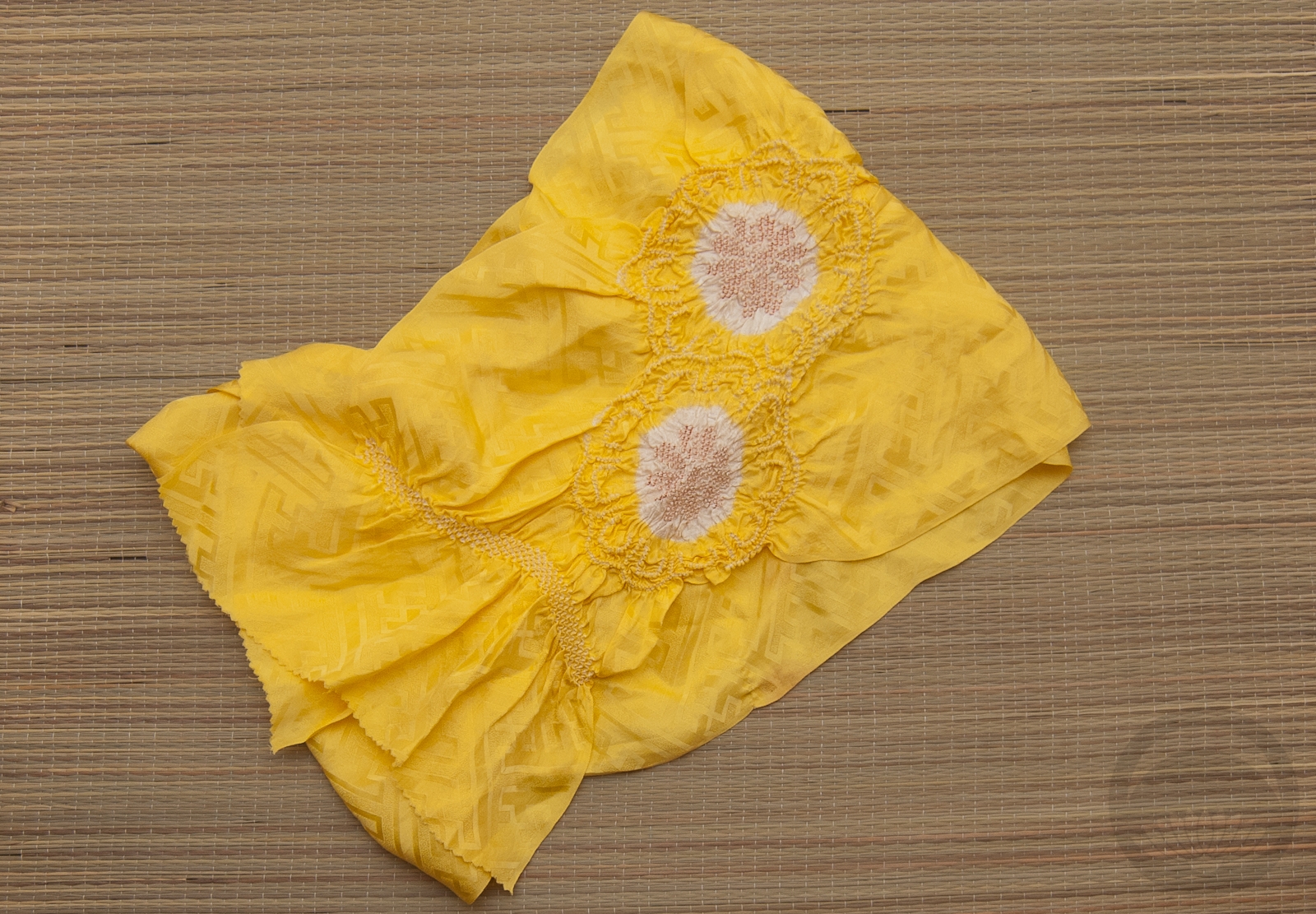
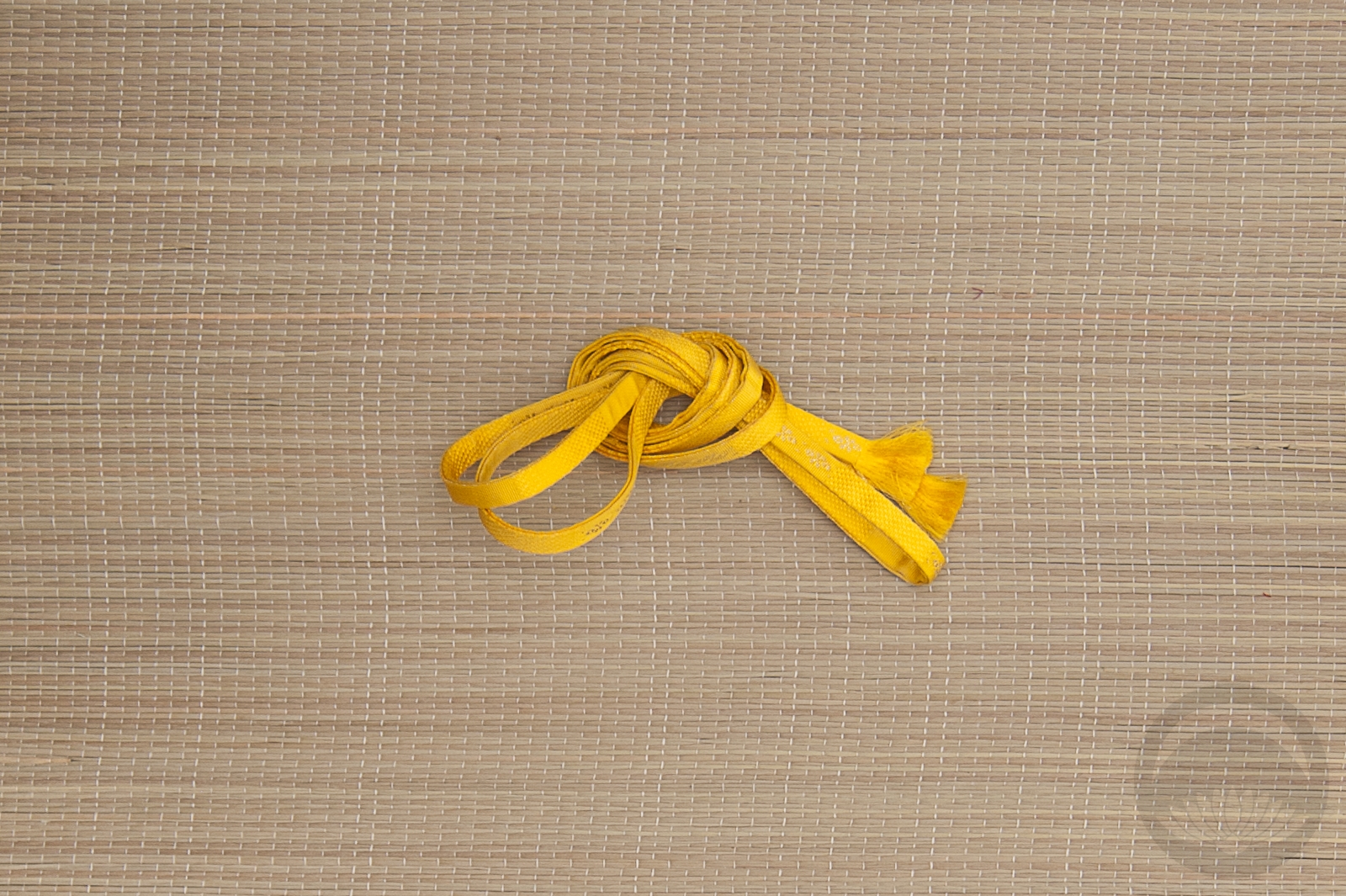
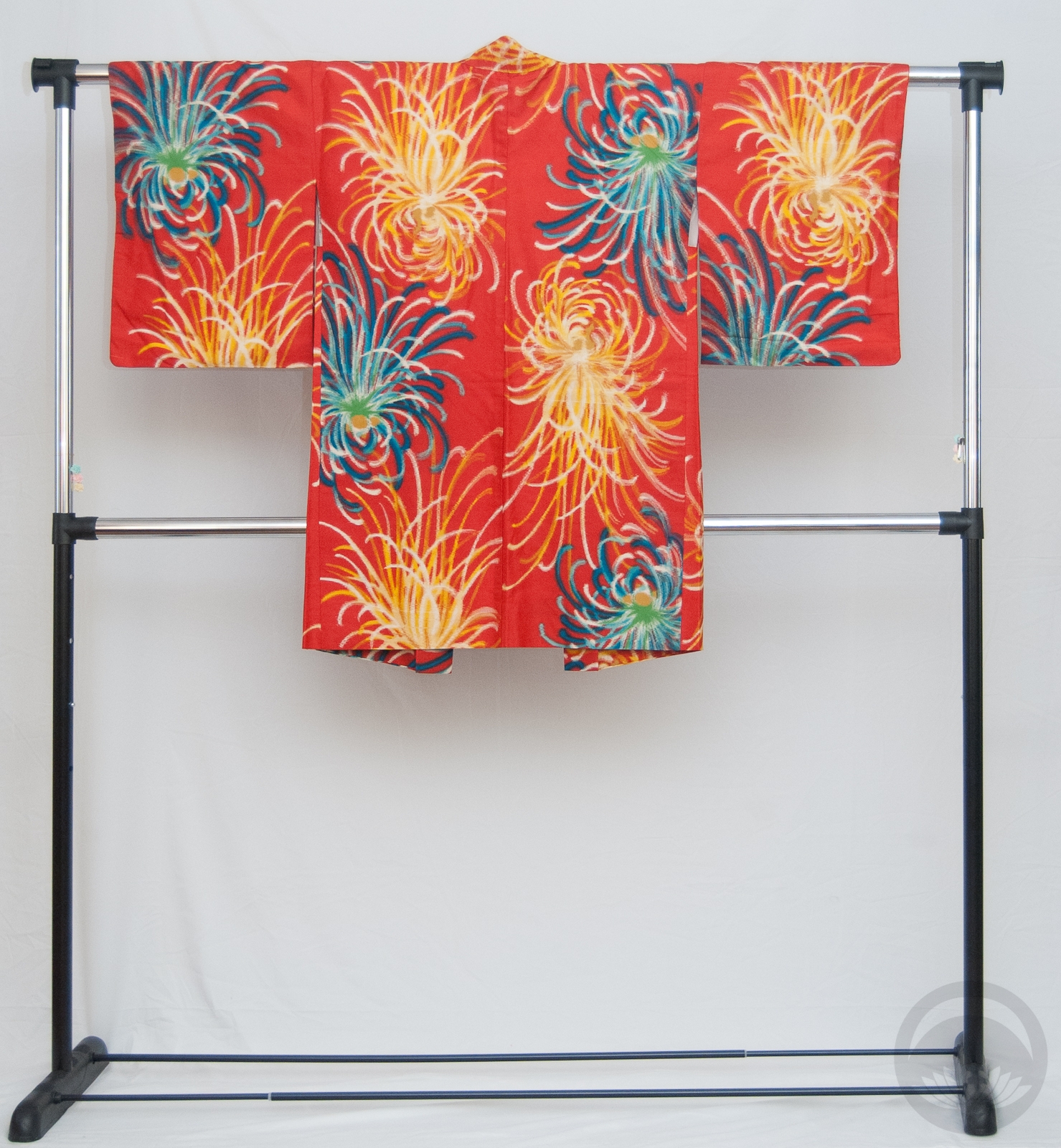
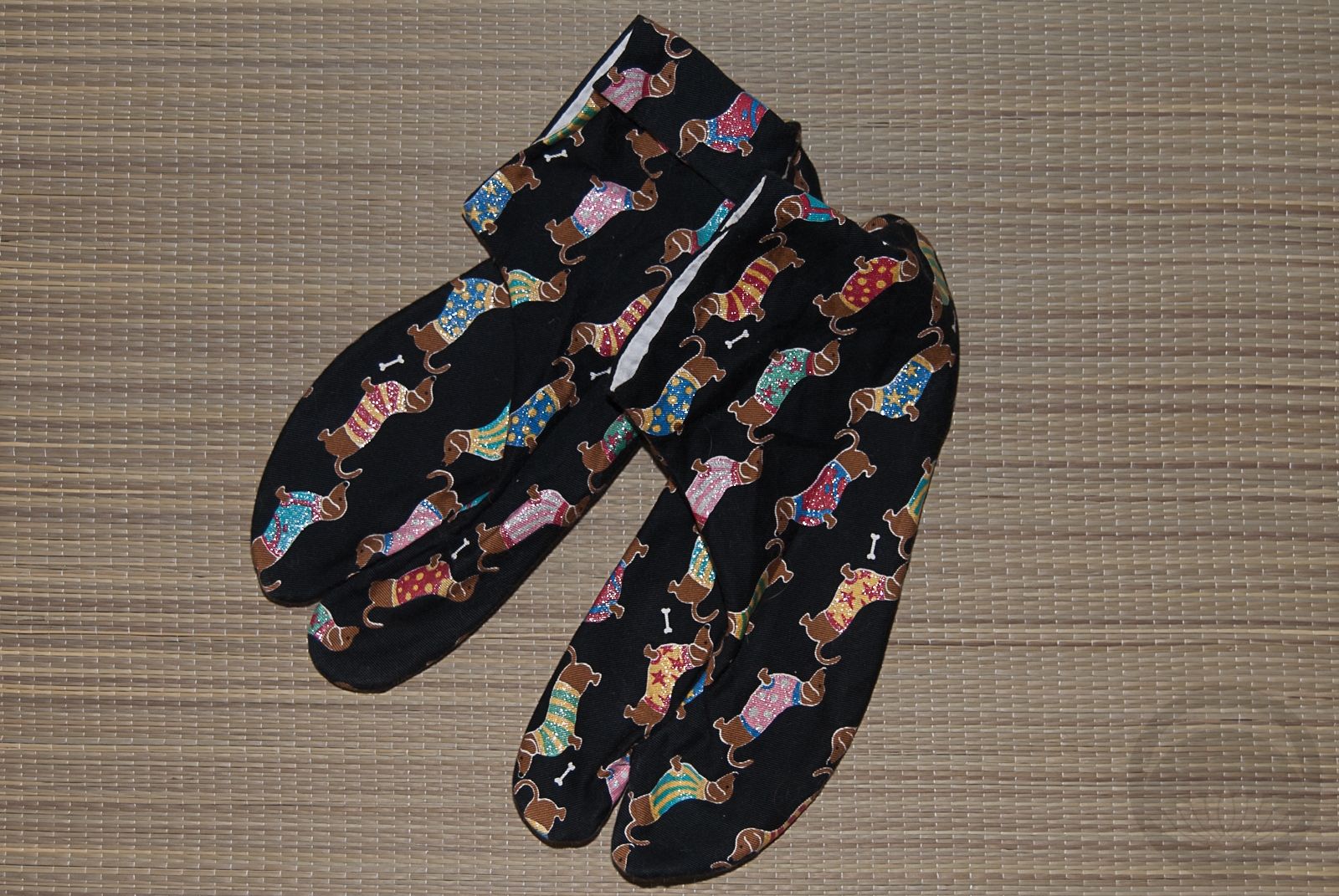
I decided to pair up the purple yabane I bought last year in Boulder with the meisen haori I bought this year. I paired them up with black and yellow accessories; a black obi with yellow, purple, and orange karabana, the same yellow shibori obiage and hakata obijime I wear with pretty much everything lately, a pretty black haneri from Naomi, crazy black weiner dog tabi from Kansai_Gal, and my new moon-shaped obidome. I feel like this is a very cohesive outfit, every colour is echoed on at least one other item, so it all ties together well.

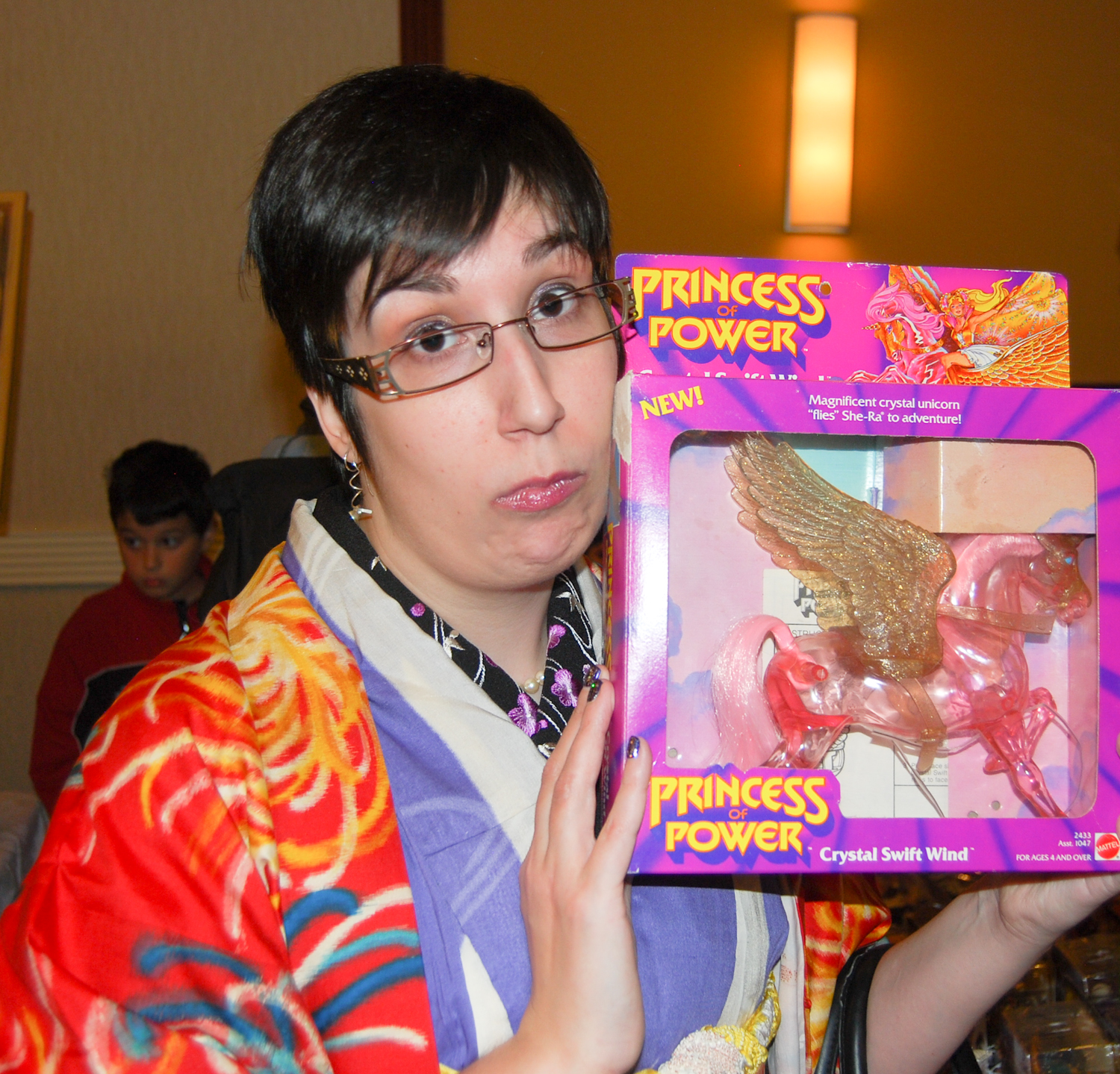
A close-up of the best tabi ever! In the dealer’s room, I found an awesome little bit of nostalgia – the original Crystal Swift Wind, She-Ra’s mangical flying unicorn/pegasus. I had one of these when I was a little girl, but the plastic was thin and brittle, and someone (most likely me) stepped on her at some point and she shattered. Unfortunately, she was way out of my budget for the day, especially for a used toy, so I had to say my goodbyes. But not before getting a picture of me pouting with her.

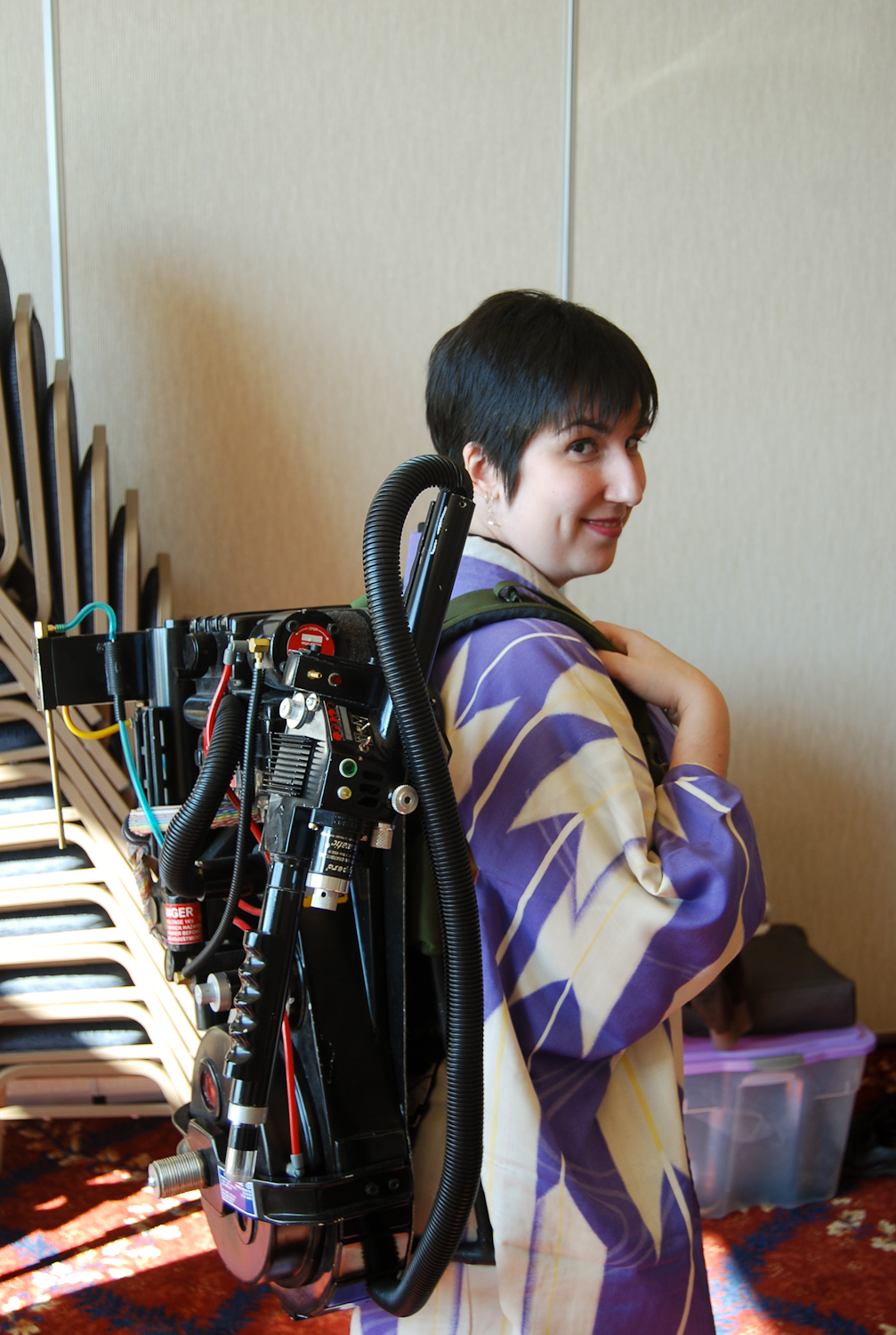
If anyone needs further evidence that my job is indeed incredibly awesome, one of the cosplayers at the con allowed me to wear his handmade Ghostbusters Proton Pack and take a few photos. It was surprisingly comfy, even with the obi!

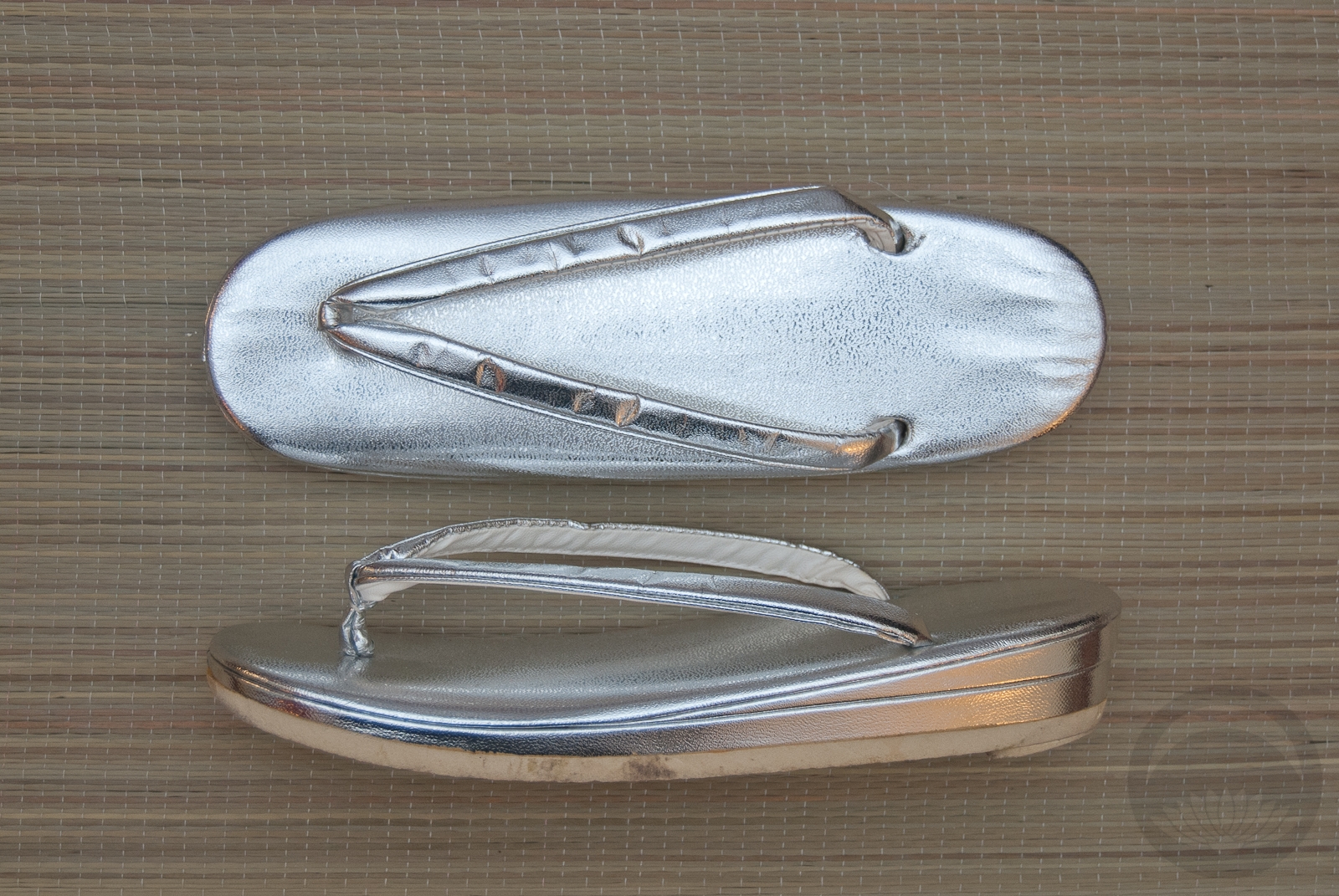
Items used in this coordination

Hey, hey, wait a minute, Mister Postman!

Sometimes, I suspect the mail carriers in this area really dislike me. I’m constantly getting big packages. Today, I really surpassed myself with three separate deliveries! One, a book called When Art Became Fashion: Kosode in Edo-Period Japan, arrived in the regular post and I will be writing a review of it when I have time to read it properly. First impressions are very positive though.

The other packages were larger, and more unwieldy, and the mail carrier was kind enough to leave them with my neighbours since I was at the cardiologist. Getting home was like having an unexpected birthday, or Christmas come early! So much pretty stuff! Since there are so many things included here, I have used smaller-than-usual photographs. Please click on them to view big versions, they will open in a new window.

Black zori with red chirimen accents

One of the few things I actually truly needed was another pair of casual, comfortable zori. Nearly all the footwear I owned prior to this was very dressy, all in shiny metallic vinyl or silk brocade. These fit nicely and I absolutely love the colour combo and the little chirimen silk insert in the stacked heel. They were a total bargain at $10!

Grey purse with kiku and black trim

This purse, and the one below it, were being sold by one of the sellers I regularly buy kimono from. They’re modern, and made of heavy denim-like cotton, but the designs are definitely kimono-inspired. This one in particular I can definitely see using every day. I love the contrast of the soft, girly fabric and the hard leatherette and metal details.

Red purse with ume and cream trim

This purse was bought at the same time as the previous one. It’s much bigger than I anticipated (I suspect the measurements listed were off), but definitely no complaints there! It’s fun and bright and while I don’t anticipate using it every day, it will definitely be a way to add a splash of colour and personality to a quiet outfit, either kimono or western clothing.

Now comes the find of the month, a bundle of five vintage obi for a total of twelve dollars (plus S&H). They were listed as “scrap fabric,” but as you’ll see four of them are completely wearable as-is, and the fifth one I am going to attempt to salvage and turn into a two-part easy obi.

Vintage cream nagoya obi with fans, thread spindles, and flowers

This is the main reason I bid on the bundle in the first place. I am just head over heels in love with this obi. The colours and style of yuzen make me suspect it’s late Taisho or early Showa, and even if it’s not it still evokes the feel nicely. I plan to wear it with my indigo Taisho houmongi sometime soon.

Mustard obi with flowers

I openly admit I am not very fond of the base colour of this obi, it’s a sort of a strange gold/mustard, but the woven flowers are very pretty and versatile, so I’m sure I will find a good use for it.

Cream obi with orange and silver waves

I’ve wanted something with a smooth wave motif for a while now, and this more than satisfies my urge. It’s vibrant and graphic and I like it very much.

White obi with red and gold flowers

The auction photos really didn’t do this one justice. It looked like a cute but relatively boring obi with some gold weaving and round dots. In person, both the gold and the red have such a rich silky shimmer to them that they look like rubies set in gold filigree.

Blue obi with herons

This was dubbed the Narwhal Bird Obi by my friend Kansai_Gal and I can totally see why XD. Unfortunately, it’s also the obi that is severely damaged – the silk is shredded to ribbons right above the folded area where the main heron is. Hopefully, I will be able to carefully cut it and sew it into a two-part obi. I will record my attempts and write an entry about that sometime in the near future. If worse comes to worst, I will simply turn it into haneri and possibly an obiage. The fabric will get used, one way or another.

New kimono and obi

It’s difficult to get everything I own catalogued when I keep buying new things! Nothing terribly exciting to see here, just posting reference photos of some of the new komon and hakata obi I’ve acquired recently. I also got a new iromuji not long ago, but since I haven’t catalogued my other iromuji yet, I plan to just do them all together.

Taisho Pink Ume Komon


This is a gorgeous vintage piece. It’s covered in thick ume branches and sweet flowers, a few of which are outlined in gold and silver. I snagged this for an amazing price, due to a few unfortunate water spots on the front. They’re not terribly visible, and I’m going to look into removing them eventually.

Purple Lamé Komon


This is the kimono I wore here, so yes, if you’re a regular reader (thank you!) you’ve seen it before. It’s a bit of a weird thing, being heavy lined synthetic, but covered in high-summer motifs. If you can’t be warm, at least you can think warm!

Striped Mauve Komon


This is the kimono I wore here. It’s a nice, big, synthetic piece that has an old feel to it. Cute multi-season designs of kiku (chrysanthemum), sakura (cherry blossom), and yukiwa (snow crystal design).

Pink and White Hakata Obi


A sweet pale pink and white hakata fukuro obi that I got for a steal, due to a few spots of rust discolouration on the ends. I figure so long as it’s tied in something other than otaiko musubi, it won’t ever be visible. Haven’t worn it yet, but I’m looking forward to it!

Reversible Red and White Hakata


Two, two, two obi in one! One side is a gorgeous, dramatic white-on-red hakata, and the other is a great versatile bright red with gold, silver, and white diamonds and various designs. I’m shocked this didn’t sell for more, and thrilled that I won it.

Indigo Girl

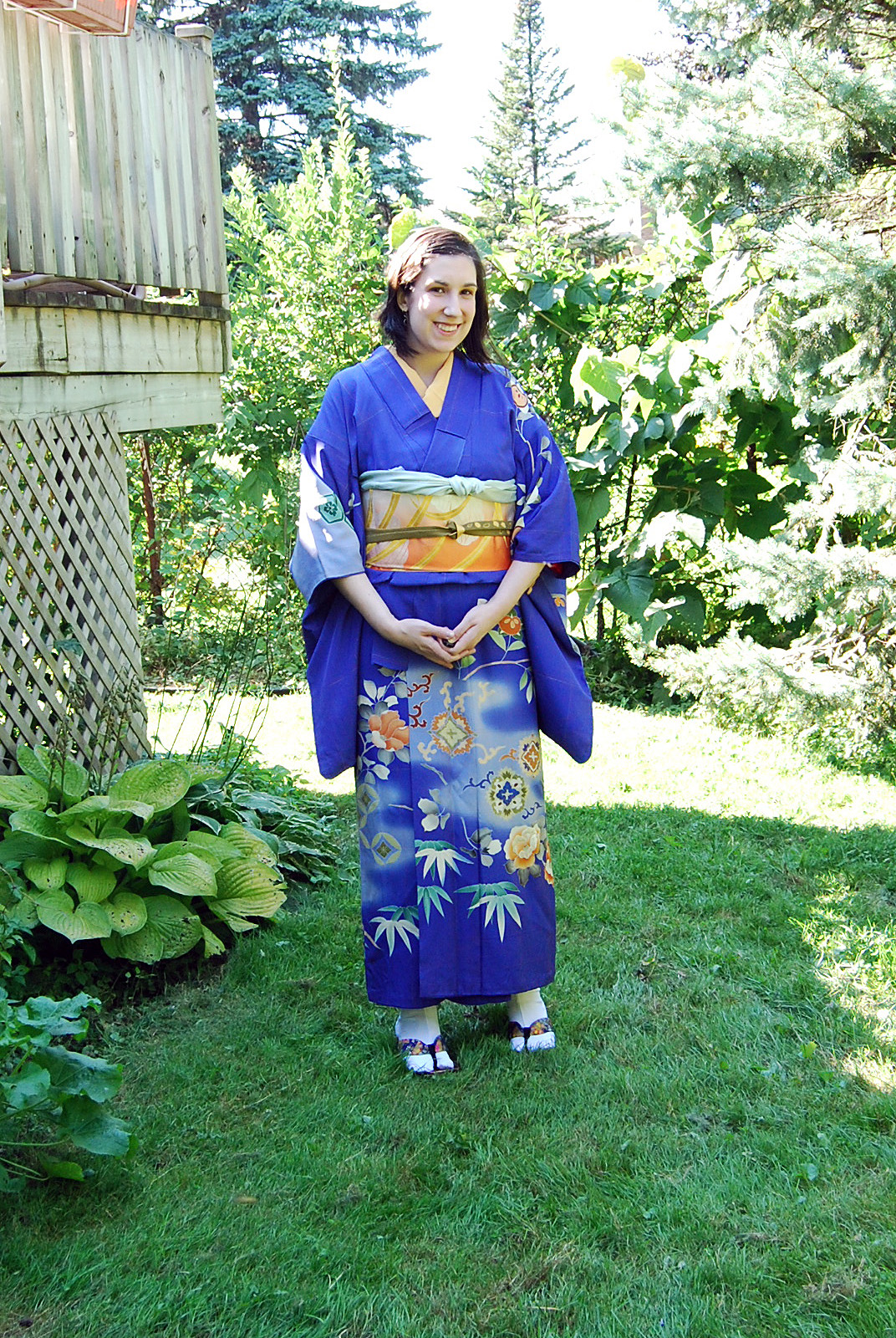
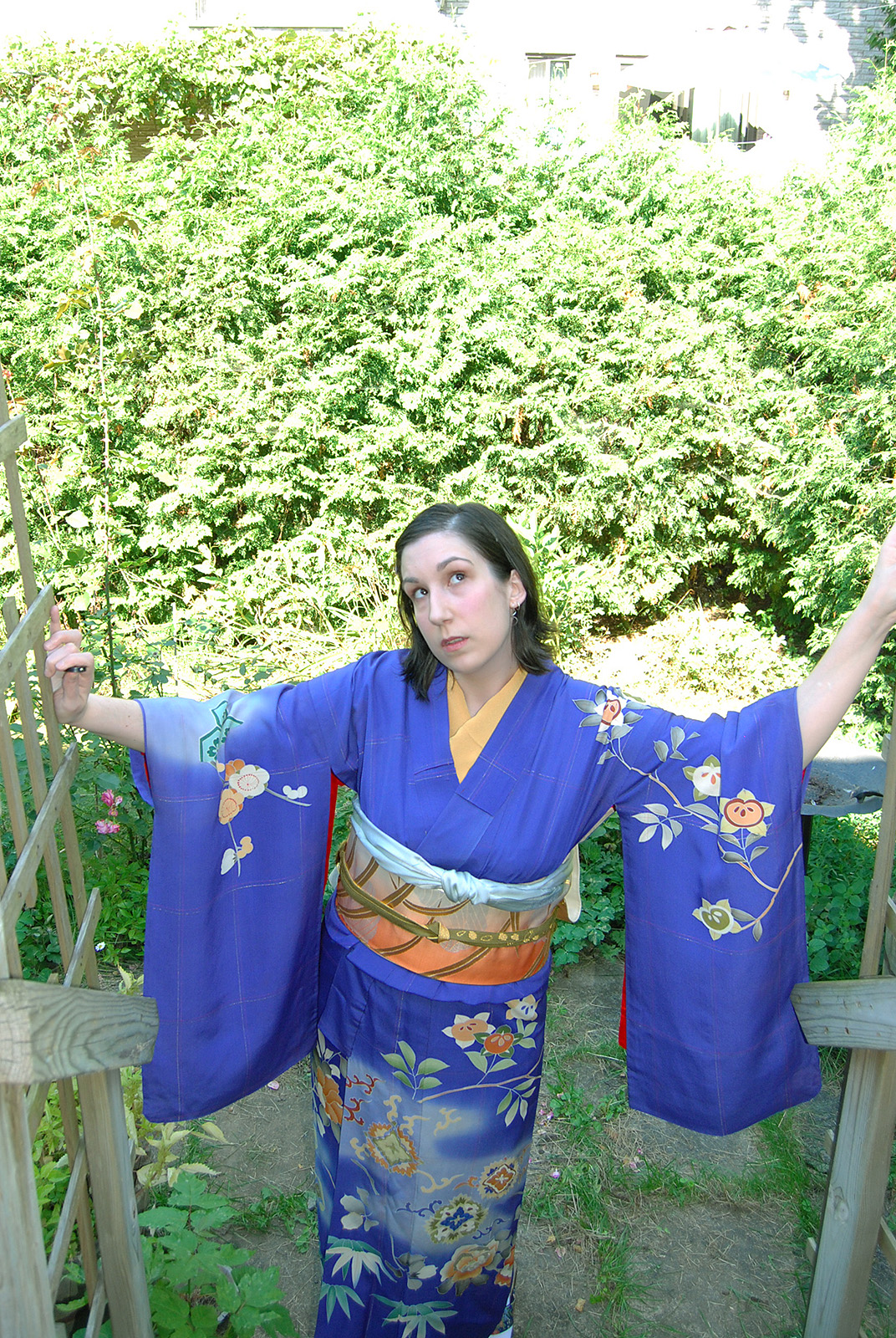
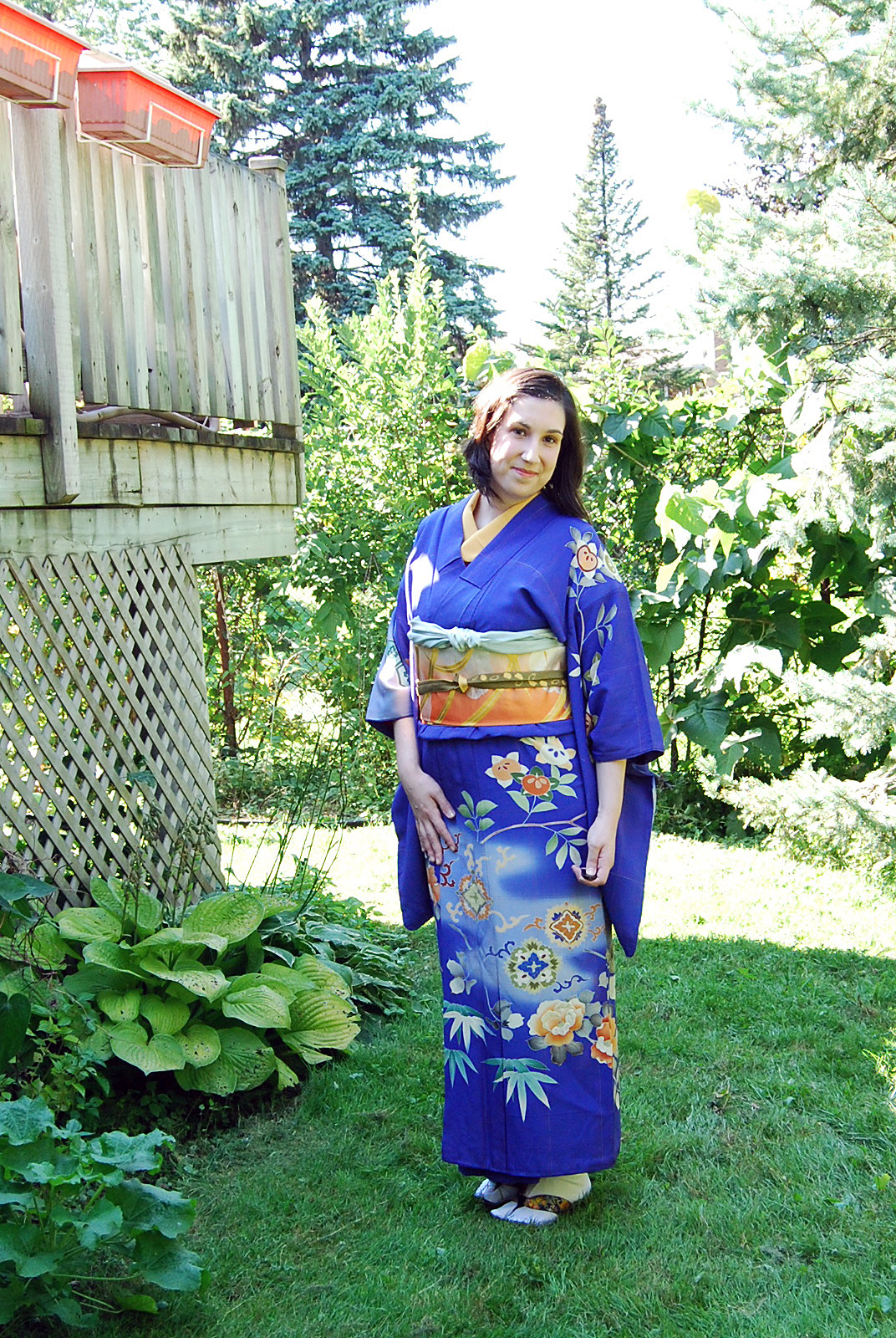
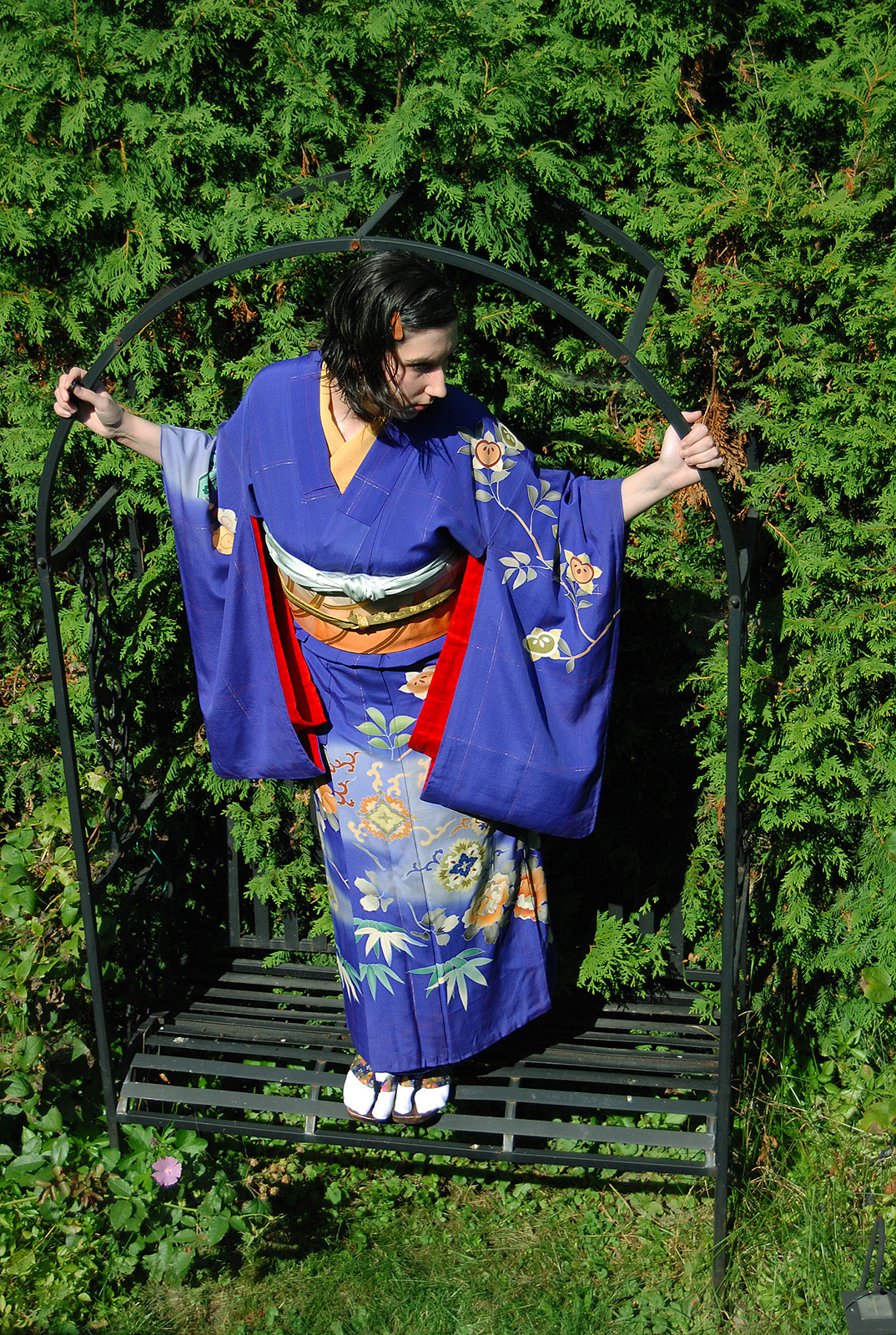
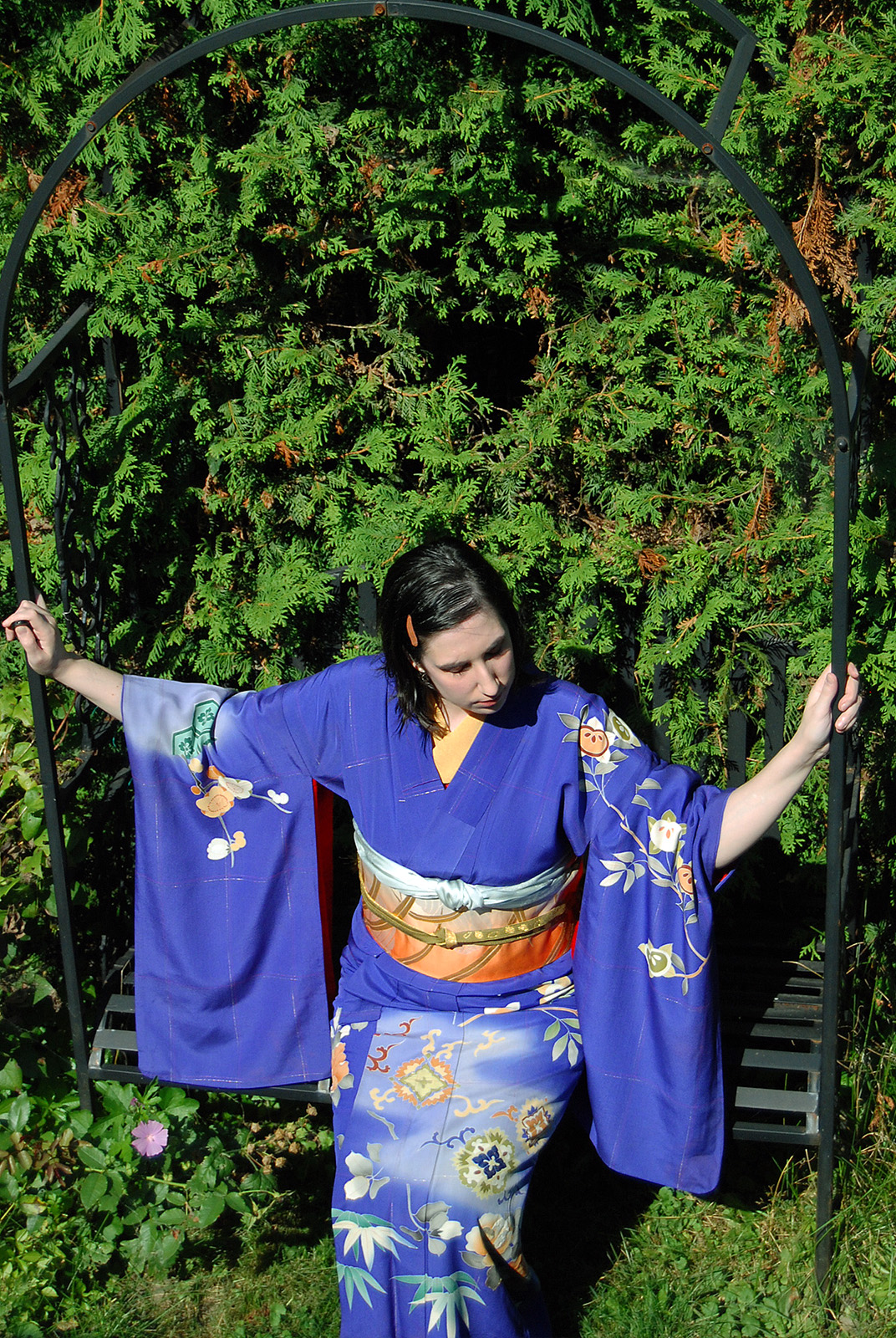
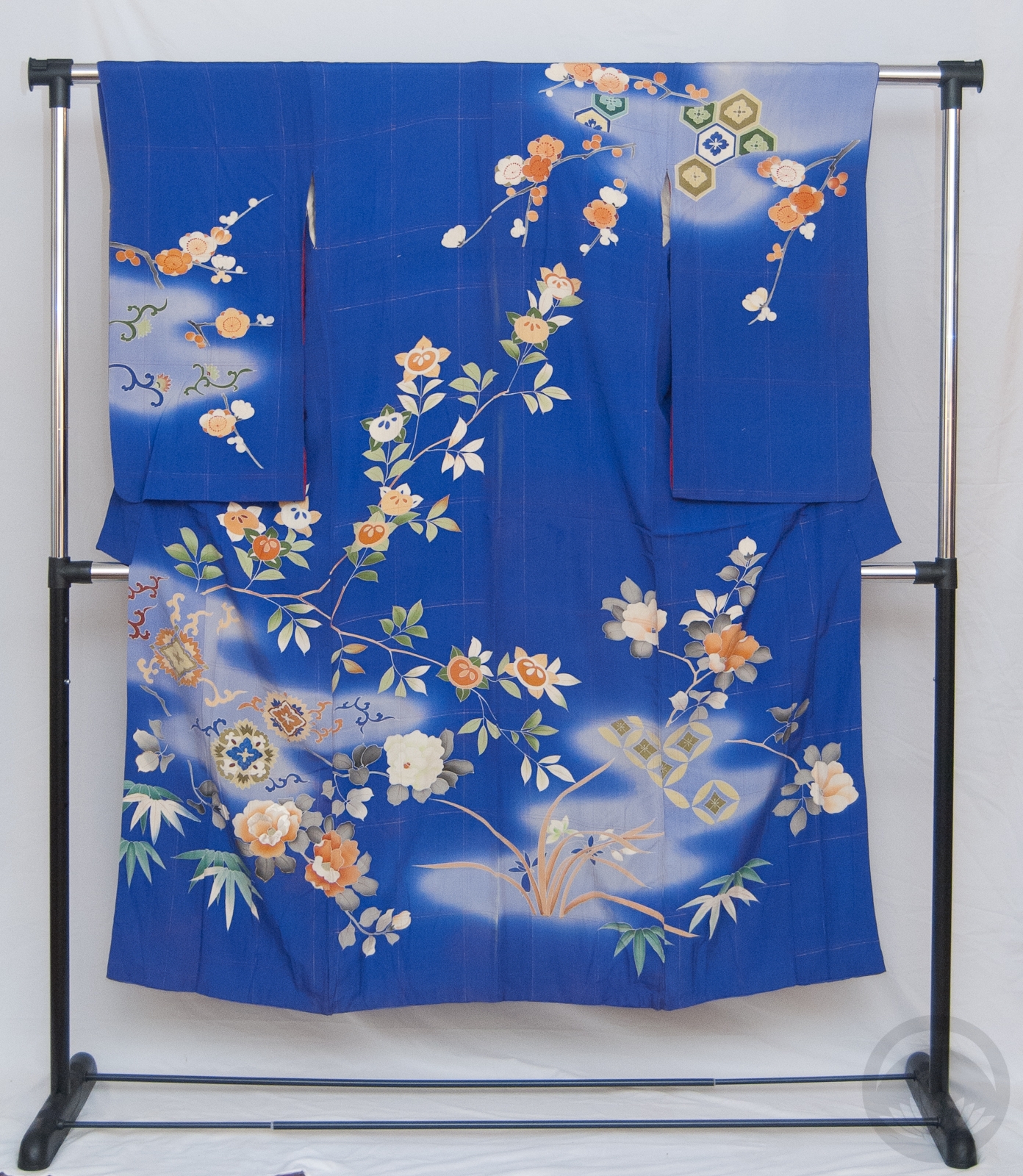
I’d been waffling about buying a Taisho-era indigo piece for a while when this came up on Ichiroya, and while it was a bit more than I usually pay for kimono, the colour, size, and condition of it were all worth the investment in my mind. This is a houmongi with era-typical long sleeves and a beautiful, multiseasonal floral design. It’s got branches of ume (plum blossom), iris, botan (peony), and bamboo around the hem, and a bold, graphic stem of tachibana, which is probably my favourite floral motif. I love how squishy and fun they look!


It also has some gorgeous, lush embroidery on some of the geometric designs

However, I think one of my favourite things about this kimono is probably one of the most subtle. Woven directly into the fabric, before the dyeing process was started, is a gorgeous red and gold windowpane plaid. You’d never see detailing like this on a modern houmongi, as nowadays that sort of design is considered strictly informal. Naomi wrote a great piece on the qualities of indigo dye, and the transitional phenomenon of putting stripes (which are very casual by modern standards) on more formal kimono. It’s a trend I think is beautiful and needs to come back into vogue.

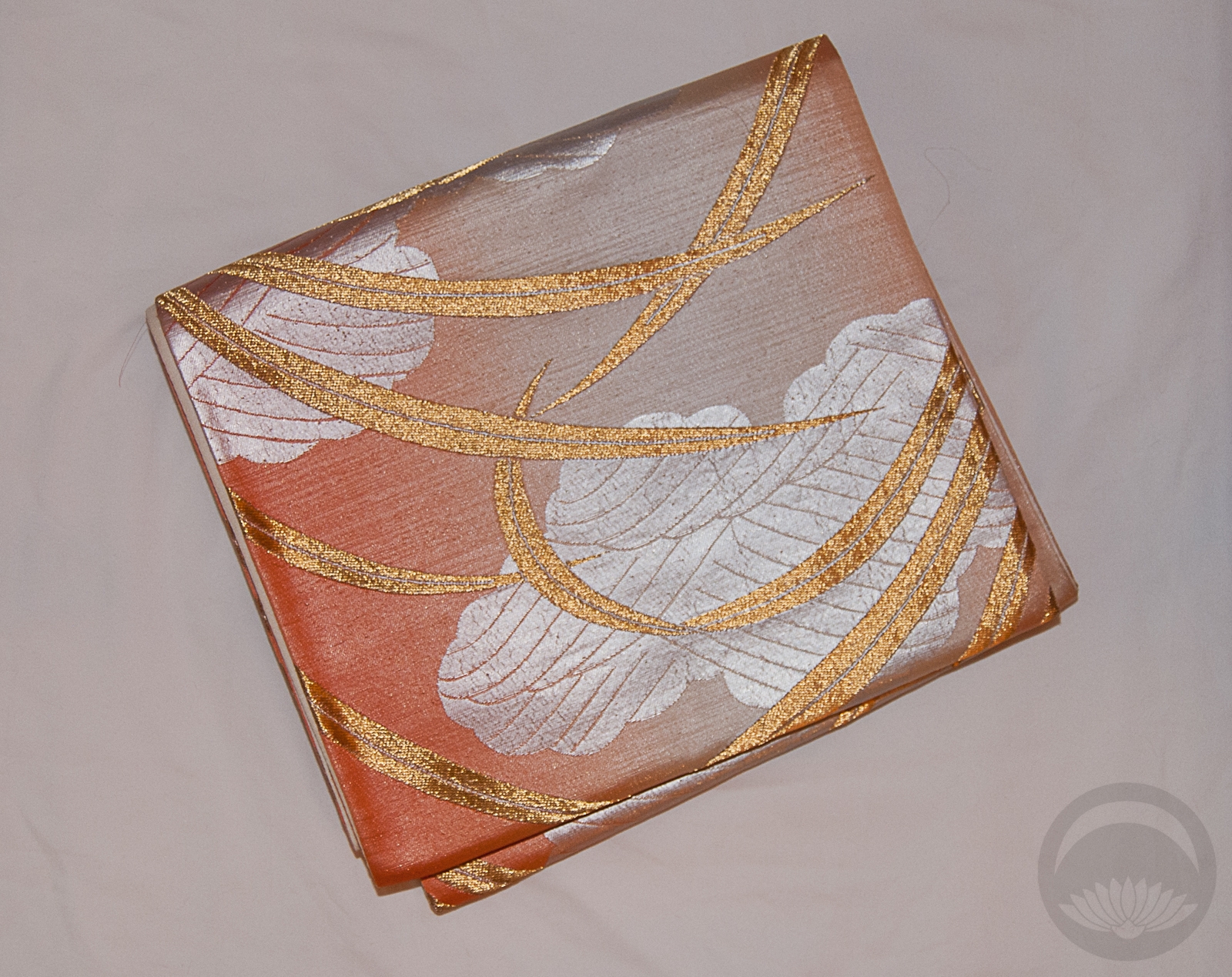
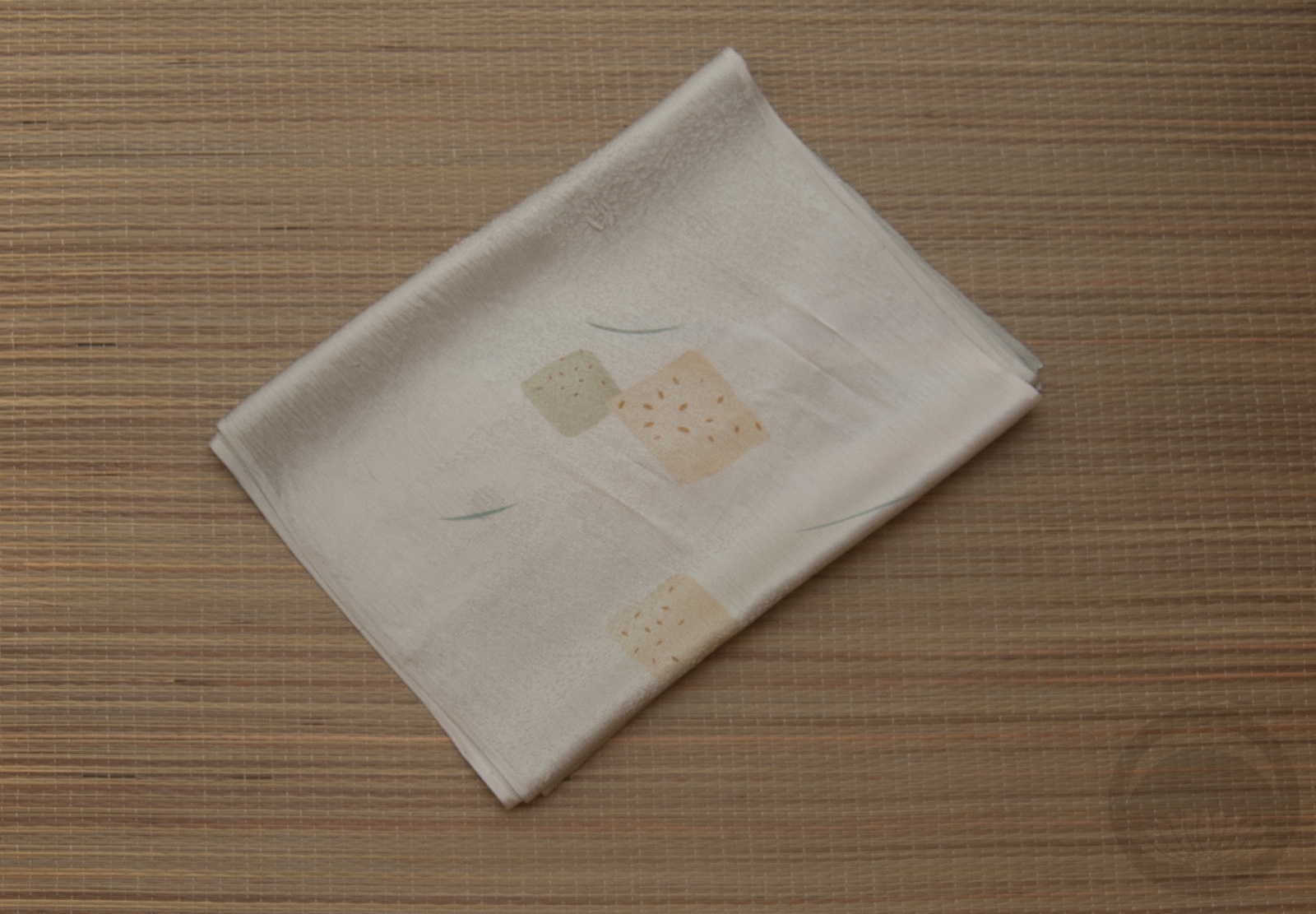
I’ve worn this kimono once, but only inside the yard, as I’m a little worried about wearing such an old piece out and about. Maybe one day when the right time and place come up, I will do so. I chose to pair it with a late-Showa era obi, which may seem odd but the clouds, grasses, and colours just seemed perfect with it. The obiage and obijime were a gift from a friend, and bring out the soft blue and olive tones in the kimono perfectly. For a vintage feel, I chose some burnt paulownia geta instead of zori.

Items used in this coordination