Kokeshi Picrew for Hinamatsuri!

Today is Hinamatsuri! In the past, I’ve usually either done a coordination, displayed dolls I’ve collected, or done some sort of DIY to celebrate. This year, I had bigger plans; Sophie and I were going to attend a gathering at a local tea house over the weekend. Unfortunately, I woke up with the most miserable cold and sore throat I’ve had in eons, to the point where I could barely swallow. I wasn’t up to doing much and did not want to risk spreading the ick. I was at a bit of a loss on what to do for today but then I realised it would be the perfect time to share my newest long-term project!

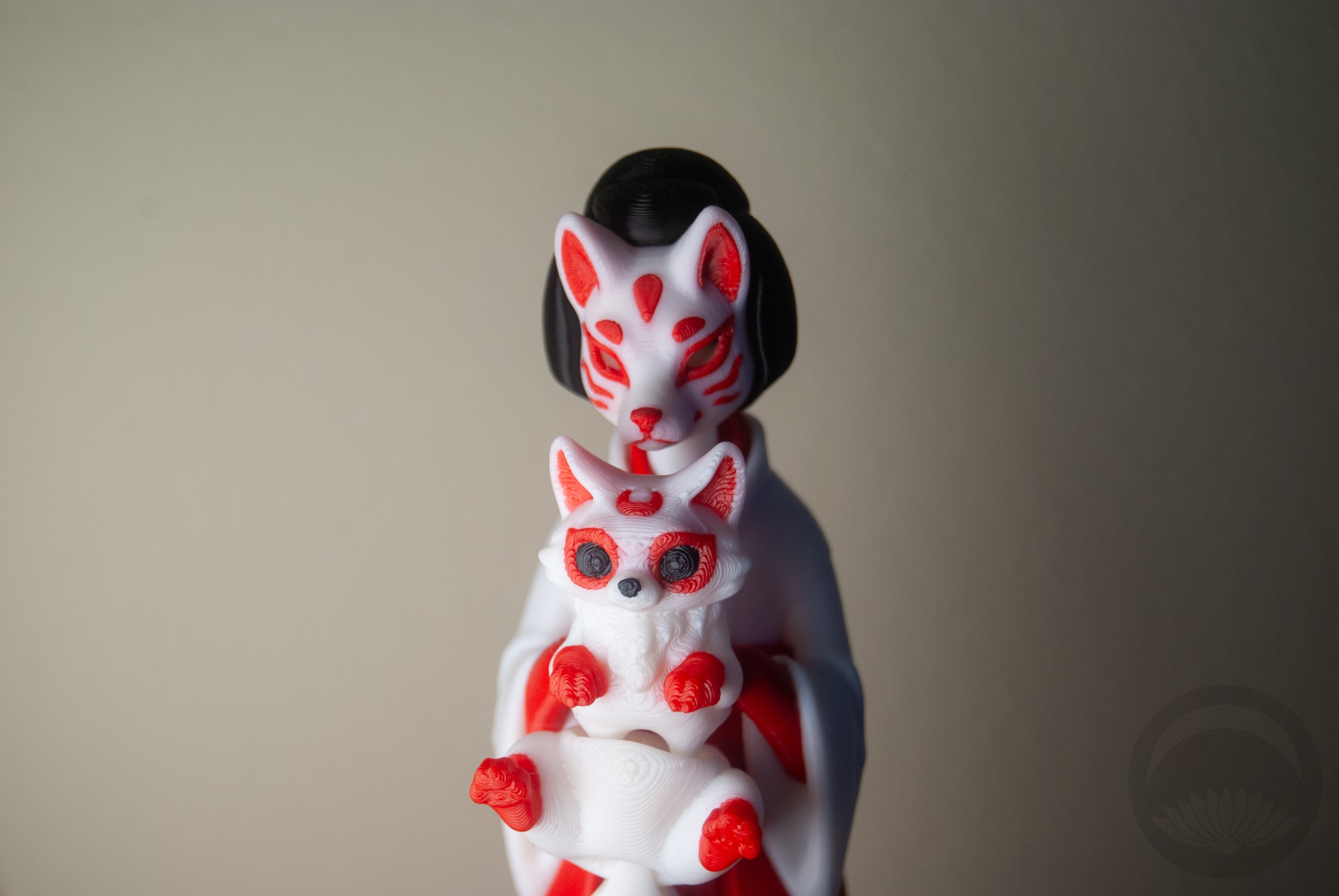
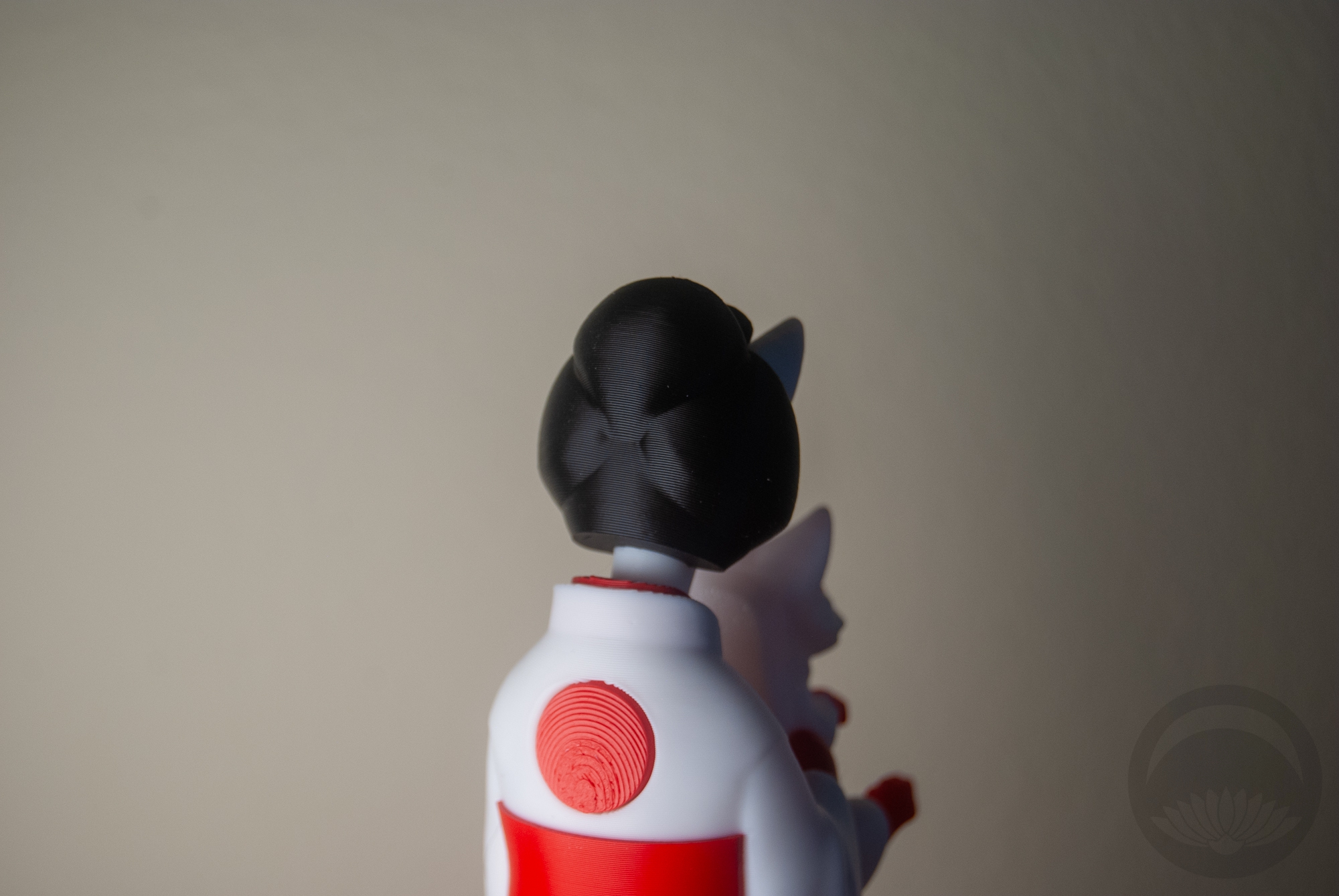
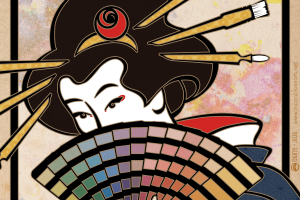
You all know how much I love finding and reviewing picrew avatar creators, and I figured it was high time I make my own! Presenting the official….

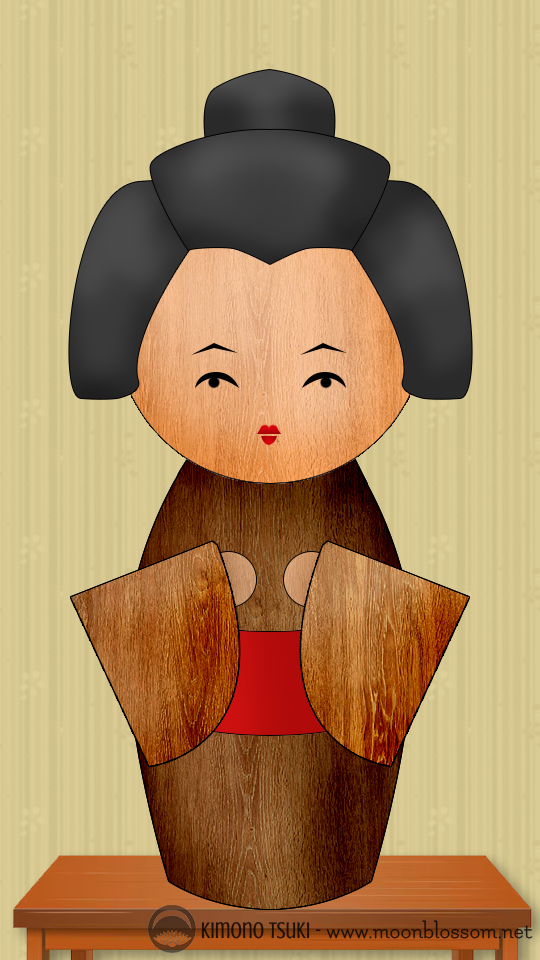
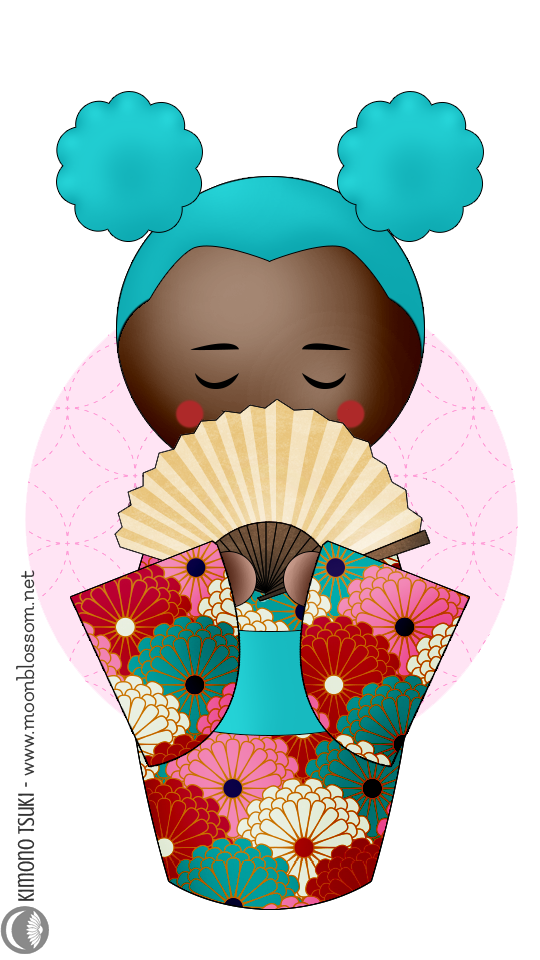
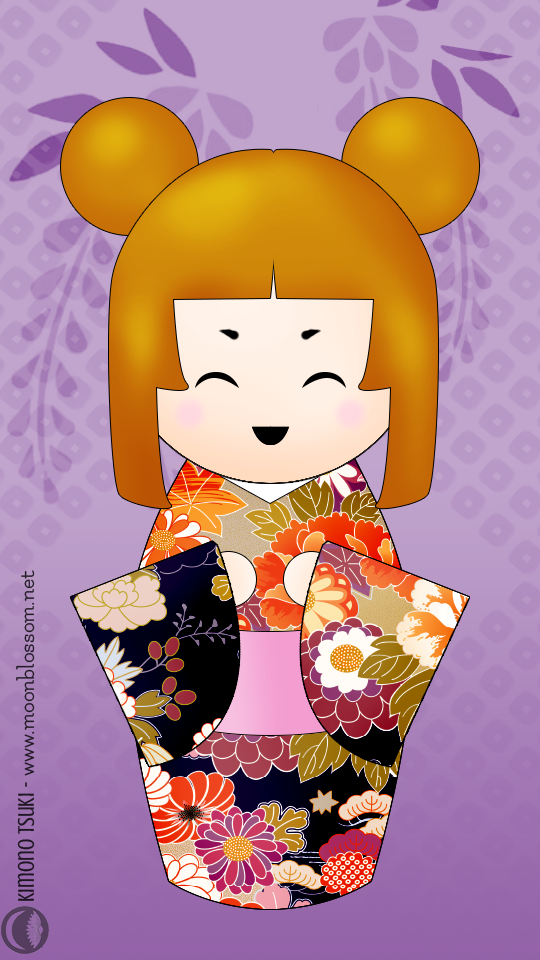
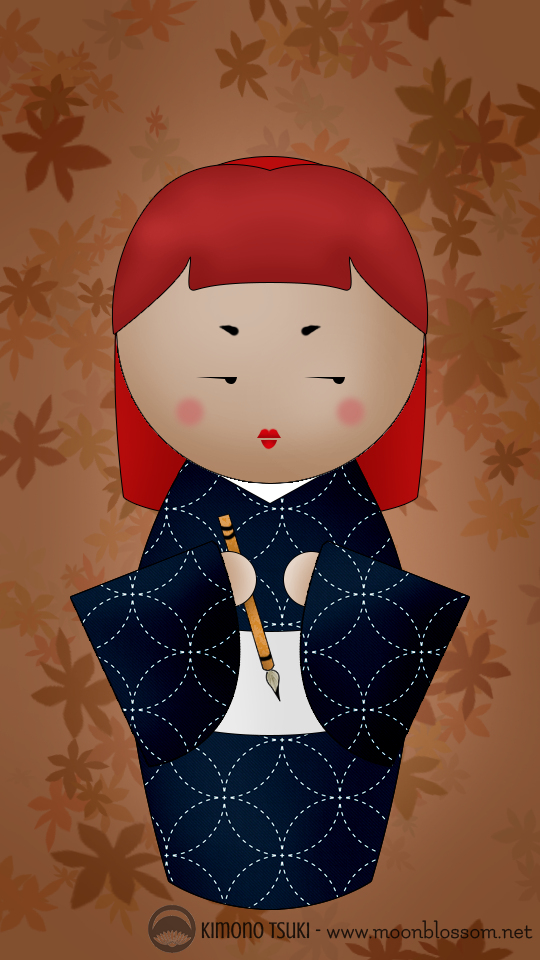
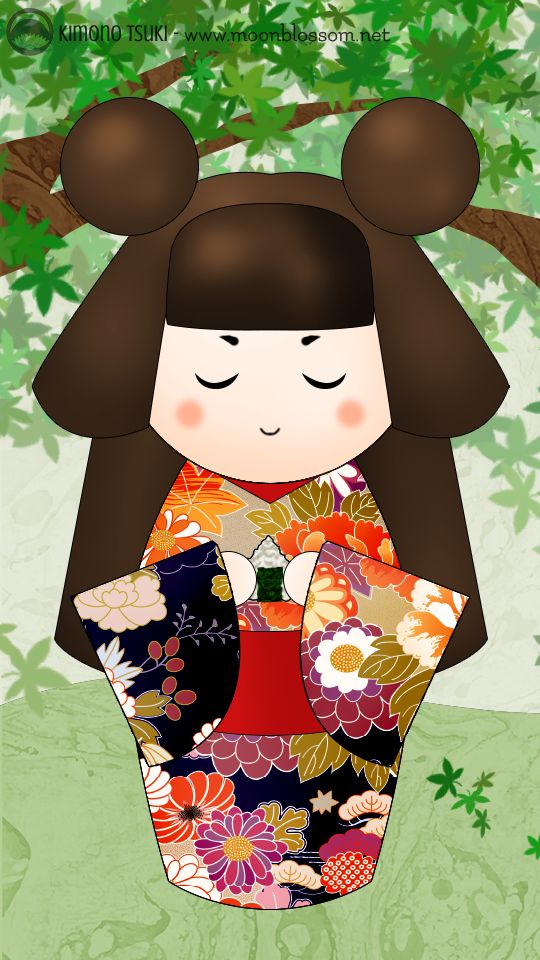
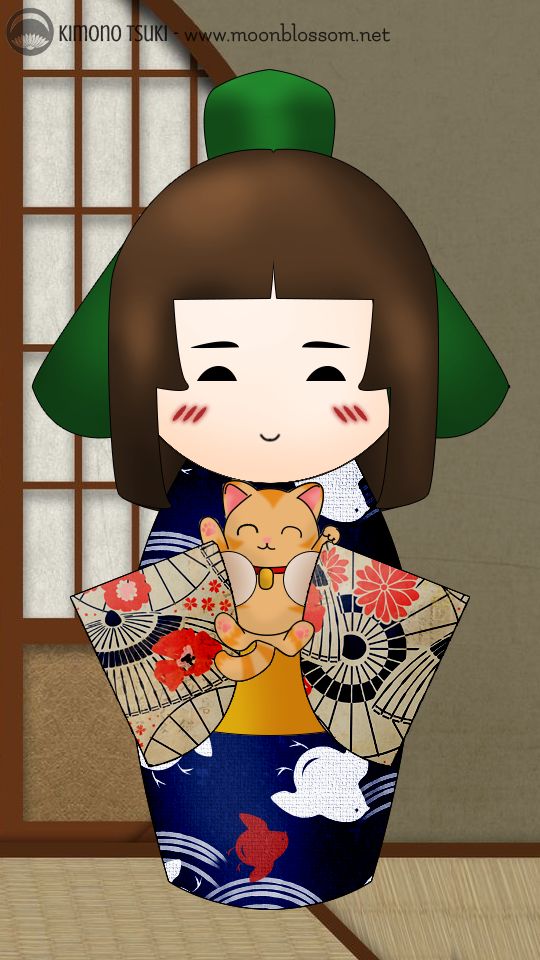
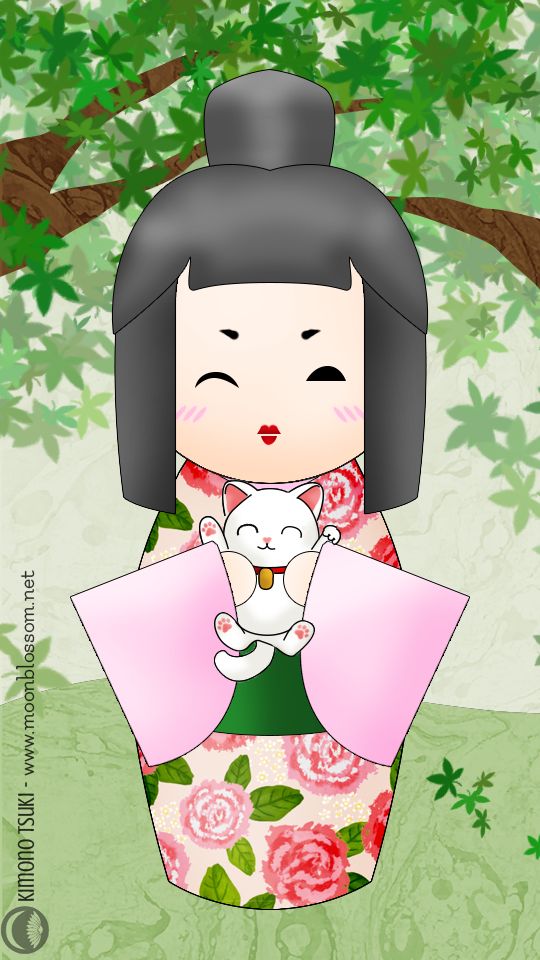
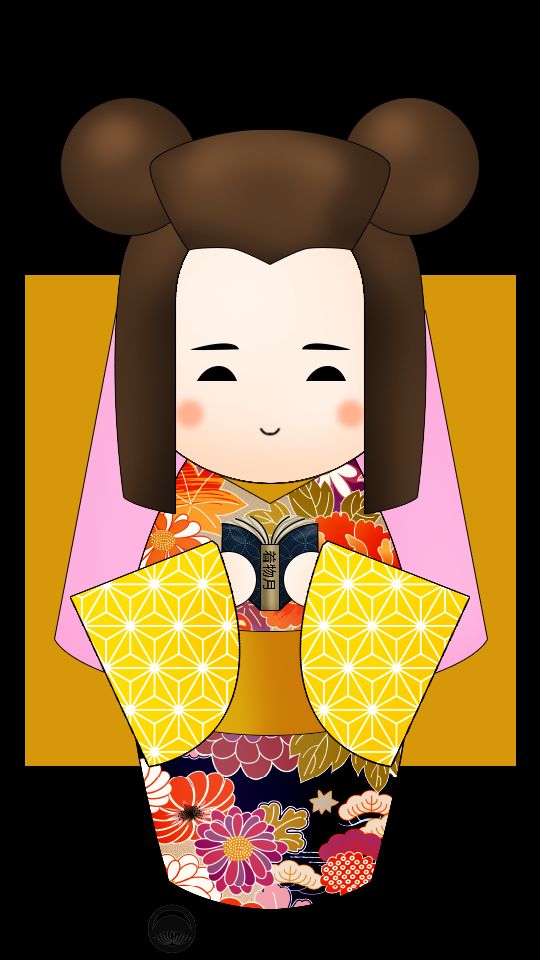
Kimono Tsuki Kokeshi Doll picrew maker!


It’s been a labour of love for the past few months, puttering on weekends and after work. I still have plans to continue updating, adding more hairstyles, more hand-held items, a variety of kanzashi, maybe a haori layer… if you have any other ideas or suggestions please don’t hesitate to let me know! For fun, here’s a variety of dolls that have been made using it, by myself and my friends.


If you need a primer or a refresher on how to use the Picrew.me interface, I broke it down in my first post about the site, which you can read here. I hope you have fun with it, and if you make any cute dolls please show me! I would love to see!

Katsura Ningyo – Japanese Doll with Six Wigs

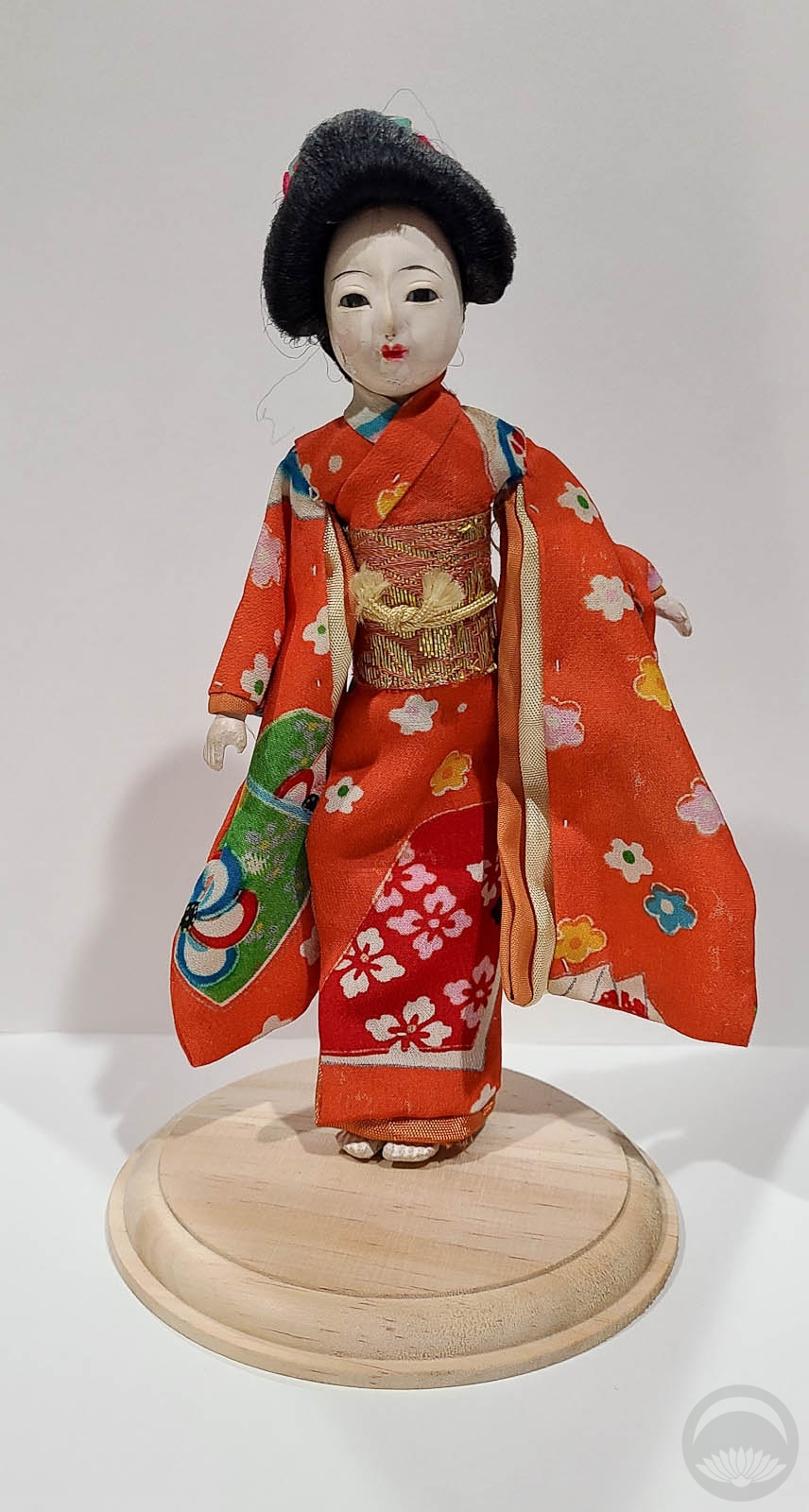
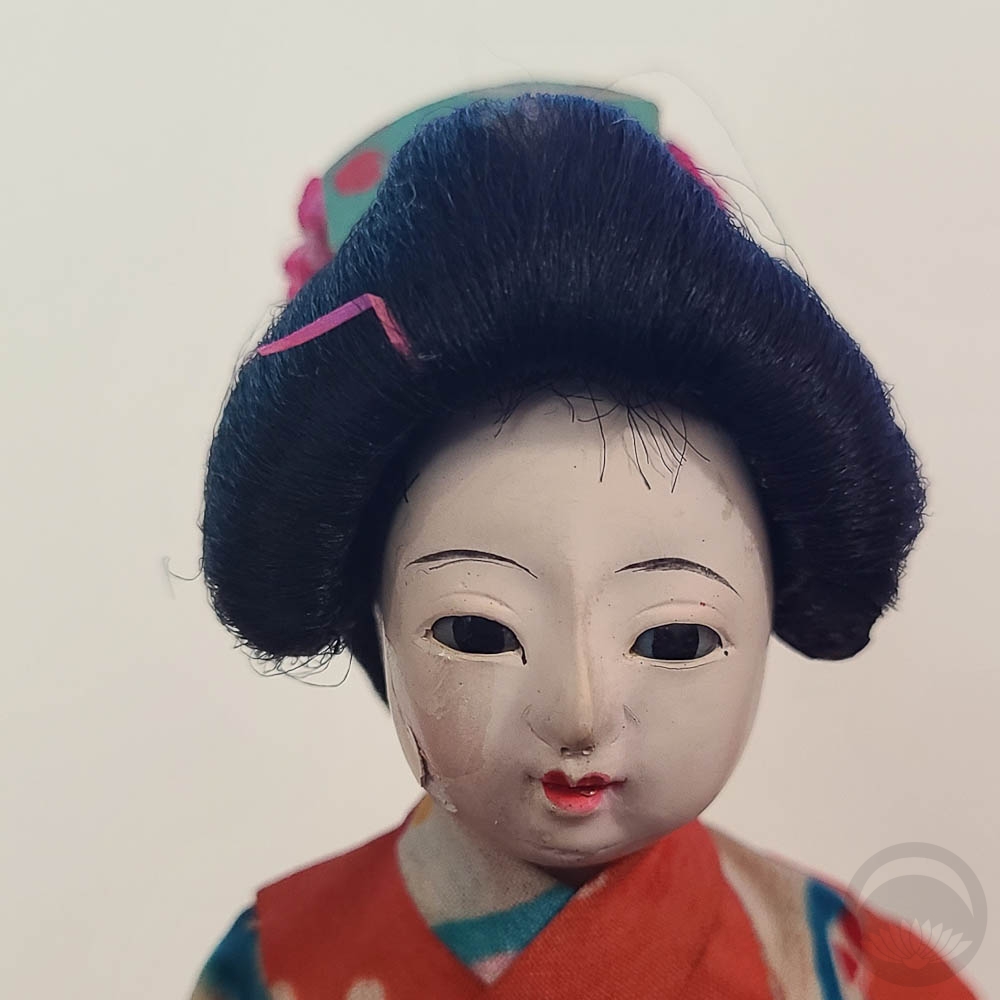
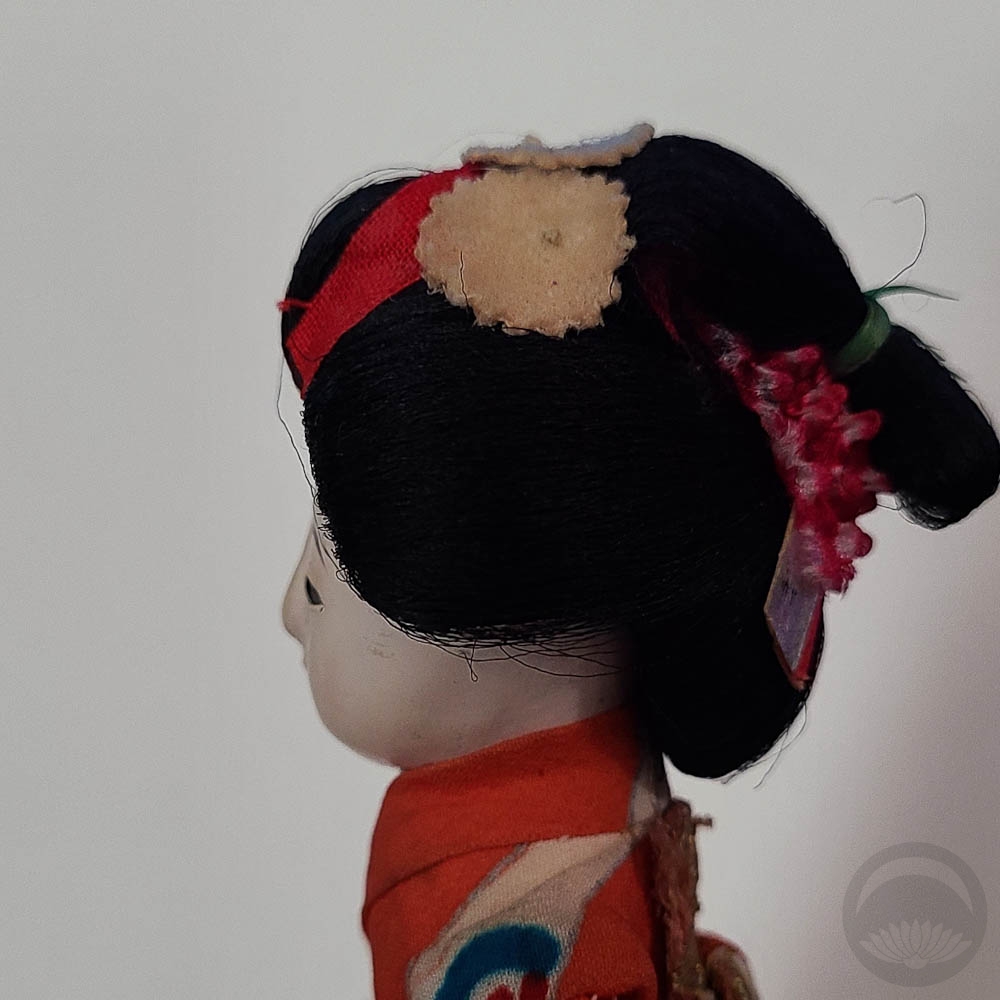
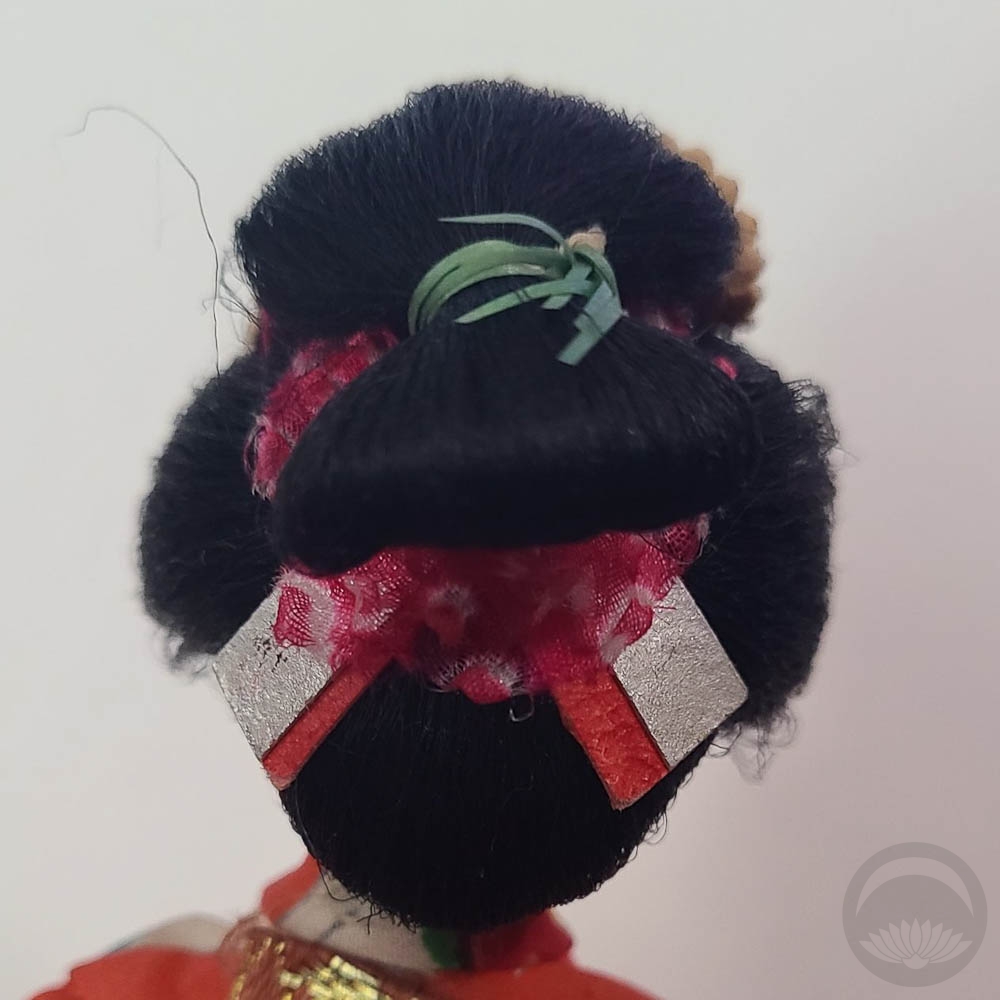
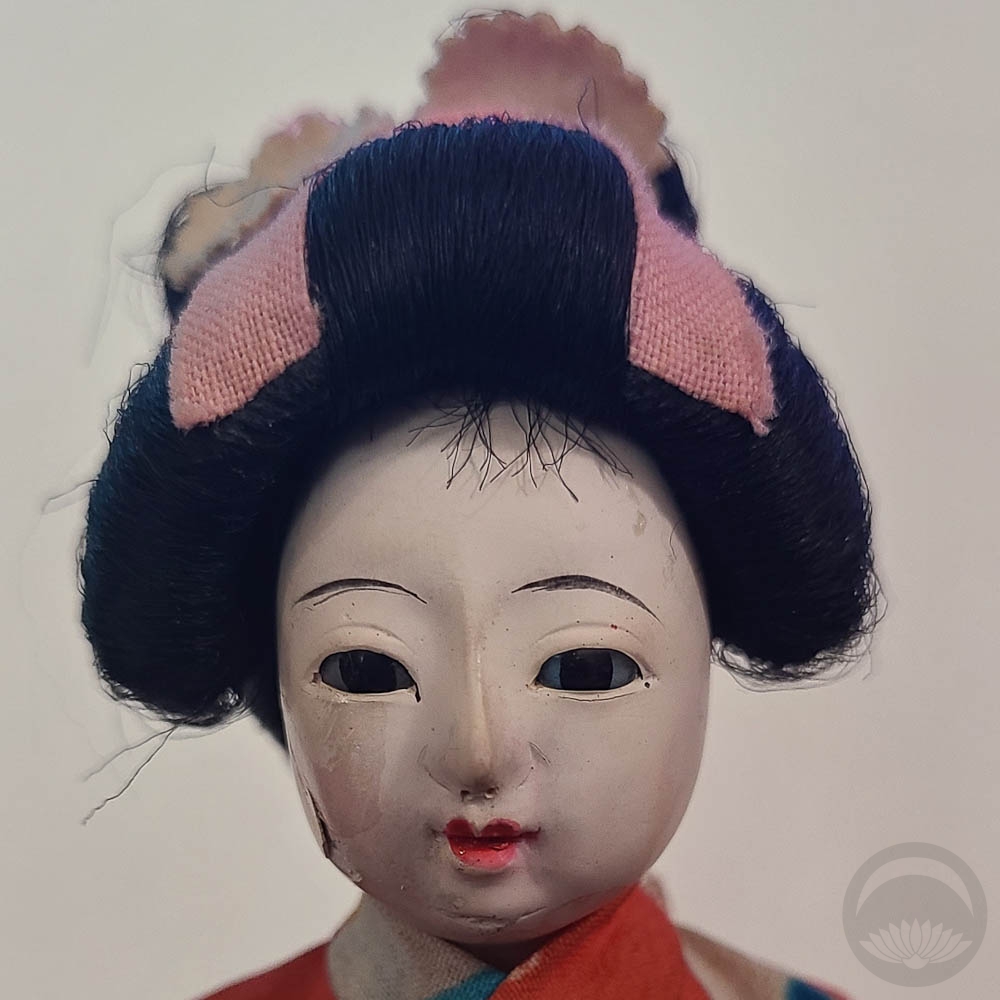
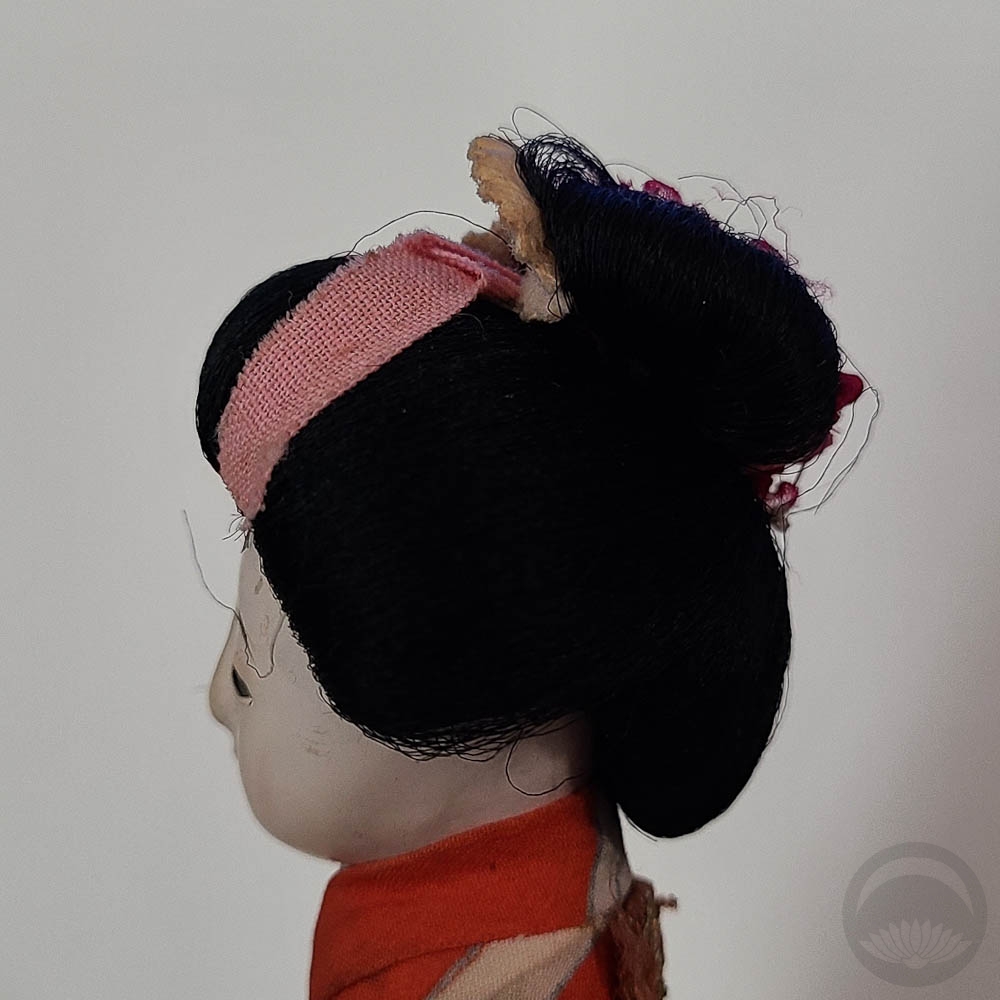
I’m still in California, which means still no access to my kimono, but I do have something utterly charming to share with you today! I have wanted one of these Japanese Dolls with Six Wigs for as long as I can remember, having stumbled across one on eBay years ago. Unfortunately, they’re slightly awkward to ship due to the wooden box and often in very bad shape due to years of play and/or neglect. They were created primarily for the post-occupation tourist market, as little souvenirs to bring home for your sweetheart or daughter. Most often the doll’s name was Hanako, but I have also seen Fukiyo. There was also a Noh-theatre style male doll who is much harder to find.

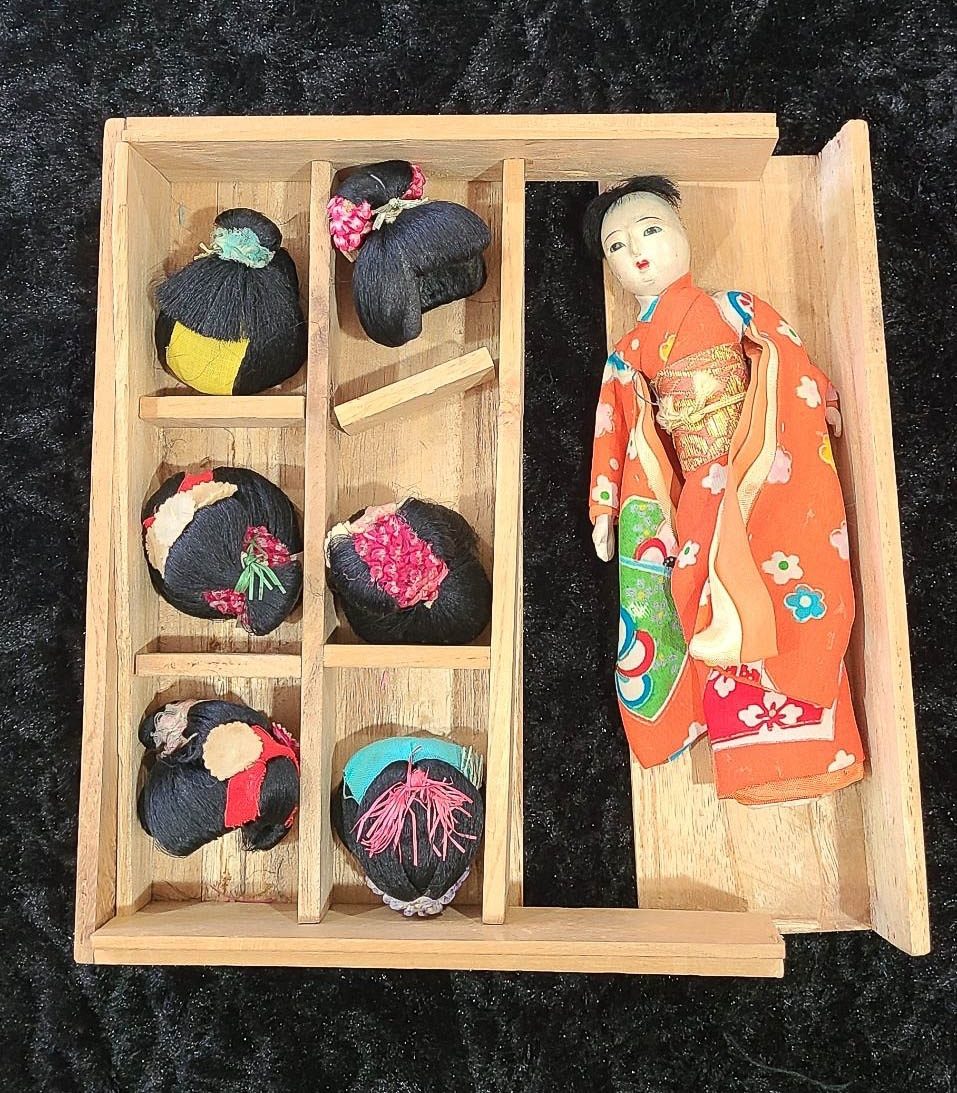
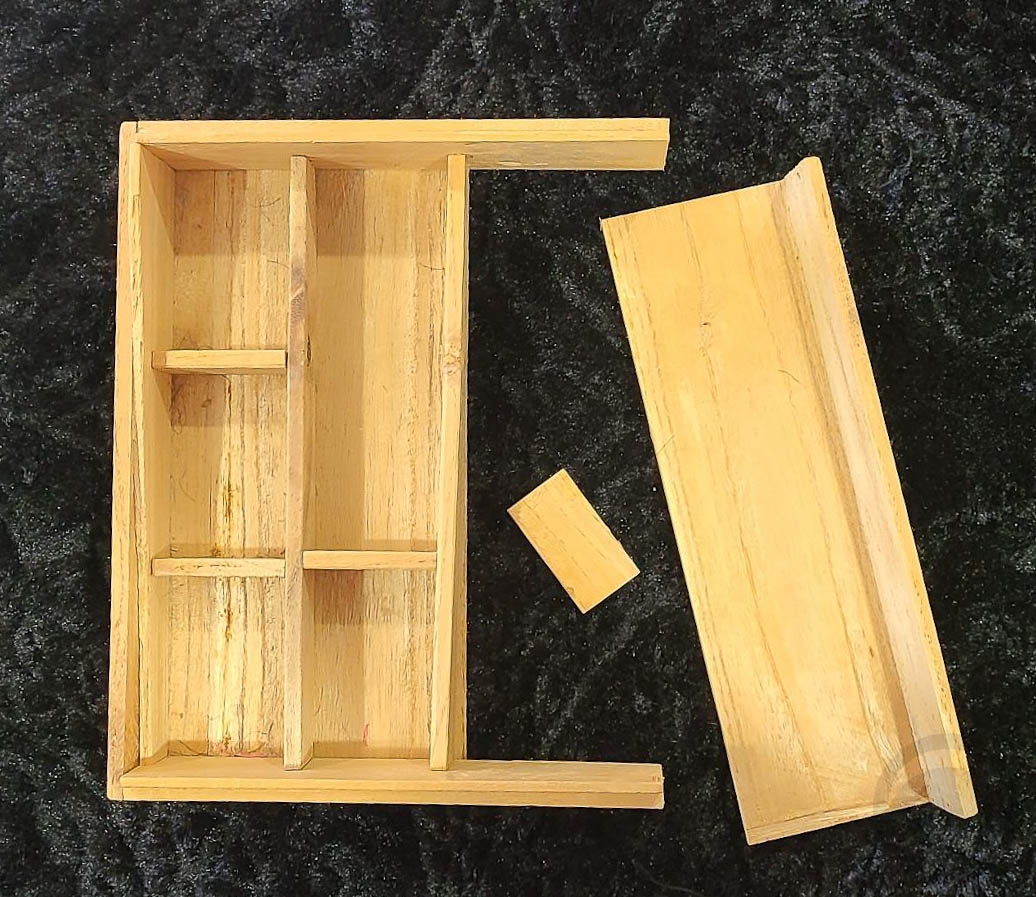
I recently found out that Goodwill auctions off items online and when I saw this one that would ship here to California. Her box was in rough shape, broken in places and missing a lid. I also suspect it’s been repaired at some point in the past, as I’ve never seen one in this arrangement of six wigs on one side and the doll on the other – the doll is almost always in the middle of the box with three wigs on either side. However, the box is really secondary here – the doll herself and most importantly the wigs looked to be in quite reasonable condition, especially for the under ten dollars the bidding was at. The wigs are the most frequently damaged pieces, as they’re so small and delicate. I threw out a bid and left it to chance, and somehow nobody else bid. I guess Goodwill isn’t quite as well-established for the Japanese art and history community as eBay is! They even included this lovely folded furoshiki gift box. I haven’t had the heart to unfold it yet, it’s just so cute as it is.

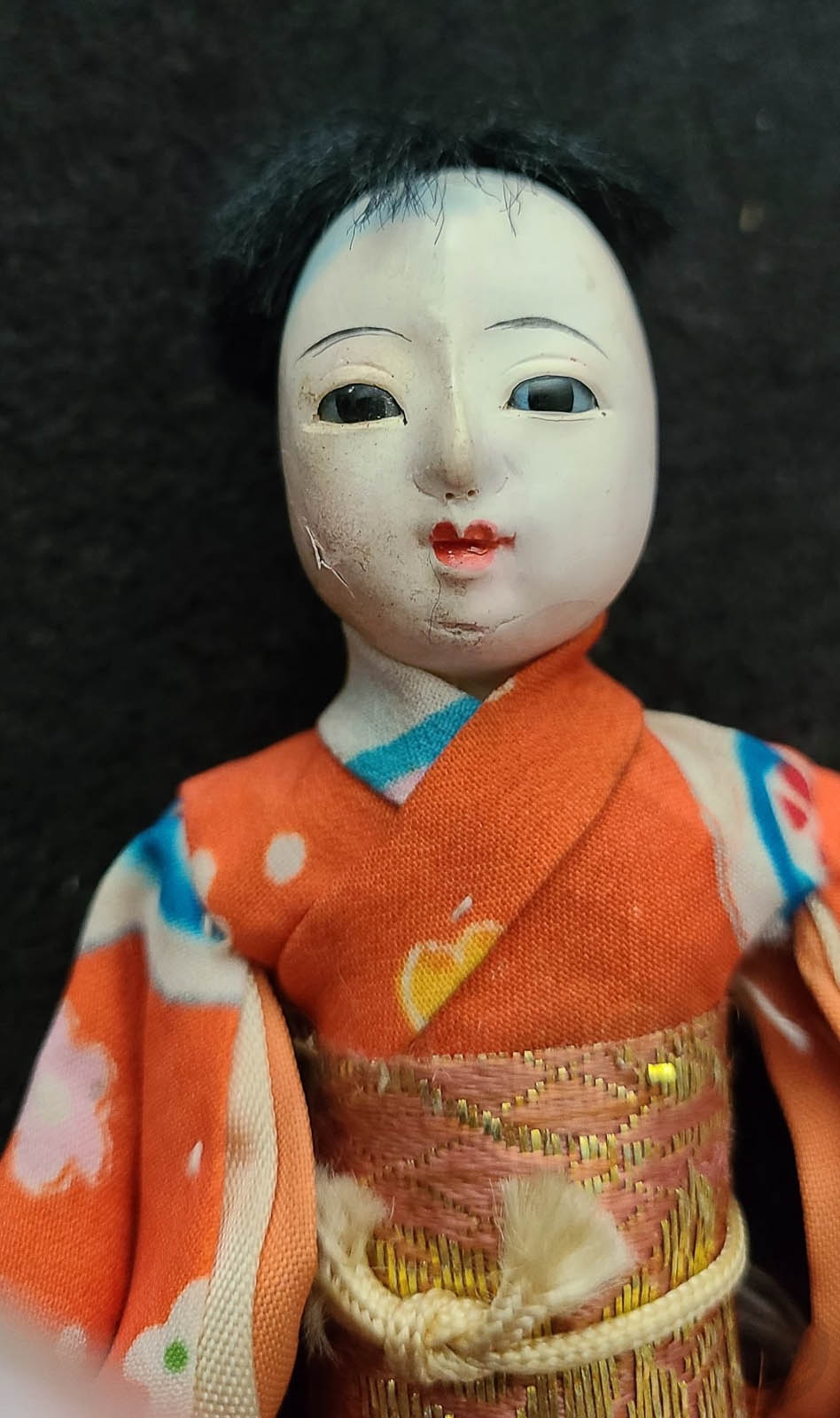
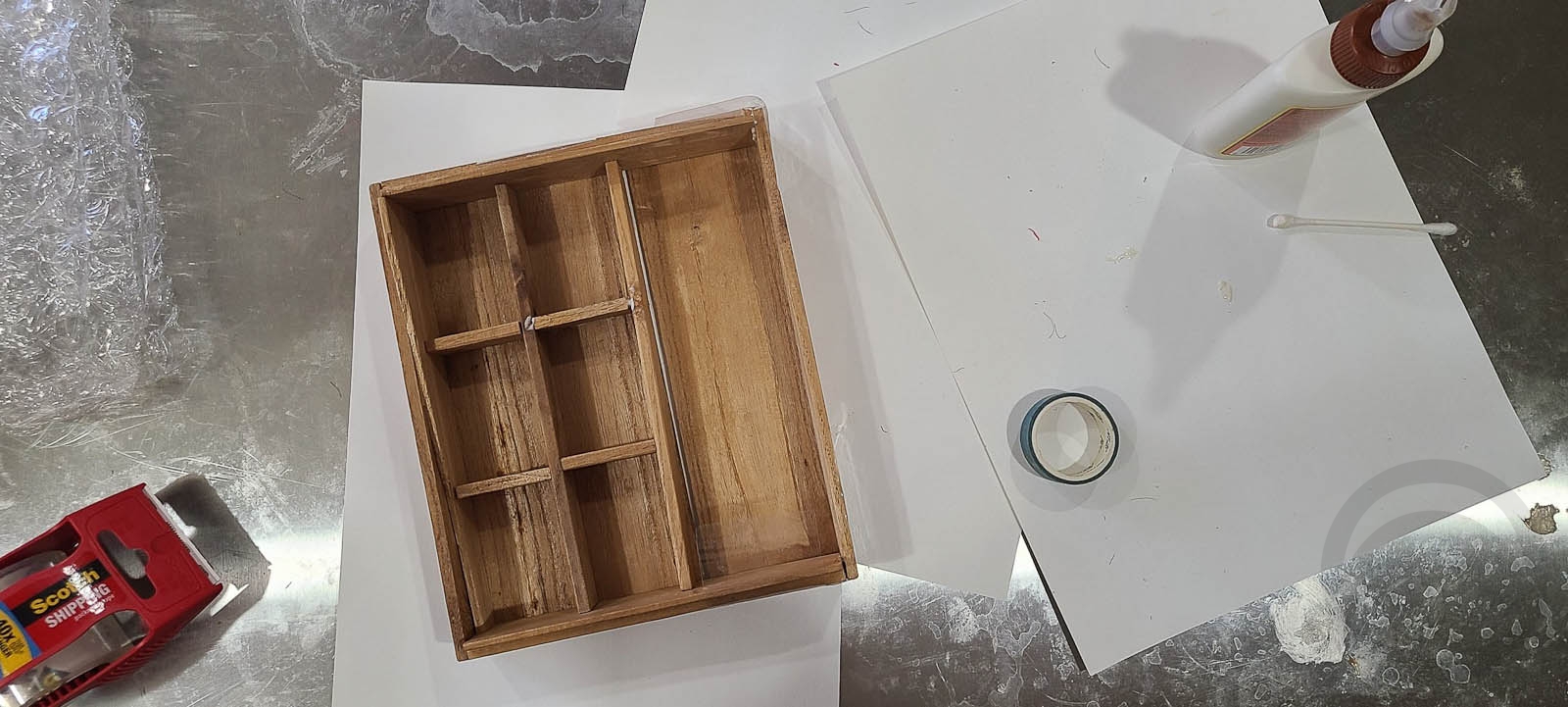
The first step was cleaning up the doll and creating some sort of a display base for her. Her face was very dirty and I’m not sure if she ever had a stand of any sort, but she definitely is not built to hold herself up. Her body is made of stiff paper that’s crumpled over the years, and her hands and feet are held on with very thin wire that won’t support her weight. Cleanup was thankfully very easy, I simply ran a moist cotton swab very gently over her face and it brought her from a dingy grey to a lovely bright white. Unfortunately the gofun over her face is cracked on one side, but I still find her adorable. The base was made out of a decorative wood plaque and a chopstick, of all things! I simply drilled through the plaque, glued the chopstick in at the correct height, and then cut the end off. It tucks up into her kimono and holds her quite solidly, but she’s very easy to remove. Repairing the box was easy – a bit of wood glue, some tape to hold things together as the glue set, and voila. The wigs themselves needed hardly any attention, I just smoothed out some errant hairs with my finger tips.

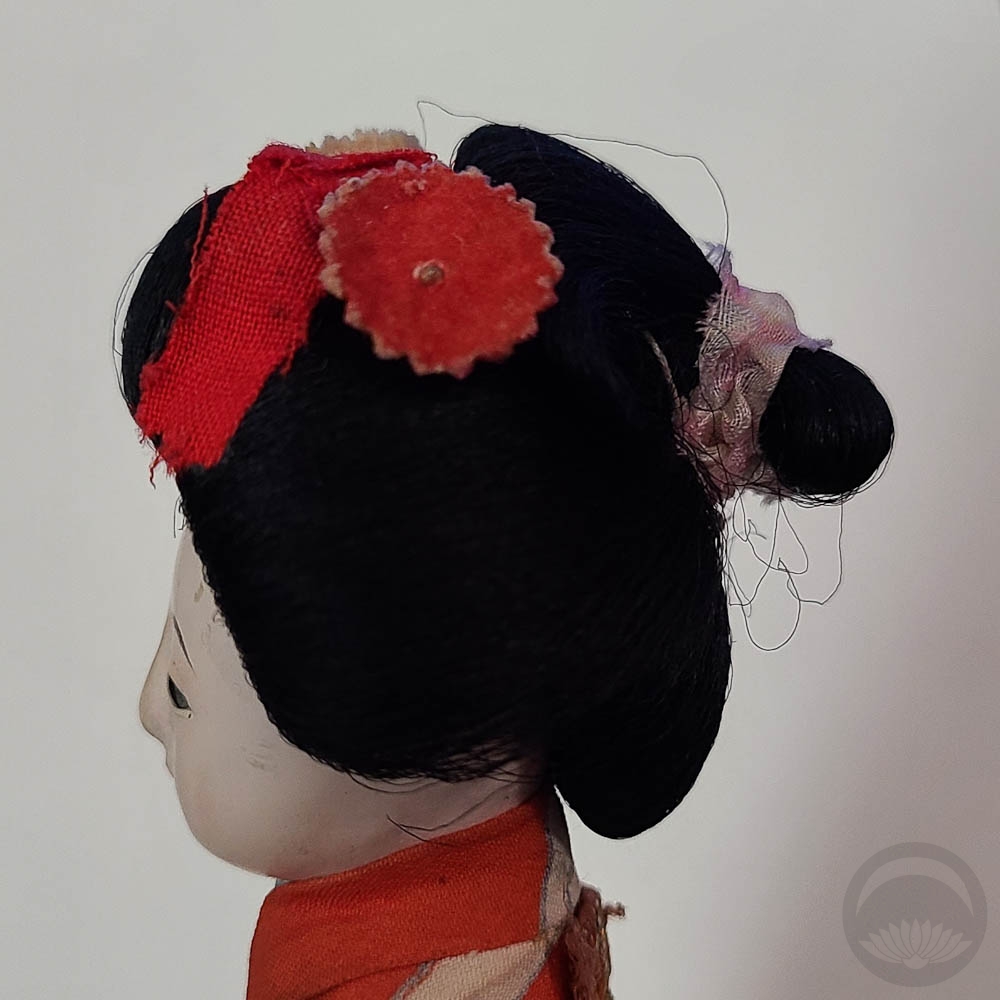
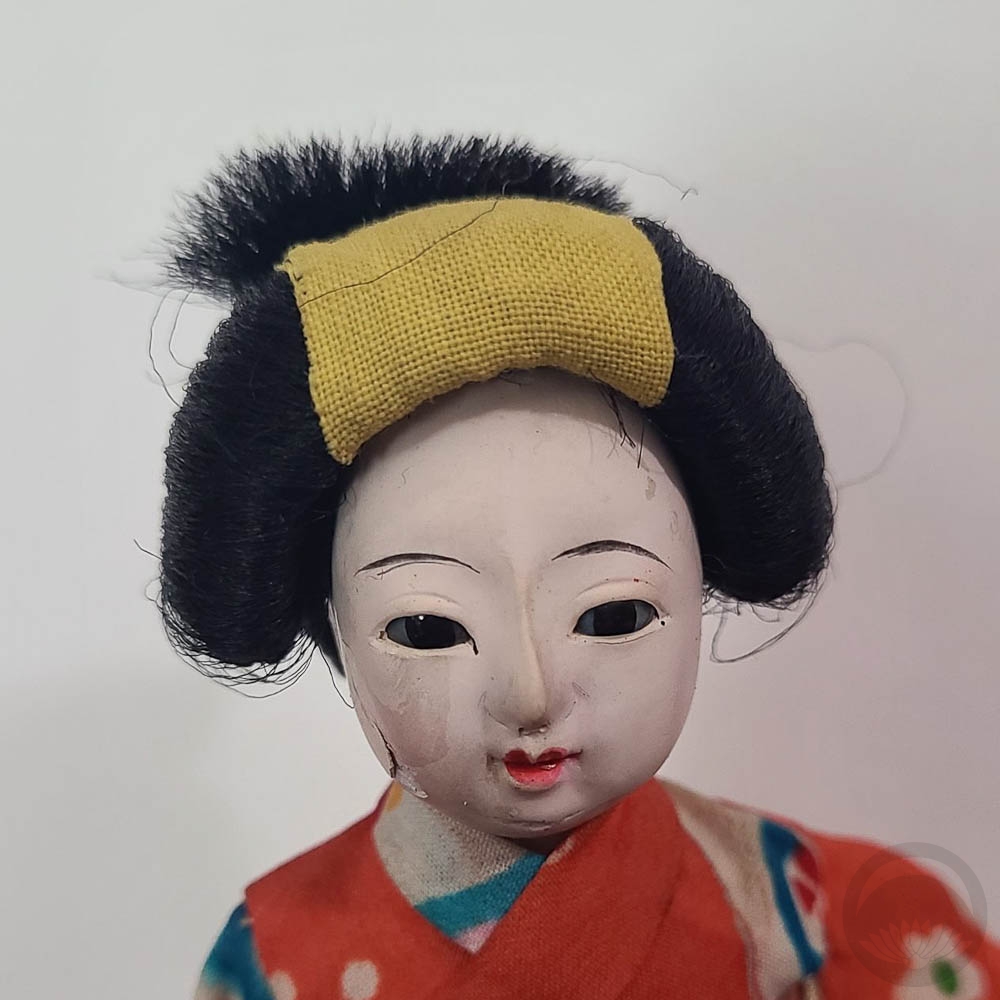
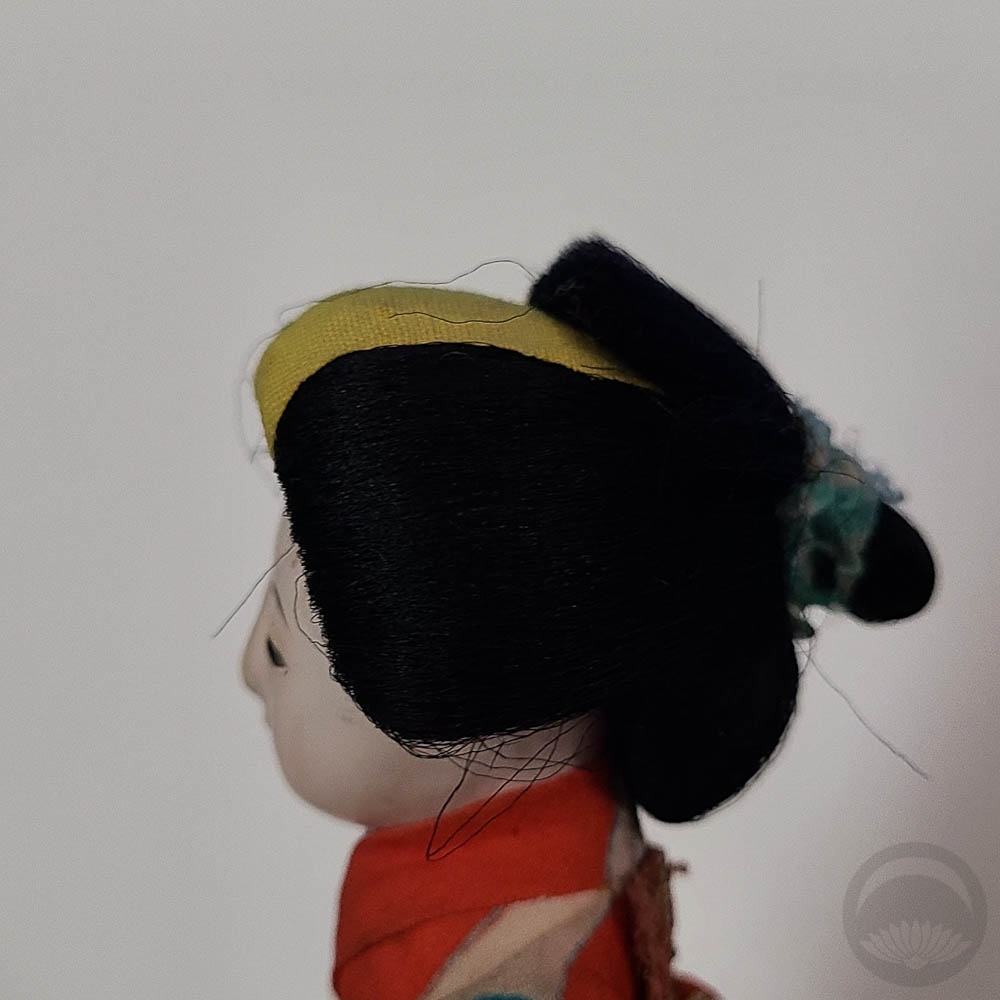
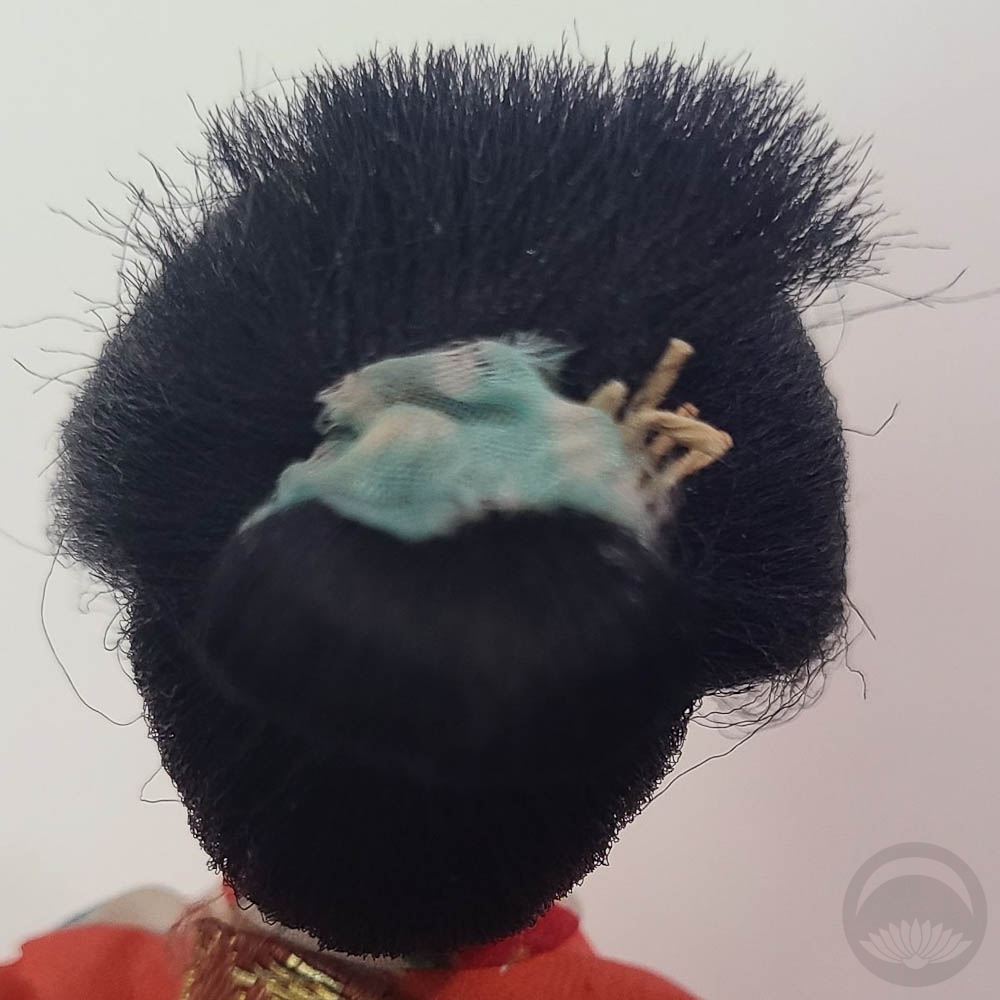
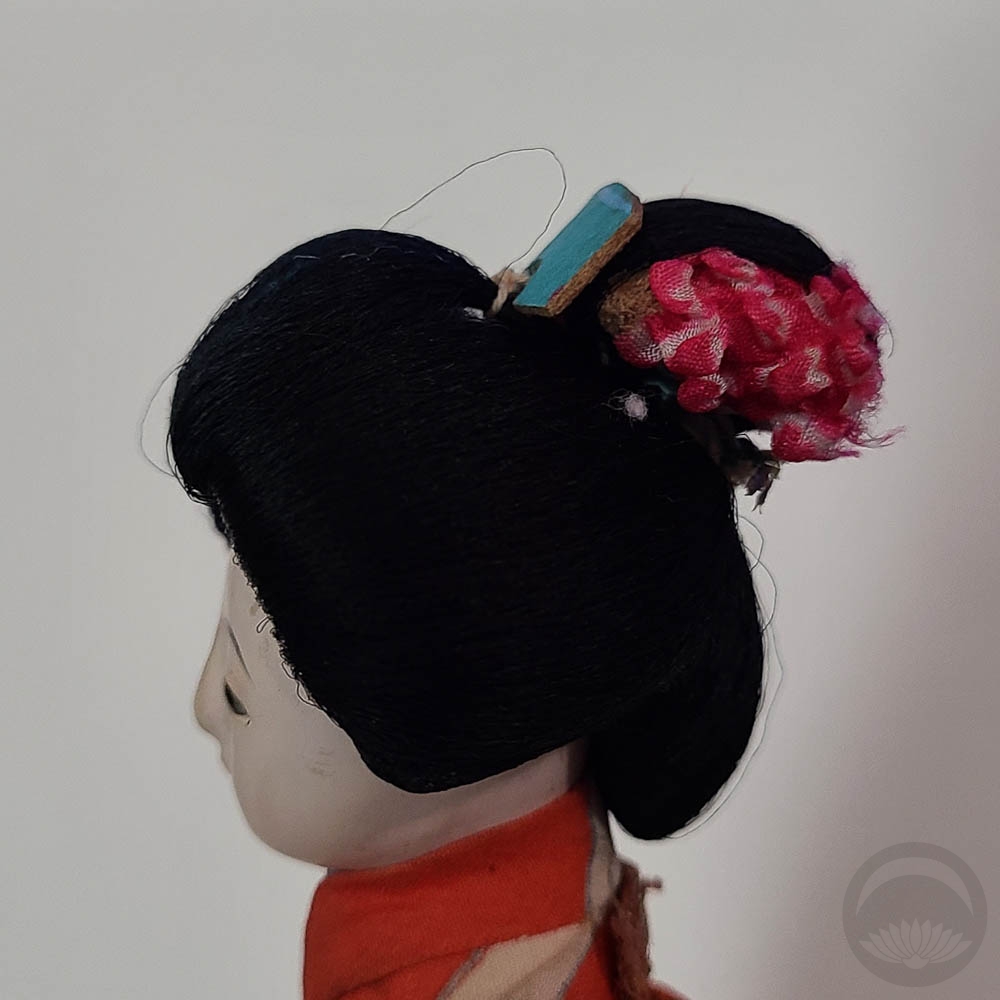
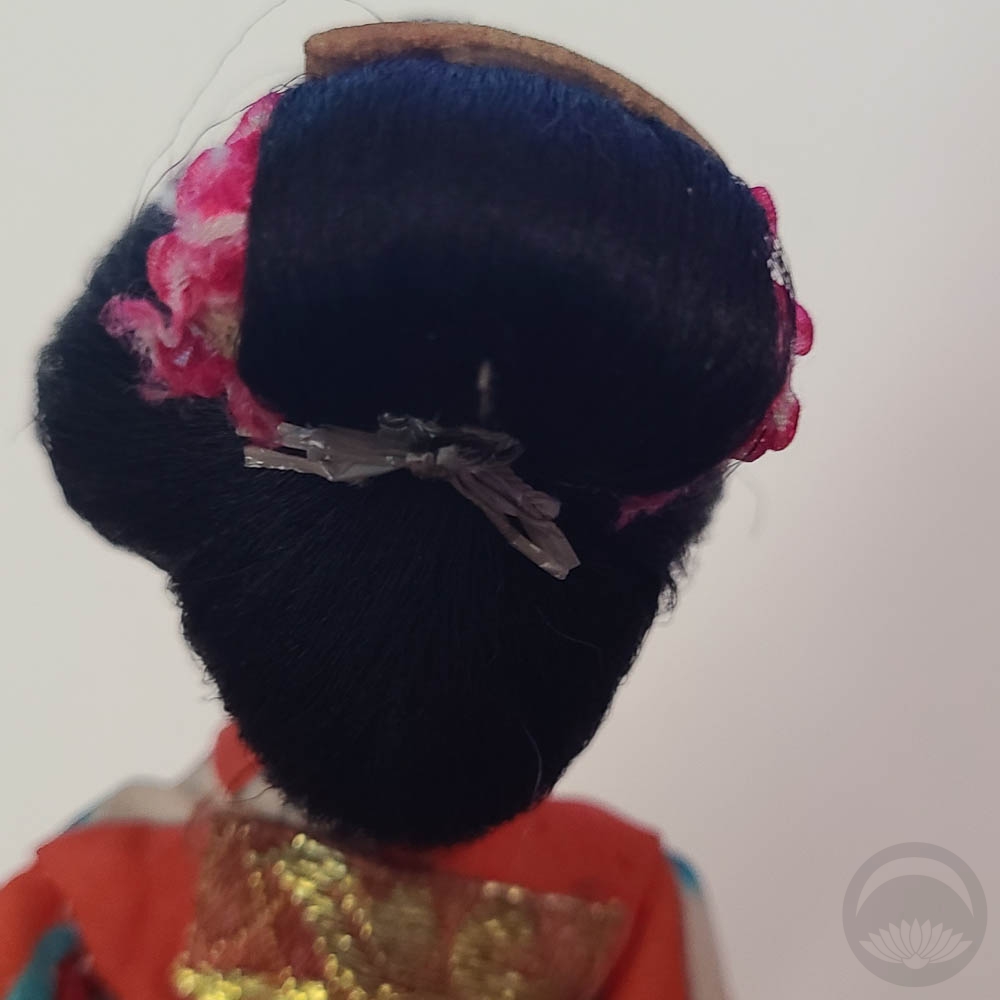
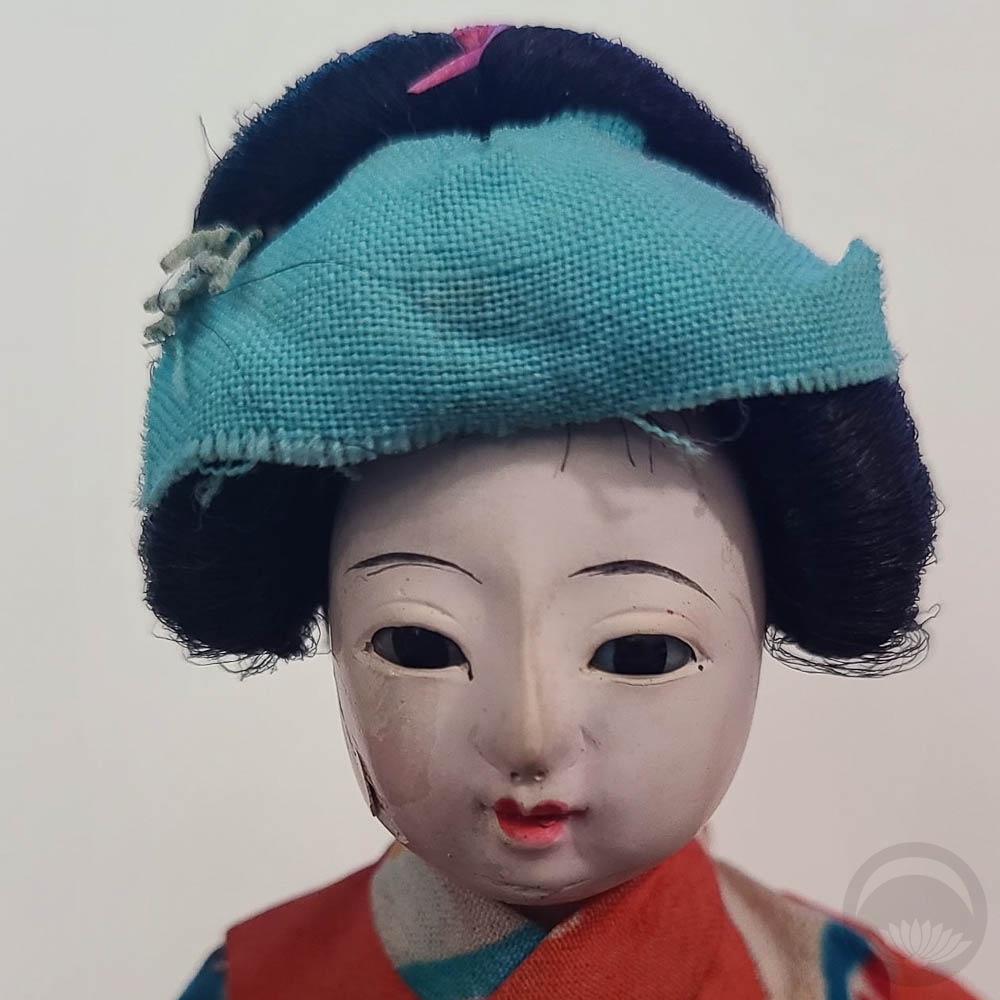
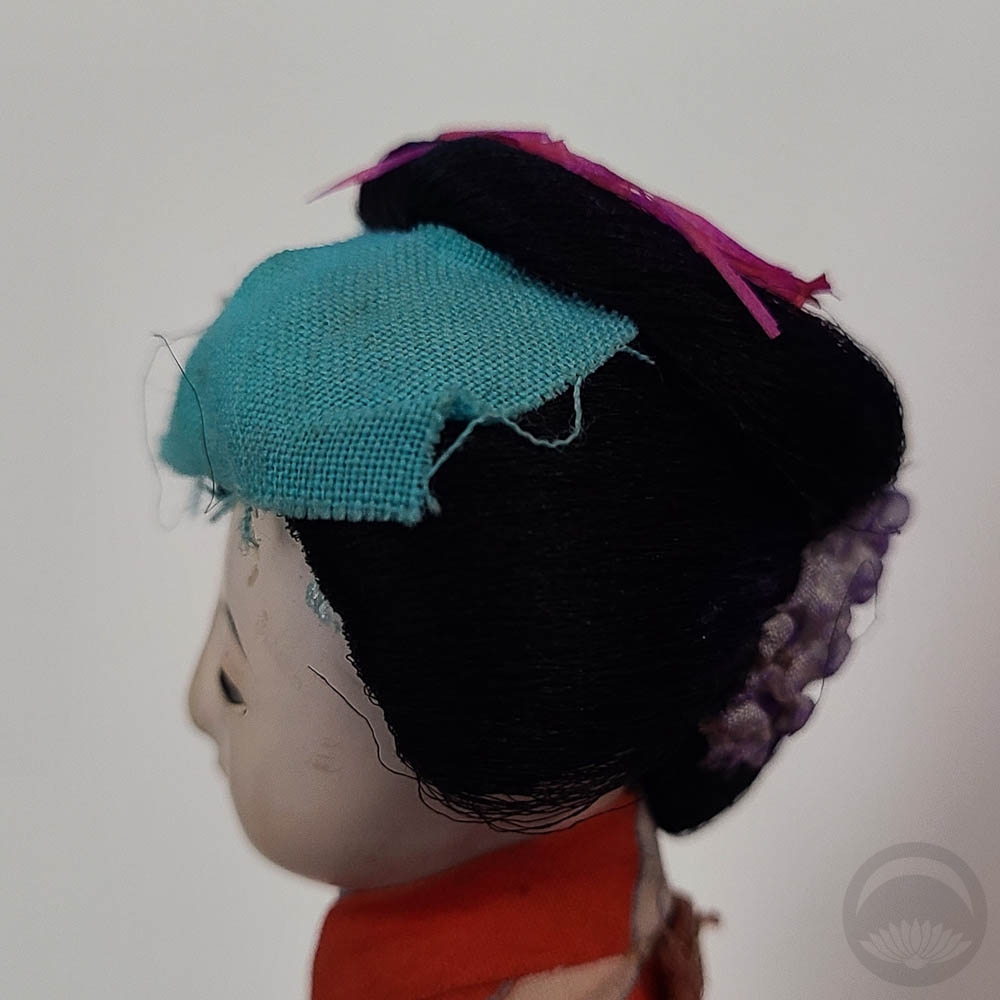
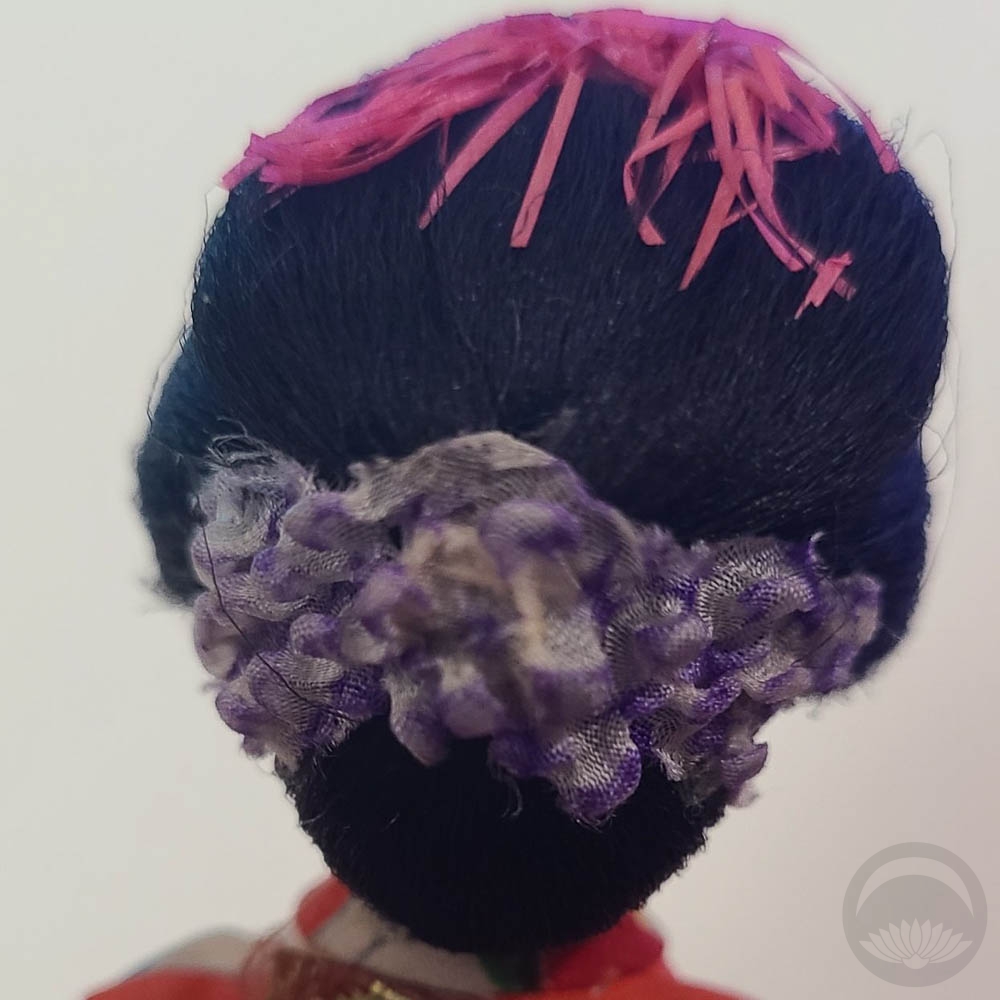
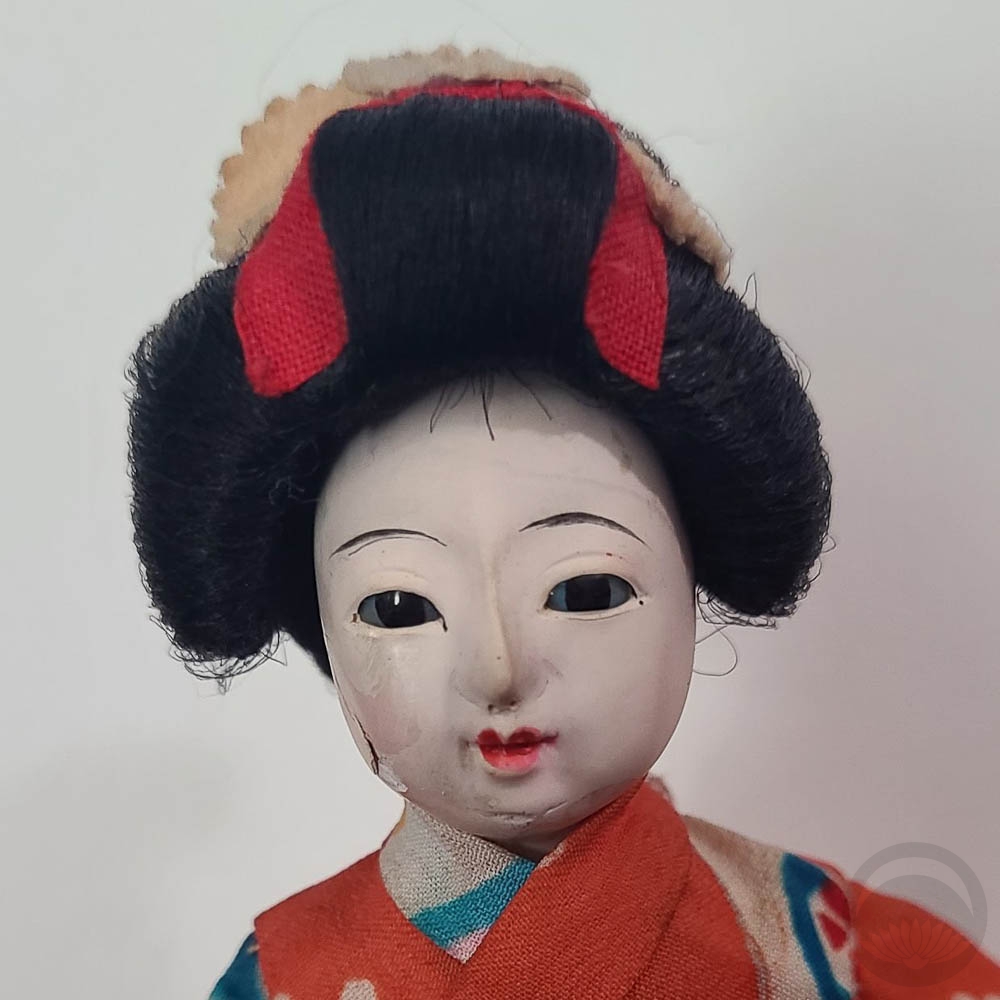
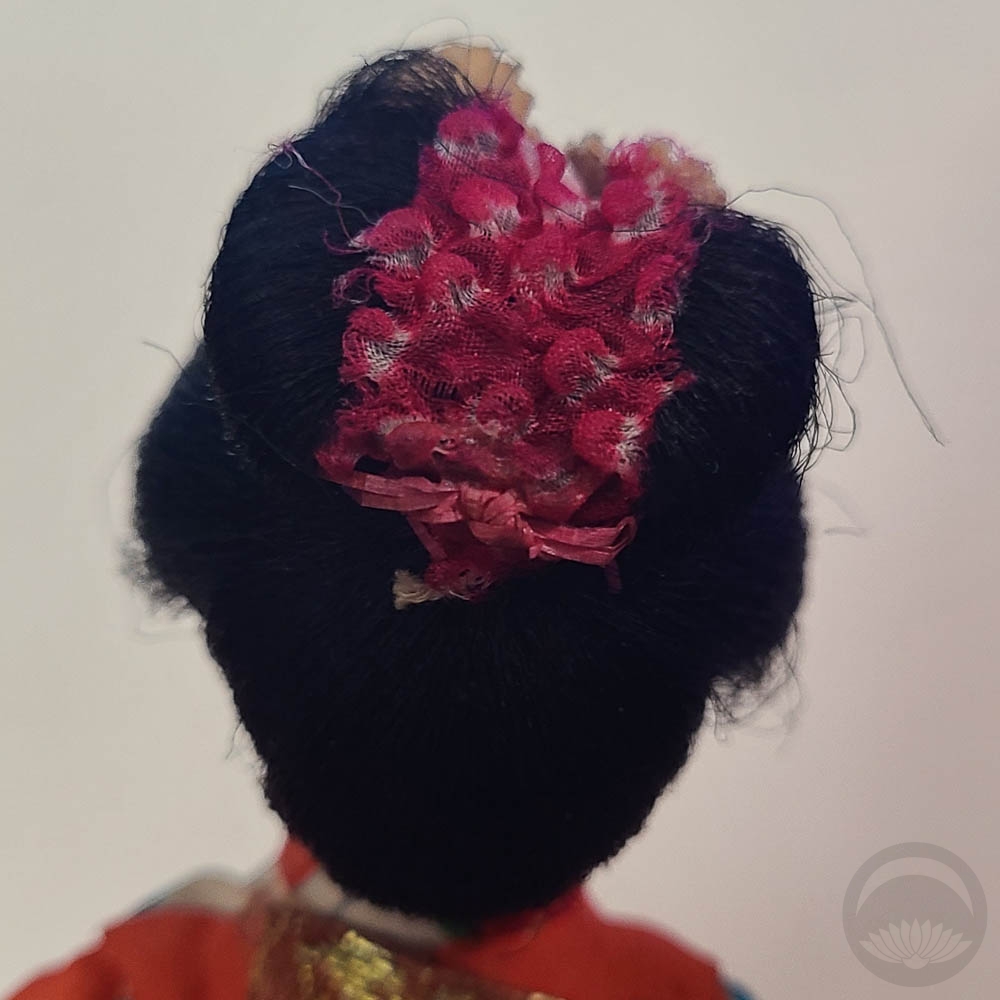
I will fully admit that katsura (traditional-type wigs) and traditional hairstyles in general are not something I’m particularly knowledgeable about. If anyone can tell me what wig or hairstyle these are meant to represent, I would be forever grateful. I’m fairly certain the one with the yellow front is meant to replicate a male chonmage style, like a performer would wear for playing a male role, and the one with the blue comb seems to be a sort of tsubushi shimada, but I may very well be wrong!  Here are some close-ups and detail photos of each of the wigs.

I am so happy I finally got my hands on this little darling and can’t wait to introduce her to my other rescued vintage dolls back home.

Delightful dolls, delayed

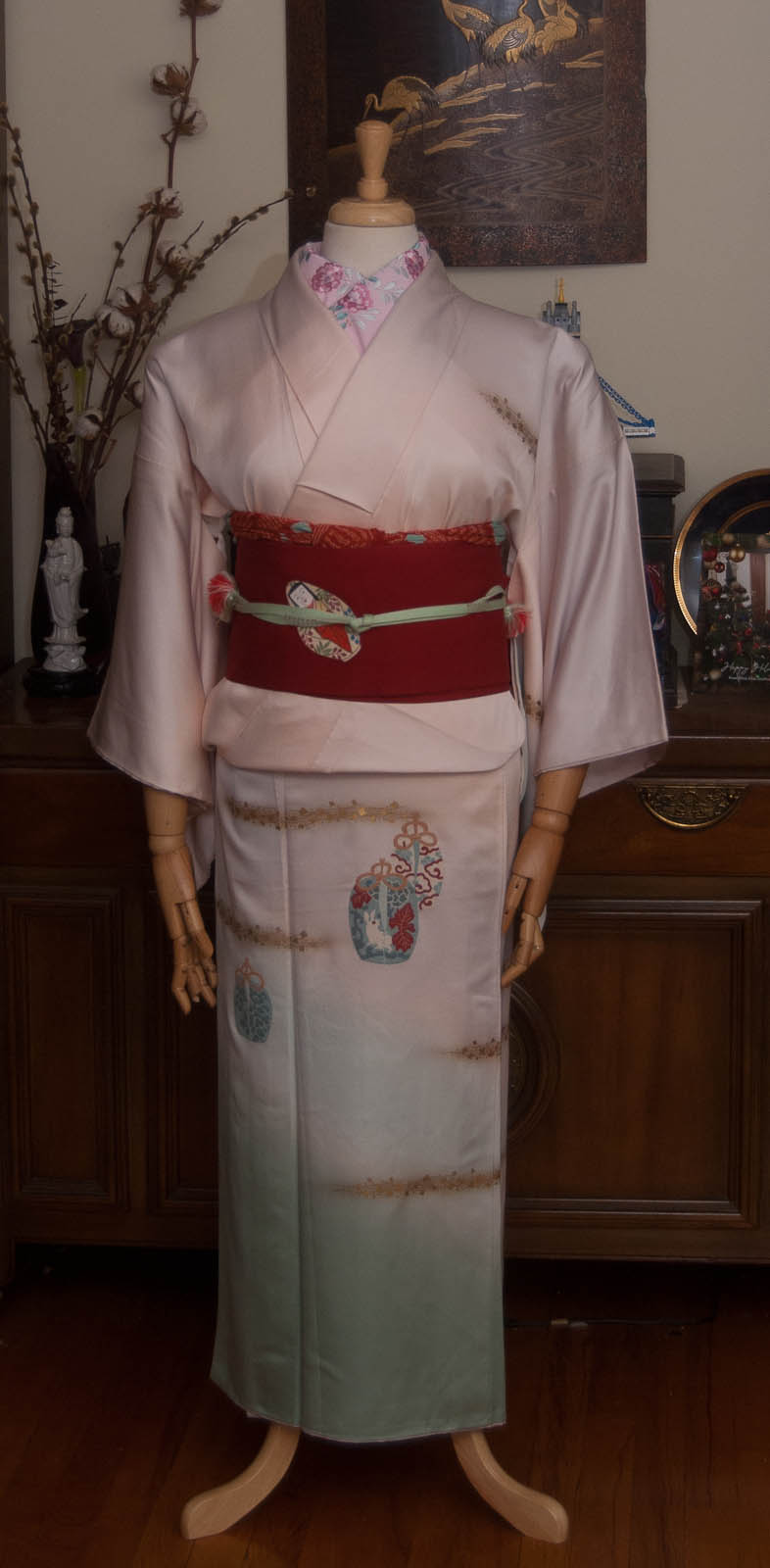
Hina-matsuri (雛祭り, doll’s day) was this past Thursday. In the past, I’ve made my own dolls for display but this year I just didn’t have the time to do much of anything, since I work all week now. However, I did want to do a little something, even if it’s technically too late.

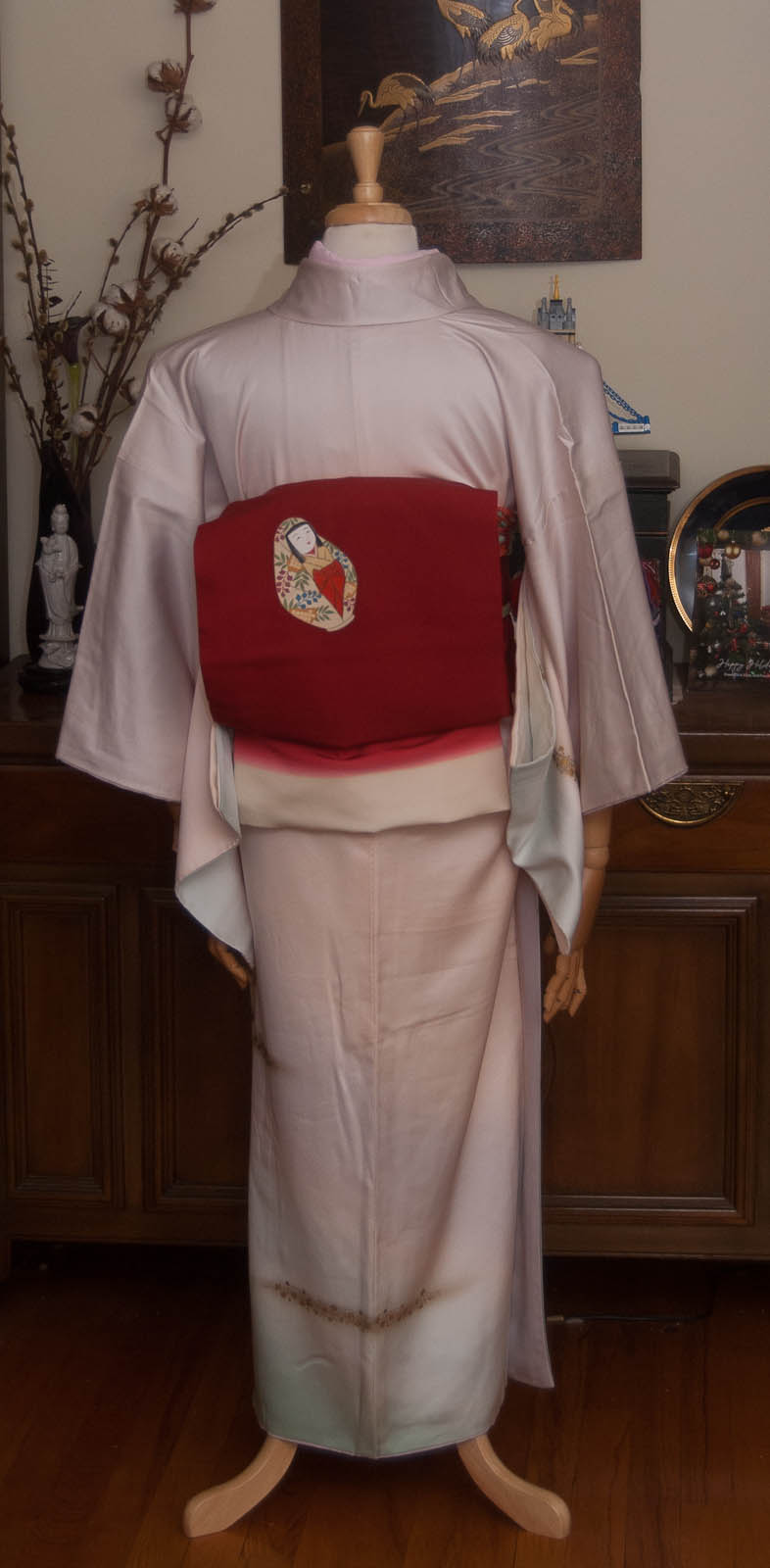
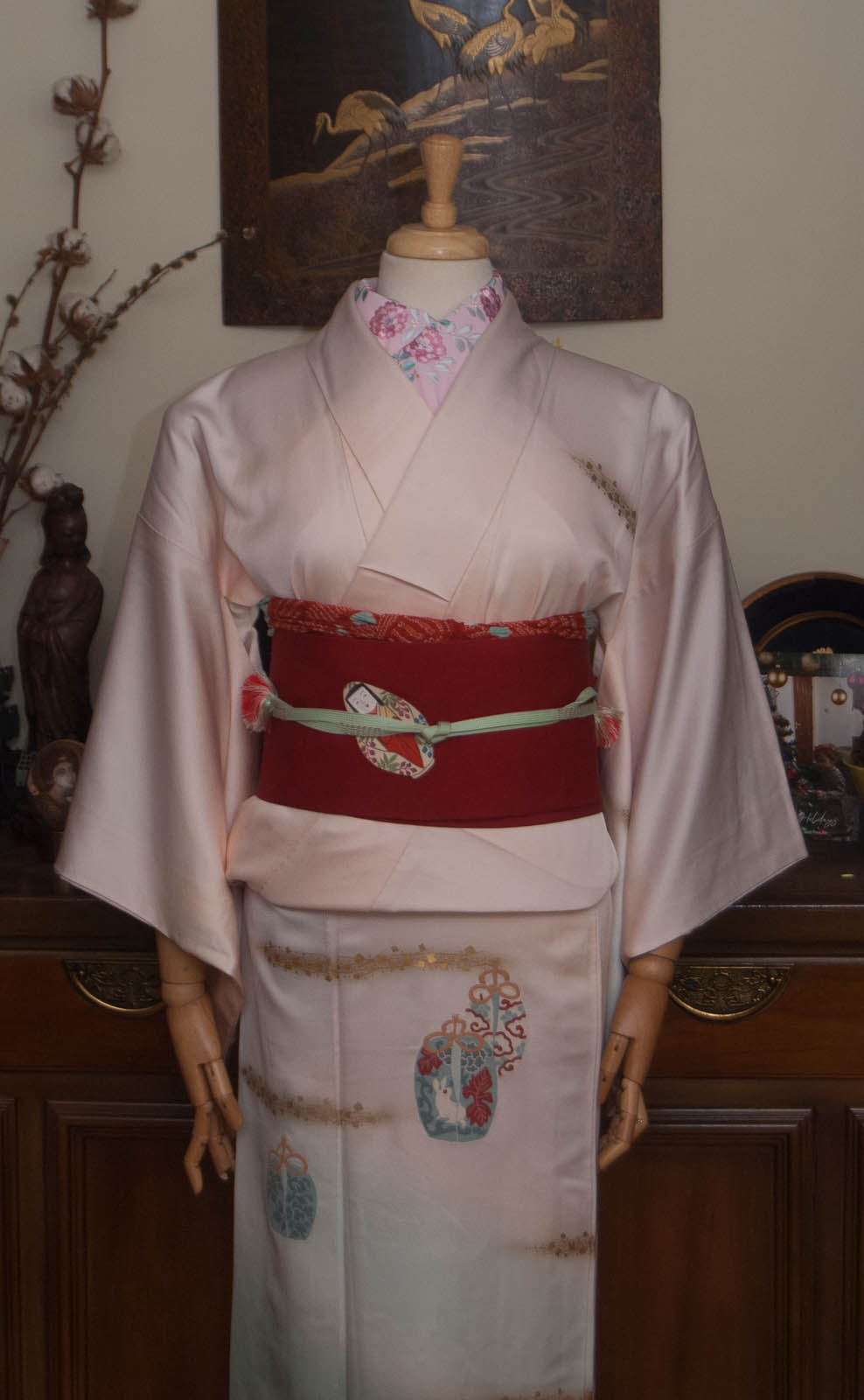
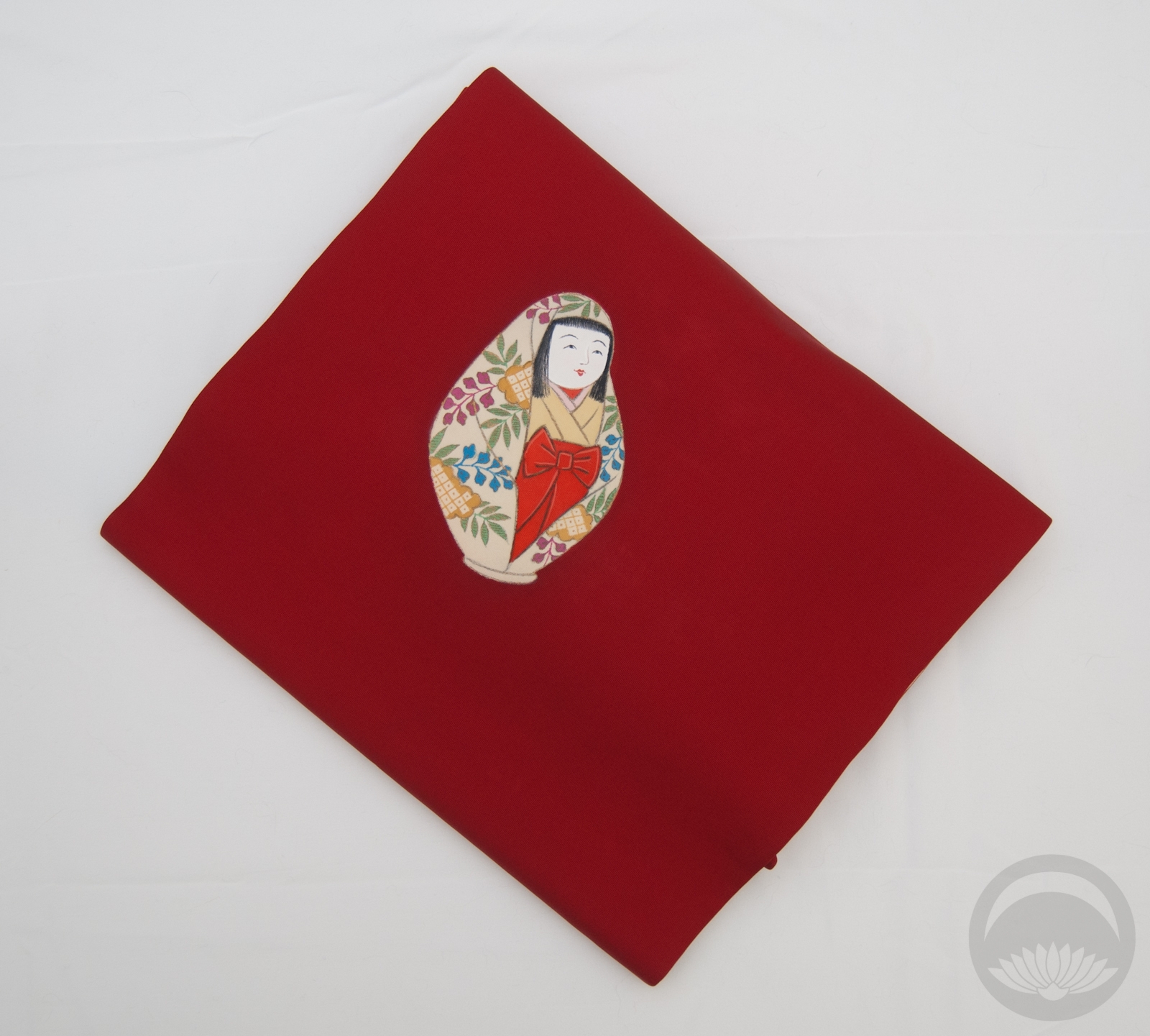
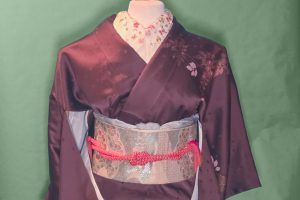
I knew I wanted to use this ningyo obi, despite the type of doll not being the typical dolls used for this festival. One day I will find a piece with proper hina dolls on it and I will use that, but until that happens this is what I’ve got.

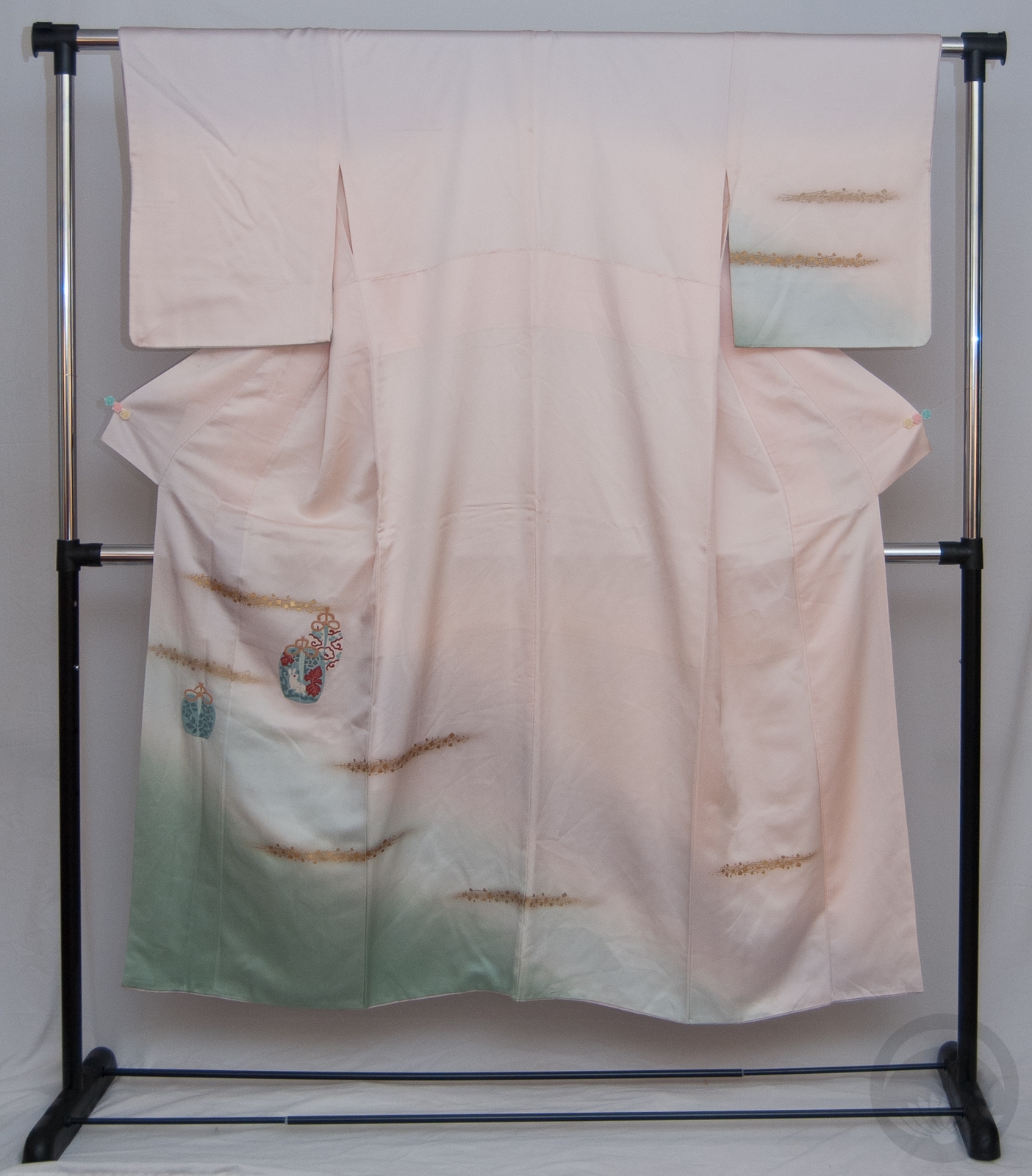
This kimono may have seemed like an odd choice, but if you look closely there’s bright red accents in the beautiful embroidery. They actually coordinate quite well, I think. Also I think the pink, pastels, and adorable bunny are all ideal for a holiday that celebrates girls.

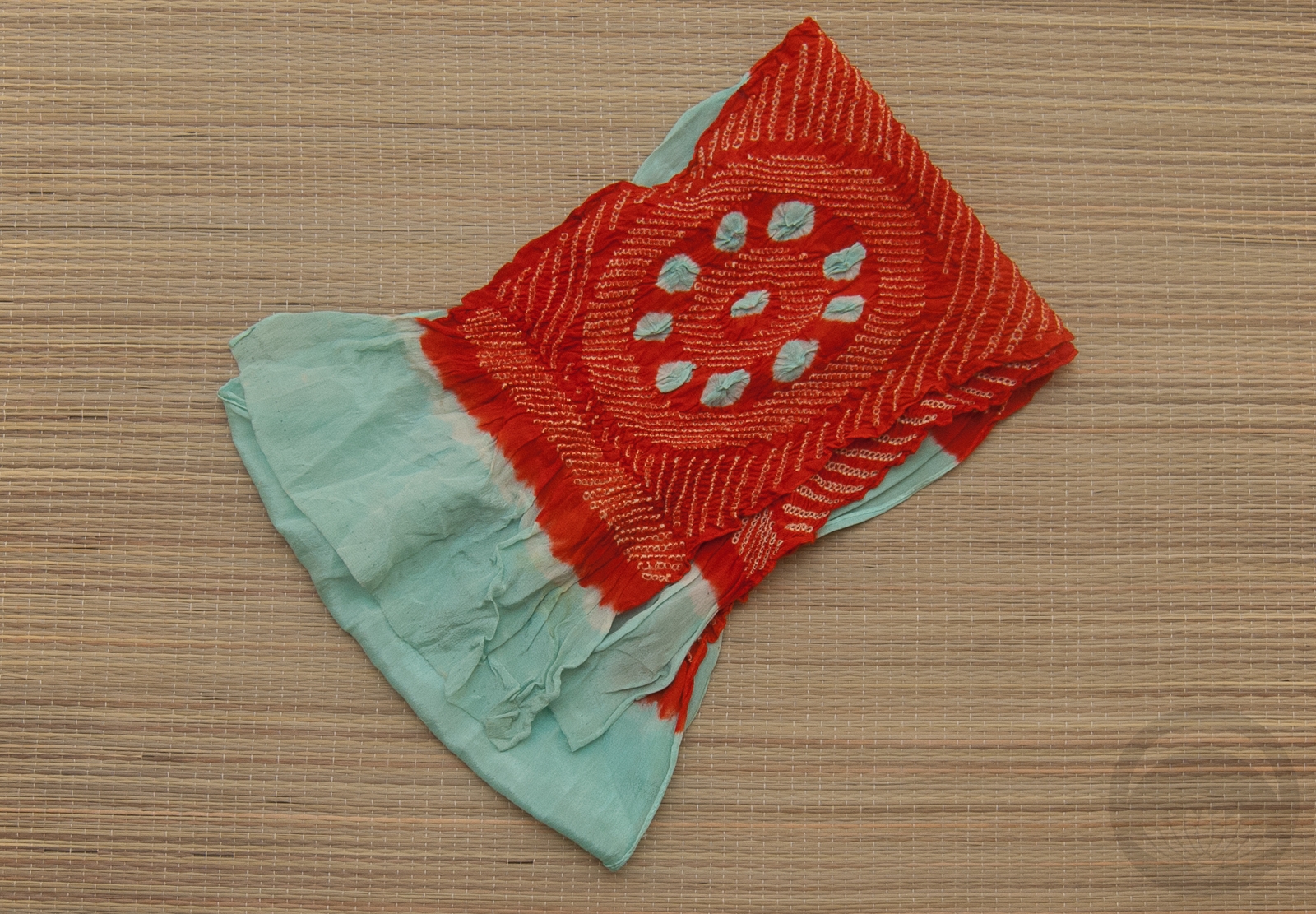
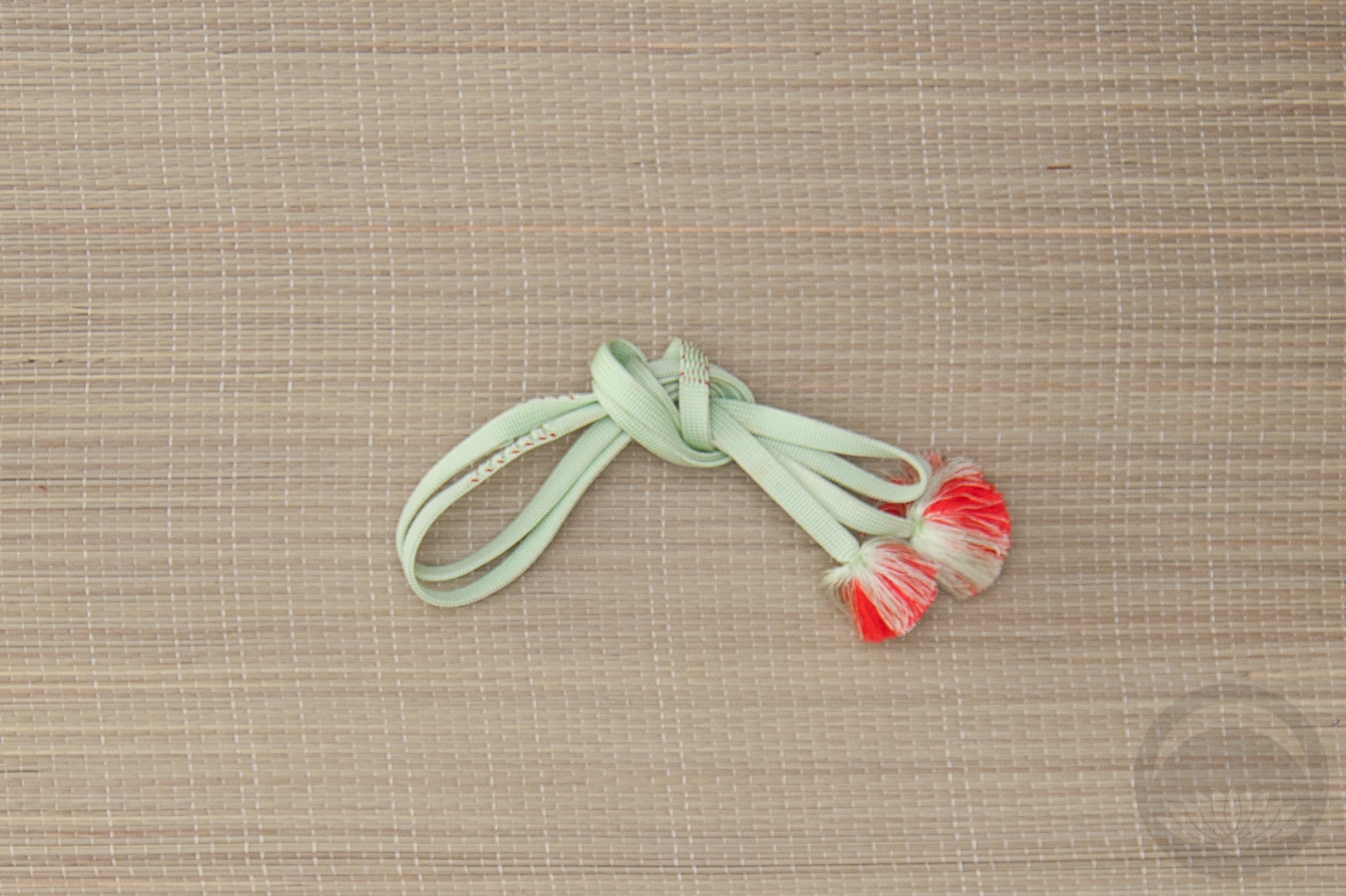
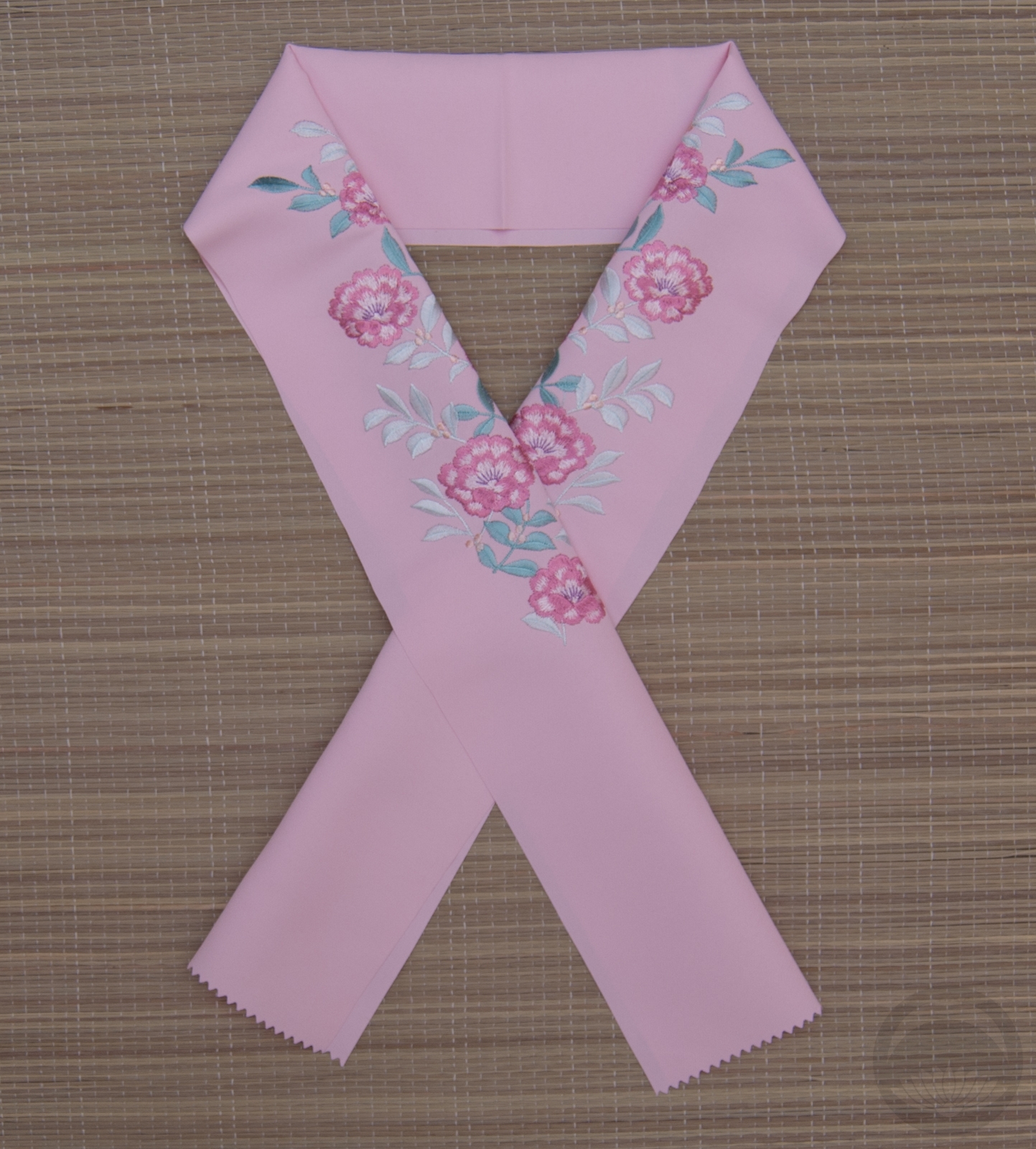
It’s been a long time since I’ve used my beloved blue and red shibori obiage or my mint and reddish-orange obijime so I was thrilled to have an excuse to pull them out again. A pretty floral haneri in shades of pink with turquoise foliage was a nice finishing touch. As well as featuring dolls, this outfit feels like a great bridge from winter to spring, perfect for early March.

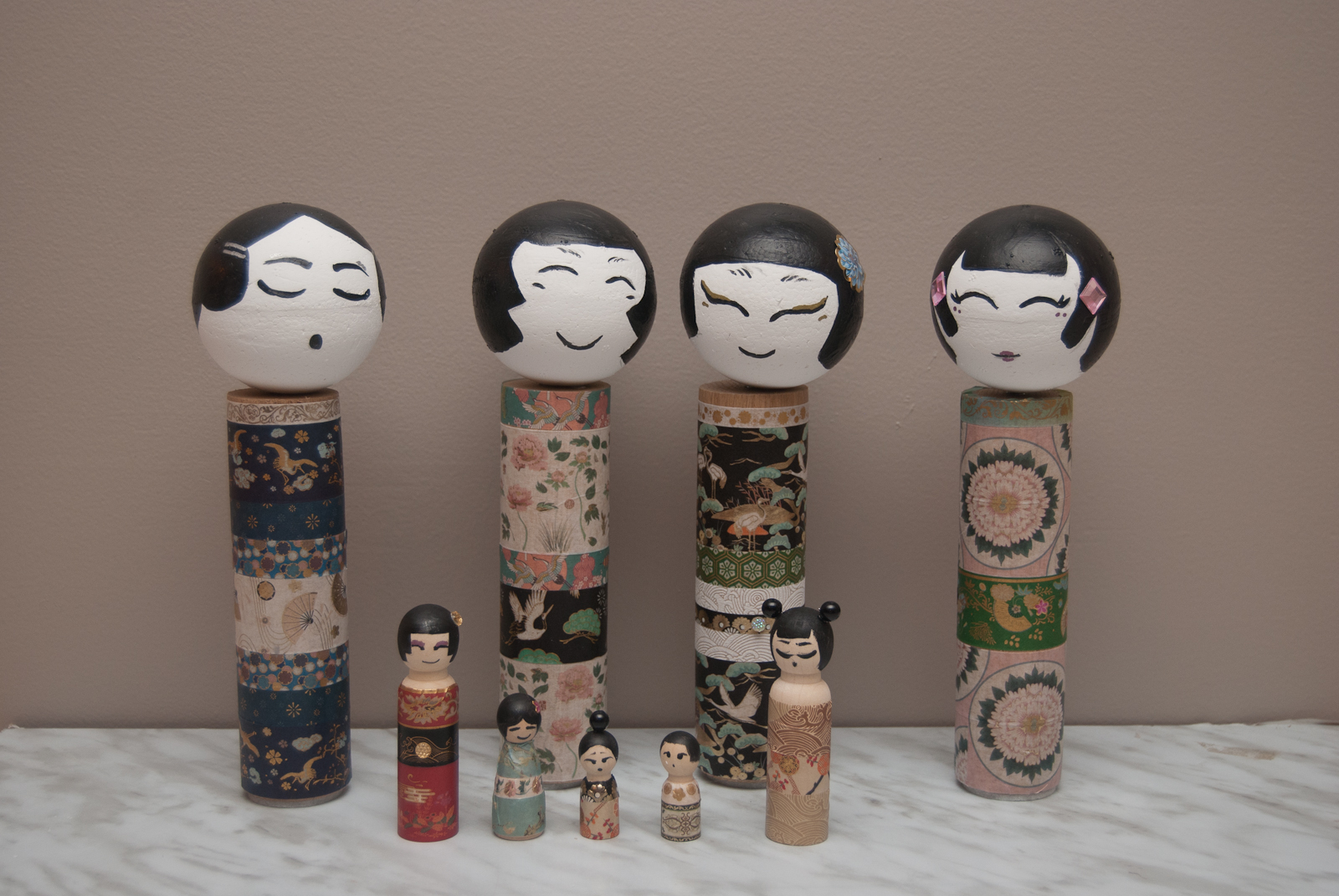
DIY Kokeshi Dolls featuring The Washi Tape Shop

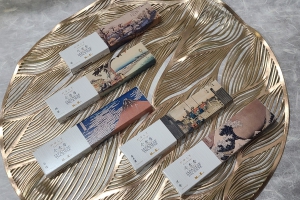
Washi tape comes in so many beautiful and versatile designs, and is an important part of any Japanophile crafter’s arsenal. While most often used for journaling, scrapbooking, and wrapping gifts, there are so many other ways you can feature the gorgeous designs of traditional washi tape.

Today I’ve teamed up with The Washi Tape Shop to bring you a quick, affordable, and fun DIY project. If you’re stuck inside the house (aren’t we all nowadays?) this is a great way to spend an afternoon, and is easy and safe for kids to do as well! Many of the designs available at the Washi Tape Shop are clearly influenced by traditional Japanese textiles and patterns, so I figured what better way to feature them than to make your own kokeshi dolls?

Keep reading for detailed instructions!

Continue reading

N is for Ningyo

Ningyo (also ningyou), 人形, dolls

I had to feature this obi today, didn’t I? I love it so much! I wanted to pair it with a kimono that didn’t compete with it but also didn’t get lost in the background, and I think this was the perfect choice.
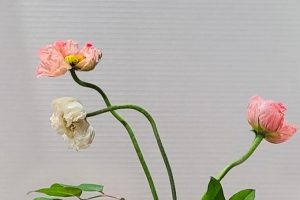
The red of the obi is repeated in the gorgeous red of the poppies on the kimono, and while it might not be super obvious, a lot of the colours in the doll herself are echoed in other parts of the outfit. The olive accent shows up in the haneri, the obiage, and the hem of the kimono. The lilac of the obijime isn’t an exact match for the grey background of the kimono but I feel like the soft, desaturated colours complement each other very well.
Items used in this coordination