Quiet afternoon kitsuke time

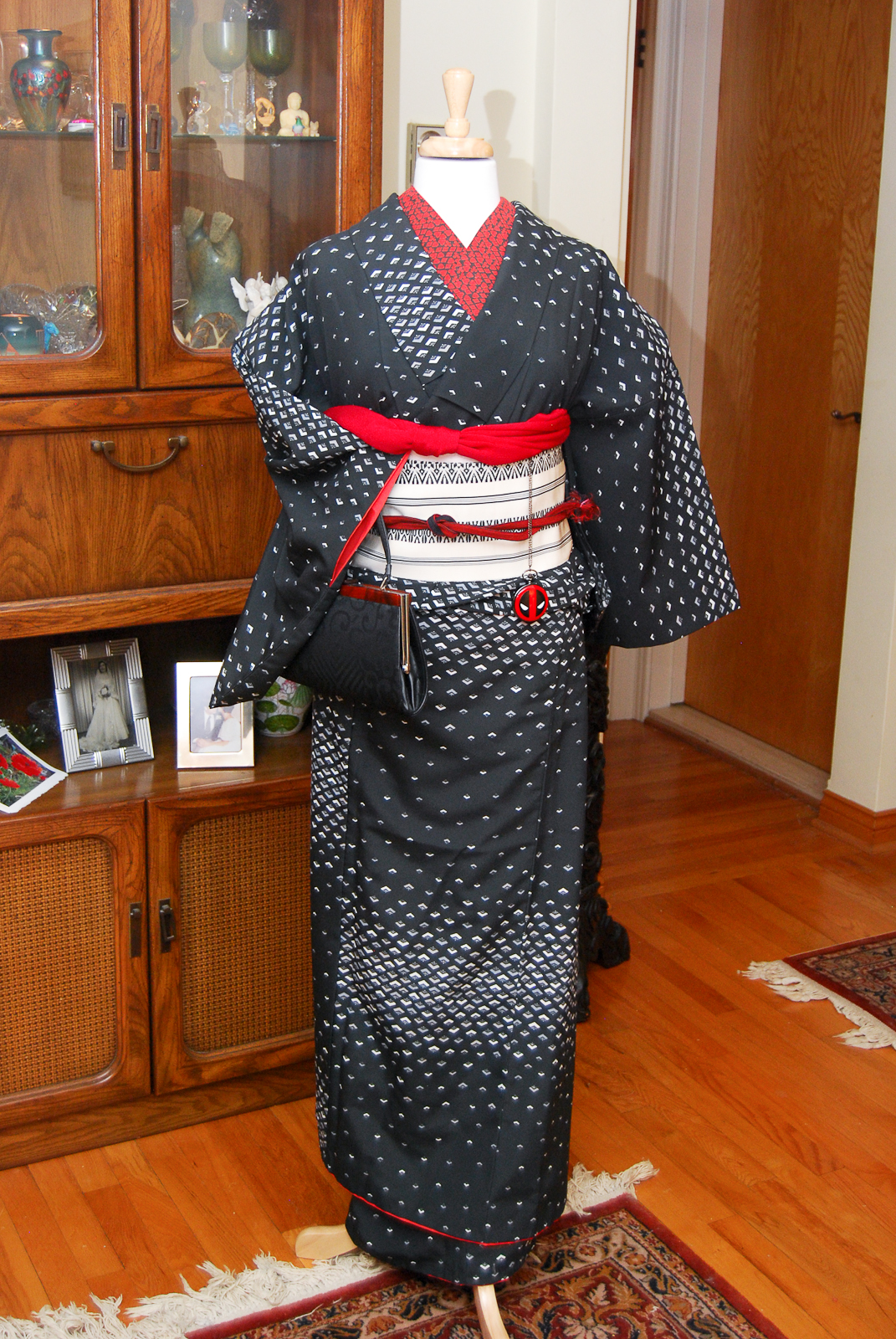
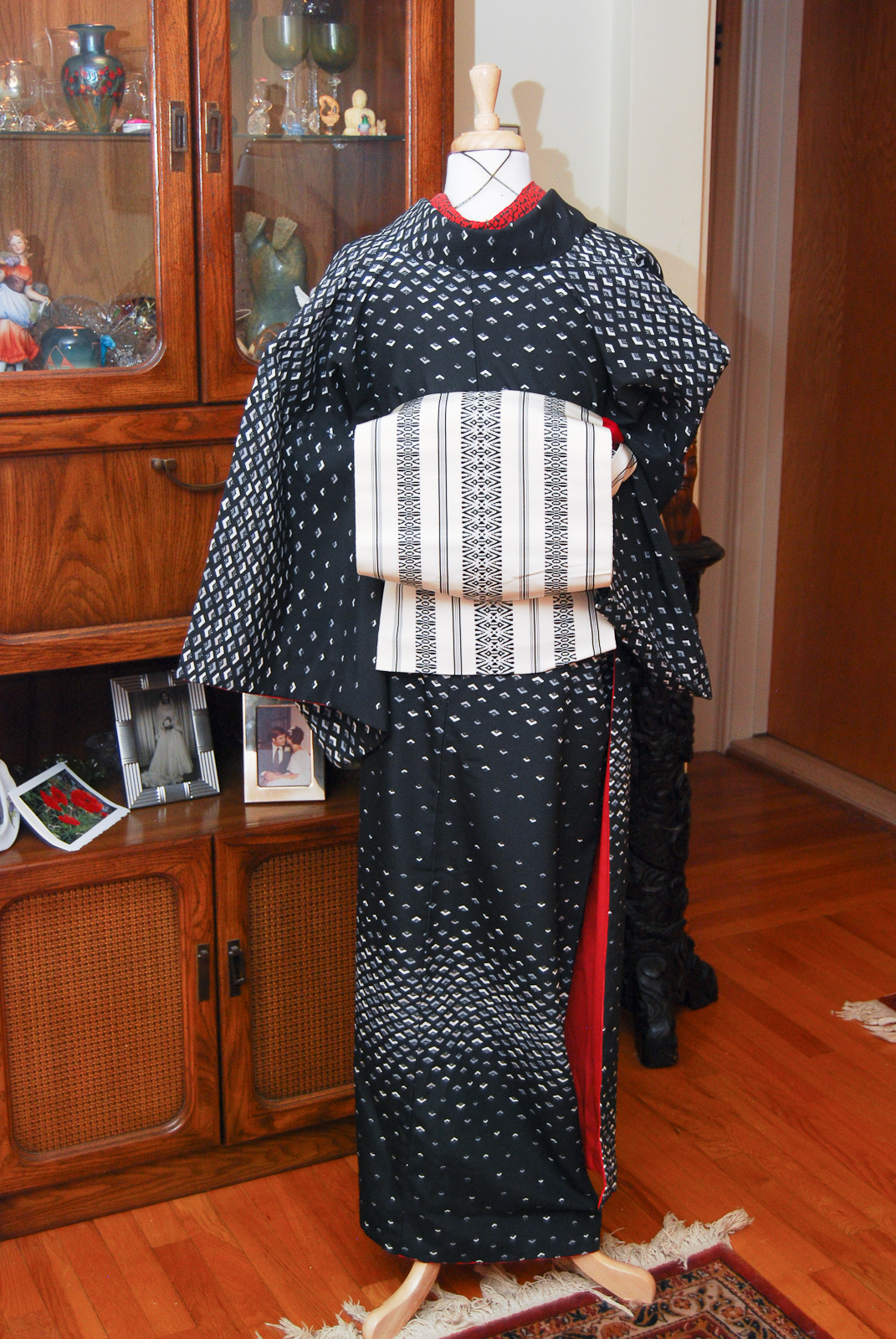
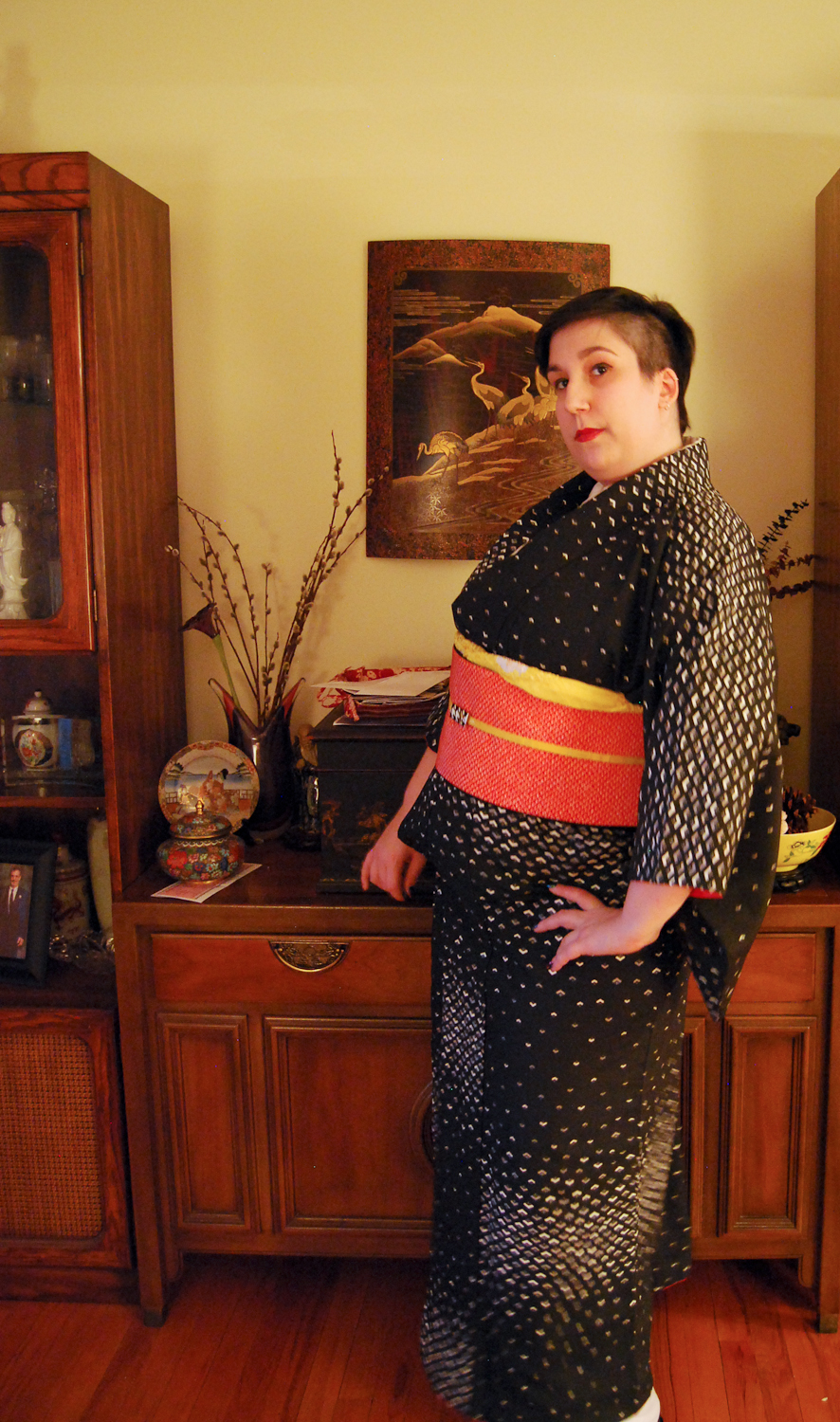
I know I have not been posting in this blog anywhere near as frequently as I used to, and I apologise. However, yesterday I got an overwhelming urge to coordinate a kimono I’d never worn before, and decided to pair it with an obi I’ve also never worn before.

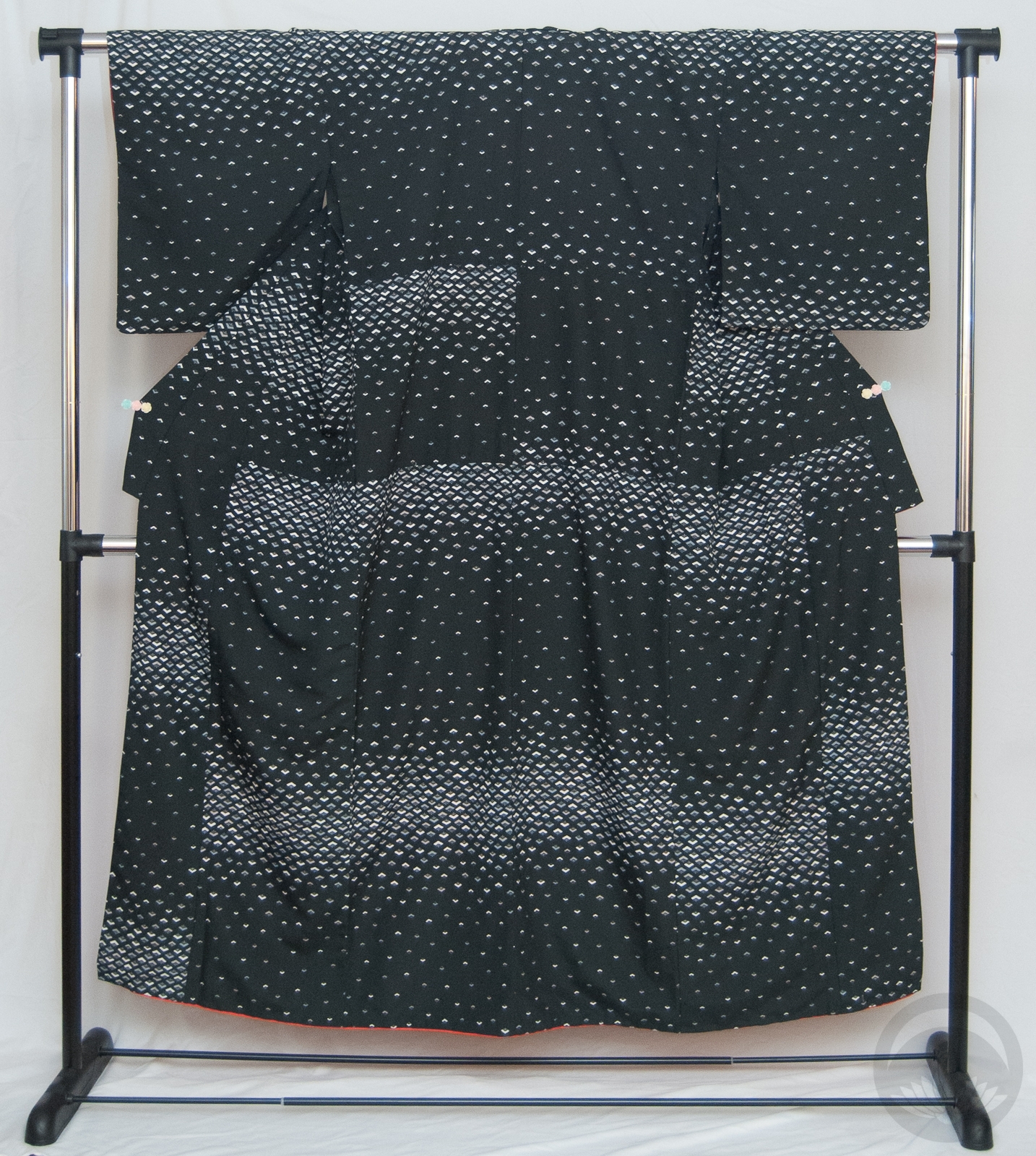
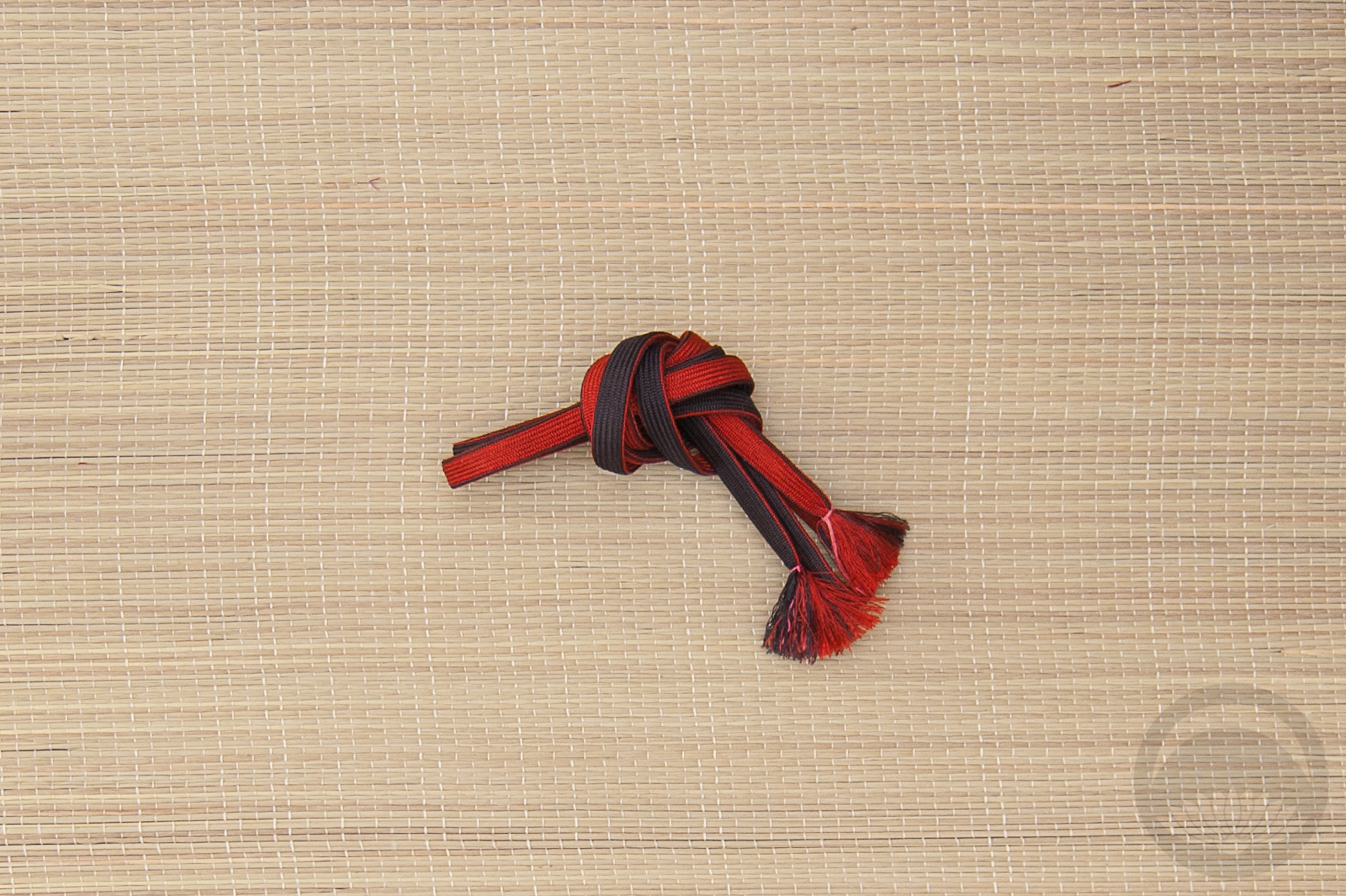
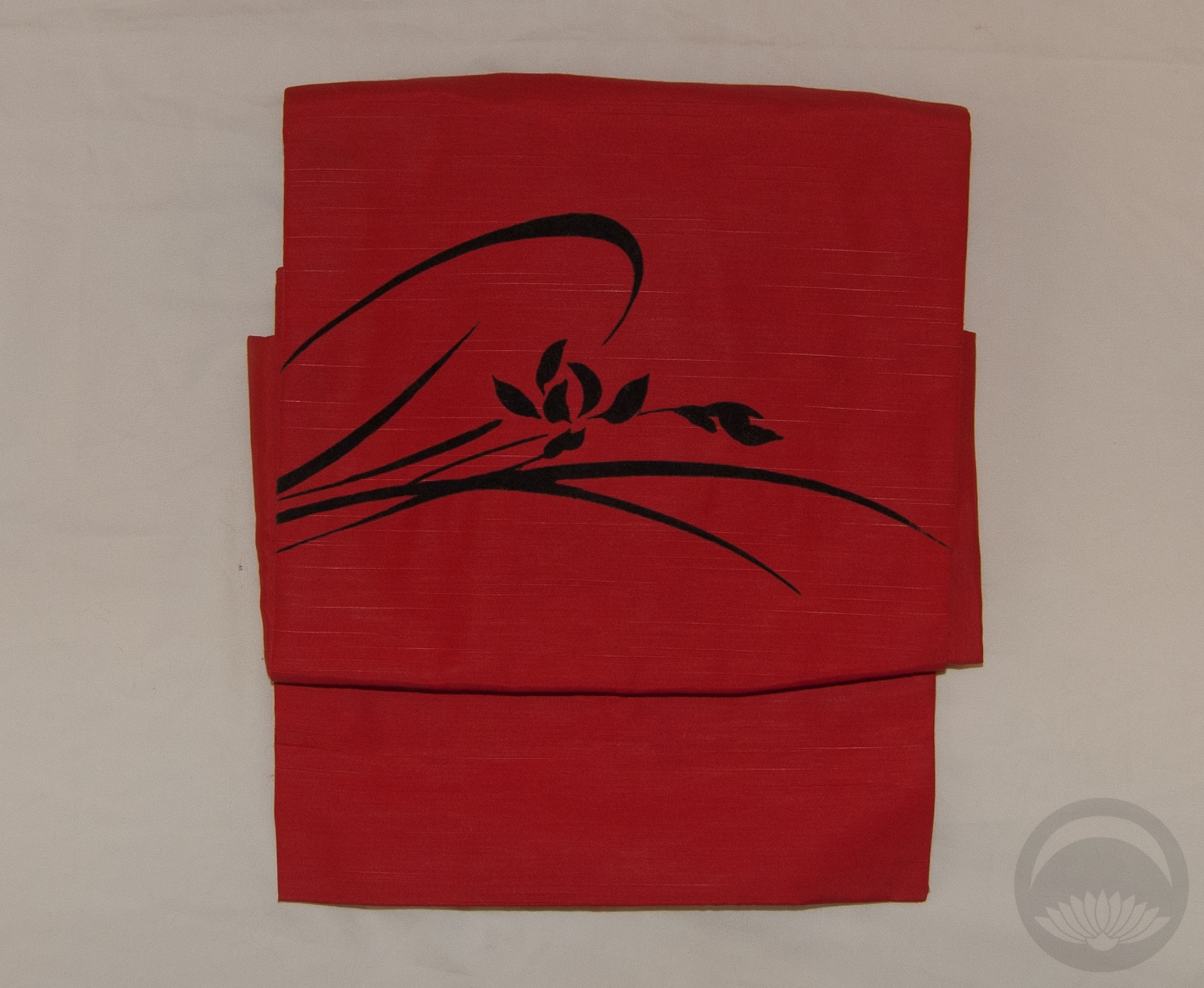
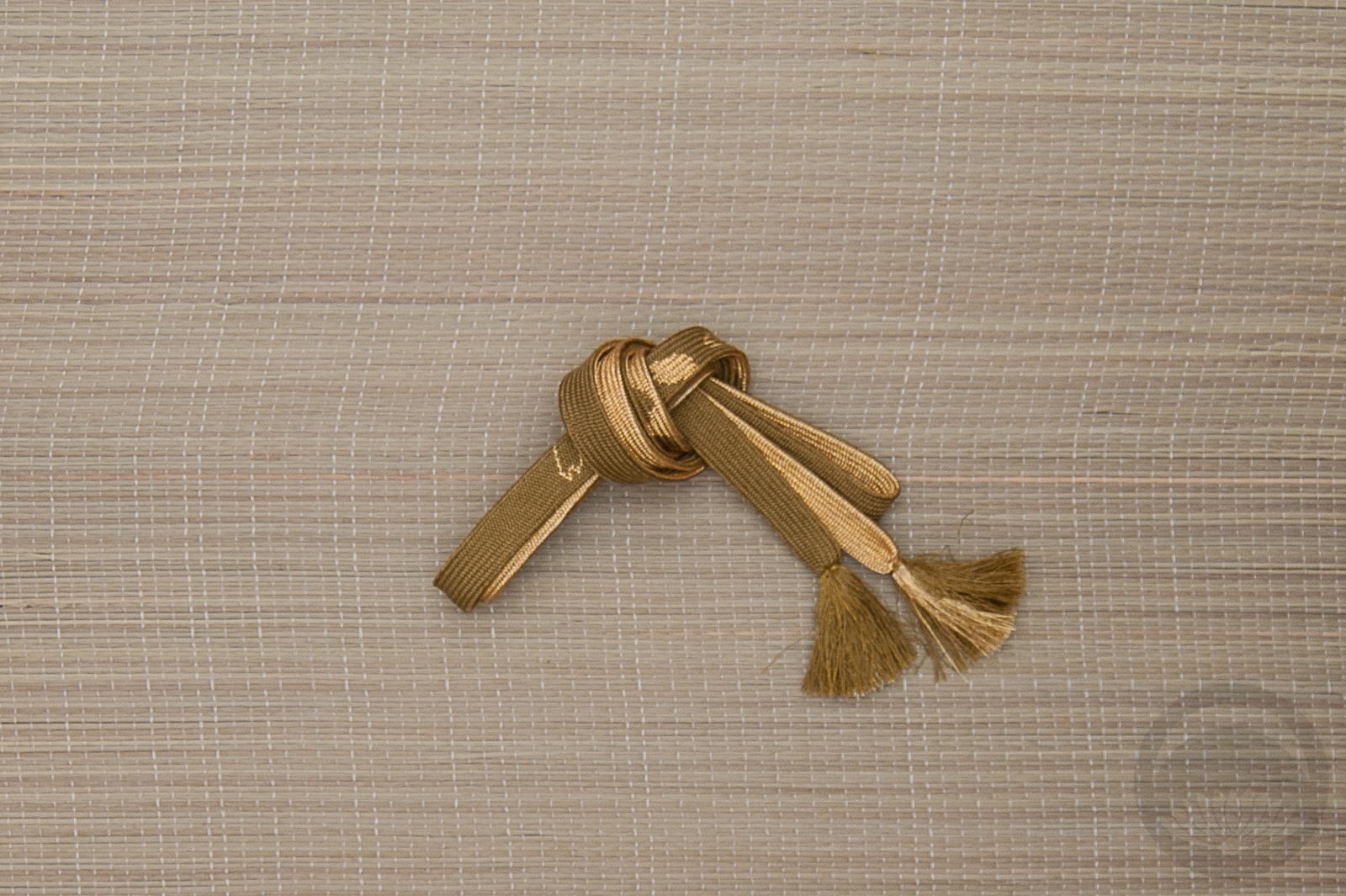
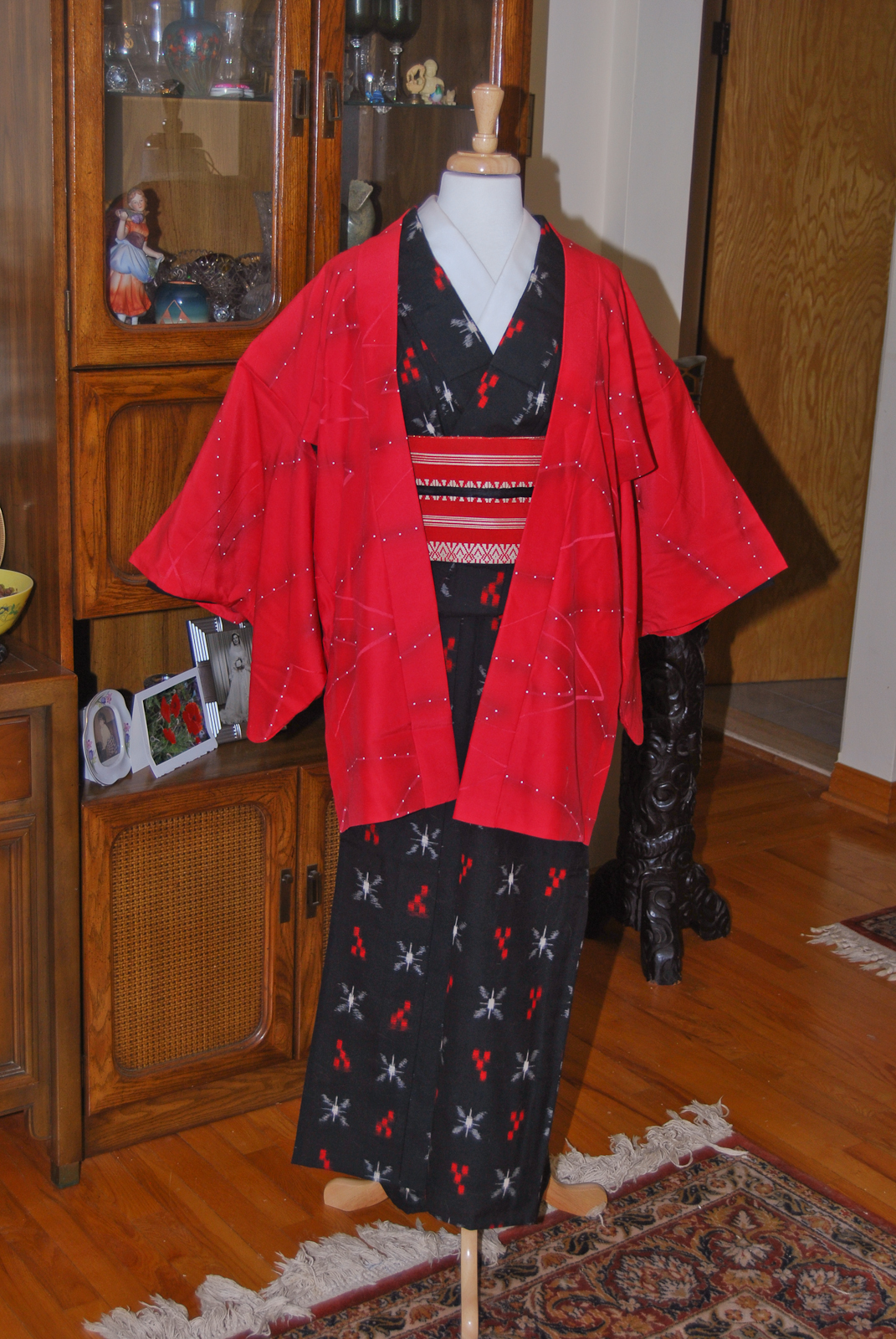
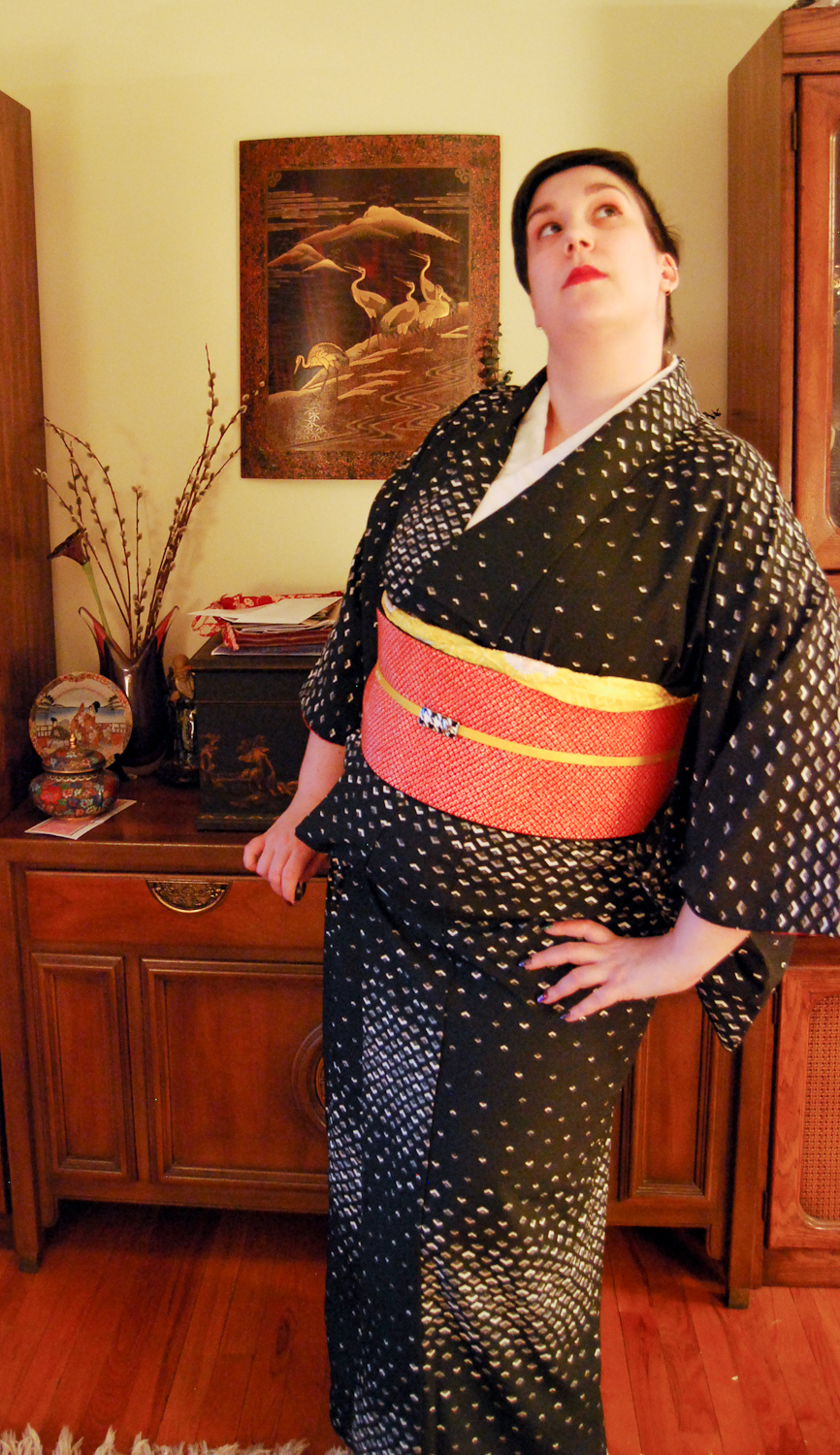
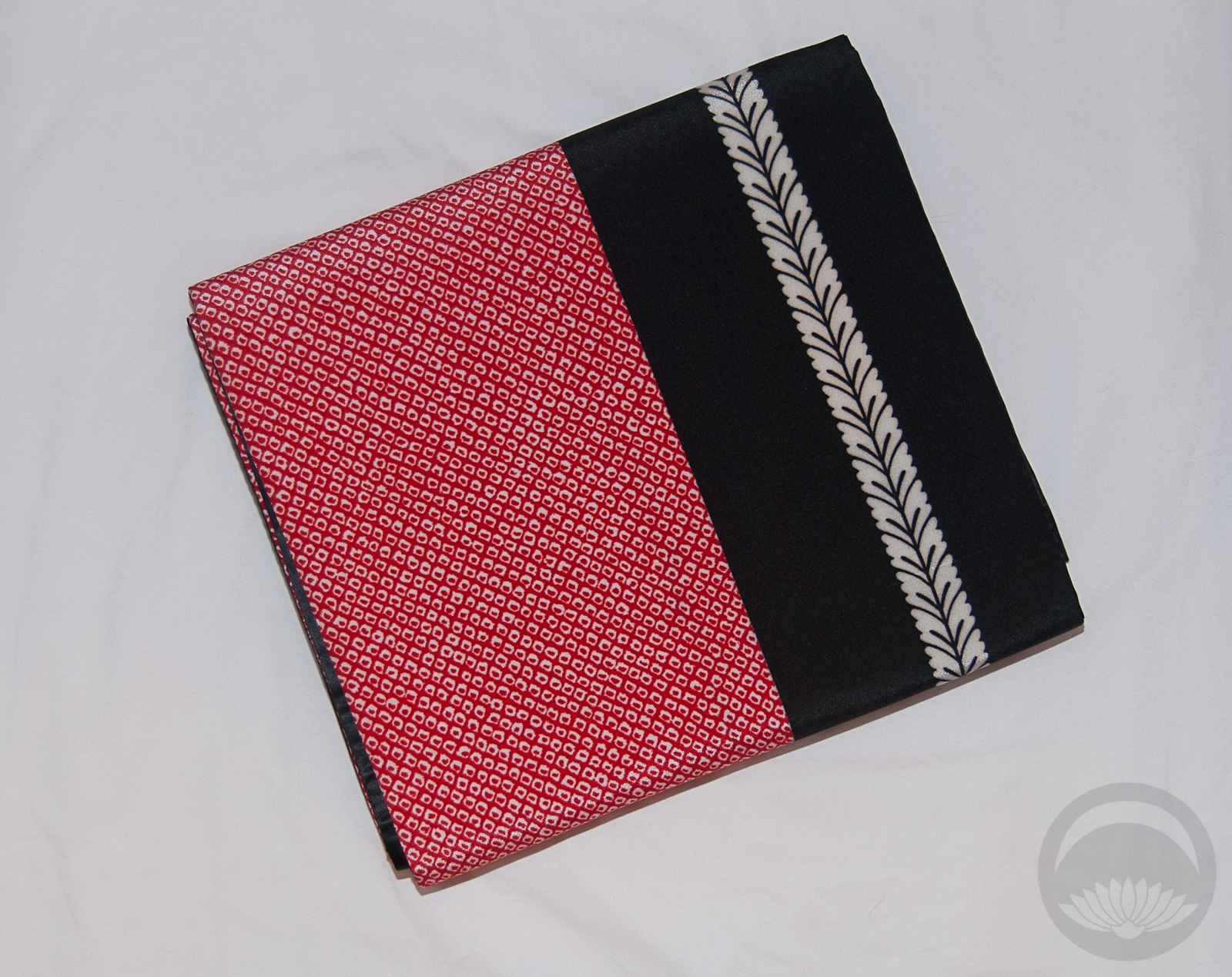
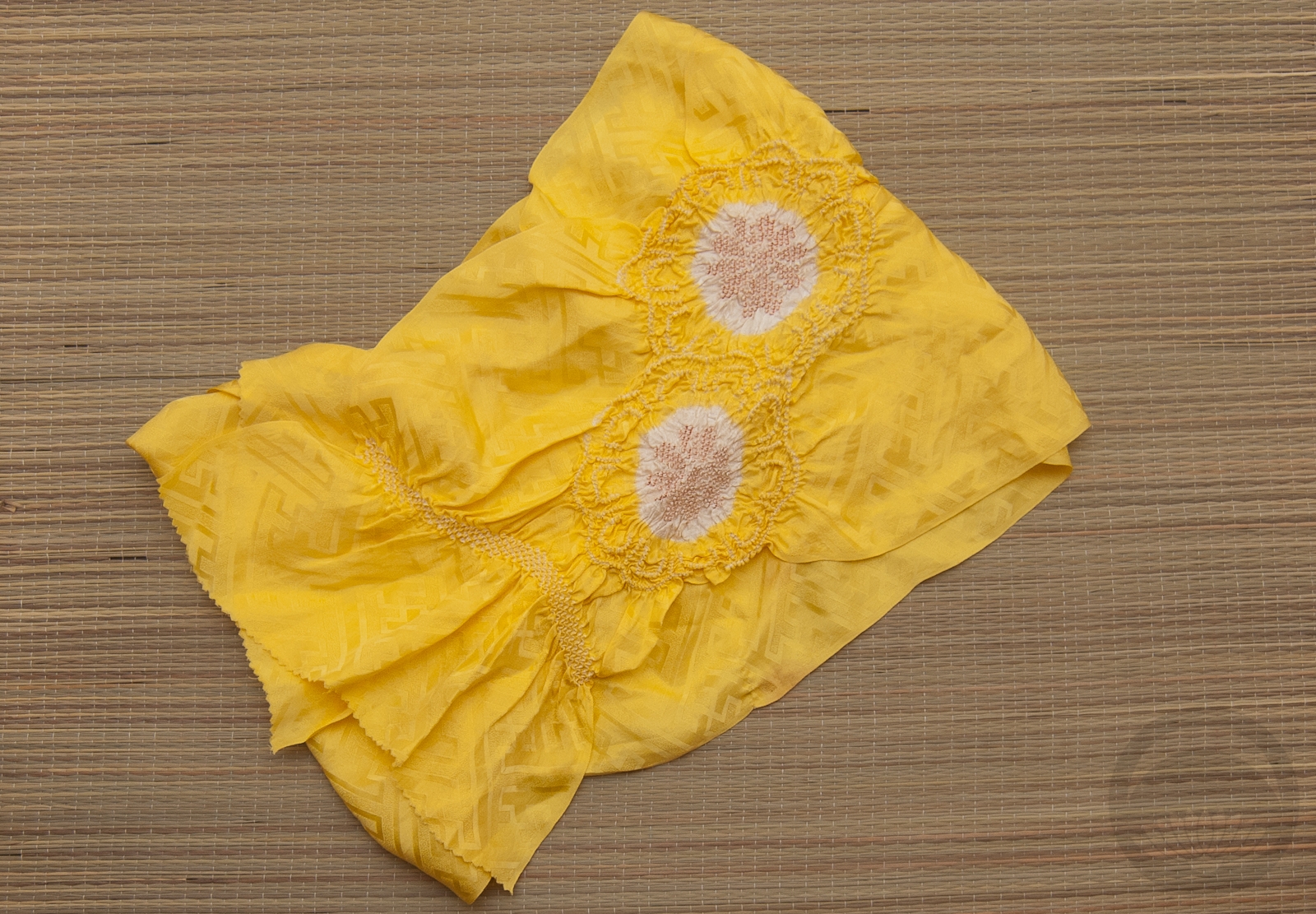
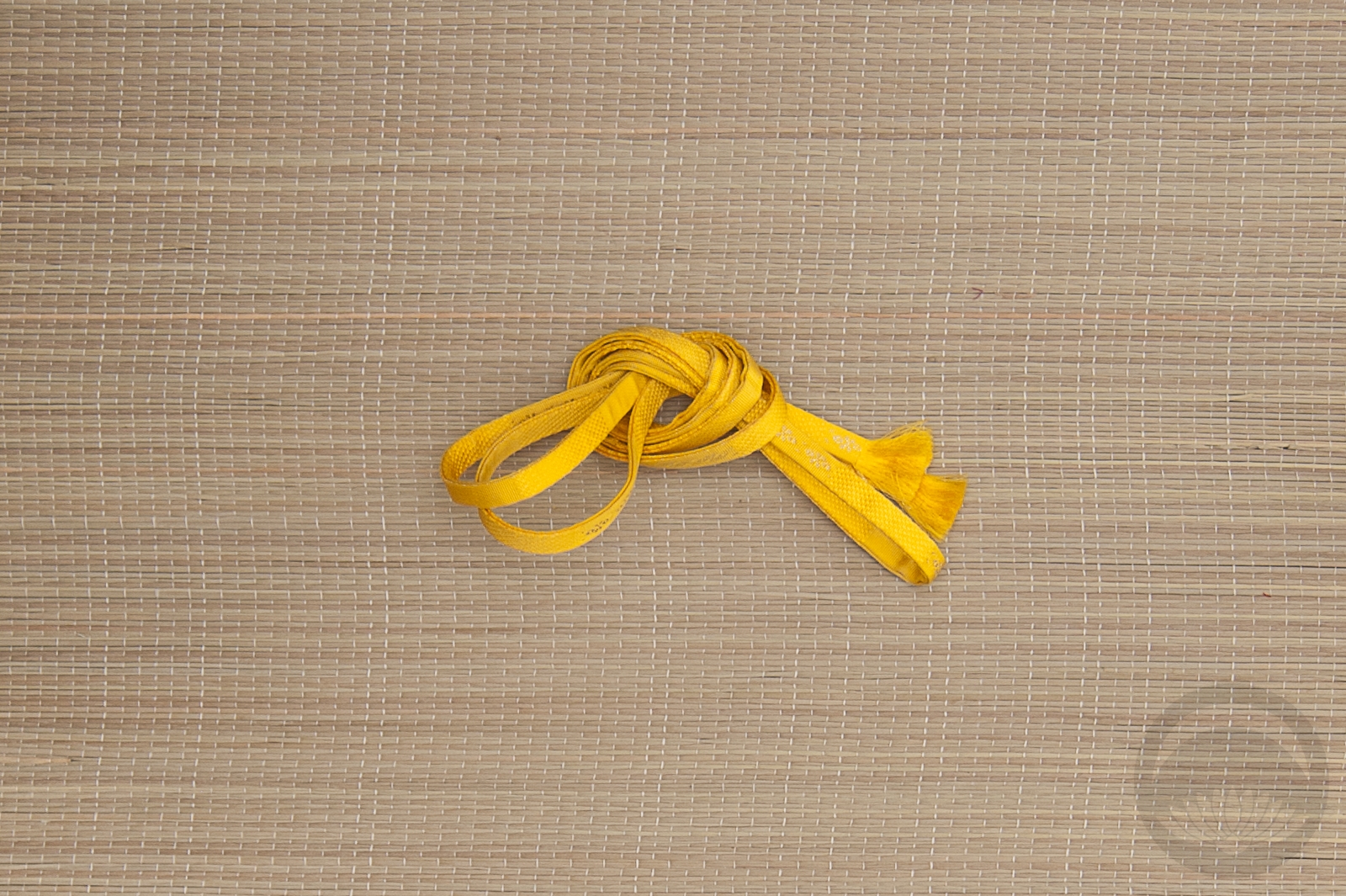
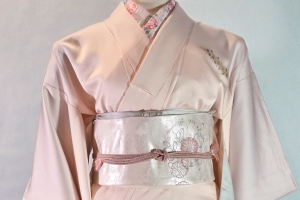
The kimono is a half-lined synthetic piece with tiny white fans in a sort of gradient pattern. I won it at the Astoria street fair in NYC in the summer of 2012, and it’s been sitting in an armoire ever since. I decided to pair it with a bright red faux-shibori obi I got from Ame years ago, and couldn’t resist using my ubiquitous lemon-yellow shibori obiage and hakata obijime.

Something about the combination of tiny patterns felt a bit retro to me, and I’ve been obsessively reading the Sano Ichiro series of novels by Laura Joh Rowland lately, so I decided to aim for a bit of an Edo-style silhouette, tying my obi much lower than usual and going for a more pigeon-shaped and natural-looking bust. I’m not sure how well it succeeded, but it was very comfortable! To emphasize the period feel, I had on a pair of black geta with pinstriped hanao, but they got cut off in the photos. Haha. Whoops!

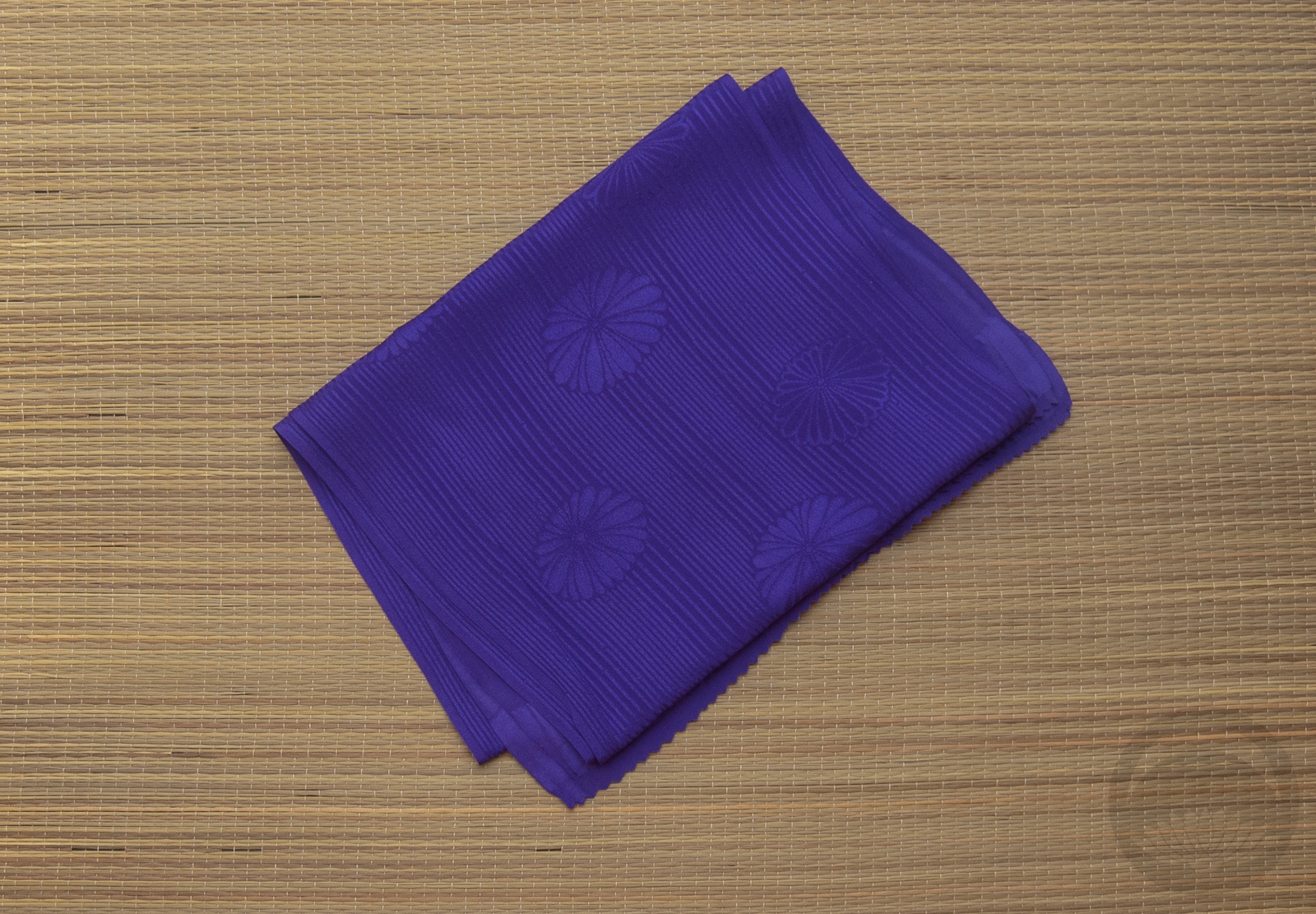
Items used in this coordination

Oh I’m a lumberjack, and I’m okay!

Oh I’m a lumberjack, and I’m okay!
I sleep all night and I work all day!

I’d been waiting for the right opportunity to wear my lumberjack kimono, and I was starting to worry winter would come and go before I had the ideal combination of weather and free time. I guess the universe took pity on me, because we had a rather spectacular blizzard overnight!

I decided to pair it up with my ume and momiji tsuke-obi, since it seemed seasonal, thematically appropriate, and practical. I dressed in a sort of comfortable casual style, forgoing a proper juban for a turtleneck and a pair of tights. I figured the ridiculous hat and boots completed the outfit well.

I only realised as I was getting undressed that I’d forgotten my obijime – the perils of wearing a tsuke-obi, I suppose! I think it’s fine in this particular case though, since my kitsuke is so non-conventional to begin with.

And in case you don’t know where the title and opening bit of this entry come from, I present to you, The Lumberjack Song, from Monty Python:

http://www.youtube.com/watch?v=mL7n5mEmXJo

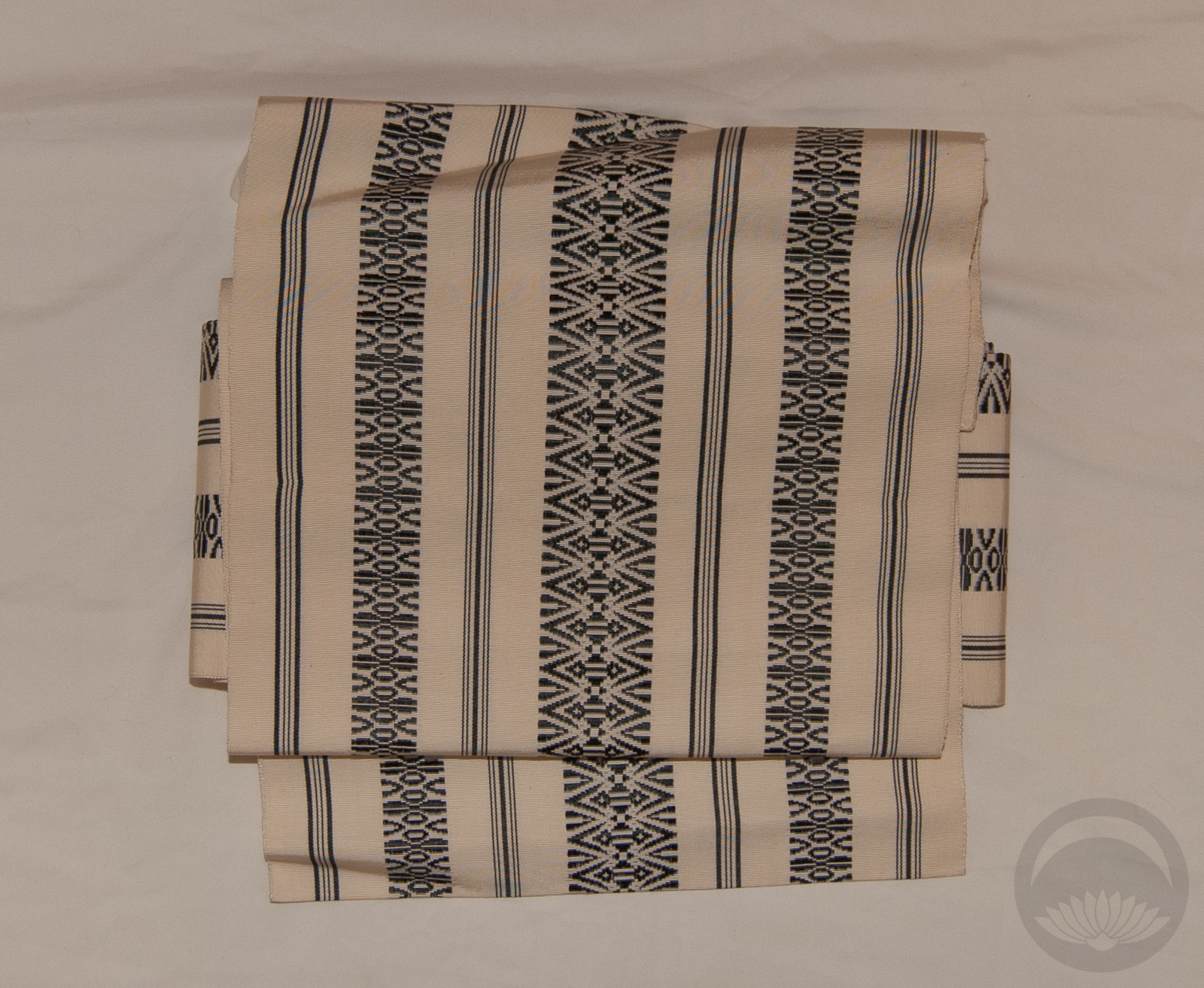
Obi bundle part I – Hakata obi

I apologize for the lack of entries lately! I’ve been preoccupied with work, an incredibly severe migraine that ended up with me in the hospital, and an actor named Benedict Cumberbatch. What can I say, he’s got an intriguing face and a charming personality? XD

Anyway, I’ve finally found time to start sorting and cataloguing all the obi in the incredible bundle I posted recently. I think the easiest way to handle it will be to separate the obi into types and do one entry per type. With my love of hakata, there was no question as to which ones would be posted first!

Navy blue and white cotton hakata fukuro


This one is interesting – in most lights it’s so dark that it’s nearly black, but with light on it the obvious navy blue makes itself apparent. It’s also a very thick, durable-feeling cotton blend of some sort, rather than the traditional squeaky silk hakata is often made of.

Vivid pink hakata fukuro with geometric designs
Obi bundle, part 1 Obi bundle, part 1
I still can’t believe the other girls were willing to let me have this one, it’s incredibly stunning and unique – I’ve never seen anything like that interesting interlocked pattern on hakata textiles before. This one was constructed like a chuuya obi, backed in black silk. However, the silk is rotting away with age so I’m going to disassemble it and just keep it as a single layer, since most hakata obi are constructed in that manner.

Butter yellow, red, and black hakata fukuro with asanoha

This is another one that I’m shocked I managed to walk away with. It’s incredibly unique, and I love how it’s off-balance and has the asanoha motif worked in. It does have a fair bit of patina that is very evident with flash photography, but it’s quite subtle in person so I suspect it won’t detract from the piece when it’s worn. I may just have to tie it creatively to hide some particularly dark bits.

White on white traditional hakata fukuro

This is a much more standard-style hakata obi, but I’ve wanted a white-on-white one for quite some time now, since they’re so neutral and versatile. I’m quite pleased with this one.

Taupey olive grey hanhaba hakata

I tried to get the colour of this fairly accurate, but it was very hard to capture. It’s very interesting – from a distance it looks quite drab but up close it shifts from an olive khaki colour to a steely blue-grey to a warm taupe, and the weave almost reminds me of shark skin. It’s got an interesting subtle elegance to it, and I’m looking forward to finding the right kimono to pair it with.

Red and black plaid casual set

When I saw this, I knew I needed to have it. It reminds me so much of a stereotypical lumberjack shirt and it called out to my inner Canadian. I’ve already got an outfit in mind for it, including an obi with a maple leaf, a fur hat, and my winter boots. I’ve just got to wait for snow! The fact that it’s incredibly long (167cm) was an extra bonus.

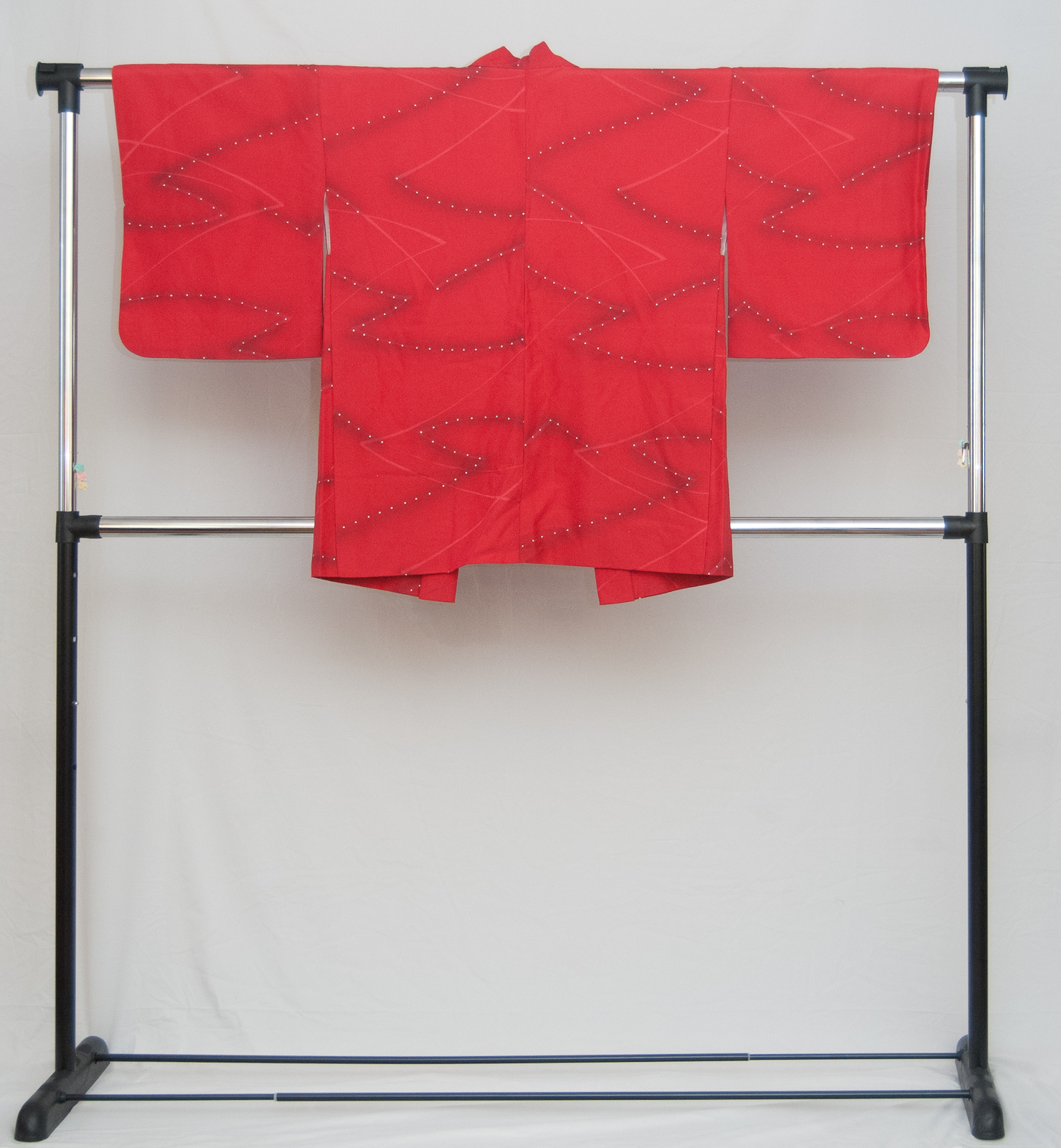
It’s a wonderful thick taffeta silk, much like my other plaid kimono. What I really love about this set though, is that the jacket is a dochugi, not a haori. Dochugi are more casual, and have a substantial decorative cord at the front where they cross over completely, rather than a haori which should hang open, held together with a small set of ties. I’m looking forward to wearing this dochugi with jeans and a black top as well.

As far as I can tell, this set is also brand spanking new. It’s still got the original basting threads and the white lining is completely pristine, and still stiff.

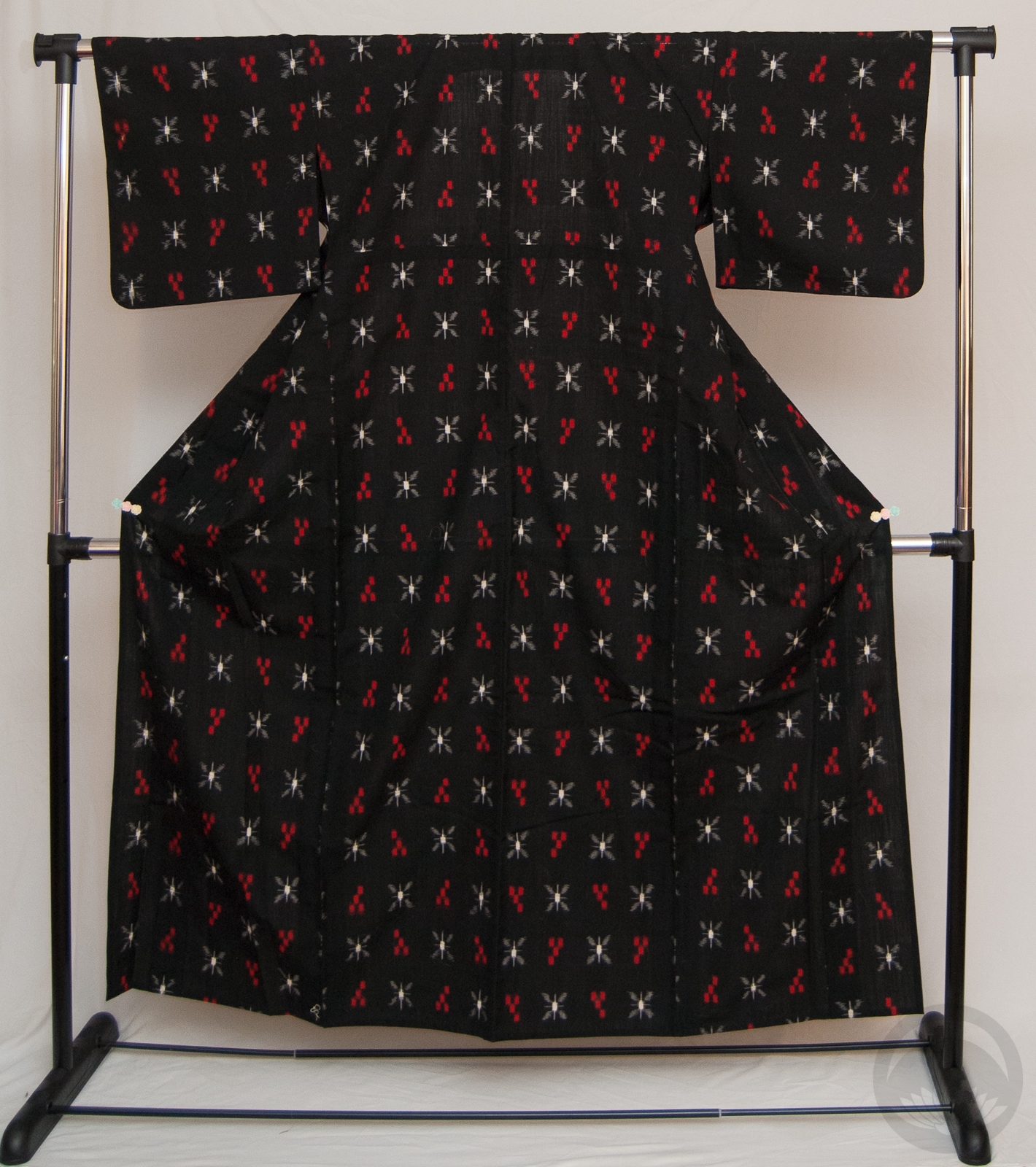
Lumberjack Kimono & Dochugi

Lumberjack Kimono & Dochugi

Lumberjack Kimono & Dochugi

Lumberjack Kimono & Dochugi

Tokaido hanhaba obi

A while back I found a Stations of the Tokaido hanhaba obi on eBay that was quite similar to this one, but it was a bit expensive for a hanhaba, in my opinion. I let it slide, but honestly I regretted it after the auction was over.

Fast-forward approximately a year and this little baby shows up on eBay for a starting bid of one penny. Not only was it in a much more affordable price range, it also had much nicer contrast – the stations and reverse are a lovely golden yellow colour. On the first one I’d seen, they were a deeper red than the obi’s base, so they were pretty indistinguishable.

Tokaido hanhaba

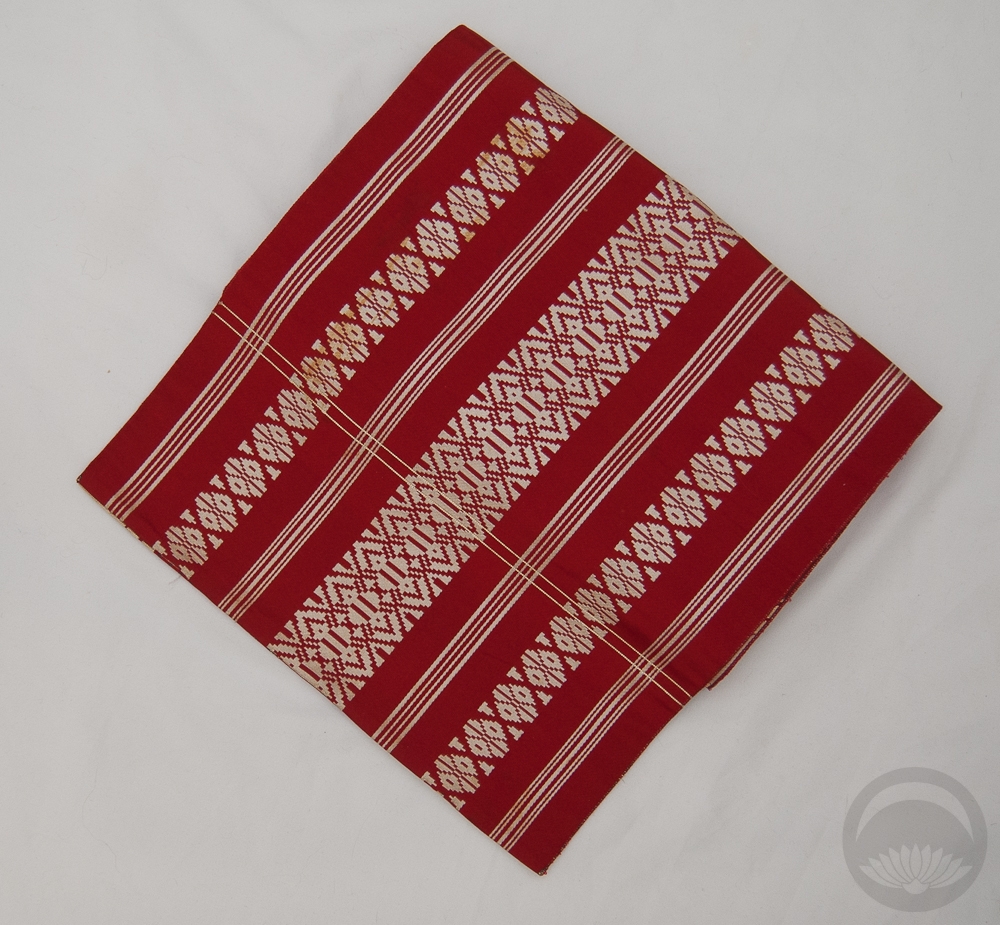
The front side is a lovely brick red with simplified interpretations of the start point of Nihonbashi Bridge, the end point of the Bridge to Kyoto, and Station2 – Kawasaki. The reverse is a nice versatile warm gold asanoha weave design.

Tokaido hanhaba

Tokaido hanhaba

Tokaido hanhaba

Tokaido hanhaba