Picrew.Me Kimono Avatar Creators part 3

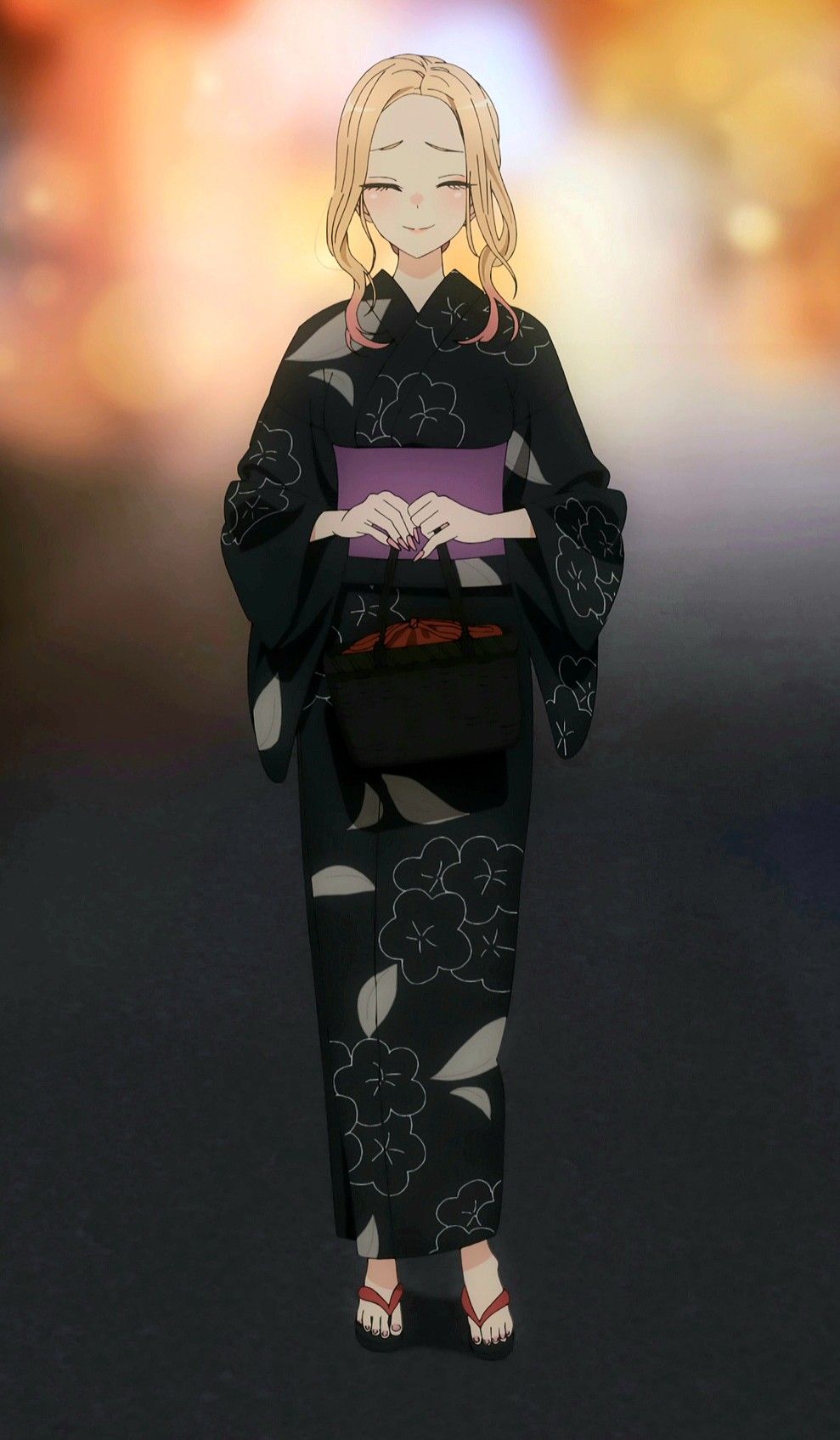
It’s that time again! I’ve gone through literally hundreds of avatar creators on Picrew.me to bring you ones with kimono! Sadly none of these are kimono-specific, but they all have kimono hidden within their depths, typically with options to customise styles and colours. You can, of course, also use them to make non-kimono avatar, but where’s the fun in that?

If you need instructions on how to use the interface, I have a detailed breakdown in my first Picrew post.

https://picrew.me/image_maker/112551

The yukata in this one is the veeeery last option available, but it's got a bunch of cute patterns! The base is also very customiseable, so it's great if you're like me and enjoy making avatars of yourself.
https://picrew.me/image_maker/296093

A modern art style that I really enjoy. I also appreciate that this particular Picrew was not made by a Japanese creator, but they included reasonably accurate wafuku nonetheless. It also has hanbok, cheong sam, and sari options!
https://picrew.me/image_maker/332867

Neko-musume (catgirl) maker! I like that this one has kimono and haori options, and the little cats paw kamon is just too cute.
https://picrew.me/image_maker/196270

I will say up front, there's only one kimono option with three colours here (this pattern, solid, and white) and the collar is a bit weird. But it makes really cute portraits so I decided to included.
https://picrew.me/image_maker/190588/

A fun androgynous maker! There's only a few patterns of kimono but there are options for wearing it one-shoulder and some over-layers and things that make it a lot more fun.

https://picrew.me/image_maker/28224

A soft almost watercolour style avatar creator. This one is very soothing and pretty, and has both solid and patterned kimono options. It also has kimono worn in a more masculine style, and you can create some fairly androgynous characters with it.
https://picrew.me/image_maker/137904

Another cute one with a wide variety of traditional Eastern clothing. Only a few kimono options, but it let me recreate my actual undercut hairstyle so I'm biased!
https://picrew.me/image_maker/186583

How adorable is this one?! There are only two options, white feminine style and black masculine style, but I couldn't resist including it because it's just so damn cute.
https://picrew.me/image_maker/395214

I cannot express how happy it makes me when I find a Picrew avatar maker that includes hearing aids! This one only has a few kimono options, but the inclusivity absolutely made it worth sharing. Also I really want boba now...
https://picrew.me/image_maker/549603

This one stands out because of the fun, vintage-feeling pixel art style. Again, there are sadly not many kimono options, but I felt that it was unique enough to include.
https://picrew.me/image_maker/579735

Aaaaa! Full body sitting chibi avatar! Cuuuute! In all seriousness though, this contains a variety of colour options for the kimono as well as a hakama ensemble with multiple colour options. And the faces are so expressive!
https://picrew.me/image_maker/1695

This one is listed as a "ninja maker". It's a very simplified little avatar with a very stylised kimonoish outfit. Just included this one because it made me smile.
https://picrew.me/image_maker/45252

This one is technically a "witch" maker, but nobody ever said witches can't wear kimono, right? Bonus points for the really pretty traditional-style background options too.
https://picrew.me/image_maker/177583

Another charming one with a bunch of traditional Eastern clothing options. There are several colour and pattern options for kimono already, and several blank slots so I imagine they're in the process of adding more.
https://picrew.me/image_maker/388945

The faces on this one just make me laugh! Not a lot of options for the kimono itself, but the avatars are really charming.
https://picrew.me/image_maker/399481

There's both casual and wedding kimono for both avatars in this creator and you can change the colours for all of them! It's the first one I've seen that allows for a couple in kimono. Technically it's male and female, but a lot of the options are androgynous enough that I think it would be possible to make a variety of couples.
https://picrew.me/image_maker/165901

This couple is more obviously two women based solely on the outfits. Unfortunately, there's also only these two options for the kimono, but there are plenty of other clothes so you could do yourself in wafuku and your girlfriend (or sister, or bestie) in yofuku, or even the two sides of your own wardrobe!
https://picrew.me/image_maker/166256

Make your own bento lunch! You can choose everything here, from the tabletop to the drink to the garnish on the rice. Playing with it made me incredibly hungry and now I am craving kara-age. Maybe don't check this one out if you're already hungry.

As always, I hope you have fun with these and I’d love to see what you create with them.  😀

Review – Watashitachi wa Douka Shiteiru (Cursed in Love)

I’ve got something a little more fun and laid-back for you today. Over the past few weeks I’ve been dragged into an addictive j-drama called Watashitachi wa Douka Shiteiru, the story of Nao, a young wagashi artisan. As is typical with j-drama, especially ones based off manga, the story is quite convoluted,

Fifteen years ago, Hanaoka Nao and her mother lived in the staff quarters of Kogetsu-An, the famous wagashi shop. Young Nao grew close with Tsubaki, the heir to the shop. Everything seemed perfect until Nao’s mother was framed for the murder of Tsubaki’s father.

Nao currently has the chance to solve the mystery that threw her life into shambles by concealing her identity, rejoining Kogetsu-An and marrying Tsubaki. But can she keep her secret and guard her heart?

The manga and live-action adaptation both go by the full title of 私たちはどうかしている or Watashitachi wa Douka Shiteiru. It’s often shortened to Watadou, due to the title being a bit of a mouthful. Things get complicated when it comes to English translations; the most common translation is We Are Not Ourselves and most fansites will refer to it as such, but the official title on the English NTV page lists it as Cursed in Love, and the English manga is published under the name Something’s Wrong With Us. So if you see any of these titles and get confused, don’t worry, it’s all the same thing! This show has too many names, I swear.

I was initially drawn to this series because so many of the characters are always (or nearly always) in kimono. But once I started watching, I was hooked. Do you enjoy any of the following?

  • Delicious wagashi.
  • A dying patriarch.
  • A scheming oujo-sama matron.
  • Beautiful kimono.
  • Unhealthy but passionate romance.
  • Murder.
  • An enigmatic and fashionable gentleman.
  • Angry ikebana.
  • Hilarious secondary characters.

If so, you’ll find something to love about Watadou. This show really does have it all!

It’s definitely on the more camp/soap-opera side of j-drama, with plenty of intrigue and overblown drama (the aforementioned scheming oujo-sama matron literally throws a flower vase at Nao, fans herself with money while bribing someone, and even does the ~ohohoho laugh at one point). You can tell it was adapted from a manga, due to the level of theatrics and even the way many of the scenes are framed. Does that mean it’s bad? Absolutely not. For some reason I was expecting a more “serious” drama at first so it took me a few minutes to get into the swing of it all, but once I did I was hooked.

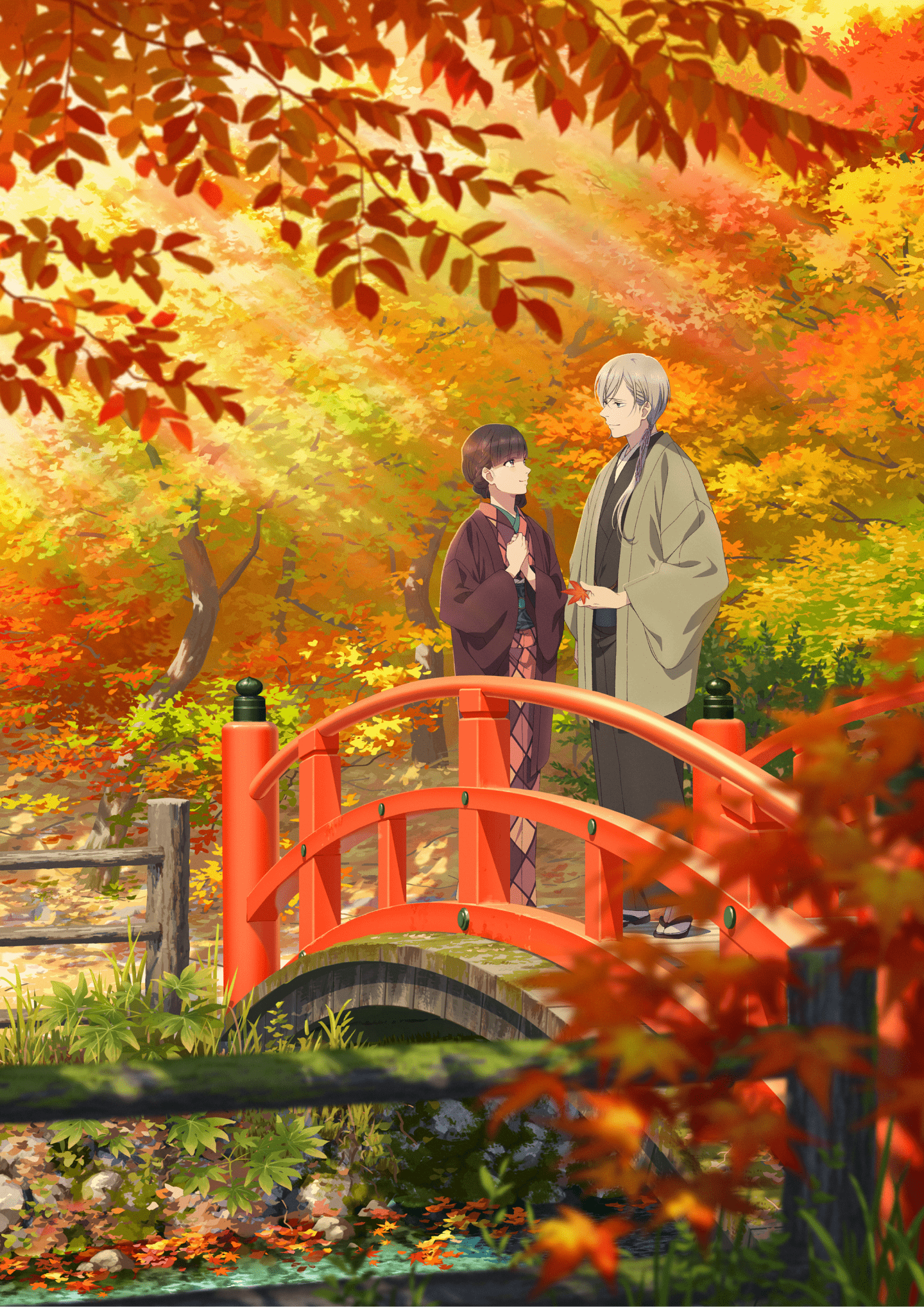
Of course, my fascination with it is helped by the fact that the show is steeped in traditional Japanese elements. Not just the wagashi, although that is the most prominent, but also tea ceremony, and most important to me – all the gorgeous kimono. Nao’s wardrobe is split between her Kogetsu-An uniform, western-style clothes, and kimono, and the Kogetsu-An kitchen staff are shown almost exclusively in their uniforms, but nearly everyone else is always in kimono. Whether it be Tsubaki and his family, or the traditional clients who patronise Kogetsu-An for their delicious sweets, the show never lets you forget that this is a world slightly removed from modern, bustling, urban Japan. The show is massive eye candy for anyone into kimono.

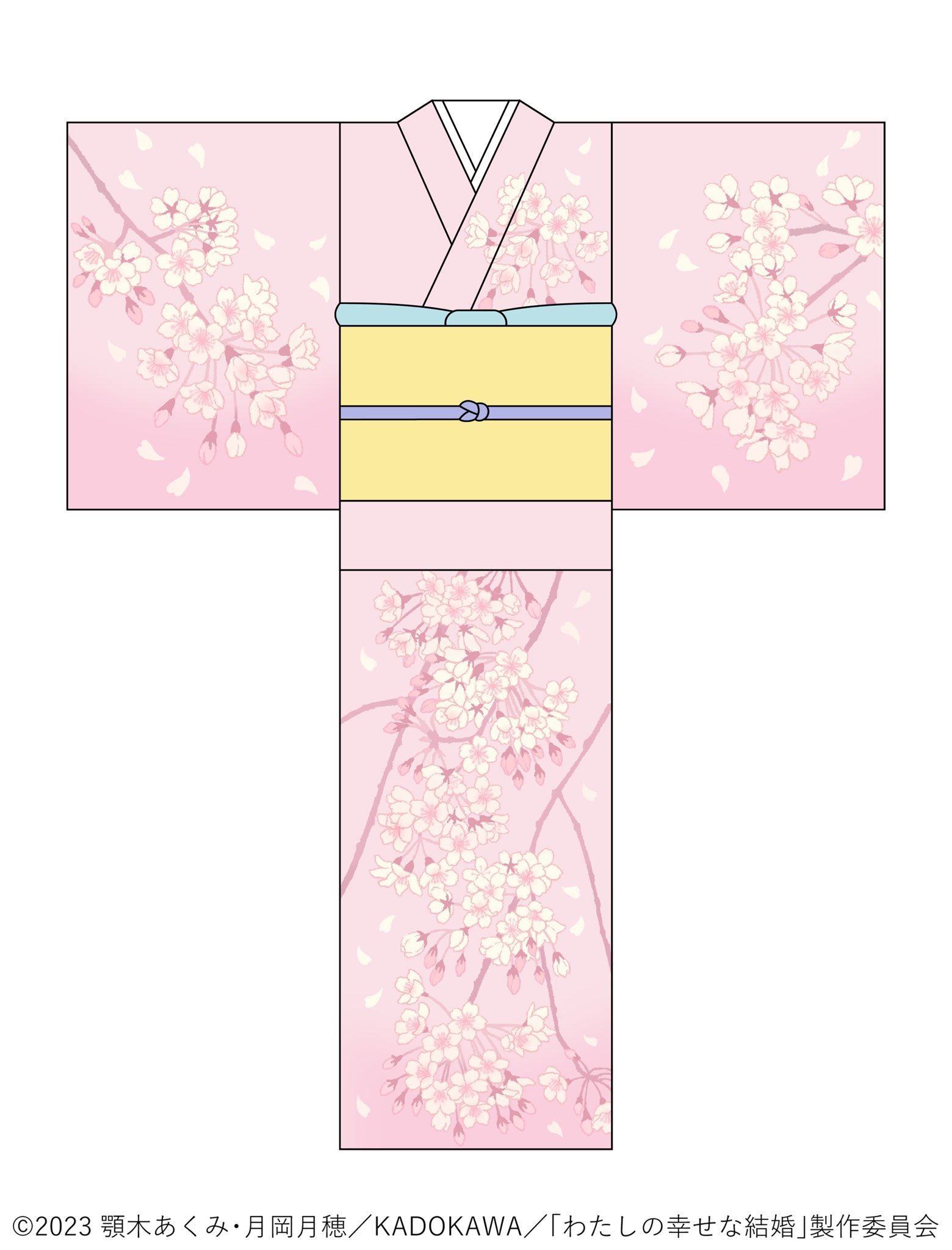
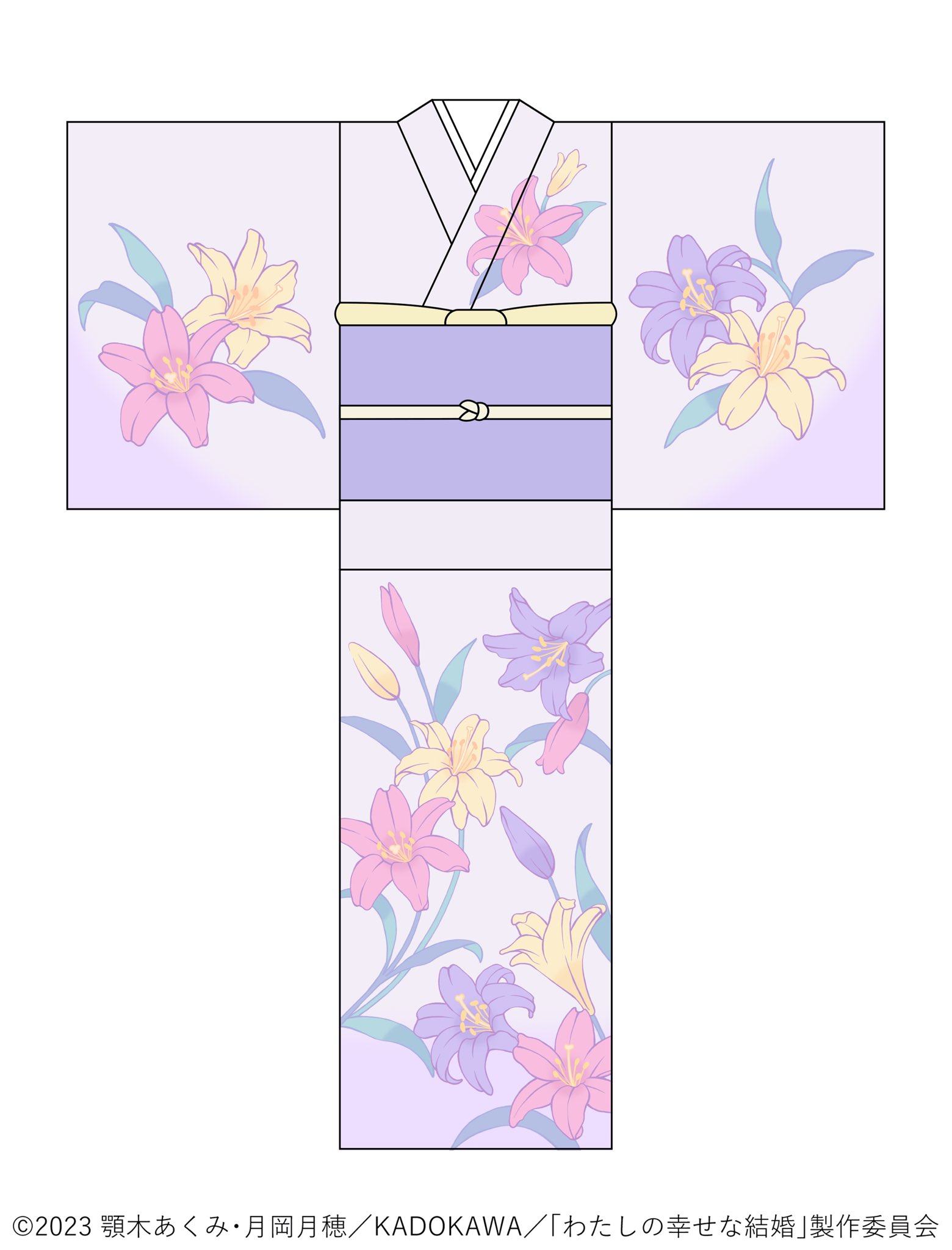
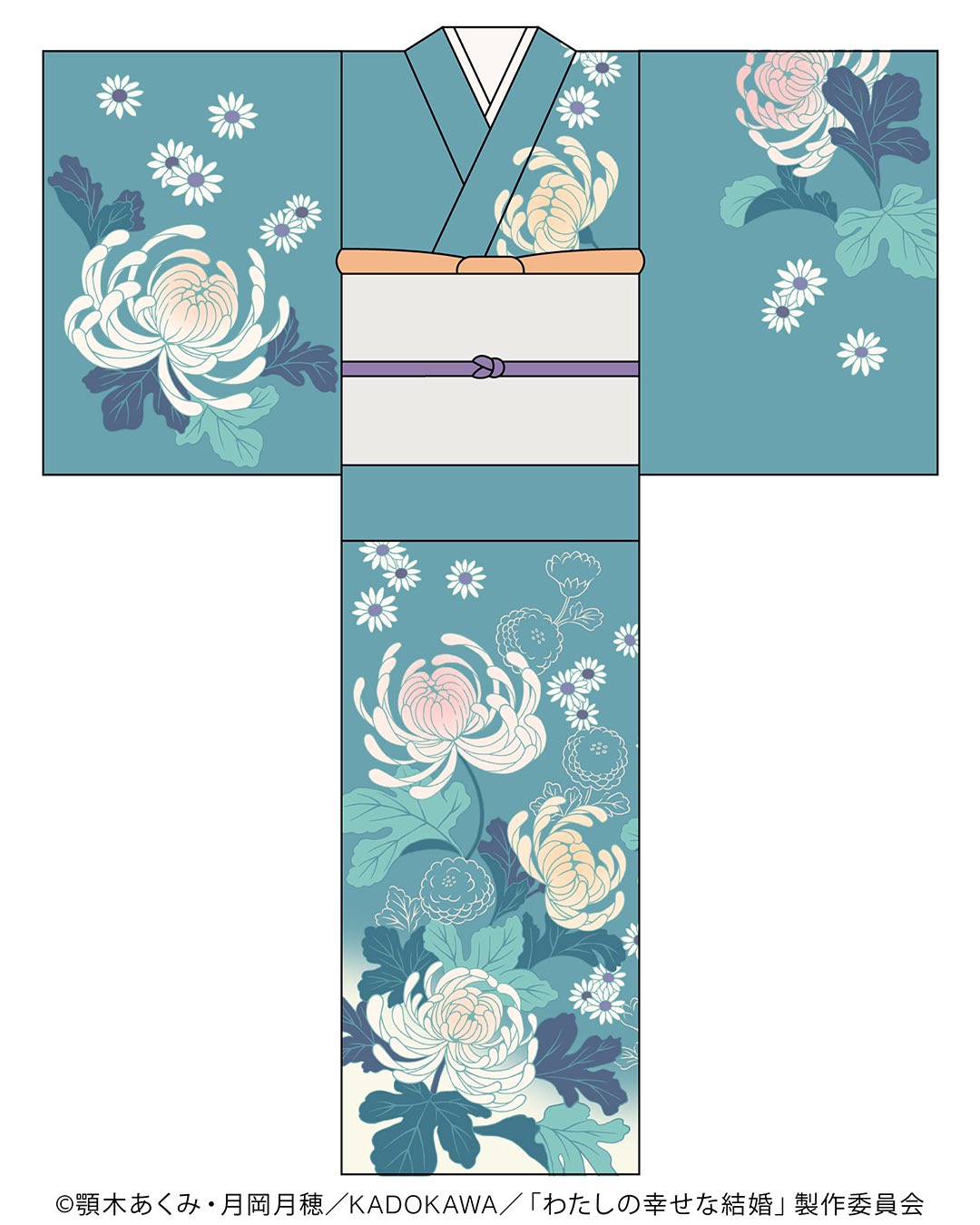
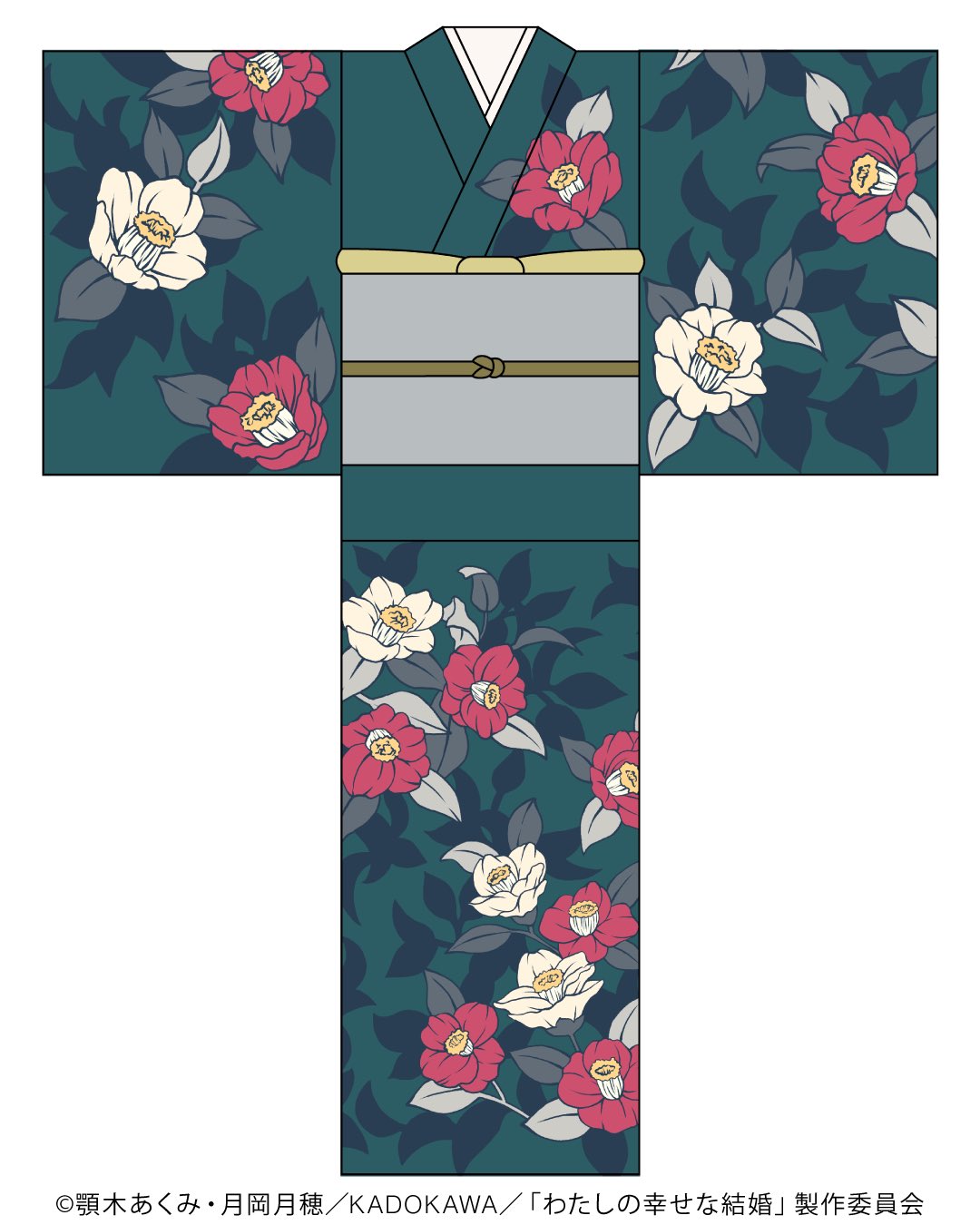
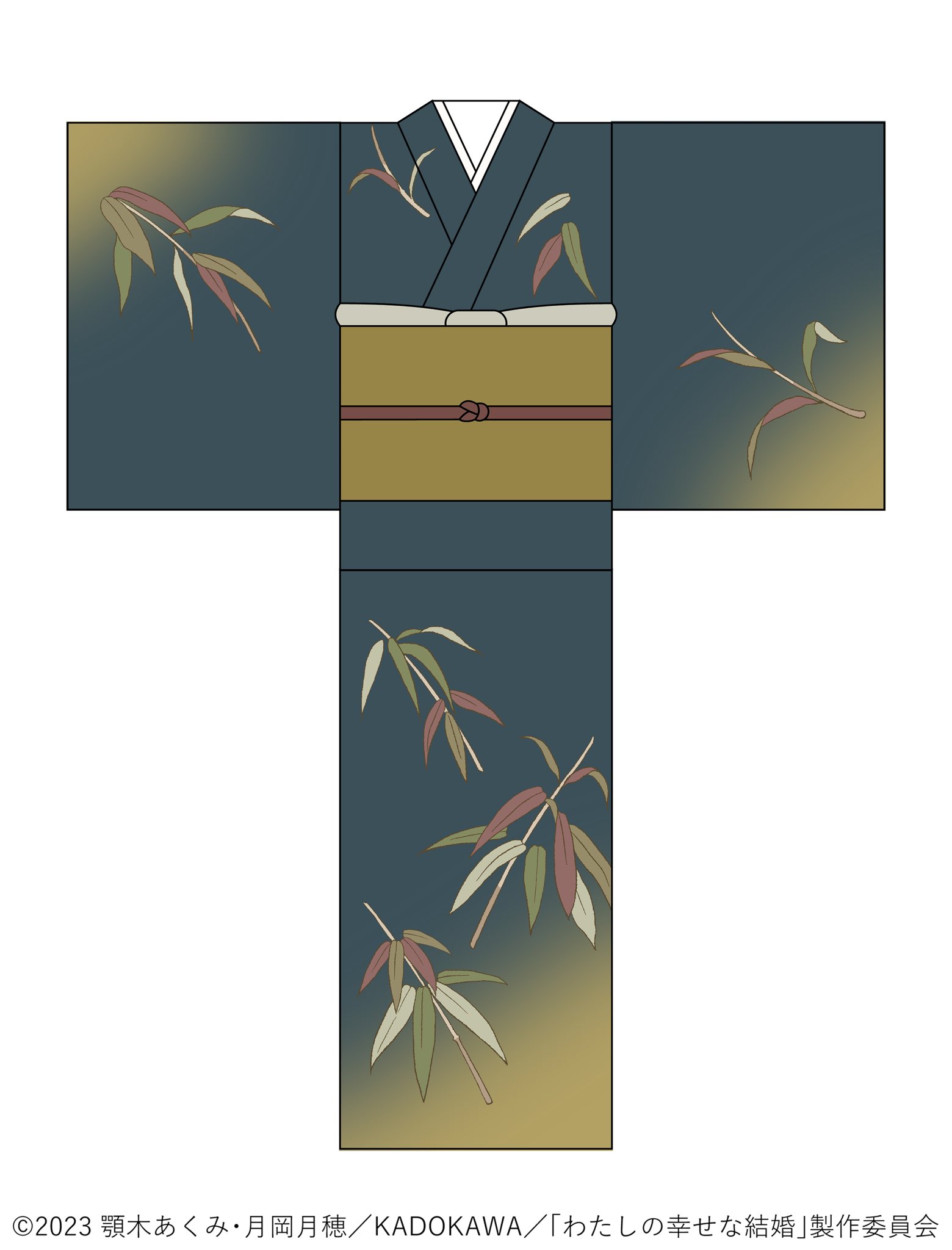
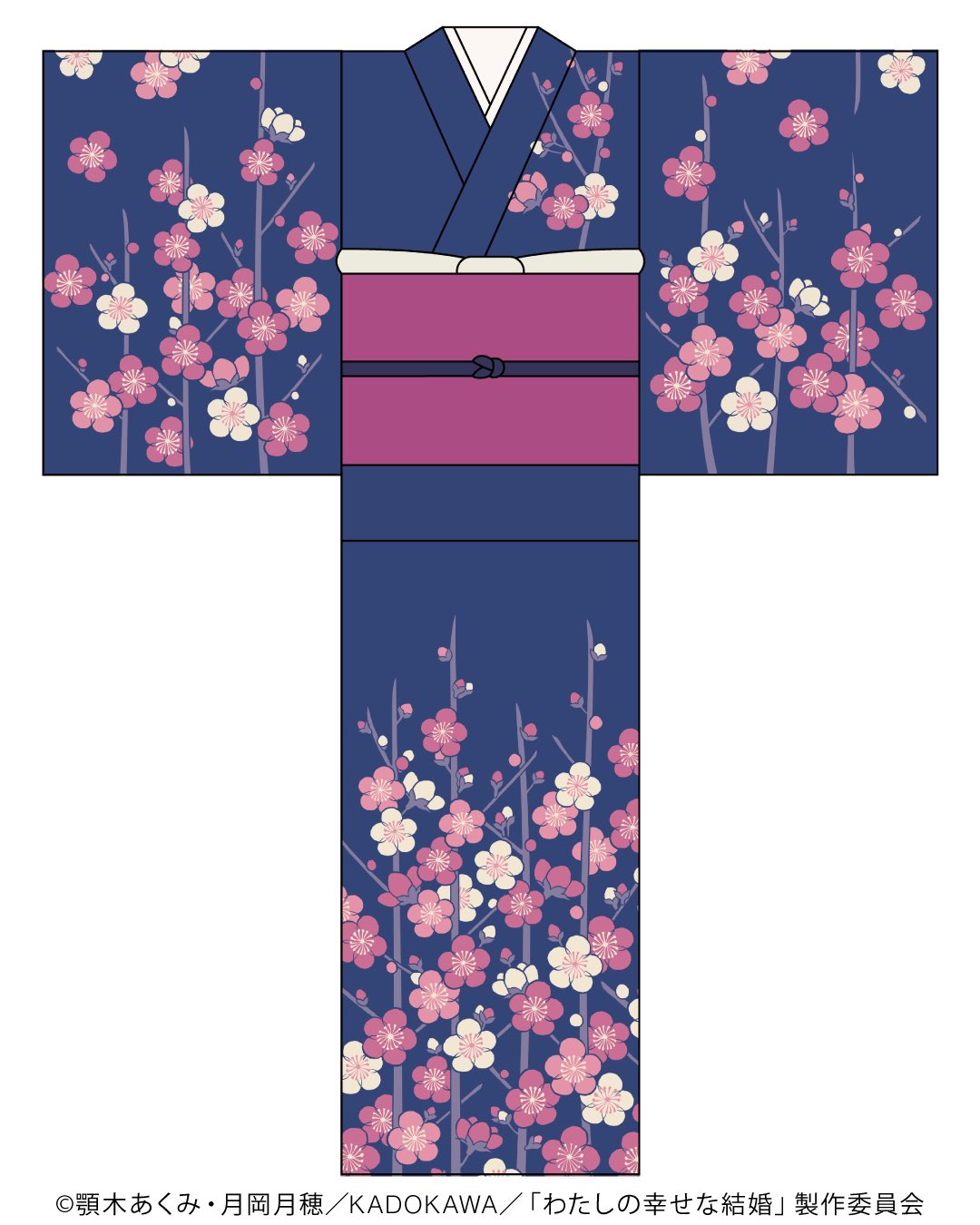
The show’s official page on the NTV site is all in Japanese, but it is a treasure trove of imagery worth exploring. There are separate pages for all the beautiful wagashi, as well as individual kimono fashion pages for Nao (the protagonist), Tsubaki (the love interest), Kyoko (the matron), Grand Master (the patriarch), Shiori (the jilted fiancée), Takigawa (the enigmatic gentleman), and even Yuko (the restaurant owner). You can use your browser’s translation features to read information and stylist thoughts for each outfit.

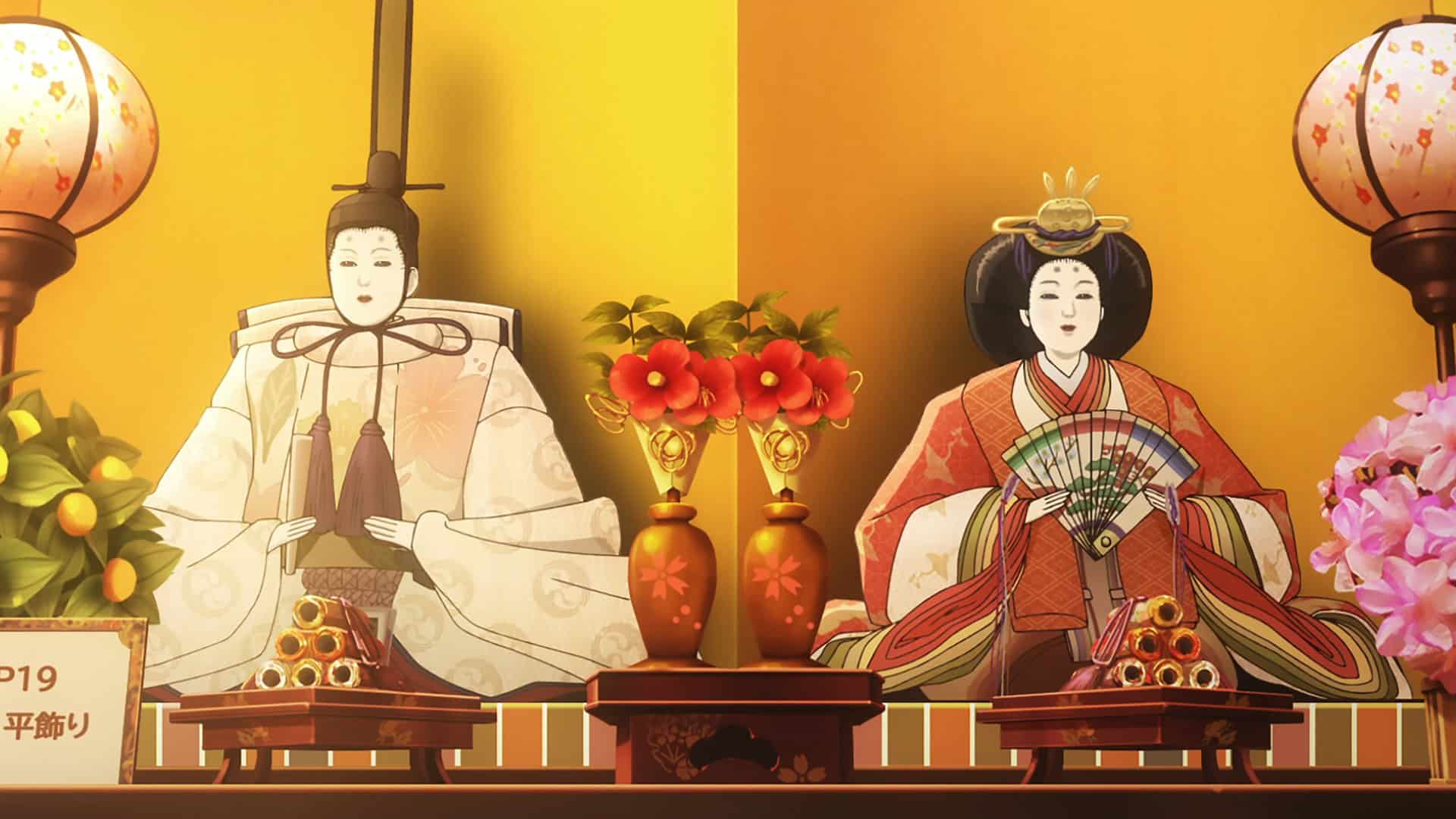
I also tried to grab a selection of screenshots that showed off the lovely aesthetic of the show without spoiling anything! There’s one feature wagashi from each episode, and a ton of kimono. You can really see how gorgeous the wardrobe is.

Typically, I don’t like to suggest piracy but currently this show has no official English subtitling or distribution, so the only way to watch it is through fan-subs. I’m following the ones over at Blitz Fansub and so far they’ve been quite fast and reliable (if you don’t mind the occasional typo). However, if the show ever does receive an official translation I do urge you to check it out. I just hope they don’t try to adapt and re-localise it, because it’s so dependent on the magic of traditional Japanese industries. I feel like it would lose too much if they changed the setting.

Review – Abokichi Miso Soup Bases & Okazu Condiments

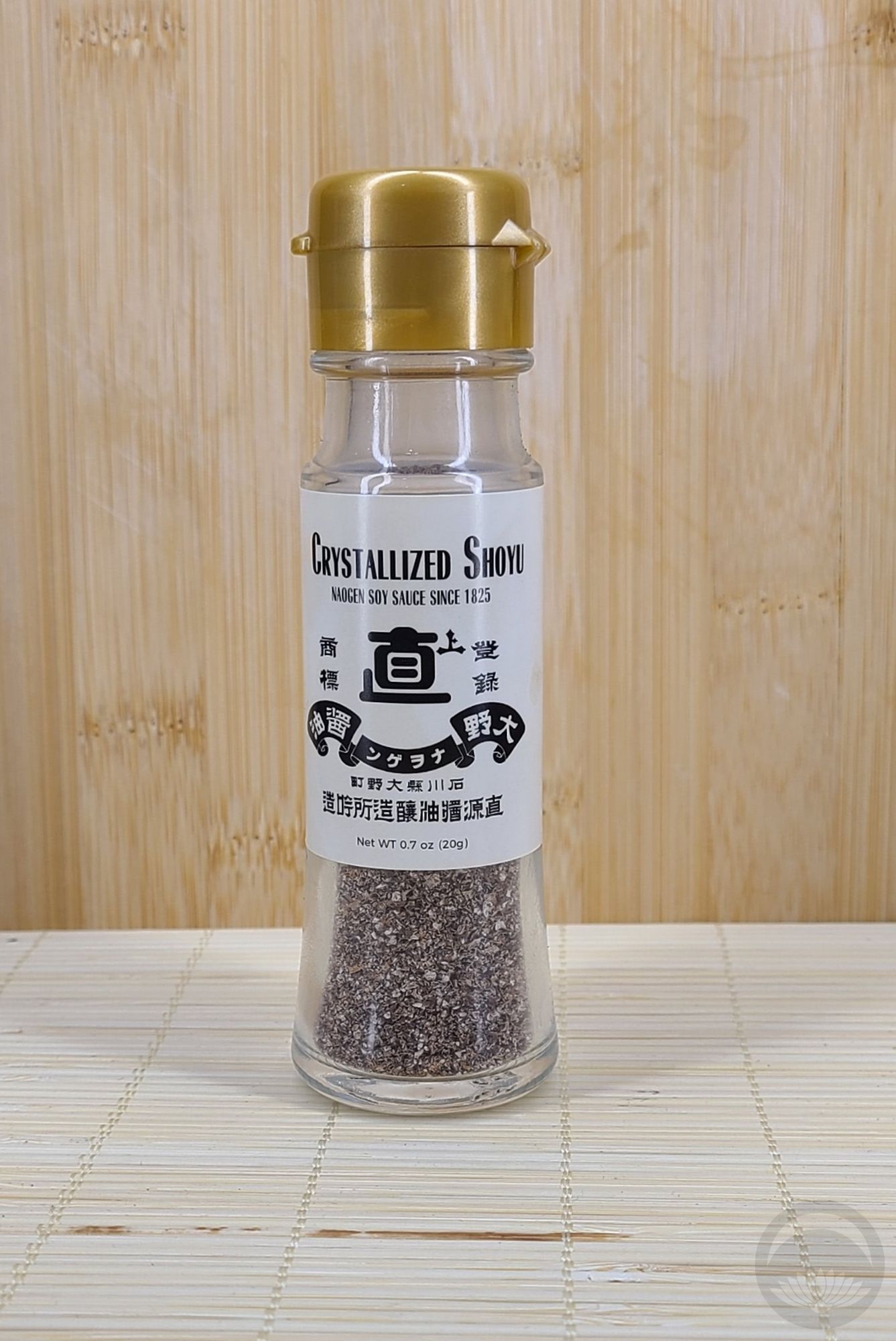
You guys know I love bringing you modern, accessible products that make it easy to incorporate a bit of Japan into your daily lives. Abokichi is a Canadian company run by life- and business-partners Jess and Fumi, and is a true fusion of East and West.

Abokichi means “Fortunate Avocado,” a coinage from “abogado”, a South American fruit which has found a place in cuisines all over the world, and “kichi” which means fortunate in Japanese, to express the blessing of the diversity of different cultures in the world.

With the world still half-closed and social distancing still in effect, we’re all eating at home way more often, and it’s easy to fall into a rut when cooking. But these are a great way to stir things up without having to rely on overseas shipping or products laden with preservatives.

Currently Abokichi have two offerings, both available in multiple flavours. There’s the instant miso, which comes in regular, chili, and black pepper; and their Okazu condiment, a blend of miso, sesame oil, and flavourings, which comes in curry, chili, and spicy chili. If you want to try them all out, I suggest the Tasting Set, which has one of everything at a discounted price.

I loved everything I’ve tried so far, and I highly encourage you to check them out for yourself if you’re interested in quick and easy Japanese-inspired flavours. However, I’d like to share my thoughts and feelings about each product.

  • Original Instant Miso – A classic, with a familiar but deep miso flavour. If you’ve ever had miso soup, you’ll find comfort with this one.
  • Black Pepper Instant Miso – The same comforting taste of the original miso with the added punch of plenty of black pepper. My favourite of the three, which is saying a lot because I’m not generally a huge fan of black pepper.
  • Chili Instant Miso – The added warmth of chili brings a new angle to miso in this one. It’s definitely got some heat, but the creaminess of the miso balances it out perfectly.
  • Chili Okazu – A blend of miso, sesame oil, and chili that brings a really rich and complex umami edge to whatever you put it on. Layers of flavour that all balance well together, with a bit of tingly warmth that isn’t overpowering.
  • Curry Okazu – If you like Japanese curry rice, this is the Okazu for you! A little hot, a little sweet, and utterly delicious, this one is my personal fave.
  • Spicy Chili Okazu – Fan of heat? Try out the spicy sister to the original chili Okazu. Out of the jar, this one was almost too spicy for me but mixed with food it’s perfect for anyone who likes a bit of a kick.

Overall, I liked every single product I tried. The black pepper miso and curry Okazu were my personal stand-outs, but I feel confident recommending any of them. It all comes down to your own tastes and preferences.

If you’re looking for recipes or inspiration on how to use Abokichi’s products, here are a few things I’ve whipped up this week!

Black Pepper Miso Soup with Vegetables

This one couldn’t be easier, and it was an absolutely delicious and filling weeknight dinner. I used fresh corn and green beans because it’s what I already had cooked and lying around but I imagine it would work with other cooked veggies too.

  • One full pouch Abokichi Black Pepper instant miso soup
  • One box low-sodium chicken or vegetable broth
  • One ear (roughly 1 cup) of cooked fresh corn
  • One cup chopped green beans
  • Three spring onions, separated into white and green parts
  • Furikake (optional)

Bring the broth and miso to a boil together and whisk thoroughly to make sure the miso is smooth and well-incorporated, and then turn the heat down. Add in your chopped corn and beans, as well as the white parts of the spring onions and simmer until everything is heated through.

Serve it topped with the greens from the spring onions and a sprinkle of furikake if you like. Personally, I think it brings another layer of lightness and texture to the soup.

This would also be delicious with tofu, fish, or chicken for added protein but with the miso it’s quite filling already!

Karaage-style chicken With Okazu Dipping Sauces

This one’s a bit more time-consuming than the soup, but definitely worth the effort. With the accompaniment of the rice, this is a filling meal for four people.

For the chicken
  • Four boneless skinless chicken breasts or eight boneless skinless thighs
  • 1/2 cup soy sauce
  • 2 tbsp sesame oil
  • 1 tbsp mirin
  • 2 or 3 cloves garlic, crushed and chopped (to taste)
  • ~1 tsp grated fresh ginger (to taste)
  • Dash of sake (optional)
  • 1/2 cup flour
  • 1/2 cup katakuriko (or potato starch)
For the dipping sauce

*If you don’t have Kewpie mayo, try half a cup of mayo and roughly 1.5 tsp each of sugar and mirin

Start by mixing the ingredients for the dipping sauces, so they have time to meld together.

Chop the chicken breasts or thighs into large chunks. Mix all ingredients for the marinade, toss in the chicken. Let the chicken sit in the marinade for a minimum of two hours.

Place a grilling rack onto a baking sheet and put into a 175°F/80°C oven (this is just to keep the cooked chicken warm). Heat enough canola or corn oil to barely submerge the chicken pieces.

Once the oil is hot, take a few pieces of marinated chicken at a time. Toss in the flour-katakuriko mixture until they’re coated but not clumpy, and gently drop into the oil, taking care not to crowd the pan. Fry until golden-brown, about five minutes for breasts or seven minutes for thighs, flipping if needed to ensure even cooking. Once cooked, place on the rack in the oven to keep warm. Repeat until all chicken is cooked.

I served the chicken with white rice topped with Okazu so I could taste them in the pure unadulterated forms, and it made a perfect complement to the chicken. I also had a bit of the dipping sauces left after the meal and used them on ham sandwiches the following day, which turned out delicious.

I hope you enjoyed this little foray into my kitchen, and if you try any of these products or recipes I’d love to hear your thoughts. 🙂

 I purchased this item myself and chose to review it.If you have a topically appropriate craft, product, or service you would like me to review, please contact me. 

Book Review – See/Saw: Connections Between Japanese Art Then and Now

See/Saw: Connections Between Japanese Art Then and Now
by Ivan Vartanian & Kyoko Wada
ISBN: 978-0811869577
Buy on Amazon | Buy on AbeBooks

If you’re like me and you appreciate both traditional and modern Japanese decorative arts, you need this book. It’s an incredibly well-researched and well-written exploration of how traditional motifs, styles, and techniques of Japanese traditional art have influenced modern popular art.

Whether you’re a fan of Kunisada or kawaii, temples or Transformers, this book will probably have something to show you. Often the antique and modern art are juxtaposed on the same page or facing pages, so you can see the influences and connections directly. Everything visual about this book feels deliberate and well thought-out, which is reassuring in a book about design and art. It’s a pleasure to look at, even the text-heavy pages. It’s relatively compact but densely filled with gorgeous pictures and fascinating information.

The writing is informative and clear without being overly dry or academic, which makes it an enjoyable read for people of all interest levels. It’s not a textbook and doesn’t feel like one, but I could easily see it being an excellent academic resource.

Here’s a small sampling of a few interior pages, to give you a feel for the comparisons I made above.

Also, this is a small thing but I want to thank the authors of this book for engaging in fun wordplay in the title but not going down the lazy/obvious route of calling this book Zen and Now.

I would recommend this book for:

  • Anyone interested in Japanese art
  • People studying the evolution of art styles
  • Art history students or fans

I would not recommend this book for:

  • People only looking for books about traditional art
  • Uh… people who don’t want to learn cool things, I guess?

 I purchased this item myself and chose to review it.This post contains affiliate link(s). If you choose to purchase, I receive a small rebate or commission which goes to the continued maintenance of this site. 
Tea Time – “Matchai” Latte

Hello everyone! I was all set to change the mannequin today to feature my adorable new obi with shrimp on it and then I went and drove a utility knife into the base of my finger. Whoops! It hurts like the dickens, and I’m afraid of getting blood everywhere, so no kitsuke for a while!

Instead, I thought I would share this “recipe” for a matcha-based drink I make and enjoy when it’s hot and muggy out. I hope you try it out and like it too; it’s a nice twist on a typical matcha latte. It’s a delicious combination of earthy matcha and sweet, spicy chai. I present to you the matchai latte!

Ingredients

  • 2 tsp matcha of your choice (I’m using David’s Tea Matcha Matsu here)
  • 2 oz hot water
  • 2 cups chai (you can make your own, but I use Bolthouse Farms Vanilla Chai for this and it’s delicious and a lot easier)
  • Optional- If you’re not using a pre-mixed chai drink, a dash of honey or sugar can help balance out the earthiness of the matcha


Instructions

  • To make the matcha concentrate, whisk the tea and hot water vigorously or use a matcha shaker if you’re lazy like me (I like this one from David’s Teas) until your matcha and water are well-blended and form a thin paste. If you’re using a sweetener, add it here.

  • Pour your matcha concentrate into a tall glass, then add ice cubes if you like your drink really cold (personally I find the cold temperature of the chai enough to cool the drink down). If using ice, don’t pour the matcha concentrate over the ice, it tends to clump up and get stuck and not blend well.
  • Fill the glass with your chai beverage.
  • If you’re feeling fancy you can top the drink with a dollop of whipped cream or whipped coconut milk and a dusting of matcha. I think this adds a nice richness to the drink and makes it look elevated.

That’s it! You now have a delicious, refreshing, and unique drink that will rival the fanciest tea/coffee place.

(None of the links here are affiliate links, I just thought I’d share what I use!)