Comfort books by Japanese authors

I certainly chose a fantastic time to leave California and head back to Montreal, didn’t I? The weather in this entire half of the continent is certainly something else right now. I am so thankful I work from home these days, and that my folks are retired and don’t have to leave the house in this disaster.

That being said; what better time to curl up with a fantastic book and a warm cup of genmaicha and let your mind drift to a different country, a different climate, a different time, a different world? I’ve been meaning to start doing fiction book reviews here to go along with the more kimono-specific non-fiction, and it looks like the universe just gave me the nudge I needed.

This first post will include a couple of novellas and shorter novels all in one entry, and if you enjoy it I will work on writing longer ones about individual books in the future! I also don’t want to give too much away, as these should all be read somewhat “blind” to truly appreciate them.

As always links to purchase the books, where available, will be included. And if you’re wondering why I’ve used stock images for the covers, it’s that several of the physical copies for these stayed behind in California and the rest are on my e-reader.


The Samurai’s Garden, by Gail Tsukiyama

Okay, right off the bat, parts of this book are definitely less relaxing than others. Set against a backdrop of tuberculosis, racial tension, and a dawning war, this is the story of Stephen, a young Chinese man sent to rest and recuperate on his family’s property in Japan on the cusp of WWII.
Without giving too much away, he forms a bond with the gardener and learns so much more than just gardening. The stories of past and present both unfold and open up slowly but steadily, much like Stephen himself.

This one is a classic for a reason, and if you have not had the opportunity to read it (or anything else by Gail Tsukiyama), now is the time. It should also be mentioned that Tsukiyama is American of Japanese descent and this is the only book on the list that was written originally in English.

Read The Samurai’s Garden on Amazon | Abebooks | Kobo


Kitchen, by Banana Yoshimoto

What do love, loss, food, and gender expression have in common? They’re all things that are very important to me, and they all play roles in this next book.

I cannot express how much I love Kitchen. I’m a fan of all of Yoshimoto’s work but this little diamond in particular will always have a special place in my heart. So much so that I’ve replaced two physical copies and am on my third, and I have a digital copy as a backup. I picked up my first copy in the early nineties and have utterly lost track of how many times I’ve re-read it since then. Yes, I’m old. Shush.

The book is typically printed as two novellas, the longer eponymous one and a shorter one entitled Moonlight Shadow. Both are stories of people learning to cope with a new status quo after losing loved ones and both contain secondary characters who, to different extents, have begun experimenting with gender presentation or cross-dressing as coping mechanisms. Kitchen focuses much more on the role of food as ersatz therapy, but Moonlight Shadow also has a tea thermos play a pivotal role. At their hearts though, they’re both about beautifully imperfect people learning how to move forward after painful losses.

Including stories that revolve around death may be an interesting choice for “cozy” books, but it’s handled with such a gentle, soothing touch and hopeful notes  in both cases that it’s an incredibly cathartic and comforting read. Especially if you’re dealing with similar feelings in your own personal life.

Amazon | Abebooks | Kobo


The Cat Who Saved Books, by Sosuke Natsukawa

Did I initially pick up The Cat Who Saved Books because I suspected the cover art was by one of my favourite artists, Yuko Shimizu (no, not she of Hello Kitty fame – the other, cooler Yuko Shimizu)? Yes. Yes I did. Was I correct about the cover art? Also yes. Have I read it several times since then because I love it so much? A third, resounding yes.

This is one of the coziest books I’ve read recently, and is often cited as an emblematic example of iyashikei, 癒し系 or “healing” literature. In the past few extraordinarily stressful decades, iyashikei has emerged as its own subset of Japanese media, primarily anime and manga but extending to fiction and live-action.

The Cat Who Saved Books falls into the genre of magical realism and fantasy, so if that’s not your bag you might want to skip it. But if you love books, and if a nerdy teenager and his talking cat who run through mazes and puzzles to save forgotten books from irresponsible owners sounds appealing to you, read on! Rintaro Natsuki inherits a bookshop from his grandfather and is initially going to close the shop, until Tiger the shop cat starts talking to him. They set off on adventure together to protect the written word. This book is, well, a love letter to books.

There is also a sequel, The Cat Who Saved The Library, which I have not had the chance to pick up yet but it’s also on my list! I would also love to see this made into an anime or movie.

Amazon | Abebooks | Kobo


The Kamogawa Food Detectives, by Hisashi Kashiwai

What if someone could recreate a dish from your memory, one that could transport you back to a place, a person, or a time long since past? Set in a little restaurant off the beaten path in Kyoto, this is the story of a father and daughter who help heal people in small doses, one bite at a time. More like a series of interconnected stories, each one focusing on a specific guest, recipe, and memory. This also makes it great bedtime reading, as you don’t feel compelled to stay up all night to finish the book, when you can finish one part at a time.

The Kamogawa Food Detectives will make you feel wistful, happy, peaceful, and incredibly hungry all at once.

This is the first book in a trilogy, and the other two books are very near to the top of my reading pile. While I can only speak for the first one, I have linked to the other two below as well.

The Kamogawa Food Detectives on Amazon | Abebooks | Kobo
The Restaurant of Lost Recipes on Amazon | Abebooks | Kobo
Menu of Happiness on Amazon | Abebooks | Kobo


I hope if you decide to read any of the above books, I hope you find them as lovely and soul-enriching as I did. I have more similar books to read soon, including What You Are Looking For Is in the Library by Michiko Aoyama, The Convenience Store by the Sea by Sonoko Machida, and Days at the Morisaki Bookshop by Satoshi Yagisawa. If you have any other suggestions of other cozy books I should read and review, or any other novels to check out, let me know in the comments!

 I purchased this item myself and chose to review it.This post contains affiliate link(s). If you choose to purchase, I receive a small rebate or commission which goes to the continued maintenance of this site. 

Field Trip – Wabi Sabi Japan Living, Palm Springs CA

If you follow any of my social media where I post short-form videos, you have seen my quick 360 tour of Wabi Sabi Japan Living in Palm Springs recently. If you’re not following my socials, you might be missing out on fun things!

I have been wanting to check out this store since I first started visiting Keith here in southern California, but it just never worked out until recently. We’re typically in the Palm Springs area in the evenings and the shop closes at 5. But recently we made a point of heading out that way specifically so I could browse, and I’m so happy I did!

When you first walk in, you’re greeted with a beautiful abundance of handmade ceramics and a wall of more adorable chopsticks than you could begin to imagine. There is also a fantastic selection of books, from art and ikebana to a huge variety of cookbooks. I fell in love with Japan Style but could not justify it at the time, and then Keith sneakily grabbed me a copy for Christmas. As they say, to be seen is to be loved. ♥


Facing the back wall, there is an absolutely breathtaking assortment of Japanese ceramics and dishware, in a very reasonable range of prices. You can purchase individual plates or full sets if you’re setting up a home or redoing your entire kitchen. There were so many pieces I wanted to take home, but both money and storage space are at a premium in my life right now so I had to exercise restraint. I particularly fell in love with some of the more earthy, textured pieces and some delicate mino ware floral bowl sets. If and when we’re ever lucky enough to have a larger kitchen and room for entertaining, I know exactly where I will be going to stock up!

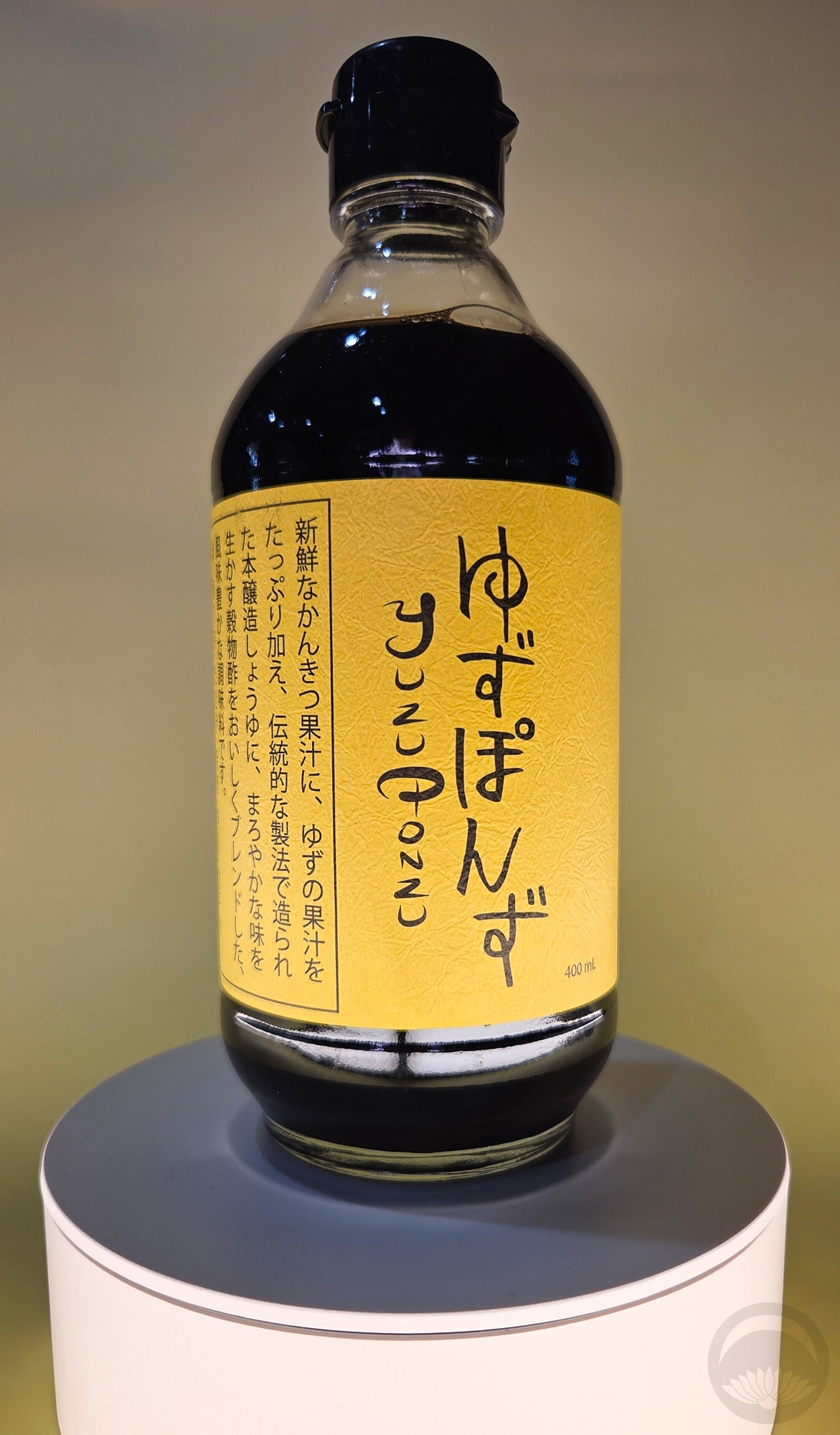
As you head deeper into this little treasure trove, you’ll find the food and drinks. There’s a fantastic selection of dry goods, condiments, teas, sauces, and then a more grown-up section featuring Japanese whisky, gin, and sake options as well as a few specialty liqueurs. I’m a sucker for whisky so I’ve added a few to my list of things to try when my current selection has run dry. Let me know if you’d be interested in reviews of Japanese brands of alcohol, particularly sake and whisky!

At the far end of the store you’ll likely find the staff. The shop is owned by partners Darrell and Osamu (Sam). I spoke to Sam briefly on the phone and met Darrell in person when I went, along with a few other lovely store employees. Everyone there is incredibly friendly, knowledgeable, and helpful. They’ll be happy to welcome you in and either let you browse or offer up suggestions if you’re overwhelmed by the beautiful variety of products!

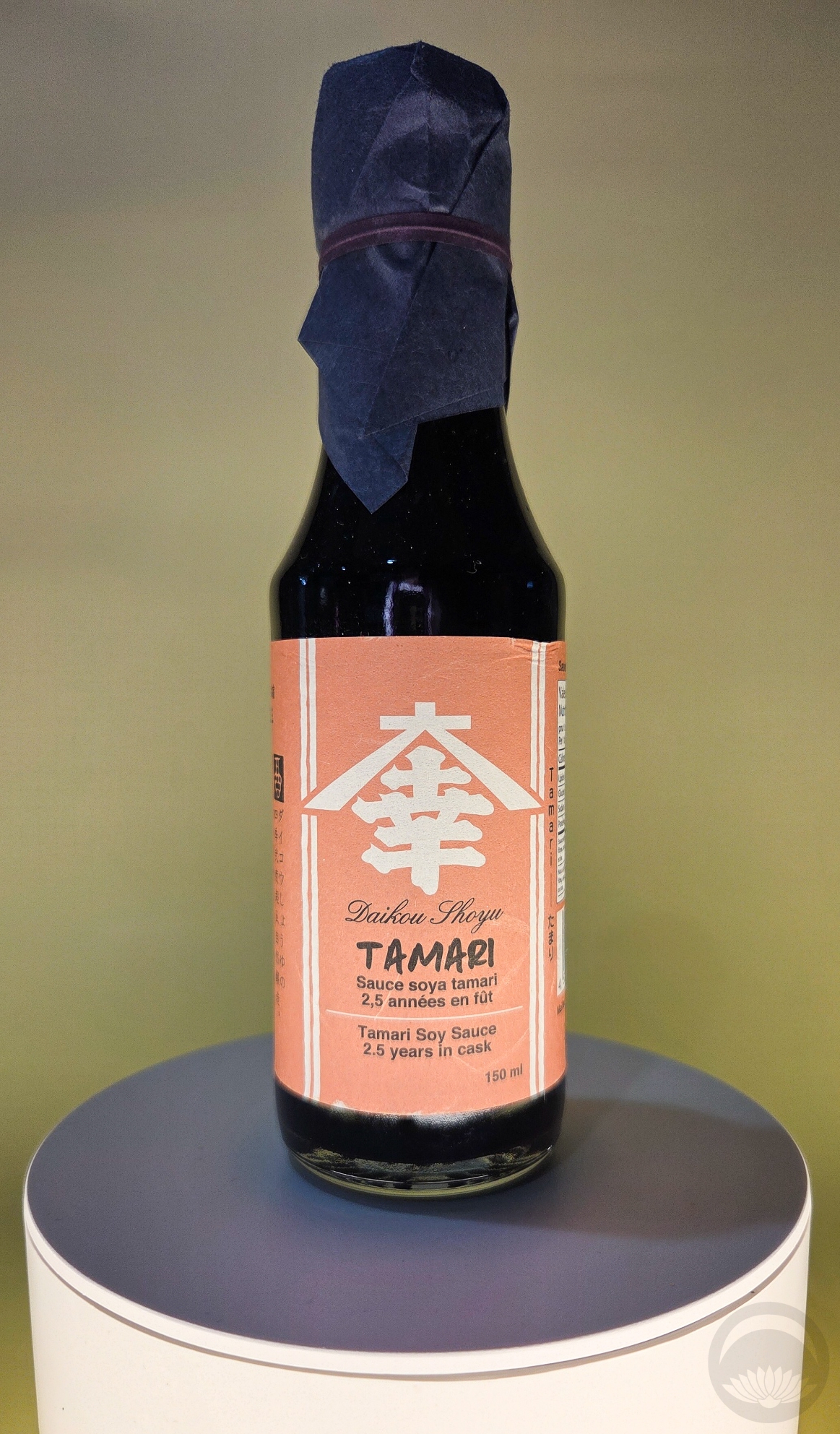
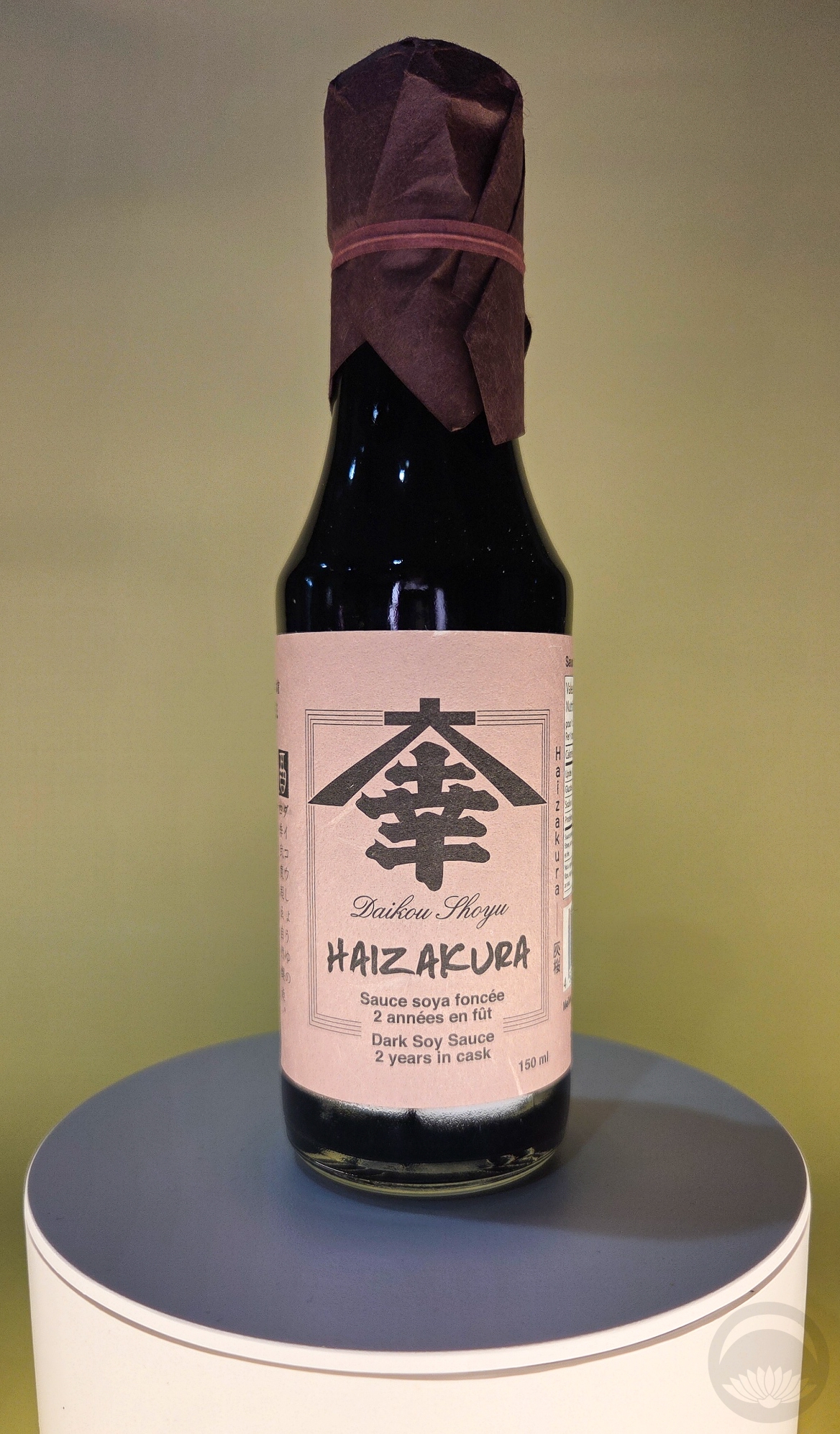
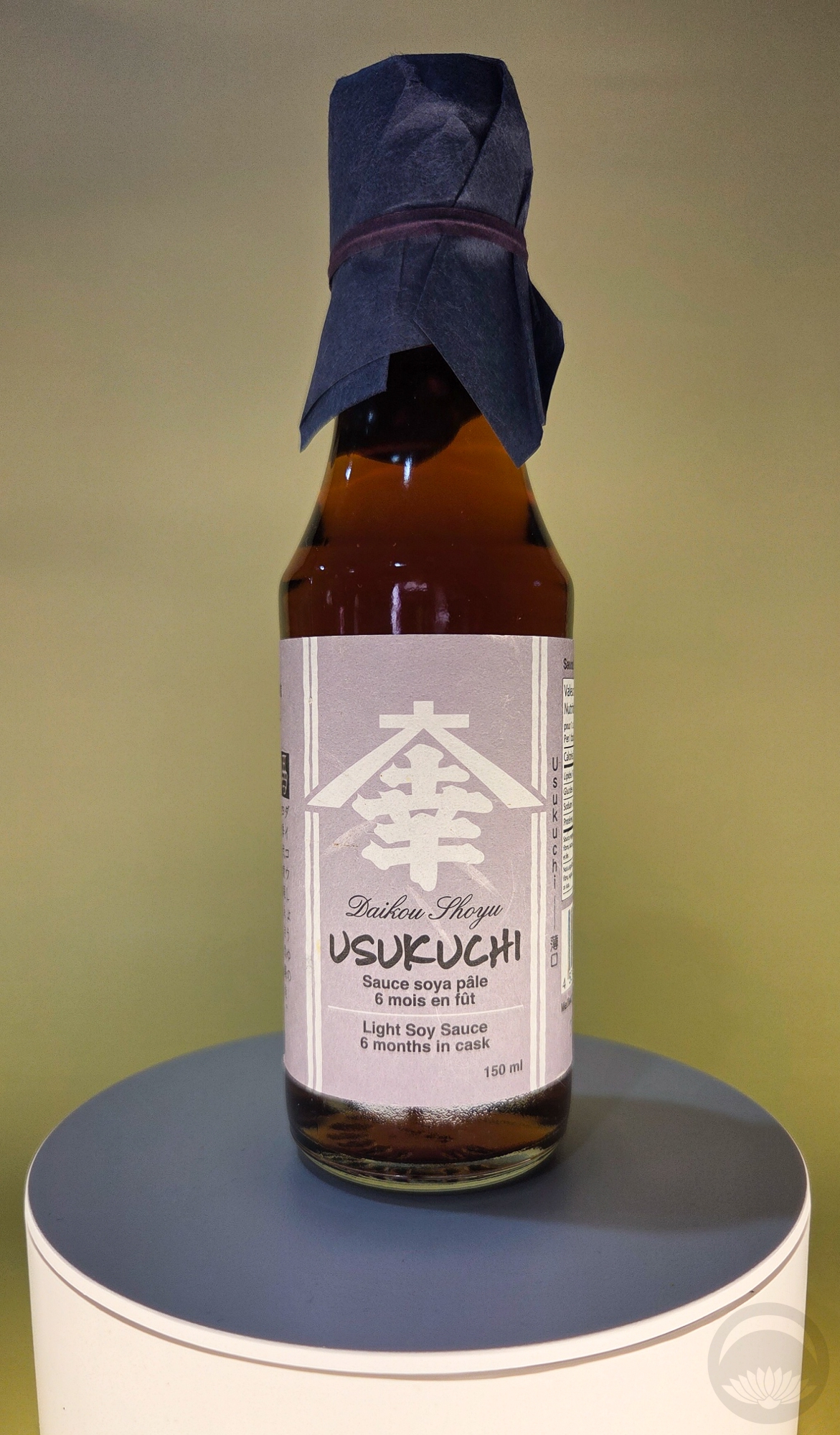
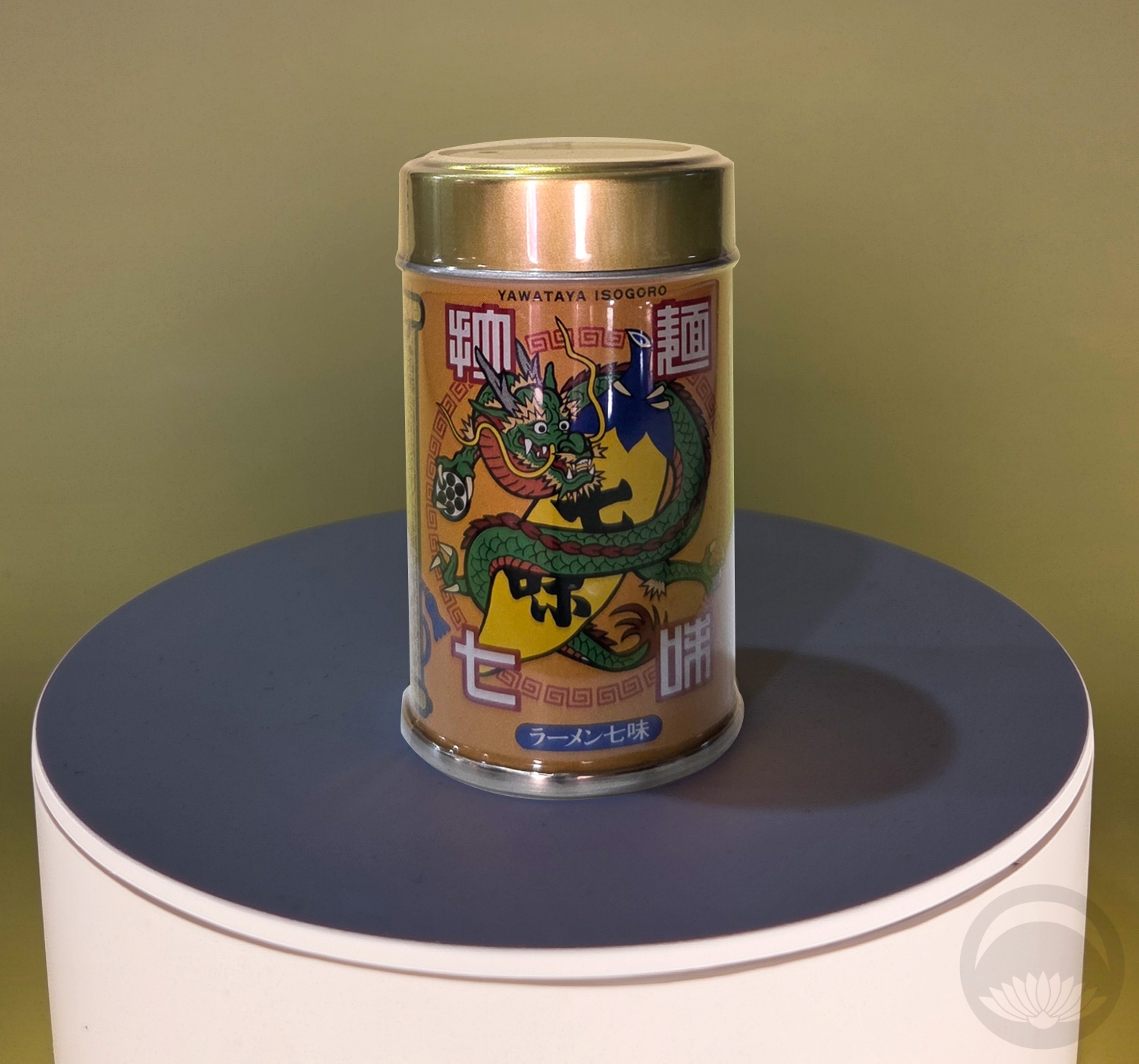
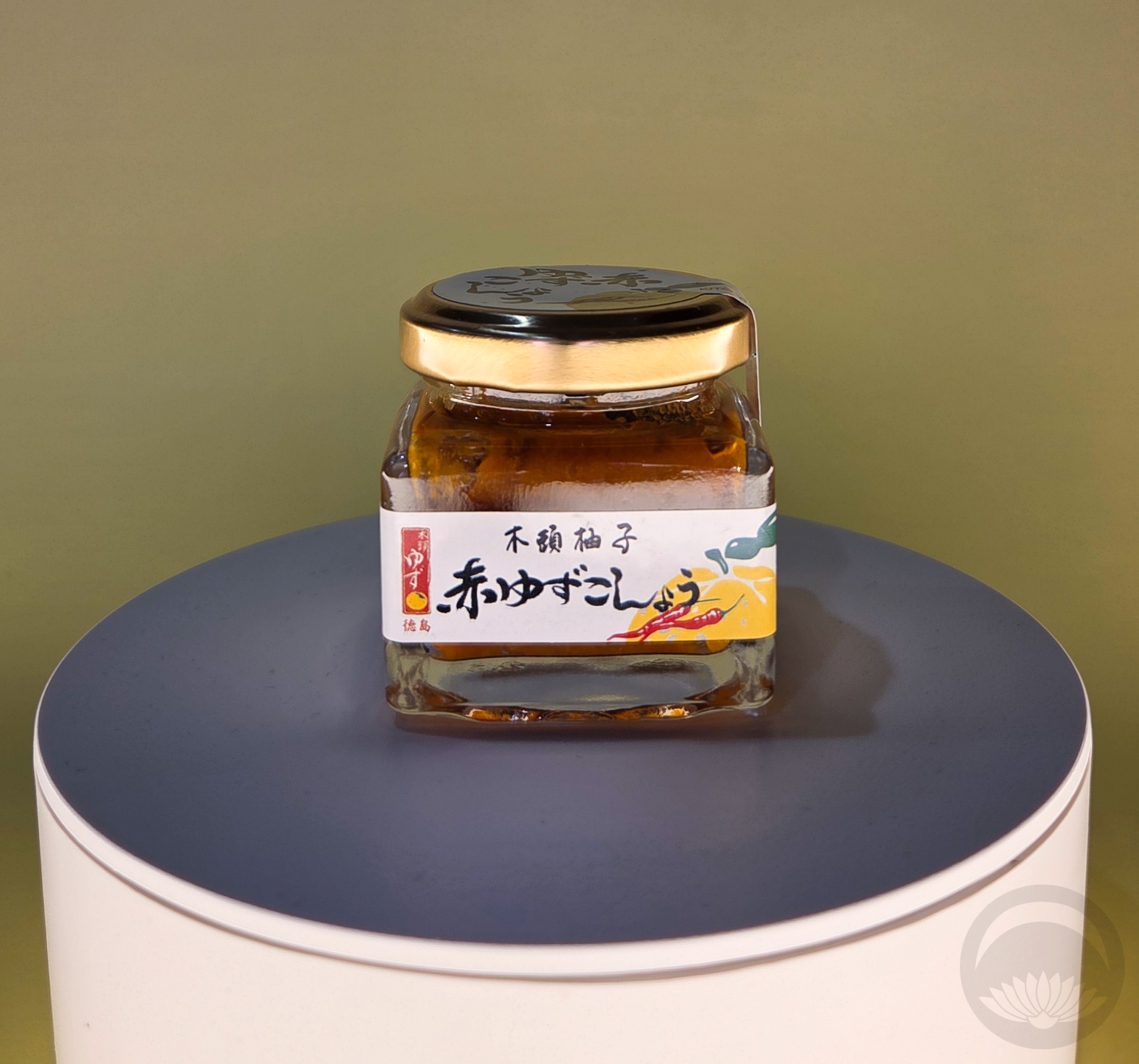
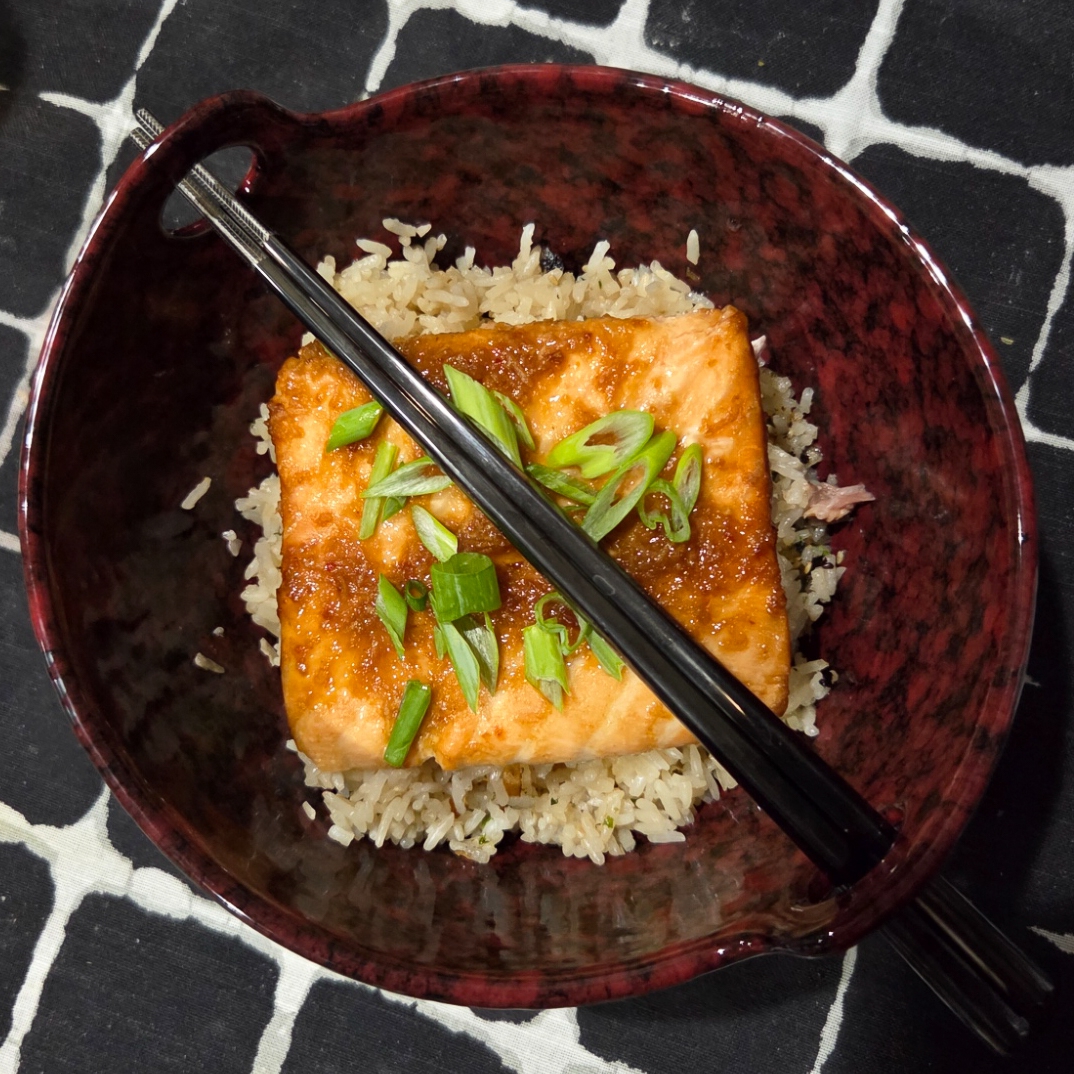
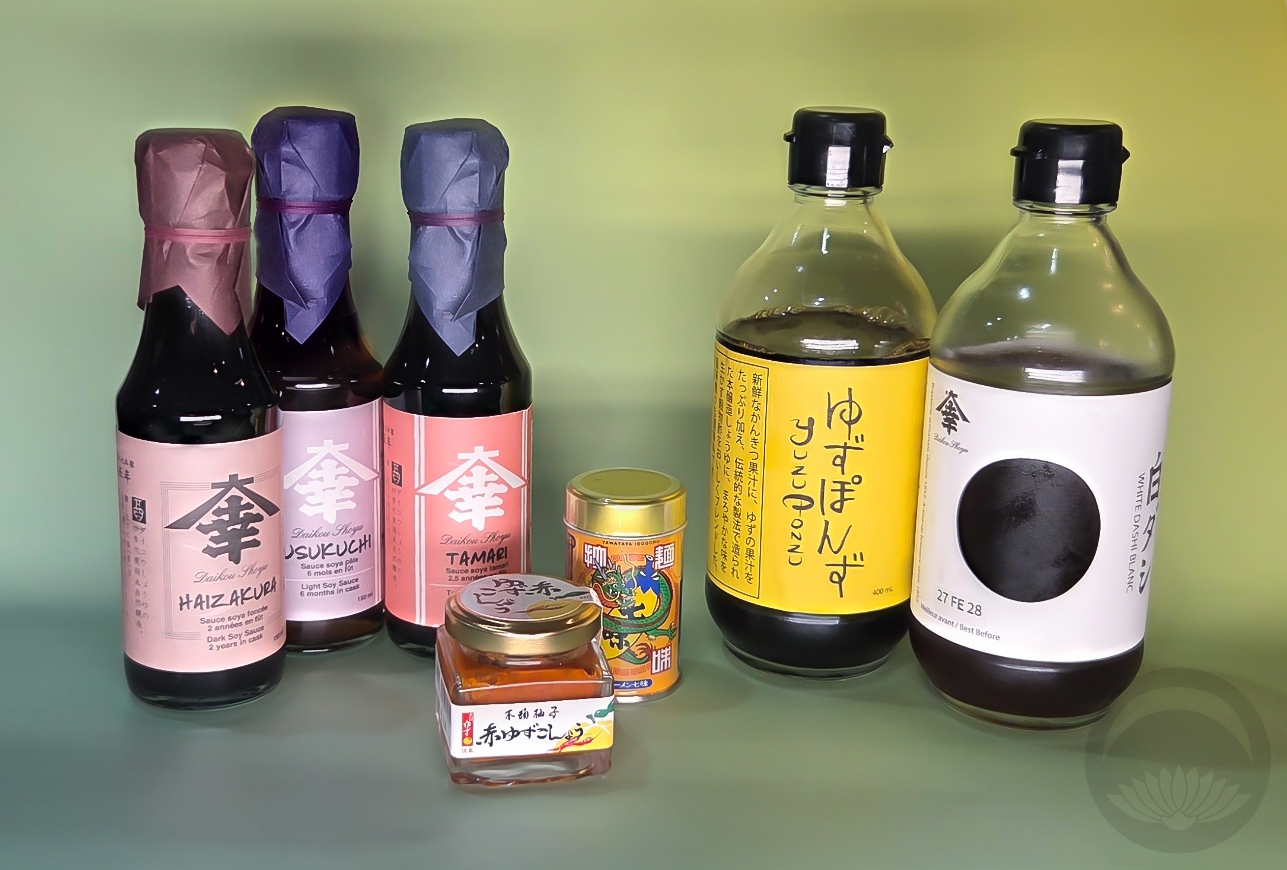
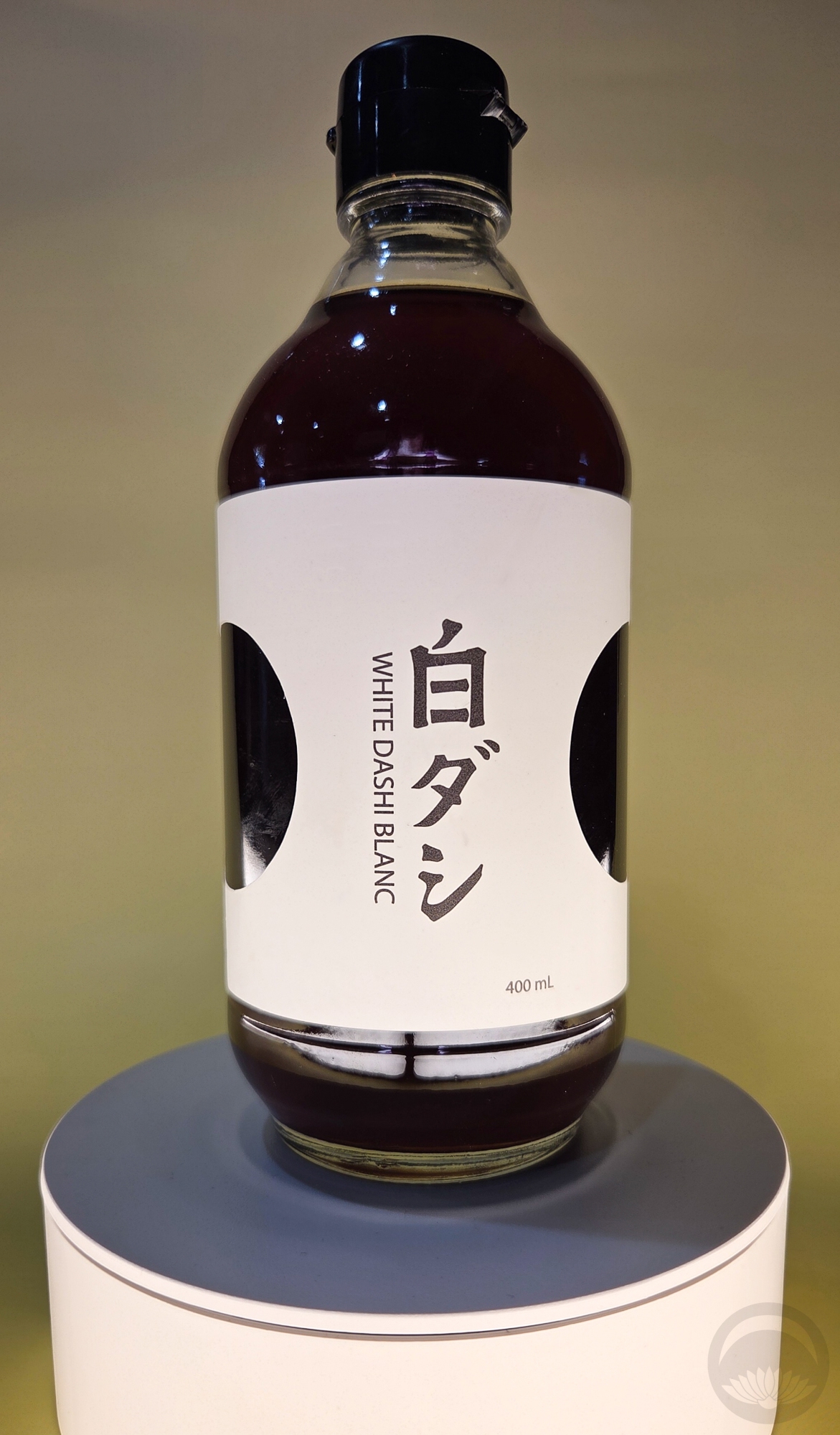
If you’re curious to see what treasures made it home with me, here is my haul!

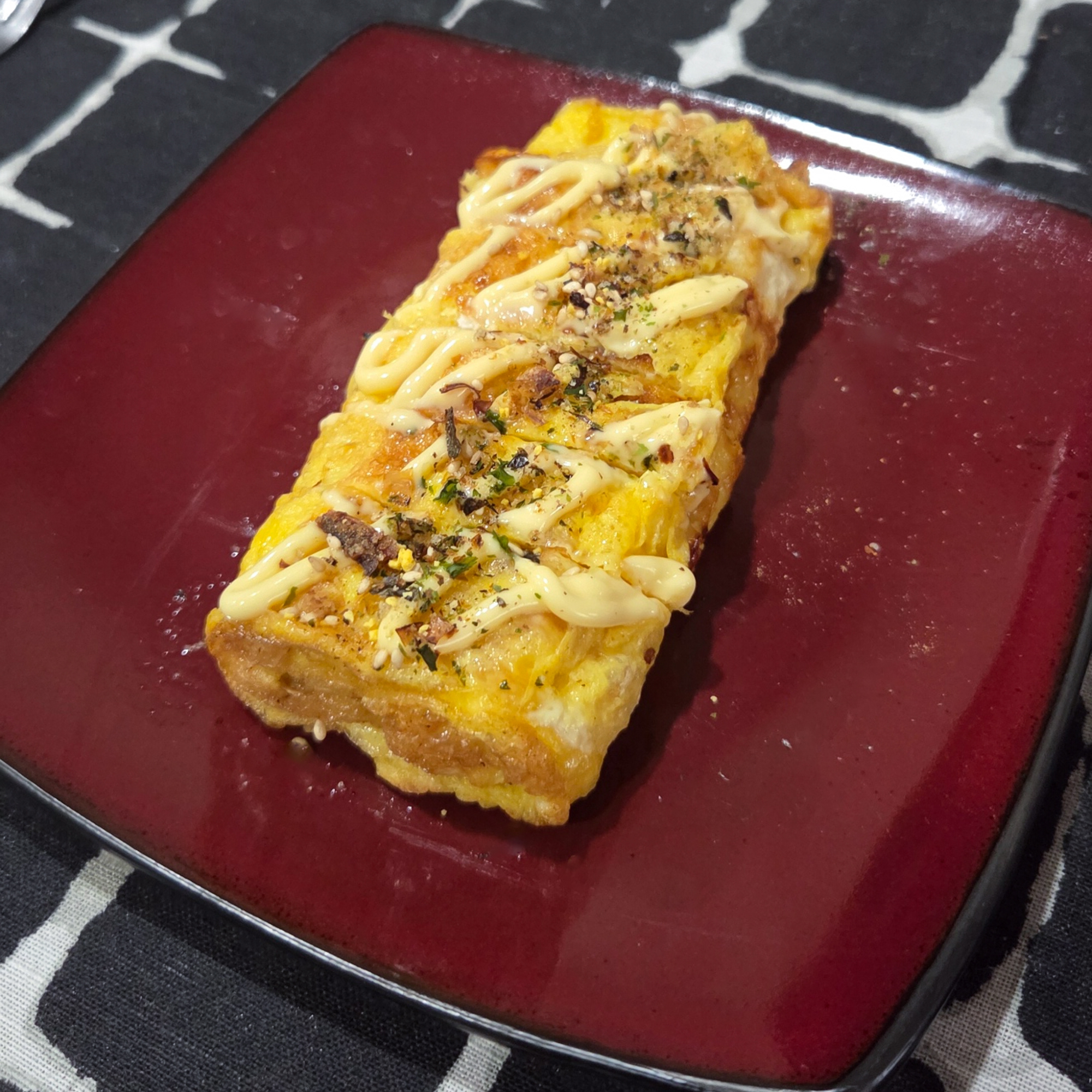
As you can see, I couldn’t wait to crack into the crystallised shoyu. I put it on tamagoyaki and it’s so good. I can see it working with so many different foods! I will likely do more detailed reviews of the incense sampler and the tea in the future if you are curious!

If you’re in the Palm Springs area, I highly suggest checking out Wabi Sabi Japan Living! They’re open from 11 to 5 every day, and can be found at 300 N Palm Canyon Dr, Palm Springs, CA 92262.

Just for clarity, I was not compensated in any way for this post. I contacted them beforehand to make sure they would be alright with being featured, and making sure I had permission to photograph, but there was no other discussion or promotional agreement of any sort. These opinions are all straight from my heart, as always!

Review – Hibi 10Minutes Aroma

Today I bring you another wonderful little lifestyle product from Japan, to help transport you to a more relaxed and beautiful world, even if it’s only for ten minutes. This odd liminal time of year can be very stressful, and we’re all looking for ways to start the new year with new habits and new routines. Hibi 10Minutes Aroma can help with that, all while bringing the gentle scents of Japan directly to your home. 

These are a fascinating little product. They may look like standard strike-anywhere matches, but the entire stick is made of tightly compressed incense. You light the head and let it burn down to ash, getting ten minutes of a transportive fragrance that surrounds you.

I chose one of their sample packs, to get a variety of scents before committing to a volume of one or two without knowing what they smelled like. I am glad I did, because the variety here was absolutely lovely. There were some bright, fresh scents like yuzu or lemongrass, some gentle florals like the ylang-ylang, and some deeper woody notes like the sandalwood. I’d highly recommend snagging this pack as well before getting locked into one of the larger 30-stick packs.

The fragrances I have tried so far (lemongrass, yuzu, lavender, sandalwood, and ylang-ylang) have all been absolutely lovely. The main notes are clear and present, but surrounded with a typical sort of “oriental note” familiar incense smell that prevents them from reading as too perfumed or fussy. They’re all very natural and subtle, and don’t spread far so if you live in a home with people who are sensitive to fragrance or don’t enjoy the notes listed, simply closing a door or opening a window for a fresh breeze will likely be enough so that the smell does not bother them. However, I cannot speak to allergies or medical sensitivities, so please keep that in mind.

The packaging on these is very thoughtful as well. It’s sleek and minimal, which makes it excellent to throw into a travel bag or hand out as a small hostess or thank-you gift. The sampler comes with a burn-proof mat you can rest your Hibi match on as it burns. I have used mine multiple times and it’s still absolutely solid and safe. However, you can also put them into any ceramic or burn-proof dish or carefully wiggle them into a small incense holder. Mine are meant for thinner sticks but with some gentle persuasion they can be slotted into the largest opening on most holders. However, they are fragile (more on that below) so you need to be cautious.

Because these are set to a standard timeframe of ten minutes, they’re an excellent way to take a quick focus or meditative break. They remind me somewhat of an antiquated method of time-keeping, relying on incense clocks. I burnt one at a time on several of my lunch breaks during the particularly hectic holiday rush, and it was a lovely way to both escape and ground myself for the afternoon rush.

As I mentioned earlier, the only negative I can find about Hibi 10Minutes Aroma is that since the entire stick is incense, it is a bit more fragile than a regular match would be. If you strike them too hard there is a chance of them snapping. Personally, I find it easier to light the “match” head with an external source like a long-handled candle lighter but if you find yourself without one you can definitely make them work just by being gentle.

You can find Hibi 10Minutes Aroma on their own website, as well as at many smaller local specialty retailers, especially Japanese lifestyle stores or fine home goods shops. If these options are not accessible for you, they are also available on Amazon.

 I purchased this item at a discounted price for honest review purposes. If you have a topically appropriate craft, product, or service you would like me to review, please contact me.This post contains affiliate link(s). If you choose to purchase, I receive a small rebate or commission which goes to the continued maintenance of this site. 


Fragrance Review – Sorce Match Made In Heaven

They say scent is the sense most strongly tied to memory. It’s also my strongest sense, likely to make up for how terrible my others are. I often try to wear subtle but significant fragrances when I’m doing something memorable so I can relive the moment by going back to that scent.

As you may remember I’ve been on the hunt for the perfect cherry blossom fragrance, and haven’t had a ton of luck so far, but I still seek out interesting perfumes with that particular note. However, I’m also very drawn to more traditionally western gourmand fragrances. It doesn’t hurt that my husband is particularly fond of those on me too.

Today I have the absolute perfect merging of these two worlds: Match Made In Heaven by Sorce Perfumery. It’s described by the perfumery as follows:

The scents of earthy green matcha tea and softly sweet cherry blossom petals find themselves to be an irresistible pairing, while vanilla soft serve, a hint of fresh-baked waffle cone, and a dusting of powdered sugar linger in the air.

The warm earthy green of matcha, the sweetness of ice cream, and the soft freshness of sakura, all in one pretty little package?  You know I had to give it a shot. I bought the 15ml spray because I wanted a smaller size to test but wanted to make sure I got the gorgeous shidarezakura (weeping cherry blossom) label. This is a small independent company and it’s clear they put so much effort into every aspect of their products; it seemed a shame not to share the pretty artwork as well as the fragrance.

Keith and I spent last weekend in one of the more Japanese areas of Los Angeles (more on that in an entry soon) and I figured that it would be the ideal time to try out this scent. Man, was I ever right. This perfume is incredible. The sakura is subtle, so my hunt for that particular note continues, but it strikes the absolute perfect balance between fresh and sweet. I can absolutely see this becoming one of my go-to signature scents, and I suspect I’ll be buying a larger bottle as soon as this one runs low. I may even grab a larger one to leave here in California and take this smaller one back to me next time I head home to Montreal so I’m never without it.

If you’re looking for a pure, clean sakura note, then move on. However, if you’re looking for something warm, comforting, a little sexy, a little fresh, and entirely unique, don’t skip out on Match Made In Heaven by Sorce.

 I purchased this item myself and chose to review it.If you have a topically appropriate craft, product, or service you would like me to review, please contact me. 

Anime with kimono eye-candy, take 3

Now that I’m home in California and all settled in, I thought it might be nice to get back into the swing of things with a fun addition to my series featuring kimono-heavy anime. As usual, whenever possible there will be links to streaming services like Crunchyroll or Netflix where you can watch these!


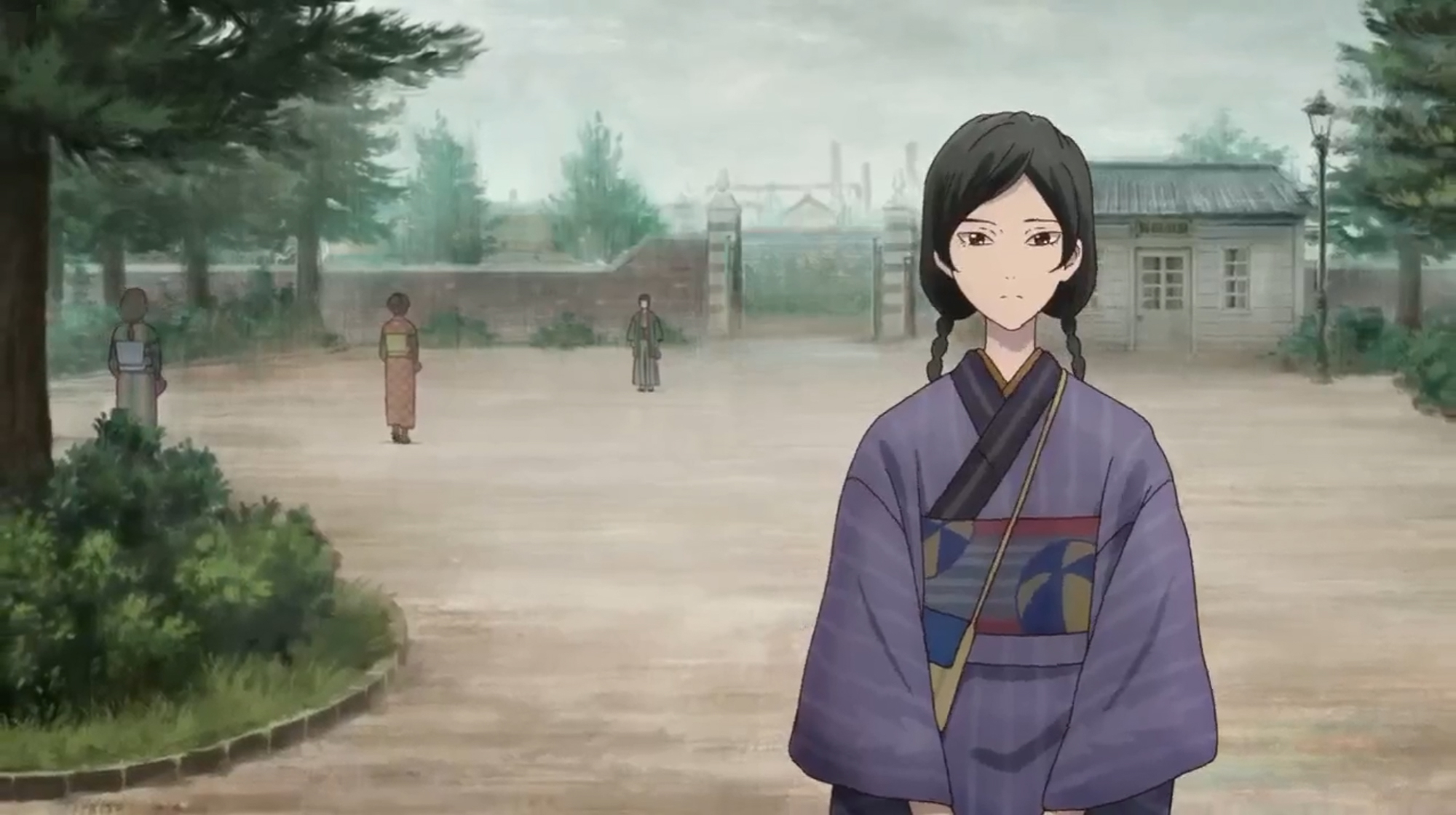
Watashi no Shiawase na Kekkon/My Happy Marriage (わたしの幸せな結婚)

My Happy Marriage starts out feeling like Cinderella (in kimono), morphs into Beauty & The Beast (in kimono), and ends up being a fantastic and unique series that just happens to include terrible step-relatives and a husband with an angry façade but a heart of gold. And there’s still lots and lots of kimono.

The story is about Saimori Miyo, a shy and quiet young woman whose father remarries an absolute harridan with a shrill, spoiled daughter. They treat her like garbage due to her lack of magical ability, and end up marrying her off to Kudo Kiyoka, a military man with a history of driving away potential brides.

Of course, everyone’s perception of the two of them is entirely off-base and they slowly learn about each other and fall in love, strengthening both their bond and Miyo’s magical abilities as the series progresses. He also takes her kimono shopping early on in the series and I dare any kimono aficionado to not fall for him right then and there. We’ve all had that dream!

Through Kiyoka’s love and encouragement, Miyo’s abilities bloom along with her determination and resolve. She remains her quiet self, but in a strong and self-assured way, no longer the doormat she once was. In turn, Kiyoka learns to open up and allow others to help him.

I also really appreciate that while yes, there are some awkward moments and misunderstandings, they are generally both open with each other about their thoughts and feelings, with the bulk of the conflict coming from outside instead of the typical petty nonsense some romance stories put their protagonists through.

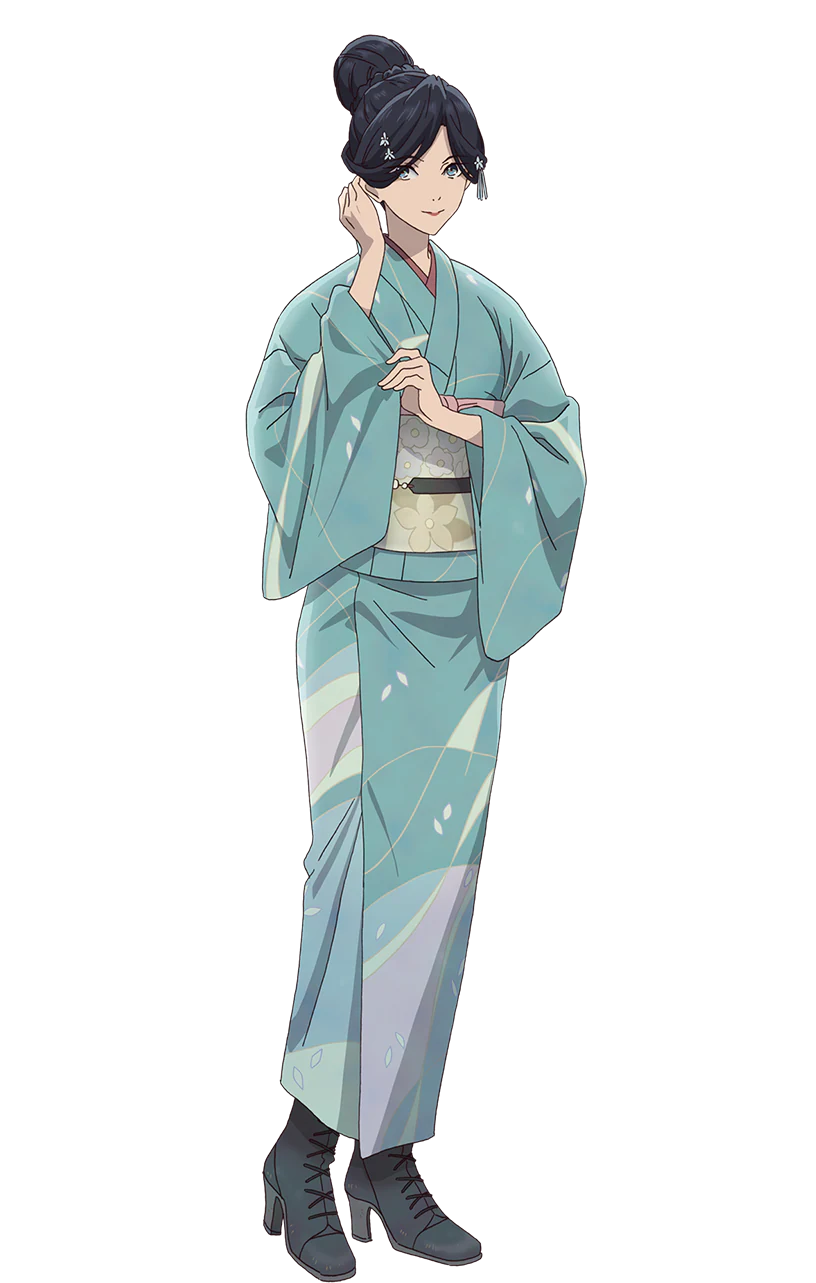
The kimono in My Happy Marriage are so gorgeous, and such an integral feature of the show, that I nearly did a review of the show by itself. One illustrator, Halka, was responsible for all the designs to ensure they were accurate and cohesive. You can see her process and designs over on X but I’ve selected a few of my particular favourites here. She also did the beautiful title screen and eye-catch art designs.

So far there are two complete seasons of My Happy Marriage and it appears that a movie is in the works! There is also a live-action adaptation but I haven’t had the opportunity to watch it yet.

My Happy Marriage on IMdb
My Happy Marriage on Netflix
My Happy Marriage on Wikipedia


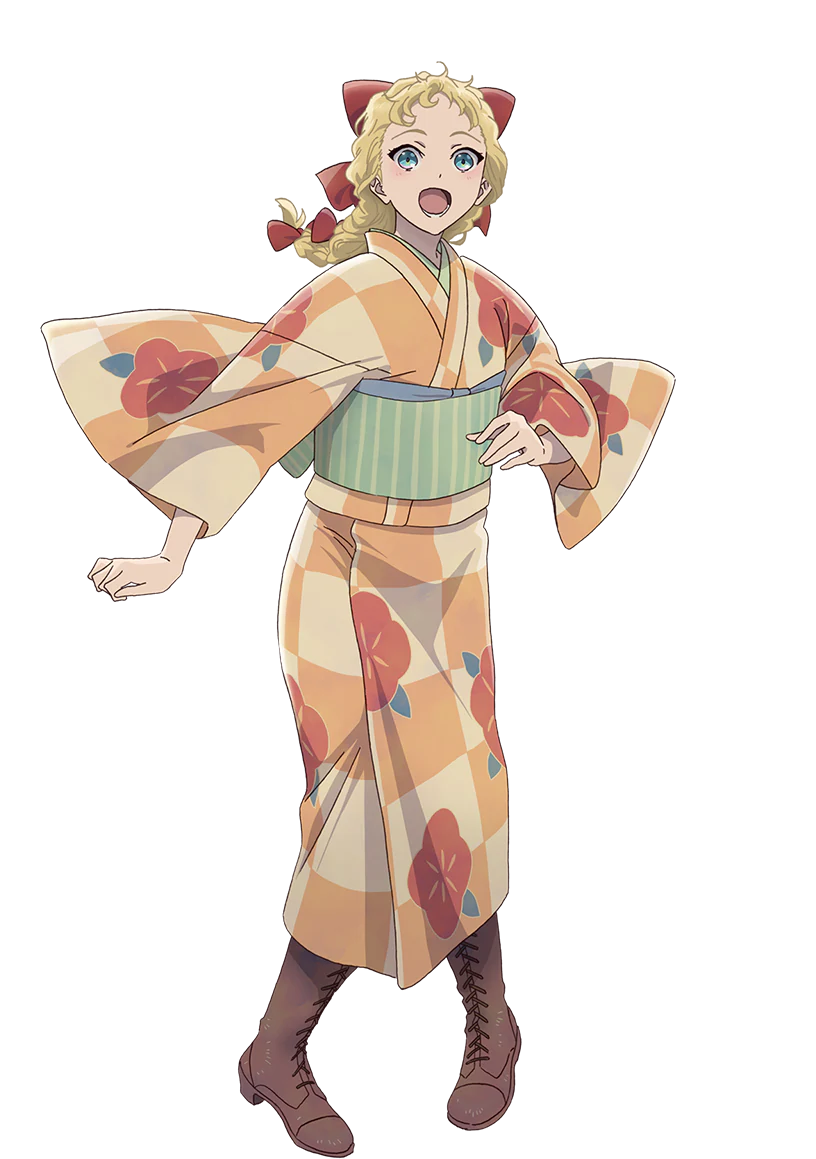
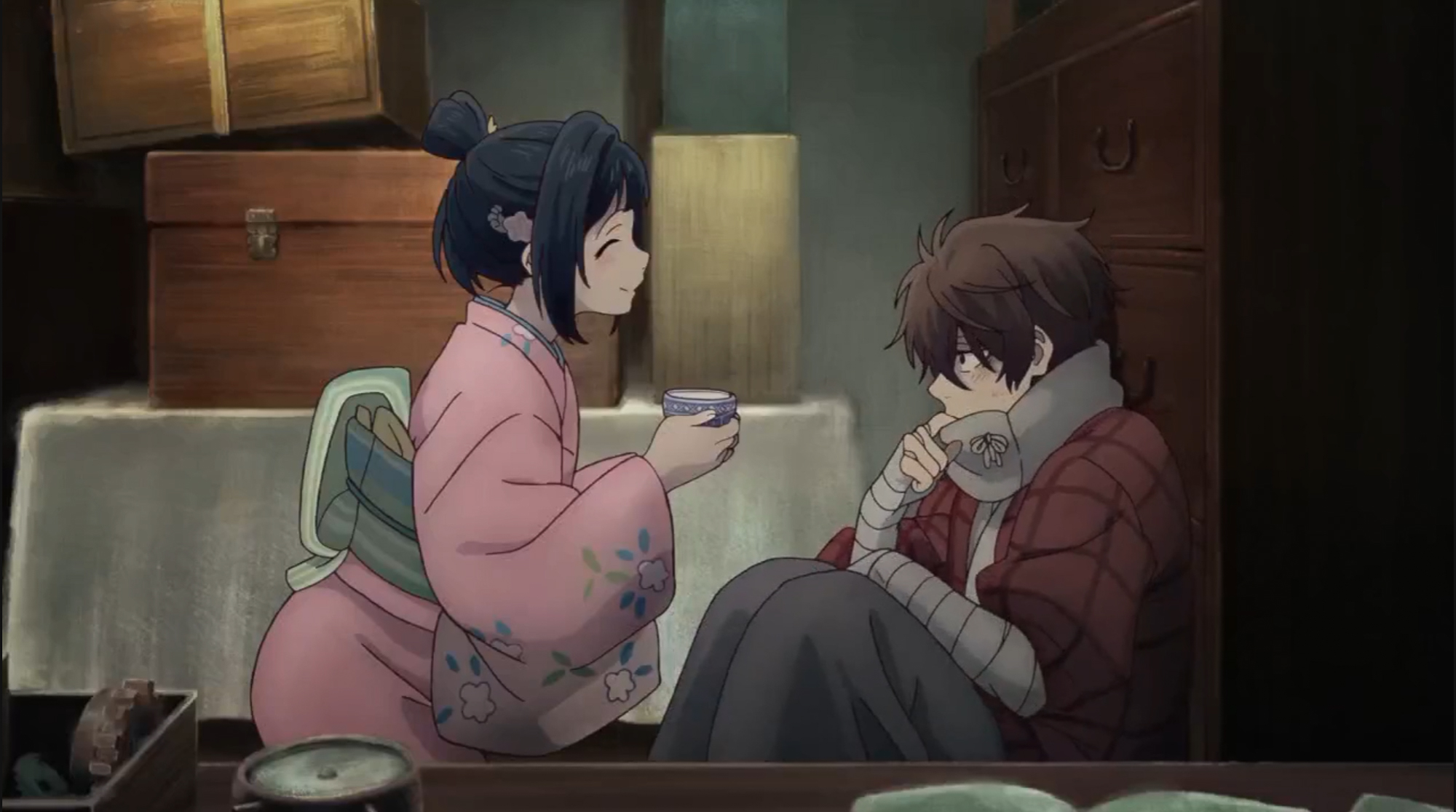
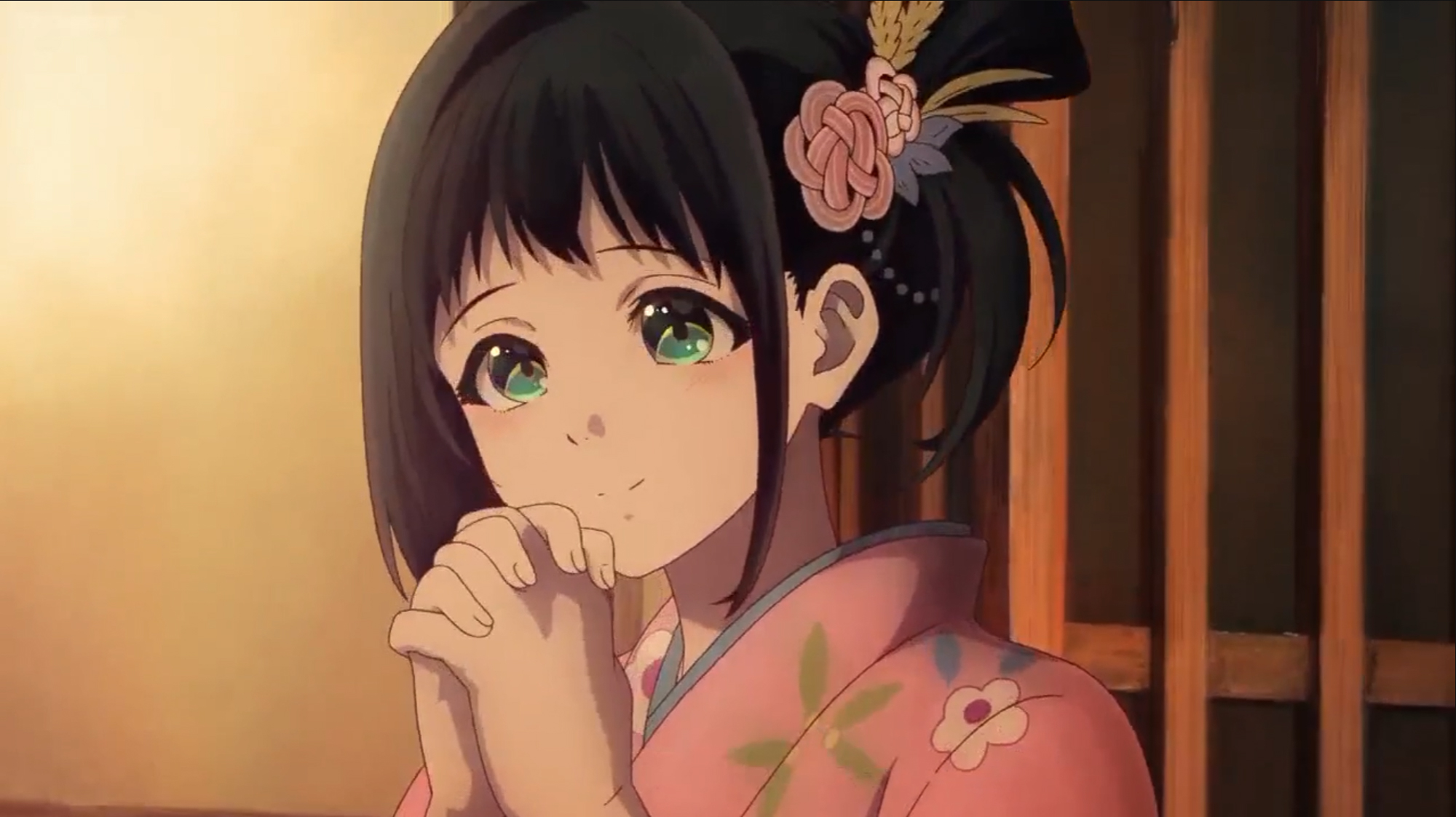
Taisho Otome Fairy Tale/Taisho Otome Otogibanashi (大正処女御伽話)

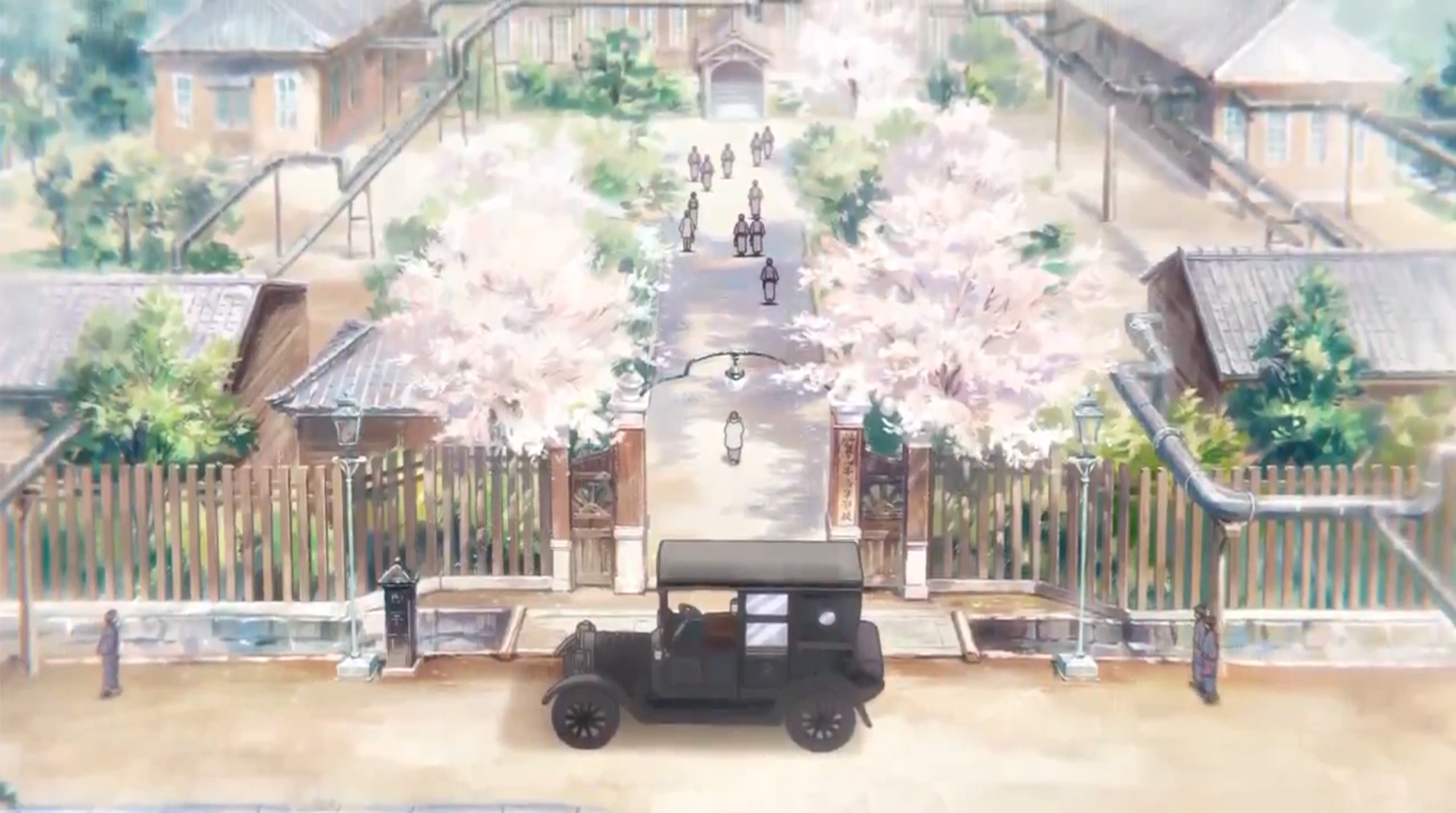
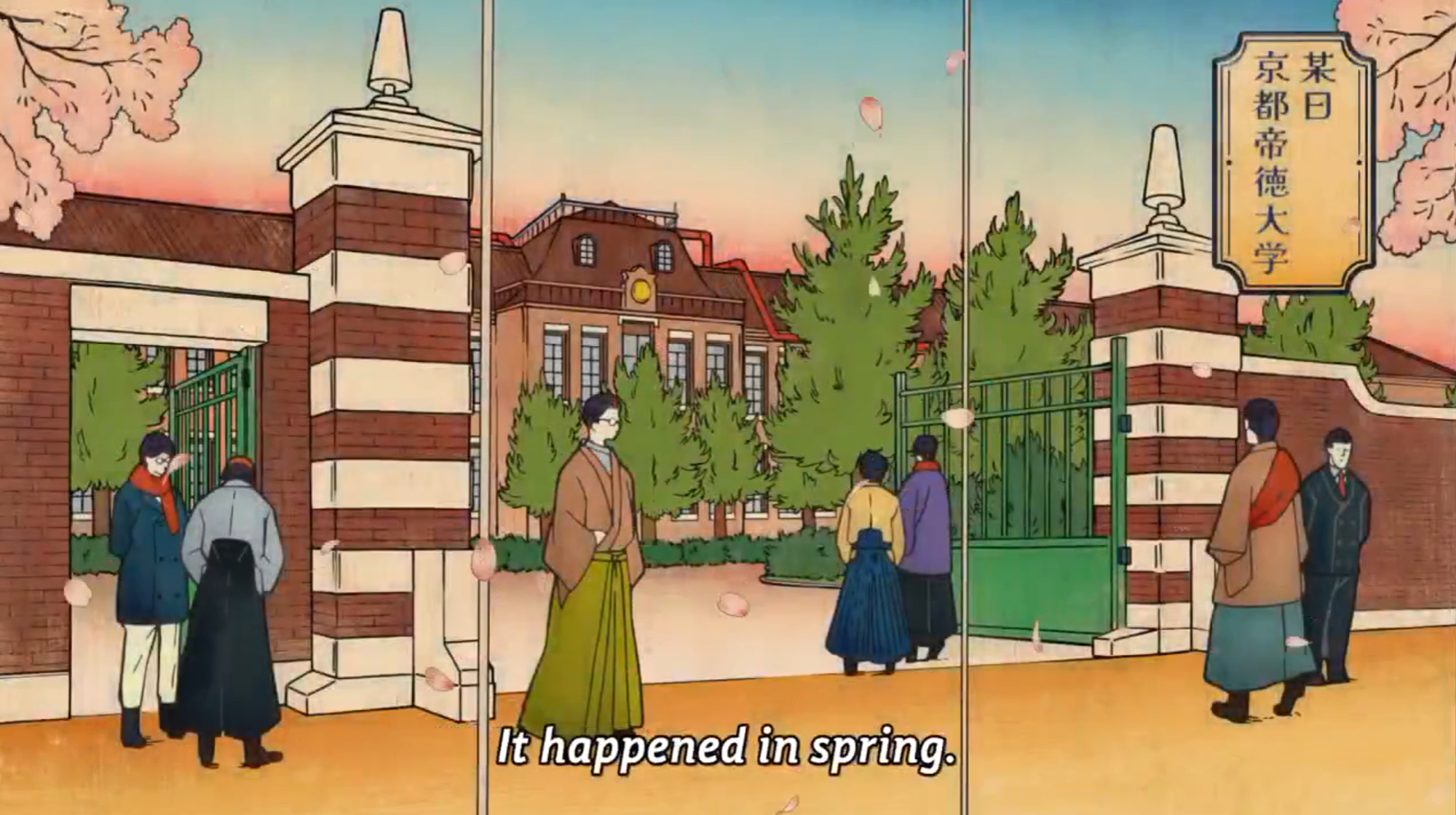
 Taisho Otome Otogibanashi (大正処女御伽話, Taisho Otome Fairy Tale) is a twelve-episode anime that was released in the autumn of 2021 and I’ve been meaning to write about ever since. If you’re a regular reader of my blog you likely know that the Taisho era is probably my favourite era for kimono style. This anime doesn’t disappoint, as nearly every character wears kimono the entire time, and we get to see a variety of Taisho-Roman influenced styles as well as more traditional styles.

The story starts out with an admittedly awkward-sounding premise; Shima Tamahiko is a seventeen year-old boy who has been disowned by his rich father after being in an accident that leaves his right hand paralysed and leaves him “useless.” After he falls into despair, his father sends the bubbly and optimistic fourteen year old Tachibana Yuzuki to live with him, after purchasing her from her impoverished family.

The idea of a rich father essentially buying a child bride/maidservant for his cranky teenage son could have been incredibly uncomfortable and inappropriate, but they handled it very deftly (if somewhat unrealistically). There’s no creepy or ecchi content, the romance is very slow, awkward, and feels genuine to teenagers forced to grow up early for varying reasons and then falling in love with each other.

There’s a cast of female characters, all in various absolutely lovely kimono, that might lead you to worry that this is a harem-style anime, but aside from a bit of playful subversion with one character there’s no evidence of that anywhere. Once these two realise their feelings, they are utterly devoted to each other. There is one big obstacle in the way of their relationship but it’s a historically valid and heart-wrenching one (that link is a spoiler, so don’t click if you don’t want to know), not some silly forced love triangle, which was incredibly refreshing.

The series ends on a very happy and optimistic note without being overly bogged down or trying to rush things. I really appreciated that. There’s currently no plan for any more seasons of the anime, but there is a manga by the same creator that takes place in the Showa era, and I still hold out hope that it will be adapted one day!

Taisho Otome Fairy Tale on IMdb
Taisho Otome Fairy Tale on Crunchyroll
Taisho Otome Fairy Tale on Wikipedia


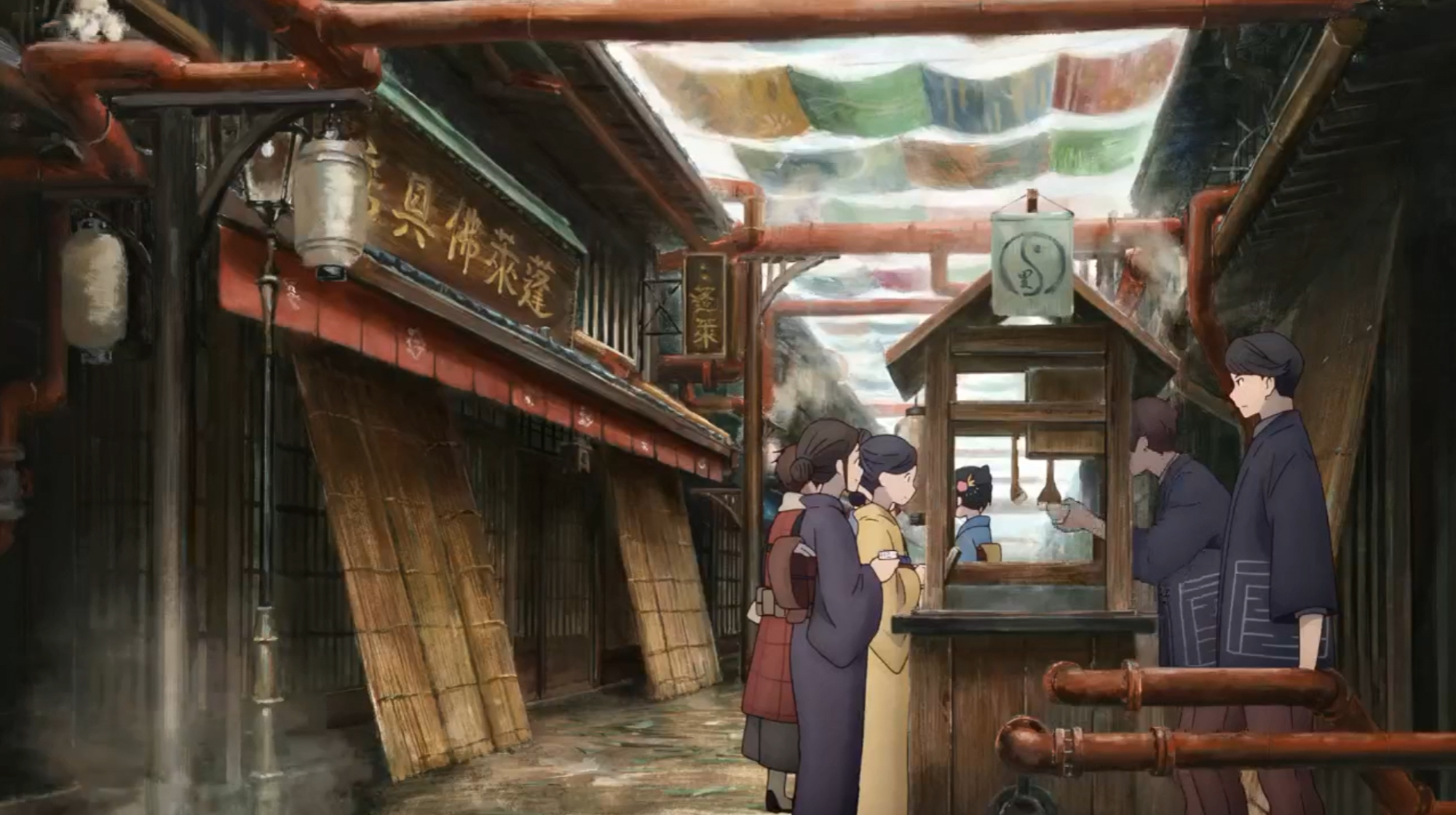
Prima Doll (プリマドール)

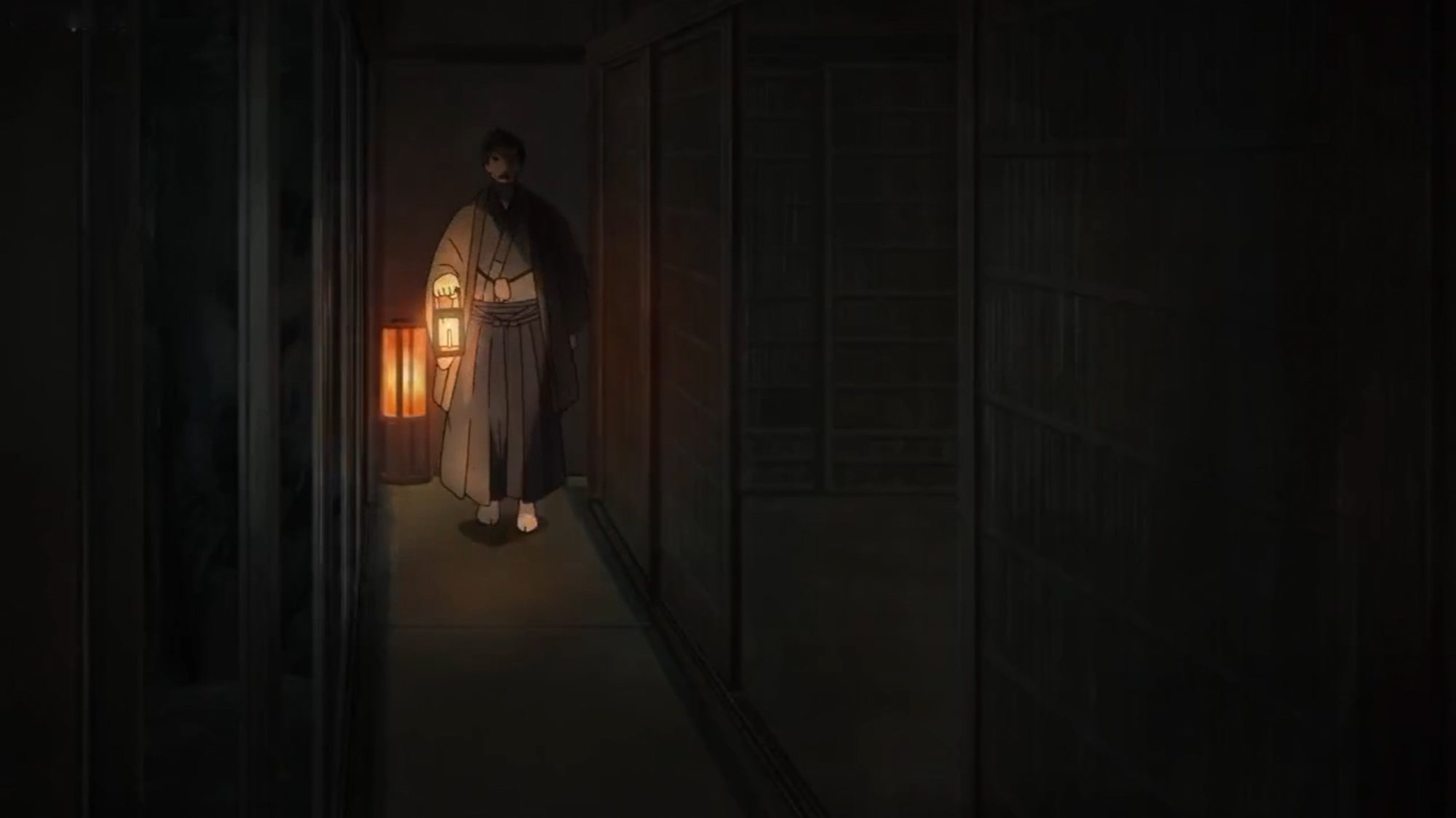
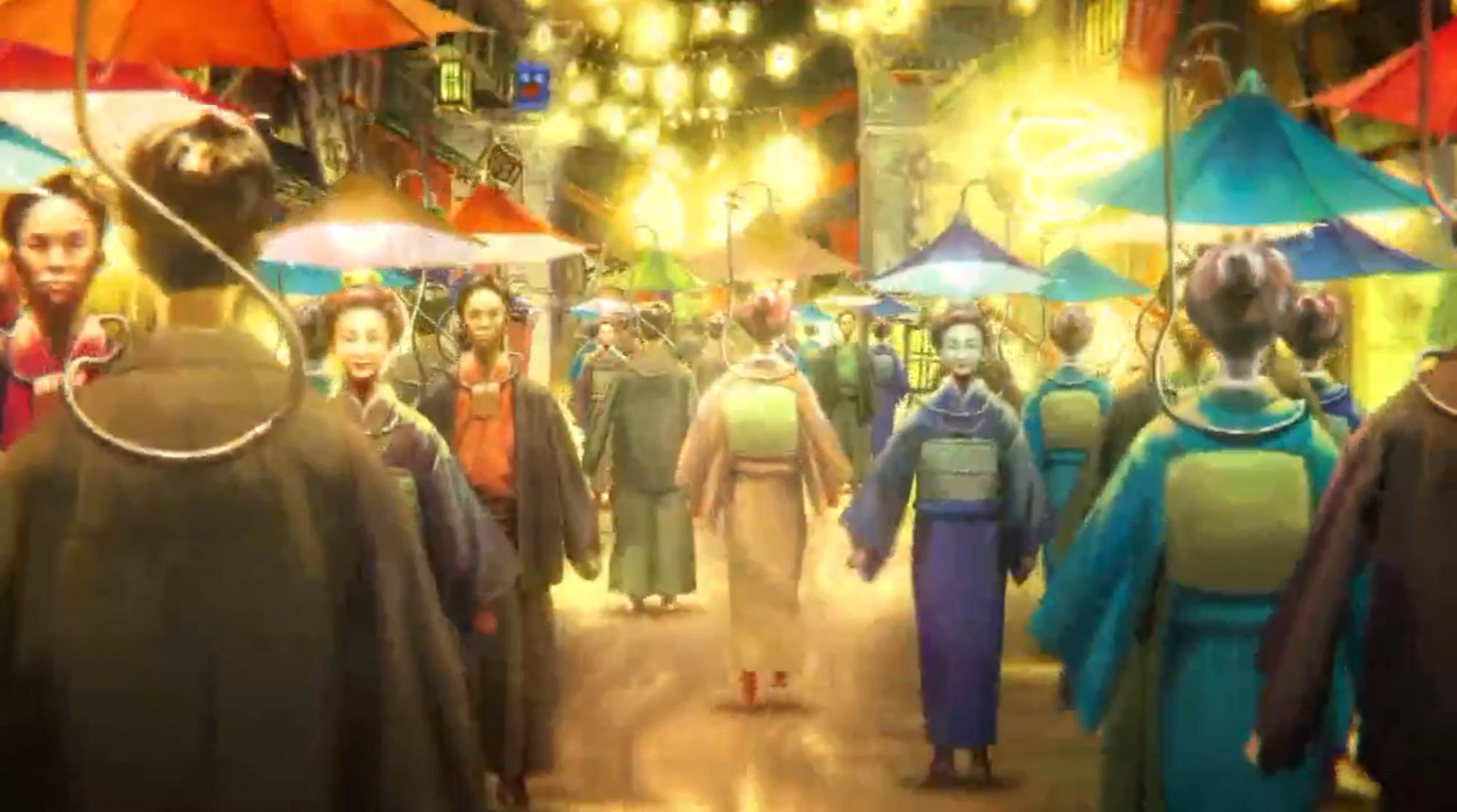
Prima Doll asks the bold question “what if adorable singing cafe employees were also former military automata with post-traumatic stress disorders?”, and somehow manages to mostly answer it in twelve tight little episodes. It starts out as an adorable little slice-of-life/”cute girls doing cute things” show and morphs into an action-packed, emotional gut punch, so don’t be fooled by the initial tone. The show does deal with PTSD and briefly hints at suicidal ideation despite the cuteness so please do keep that in mind if it may be triggering to you.

Prima Doll is actually a couple of years old and I stumbled across it while looking up recipes, since Haizakura (the main character) shares a name with a brand of soy sauce… but of course, upon seeing them I immediately fell in love with the outfits. Nearly all the automata wear outfits in some form of wa-lolita, steampunk, or otherwise kimono-influenced outfit. Sure, they’re far from traditional, but the show isn’t exactly steeped in realism and I desperately want to cosplay Karasuba at some point in my life. We even both have a bum knee!

Despite my warnings above, the show is generally heartwarming and adorable, even if it does deal with some very intense subject matter. I would not necessarily recommend it for “comfort” watching, but it does end on a mostly optimistic note and is definitely charming enough to make it a net positive in the emotions department.

Unfortunately, this is no longer streaming on any big North American sites so it may be harder to find but if you are able to come across it, it’s worth a watch 🙂

Prima Doll on IMdb
Prima Doll on Wikipedia


I’d also like to give an honourable mention to Sono wa Bisque Doll/My Dress-Up Darling. It’s about Marin, a modern, gyaru cosplayer and Gojo, the shy, awkward, very traditional boy who learns to sew her costumes for her. He grows up making hina dolls at his family shop and wears samue pretty exclusively in his spare time, so there’s a bunch of lovely shots of those. Marin wears kimono or yukata a couple of times for her cosplays (and of course the requisite romantic/slice-of-life matsuri staple episode). It’s not a full review though, since a) there’s not a ton of kimono content and b) it’s not explicit but there’s definitely some mature/ecchi content that’s not appropriate for anyone under 16. If you’re okay with that and want a charming, slow-burn, silly teenagers confused about their feelings anime with lots of cosplay content, it’s definitely worth checking out!

My Dress-Up Darling on IMdb
My Dress-Up Darling on Crunchyroll
My Dress-Up Darling on Wikipedia


As always, thank you for reading and sticking around! And if you have any suggestions for anime or media that heavily feature kimono that you want me to check out, let me know in the comments!