Book Review – Kimono Now

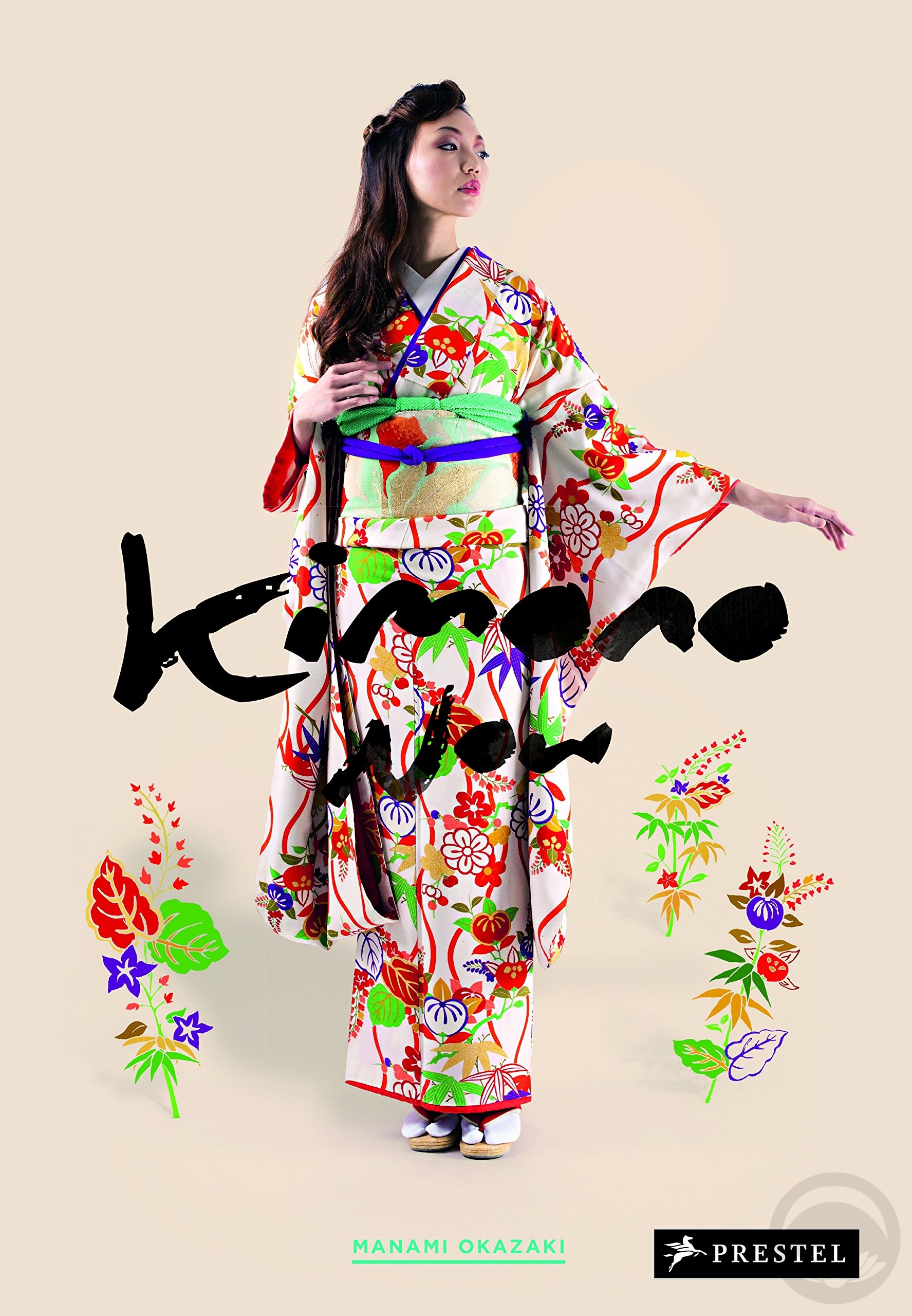
Kimono Now
by Manami Ozaki
Language: English
ISBN: 978-3791349497
Amazon.com Listing
GoodReads Page

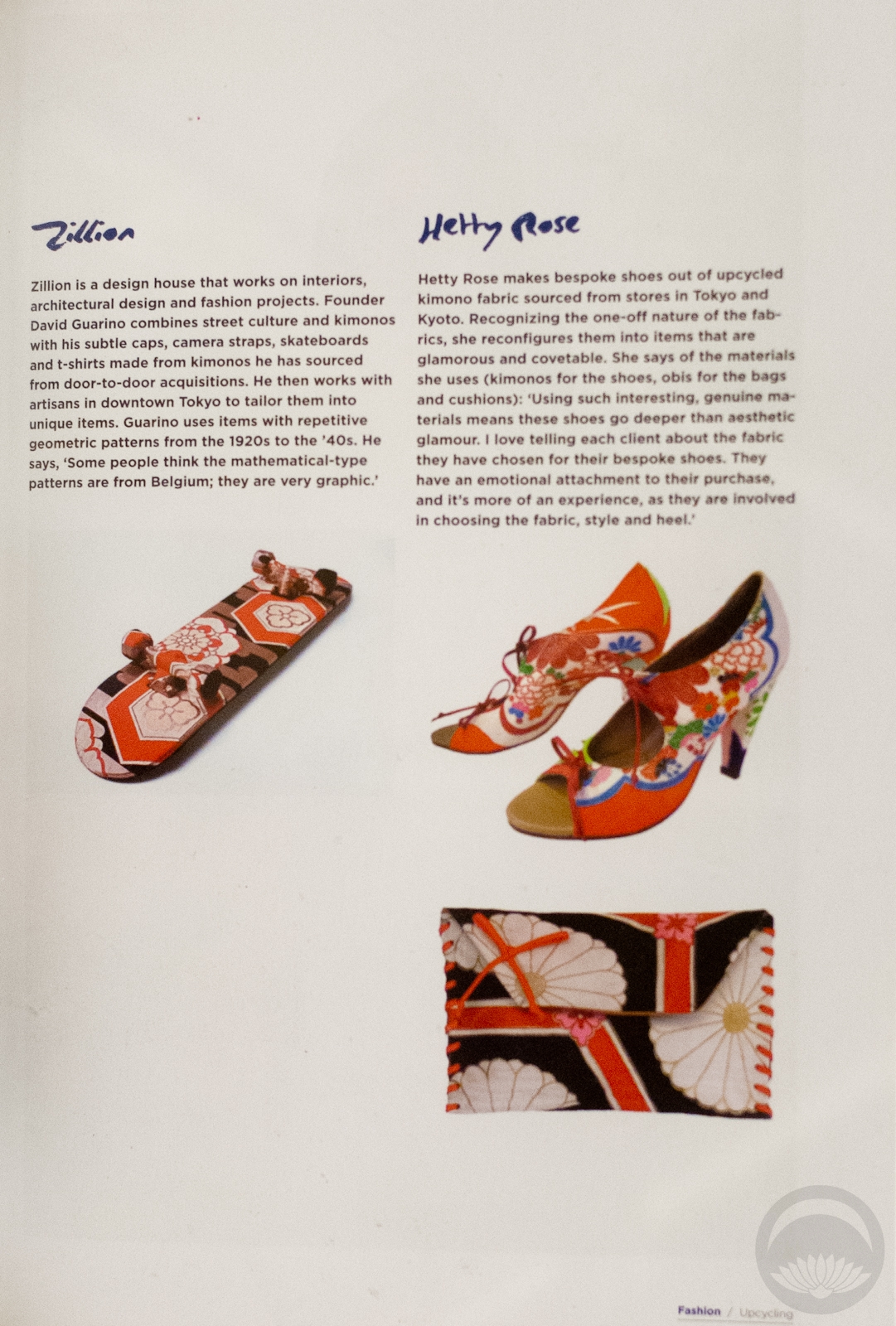
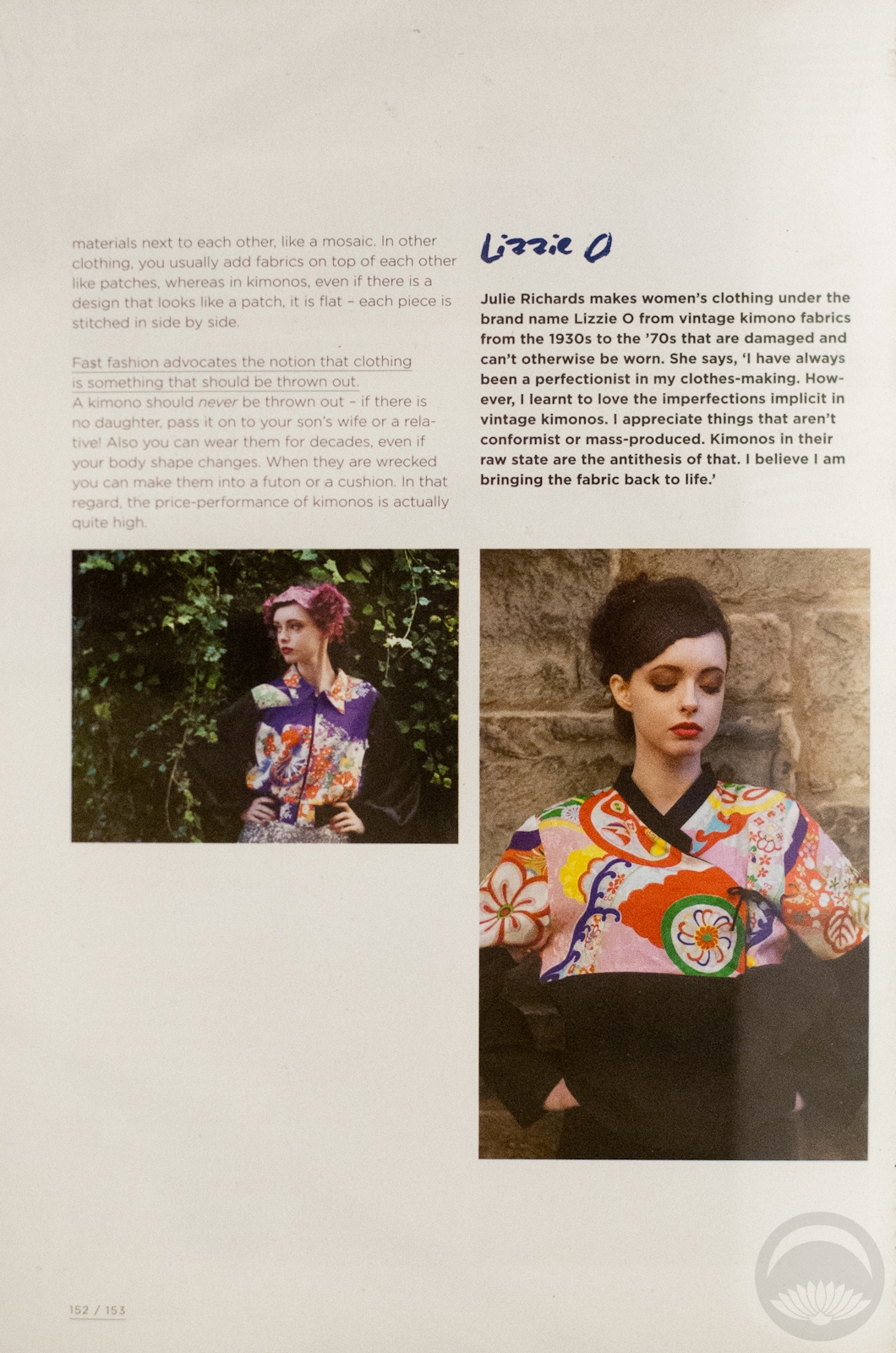
Kimono Now is an absolutely wonderful English-language resource about modern kimono culture. I’ve had it for quite a while but wanted to give my thoughts time to settle before writing this review. I absolutely loved it and wanted to make sure I wasn’t jumping the gun with my opinions.

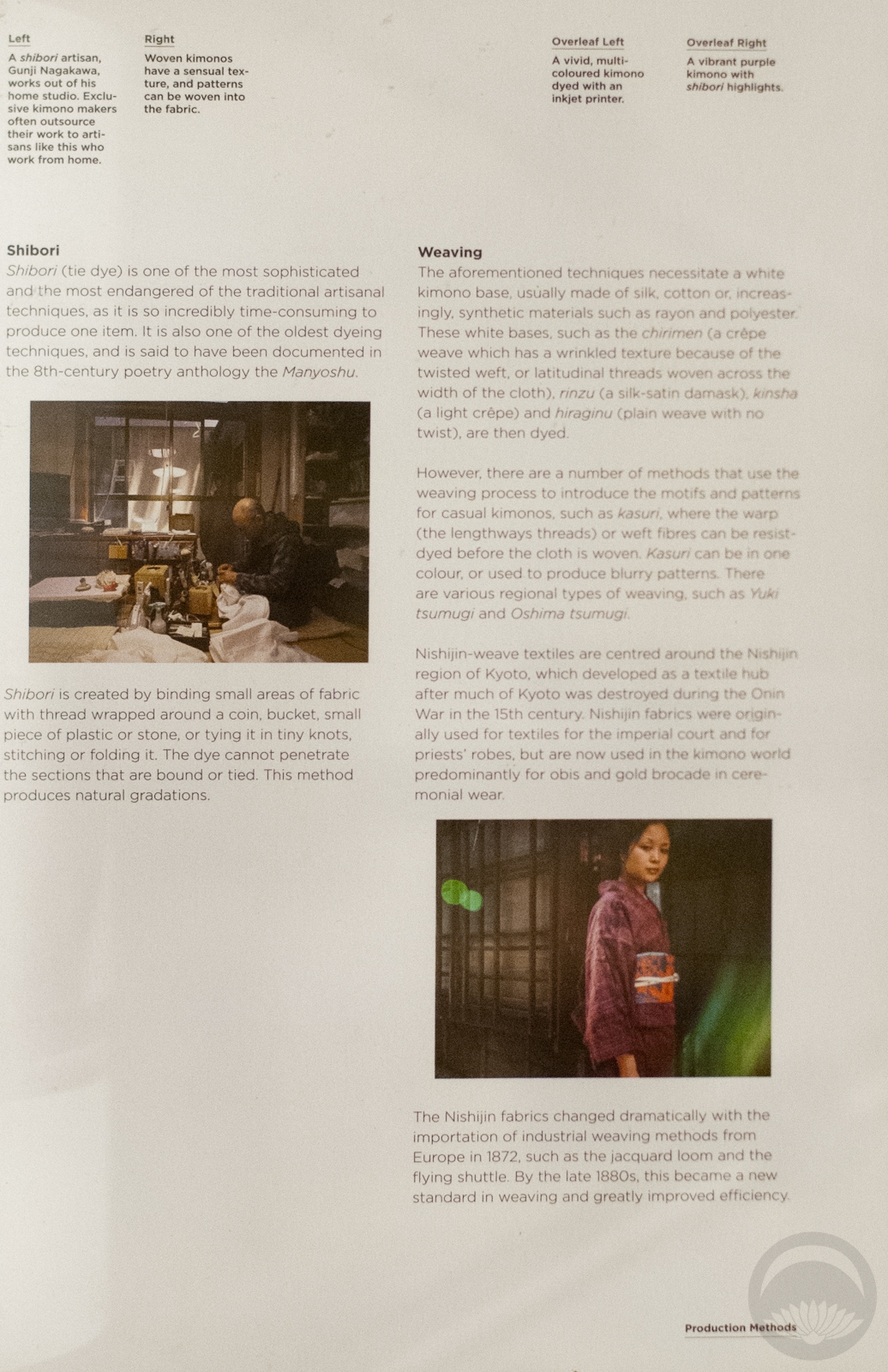
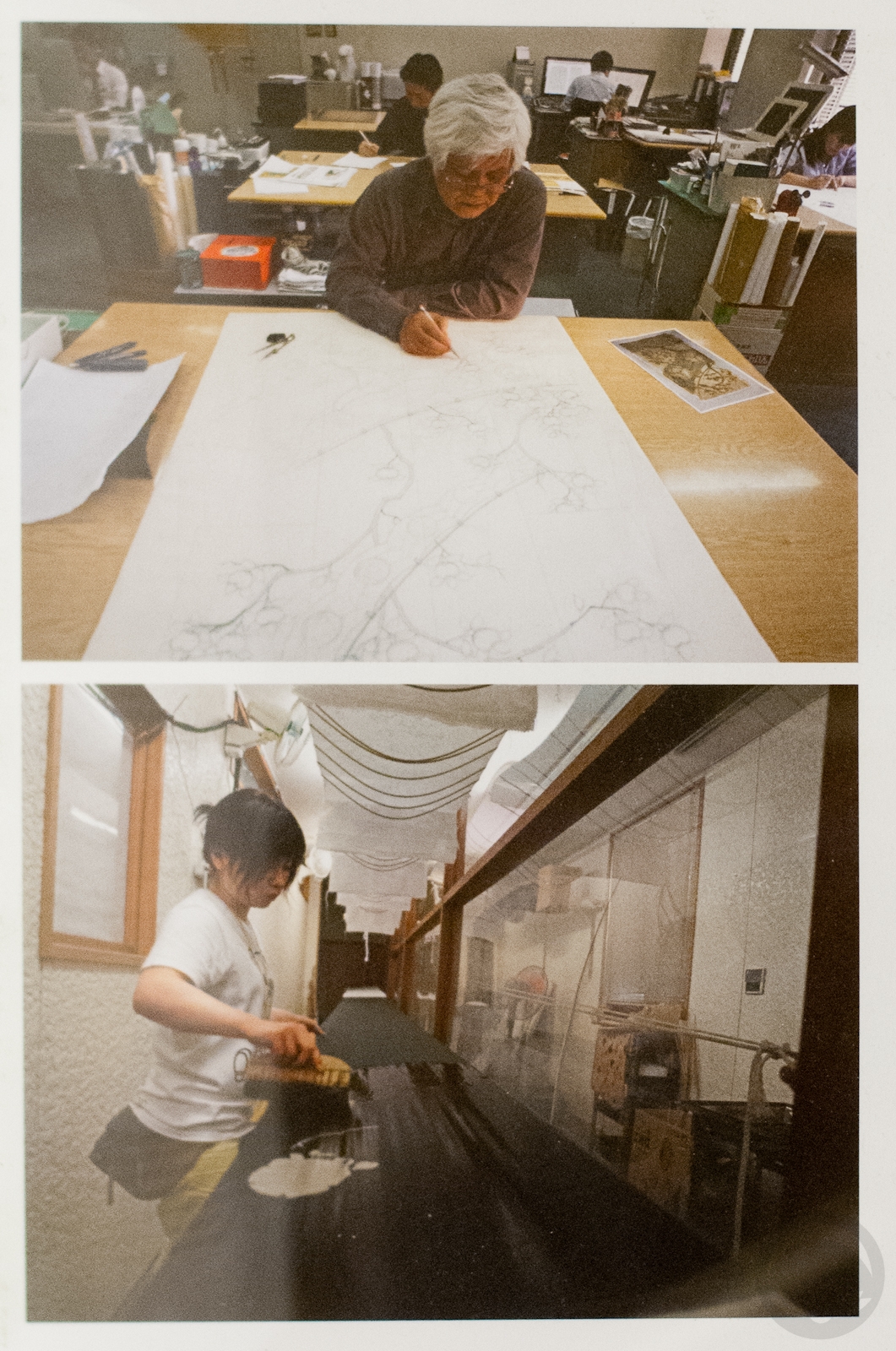
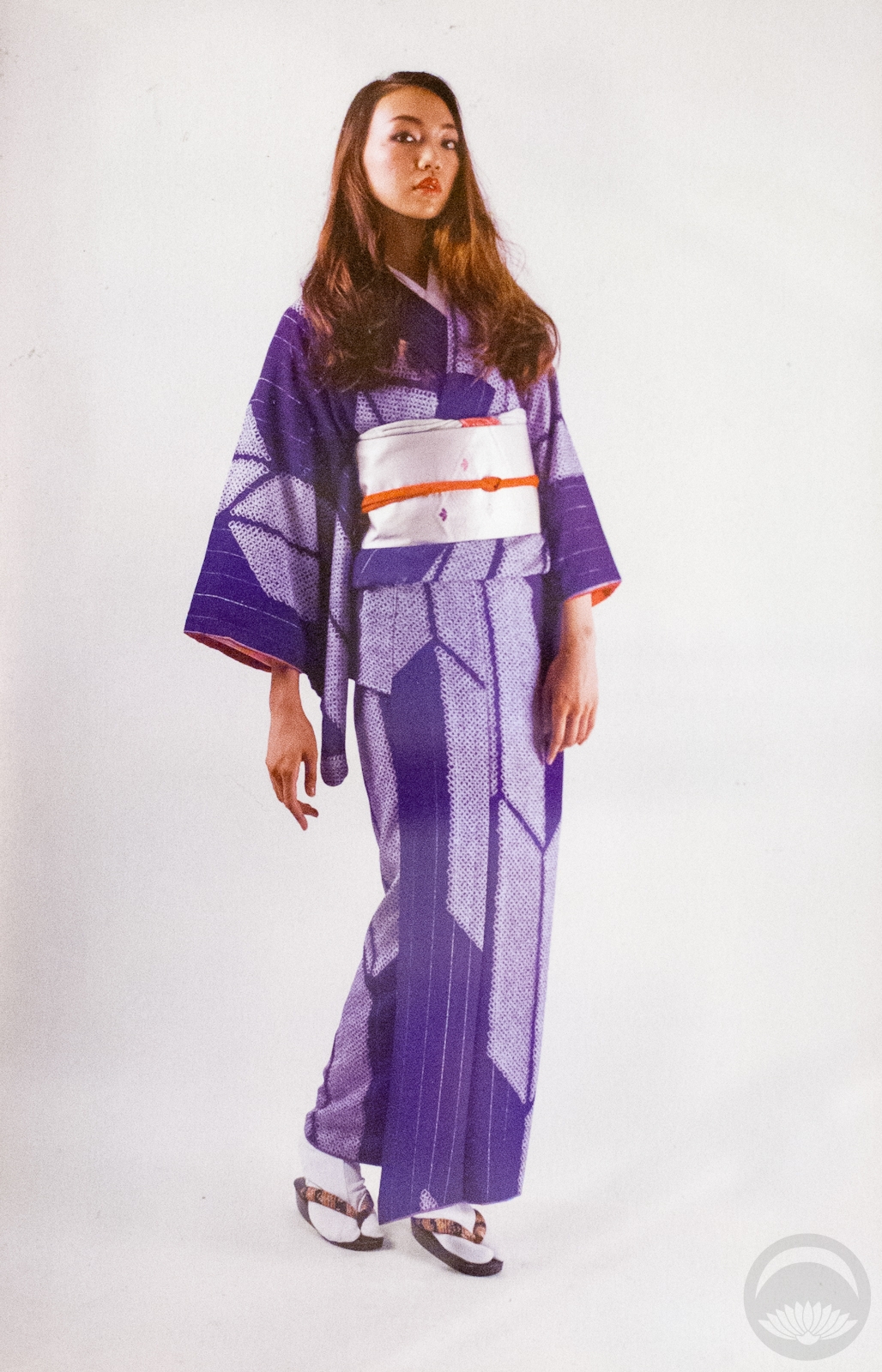
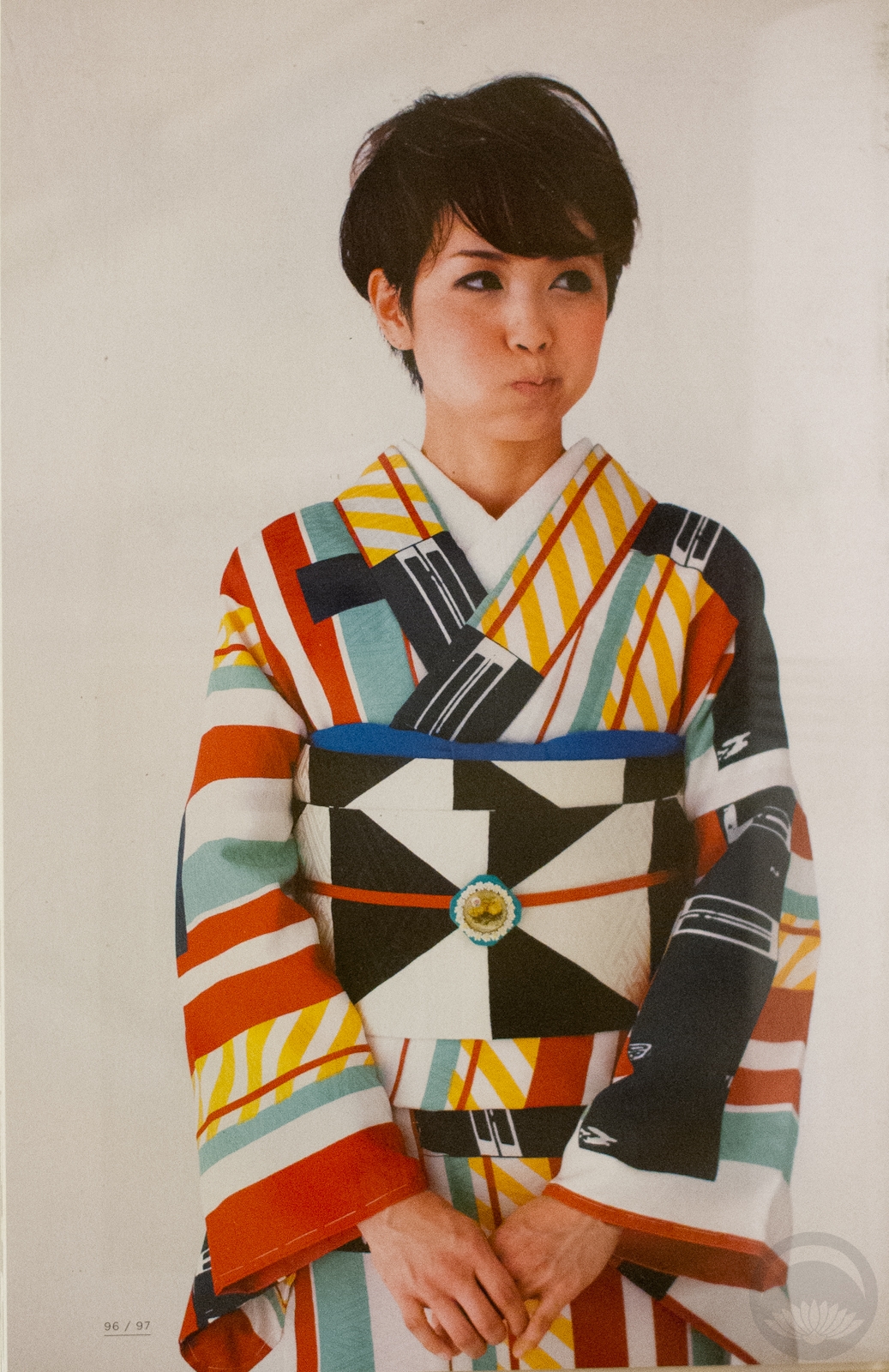
It’s a big, lush book that looks as good on a coffee table as it does in your bookshelf. It’s broken down into logical and easy to read segments, from the craftsmanship and artistry involved in kimono to interviews and featurettes on modern designers, famous kimono style icons, people remaking kimono into new fashion, and artists working in other mediums who have been inspired by kimono. While most of the people discussed and interviewed are Japanese, the book also takes into account the kimono’s influence on the rest of the world and has features involving non-Japanese artisans and collectors, which is very refreshing. It’s chock full of gorgeous colour plates and plenty of detailed information that never feels dry. It covers a little bit of everything without feeling like a textbook, which is no mean feat. It’s definitely not a how-to guide, but if you’re already familiar with how to wear kimono traditionally and just want ideas and inspiration, it’s a must-have. If I have any one criticism, it’s that someone along the line (possibly the editor or publisher) decided to go with the western standard of pluralising kimono into kimonos, which has always been a bit of a peeve of mine. It’s a very minor nitpick though.


I would recommend this book for:


-People interested in modern kimono culture
-People looking to learn more about kimono designers, models, etc
-Anyone searching for inspiration and ideas to develop their personal style

I would not recommend this book for:


-Beginners looking for how-to-dress guides
-People interested only in traditional kitsuke


This post contains affiliate link(s). If you choose to purchase, I receive a small rebate or commission which goes to the continued maintenance of this site.
Book Review – Dream Spectres: Extreme Ukiyo-e: Sex, Blood & The Supernatural

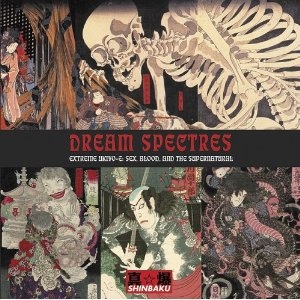
Dream Spectres: Extreme Ukiyo-e: Sex, Blood & The Supernatural
by Jack Hunter
Language: English
ISBN: 978-1840683011
Amazon.com Listing
Publisher’s Listing
Goodreads Page

This is a strange and fascinating little book. It’s an extensive collection of the “dark” side of traditional Japanese woodblock printing, running the gamut from pornography to police blotters to illustrations of traditional ghost stories.

The way it’s written is relatively sensationalist, but when you take the subject matter into account, there’s really no better way to present it. It wouldn’t be half as fun or interesting if it were written in a more dry, academic manner. Unfortunately, this also means the write-ups of the individual prints are not terribly in-depth, and I did occasionally find myself wanting more information than the book was able to give me. However, it’s a great introduction and included sections on certain types of prints I’d never heard of before, such as the shinbun nishiki-e, or brocade news prints, that were put up to illustrate particularly horrific or difficult police cases, allowing the general (and often illiterate) public to participate in current events.

Due to the nature of this book, all the example scans are distinctly NOT safe for work environments, or for people under the age of eighteen. If you are curious and would like to see examples from the content of this book, please follow the cut below. If you are underage, in a public area, or are easily upset by explicit or gory content, please DO NOT CLICK. I will not be held responsible for any consequences to be had from viewing the images below.

Continue reading

Book Review – Wearing Propaganda

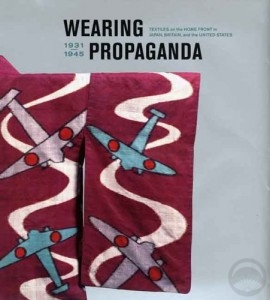
Wearing Propaganda
by Jaqueline Atkins for Yale University Press
Language: English
ISBN: 9780300109252
Amazon.com Listing
Yale University Press Listing

This review has been a long time in coming, but the book is so incredibly fascinating that I wanted to ensure I did it justice. I ordered this on eBay quite some time ago, but the international shipping turned out to be so incredibly expensive I had to have it sent to a friend I was visiting in the United States. It was a bit of a hassle getting it, but it was definitely worth it from a research and historical standpoint. The book is absolutely fascinating.

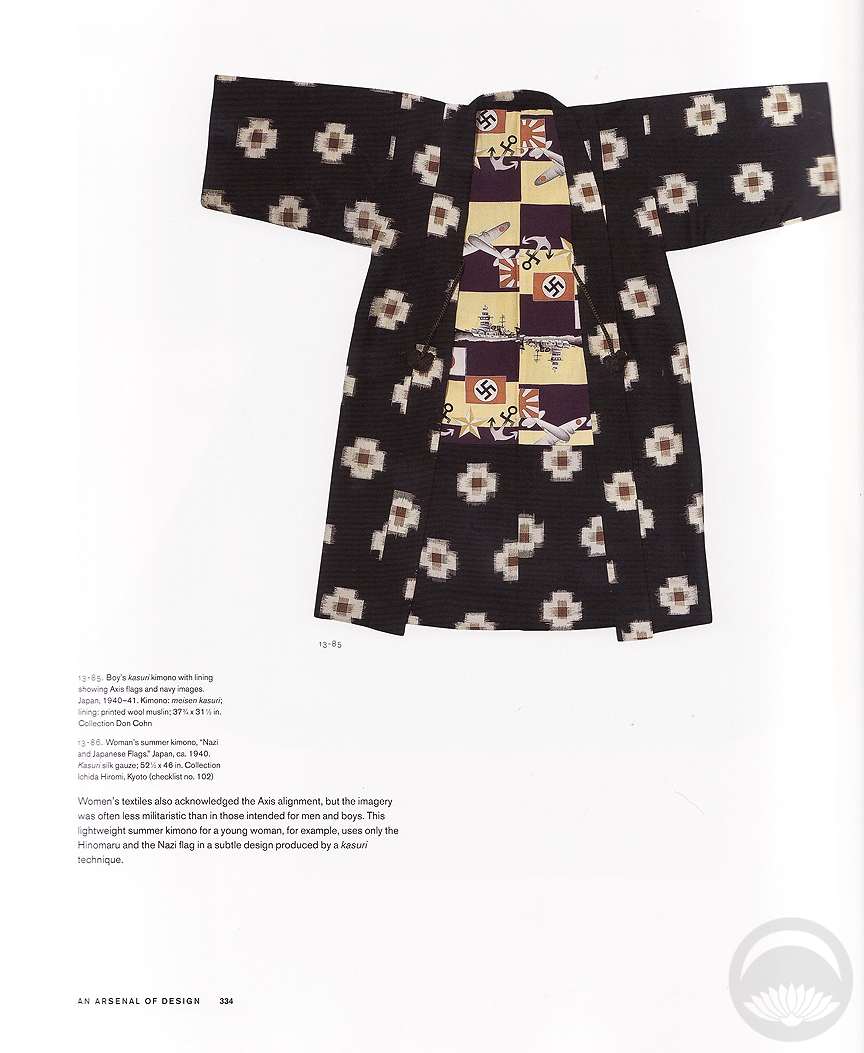
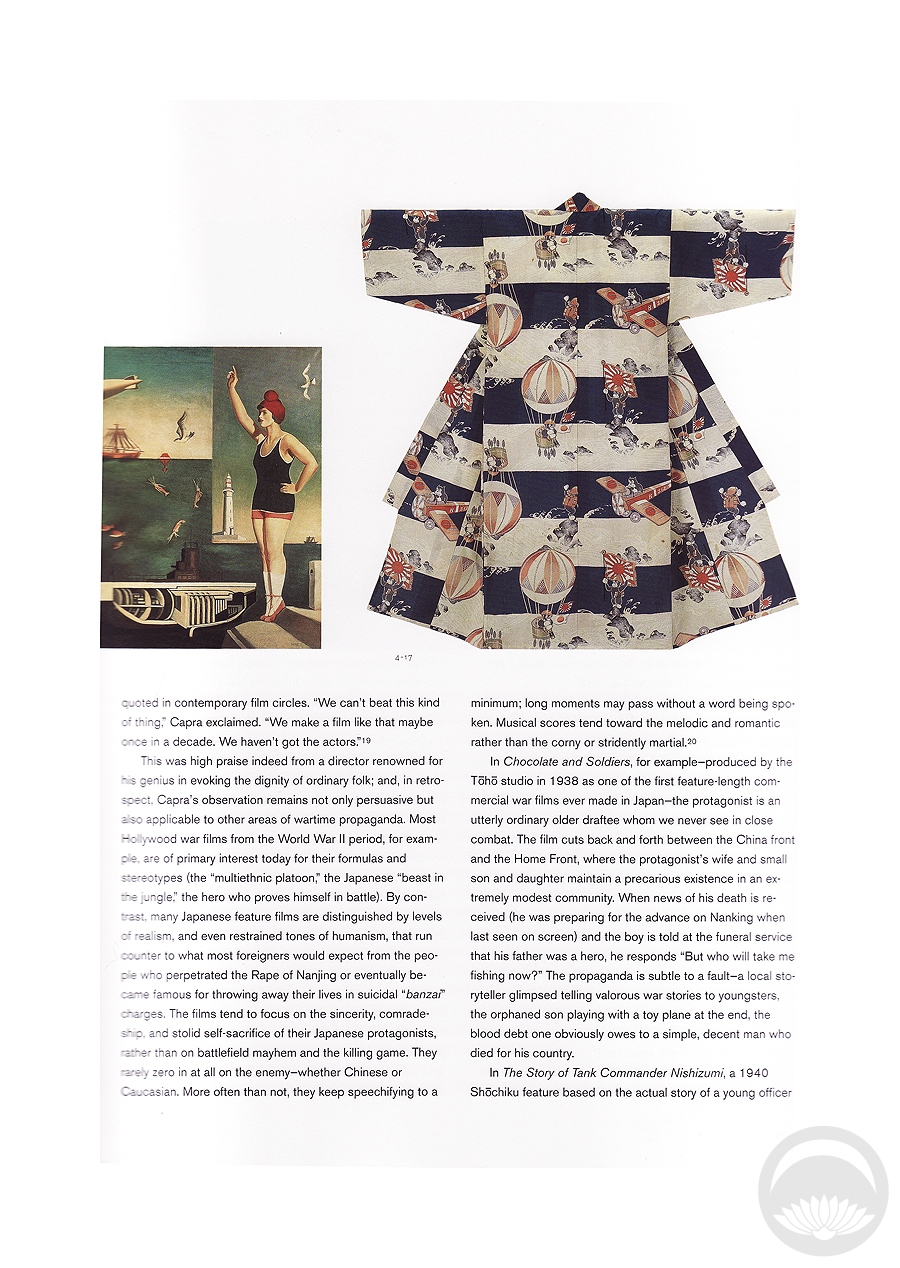
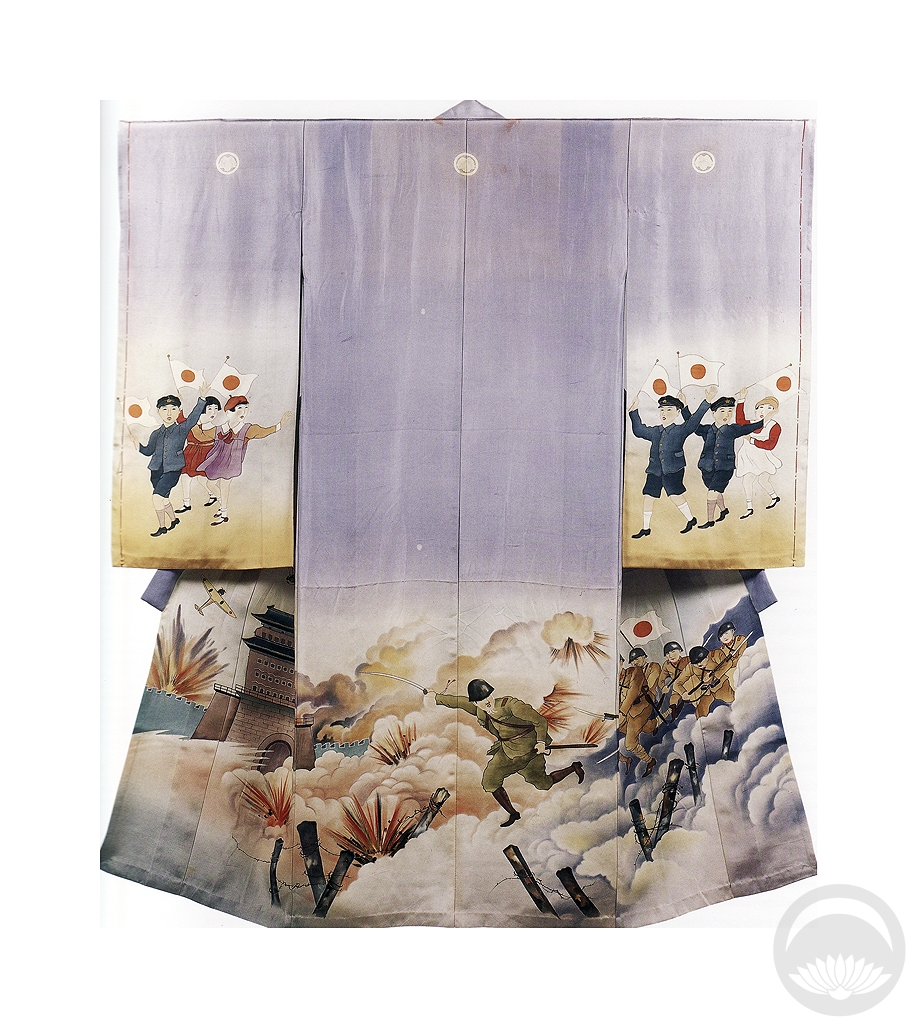
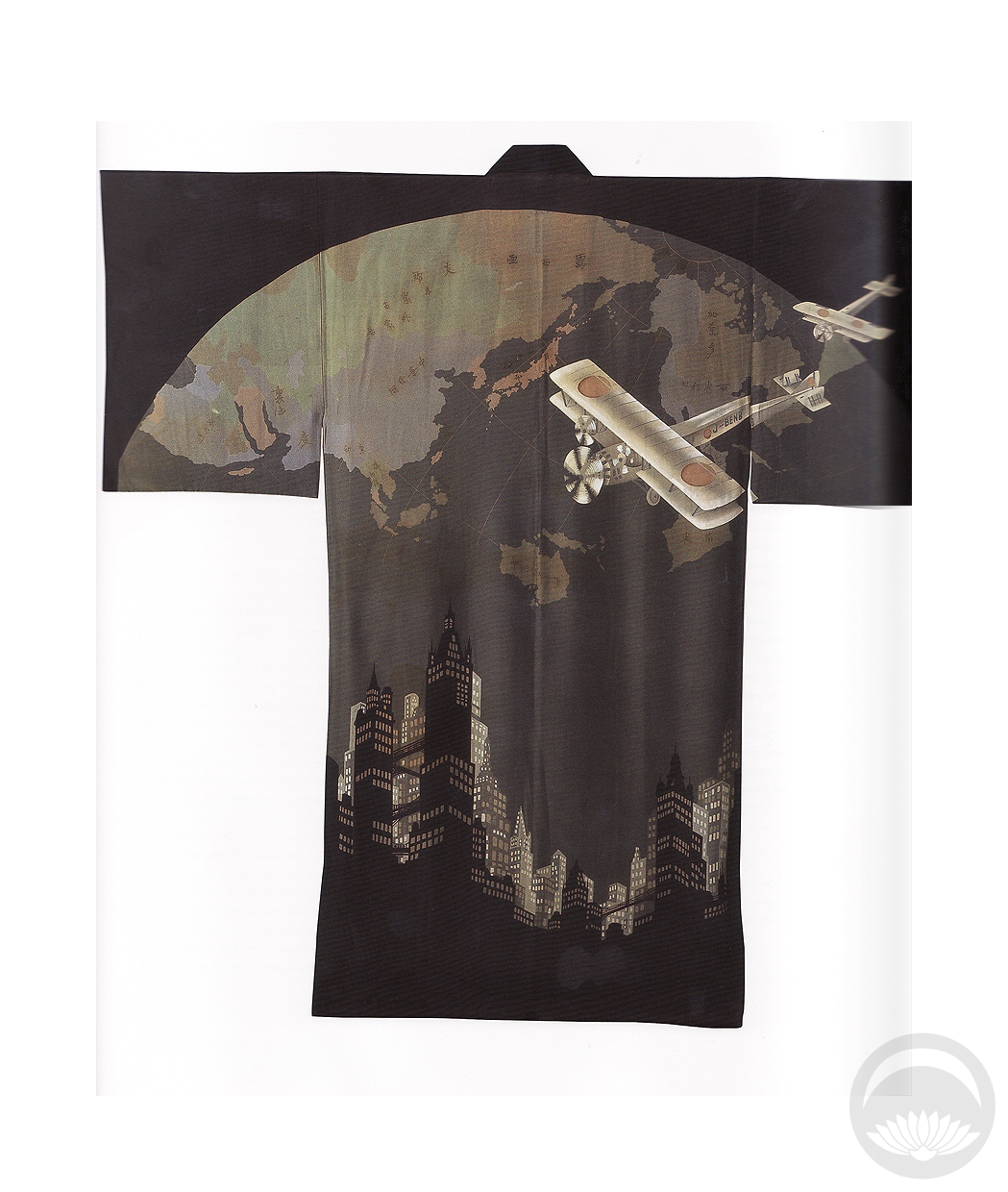
I should make it clear that, despite the cover, this is not specifically a “kimono” book. It is an anthropological study and catalogue of propaganda clothing during World War II. The bulk of the book is split between the USA, the UK, and Japan, but the clothing from Japan is by far the most striking. I say that not only because I am a collector, but because it’s the only country where the propaganda items are regularly integrated or hidden in “everyday” clothing, instead of on flags, bandanas, etc. I find it incredibly fascinating to see how they incorporated such striking and symbolism-laden motifs into the traditional Japanese aesthetic.

While there are some beautiful photographs, this is primarily an academic catalogue, so don’t expect models wearing fabulous outfits or tips on coordination. However, if you have an interest in the evolution of kimono and how world affairs can impact fashion and culture in unexpected and dramatic ways.

It is also important to keep in mind that since Japan was on the “wrong” side of the war in the minds of most of the world, there are some pretty striking images in here. The book pulls no punches when it comes to startling imagery such as bombs and bomber planes, Swastikas (not to be confused with traditional manji motif), etc. You need to approach these with an open and academic mind, and remember that some of the garments in this book come from a time that is a scar on the Japanese psyche as well.

I would recommend this book for:


-People with an interest in historical clothing in general.
-People studying propaganda and war history.
-People looking for original and unique items.

I would not recommend this book for:


-People looking for coordination ideas.
-People looking for how-to and kimono dressing books.
-People interested in ancient kimono history – this covers only the time around WWII.

This post contains affiliate link(s). If you choose to purchase, I receive a small rebate or commission which goes to the continued maintenance of this site.

Book Review – Kimono, Color Books Edition

Kimono (Color Books Edition)
by Motoko Ito and Aiko Inoue
Language: English
ISBN-10: 4586540370
Amazon.com Listing

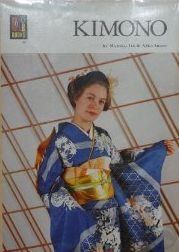
This is the first kimono-related book I ever purchased, way back when. I found it on eBay and thought it would be a worthwhile investment. It’s the book that taught me what items I’d need, and how to tie otaiko musubi. It was probably the best kimono book investment I ever made, despite the fact that it’s only about 4 by 6 inches and 124 pages long. A while back I realized I couldn’t find my copy, so Naomi picked up a copy off Amazon and sent it to me, since the seller wouldn’t ship to the wild norths of Canadia. I’m so glad to have it back!

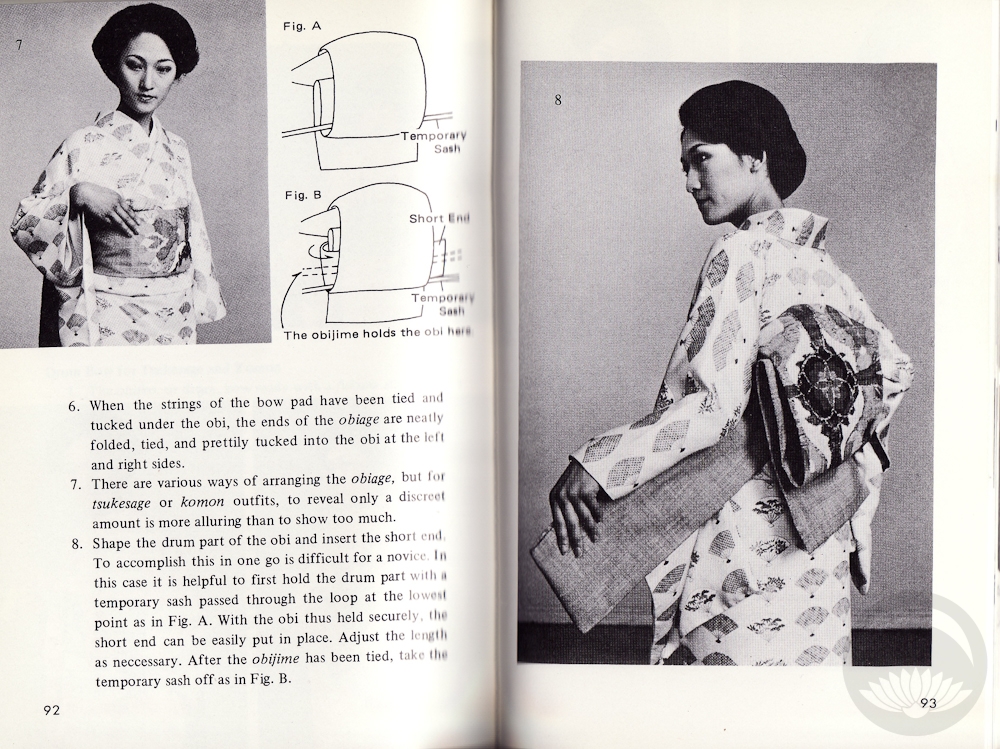
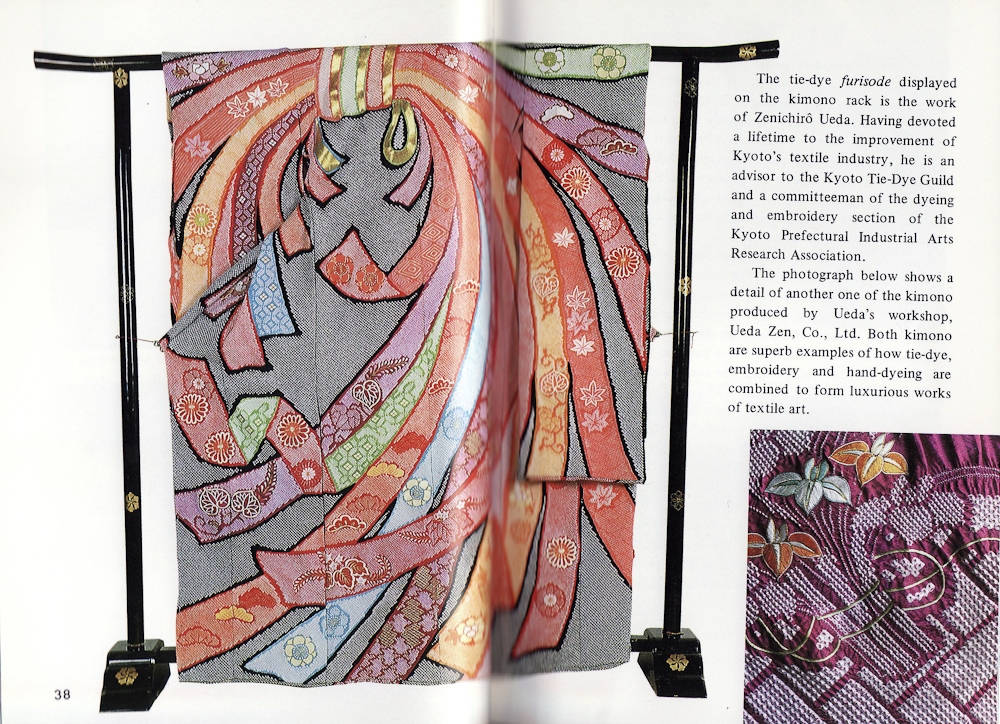
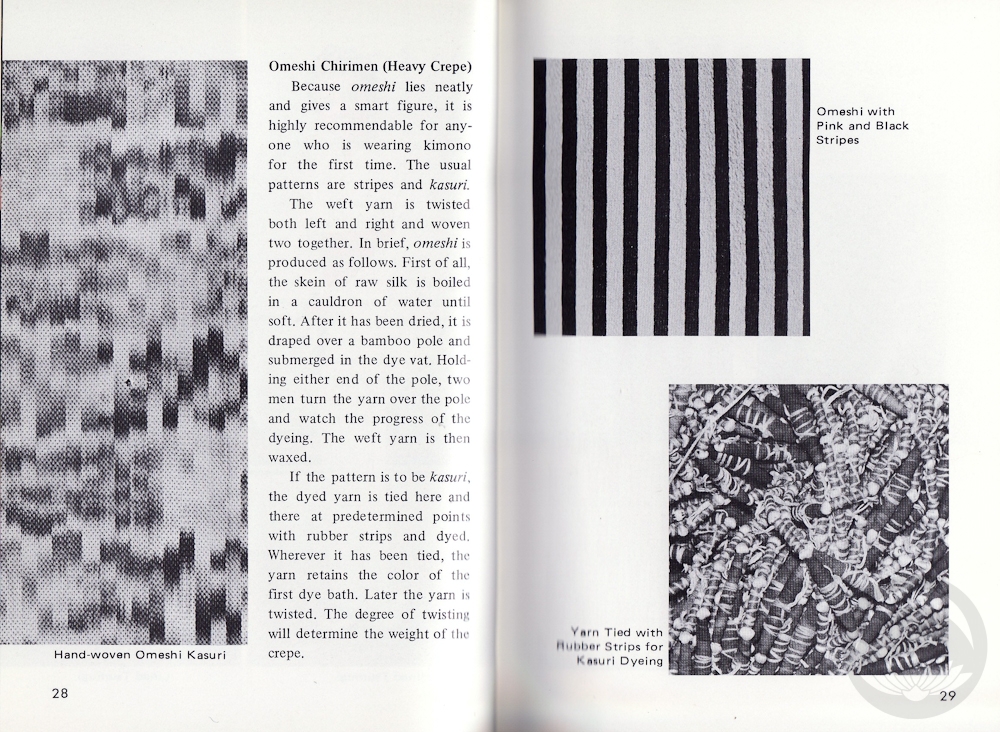
The book is a wonderful little resource. It’s separated into categories that explain types of kimono, types of obi, different weaving and dyeing methods, and dressing instructions. The information is concise and clear, without being patronizing. The obi-tying instructions are accompanied by great photographs that really help with the whole process.

Overall, the book is really a little gem. If you’re very familiar with kimono it certainly won’t give you any amazing heretofore unseen insights, but it’s a great little book to slip into a pocket or sleeve when you’re traveling or just need a quick reference. If you’re not familiar yet, it’s a wonderful introduction to the basics of kimono.

I would recommend this book for:


-People interested in learning the basics of kimono.
-People who want to learn about Japanese textiles and decoration methods.
-People looking for quick references for some simple obi musubi (bows).

I would not recommend this book for:


-People looking for coordination ideas.
-People looking for in-depth or advanced resource material.

This post contains affiliate link(s). If you choose to purchase, I receive a small rebate or commission which goes to the continued maintenance of this site.

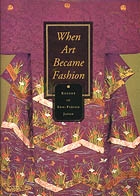
Book Review – When Art Became Fashion: Kosode in Edo-Period Japan

When Art Became Fashion: Kosode in Edo-Period Japan
by Dale Carolyn Gluckman & Sharon Sadako Takeda
Language: English
ISBN-10: 083480266X
Amazon.com listing
(nb: This volume may be found on eBay for significantly lower price)

I found this book while browsing the “ending soon” section on eBay. I’d never heard of it before, and wasn’t sure if it would be worth the $25 it was being sold for, so I looked it up quickly on Amazon. There was a glowing review by KimonoMomo, whose opinion I greatly respect when it comes to Japanese textiles, and the least expensive used copy available was priced at roughly $65. Based on those factors, I figured it would definitely be worth the investment. Unfortunately, I did not think to ask the seller – shopenjapan – about shipping costs from LA to Montreal, and had a bit of a case of sticker-shock when they sent me the invoice. They did everything in their power to get me the lowest price, were very patient while I tried to find an alternate shipping solution, and when the final shipping to me cost less than anticipated they refunded me the difference. In the end it was still less expensive than buying a used copy on Amazon, and the service was great. I’ll definitely buy from them again if they list similar books!

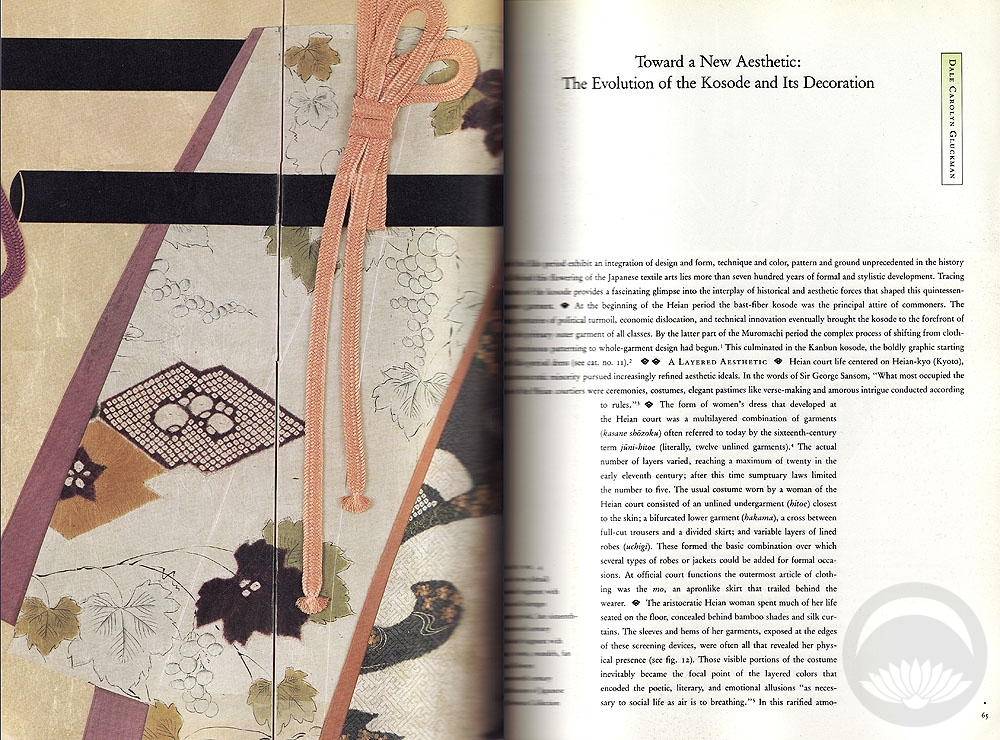
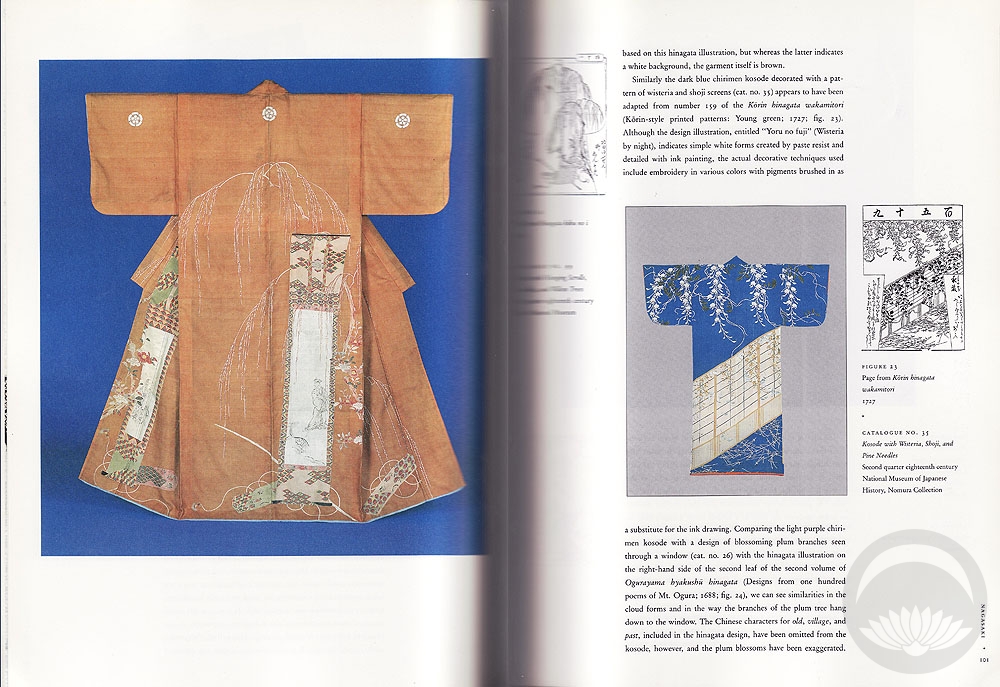
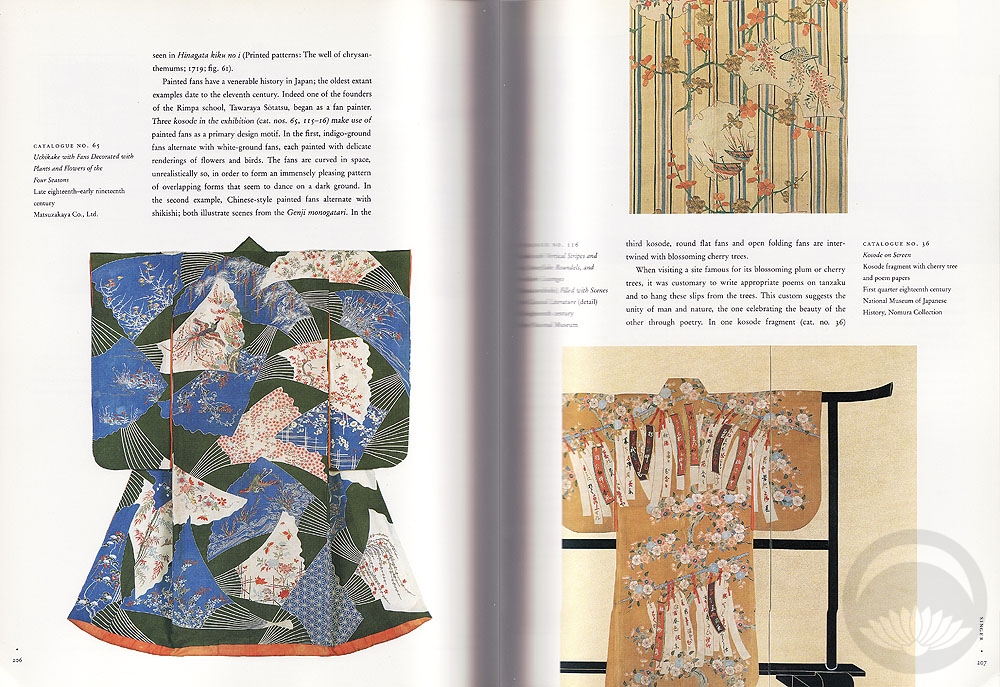
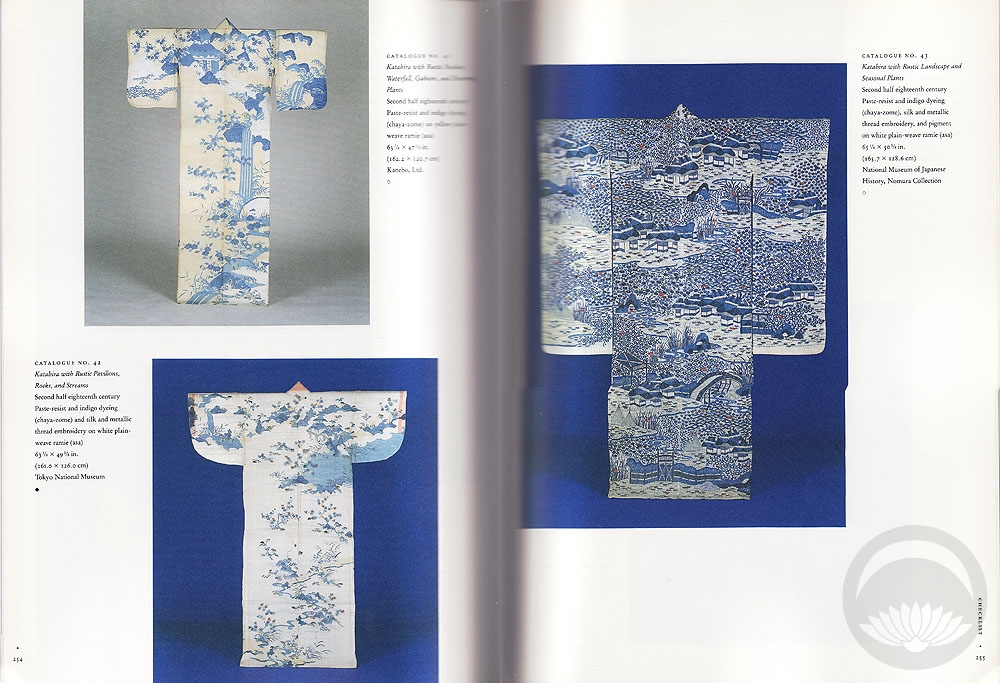
So, was it worth it? Absolutely! It is actually an illustrated museum catalogue for an exhibit of the same name, much like Kazari: Decoration and Display in Japan 15th-19th Centuries, which I reviewed earlier. It is divided into essays about many topics, from the evolution of the kosode to calligraphy as a motif to the cultural and social impact and relevance of red “beni” dye. Each essay is complemented by many lush full colour photographs and multiple page spreads, as well as smaller inserted black and white and detail shots. When I first got it, I spent several nights simply ogling the photos.

The essays themselves are written in a fairly dry academic style, but they are not difficult to read or alienating to people unfamiliar with the terminology. Any Japanese terms are italicized and explained in clear plain English the first time they make an appearance. There is a very useful glossary of terms in the background that is a huge asset to anyone interested in kimono either as wearable clothing or as historical costume, as well as many fascinating and well-organized charts and graphs documenting the flow of Japanese historical eras, common kosode pattern layouts, and garment dimensions. It is not something I’d suggest for light bedtime reading, but it makes an excellent addition to any kimono-specific or Japanese cultural reference library. Several of the kimono in the book are also in the Kyoto Shoin, Yuzen edition book, but I found this to be a good thing – it was very interesting to see that some of these garments are so historically famous and relevant that they appear in multiple texts.

The layout of the book is also very lovely, the text is clear and the images are crisp and beautiful, with vivid colours and plenty of detail shots. Captions are always large enough to be legible but small enough not to be obtrusive. There are also some very charming touches, such as the text on the first page of each section being in the shape of a kimono. This may not seem like such a big thing, but it really adds to the cohesive feel of the whole book, and as someone who studied document layout in college it really tickled me.

I would recommend this book for:


-People interested in the history of Japanese textiles.
-People studying historical fashion or evolution of fashion and trends.
-People interested in Edo-era Japan.
-People looking for beautiful photos of kimono.

I would not recommend this book for:


-People looking for how-to-wear guides.
-People looking for coordination ideas.

This post contains affiliate link(s). If you choose to purchase, I receive a small rebate or commission which goes to the continued maintenance of this site.