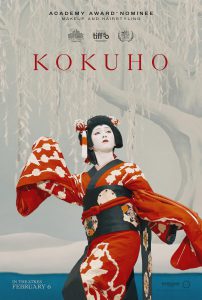
Movie Review – Kokuho

What would you give — or give up — for a chance at true greatness?

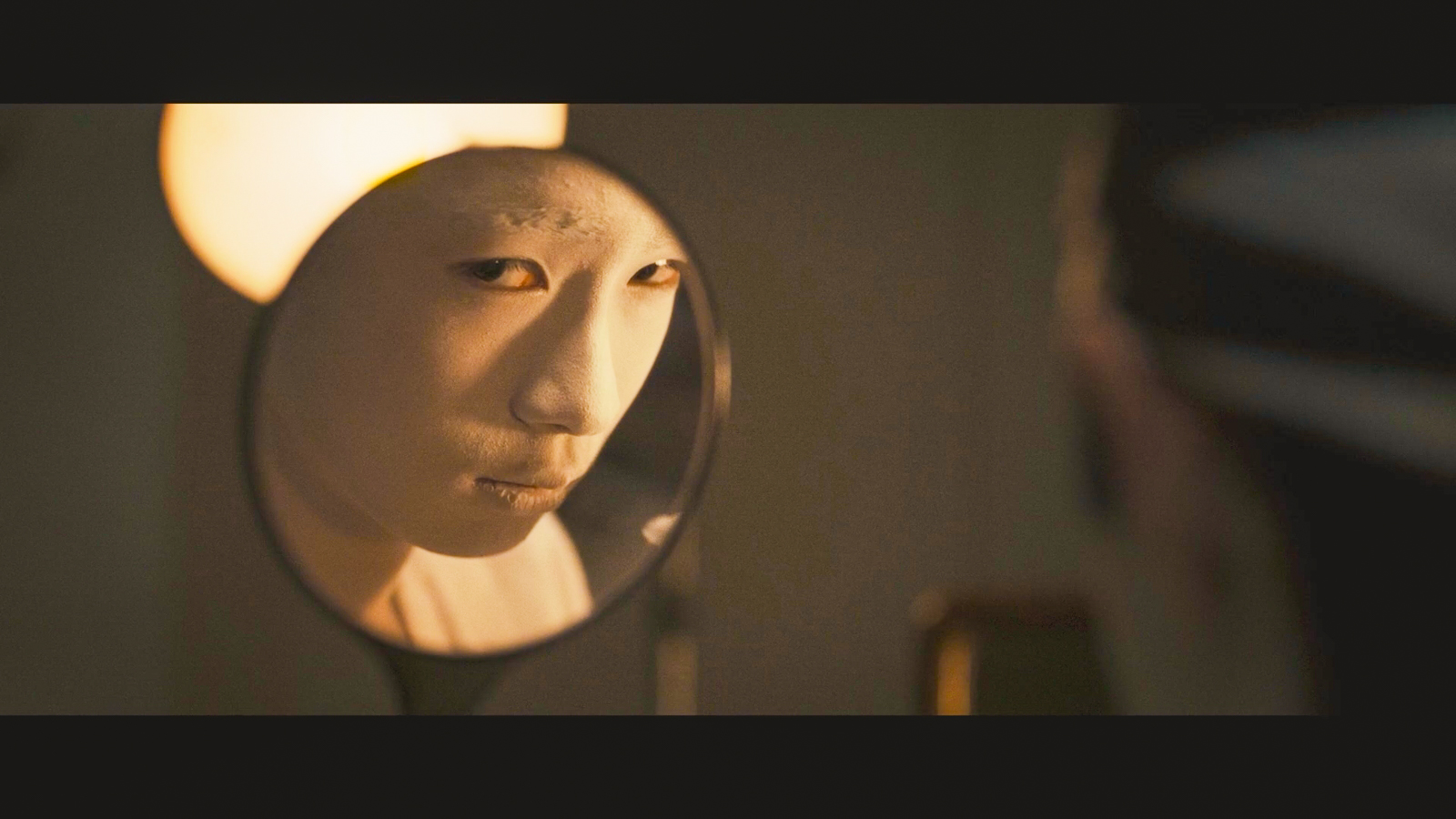
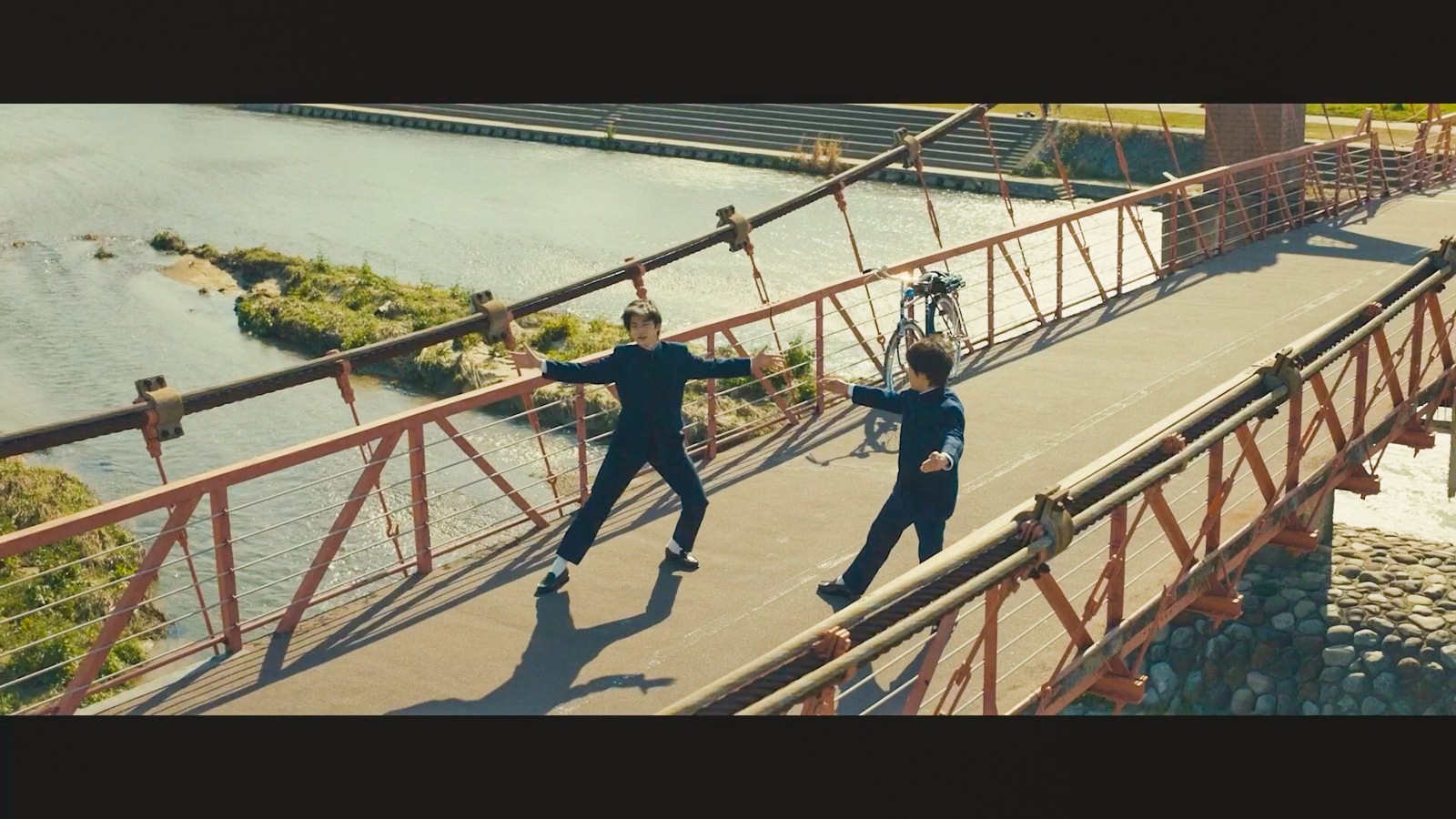
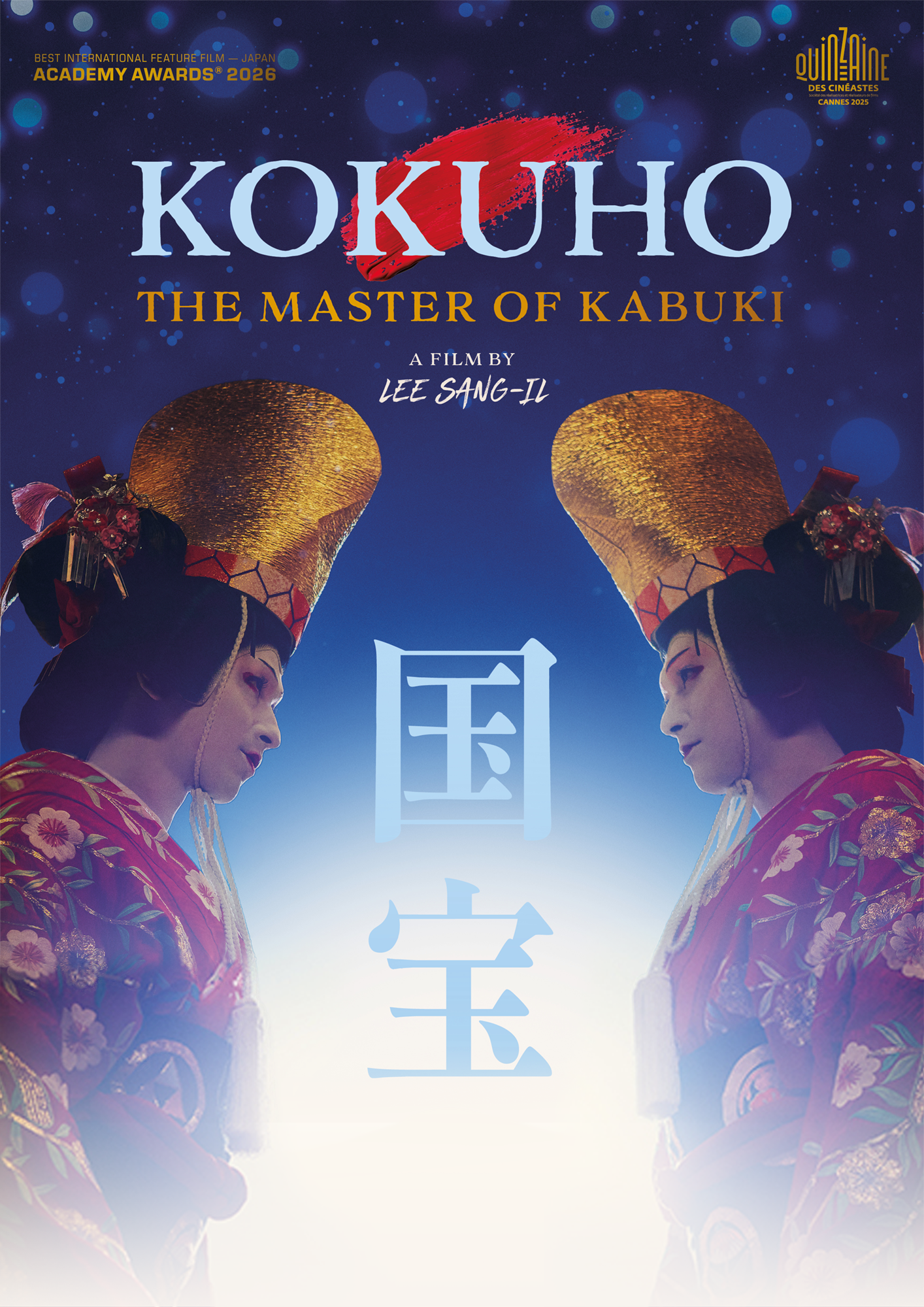
Kokuho (国宝, “National Treasure”) is a stunning glimpse into the heart of kabuki set against the backdrop of post-war economic boom. An epic tale of family, masculinity, craft, and friendship. Without spoiling it, the movie follows Tachibana Kikuo, the orphaned son of a Yakuza boss who is taken into the care of national kabuki treasure Hanjiro Hanai II. Hanjiro is currently raising his own son Shunsuke to become his successor and inherit the title of Hanjiro Hanai III. Both boys come to take on the roles of onnagata, performers who play the female roles in kabuki, which contrasts sharply with the hyper-machismo of the Yakuza world that Kikuo knew beforehand. The boys are trained in unison, leading to a beautiful rivalry full of professional and emotional passion as well as heartbreak, and ultimately, triumph.

The movie spans decades, from the early sixties straight through to a finale in 2014. I am not here to summarise or spoil it, so I am not going to delve into the plot, but that timeframe encompasses so much character development, both positive and negative. We see Kikuo and Shunsuke’s lives interwoven as they train together, rise to stardom together, let bitter rivalries and the public’s fickle attention get the better of them. We see them at their highest, and at their lowest, and at all the poignant messes in between as their careers ebb and flow, and as they drift and out of each others’ lives. Kokuho is not what I would consider an uplifting movie, but it has moments of great optimism and hope, and a pure and devoted heart.

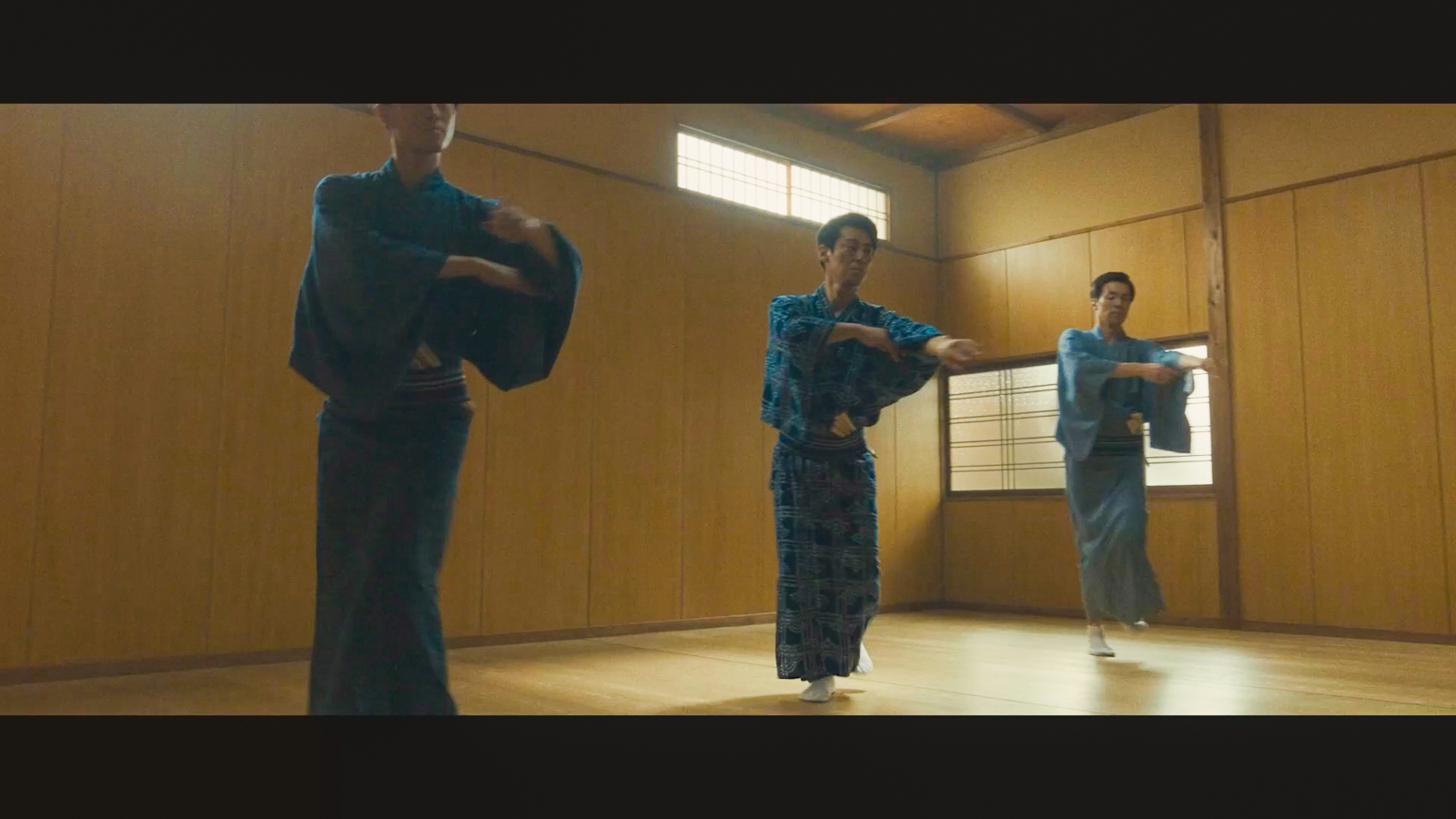
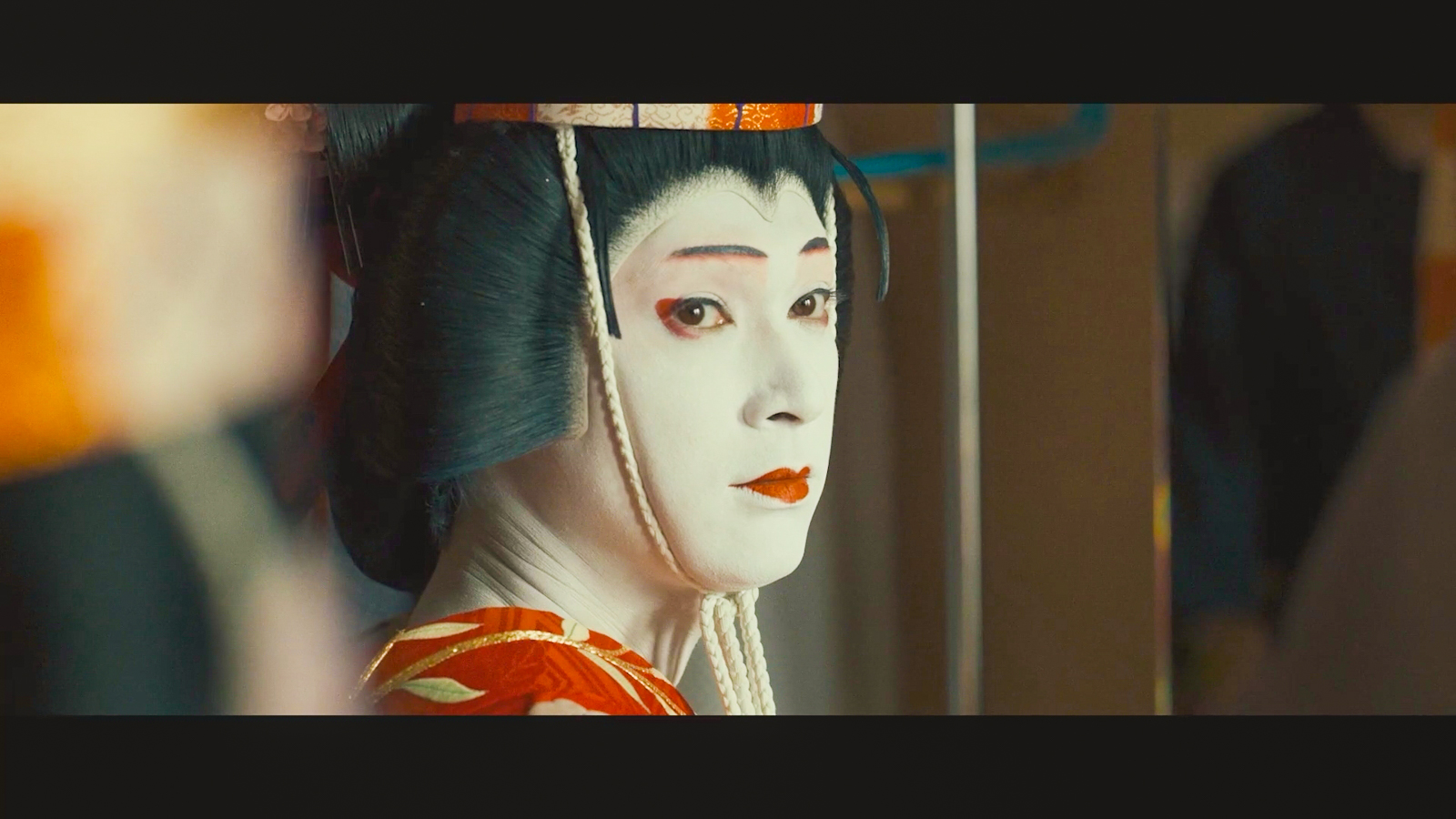
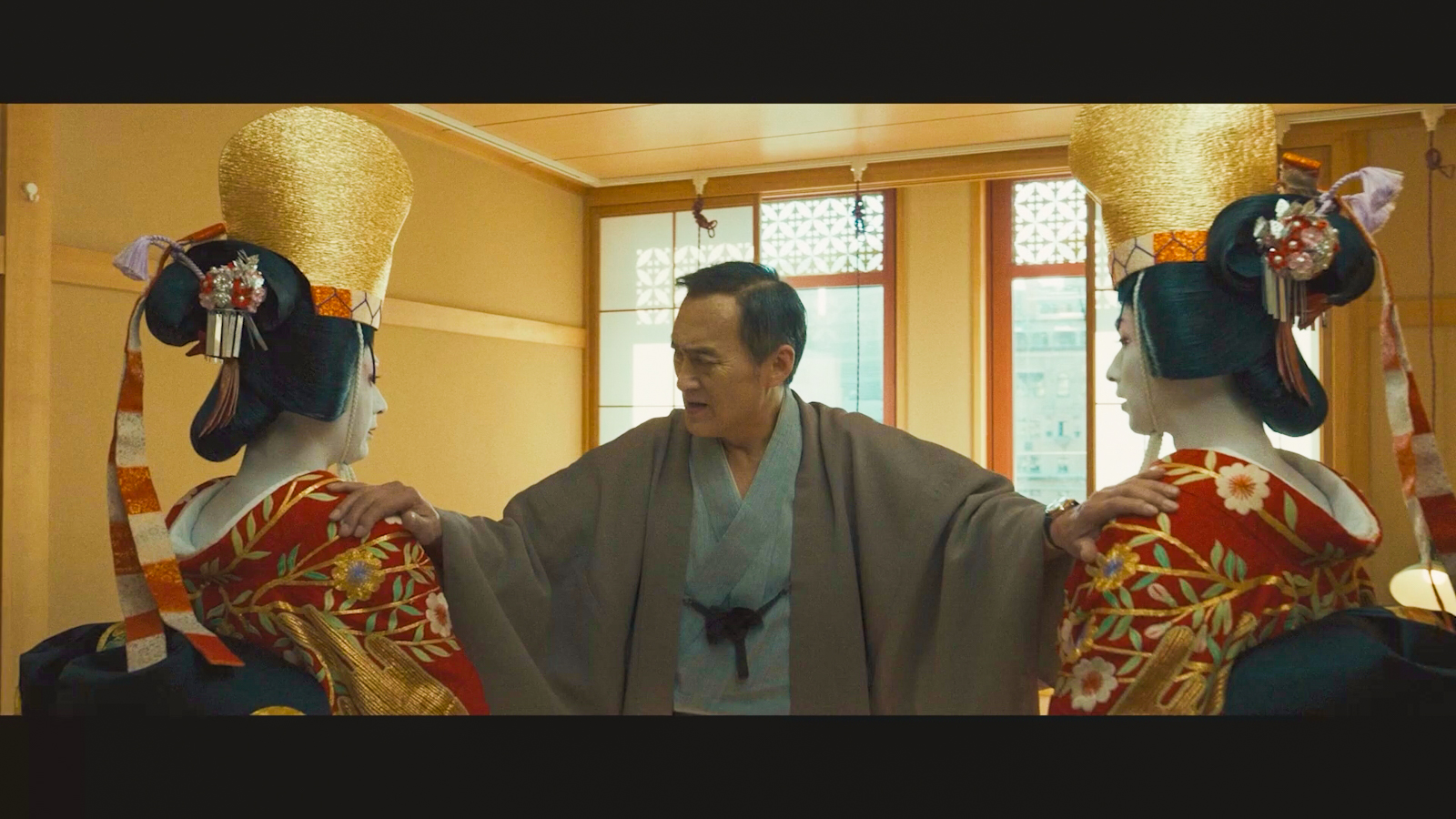
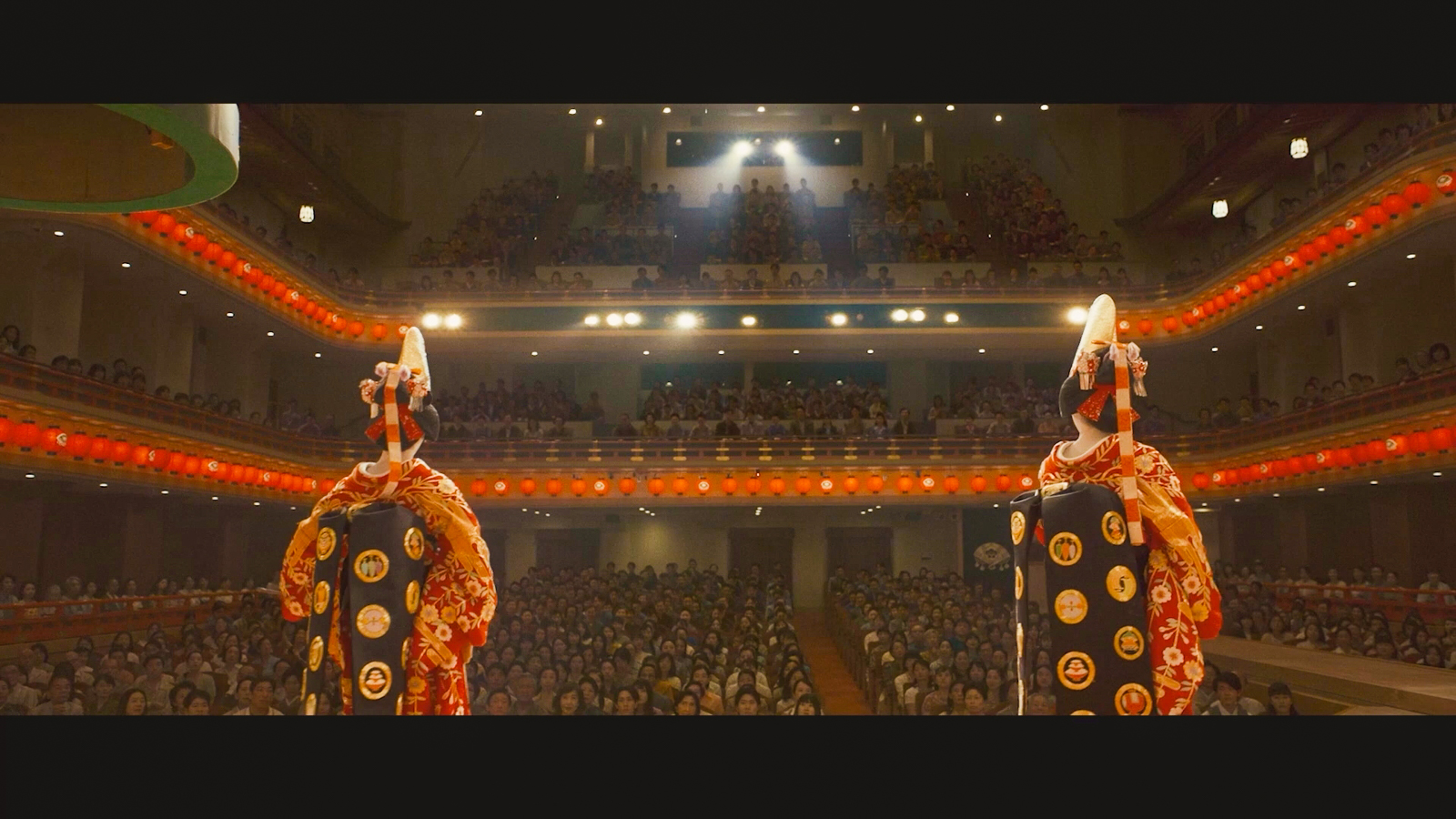
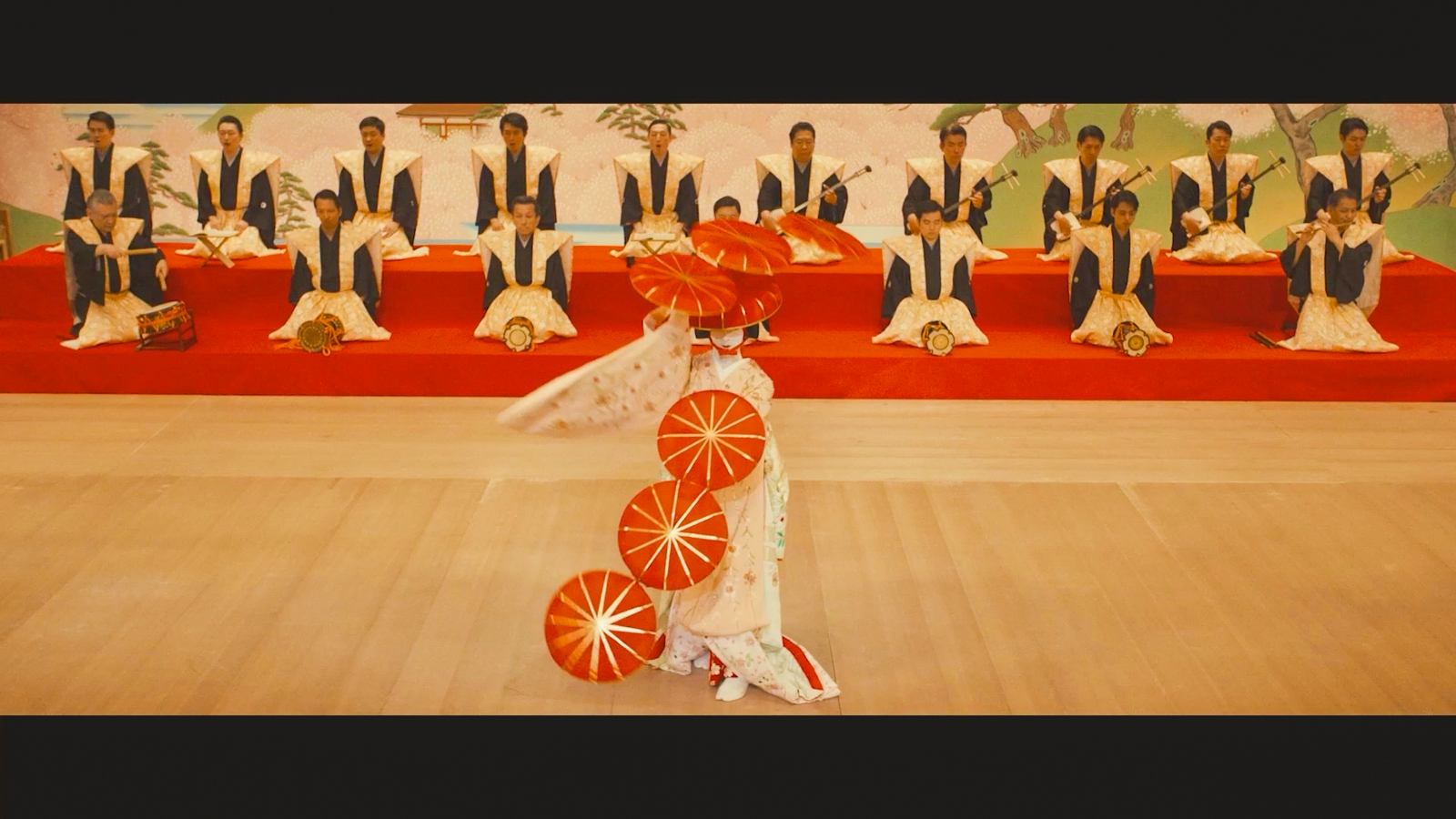
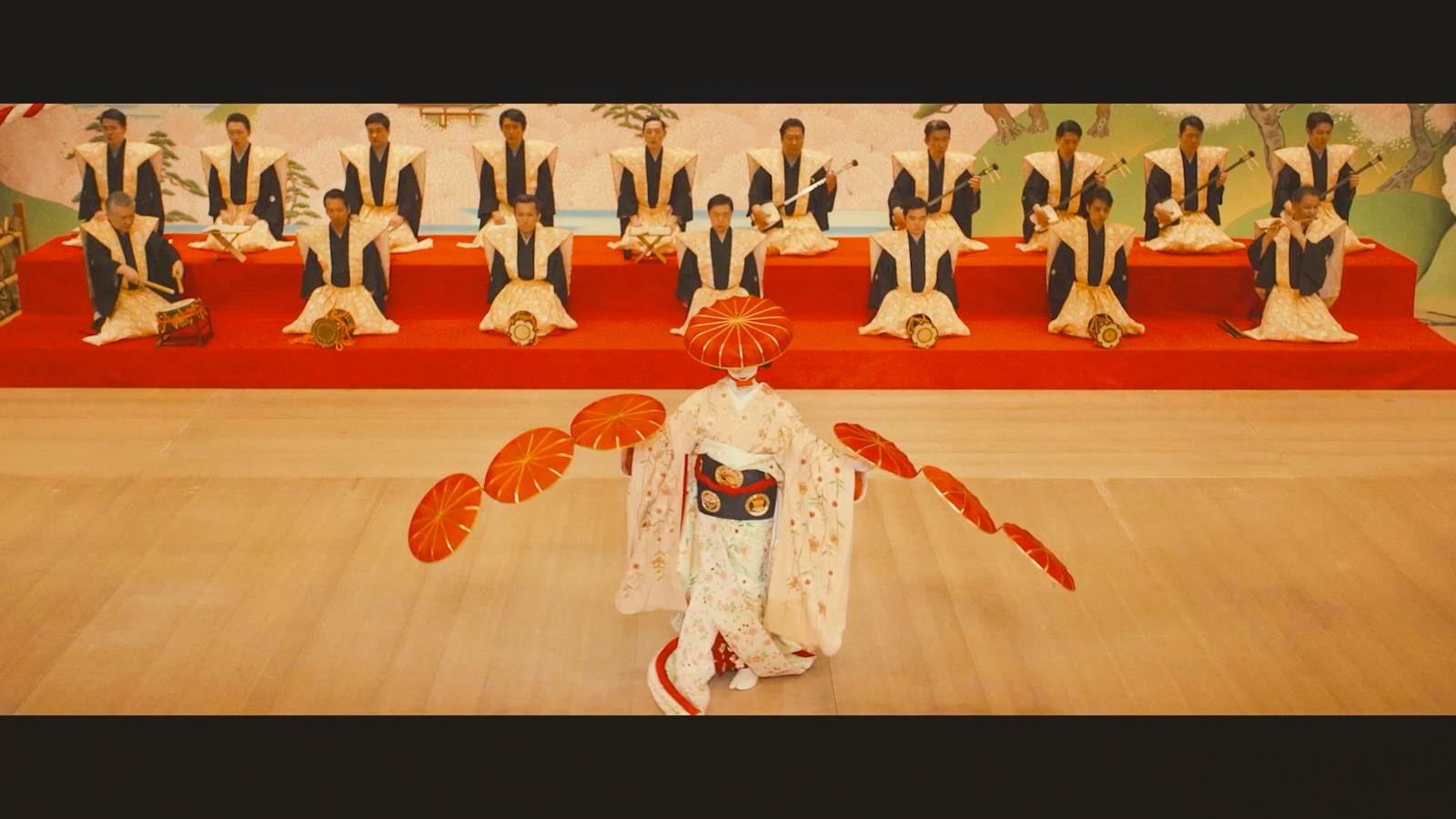
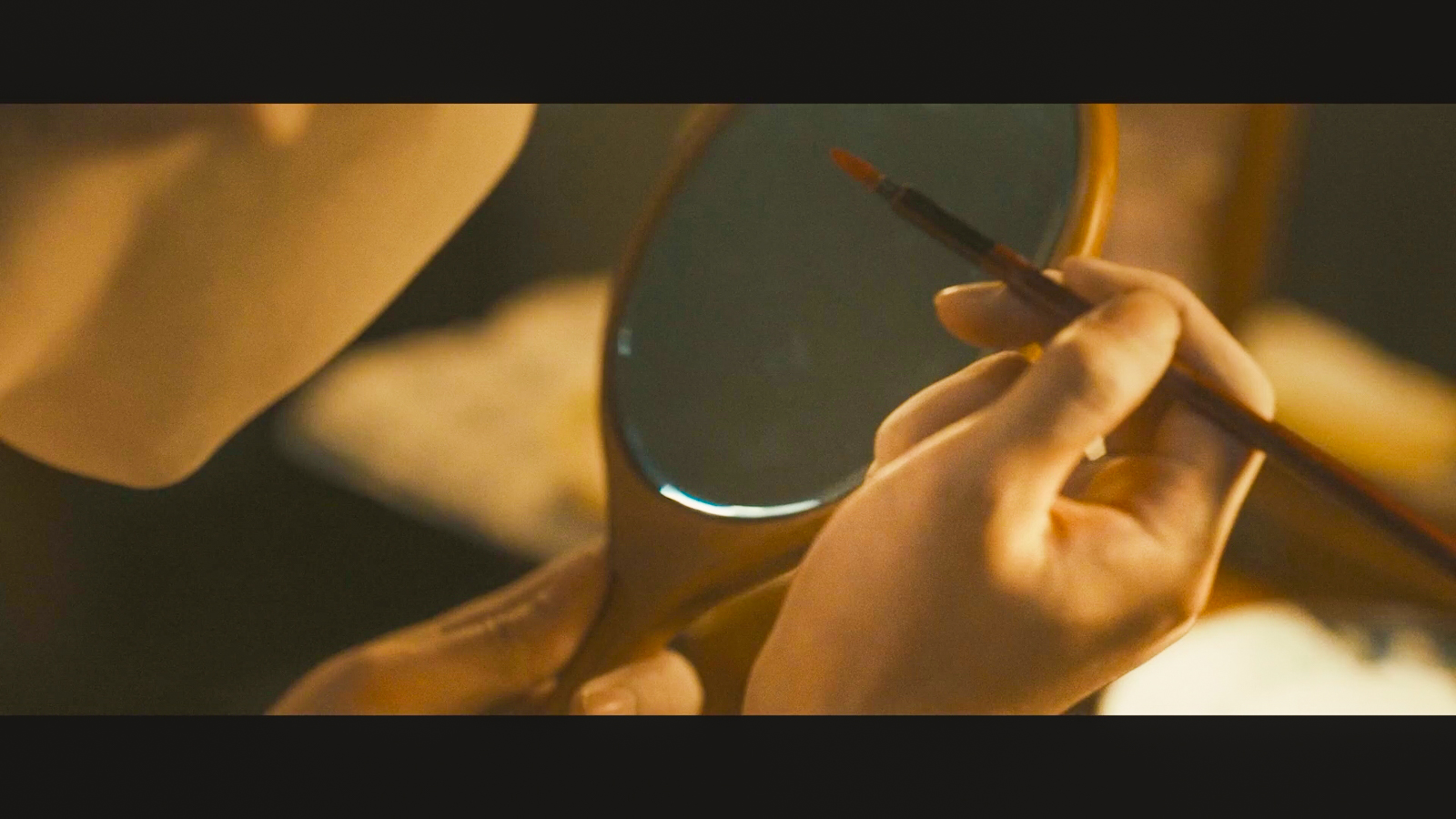
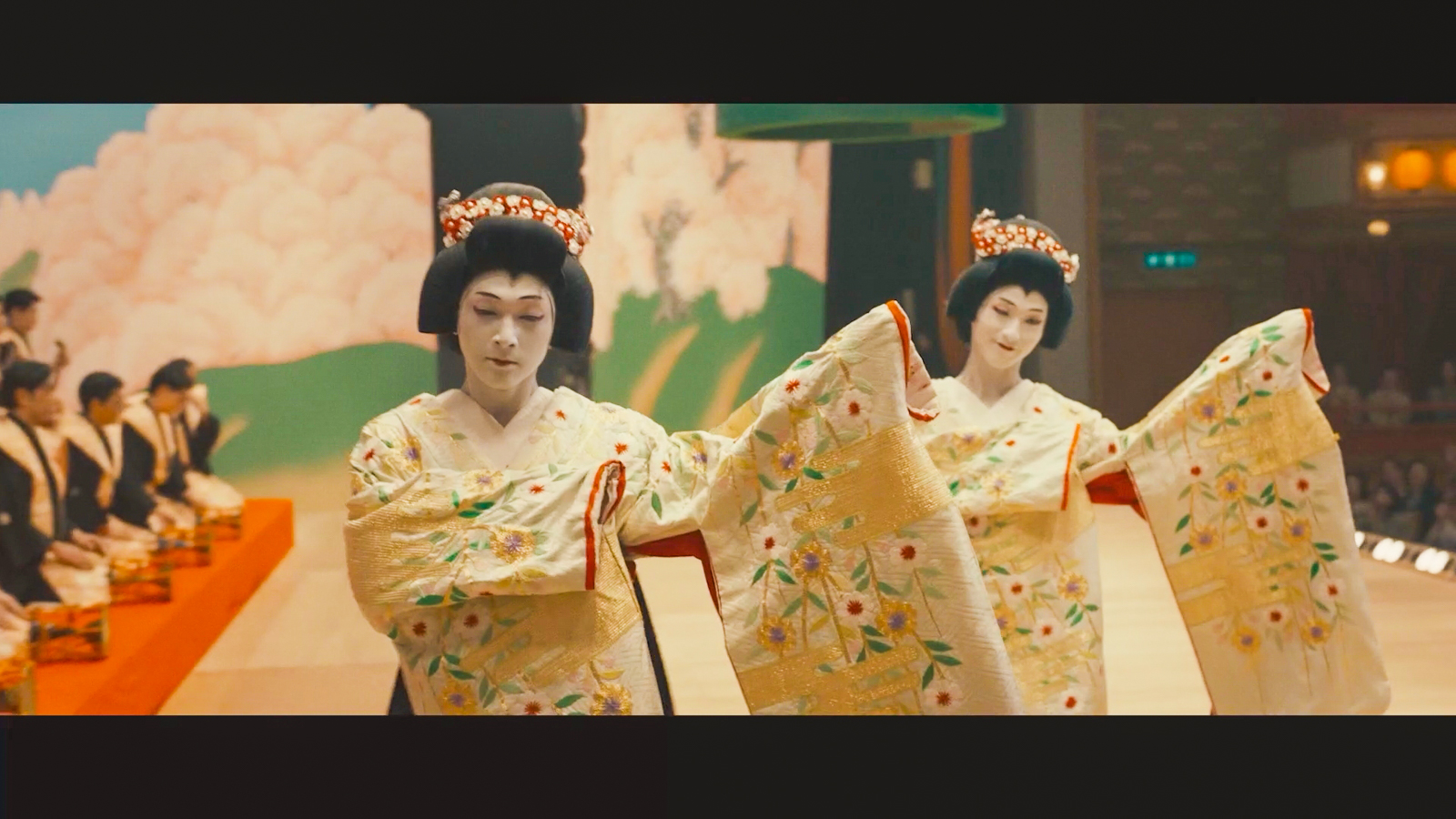
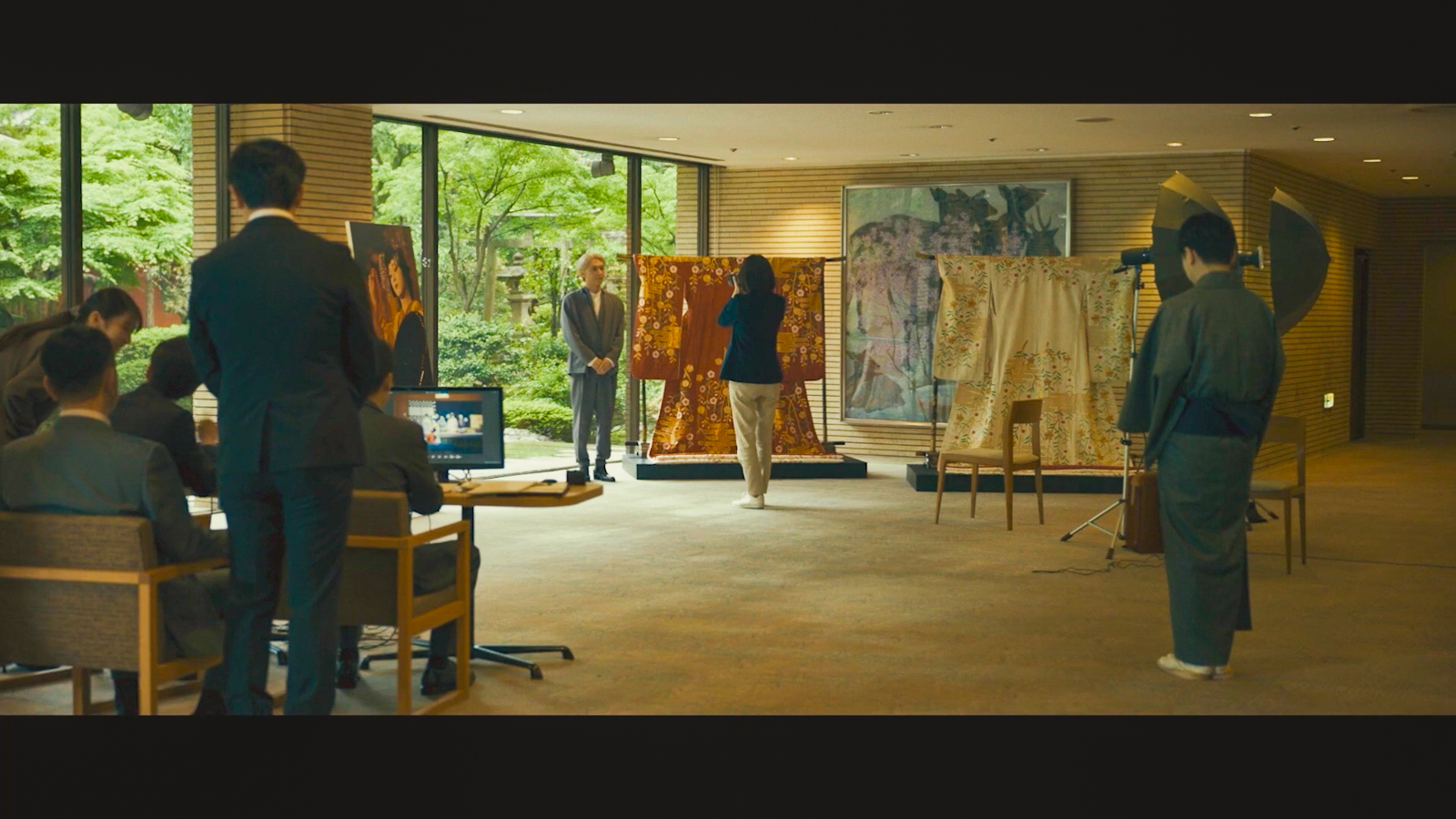
I admit I went into the movie biased for two reasons; first, and most obvious, is the wardrobe and set design. This movie is absolute eye-candy for anyone interested in kimono and traditional Japanese arts. The second — and far more vapid — reason is that Watanabe Ken plays the veteran kabuki star, father, and mentor Hanjiro. I could watch that man read the phone book and be happy with my life choices, if I’m being honest.

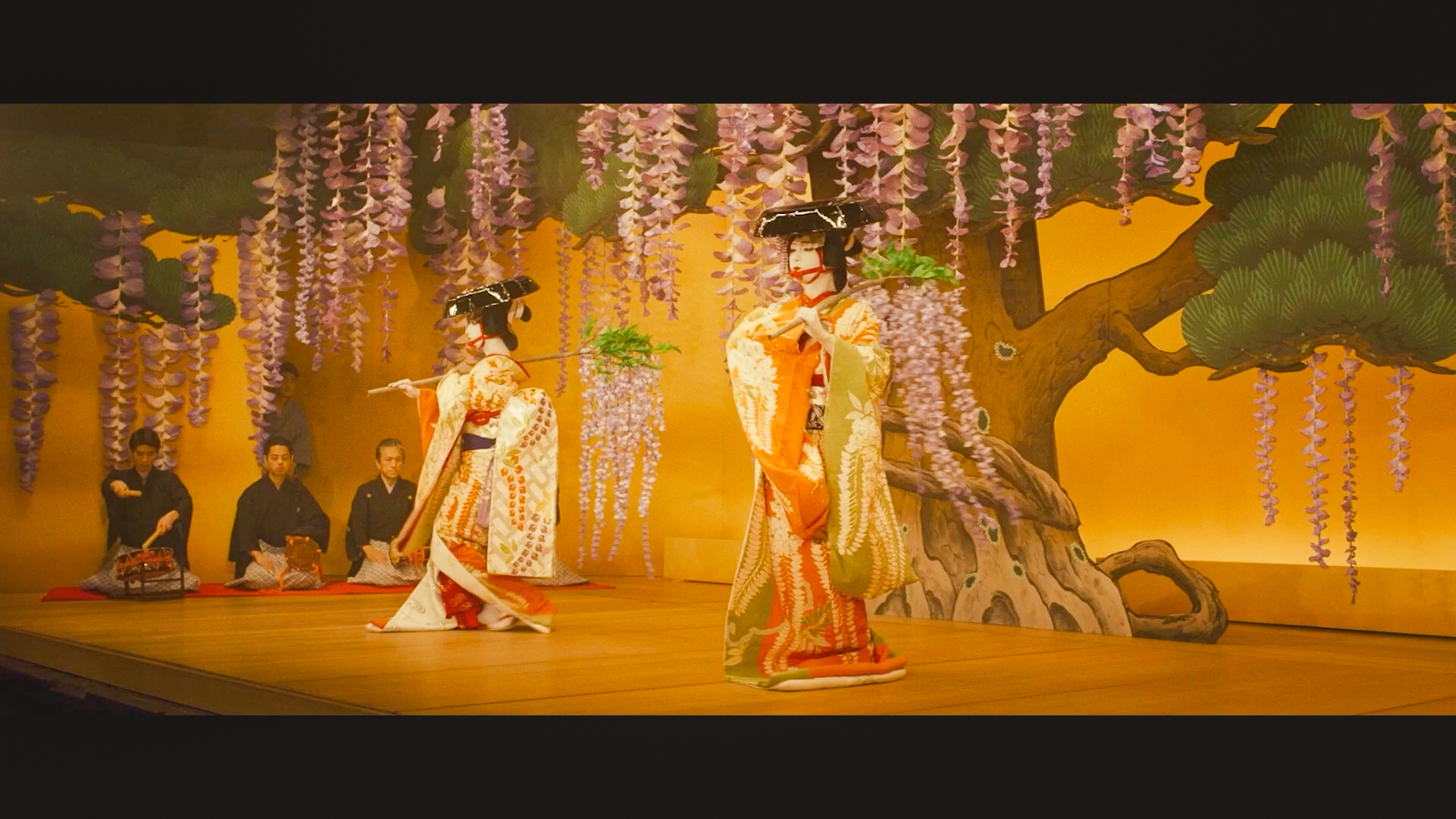
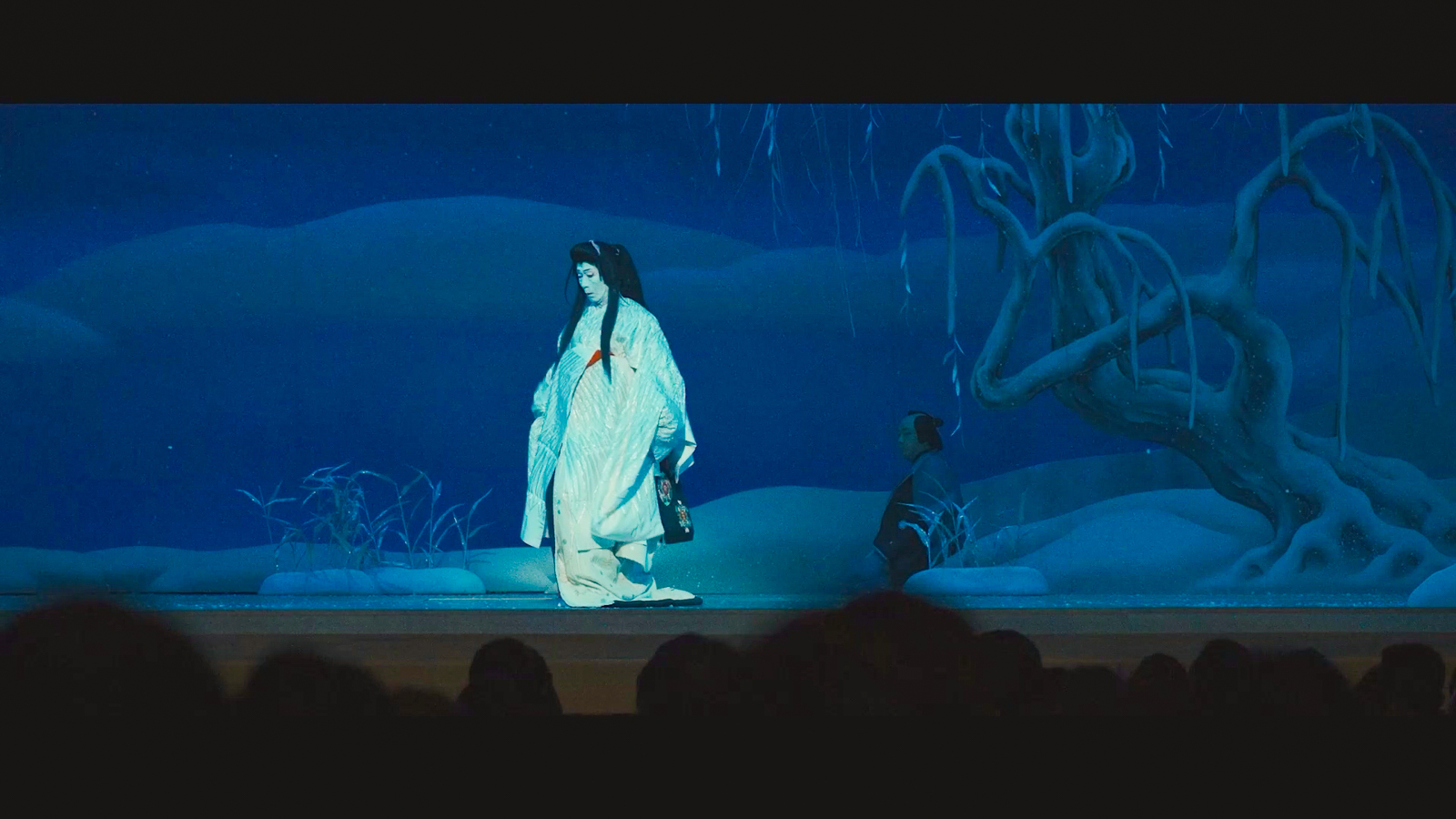
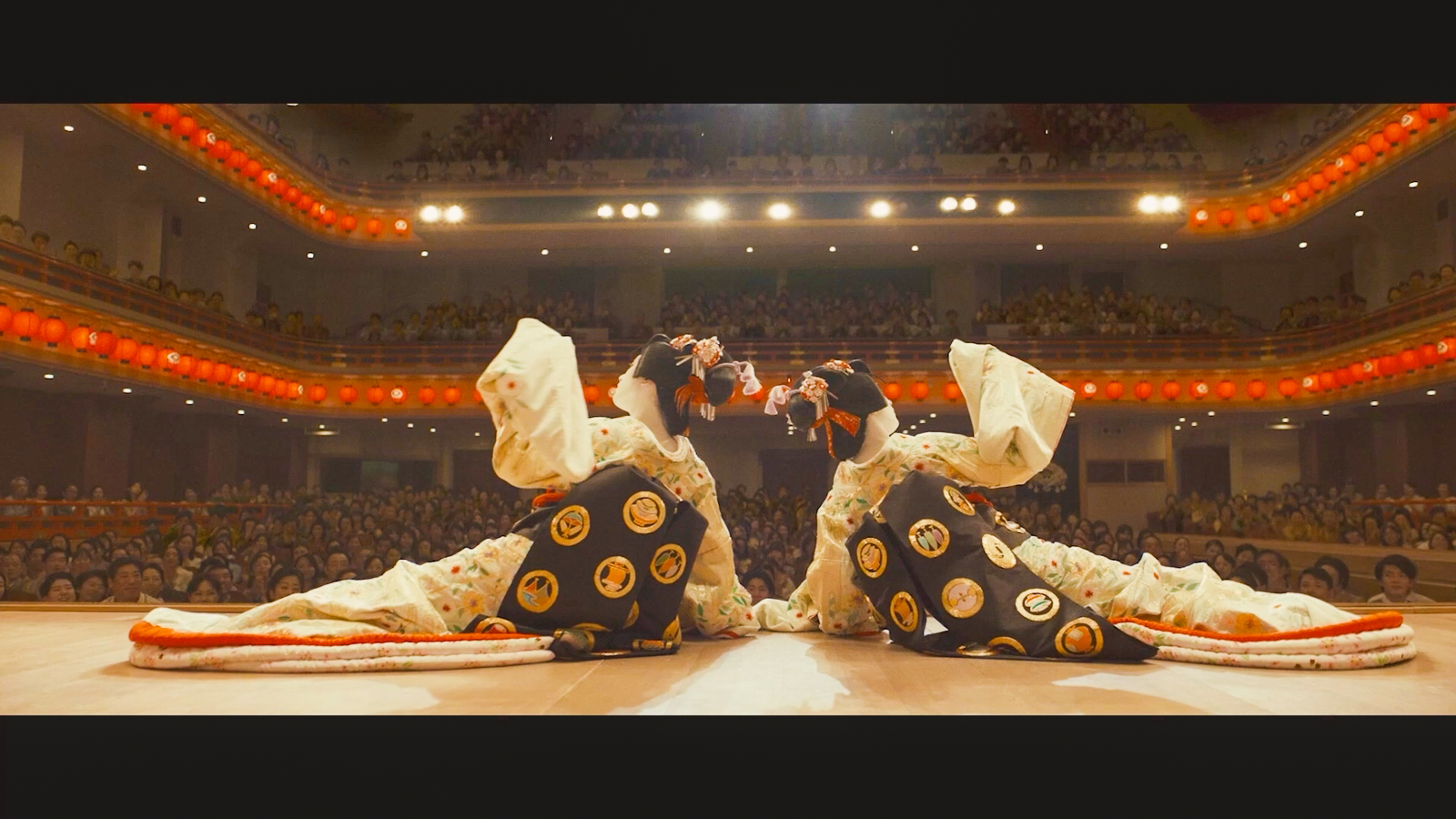
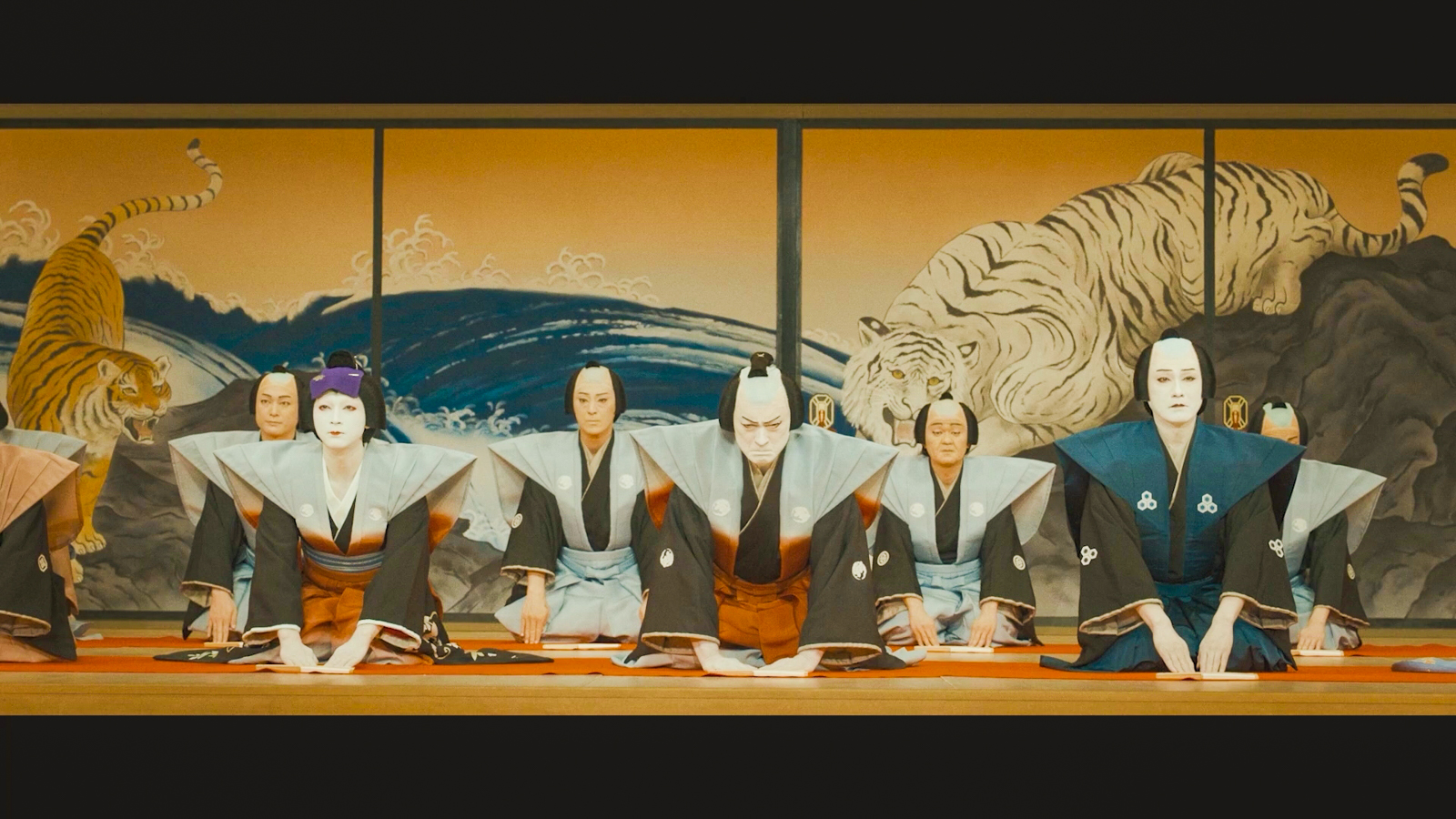
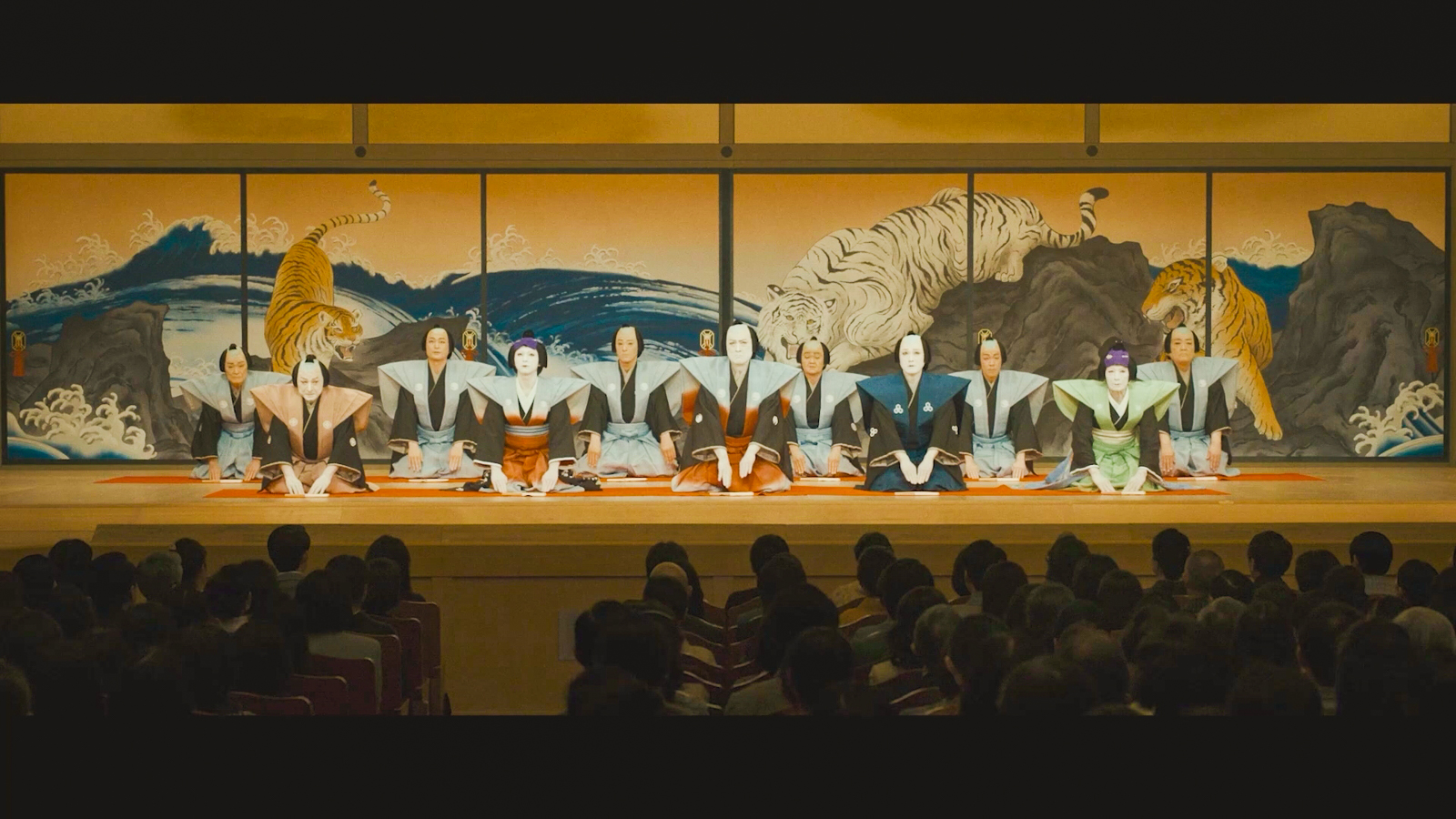
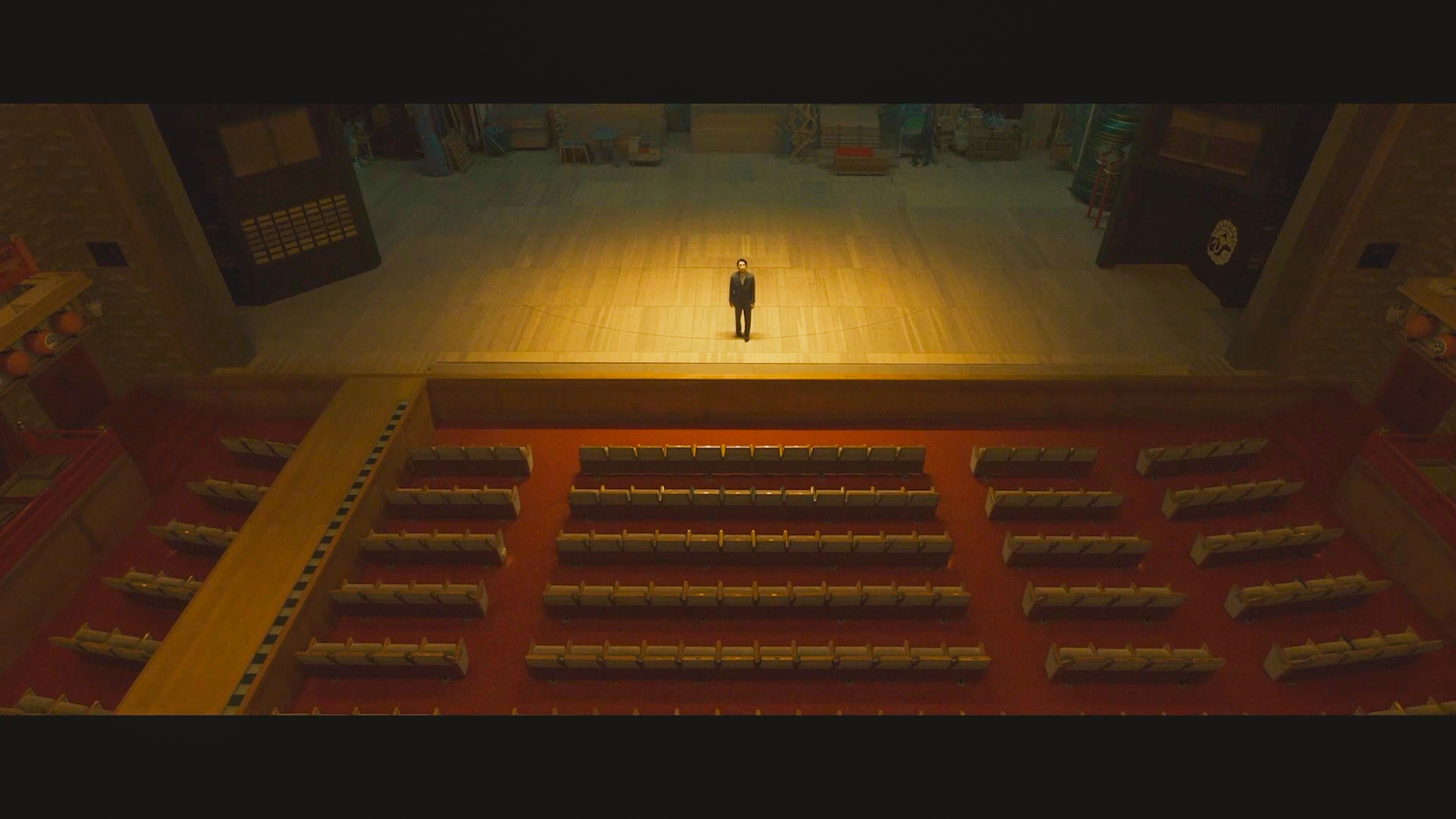
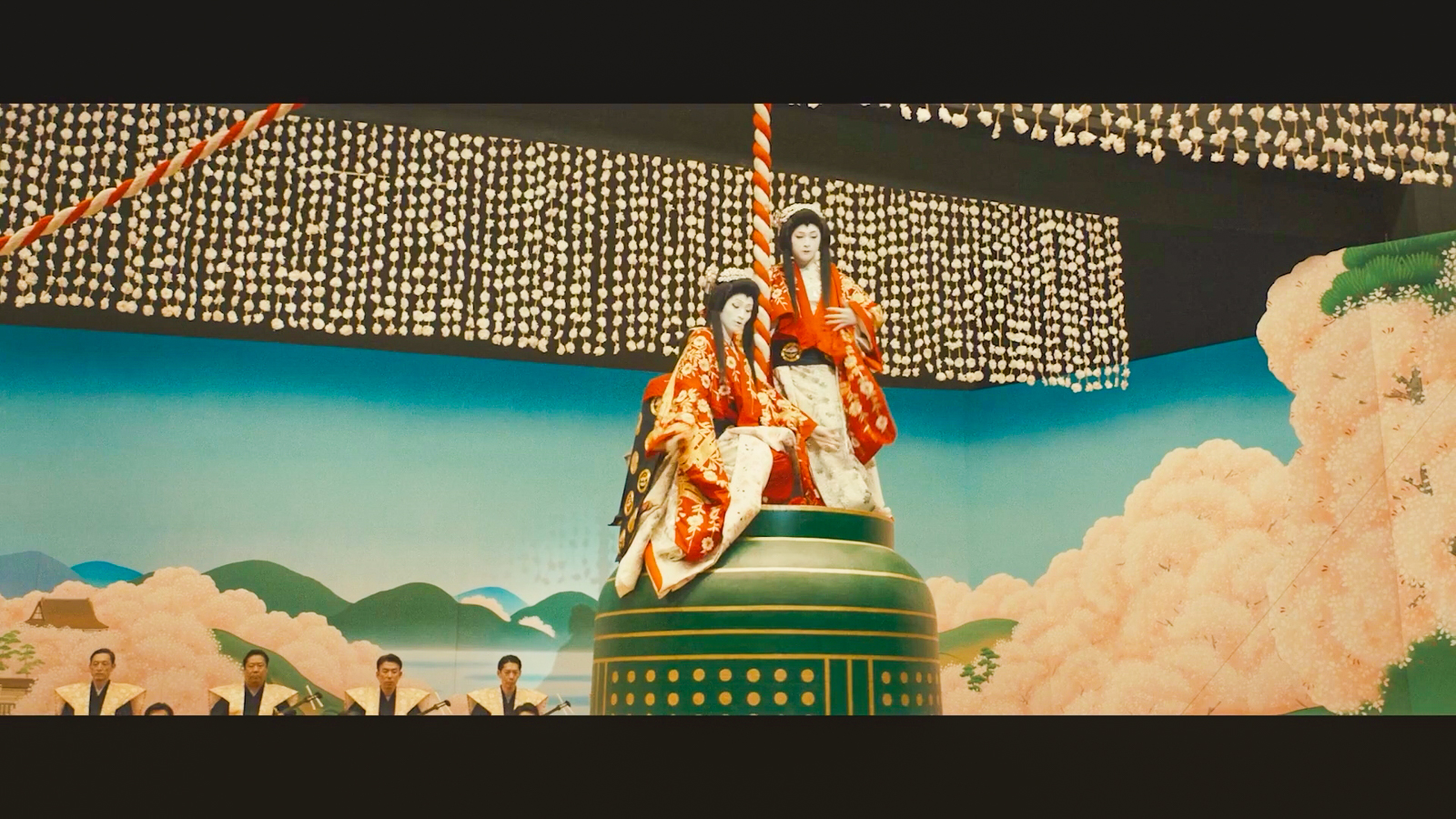
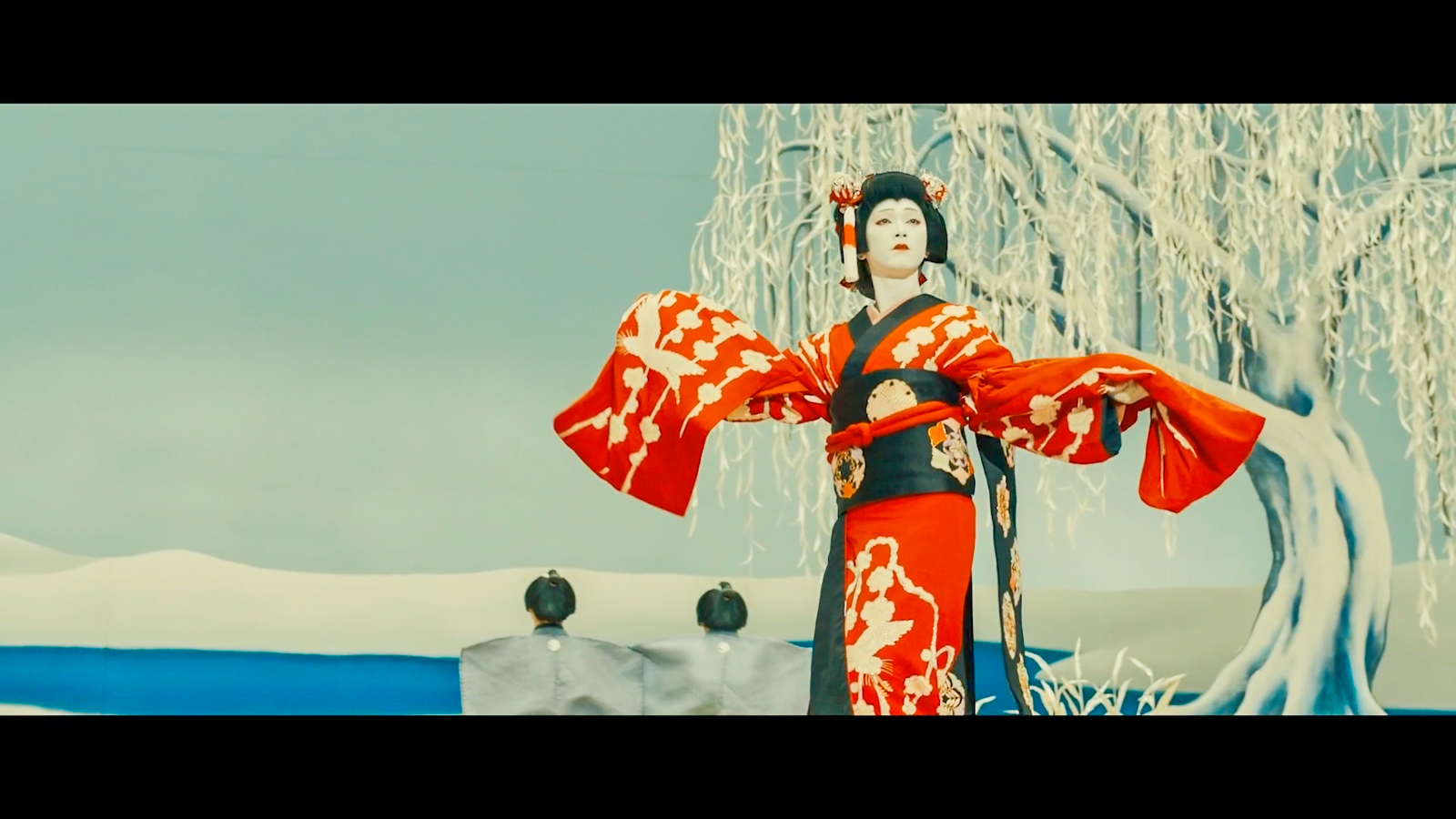
Kokuho is a visual masterpiece, a lush love letter to a venerated art form. The story unfolds in a sharp contrast of dramatic, gut-wrenching action and quiet, meditative moments that embody the Japanese concept of ma (間), a sort of purposeful void, pause, or empty moment that helps to emphasise the action or space surrounding it. Ma is often used in traditional theatre, both noh and kabuki, and I have no doubt the similar use of pauses, silences, and visual empty or liminal spaces was absolutely intentional. However, it can make things hard to follow if you are unfamiliar with it; jumps in scene, location, or emotional tone may end up feeling disjointed or even badly edited to viewers without that frame of reference. The lives of the actors are interwoven deftly with stage performances, which help to underscore the reflected themes and emotions happening in both, but again, this may prove distracting or confusing for some viewers, especially those coming into this with little to no knowledge of kabuki.
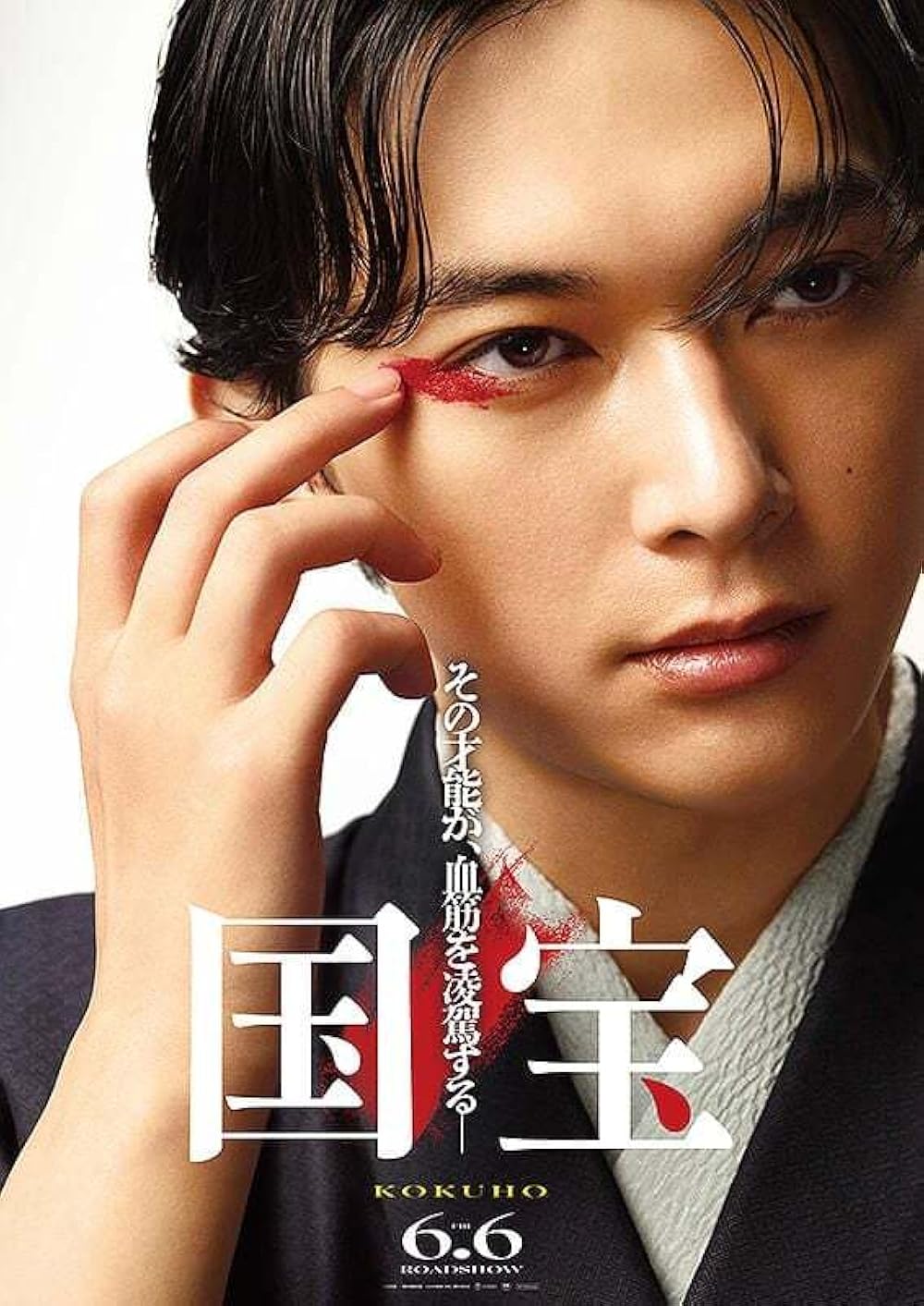
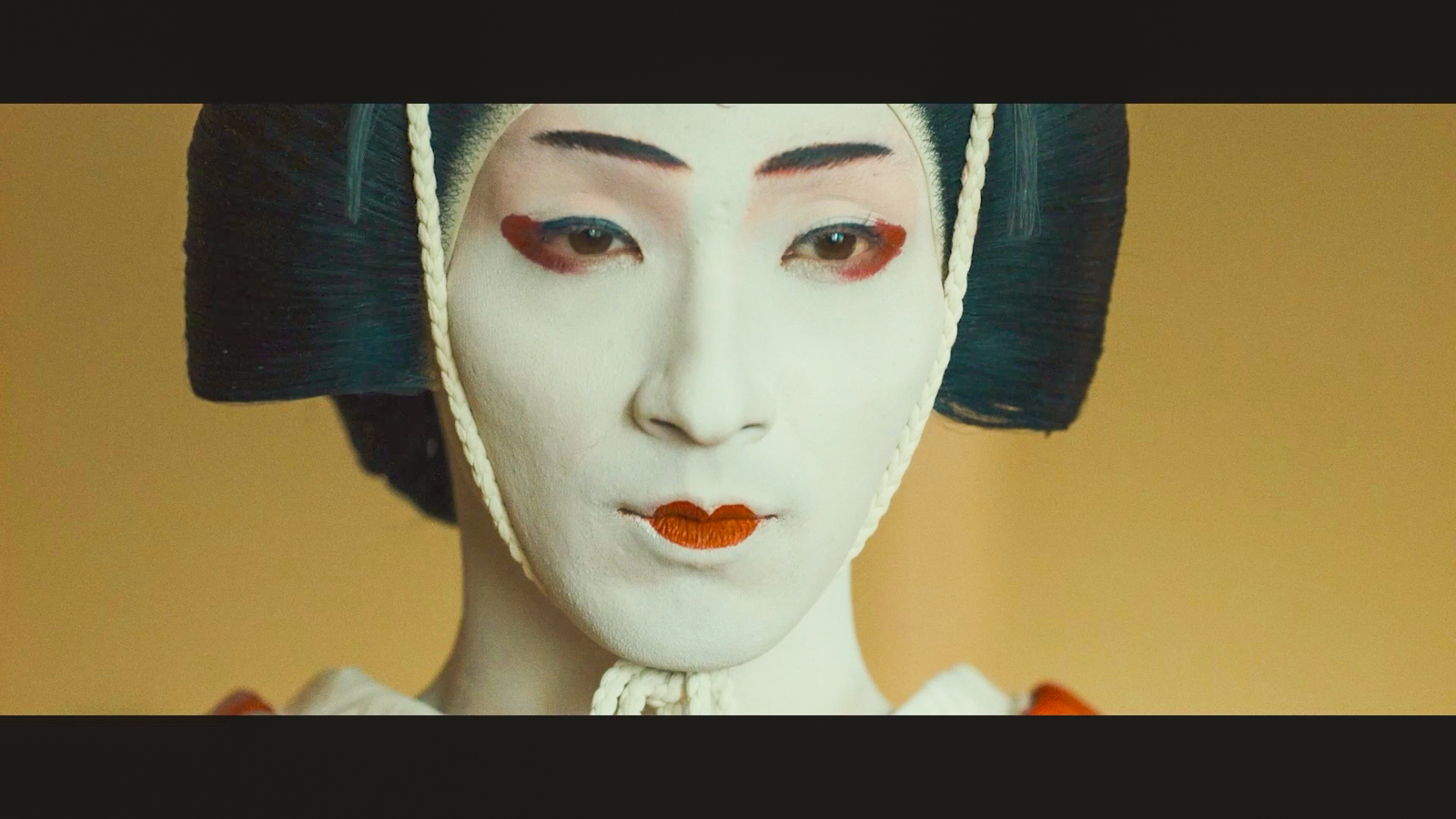
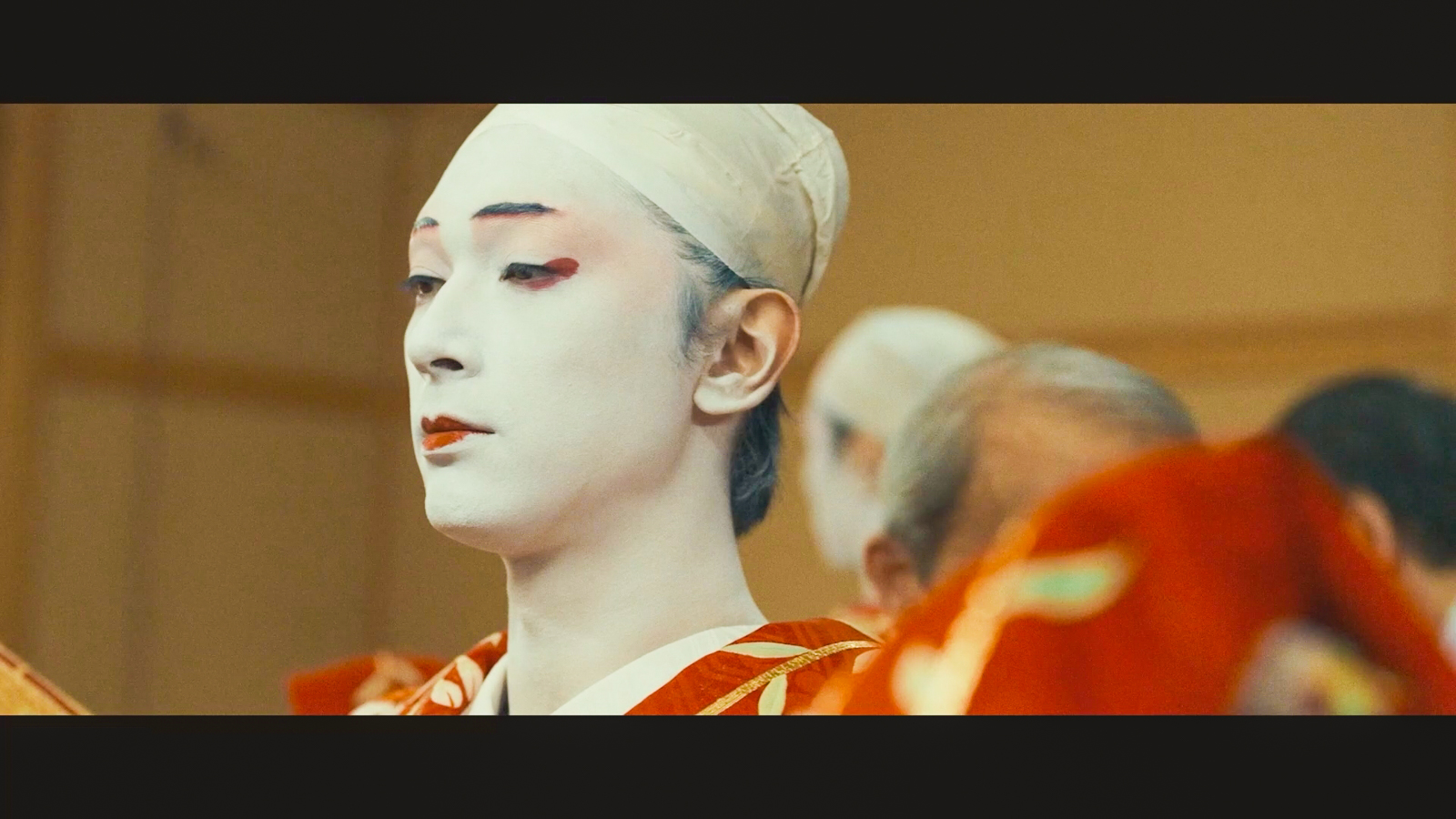
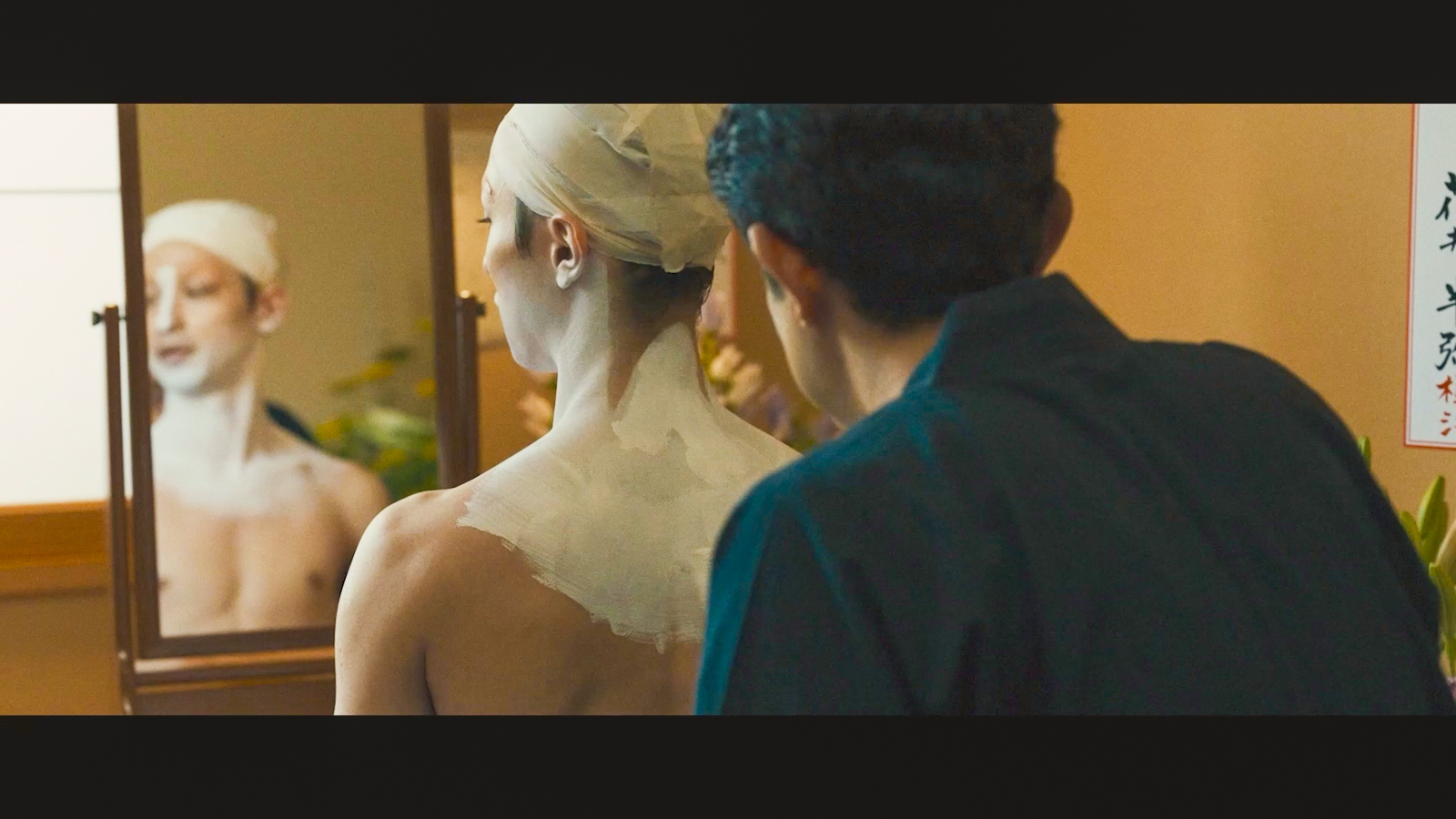
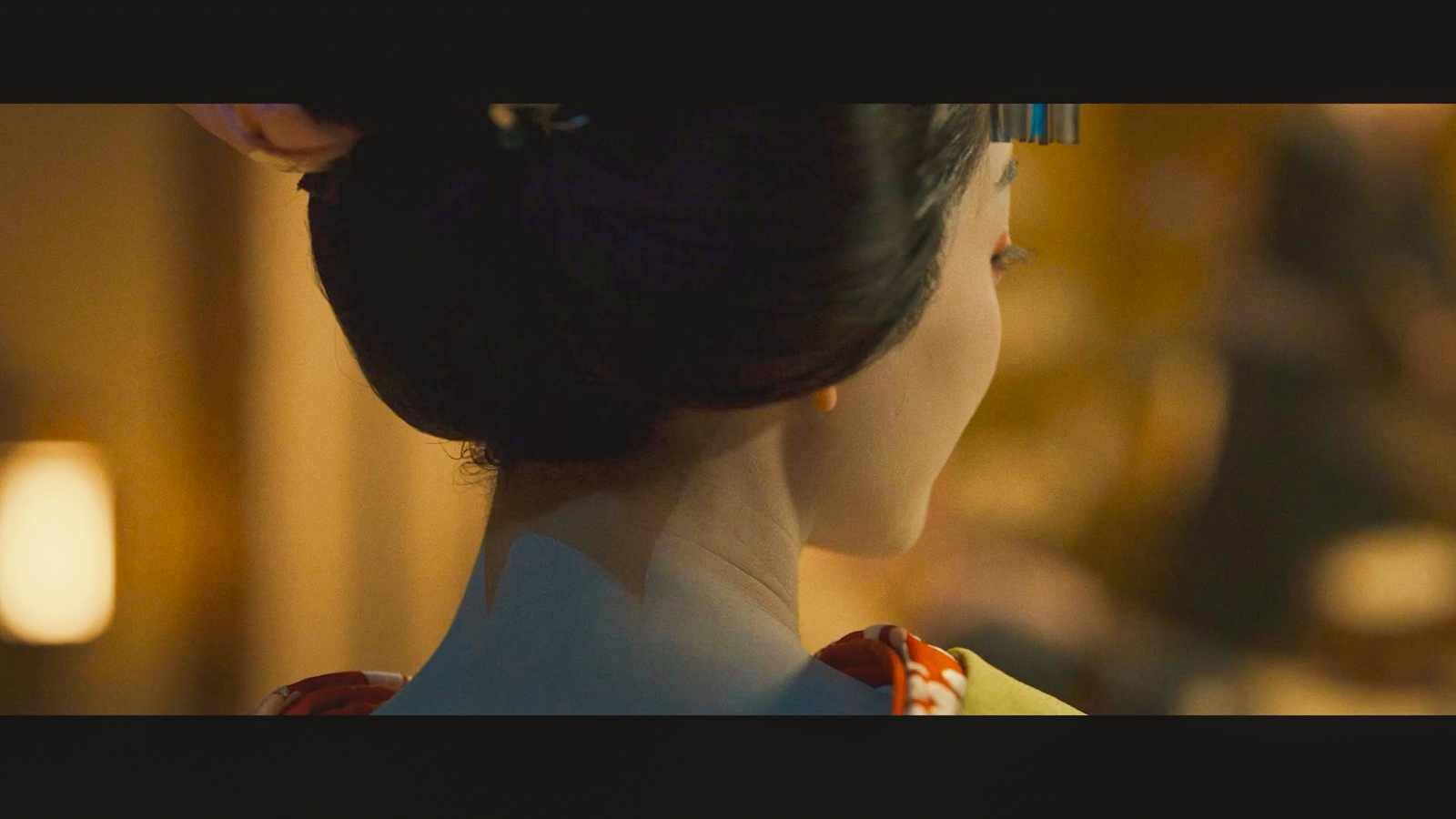
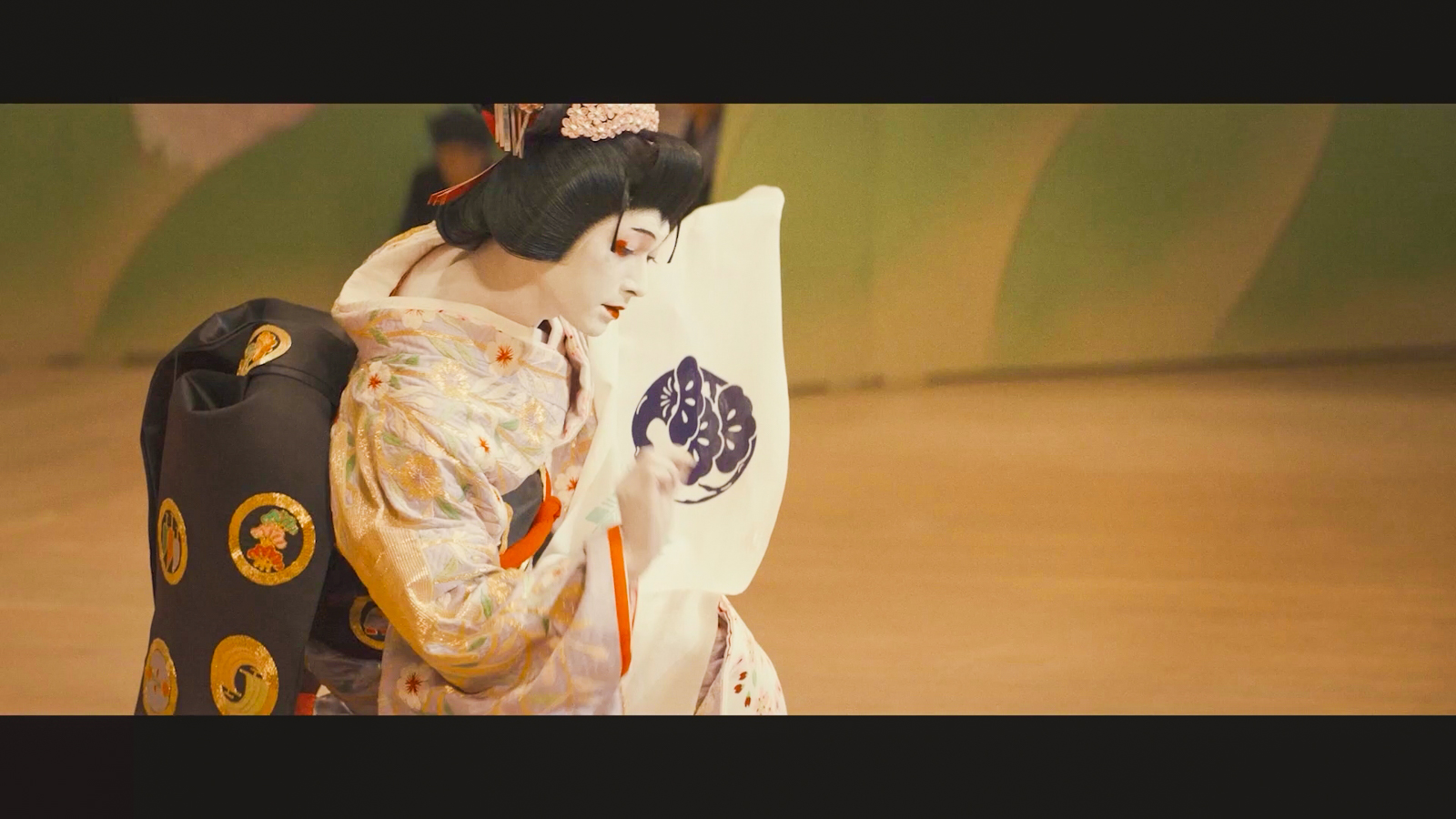
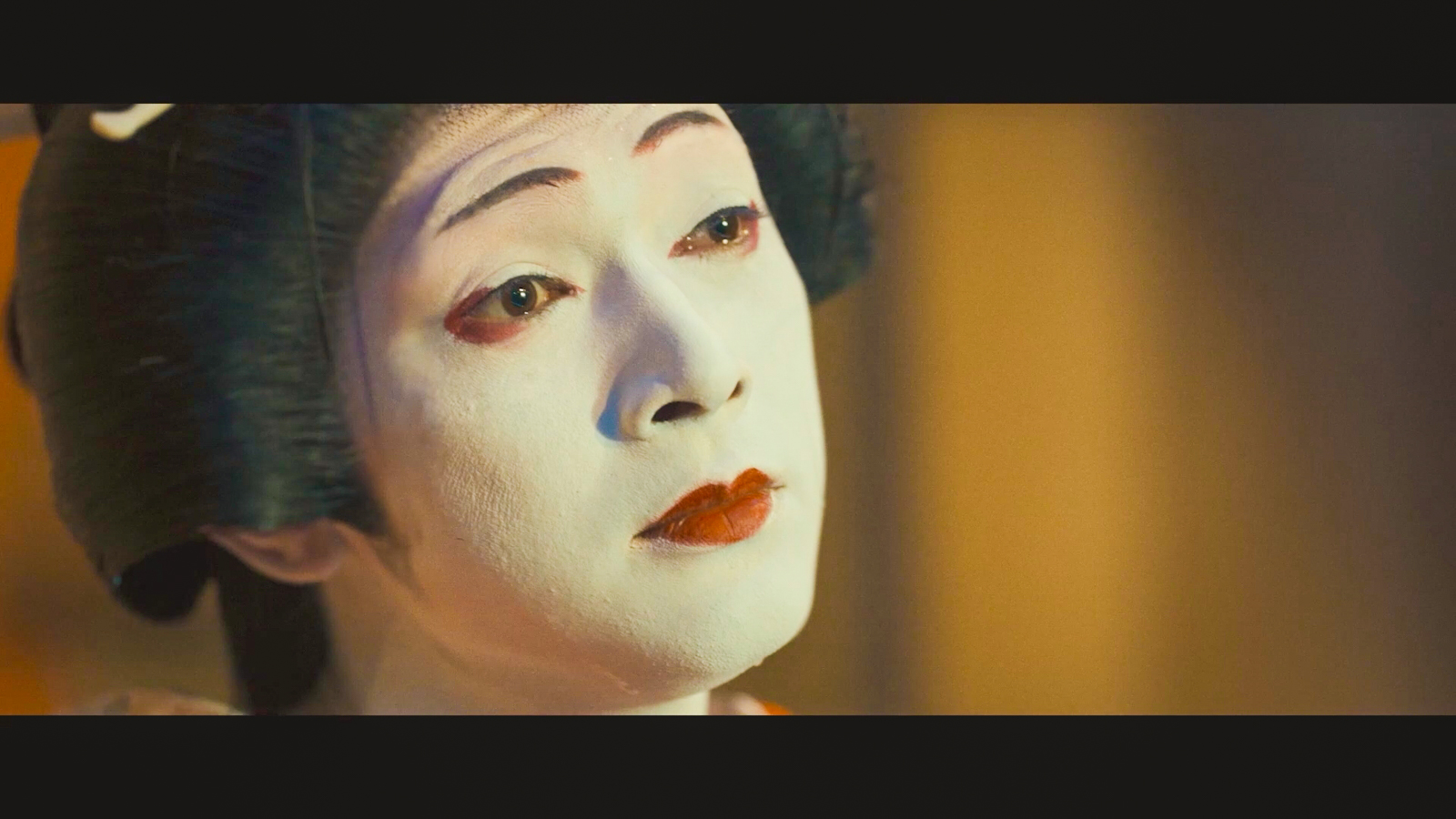
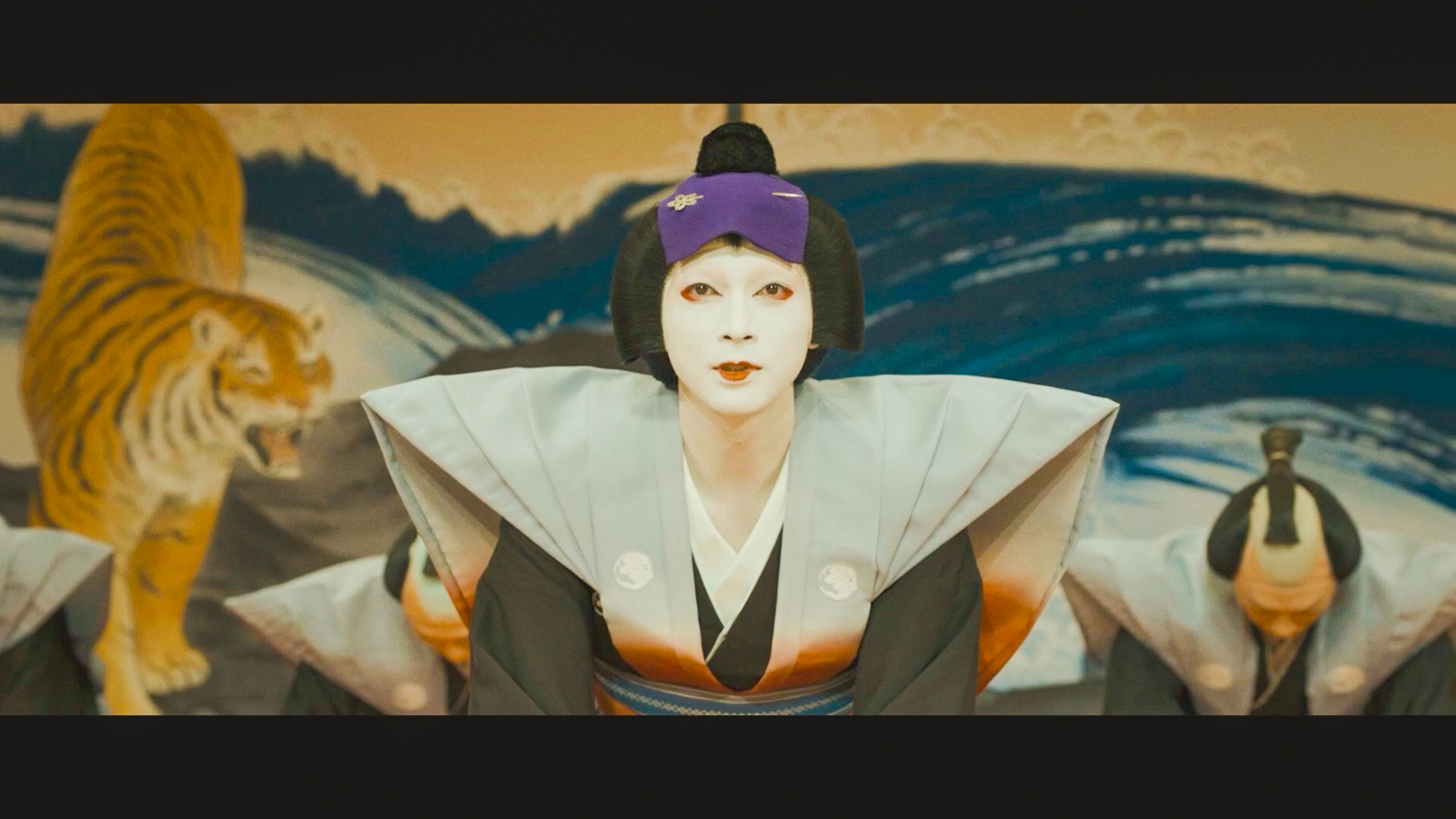
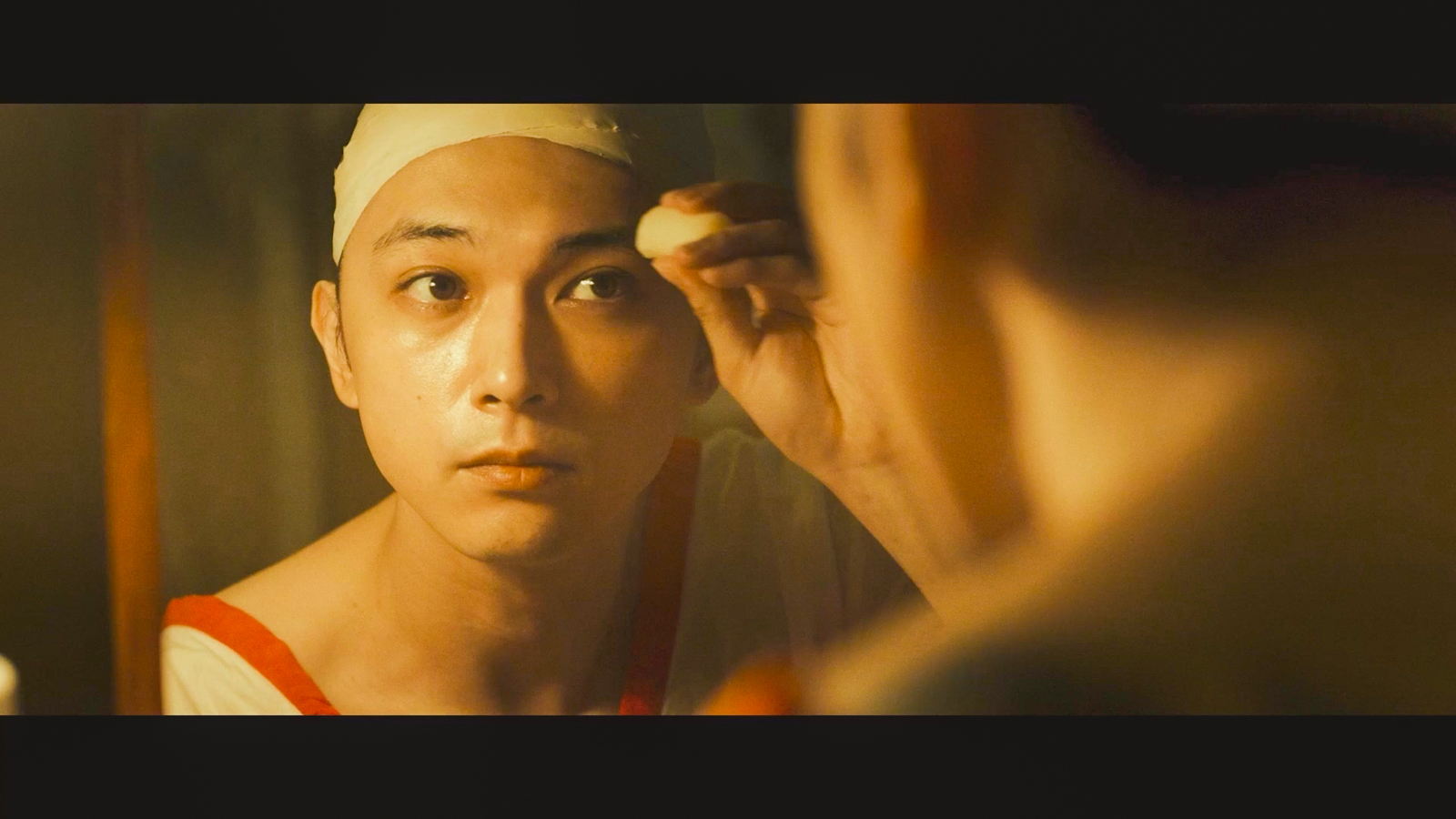
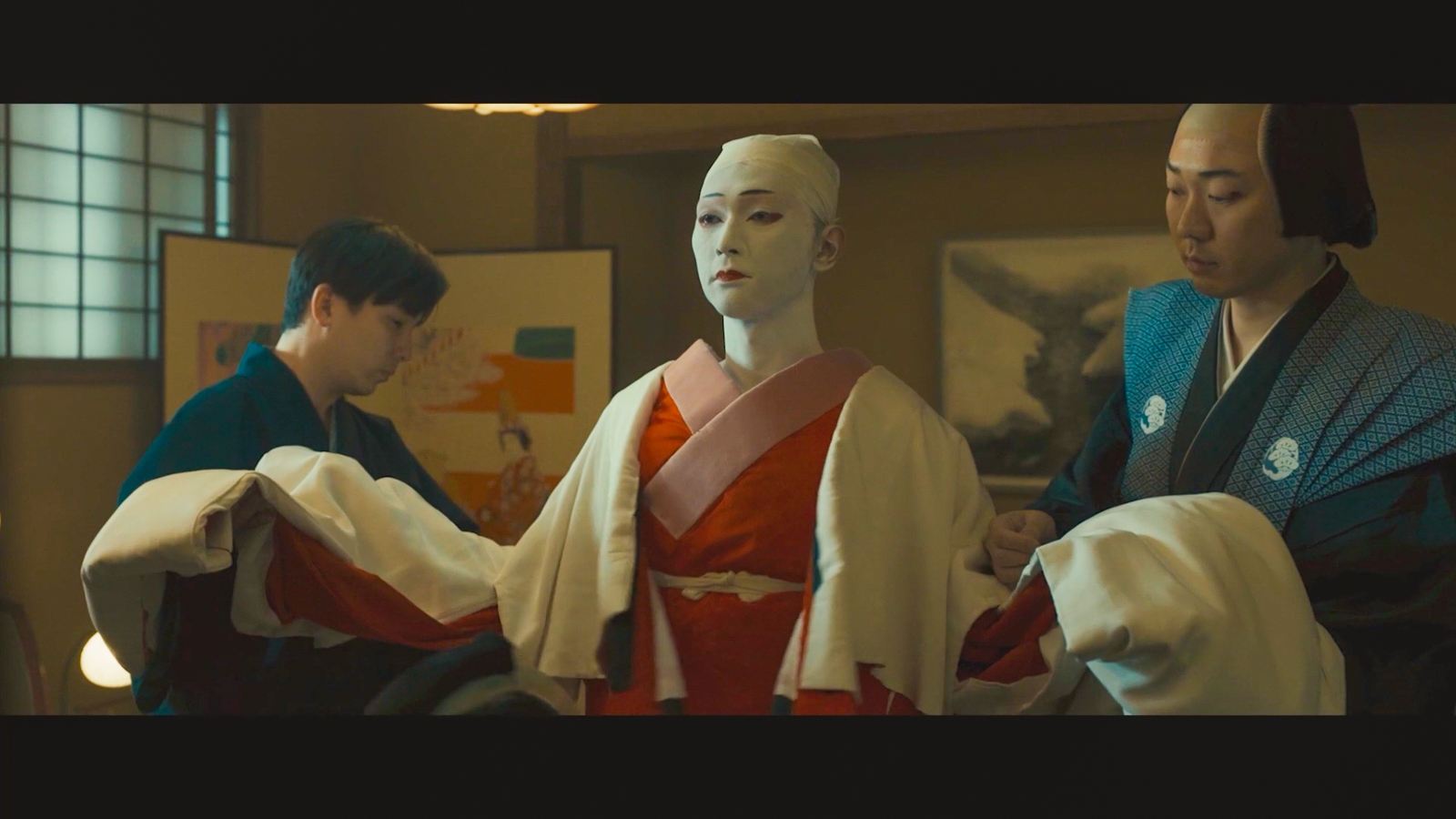
It may be due to this that Kokuho was not nominated for a best foreign film Academy Award, which is a travesty in my opinion. I haven’t seen any of the films that did get nominated but I stand stubbornly by my statement, because this is my blog and I can. It was nominated for Best Makeup and Hairstyling, which I absolutely understand. Not just for the traditional oshiroi and wigs, but for the incredibly natural aging that happens over the course of the film. It’s impossible to tell what ages the actors actually are, and if they were aged down or up. I do hope we get to see the team in kimono (and maybe even nihongami) on red carpets during awards season, but I don’t have my hopes up.

There’s a reason Kokuho has become the highest-grossing live-action film in Japanese history. It’s more than a “foreign film” at this point, it’s a global phenomenon. And not without due cause; it is a feat of both visual and emotional storytelling. It’s rare that I sit through an entire movie without getting up at least a couple of times to pee or stretch my legs — let alone a movie with a three-hour run time. During my first watch, I somehow managed to stay put for the whole thing (minus one quick washroom break), and at no point did I find myself wondering how much was left. The second watch-through was much longer and more fragmented over the course of several days, as I paused regularly to take notes and capture images.

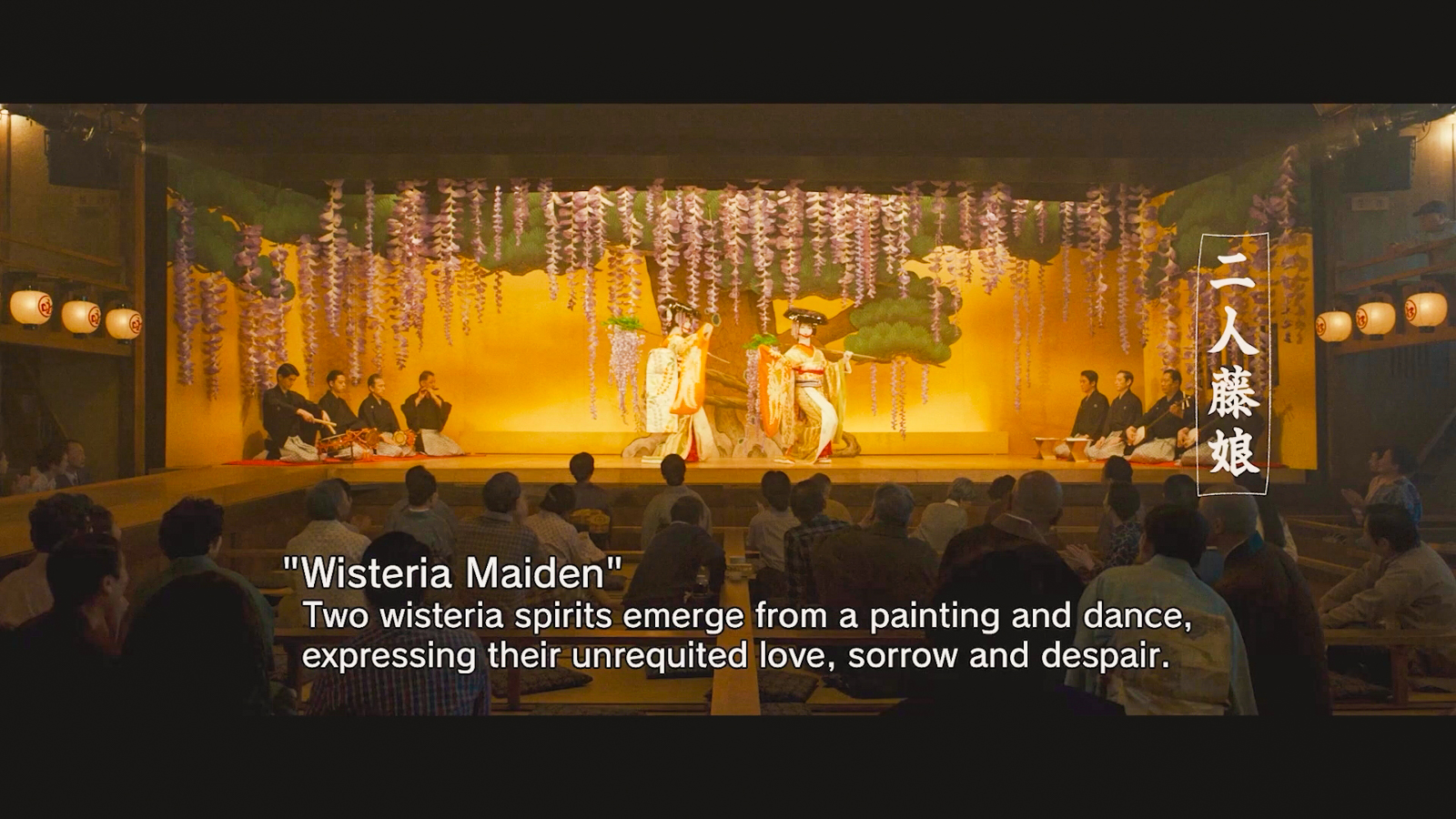
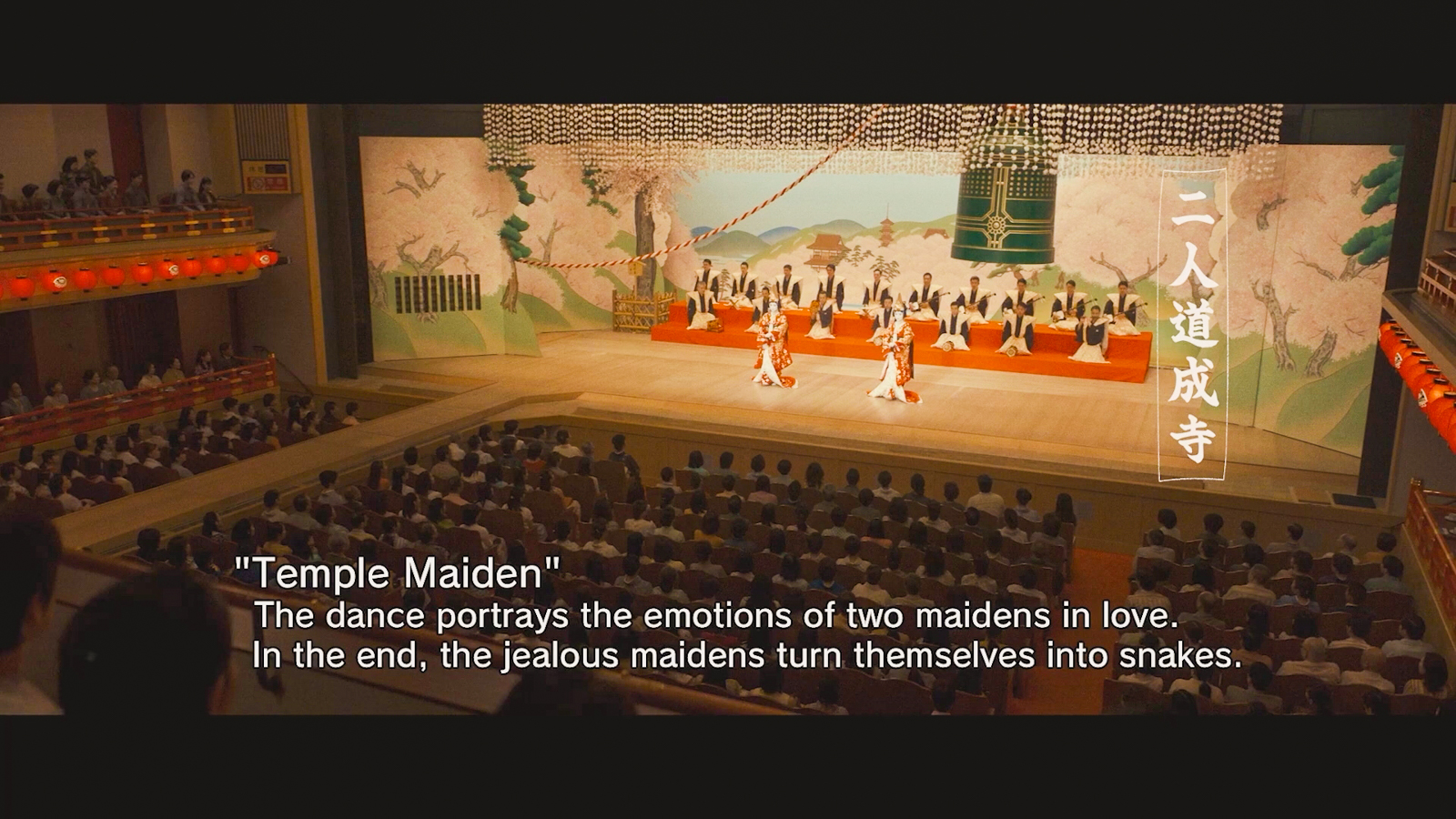
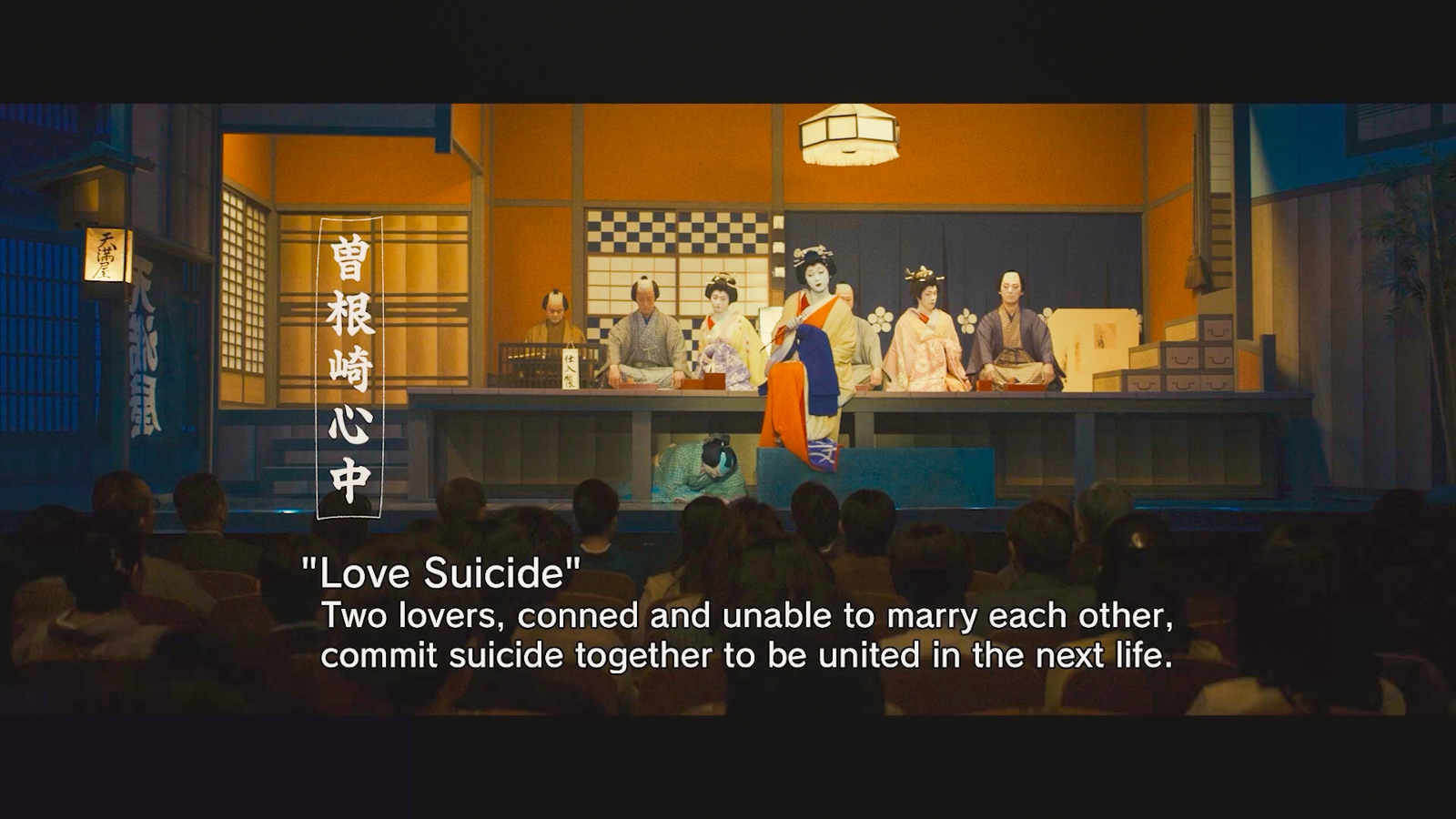
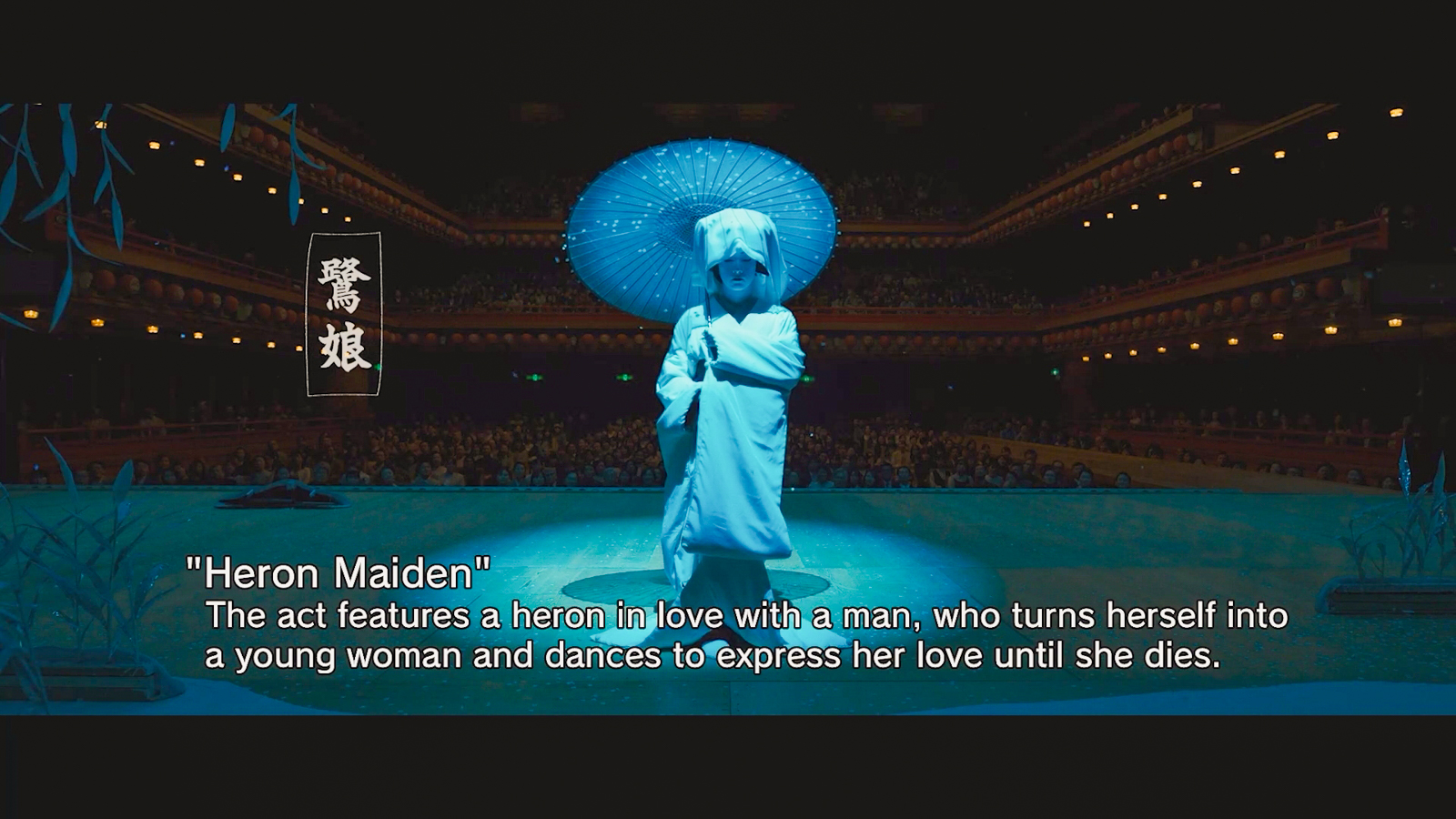
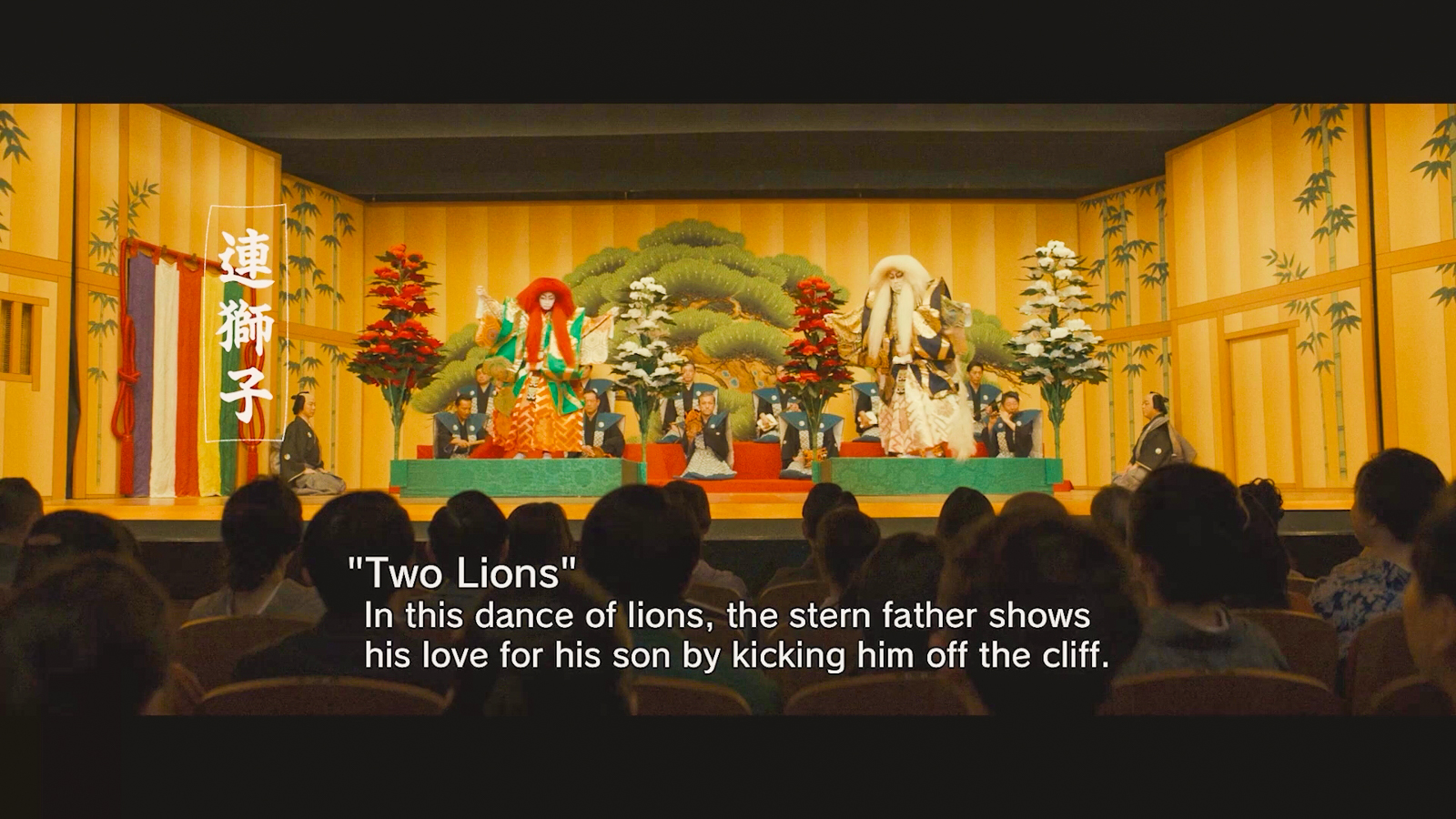
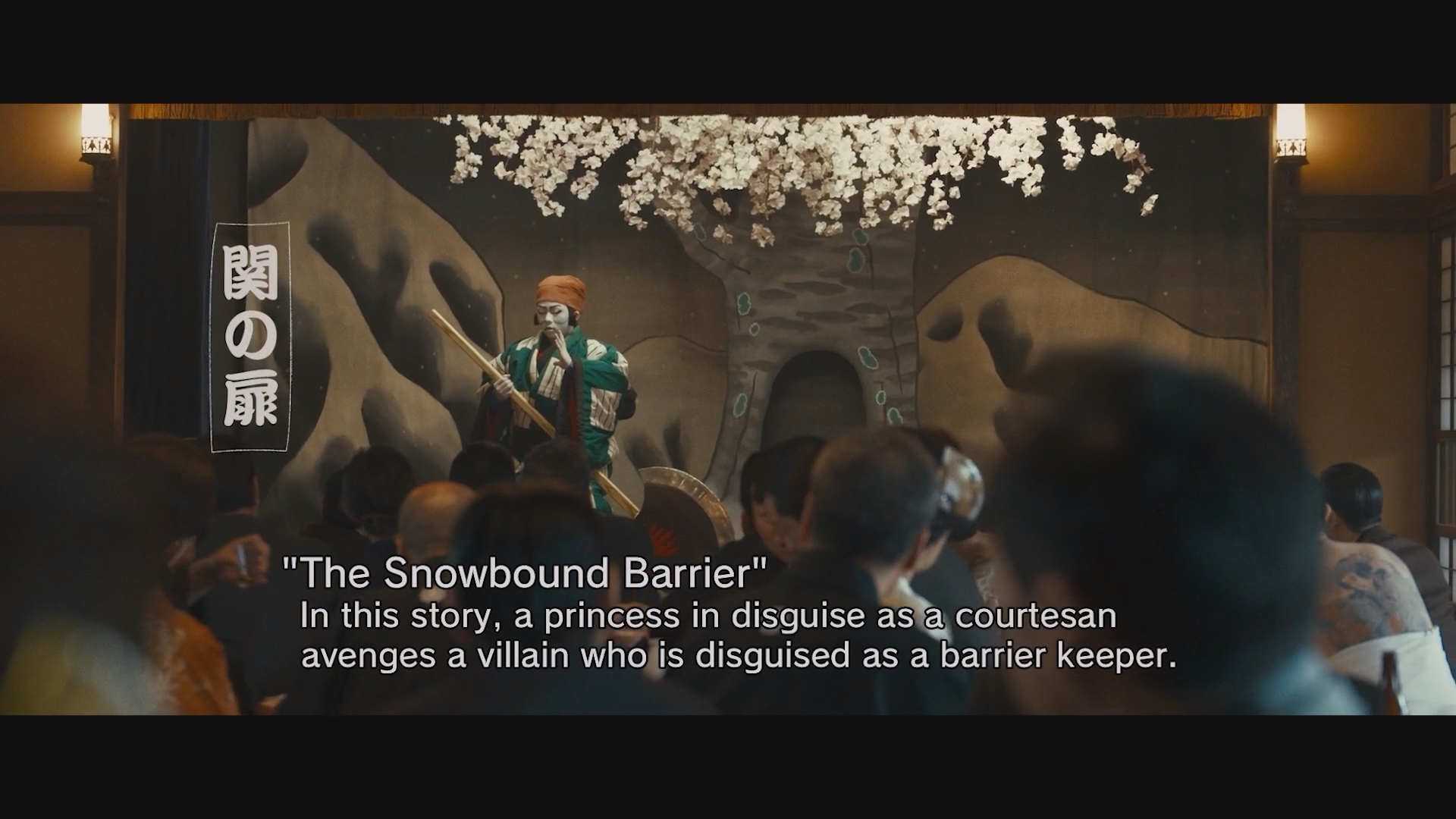
One repeated device in the movie that I really appreciated, as someone not terribly familiar with kabuki, was these cards at the beginning of every major dance sequence. It helped give context to each dance, which is vitally important since, as I mentioned earlier, the themes and emotions conveyed in the dances often mirror what’s happening off-stage in some way.
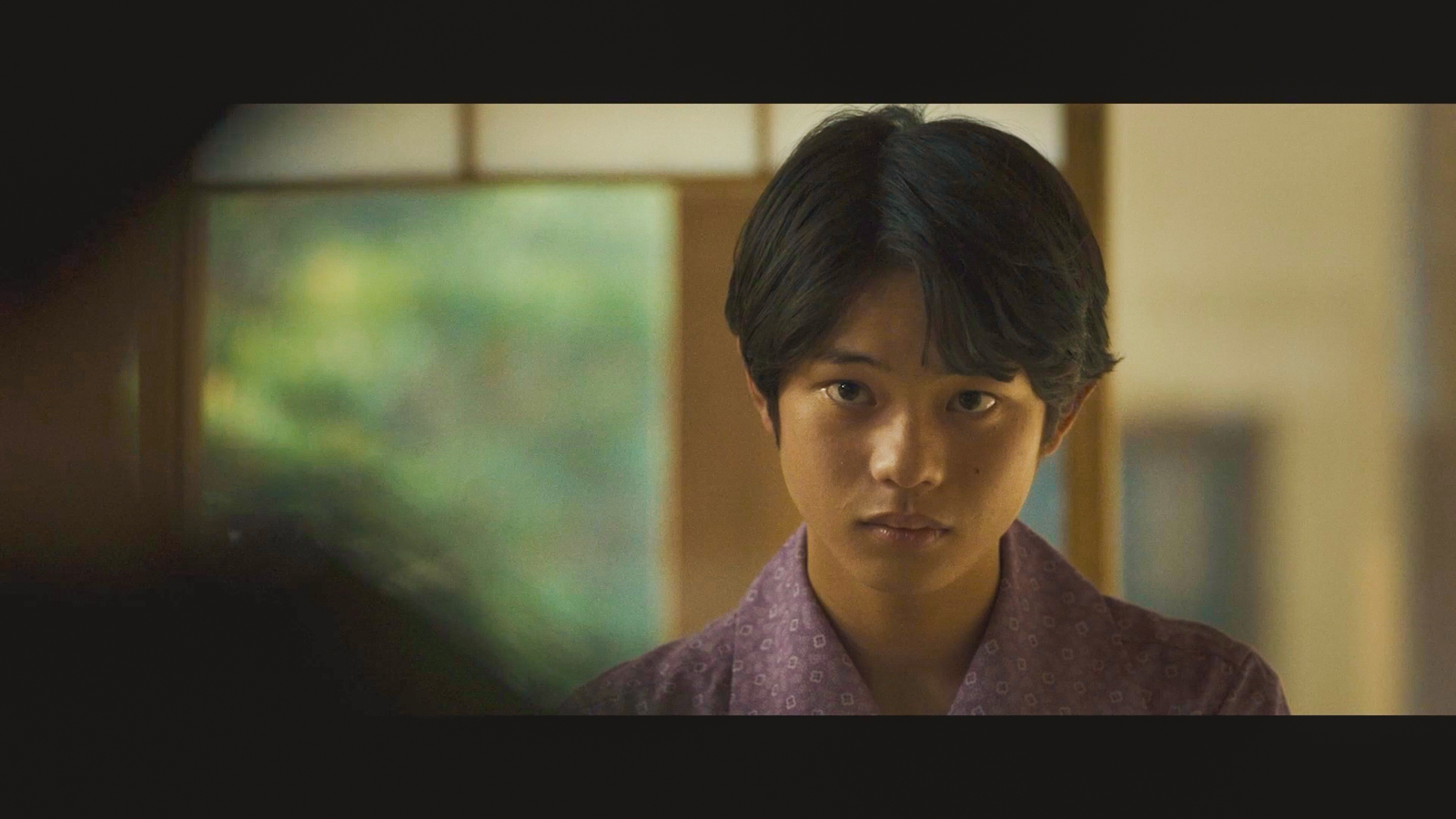
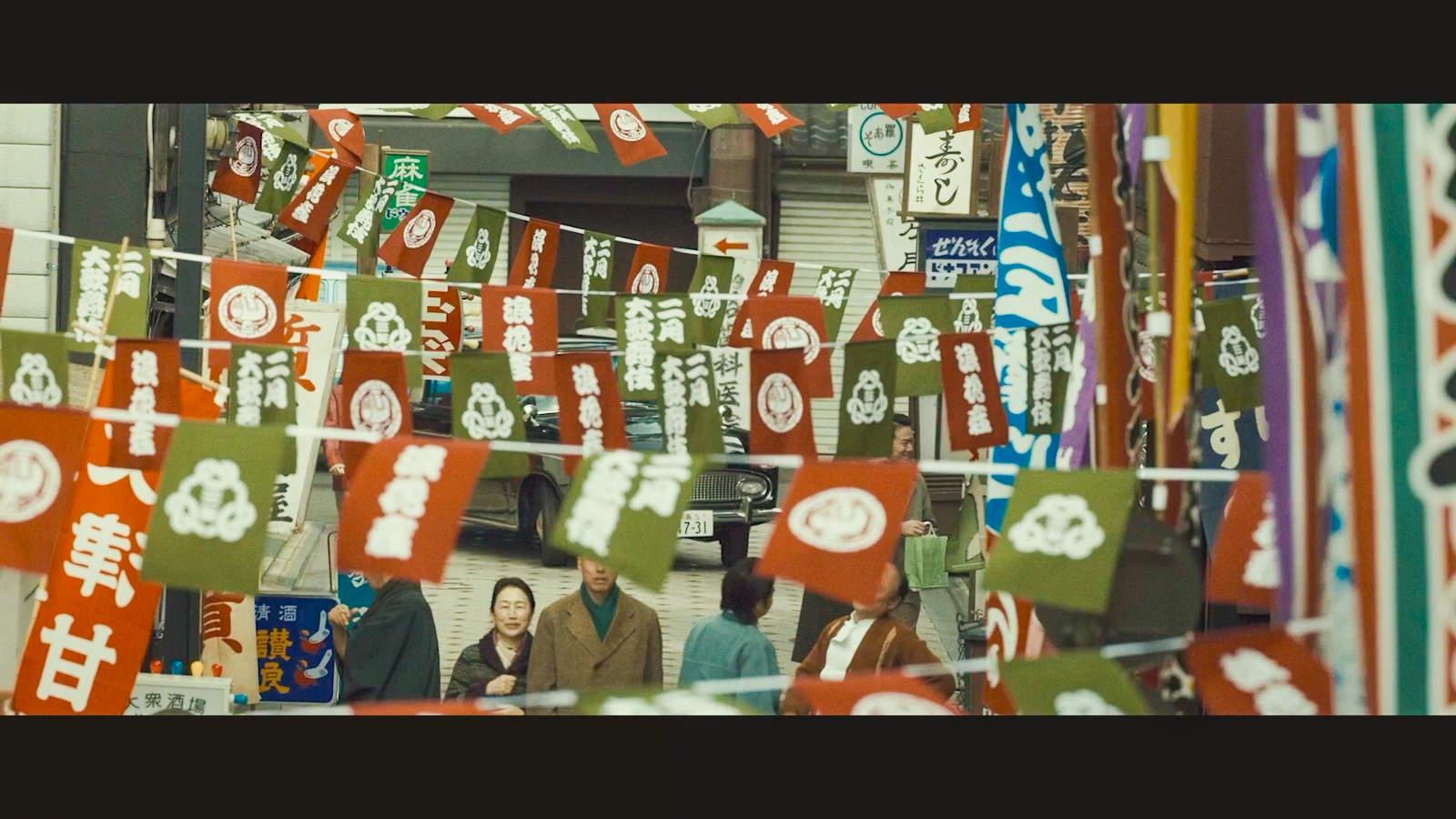
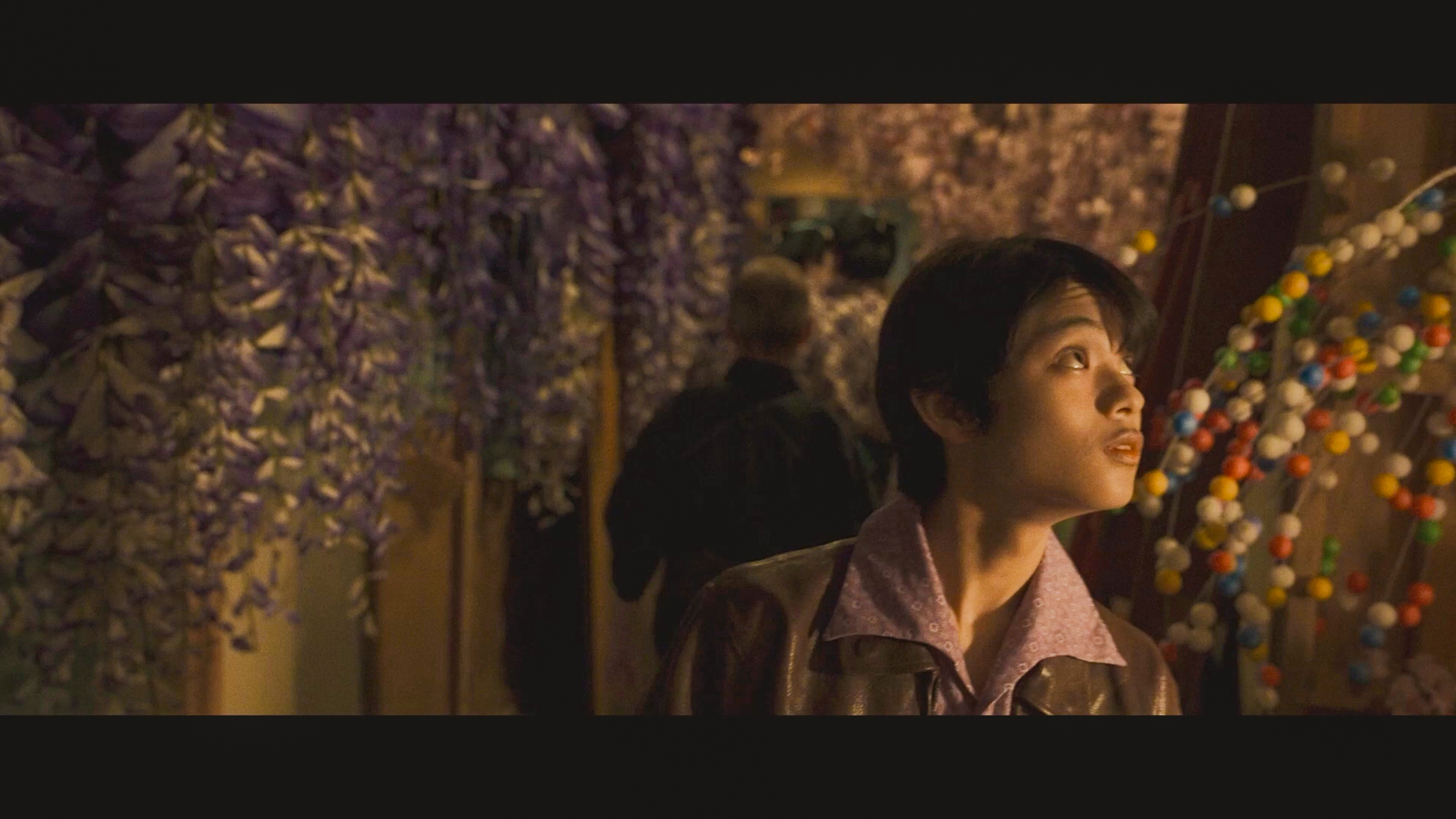
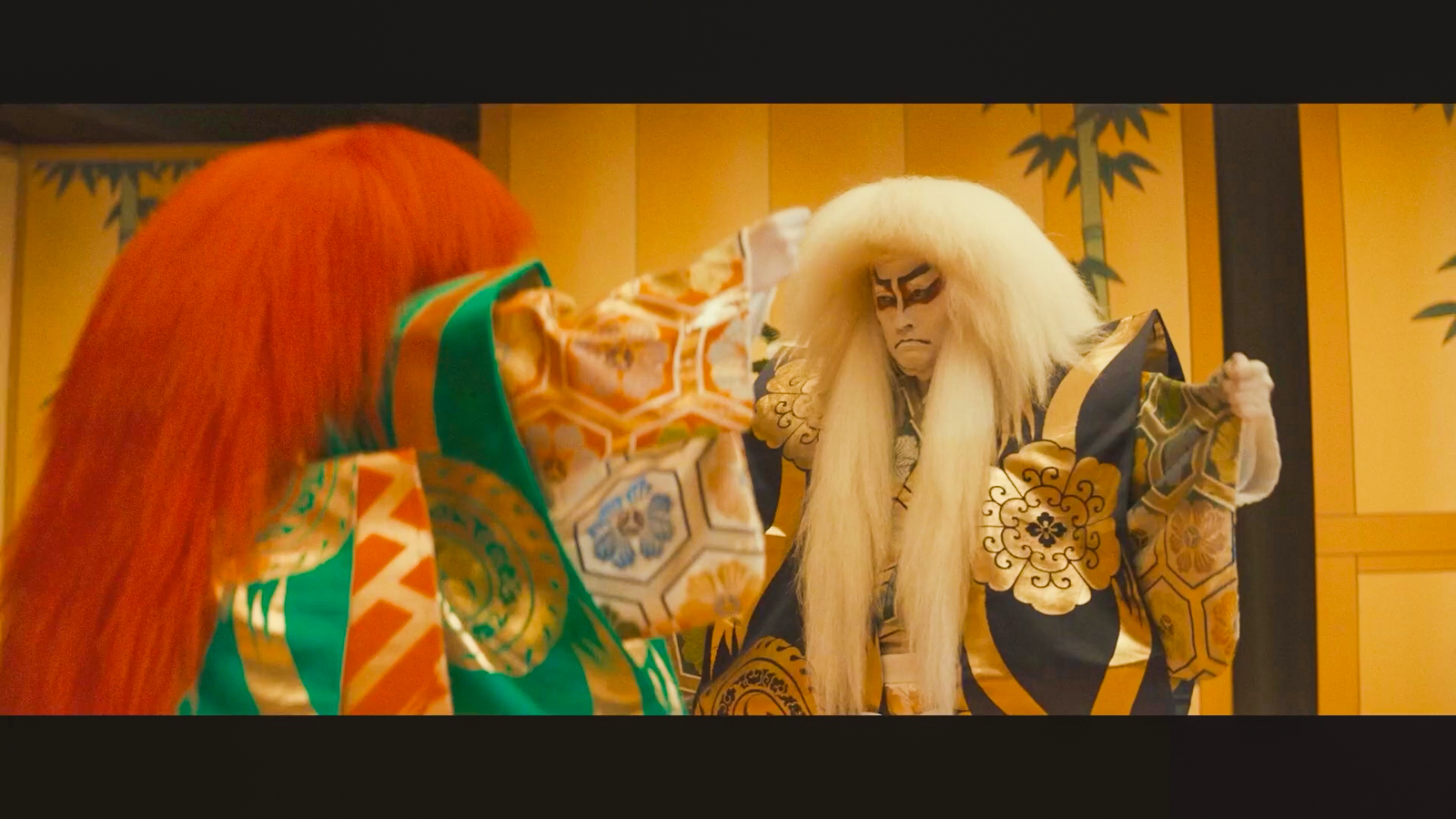
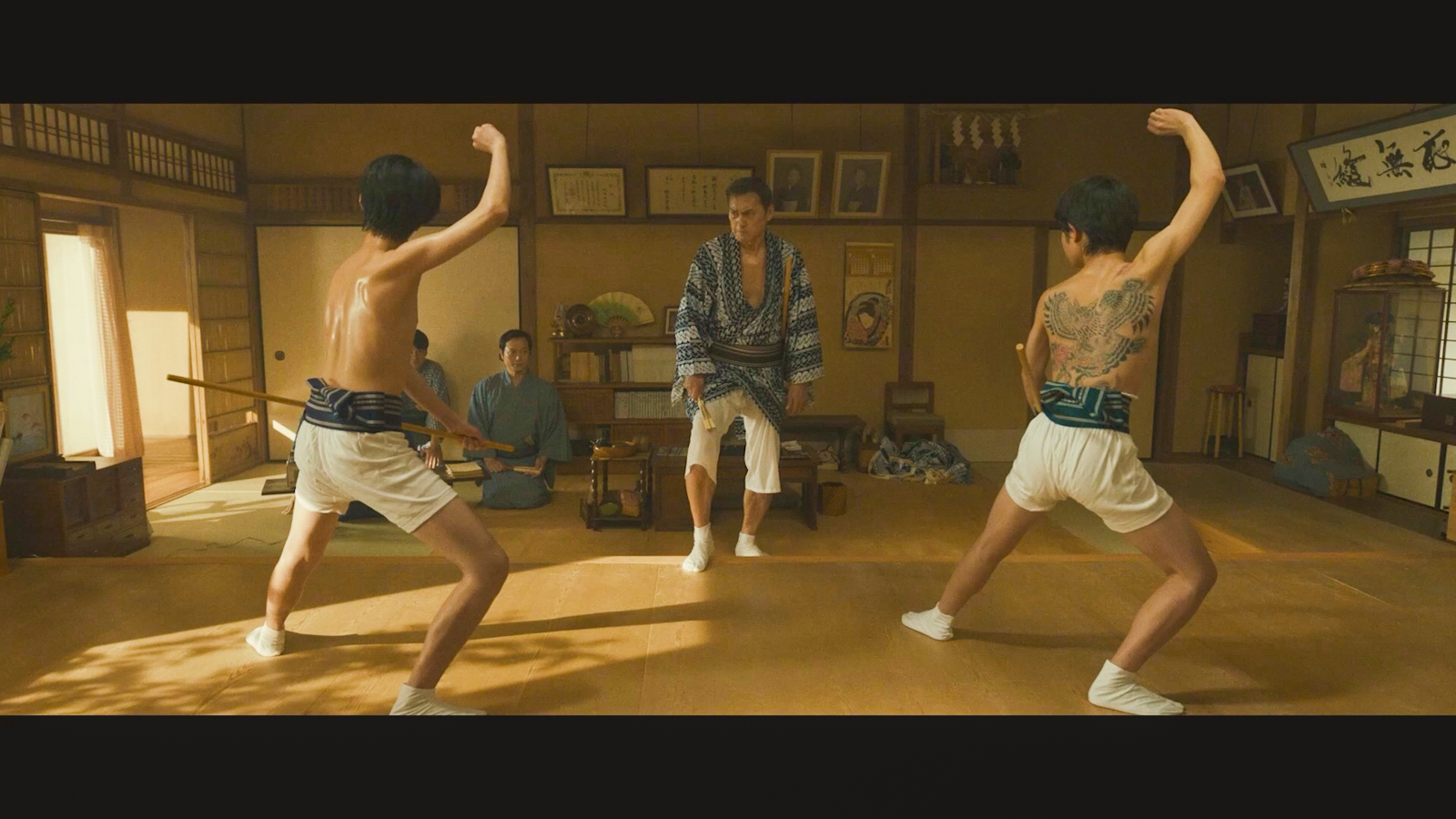
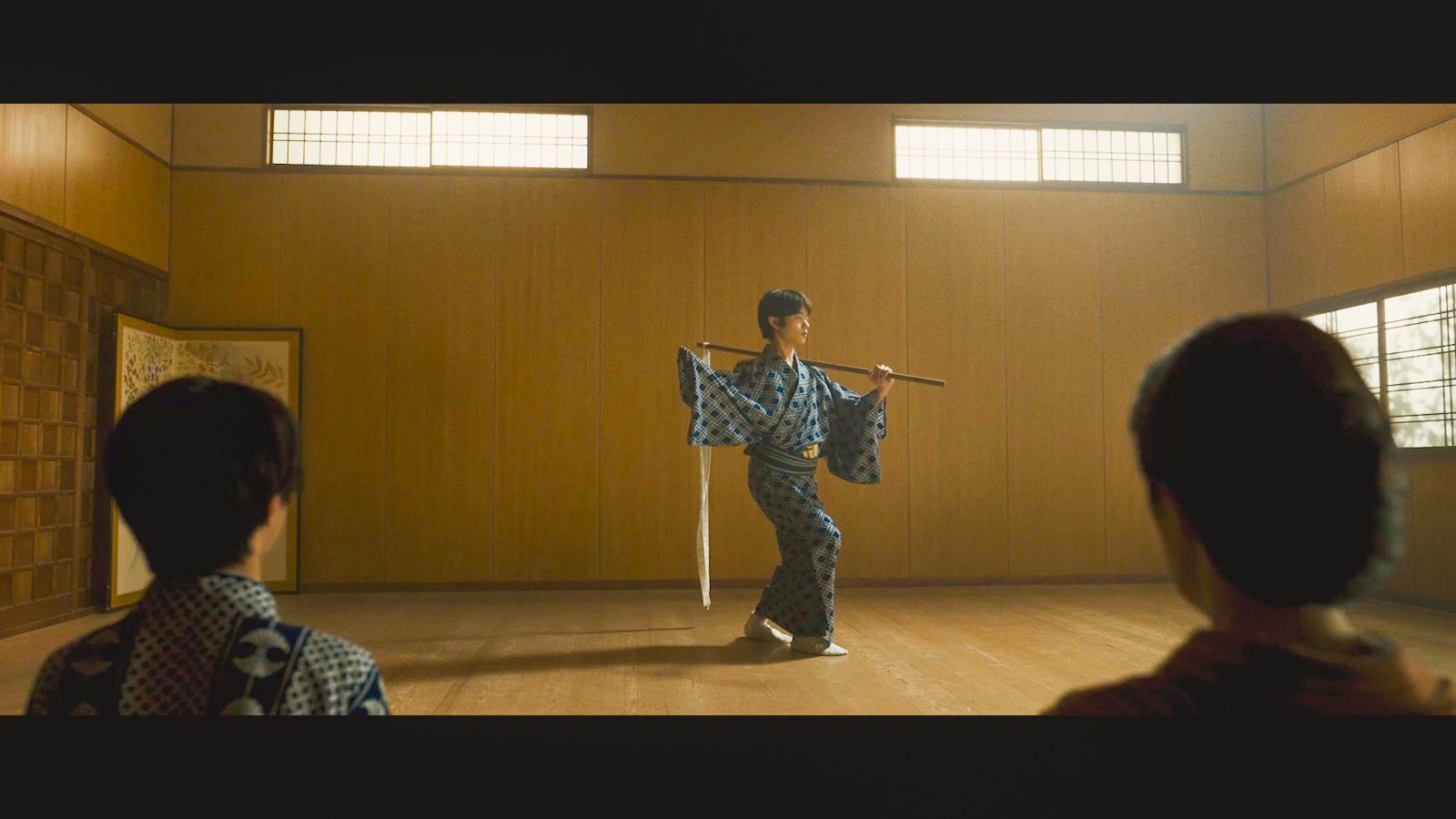
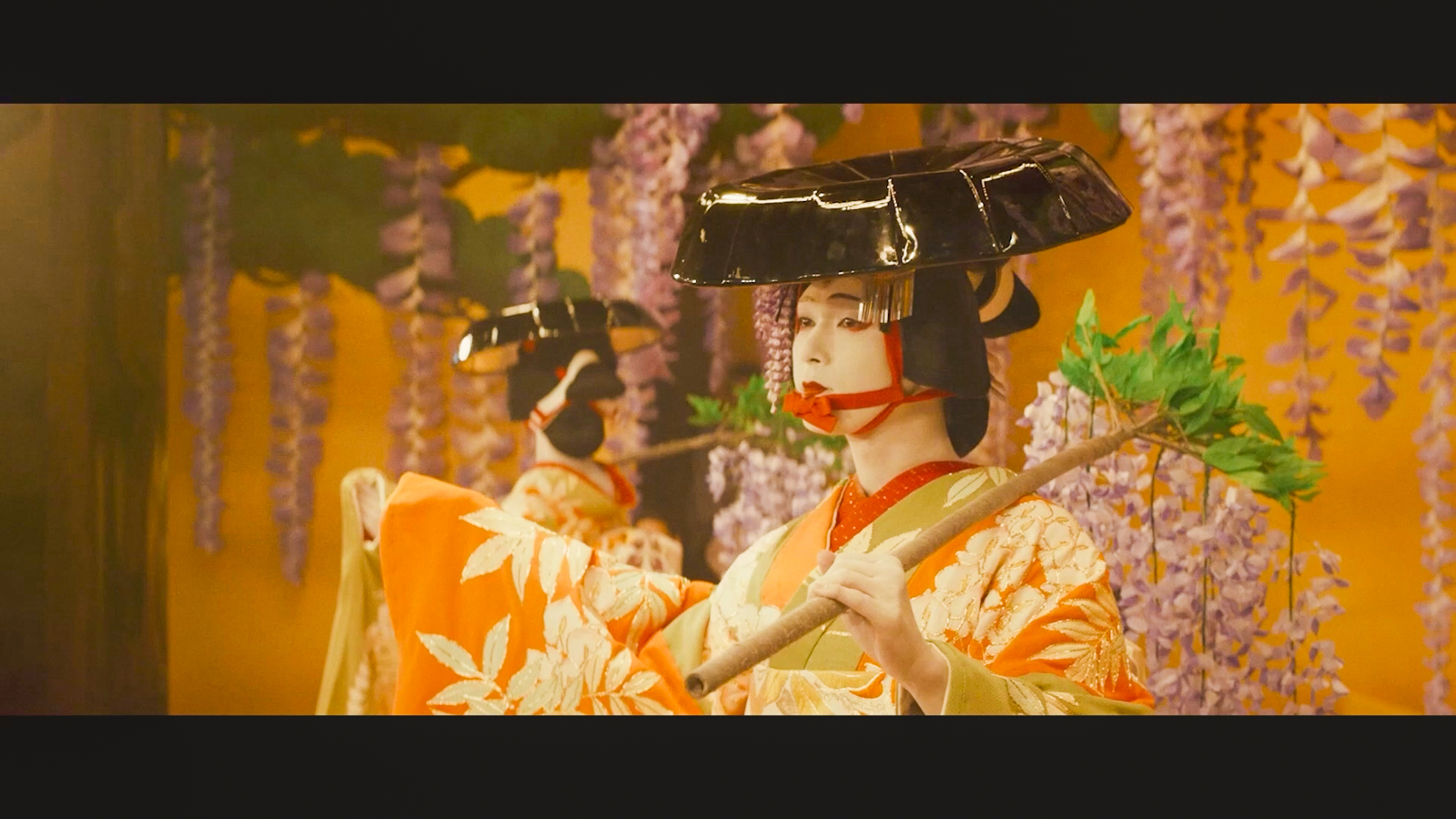
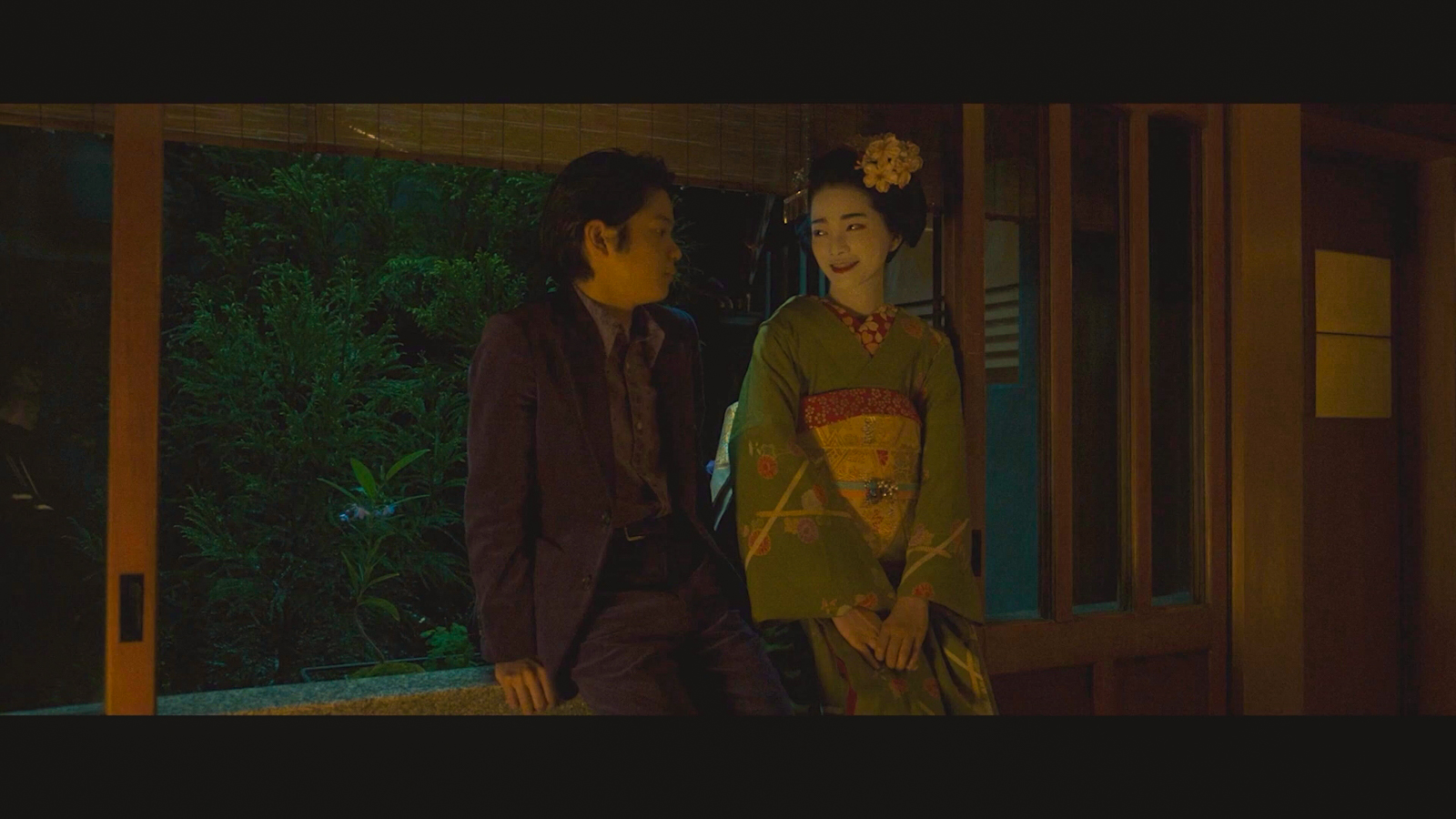
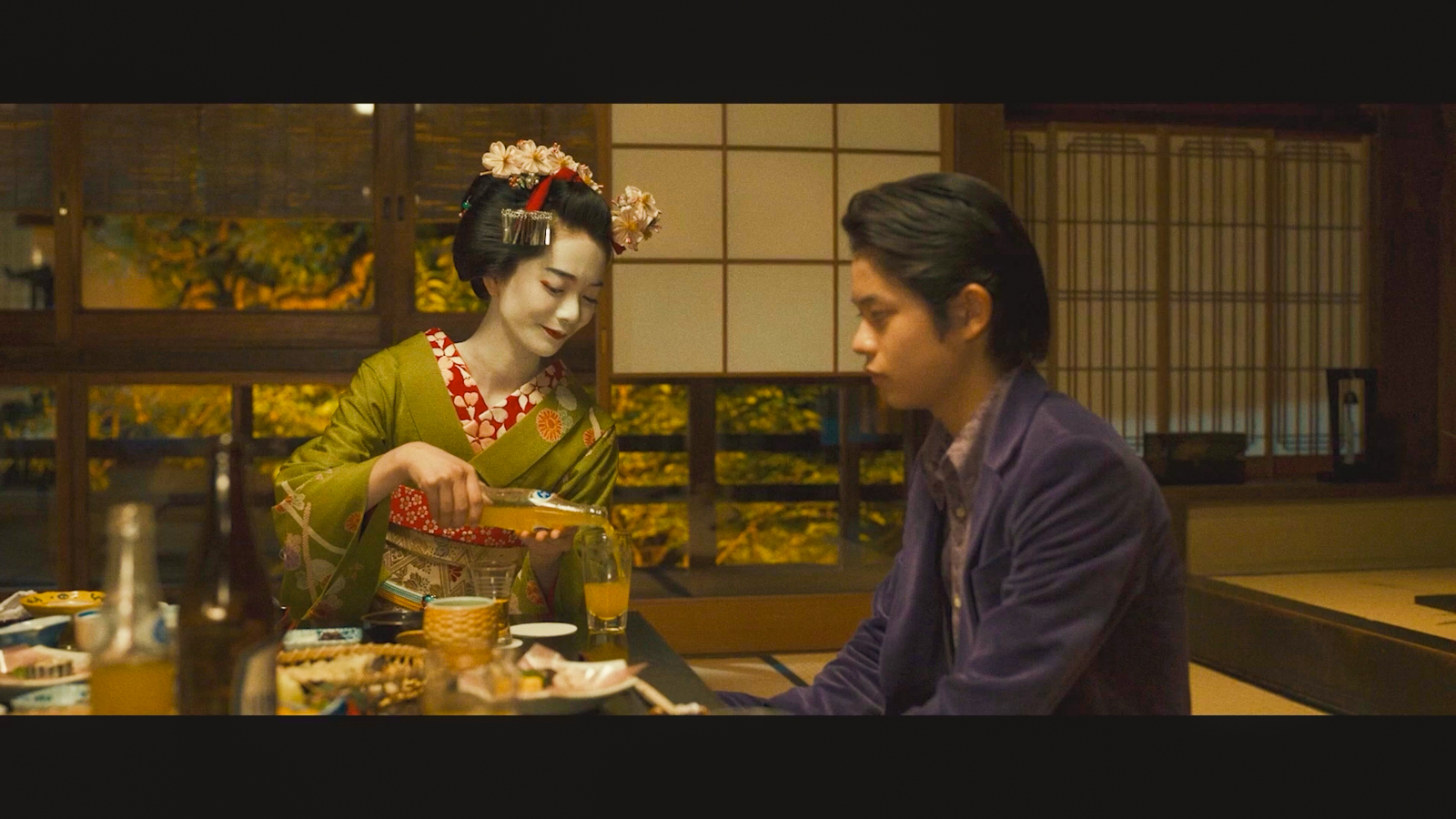
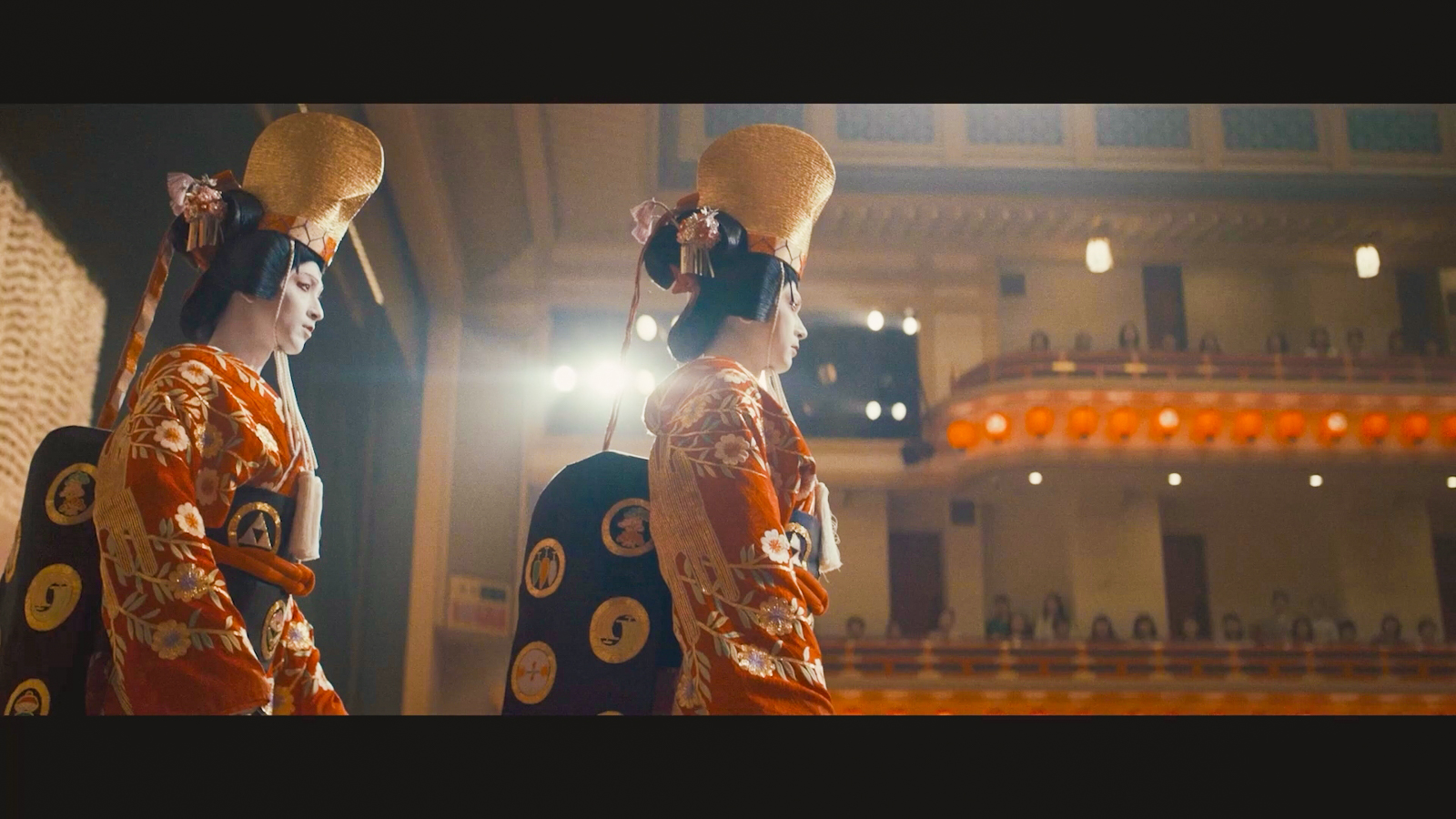
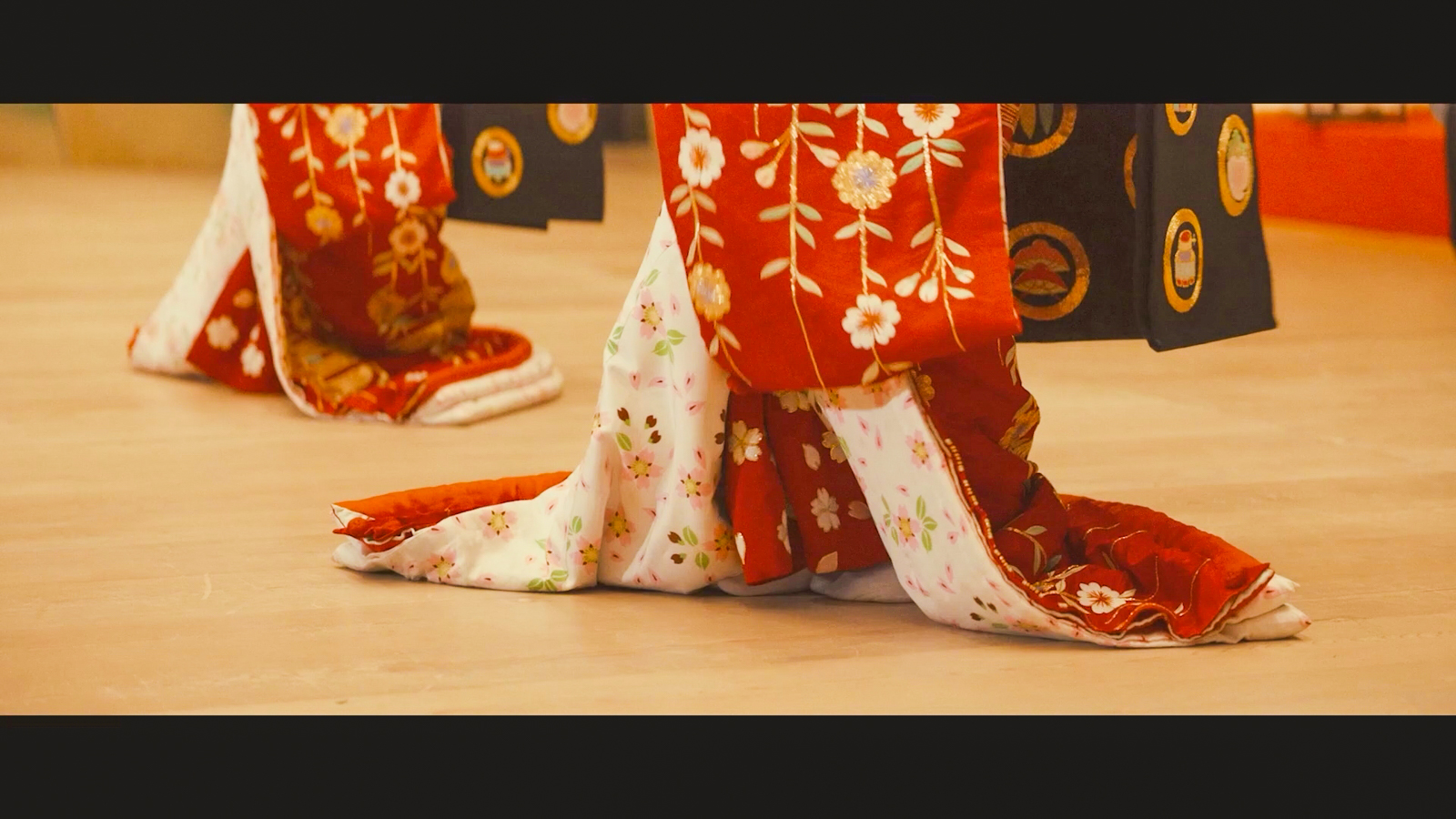
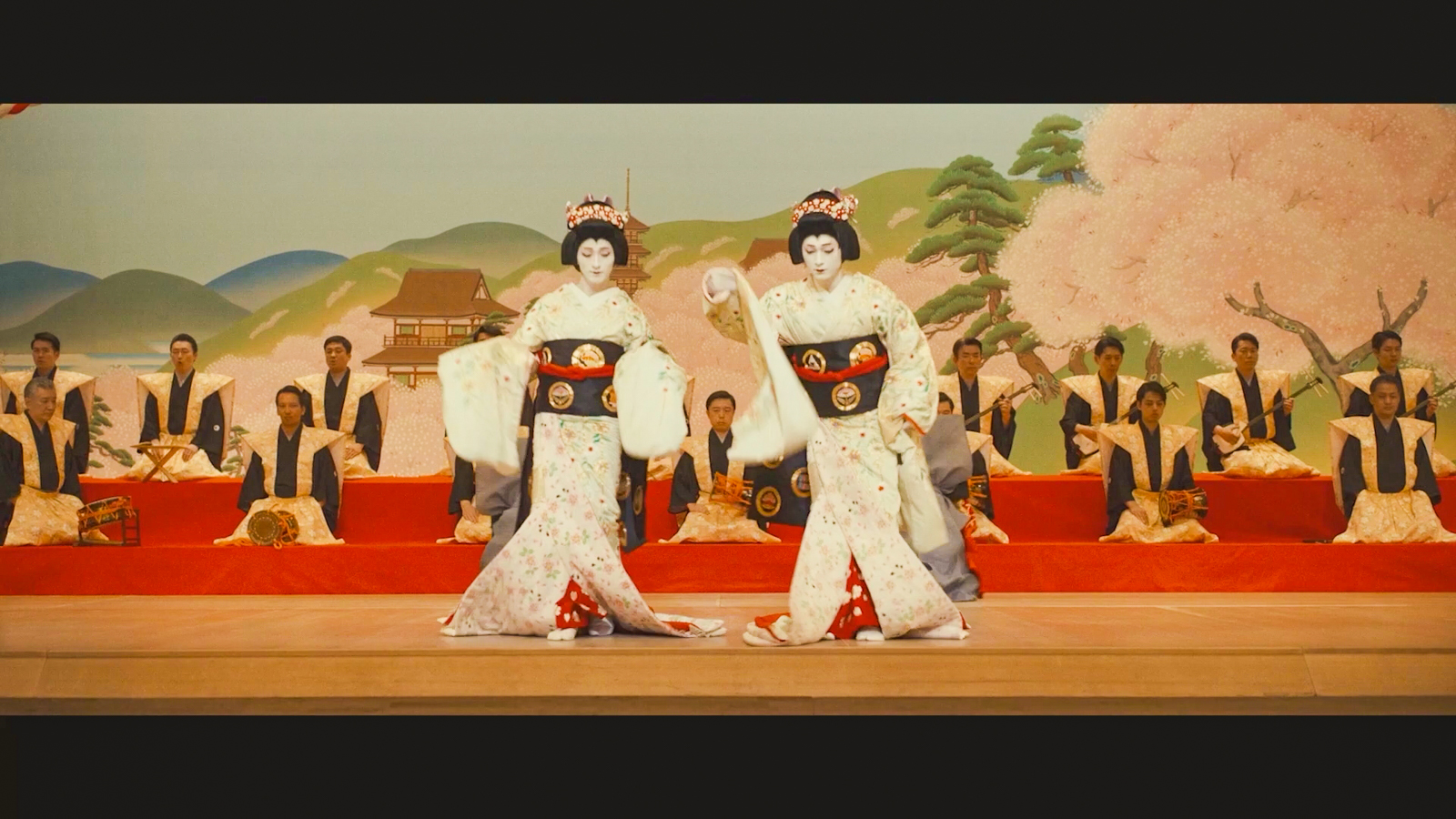
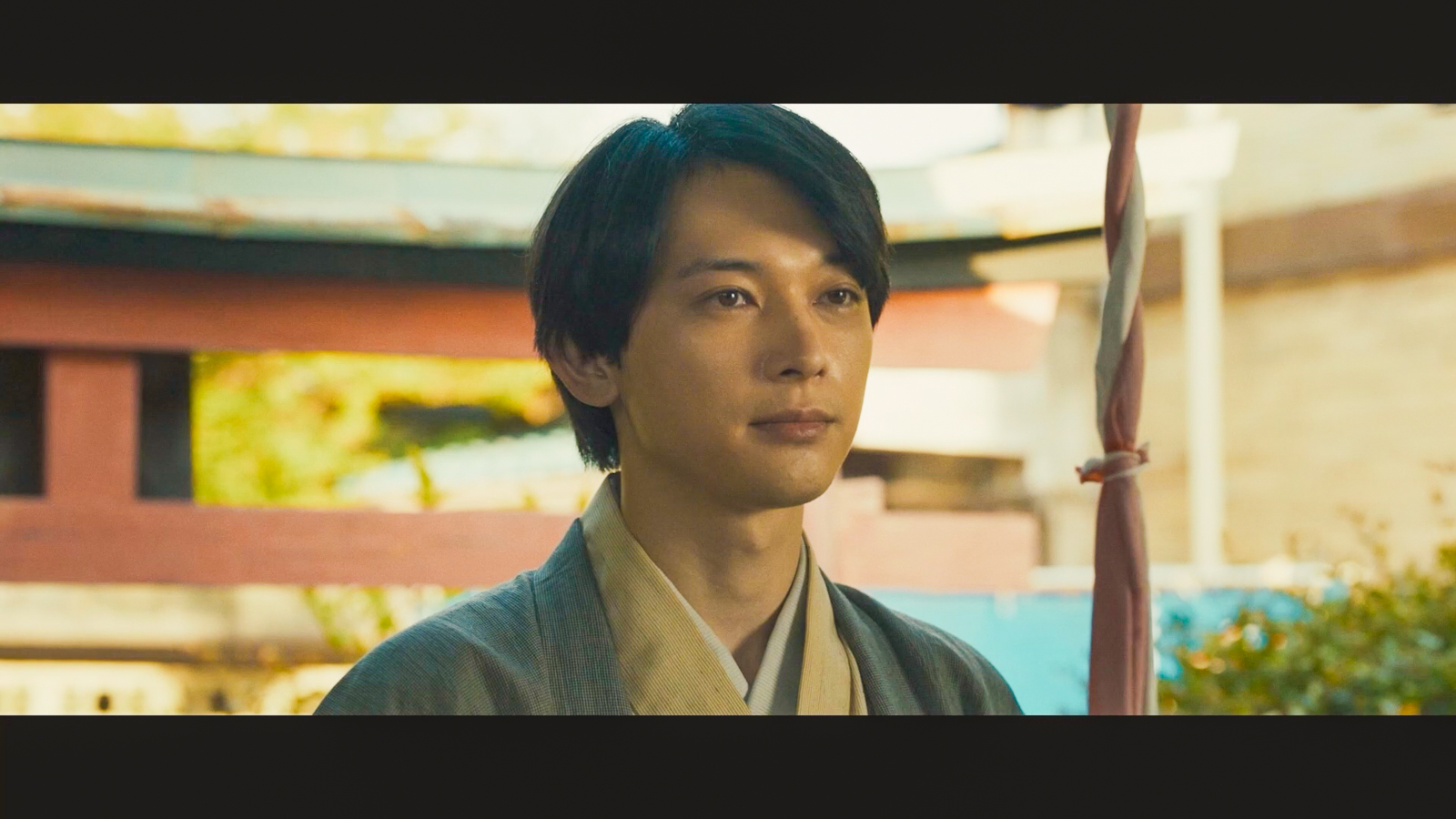
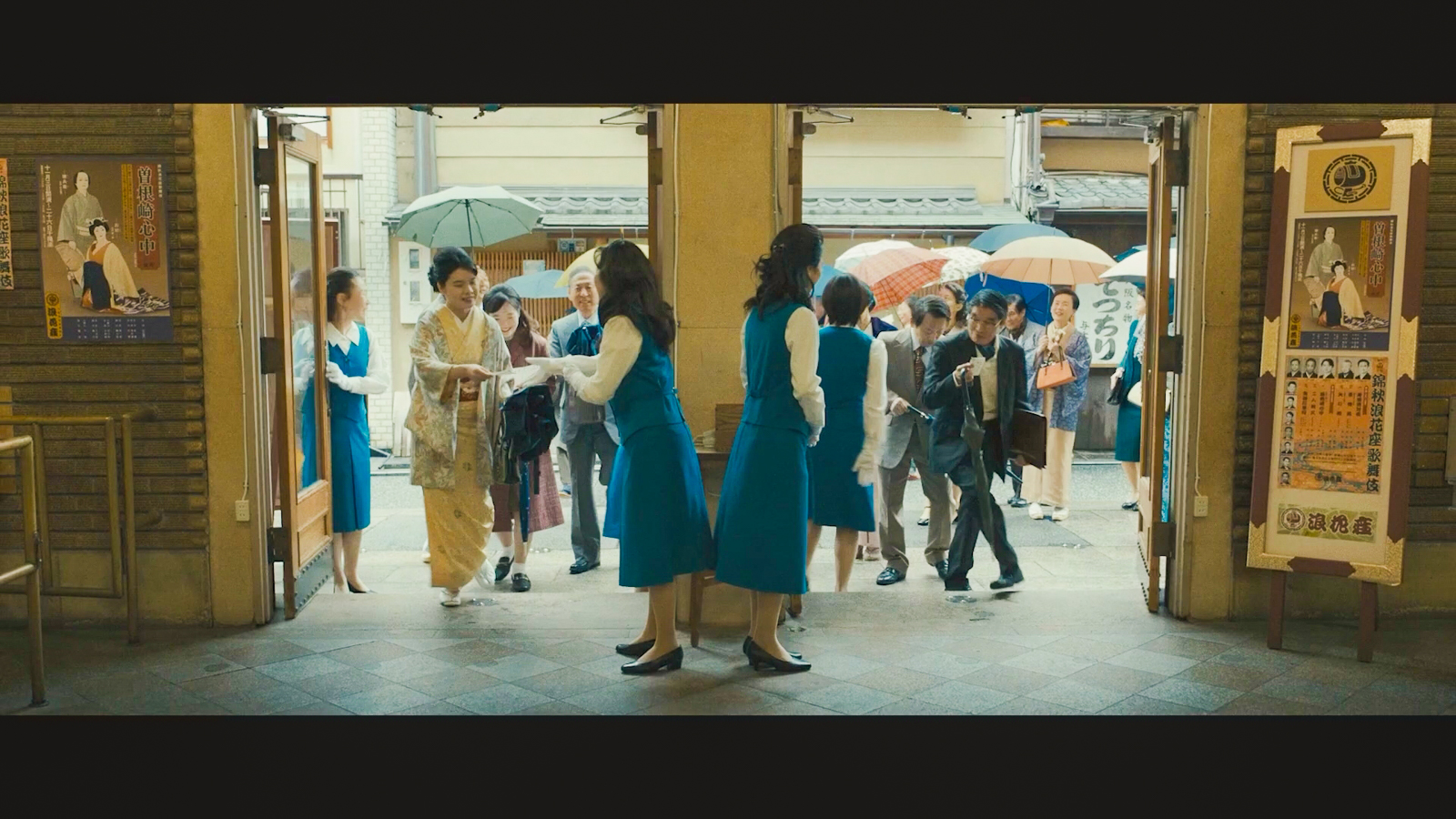
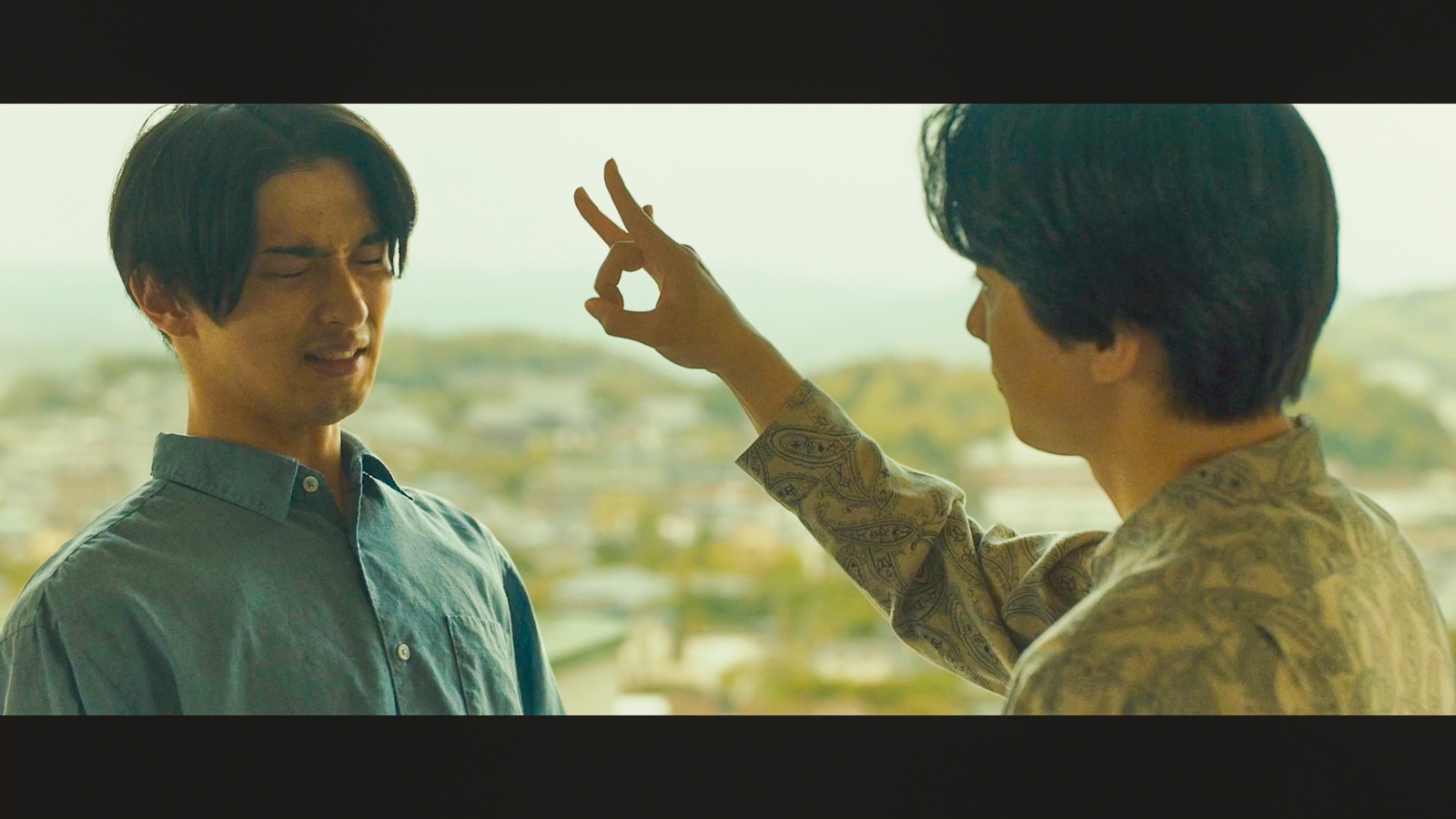
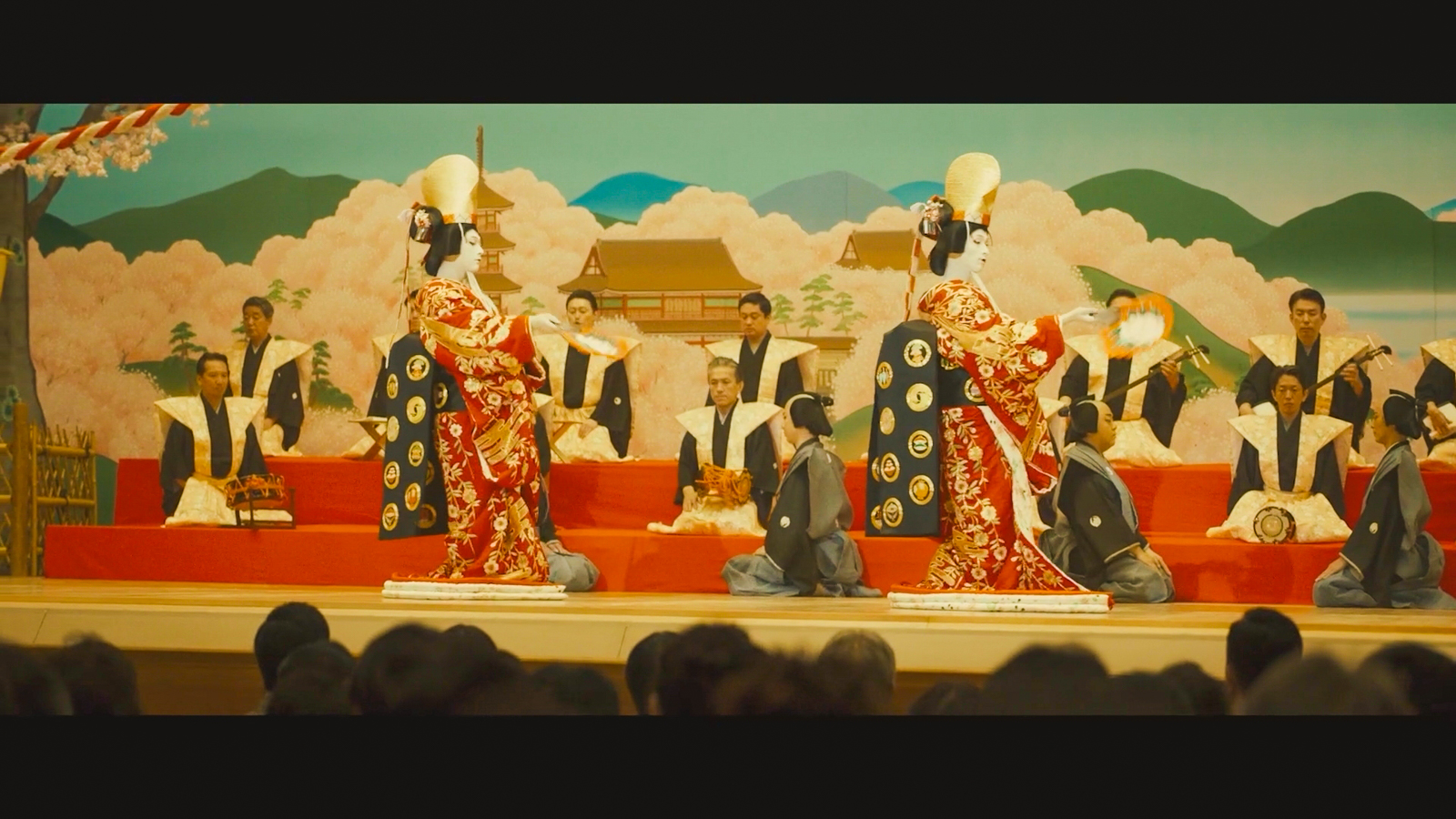
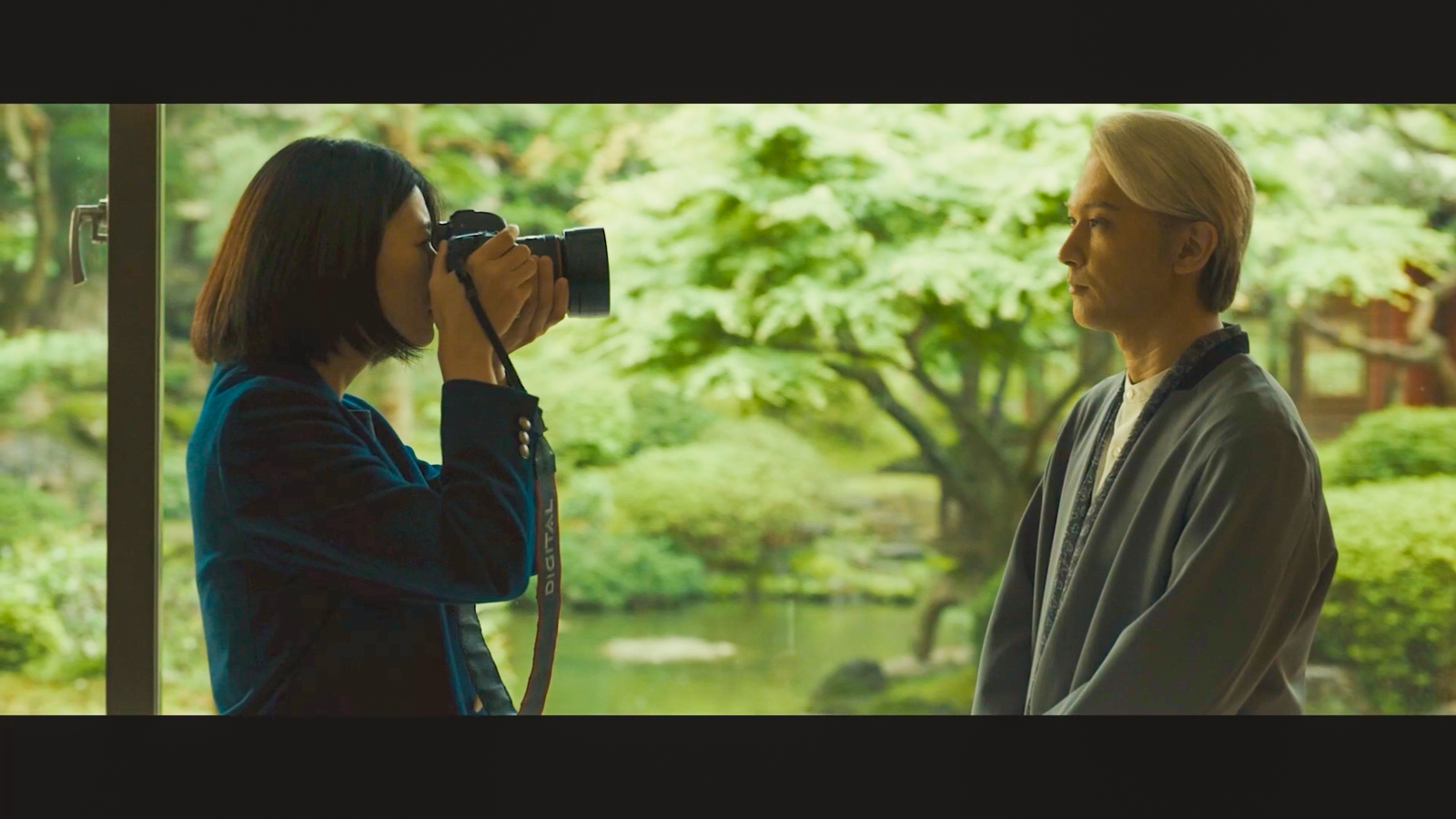
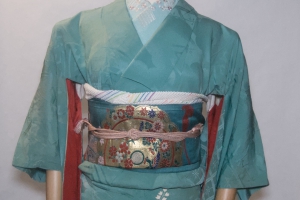
Of course, it wouldn’t be a Kimono Tsuki review if I didn’t talk about the kimono, now would it? The thing that started my love letter to the Japanese arts, and continues to be my primary obsession. The stage costumes, obviously, are all lush, gorgeous, and deftly handled. The costumes in kabuki tend to be relatively standardized and help to identify the characters and archetypes being performed, so it’s no surprise that a movie that is such a passionate and thorough love letter to the art form went all-in with the costuming. What really caught my attention, kimono-wise, was how well the non-costume outfits were coordinated, and how well they telegraphed pertinent details such as age, status, time of year, and yes, decade. From the rough meisen day-wear of the 60s to the subdued silk houmongi of the 80s, they really ensured that the style, colours, and patterns of each kimono accurately reflected what situation and timeframe of the movie we were in. Considering the attention to detail in the rest of the movie, I should not have been surprised by this, but it was still a lovely thing to see.

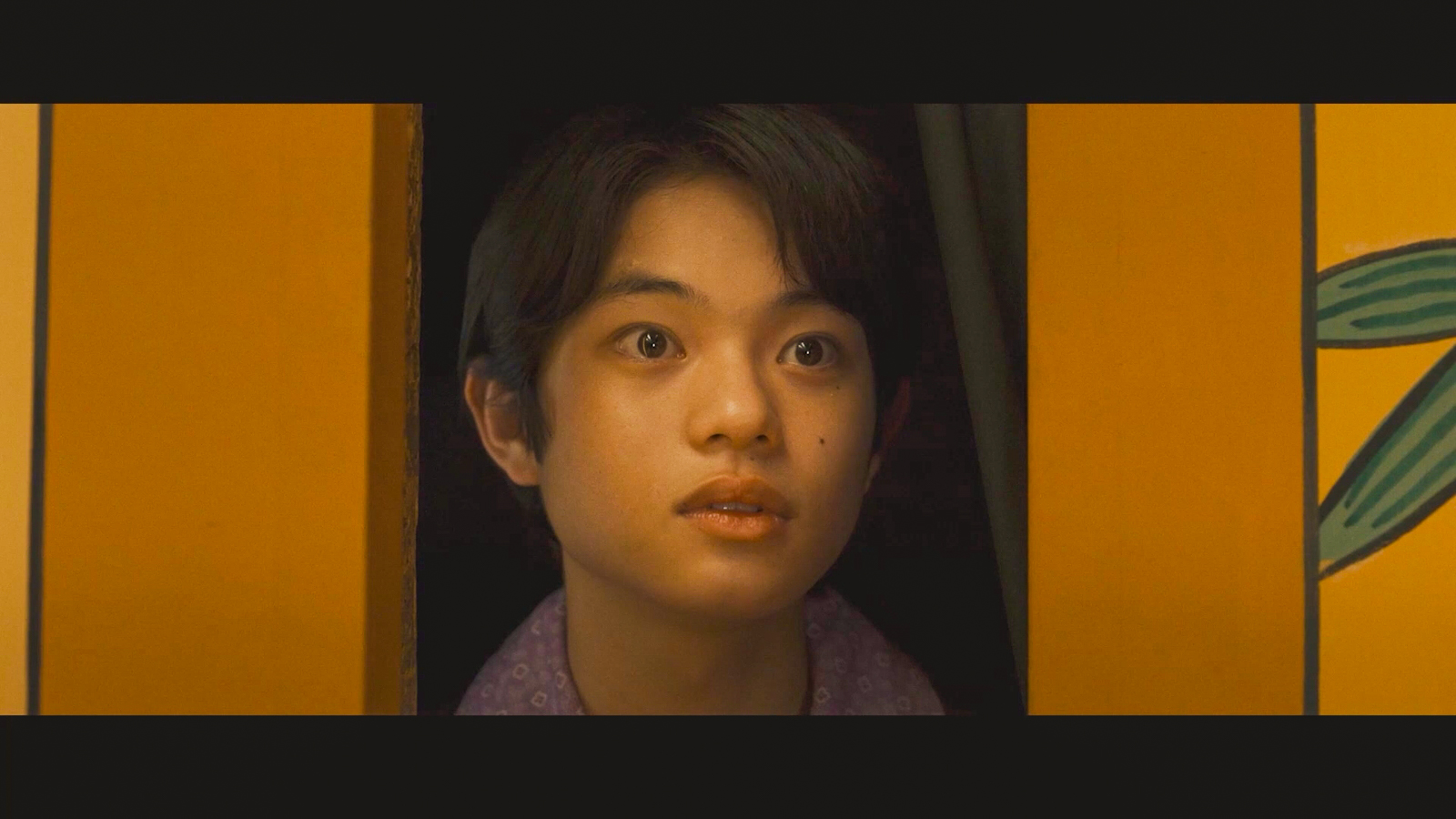
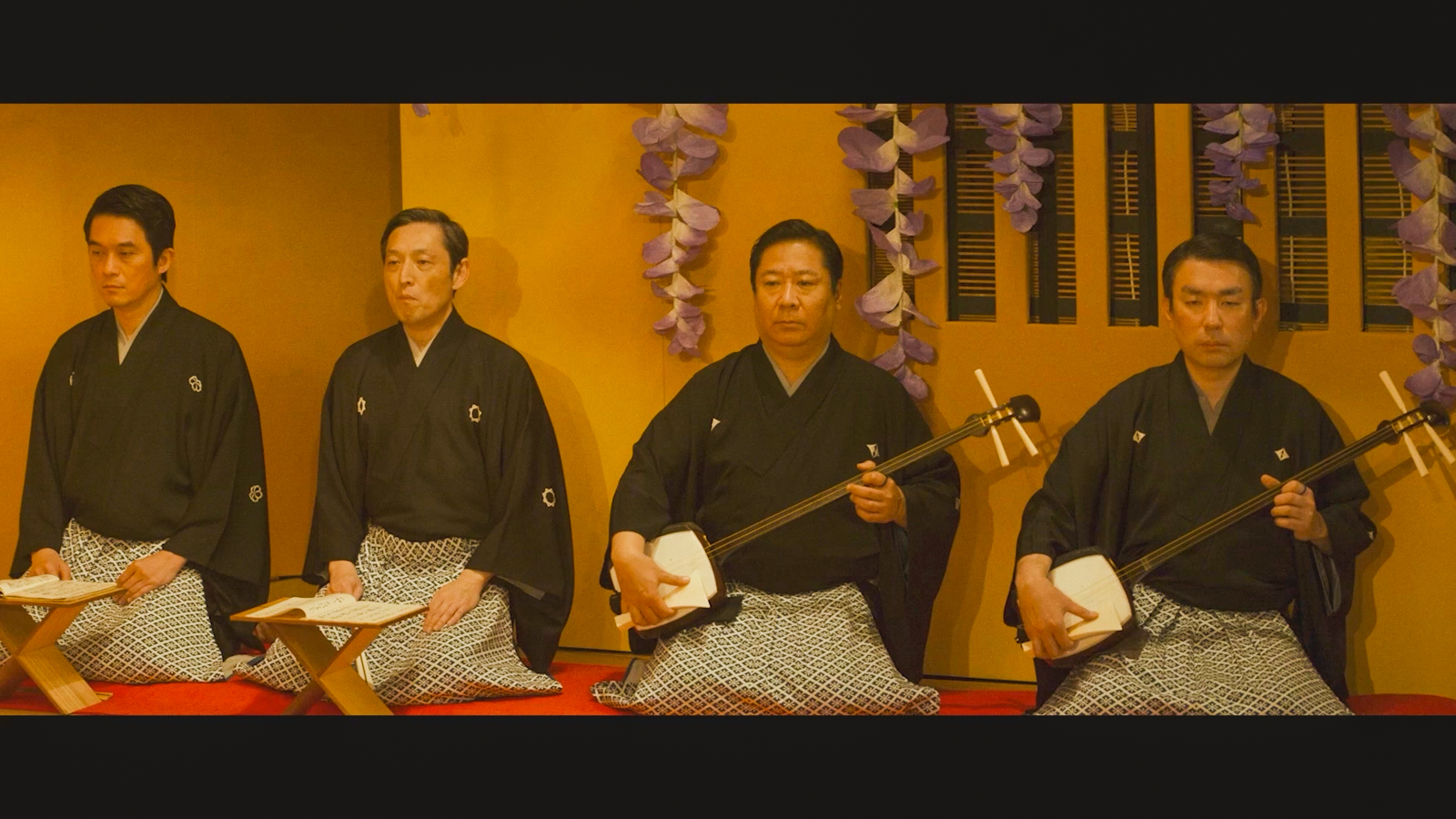
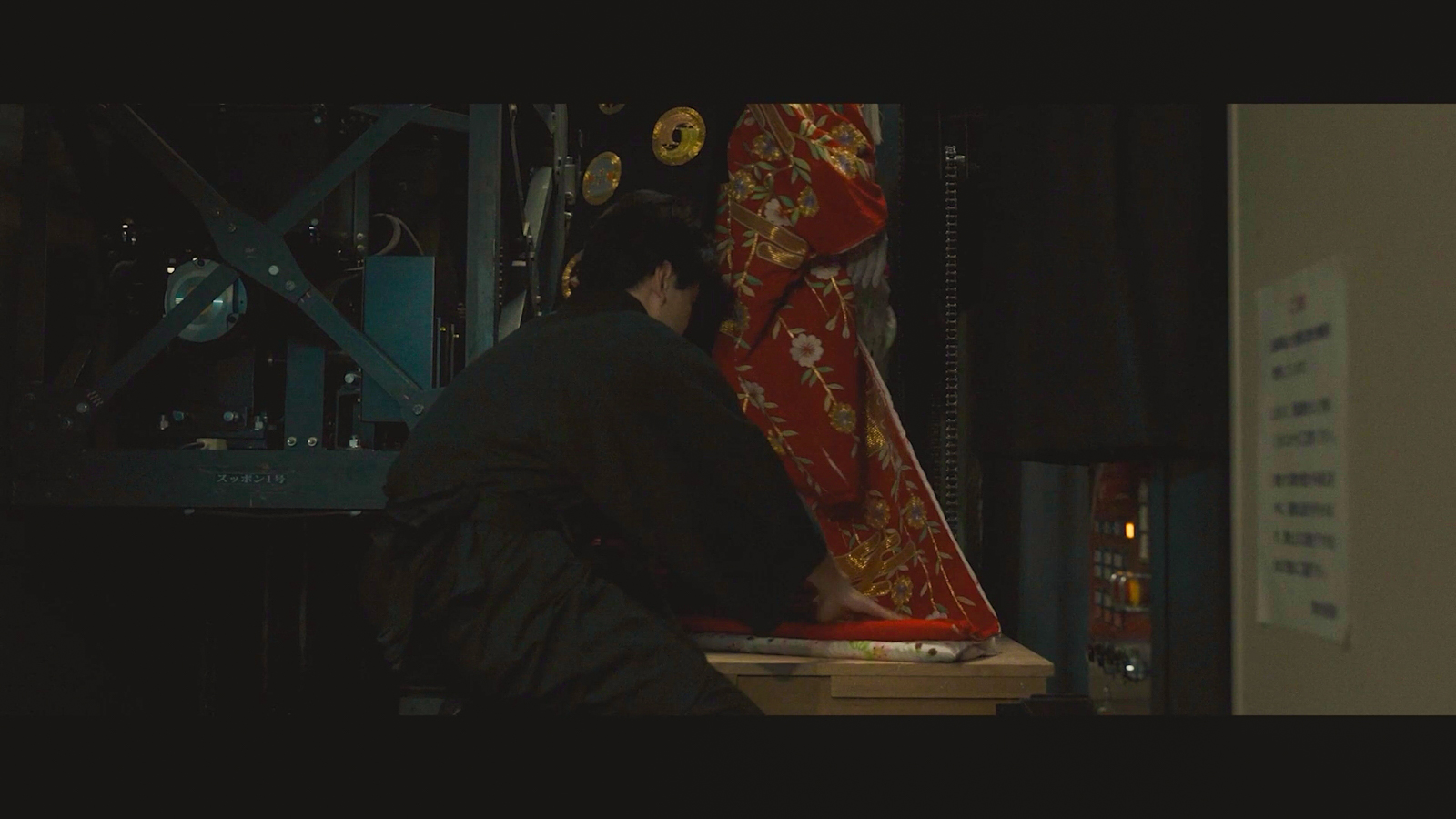
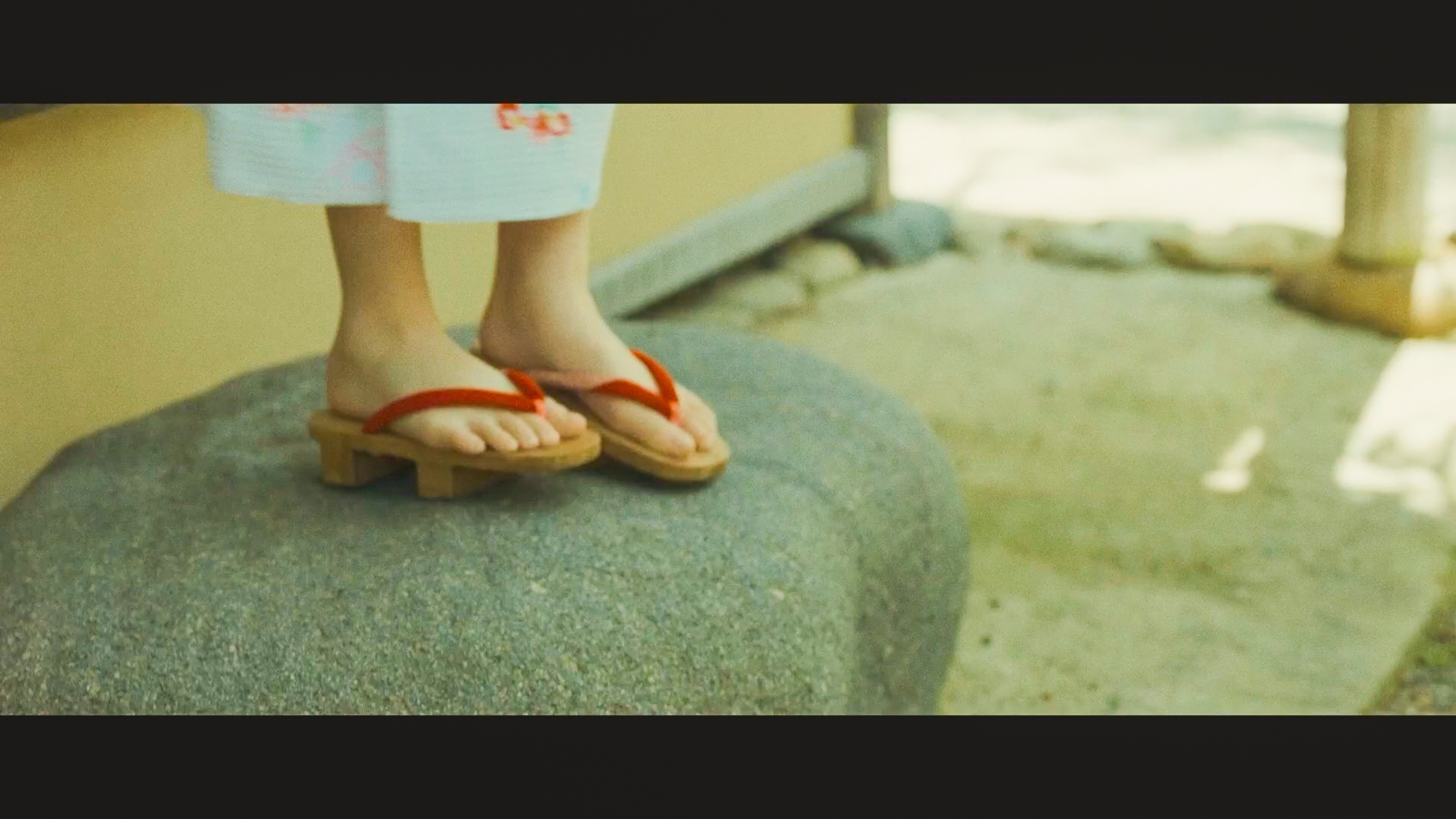
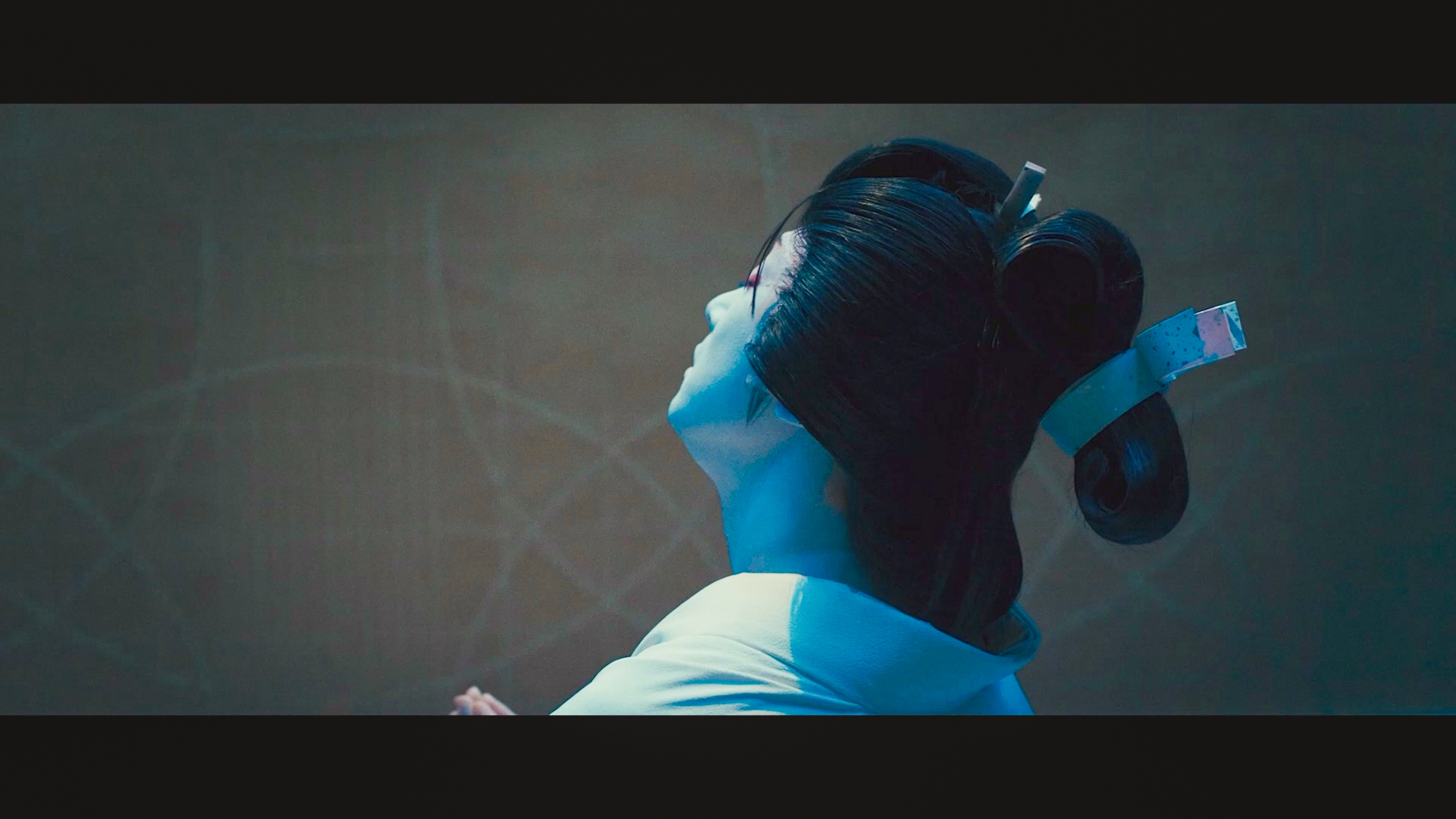
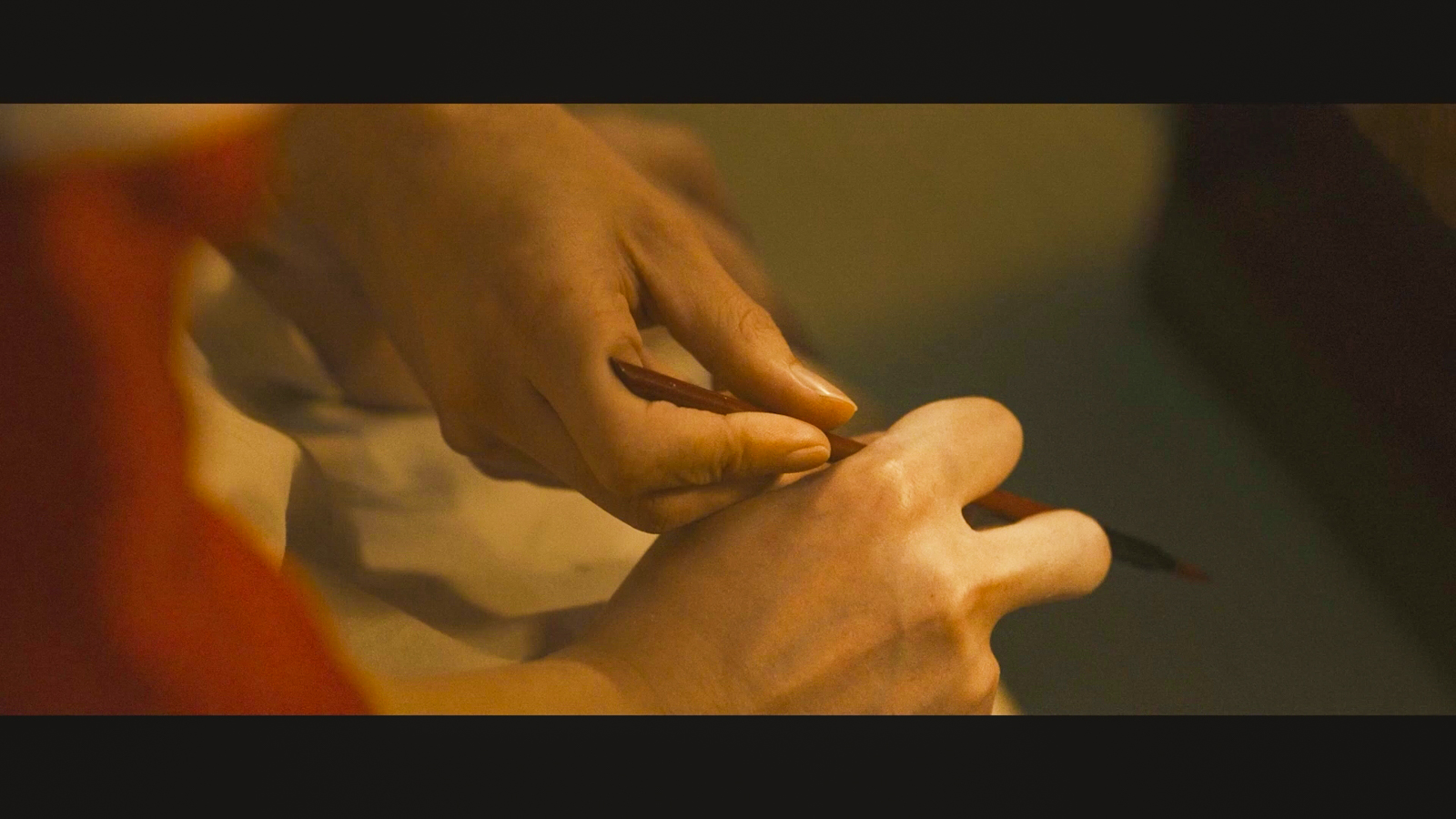
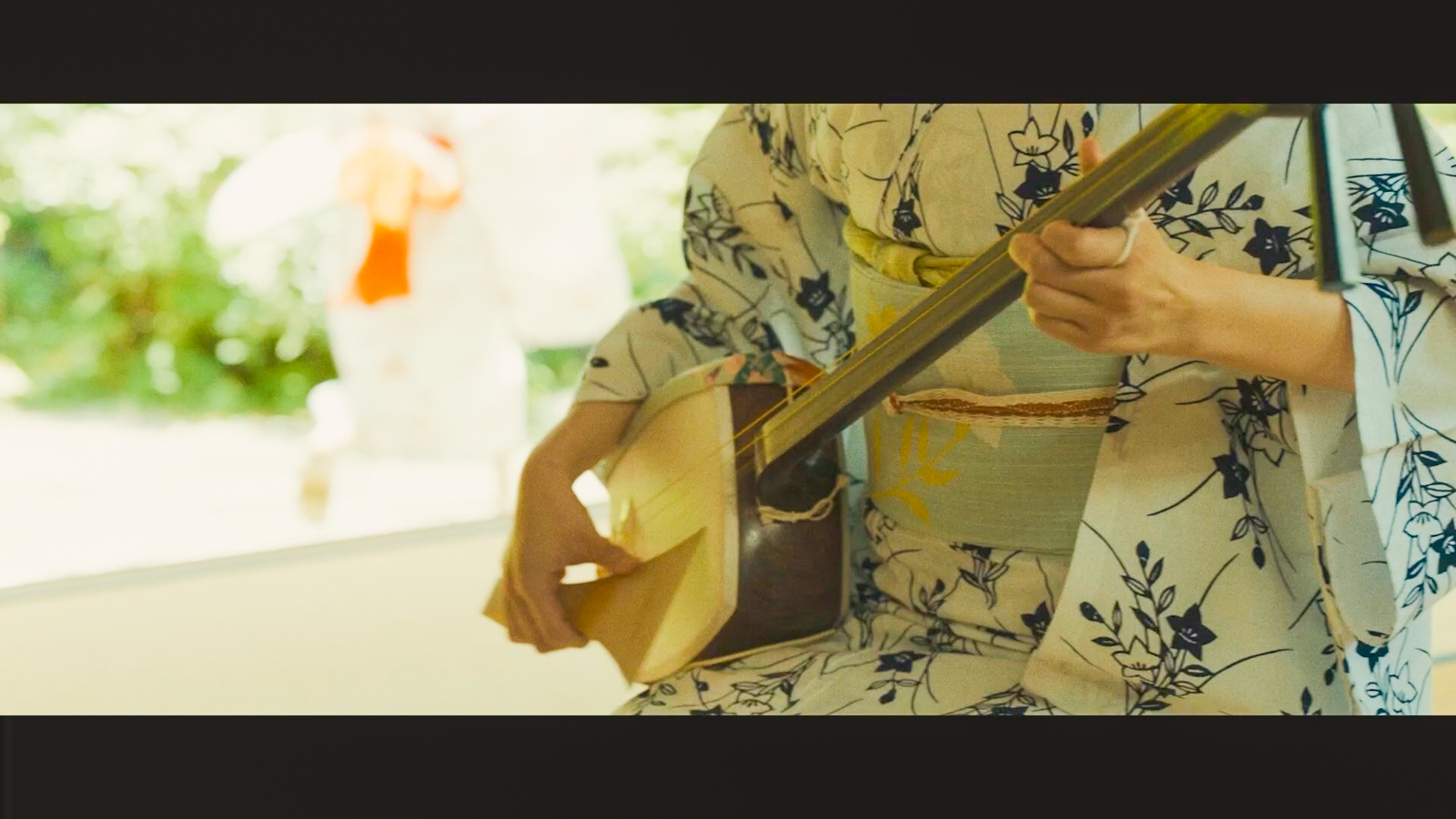
Speaking of “lovely things to see”; when I say it was nearly impossible to keep my screenshotting to a minimum here, you need to believe me. Since Kokuho is over three hours long and nearly every scene is visually stunning, I had to be selective. I also had to skip over large chunks to avoid spoilers. And I still ended up with all these breathtaking images I had to share with you.
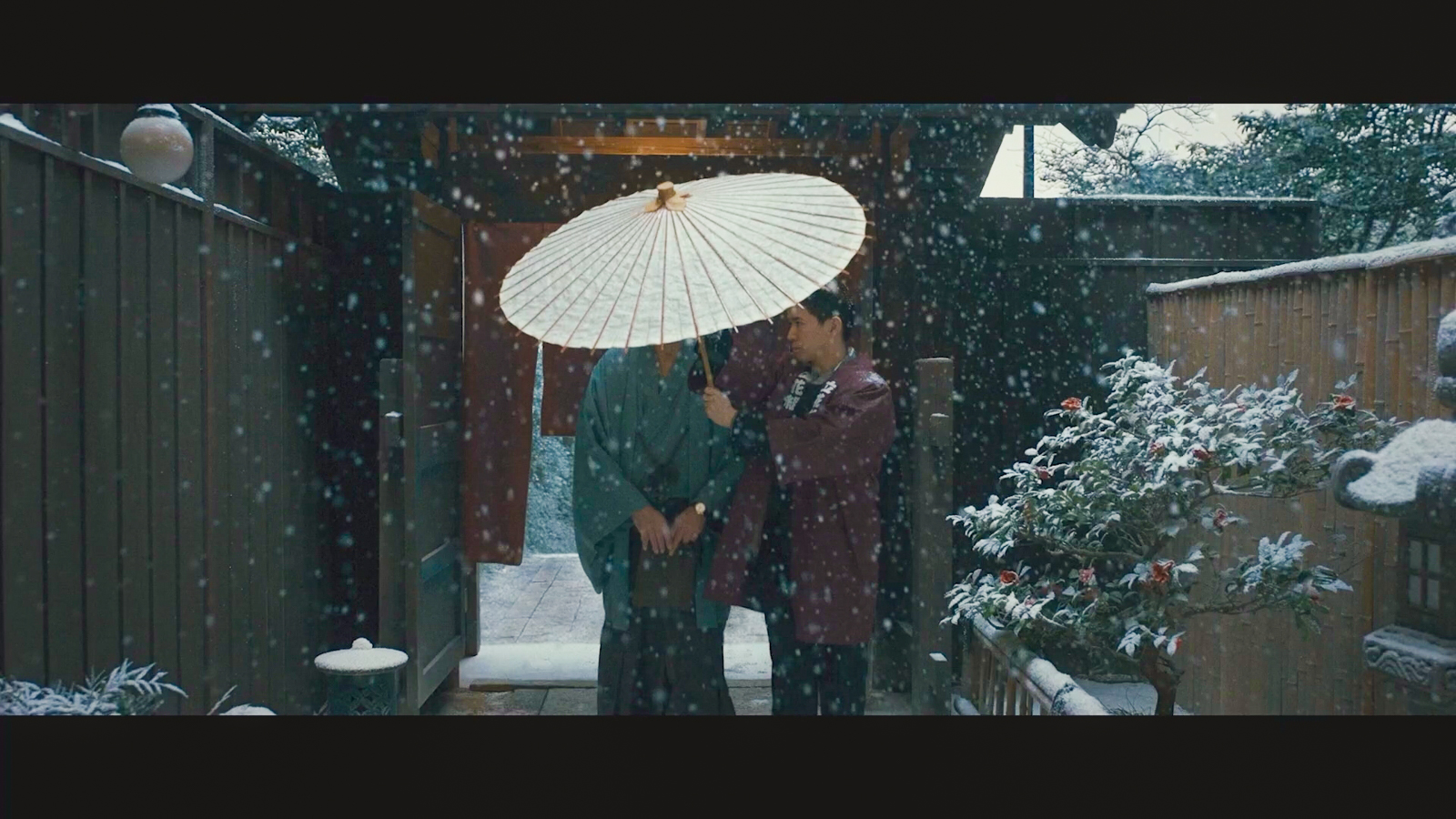
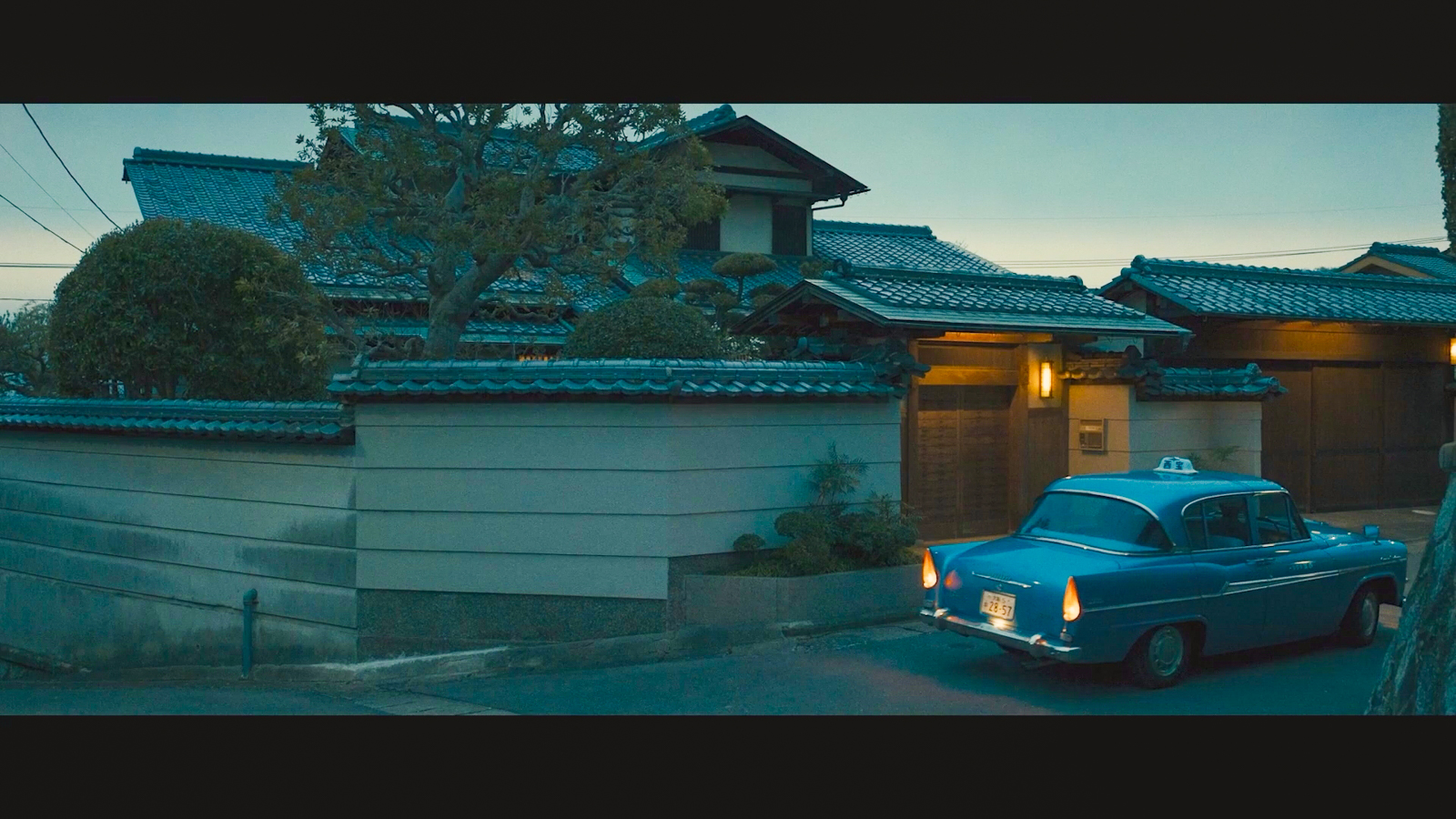
My only real “complaint” (such as it is) about the movie is that there are so few women in it, and they’re so one-dimensional that they may as well all be the same character. However, this is the story about two men, their friendship, and their journeys, so nearly all the secondary characters are equally undeveloped. Kabuki has historically been a male-only field — hence the need for onnagata — so it makes sense that the female characters are basically set dressing or accessories. It is simply something to keep in mind if that sort of representation is important to you.
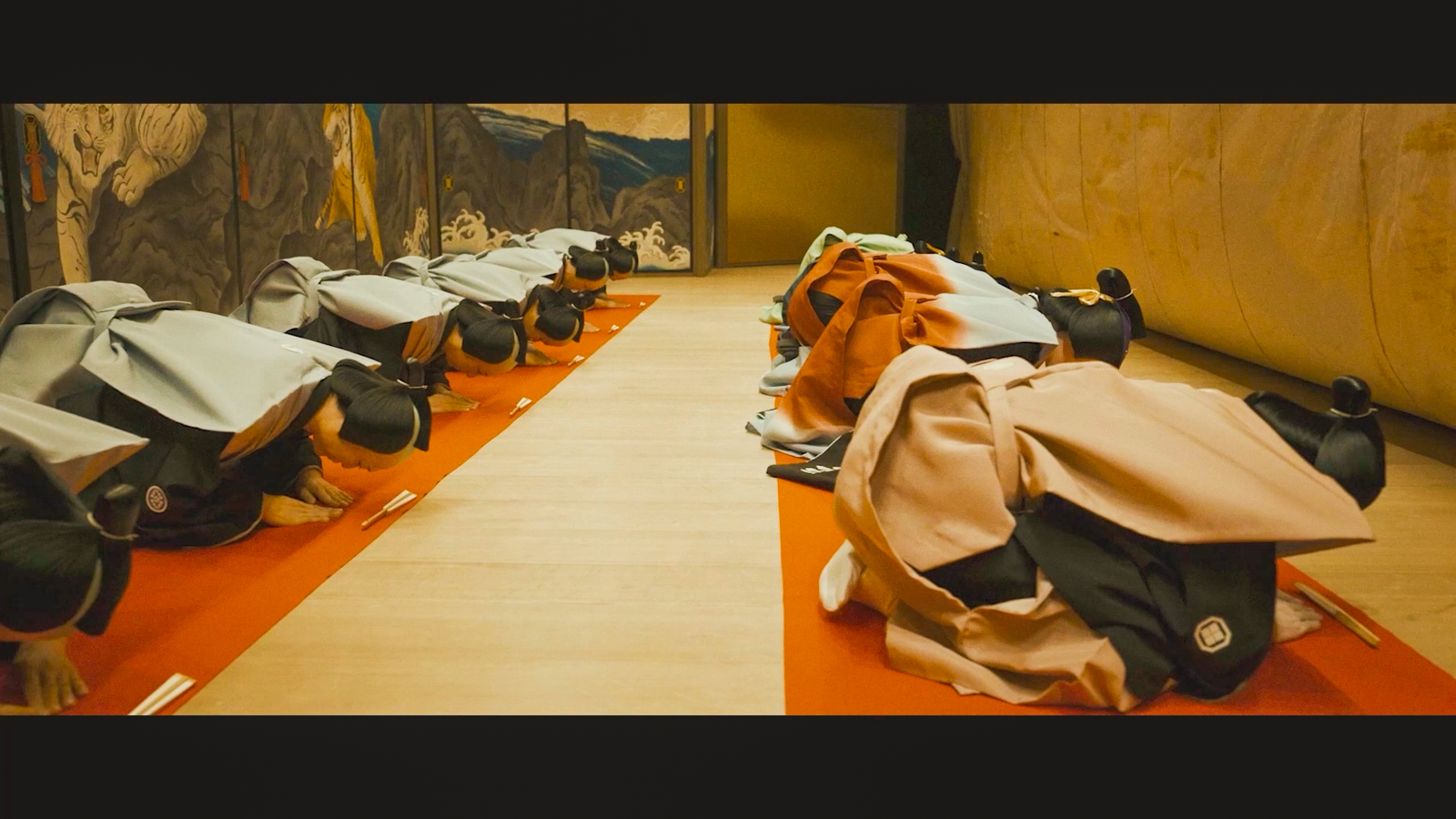
Kokuho will be receiving a wide English-subtitled North American theatrical release this coming Friday, February 20th, and will hopefully be available on streaming and blu-ray later this spring. If you are creative at sailing the seas of the internet, there are ways to find it currently (which is how I was able to get screenshots) but I urge you to show your love and support for this fantastic movie by seeing it on the big screen. The visuals alone will be worth it.

Kokuho on IMdb
Kokuho on Wikipedia

Review – L’Occitane Cherry Blossom

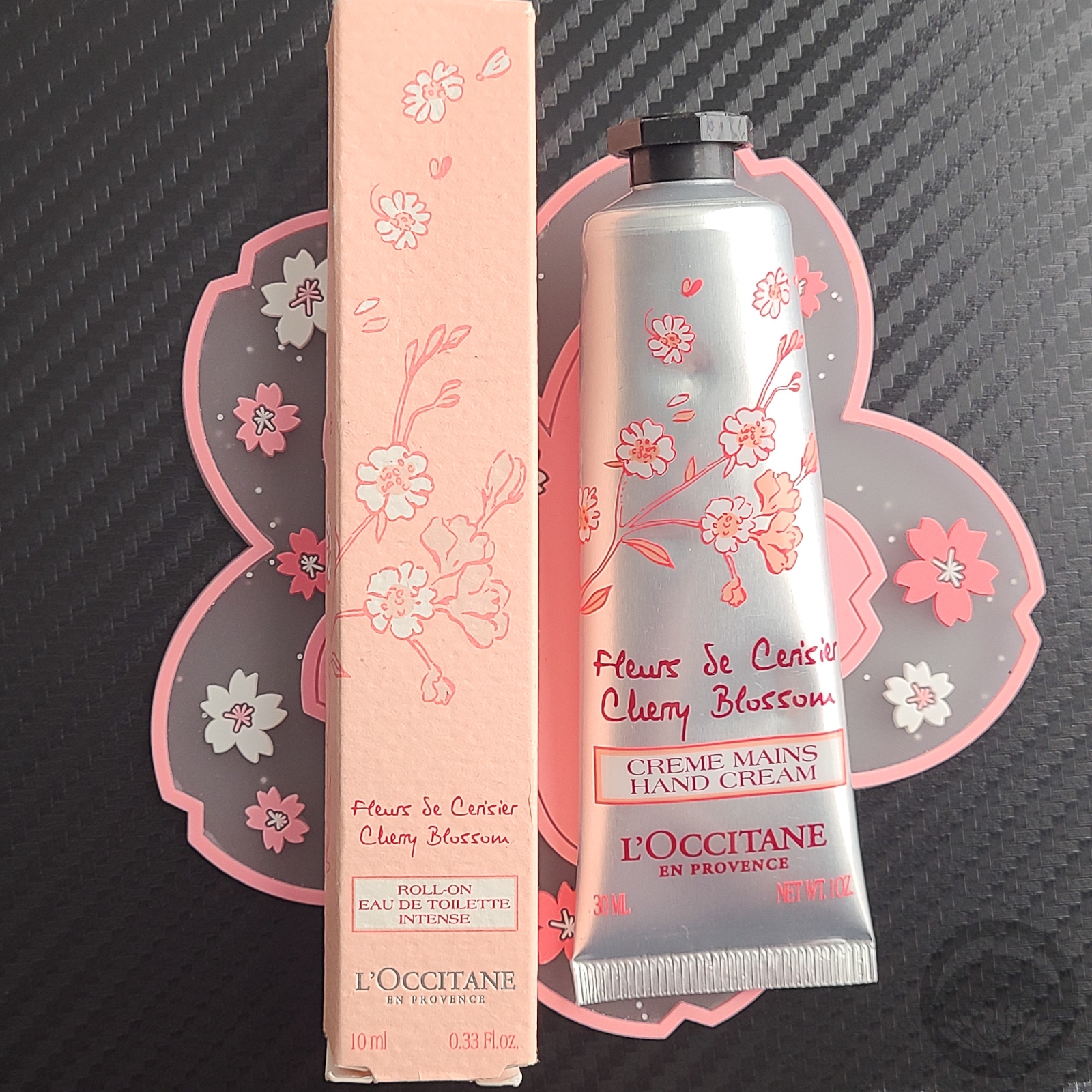
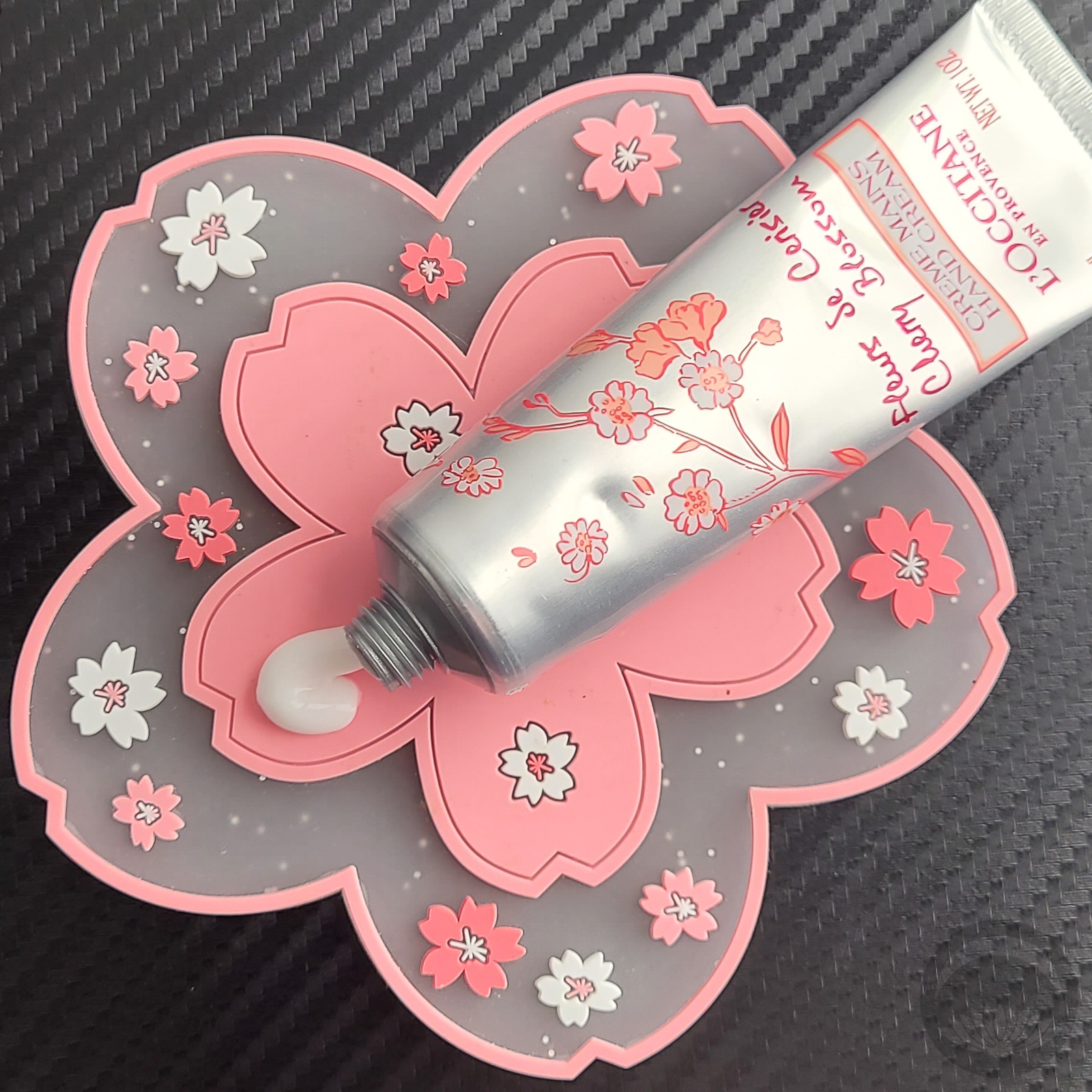
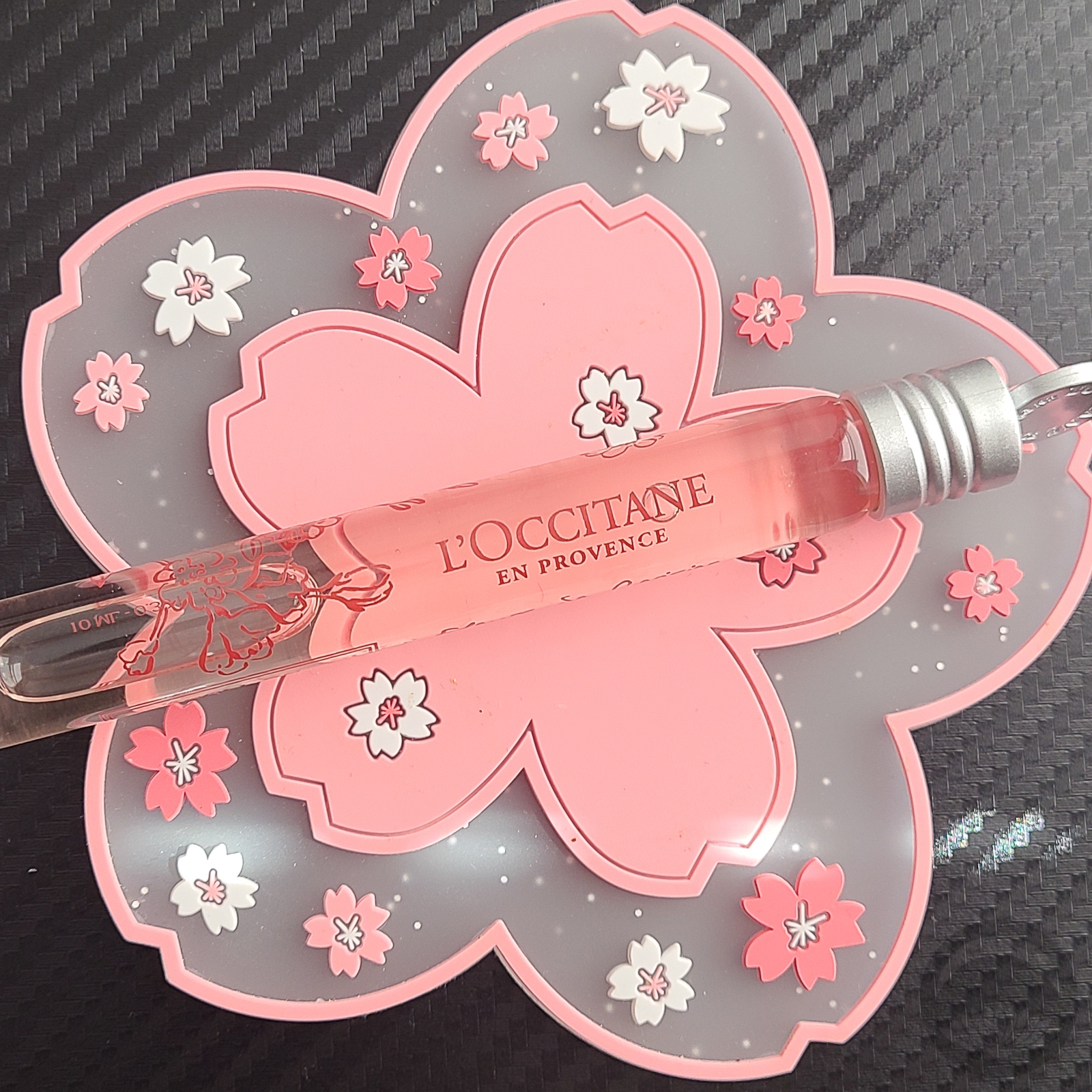
I may have not posted about it of late, but my quest for a true, easily accessible sakura fragrance is ongoing. L’Occitane is a French brand that is available world-wide, and Fleurs de Cerisier is part of their permanent collection, so you can’t get much more accessible than that. I grabbed an Eau De Toilette rollerball and matching hand cream, since I alternate between living with electric heat all winter and living in the desert. I can never have too many hand creams!

Please note: L’Occitane recently redid their visual identity and packaging and I purchased these right before that happened, but the product remains the same.

Unfortunately (and this is entirely my fault for not reading details ahead of time), this is definitely not a singular cherry blossom scent. It’s described as having opening notes of cherry, lemon, and freesia. The heart is cherry blossom, yes, but also heavy on the lily of the valley. It definitely has more of the clean, fresh smell I am looking for, unlike the powder-heavy Rituals set from a while back, but it’s still got too much going on to fit the brief. I do enjoy the notes and progression of this one and it will definitely get used. No worries there! The hand cream is also nice and moisturising but absorbs quickly. This is important to me, as someone who spends a lot of time using a mouse and also can’t risk getting products like this on kimono when  am working with them.

So while I have a lovely new fragrance to add to the rotation, my search for the “perfect” sakura continues! Do you have any suggestions? If so, please leave me a comment!

 I purchased this item myself and chose to review it. 

Comfort books by Japanese authors

I certainly chose a fantastic time to leave California and head back to Montreal, didn’t I? The weather in this entire half of the continent is certainly something else right now. I am so thankful I work from home these days, and that my folks are retired and don’t have to leave the house in this disaster.

That being said; what better time to curl up with a fantastic book and a warm cup of genmaicha and let your mind drift to a different country, a different climate, a different time, a different world? I’ve been meaning to start doing fiction book reviews here to go along with the more kimono-specific non-fiction, and it looks like the universe just gave me the nudge I needed.

This first post will include a couple of novellas and shorter novels all in one entry, and if you enjoy it I will work on writing longer ones about individual books in the future! I also don’t want to give too much away, as these should all be read somewhat “blind” to truly appreciate them.

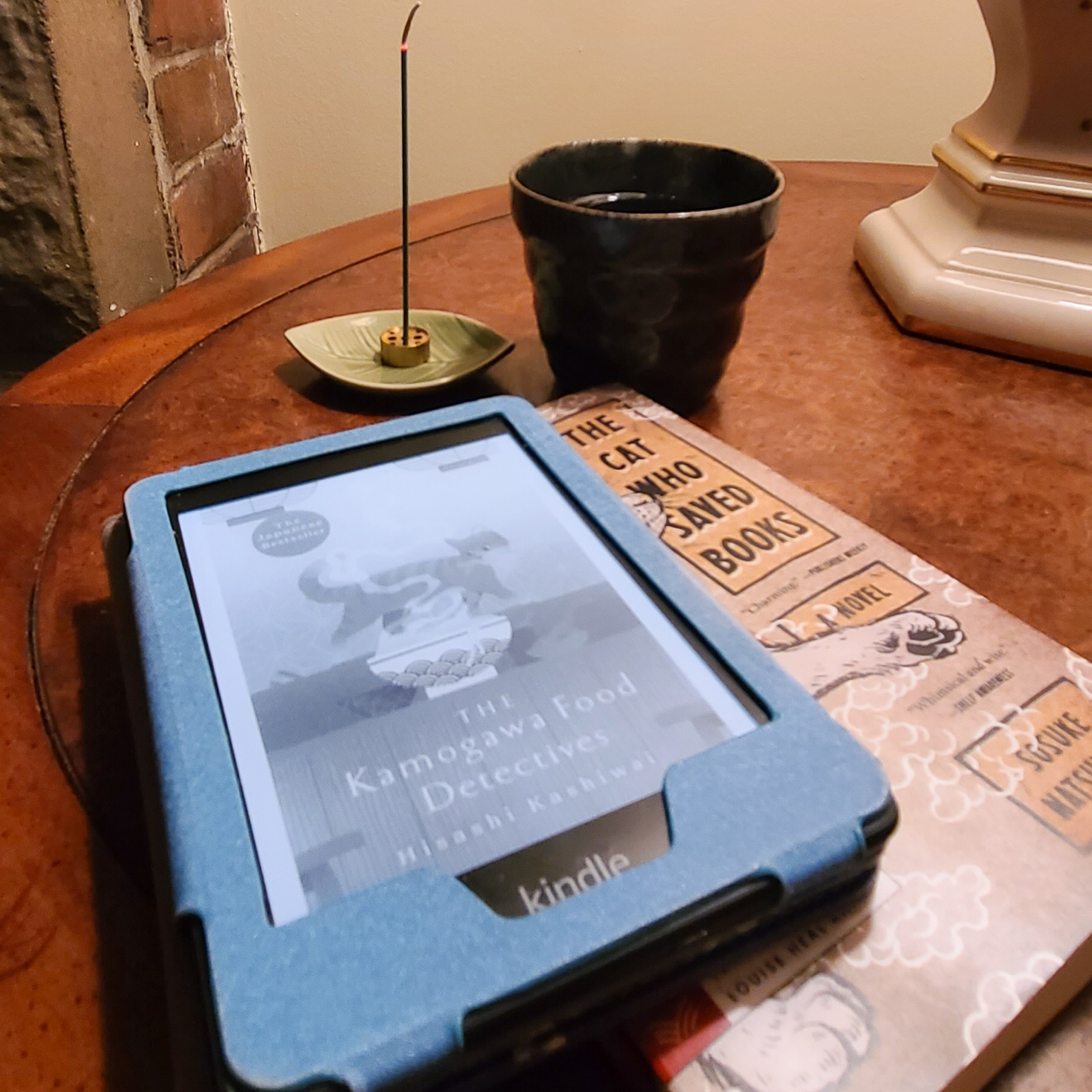
As always links to purchase the books, where available, will be included. And if you’re wondering why I’ve used stock images for the covers, it’s that several of the physical copies for these stayed behind in California and the rest are on my e-reader.


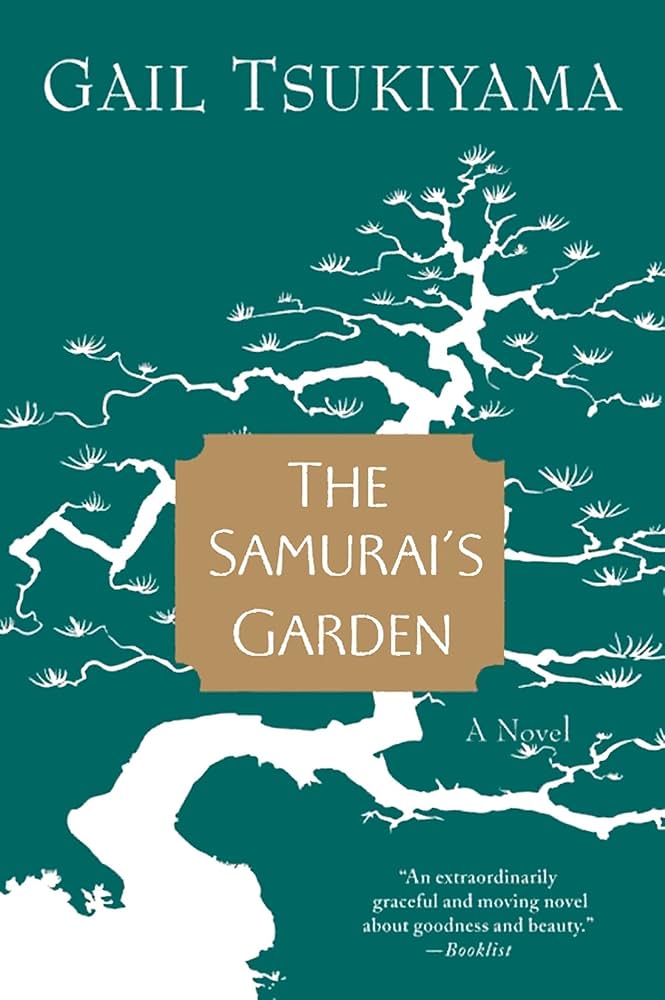
The Samurai’s Garden, by Gail Tsukiyama

Okay, right off the bat, parts of this book are definitely less relaxing than others. Set against a backdrop of tuberculosis, racial tension, and a dawning war, this is the story of Stephen, a young Chinese man sent to rest and recuperate on his family’s property in Japan on the cusp of WWII.

Without giving too much away, he forms a bond with the gardener and learns so much more than just gardening. The stories of past and present both unfold and open up slowly but steadily, much like Stephen himself.

This one is a classic for a reason, and if you have not had the opportunity to read it (or anything else by Gail Tsukiyama), now is the time. It should also be mentioned that Tsukiyama is American of Japanese descent and this is the only book on the list that was written originally in English.

Read The Samurai’s Garden on Amazon | Abebooks | Kobo


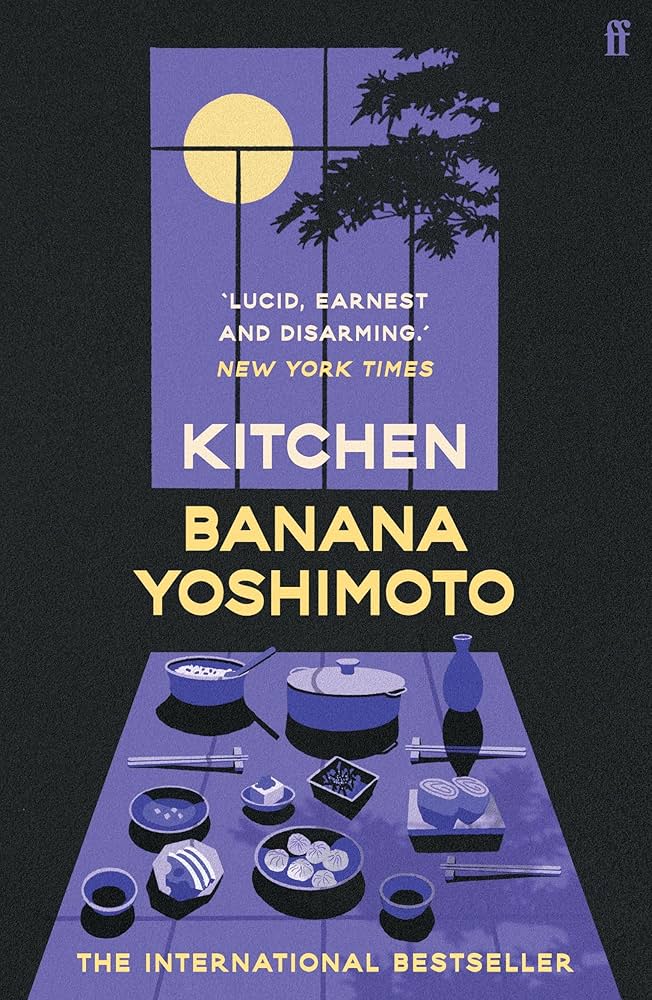
Kitchen, by Banana Yoshimoto

What do love, loss, food, and gender expression have in common? They’re all things that are very important to me, and they all play roles in this next book.

I cannot express how much I love Kitchen. I’m a fan of all of Yoshimoto’s work but this little diamond in particular will always have a special place in my heart. So much so that I’ve replaced two physical copies and am on my third, and I have a digital copy as a backup. I picked up my first copy in the early nineties and have utterly lost track of how many times I’ve re-read it since then. Yes, I’m old. Shush.

The book is typically printed as two novellas, the longer eponymous one and a shorter one entitled Moonlight Shadow. Both are stories of people learning to cope with a new status quo after losing loved ones and both contain secondary characters who, to different extents, have begun experimenting with gender presentation or cross-dressing as coping mechanisms. Kitchen focuses much more on the role of food as ersatz therapy, but Moonlight Shadow also has a tea thermos play a pivotal role. At their hearts though, they’re both about beautifully imperfect people learning how to move forward after painful losses.

Including stories that revolve around death may be an interesting choice for “cozy” books, but it’s handled with such a gentle, soothing touch and hopeful notes  in both cases that it’s an incredibly cathartic and comforting read. Especially if you’re dealing with similar feelings in your own personal life.

Amazon | Abebooks | Kobo


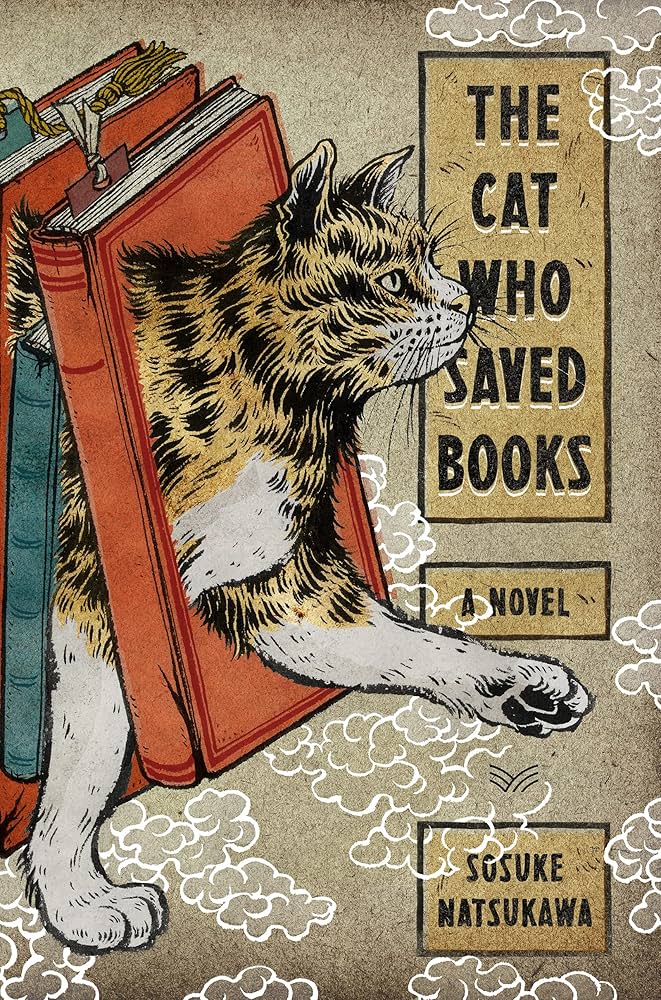
The Cat Who Saved Books, by Sosuke Natsukawa

Did I initially pick up The Cat Who Saved Books because I suspected the cover art was by one of my favourite artists, Yuko Shimizu (no, not she of Hello Kitty fame – the other, cooler Yuko Shimizu)? Yes. Yes I did. Was I correct about the cover art? Also yes. Have I read it several times since then because I love it so much? A third, resounding yes.

This is one of the coziest books I’ve read recently, and is often cited as an emblematic example of iyashikei, 癒し系 or “healing” literature. In the past few extraordinarily stressful decades, iyashikei has emerged as its own subset of Japanese media, primarily anime and manga but extending to fiction and live-action.

The Cat Who Saved Books falls into the genre of magical realism and fantasy, so if that’s not your bag you might want to skip it. But if you love books, and if a nerdy teenager and his talking cat who run through mazes and puzzles to save forgotten books from irresponsible owners sounds appealing to you, read on! Rintaro Natsuki inherits a bookshop from his grandfather and is initially going to close the shop, until Tiger the shop cat starts talking to him. They set off on adventure together to protect the written word. This book is, well, a love letter to books.

There is also a sequel, The Cat Who Saved The Library, which I have not had the chance to pick up yet but it’s also on my list! I would also love to see this made into an anime or movie.

Amazon | Abebooks | Kobo


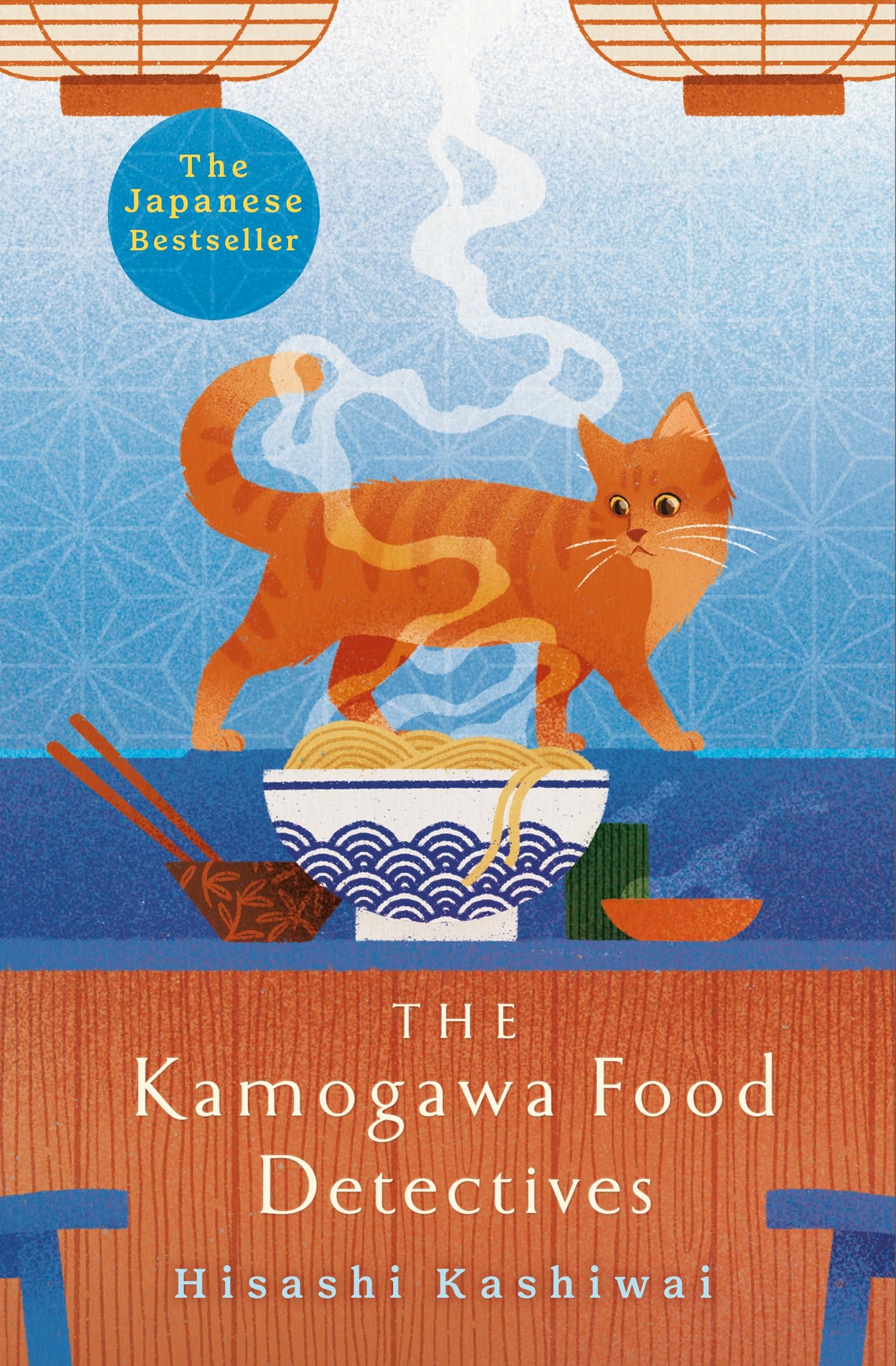
The Kamogawa Food Detectives, by Hisashi Kashiwai

What if someone could recreate a dish from your memory, one that could transport you back to a place, a person, or a time long since past? Set in a little restaurant off the beaten path in Kyoto, this is the story of a father and daughter who help heal people in small doses, one bite at a time. More like a series of interconnected stories, each one focusing on a specific guest, recipe, and memory. This also makes it great bedtime reading, as you don’t feel compelled to stay up all night to finish the book, when you can finish one part at a time.

The Kamogawa Food Detectives will make you feel wistful, happy, peaceful, and incredibly hungry all at once.

This is the first book in a trilogy, and the other two books are very near to the top of my reading pile. While I can only speak for the first one, I have linked to the other two below as well.

The Kamogawa Food Detectives on Amazon | Abebooks | Kobo
The Restaurant of Lost Recipes on Amazon | Abebooks | Kobo
Menu of Happiness on Amazon | Abebooks | Kobo


I hope if you decide to read any of the above books, I hope you find them as lovely and soul-enriching as I did. I have more similar books to read soon, including What You Are Looking For Is in the Library by Michiko Aoyama, The Convenience Store by the Sea by Sonoko Machida, and Days at the Morisaki Bookshop by Satoshi Yagisawa. If you have any other suggestions of other cozy books I should read and review, or any other novels to check out, let me know in the comments!

 I purchased this item myself and chose to review it.This post contains affiliate link(s). If you choose to purchase, I receive a small rebate or commission which goes to the continued maintenance of this site. 

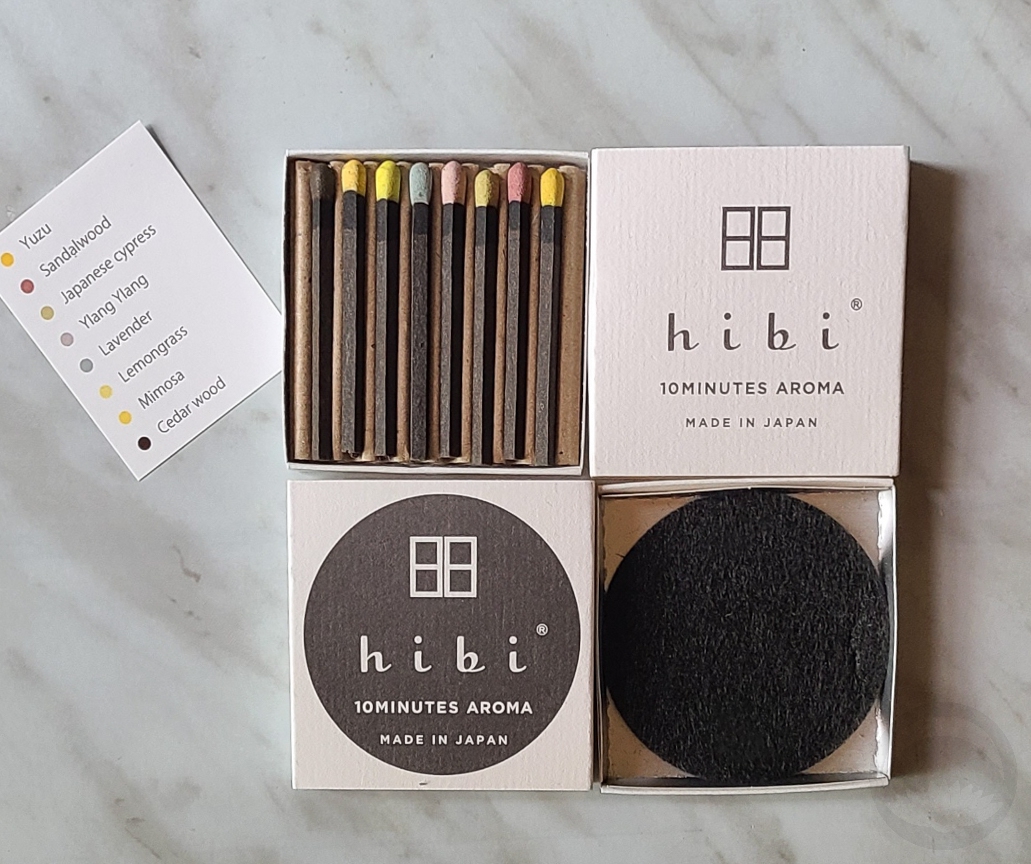
Review – Hibi 10Minutes Aroma

Today I bring you another wonderful little lifestyle product from Japan, to help transport you to a more relaxed and beautiful world, even if it’s only for ten minutes. This odd liminal time of year can be very stressful, and we’re all looking for ways to start the new year with new habits and new routines. Hibi 10Minutes Aroma can help with that, all while bringing the gentle scents of Japan directly to your home. 

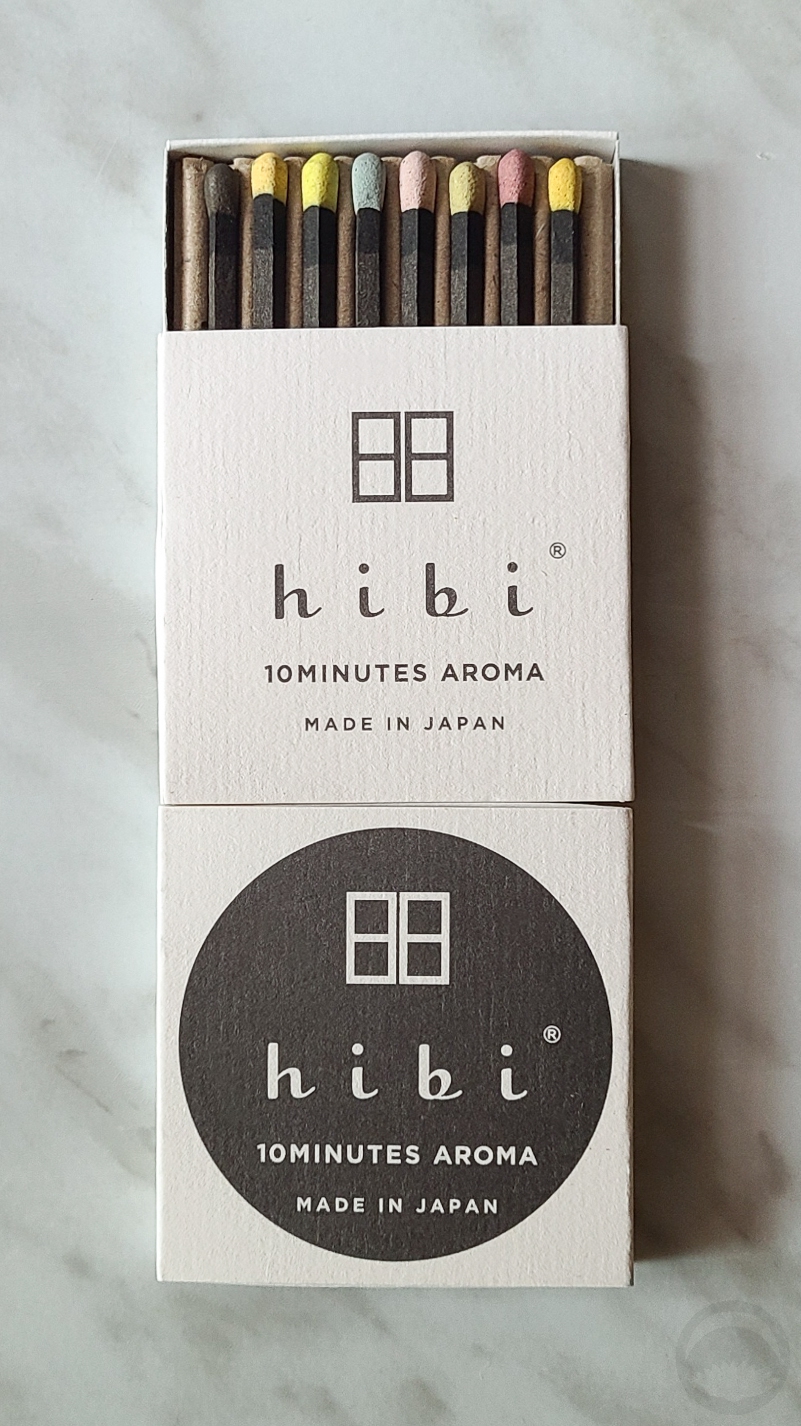
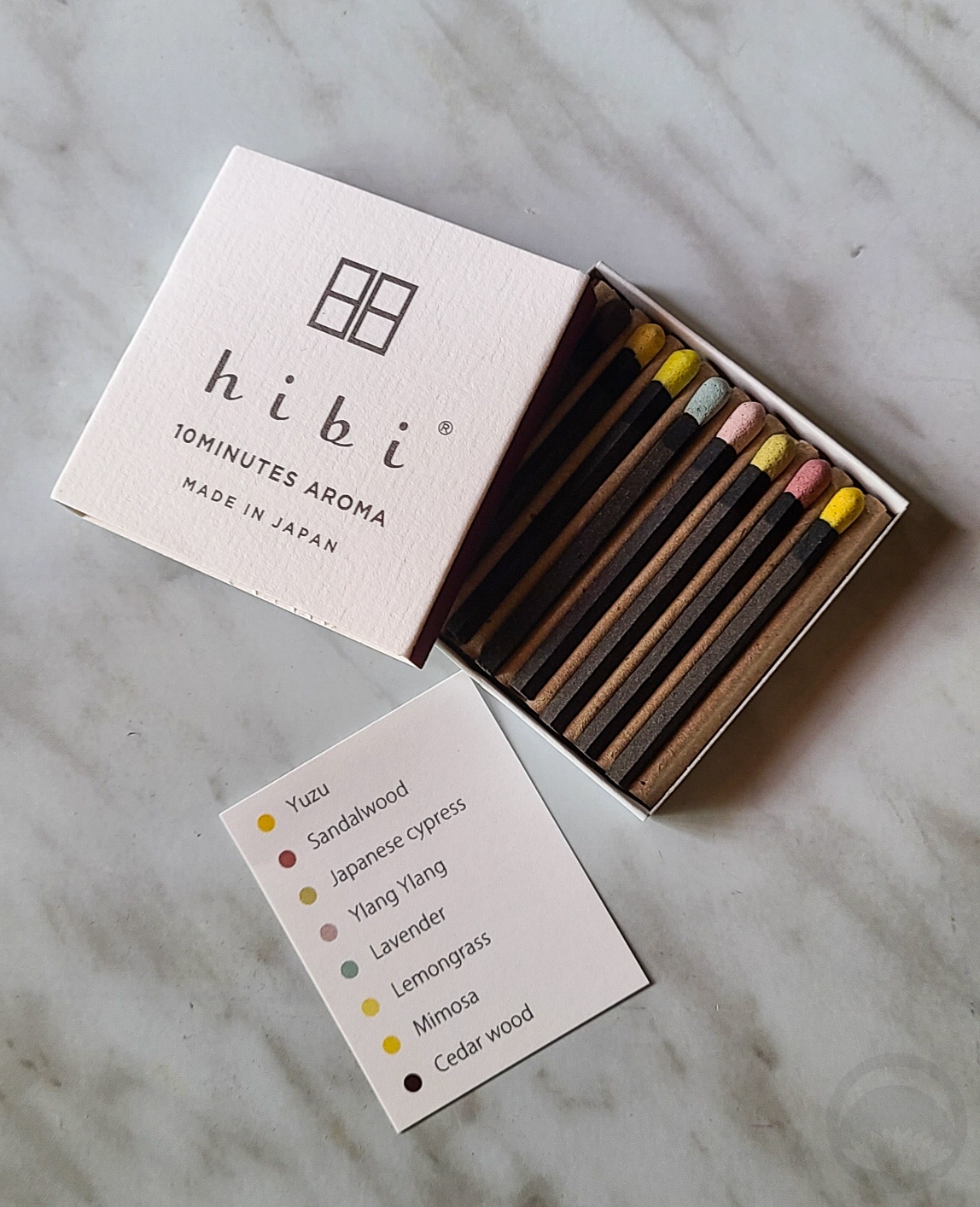
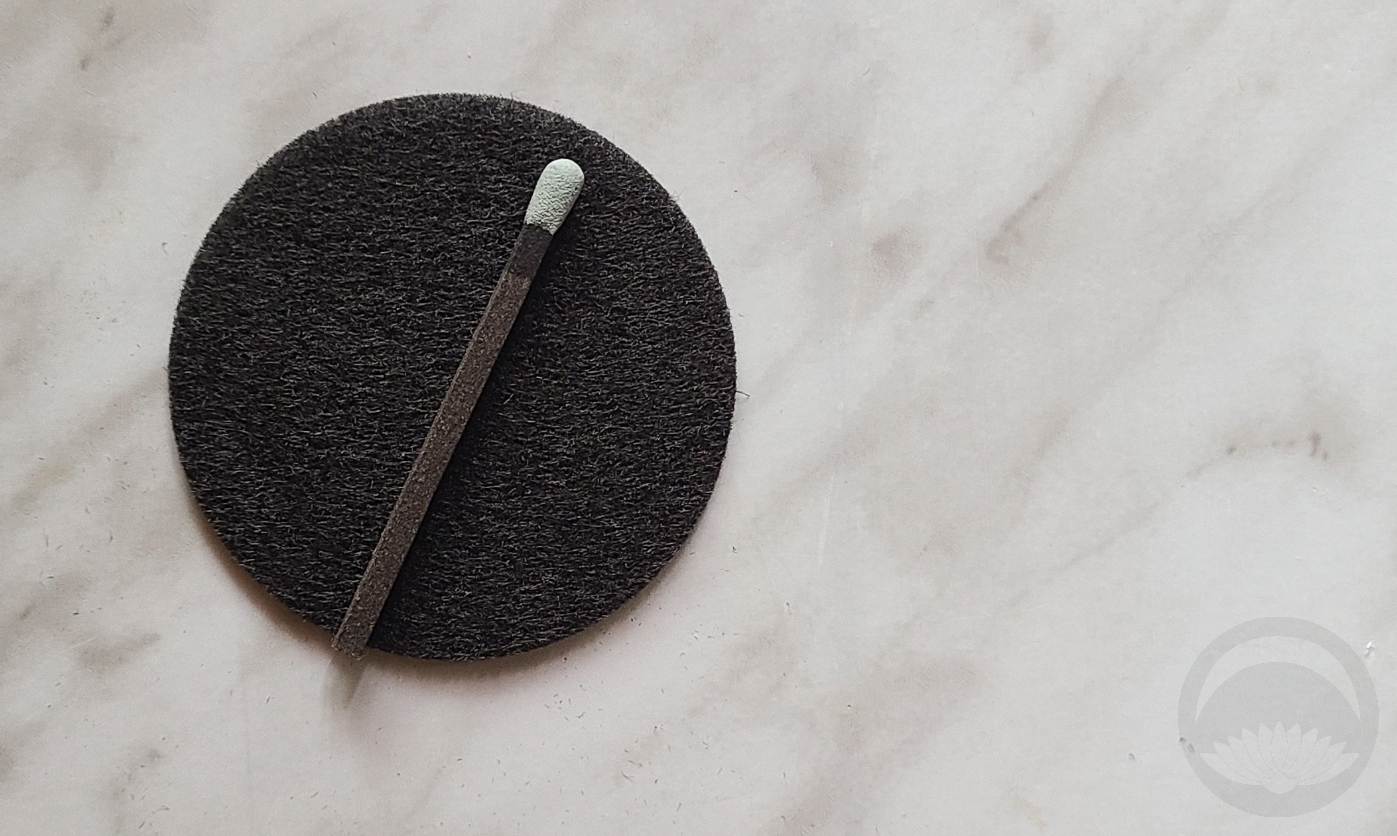
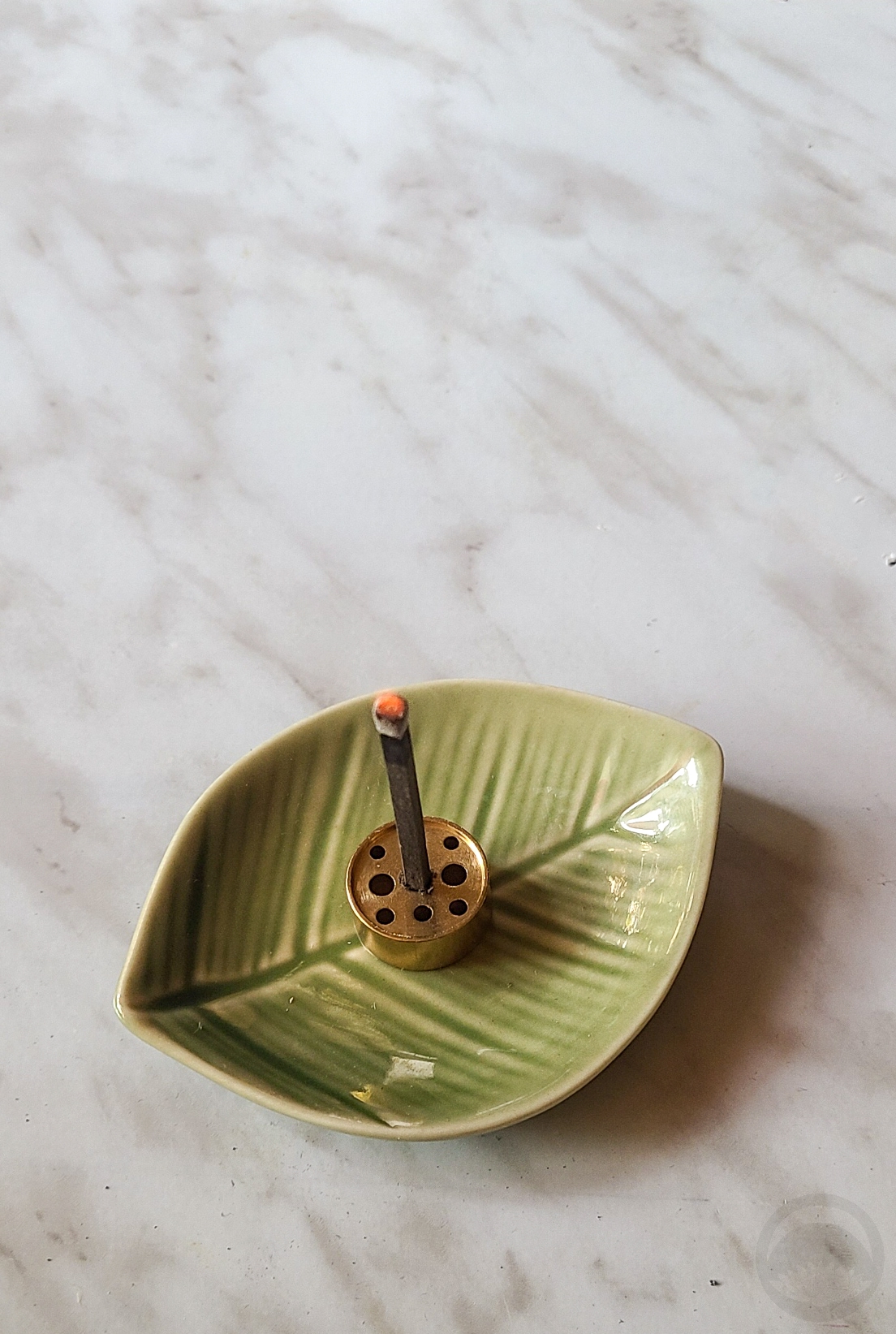
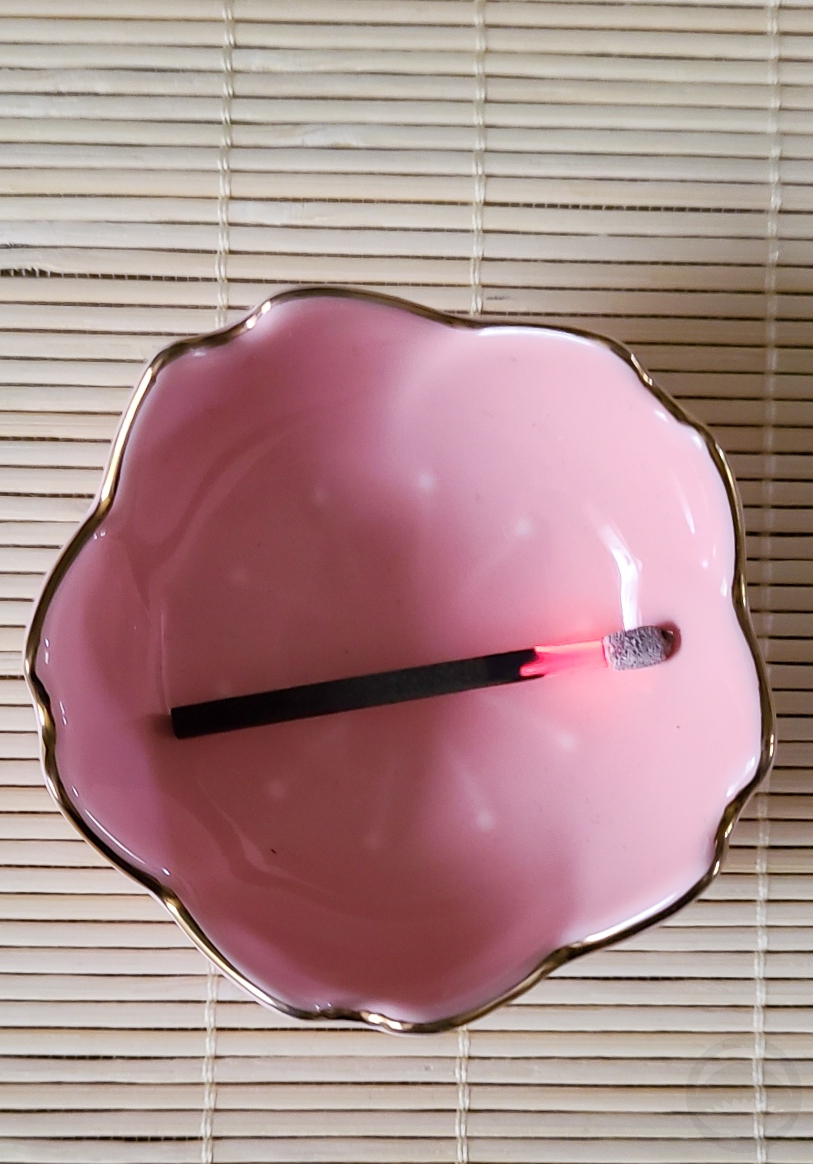
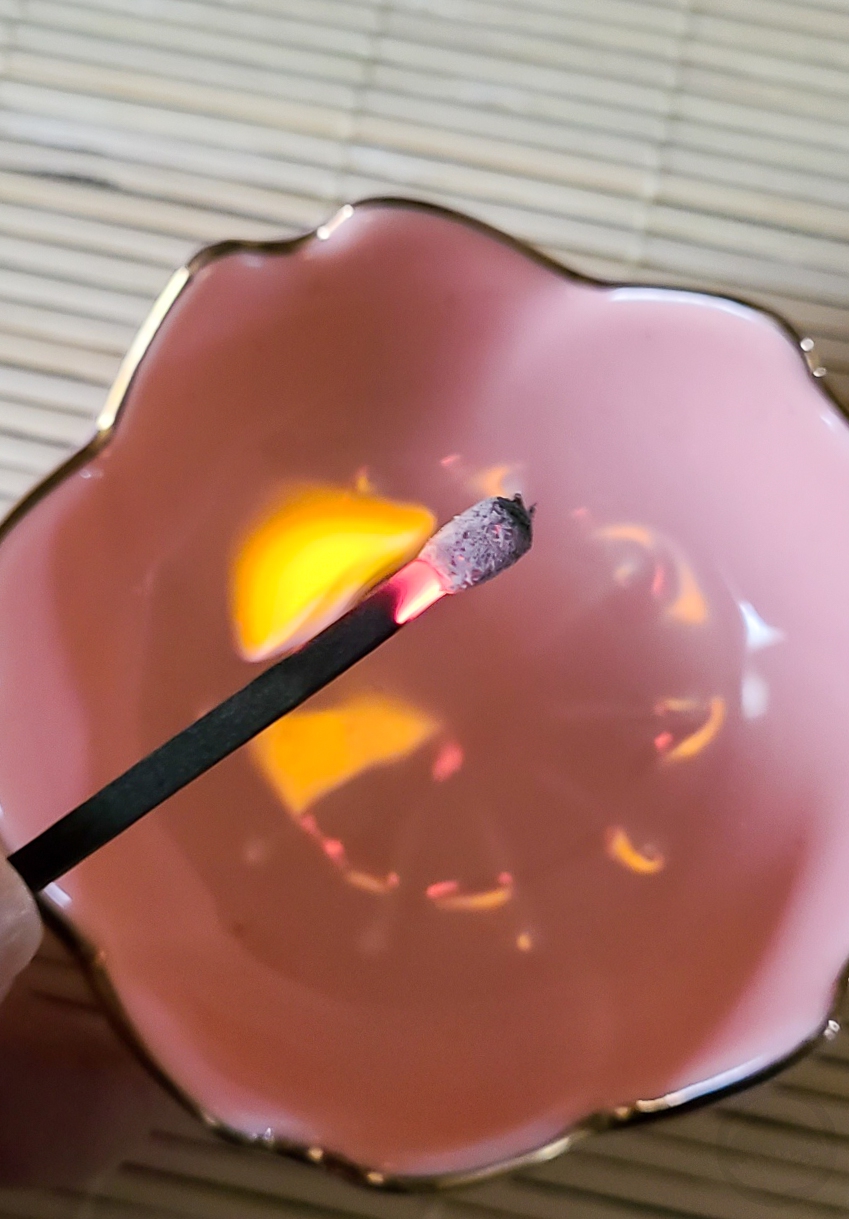
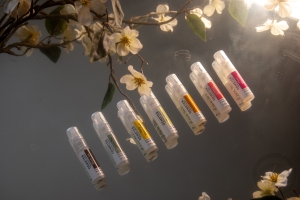
These are a fascinating little product. They may look like standard strike-anywhere matches, but the entire stick is made of tightly compressed incense. You light the head and let it burn down to ash, getting ten minutes of a transportive fragrance that surrounds you.
I chose one of their sample packs, to get a variety of scents before committing to a volume of one or two without knowing what they smelled like. I am glad I did, because the variety here was absolutely lovely. There were some bright, fresh scents like yuzu or lemongrass, some gentle florals like the ylang-ylang, and some deeper woody notes like the sandalwood. I’d highly recommend snagging this pack as well before getting locked into one of the larger 30-stick packs.
The fragrances I have tried so far (lemongrass, yuzu, lavender, sandalwood, and ylang-ylang) have all been absolutely lovely. The main notes are clear and present, but surrounded with a typical sort of “oriental note” familiar incense smell that prevents them from reading as too perfumed or fussy. They’re all very natural and subtle, and don’t spread far so if you live in a home with people who are sensitive to fragrance or don’t enjoy the notes listed, simply closing a door or opening a window for a fresh breeze will likely be enough so that the smell does not bother them. However, I cannot speak to allergies or medical sensitivities, so please keep that in mind.

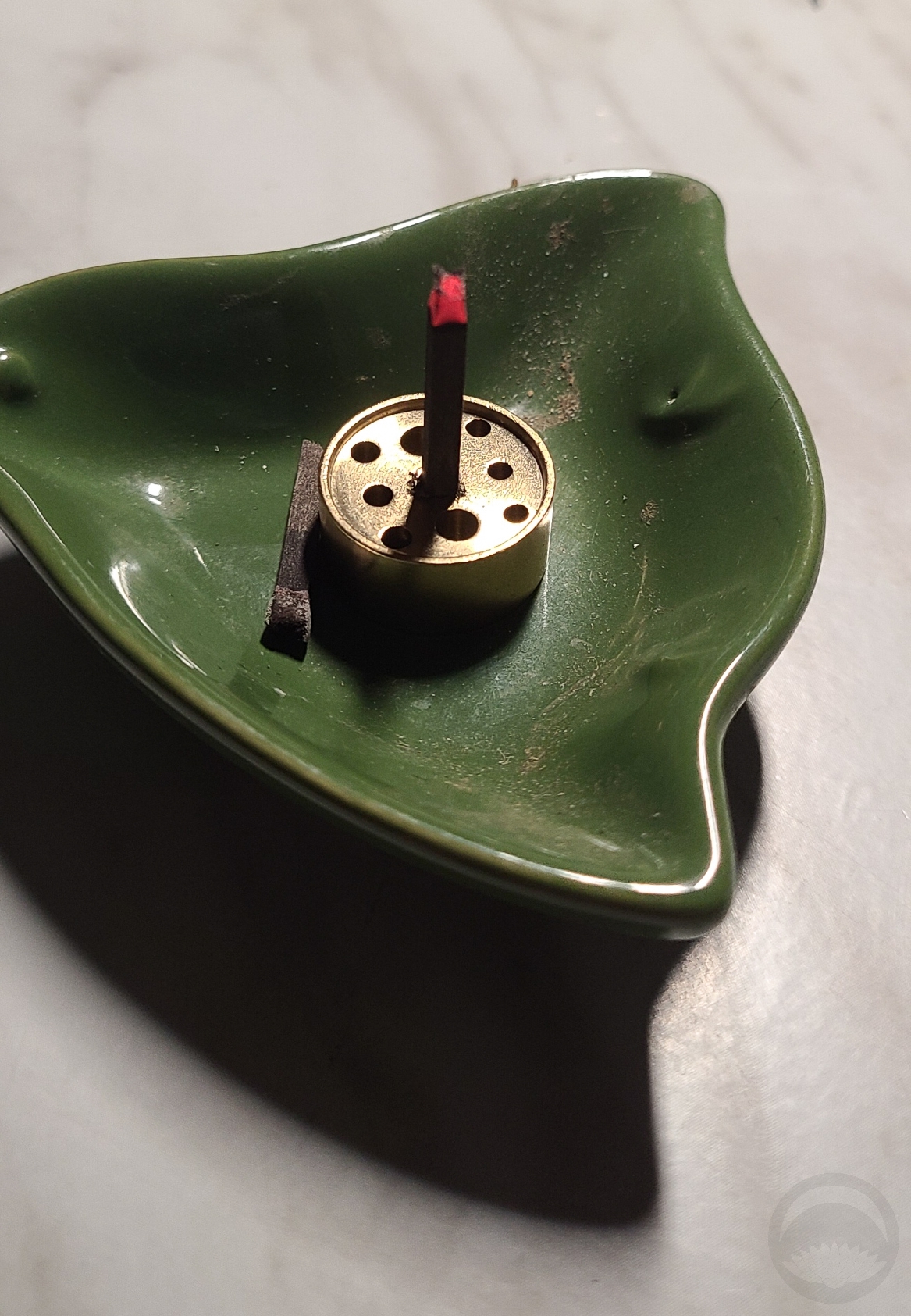
The packaging on these is very thoughtful as well. It’s sleek and minimal, which makes it excellent to throw into a travel bag or hand out as a small hostess or thank-you gift. The sampler comes with a burn-proof mat you can rest your Hibi match on as it burns. I have used mine multiple times and it’s still absolutely solid and safe. However, you can also put them into any ceramic or burn-proof dish or carefully wiggle them into a small incense holder. Mine are meant for thinner sticks but with some gentle persuasion they can be slotted into the largest opening on most holders. However, they are fragile (more on that below) so you need to be cautious.

Because these are set to a standard timeframe of ten minutes, they’re an excellent way to take a quick focus or meditative break. They remind me somewhat of an antiquated method of time-keeping, relying on incense clocks. I burnt one at a time on several of my lunch breaks during the particularly hectic holiday rush, and it was a lovely way to both escape and ground myself for the afternoon rush.

As I mentioned earlier, the only negative I can find about Hibi 10Minutes Aroma is that since the entire stick is incense, it is a bit more fragile than a regular match would be. If you strike them too hard there is a chance of them snapping. Personally, I find it easier to light the “match” head with an external source like a long-handled candle lighter but if you find yourself without one you can definitely make them work just by being gentle.

You can find Hibi 10Minutes Aroma on their own website, as well as at many smaller local specialty retailers, especially Japanese lifestyle stores or fine home goods shops. If these options are not accessible for you, they are also available on Amazon.

 I purchased this item at a discounted price for honest review purposes. If you have a topically appropriate craft, product, or service you would like me to review, please contact me.This post contains affiliate link(s). If you choose to purchase, I receive a small rebate or commission which goes to the continued maintenance of this site. 


Fragrance Review – Sorce Match Made In Heaven

They say scent is the sense most strongly tied to memory. It’s also my strongest sense, likely to make up for how terrible my others are. I often try to wear subtle but significant fragrances when I’m doing something memorable so I can relive the moment by going back to that scent.

As you may remember I’ve been on the hunt for the perfect cherry blossom fragrance, and haven’t had a ton of luck so far, but I still seek out interesting perfumes with that particular note. However, I’m also very drawn to more traditionally western gourmand fragrances. It doesn’t hurt that my husband is particularly fond of those on me too.

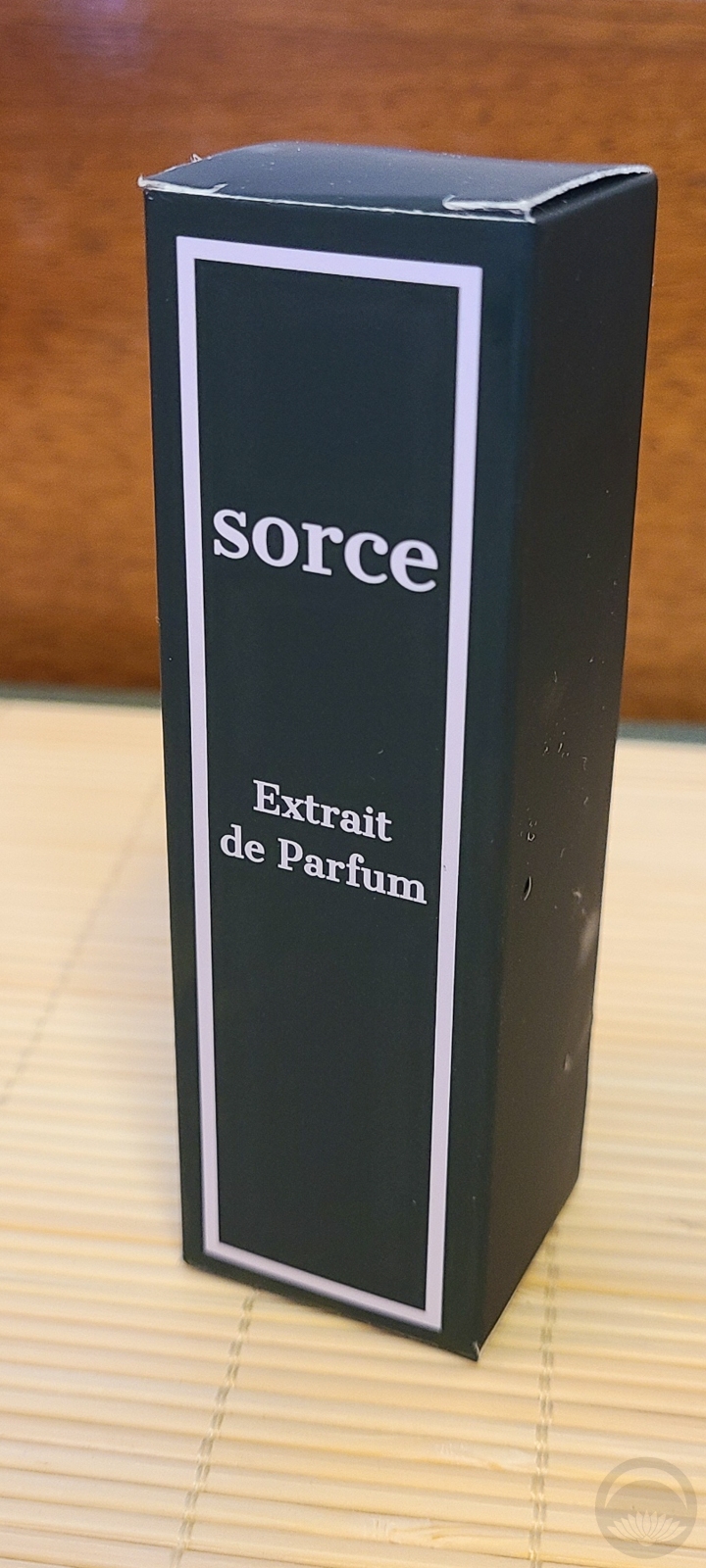
Today I have the absolute perfect merging of these two worlds: Match Made In Heaven by Sorce Perfumery. It’s described by the perfumery as follows:

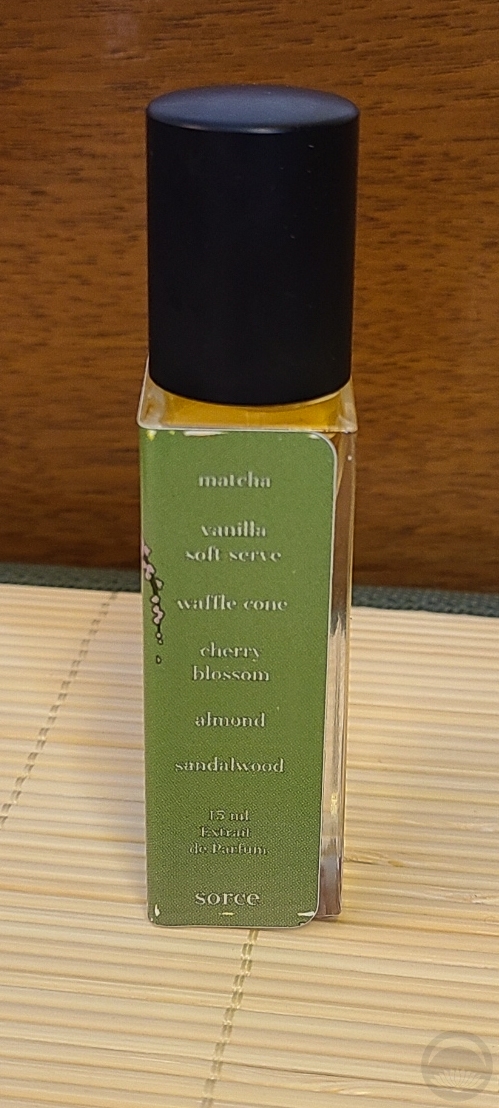
The scents of earthy green matcha tea and softly sweet cherry blossom petals find themselves to be an irresistible pairing, while vanilla soft serve, a hint of fresh-baked waffle cone, and a dusting of powdered sugar linger in the air.

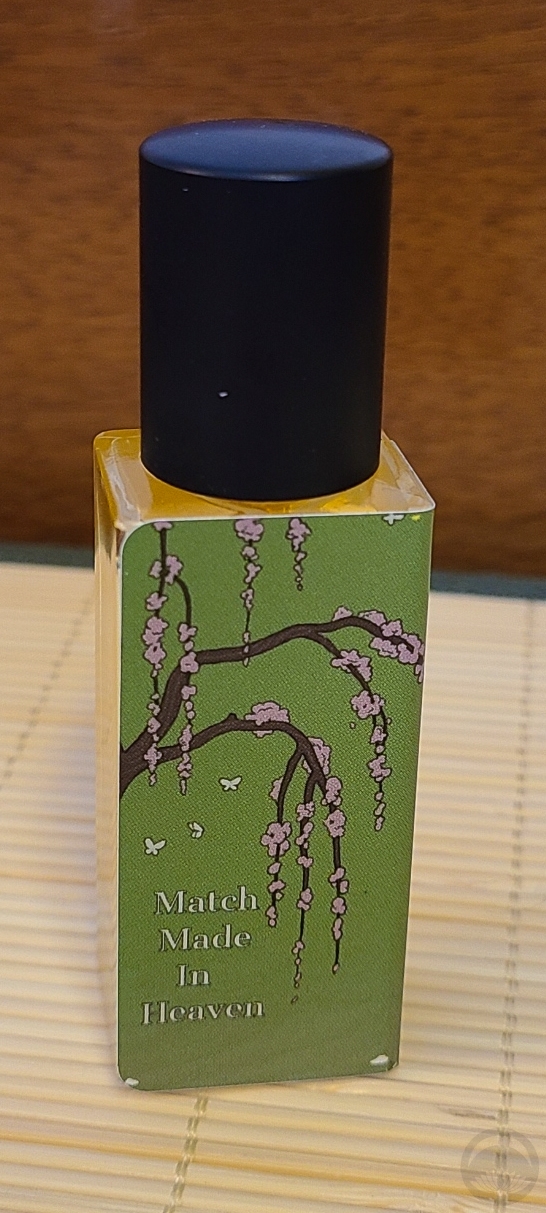
The warm earthy green of matcha, the sweetness of ice cream, and the soft freshness of sakura, all in one pretty little package?  You know I had to give it a shot. I bought the 15ml spray because I wanted a smaller size to test but wanted to make sure I got the gorgeous shidarezakura (weeping cherry blossom) label. This is a small independent company and it’s clear they put so much effort into every aspect of their products; it seemed a shame not to share the pretty artwork as well as the fragrance.

Keith and I spent last weekend in one of the more Japanese areas of Los Angeles (more on that in an entry soon) and I figured that it would be the ideal time to try out this scent. Man, was I ever right. This perfume is incredible. The sakura is subtle, so my hunt for that particular note continues, but it strikes the absolute perfect balance between fresh and sweet. I can absolutely see this becoming one of my go-to signature scents, and I suspect I’ll be buying a larger bottle as soon as this one runs low. I may even grab a larger one to leave here in California and take this smaller one back to me next time I head home to Montreal so I’m never without it.

If you’re looking for a pure, clean sakura note, then move on. However, if you’re looking for something warm, comforting, a little sexy, a little fresh, and entirely unique, don’t skip out on Match Made In Heaven by Sorce.

 I purchased this item myself and chose to review it.If you have a topically appropriate craft, product, or service you would like me to review, please contact me.