Field Trip – Wabi Sabi Japan Living, Palm Springs CA

If you follow any of my social media where I post short-form videos, you have seen my quick 360 tour of Wabi Sabi Japan Living in Palm Springs recently. If you’re not following my socials, you might be missing out on fun things!

I have been wanting to check out this store since I first started visiting Keith here in southern California, but it just never worked out until recently. We’re typically in the Palm Springs area in the evenings and the shop closes at 5. But recently we made a point of heading out that way specifically so I could browse, and I’m so happy I did!

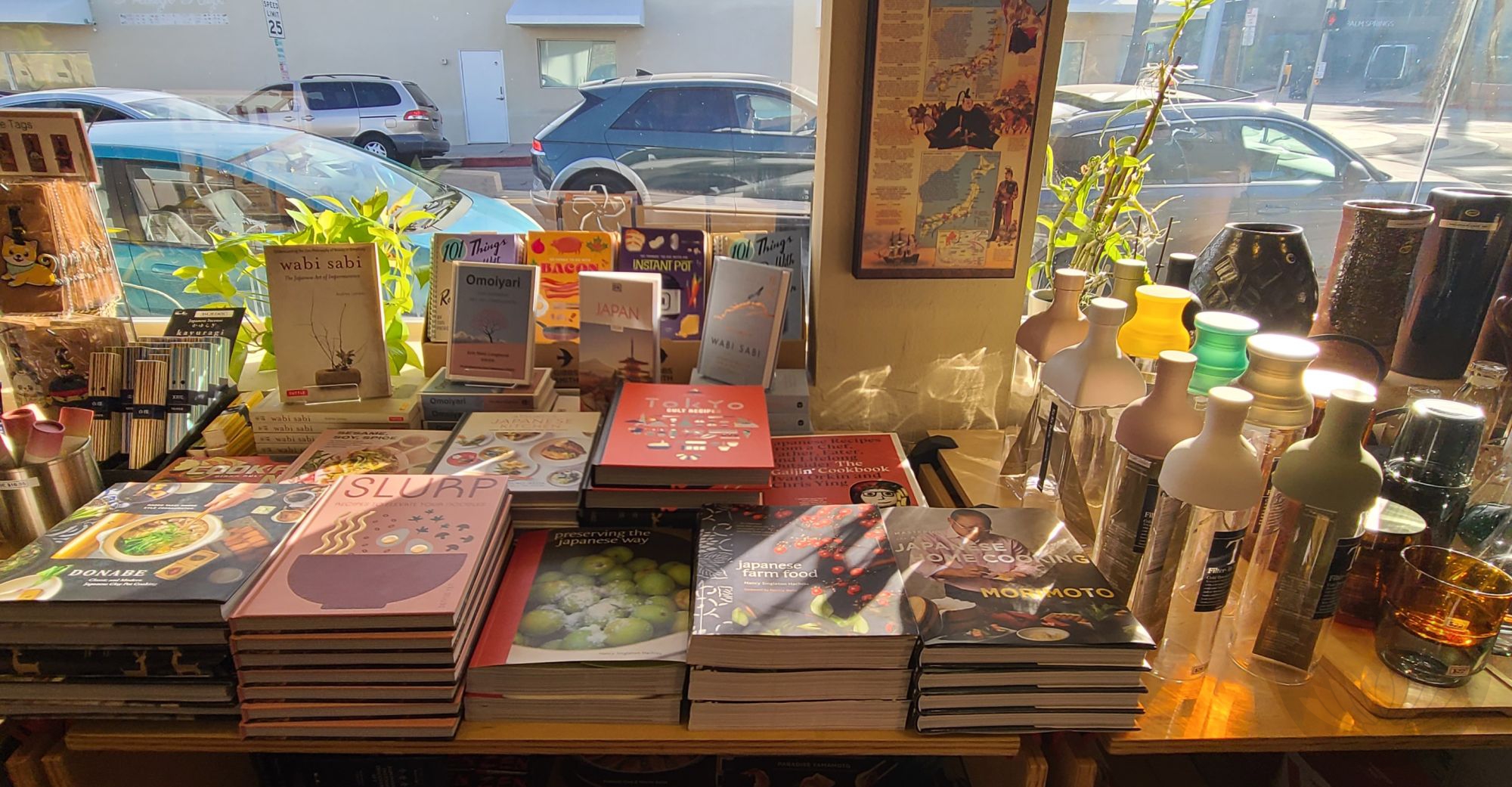
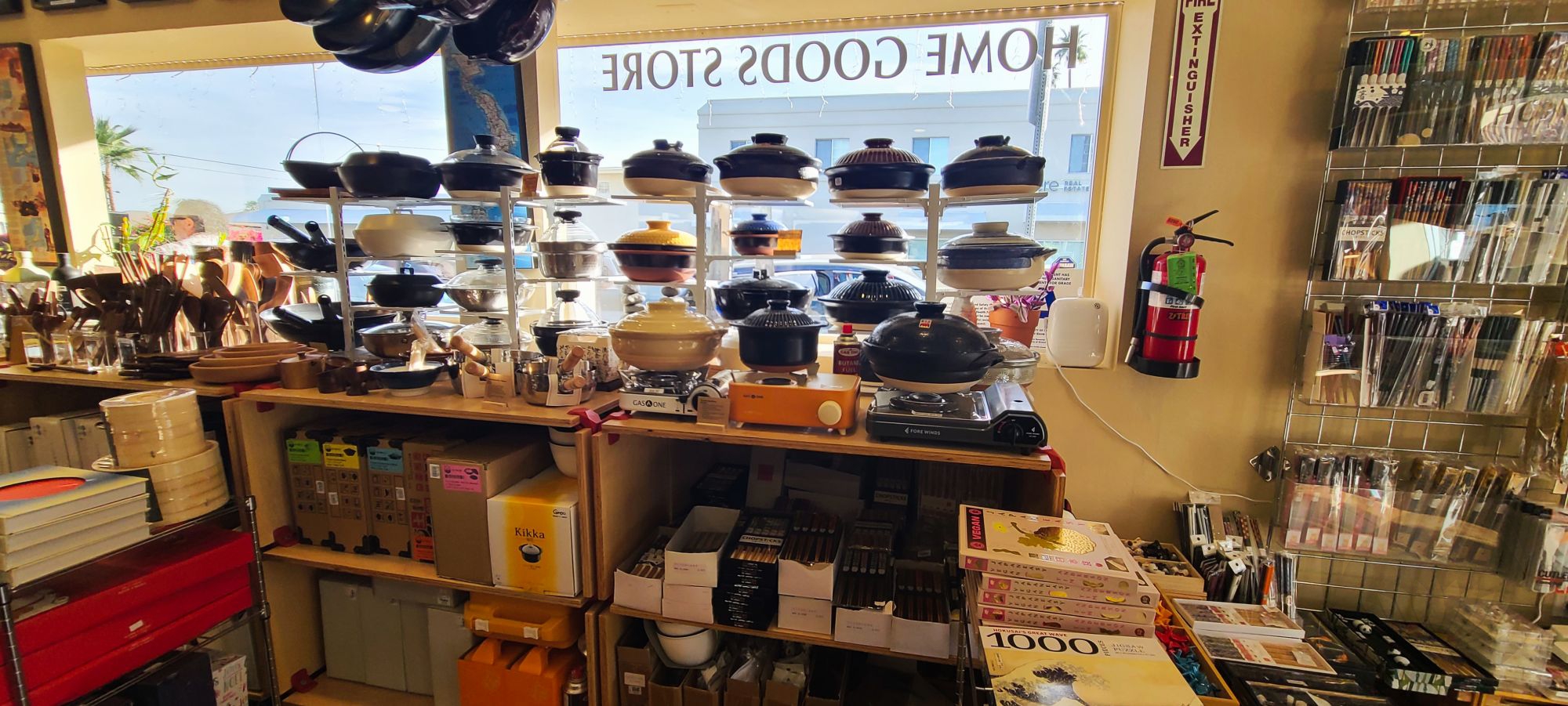
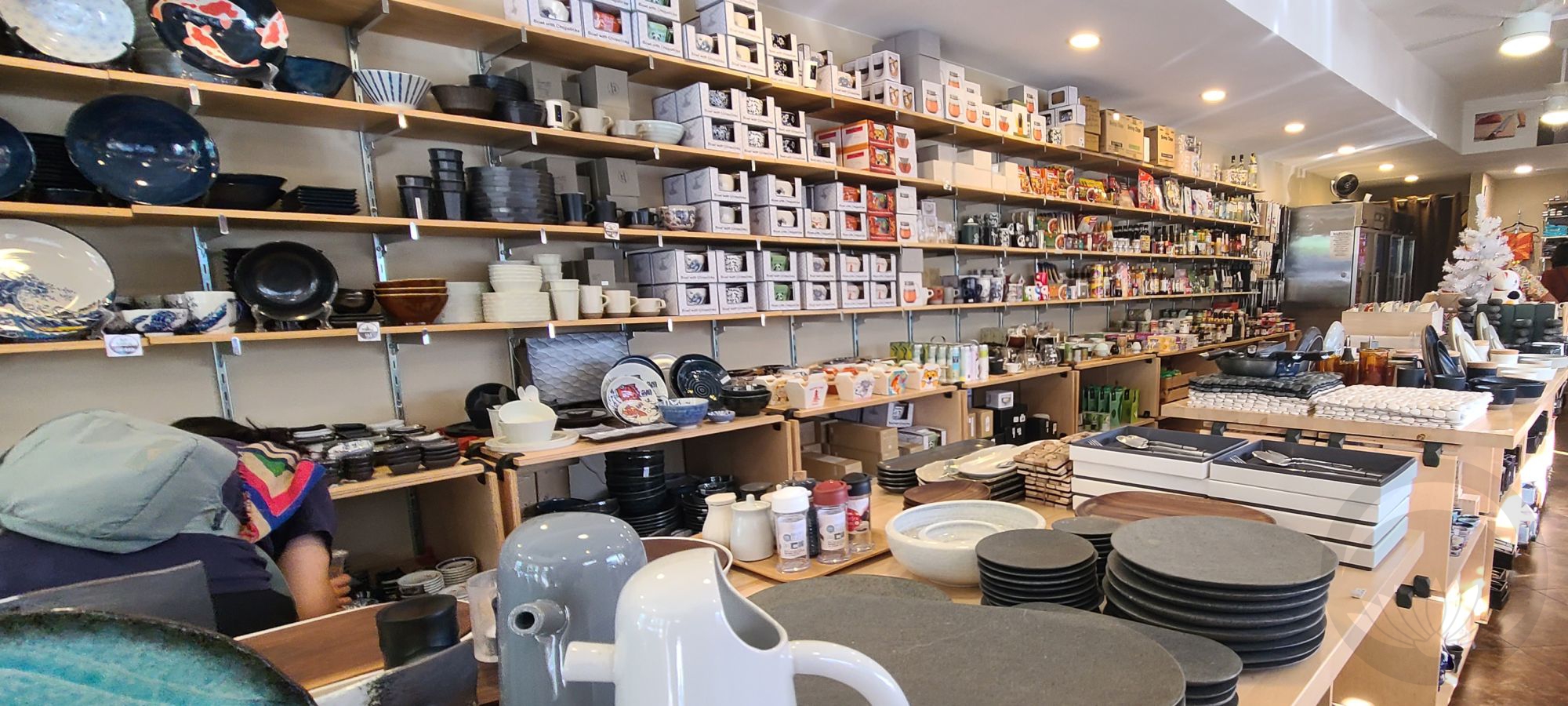
When you first walk in, you’re greeted with a beautiful abundance of handmade ceramics and a wall of more adorable chopsticks than you could begin to imagine. There is also a fantastic selection of books, from art and ikebana to a huge variety of cookbooks. I fell in love with Japan Style but could not justify it at the time, and then Keith sneakily grabbed me a copy for Christmas. As they say, to be seen is to be loved. ♥


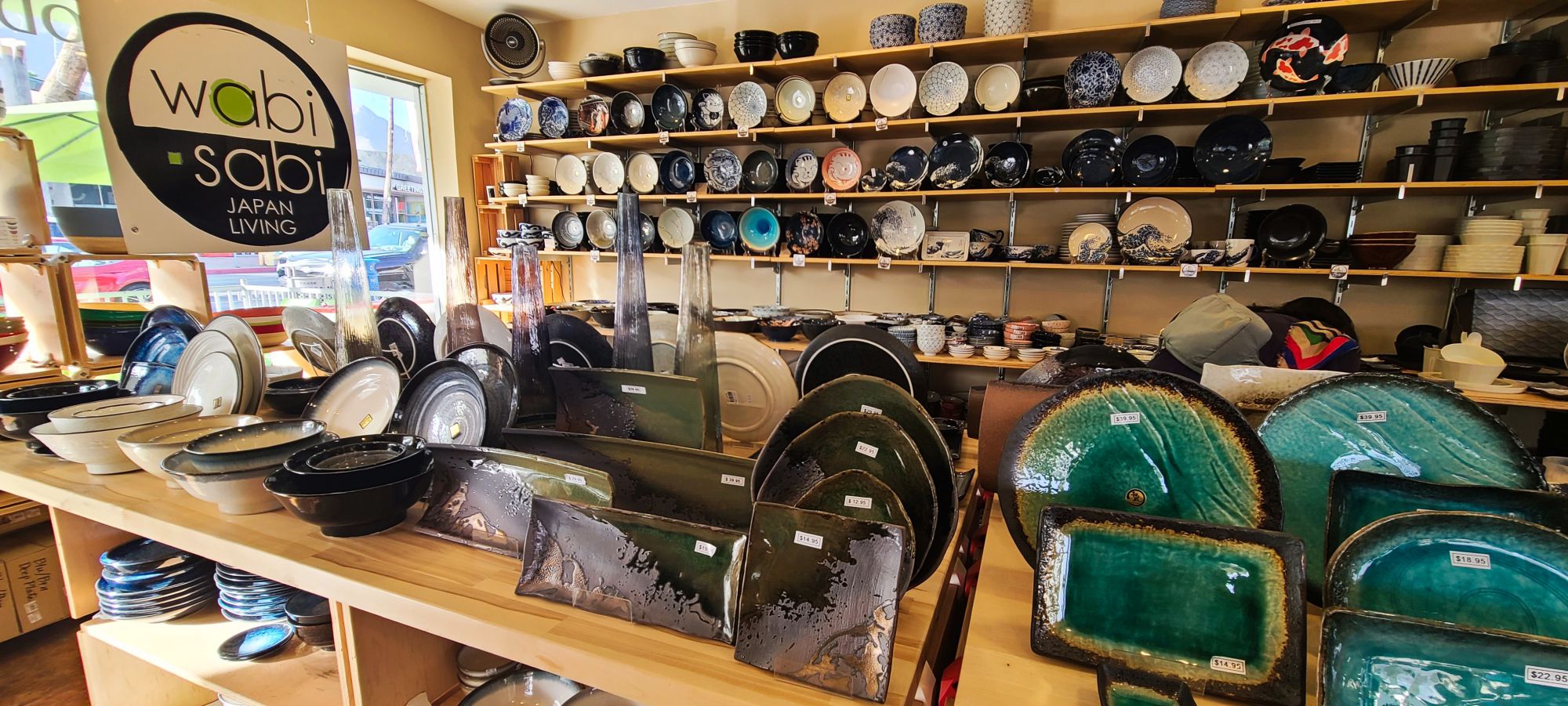
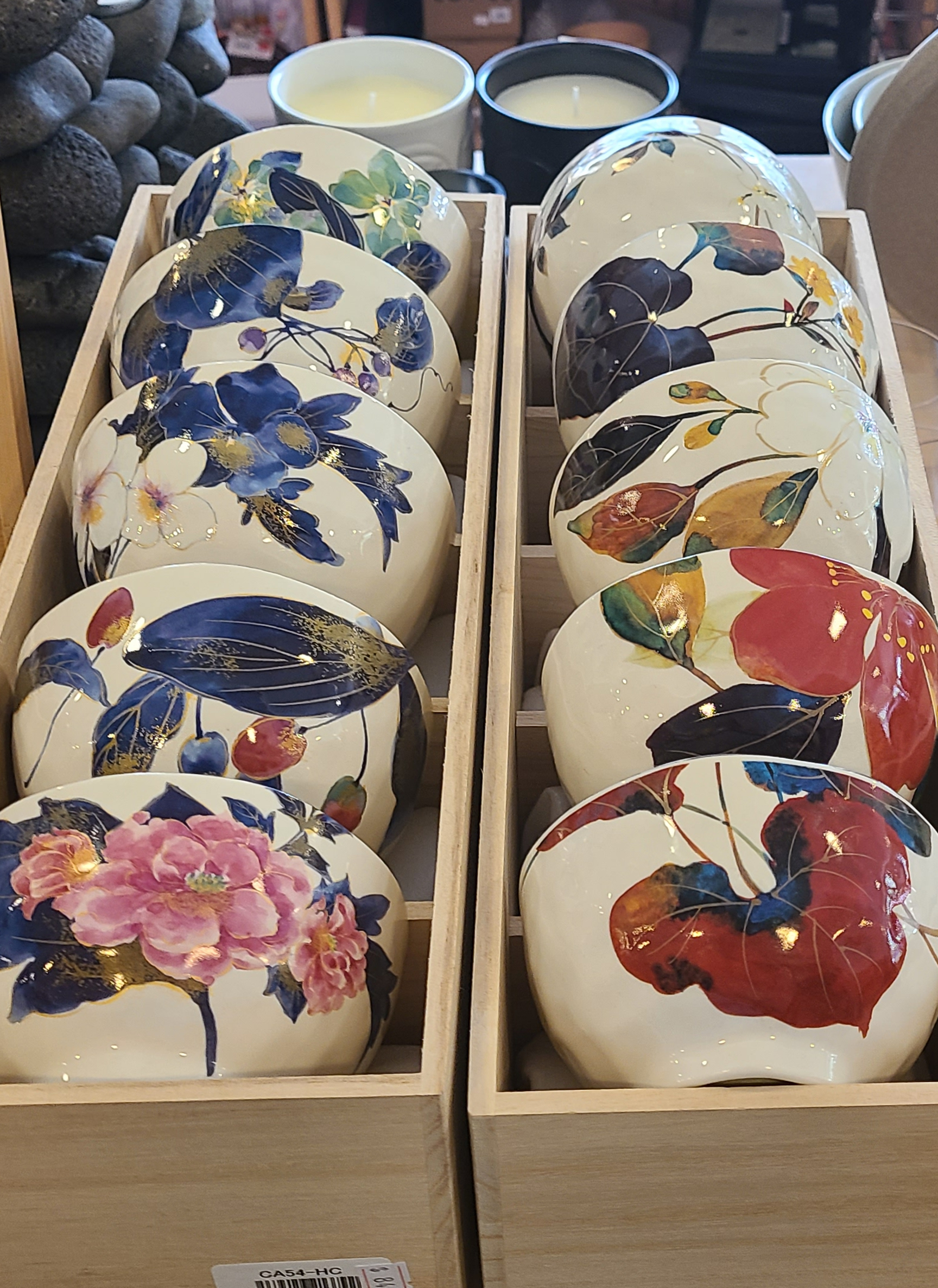
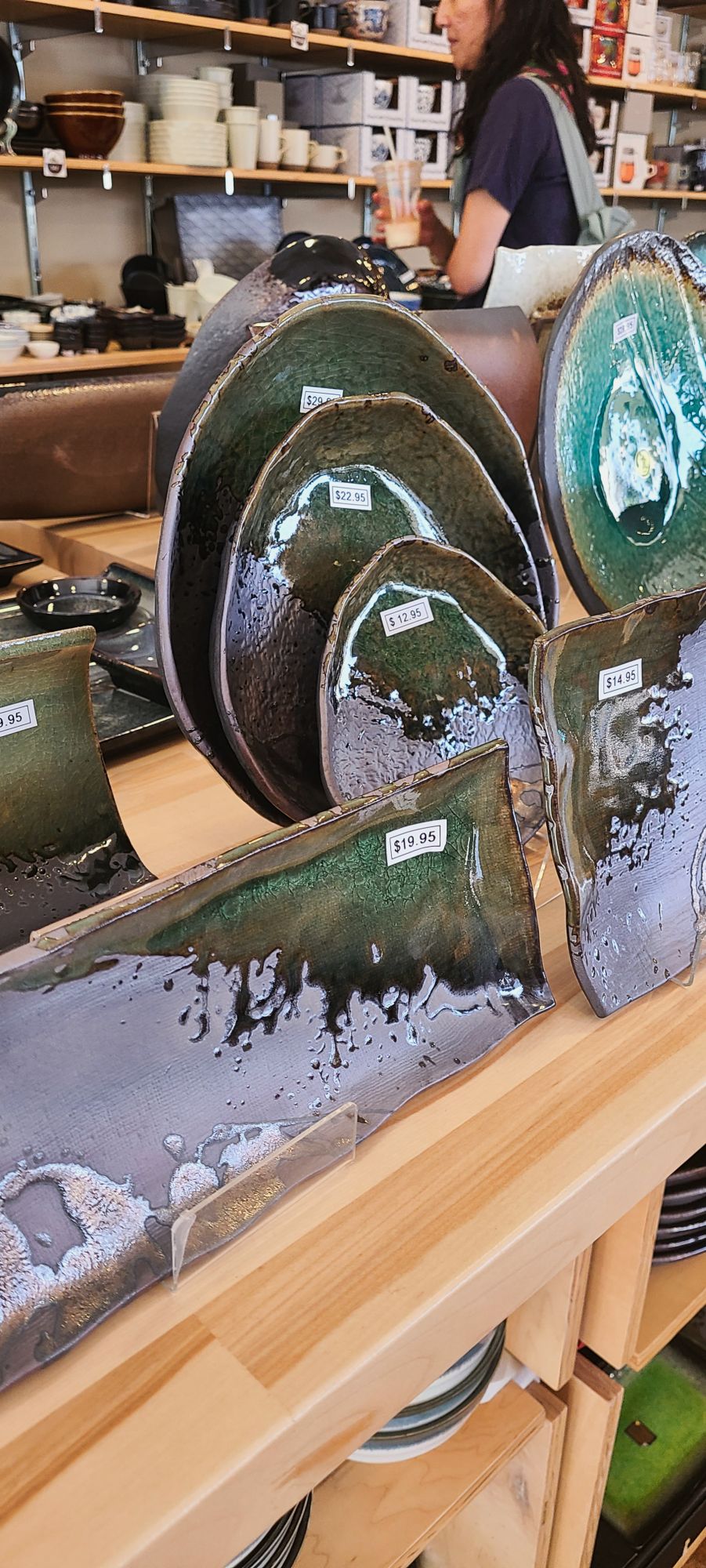
Facing the back wall, there is an absolutely breathtaking assortment of Japanese ceramics and dishware, in a very reasonable range of prices. You can purchase individual plates or full sets if you’re setting up a home or redoing your entire kitchen. There were so many pieces I wanted to take home, but both money and storage space are at a premium in my life right now so I had to exercise restraint. I particularly fell in love with some of the more earthy, textured pieces and some delicate mino ware floral bowl sets. If and when we’re ever lucky enough to have a larger kitchen and room for entertaining, I know exactly where I will be going to stock up!

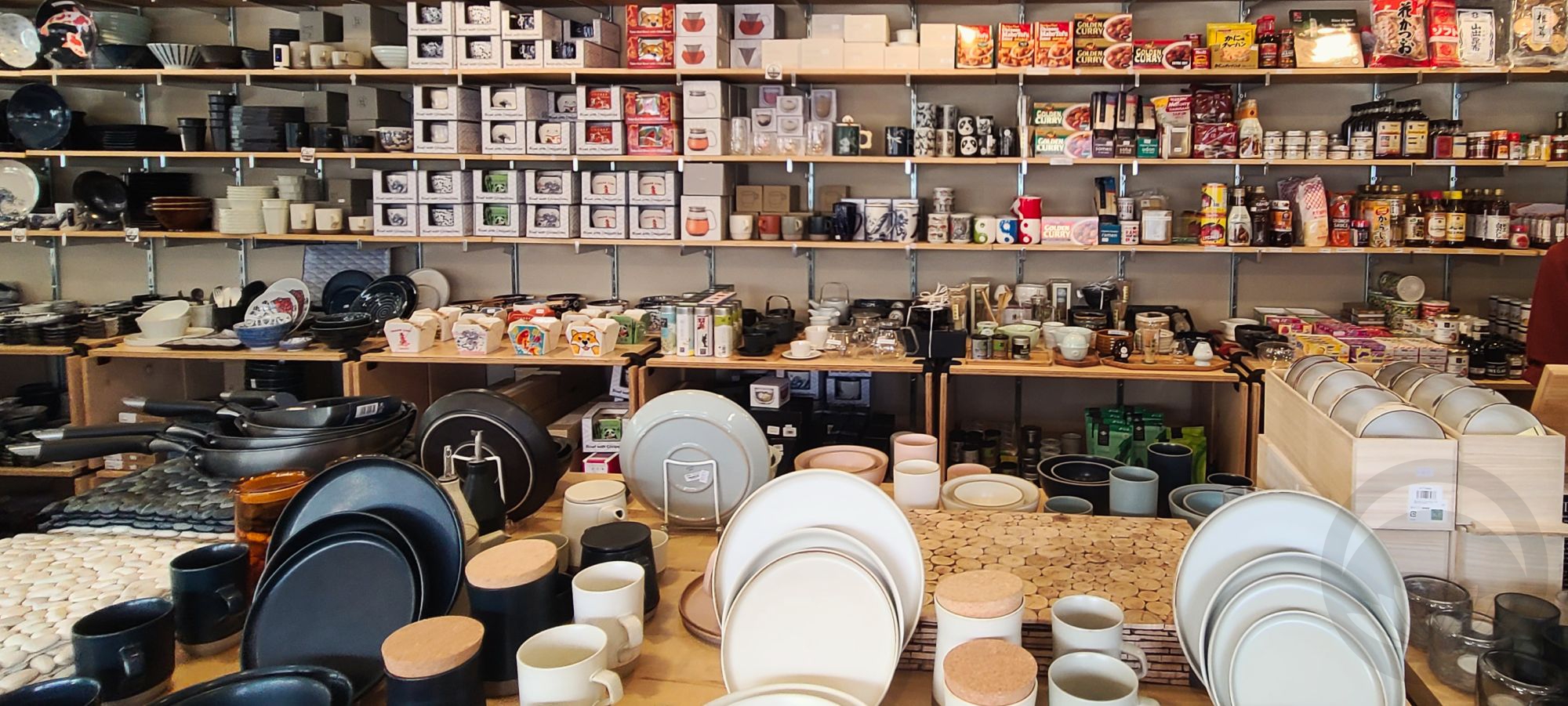
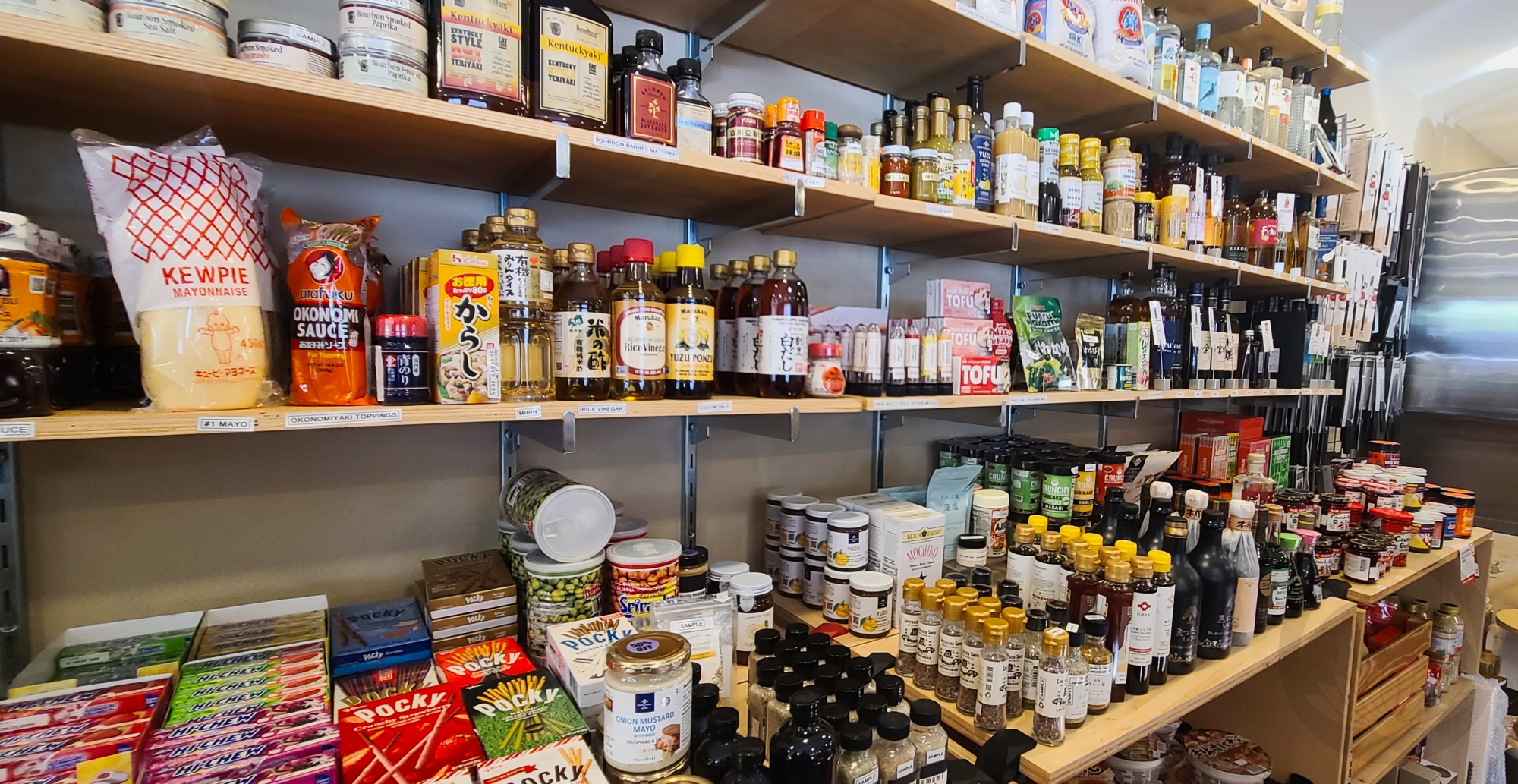
As you head deeper into this little treasure trove, you’ll find the food and drinks. There’s a fantastic selection of dry goods, condiments, teas, sauces, and then a more grown-up section featuring Japanese whisky, gin, and sake options as well as a few specialty liqueurs. I’m a sucker for whisky so I’ve added a few to my list of things to try when my current selection has run dry. Let me know if you’d be interested in reviews of Japanese brands of alcohol, particularly sake and whisky!

At the far end of the store you’ll likely find the staff. The shop is owned by partners Darrell and Osamu (Sam). I spoke to Sam briefly on the phone and met Darrell in person when I went, along with a few other lovely store employees. Everyone there is incredibly friendly, knowledgeable, and helpful. They’ll be happy to welcome you in and either let you browse or offer up suggestions if you’re overwhelmed by the beautiful variety of products!

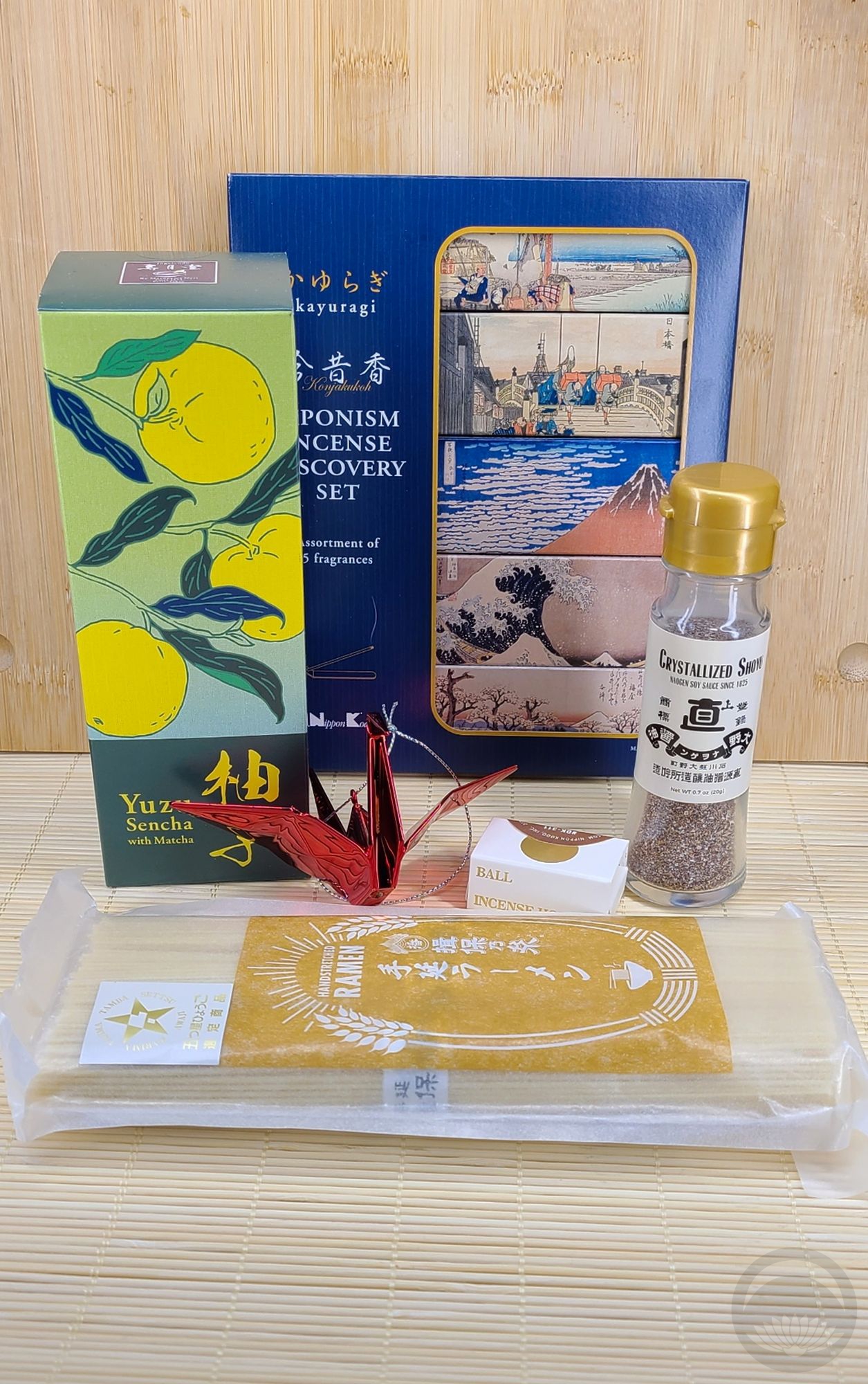
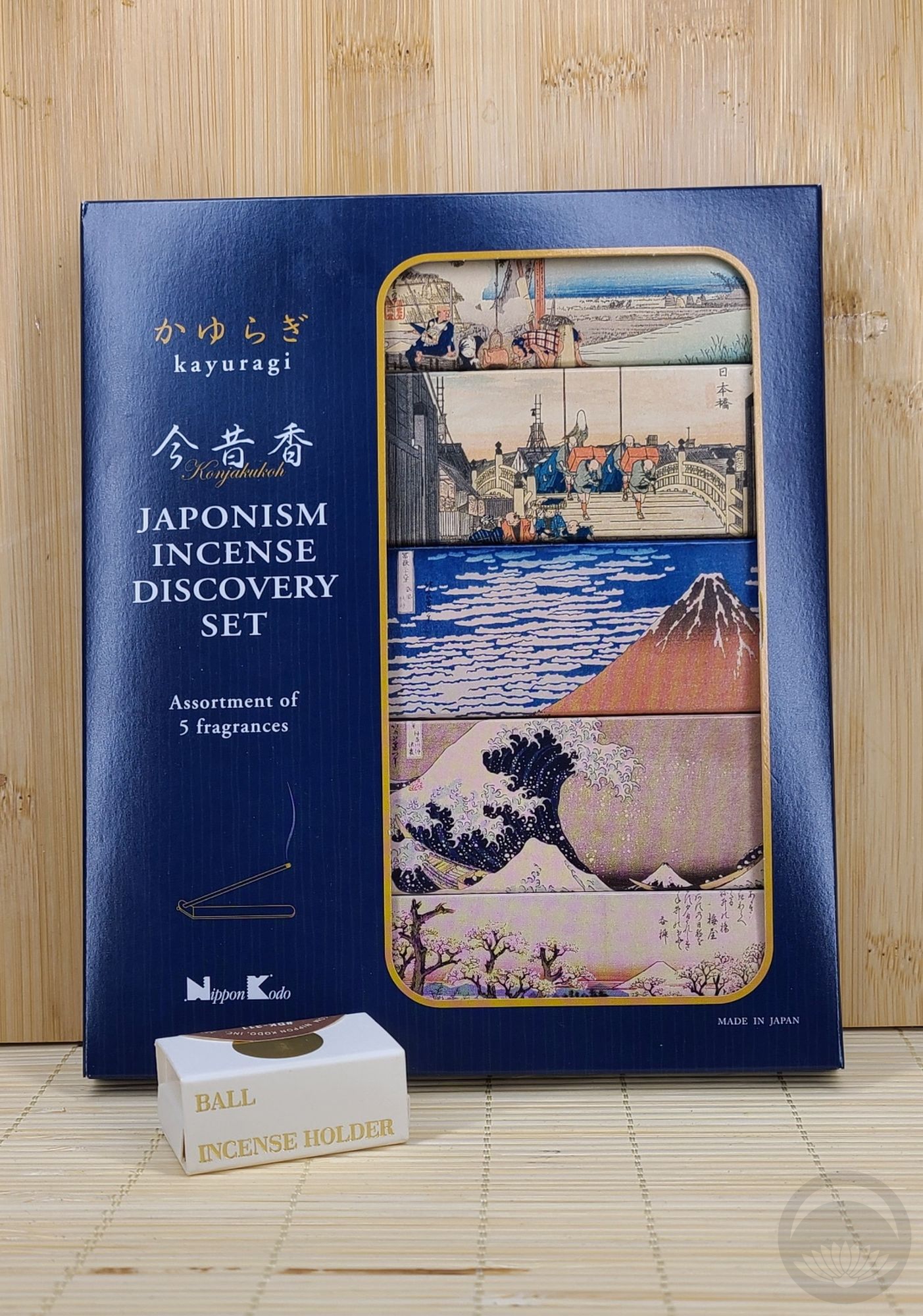
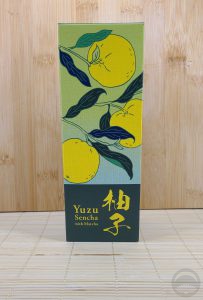
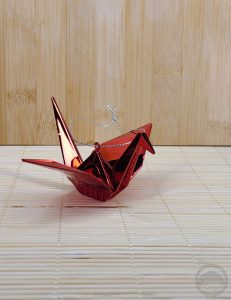
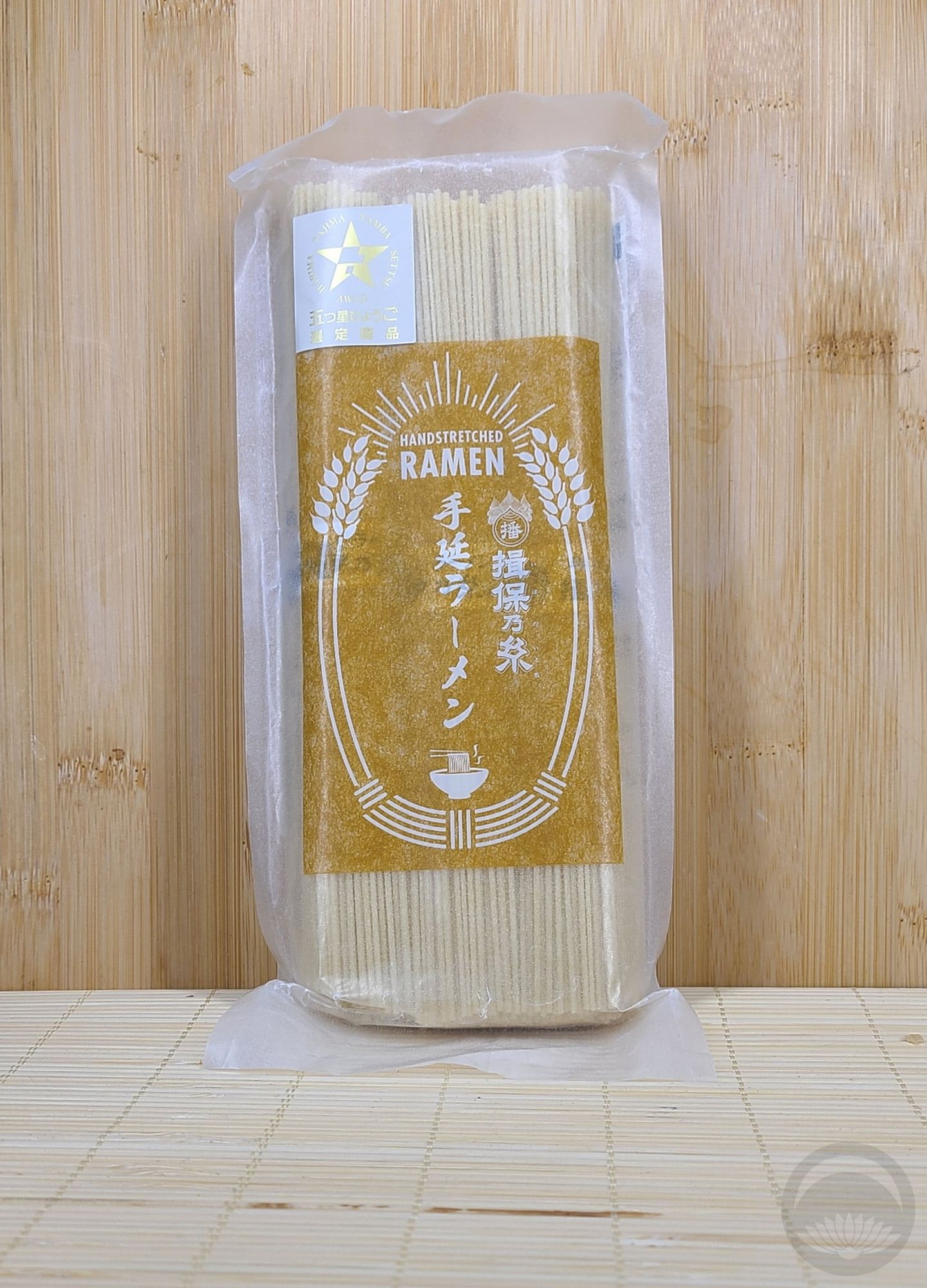
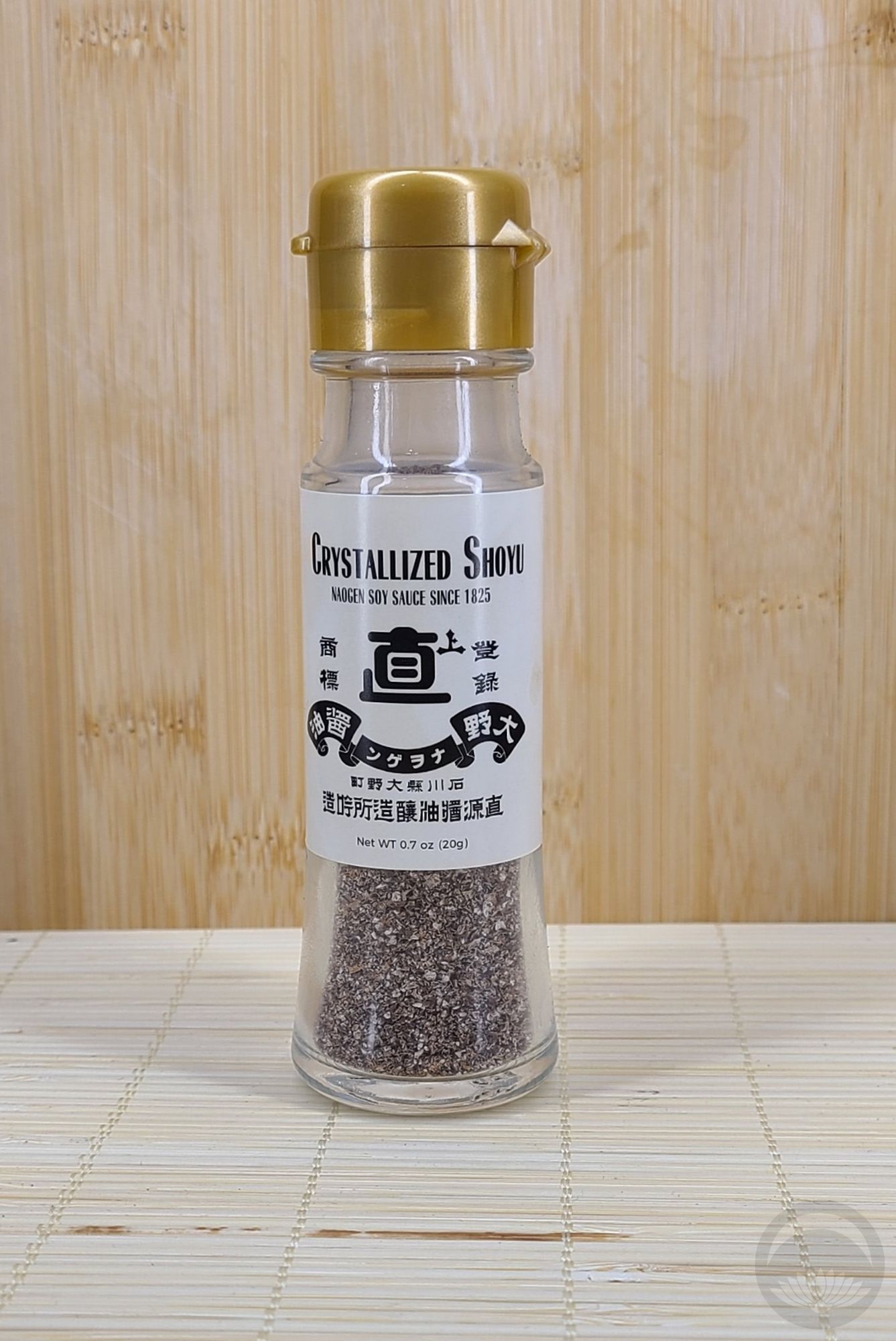
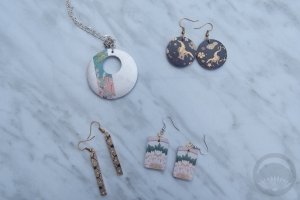
If you’re curious to see what treasures made it home with me, here is my haul!

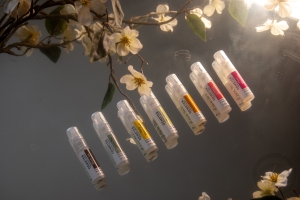
As you can see, I couldn’t wait to crack into the crystallised shoyu. I put it on tamagoyaki and it’s so good. I can see it working with so many different foods! I will likely do more detailed reviews of the incense sampler and the tea in the future if you are curious!

If you’re in the Palm Springs area, I highly suggest checking out Wabi Sabi Japan Living! They’re open from 11 to 5 every day, and can be found at 300 N Palm Canyon Dr, Palm Springs, CA 92262.

Just for clarity, I was not compensated in any way for this post. I contacted them beforehand to make sure they would be alright with being featured, and making sure I had permission to photograph, but there was no other discussion or promotional agreement of any sort. These opinions are all straight from my heart, as always!
“Iki, wabi-sabi, what now?” – The language of Japanese aesthetics

Language is a fascinating thing. There are so many different ways to express certain things. Nowhere is this more apparent than when dealing with multiple languages. Often, there is no way to translate a kimono-specific word into English, because there’s not been a need for it. Loanwords are a fantastic solution for most of these, things that can easily be clarified with a glossary or reference chart with a short definition.

Sometimes, however, a simple glossary isn’t enough. These concepts are more abstract and can’t easily be translated into English or explained in a sentence or two. I thought it would be both useful and interesting to break down some of the more common terms or expressions that often get used when describing certain styles. I use several of these, and they’re more complex than any floating tool-tip or single line definition, so here they are collected in one easy reference.

Iki – いき

The concept of iki evolved from the streamlined and urbane sense of style of the merchant class during the Edo era. In stark contrast to the overly ornamented, almost gaudy fashions worn by samurai and the ruling classes, a sense of iki evolved from simple colours and patterns and thoughtful unexpected touches. A sense of refinement would be clear in the quality of fabric and attention to detail more than flamboyant colour and embroidery. Think of the fashionably effortless appeal of a young Parisian woman, and there you will find a western analogue for iki.

Wabi-Sabi – 侘寂

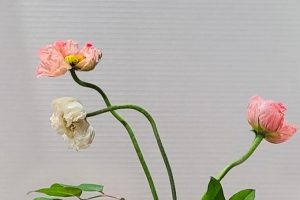
Wabi-sabi is probably the aesthetic term most commonly referenced in English when discussing Japanese style. Here in the west, it has almost come to mean “anything Japanese”, but in reality it has a more precise usage. When something is truly wabi-sabi, it embraces the fragile imperfection of nature. It evokes a sense of transience, a slight roughness of aspect that reminds us all of where we came from. Raw slubbed silk, uneven handmade pottery, naturally winding and twisted branches are all wonderful examples of wabi-sabi.

Shibui – 渋い

Shibui is quite possibly the most straightforward of these terms. Like a sense of excellent, refined taste, shibui is simple and elegant, again focusing on quality craftsmanship and sparse lines. If iki is a stylish young woman, shibui is her refined grandmother. Unlike some of the others mentioned here, shibui may aim for perfection, but with the implicit understanding that it will never be fully achieved. Subtle but exceptional decoration and luxurious fabrics and materials are essential here.

Mono no Aware – 物の哀れ

When you think of the fleeting, ephemeral beauty of the short-lived sakura blossom, appreciating the moment all the more because you know it’s going to be over soon, you’re experiencing mono no aware. There is a distinctly Japanese awareness of the constantly changing essence of the natural world around us, as evidenced by the seventy-two micro-season calendar.Mono no aware not only acknowledges the impermanence of things, it focuses on that impermanence, as well as the wistful feelings it engenders.

Mottainai – もったいない

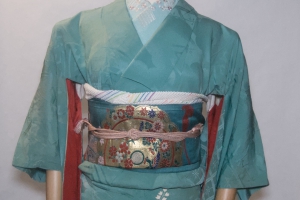
A bit of an outlier, mottainai isn’t a sense of aesthetics so much as a general philosophy of regret about waste and excess. It comes into play especially when it comes to vintage pieces, which are often remade into new things. It’s very common to find fukuro obi that may have been stained or are too small converted into hanhaba obi or tsuke-obi. Less common but still frequent are conversions like turning a kimono into a haori, or into a western-style dress. There is beauty in the history of a garment, and in giving it new life instead of creating more waste. This becomes more and more vital as a preservation method as traditional techniques start to die off, and a way to protect our increasingly fragile environment.

Kawaii – かわいい

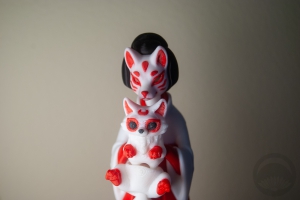
If you’ve spent any time on the internet, odds are you’ve encountered kawaii. It’s absolutely a more modern concept than the others mentioned here, and may not necessarily be as relevant in the world of kimono, but it’s definitely starting to have more of an influence. We’re seeing more pastels, more frills, more lace, than ever before. Kawaii as an aesthetic isn’t just “cute”. It’s cute beyond cute. Cute as a lifestyle choice. It’s about embracing the youthful and girly in a way that can feel almost subversive in a world that encourages us all to grow up fast.

Are there any other terms like this you think should be included? Something you’ve heard or read but aren’t sure about? Please leave a comment below!