Picrew.Me Kimono Avatar Creators part 2

I know things have been rather quiet here, and I do apologise. I’ve been doing a lot of back-end work, stuff that keeps the site running efficiently, but I realise that while it’s necessary it’s also not very interesting for you guys!

One of the things I did was update last summer’s Picrew Kimono Avatars post so it was responsive and worked on mobile devices. While doing that, I realised it’s one of my most popular and most frequently revisited posts, so I thought maybe it was time to do another one! I promise, there are actual kimono coordinations and some book reviews coming up, but in the meantime I hope you have fun with this. If you’re new to Picrew.me and aren’t sure how the interface works since it’s all in Japanese, there’s an explanation and tutorial in the previous post.

Female Avatars

[wptb id=11262]

Male Avatars

[wptb id=11276]

I hope that this table setup works better on mobile devices for you, and that you have lots of fun playing with these avatars while we’re all stuck inside our homes!
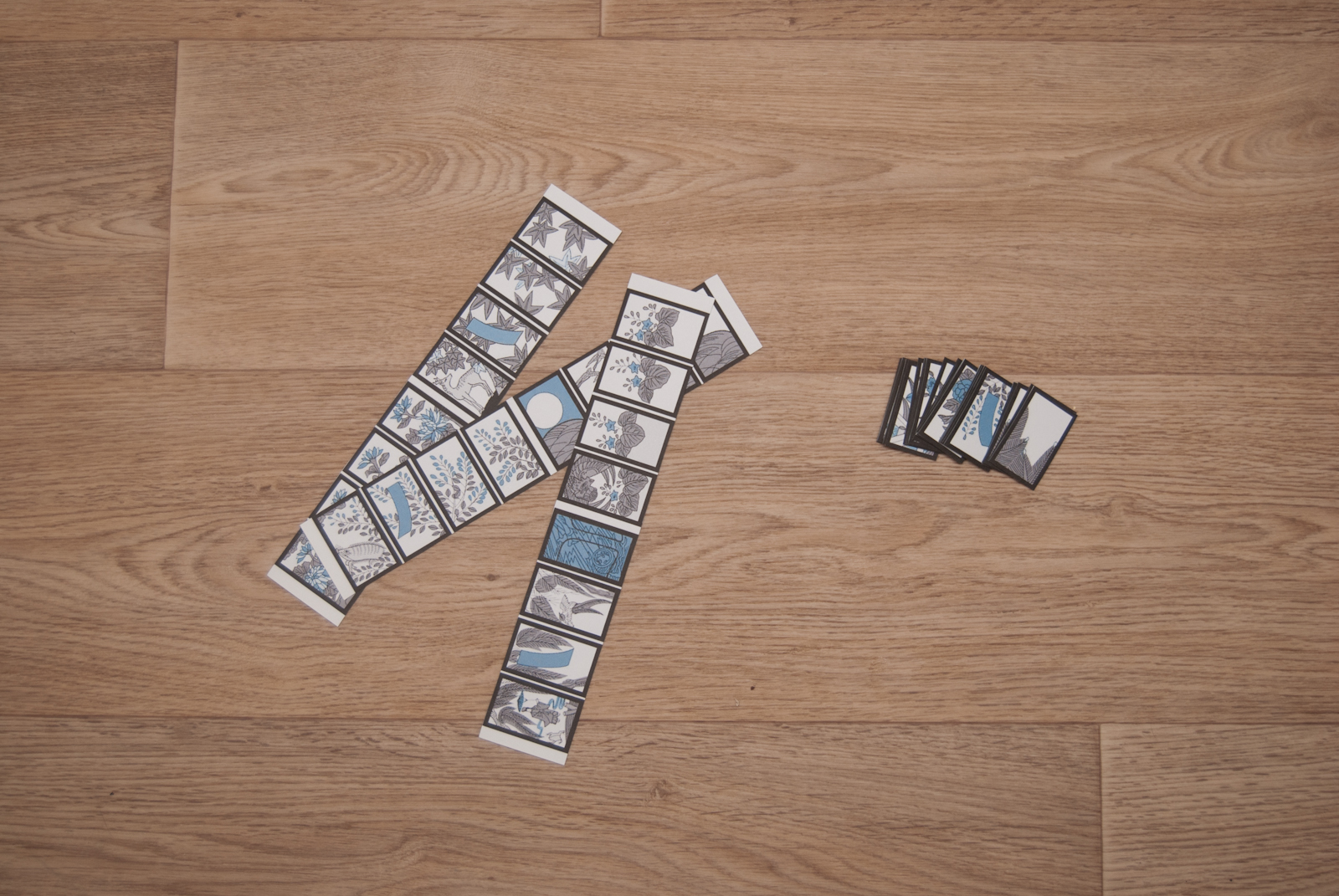
H is for Hanafuda

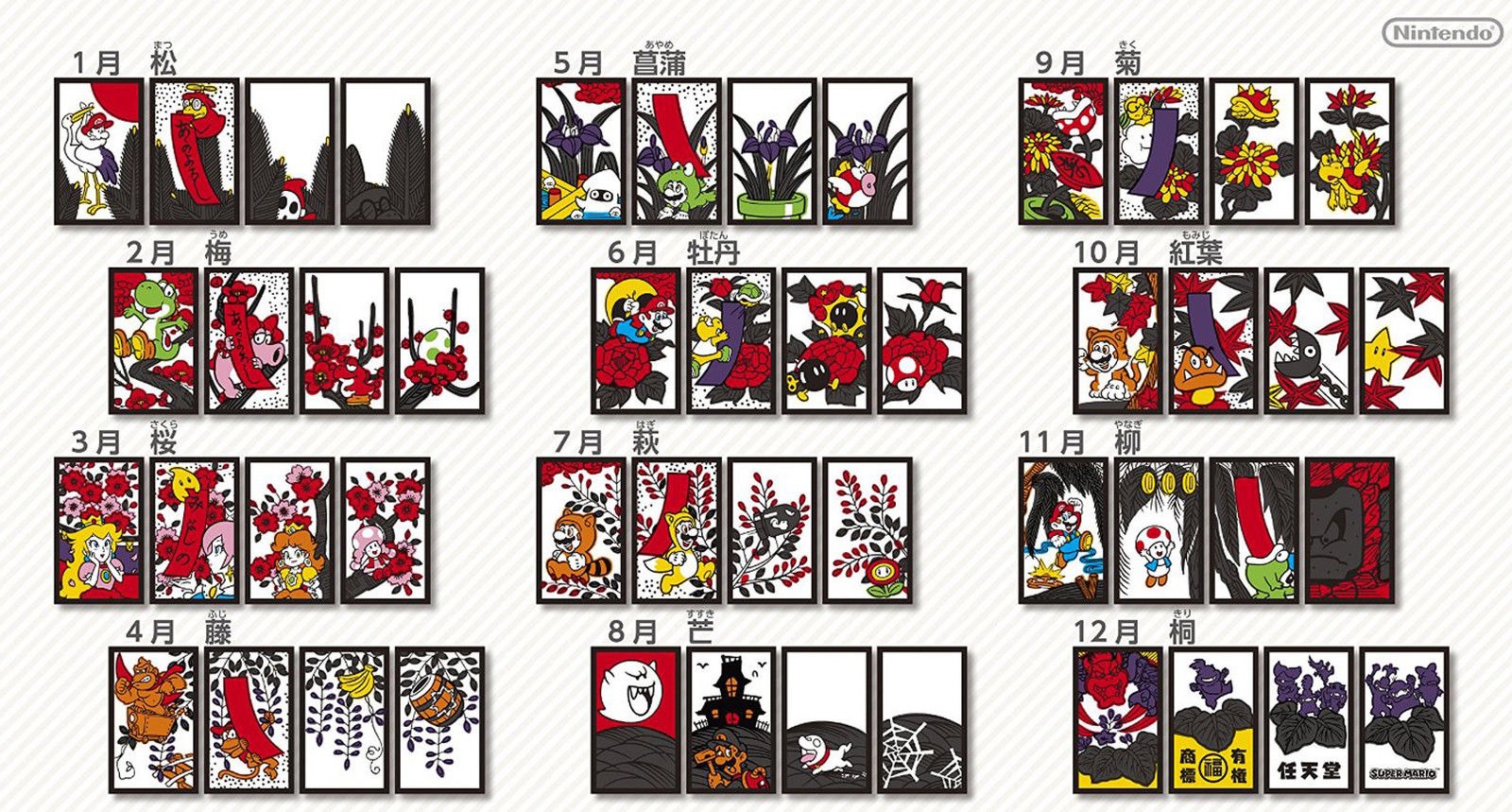
Hanafuda, 花札, flower cards, traditional playing cards

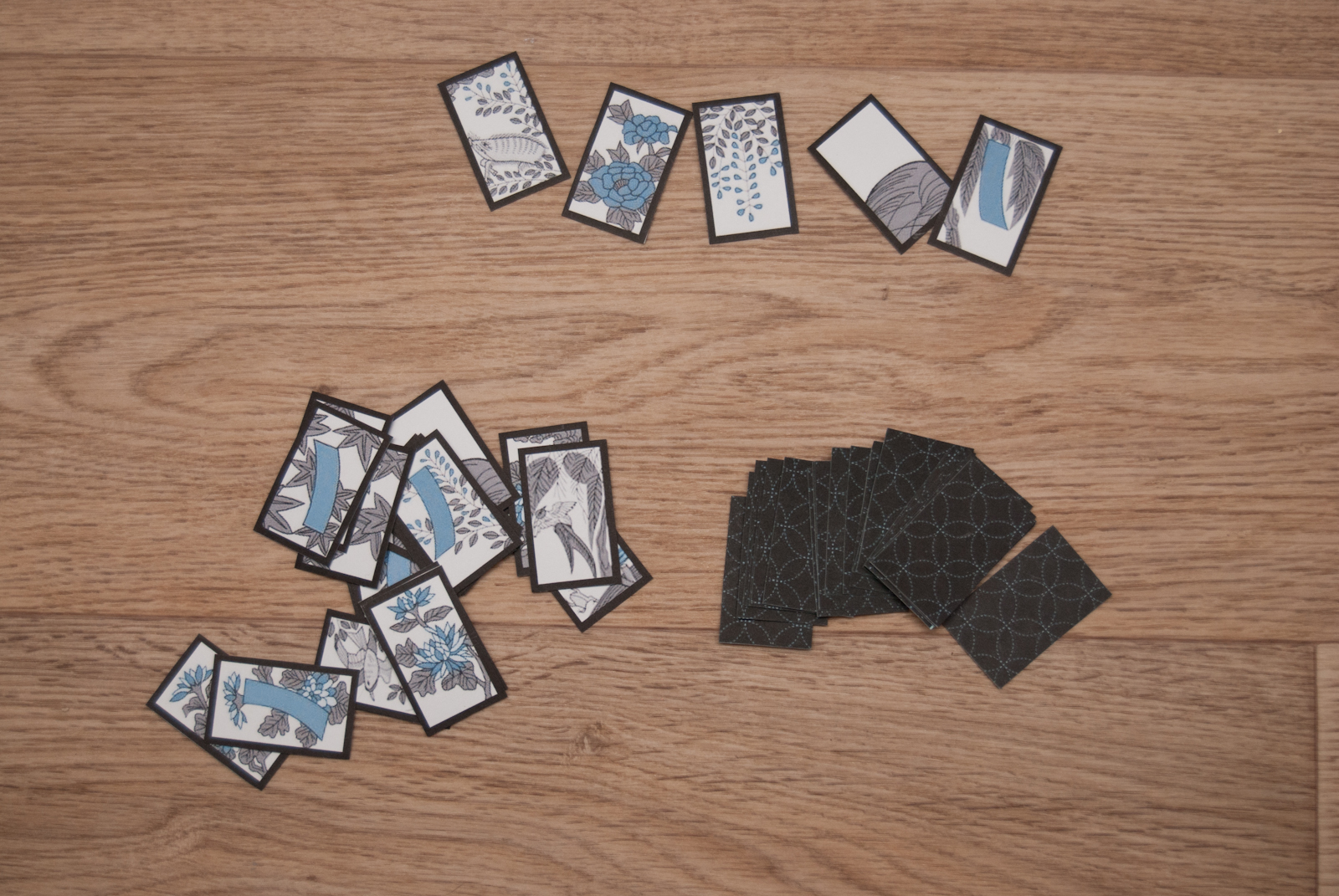
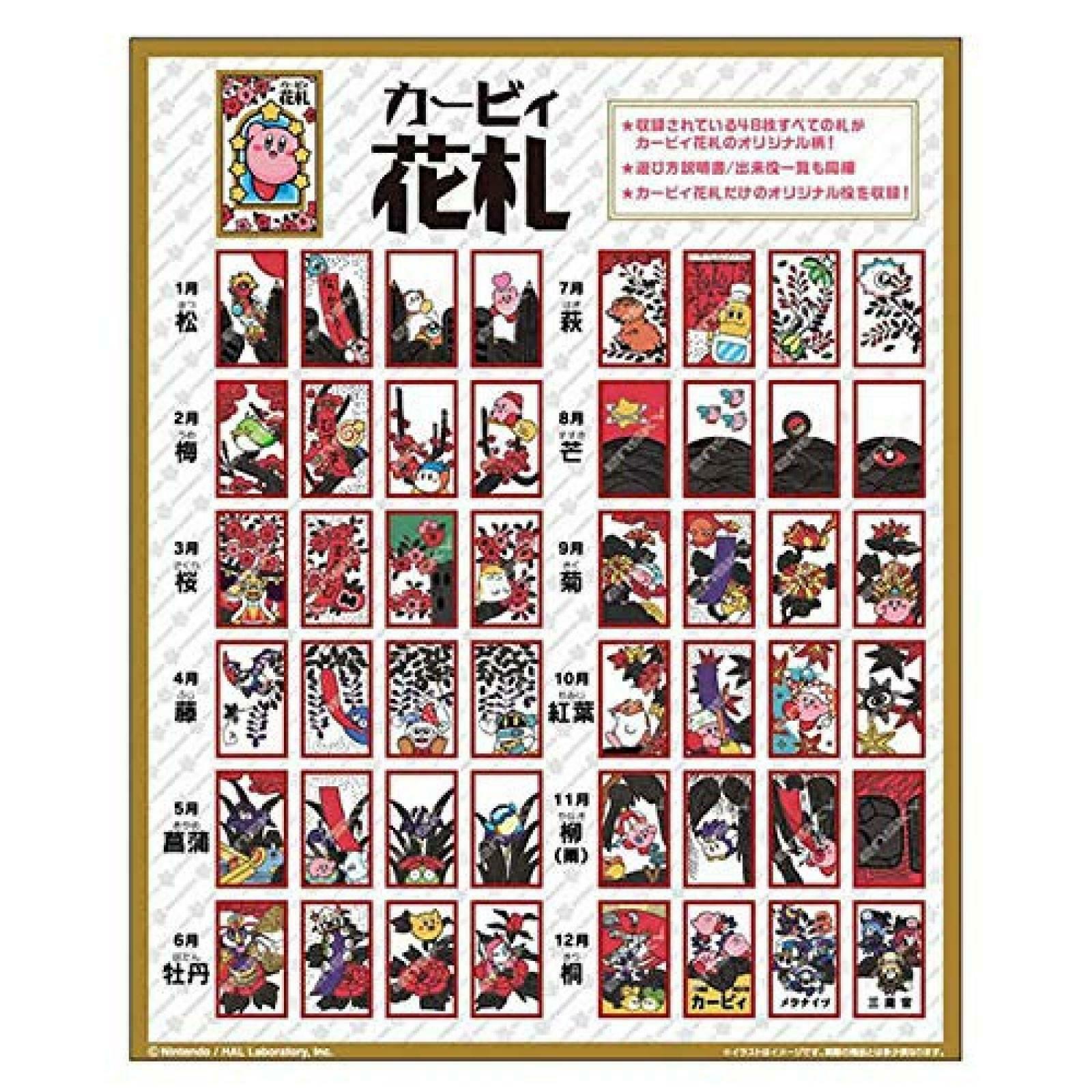
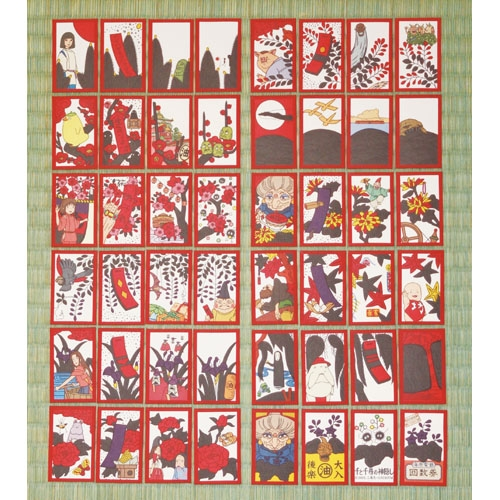
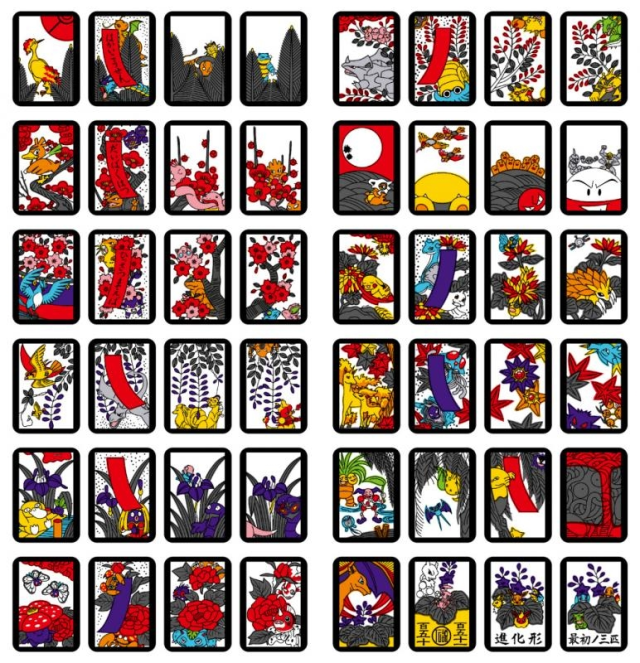
Did you know that the Nintendo we all know and love started out as a company that made playing cards? Their original product was a set of hanafuda cards! Hanafuda are small, traditional Japanese cards featuring designs of flowers and seasonal motifs. Like our more familiar decks of playing cards, there are lots of different games and variations you can play with hanafuda.  To this day, Nintendo still makes novelty hanafuda sets. So do several other companies in Japan. You can find decks featuring Super Mario Bros, Kirby, beloved movies like Spirited Away, and even a Pokemon set!

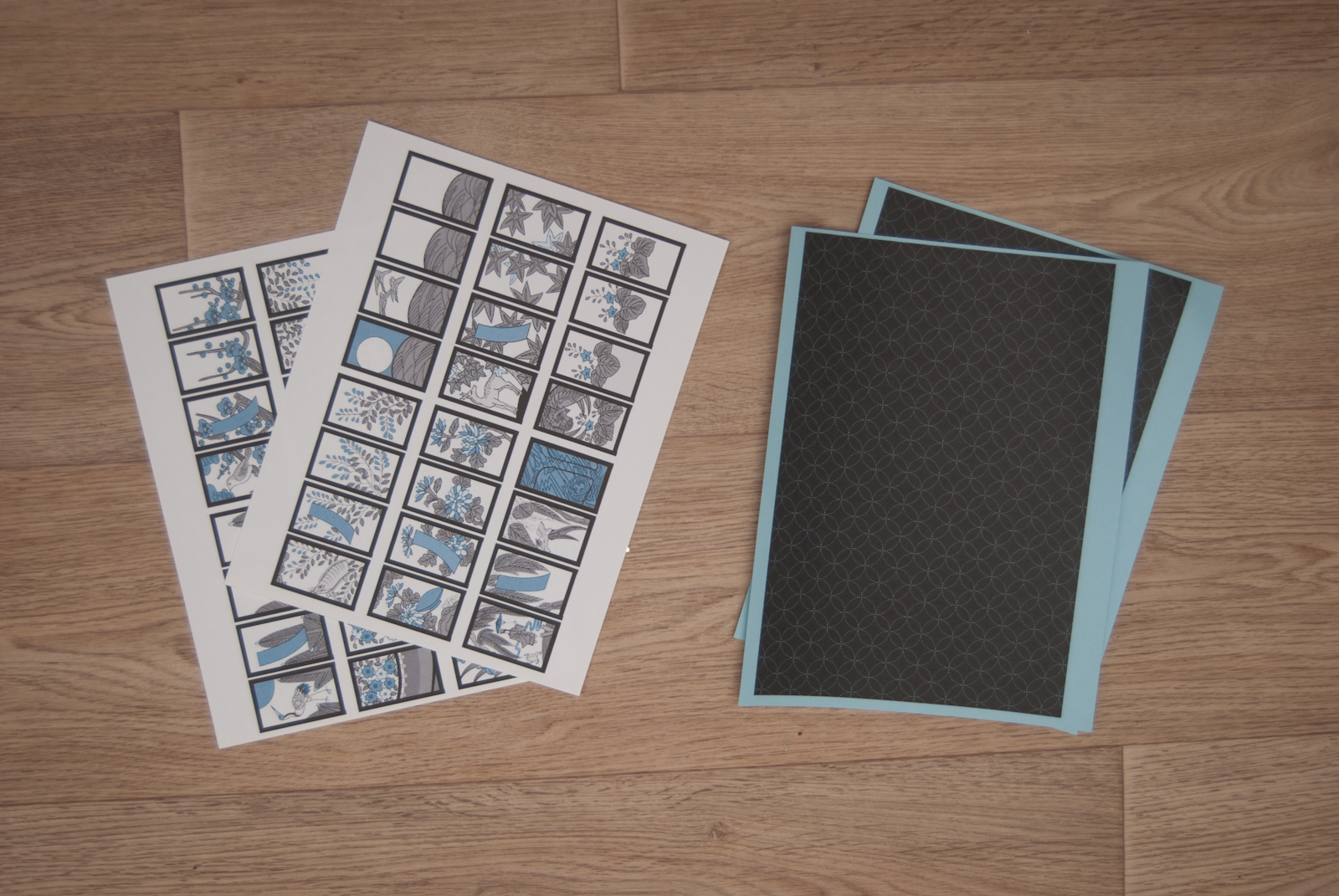
However, if you’d like your own free set, I’m here for you. I’ve created a muted, monochrome set based on the original designs but using the colour scheme from this blog I love so much. All you need to do is print out this PDF on heavy-weight card paper (I had blue and white so I used blue for the background side but plain white works just as well). Then glue each card sheet to one background sheet with stick glue, put a heavy weight on them to dry them flat (I used books), and then cut them out after 24 hours or so.

Click here to download the PDF

For game instructions, Wikipedia has your back. Enjoy your new hanafuda deck, and have fun!

Review – Pagoda Lantern kit from One Man One Garage

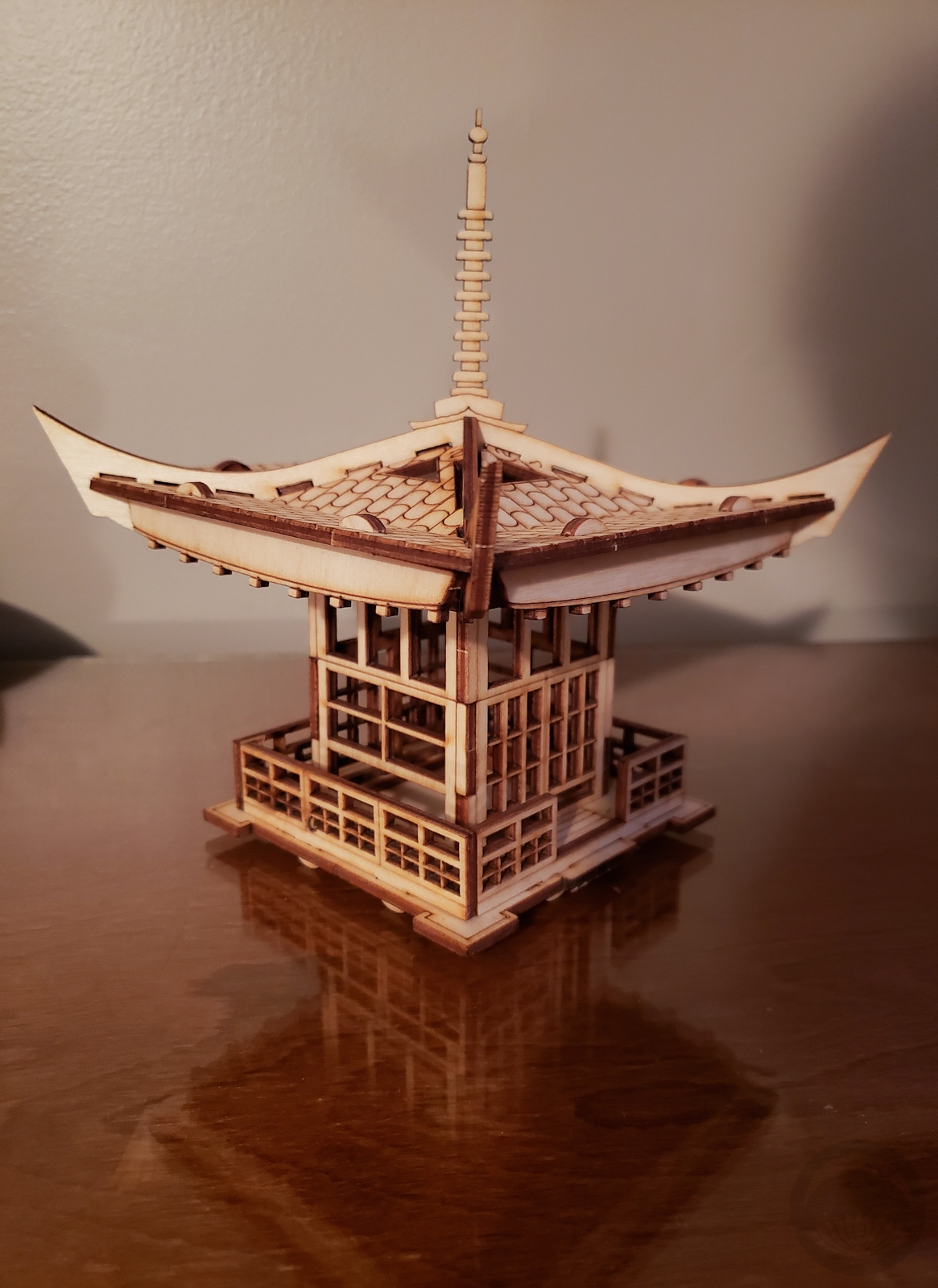
Since we’re all trapped inside for the foreseeable future, it feels like a great time to share this fun little DIY project I found from a wonderful Etsy shop, One Man, One Garage! I purchased this back during the great bedroom flood debacle and assembled it when I needed a meditative little break; it was absolutely perfect.

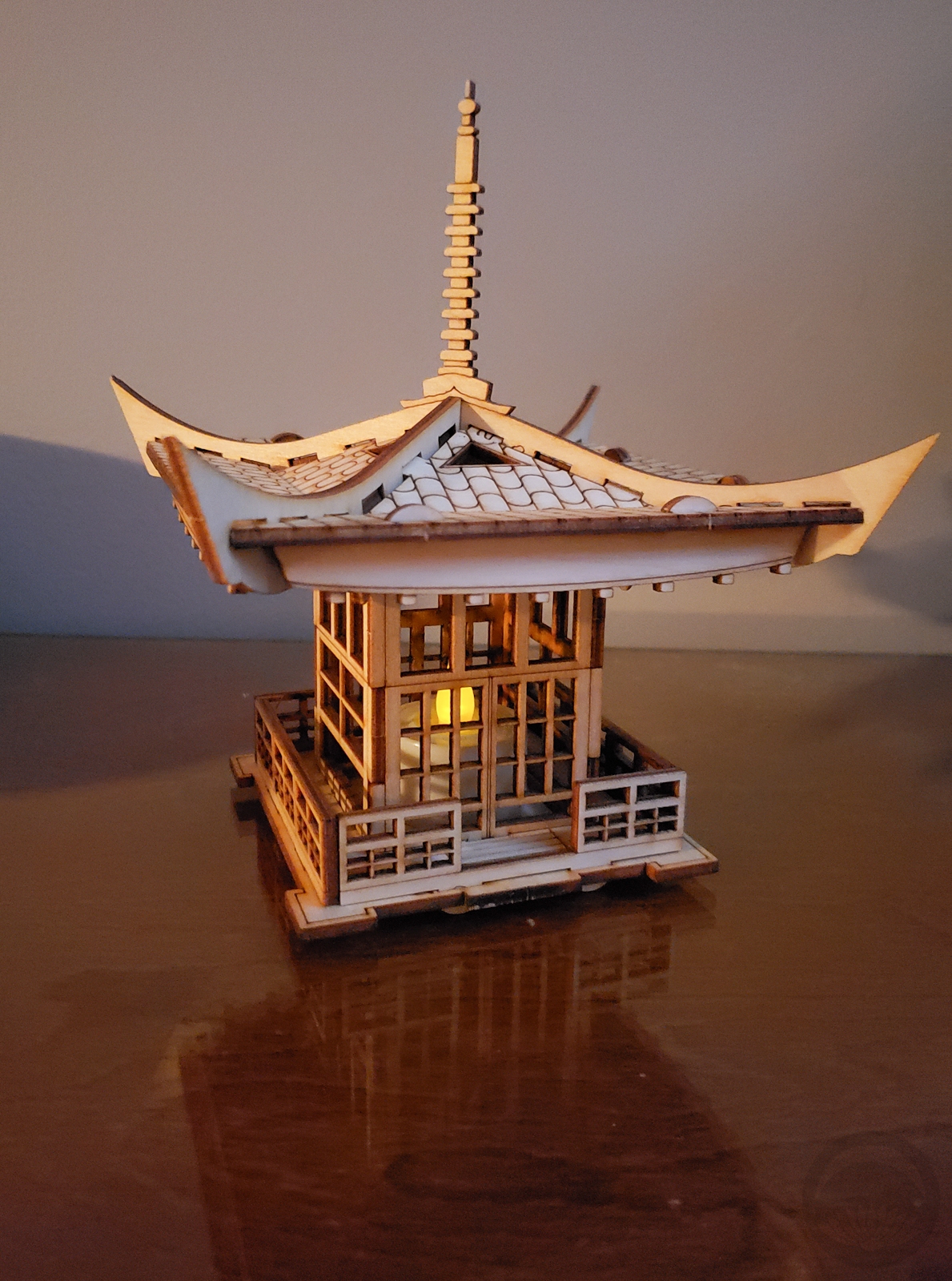
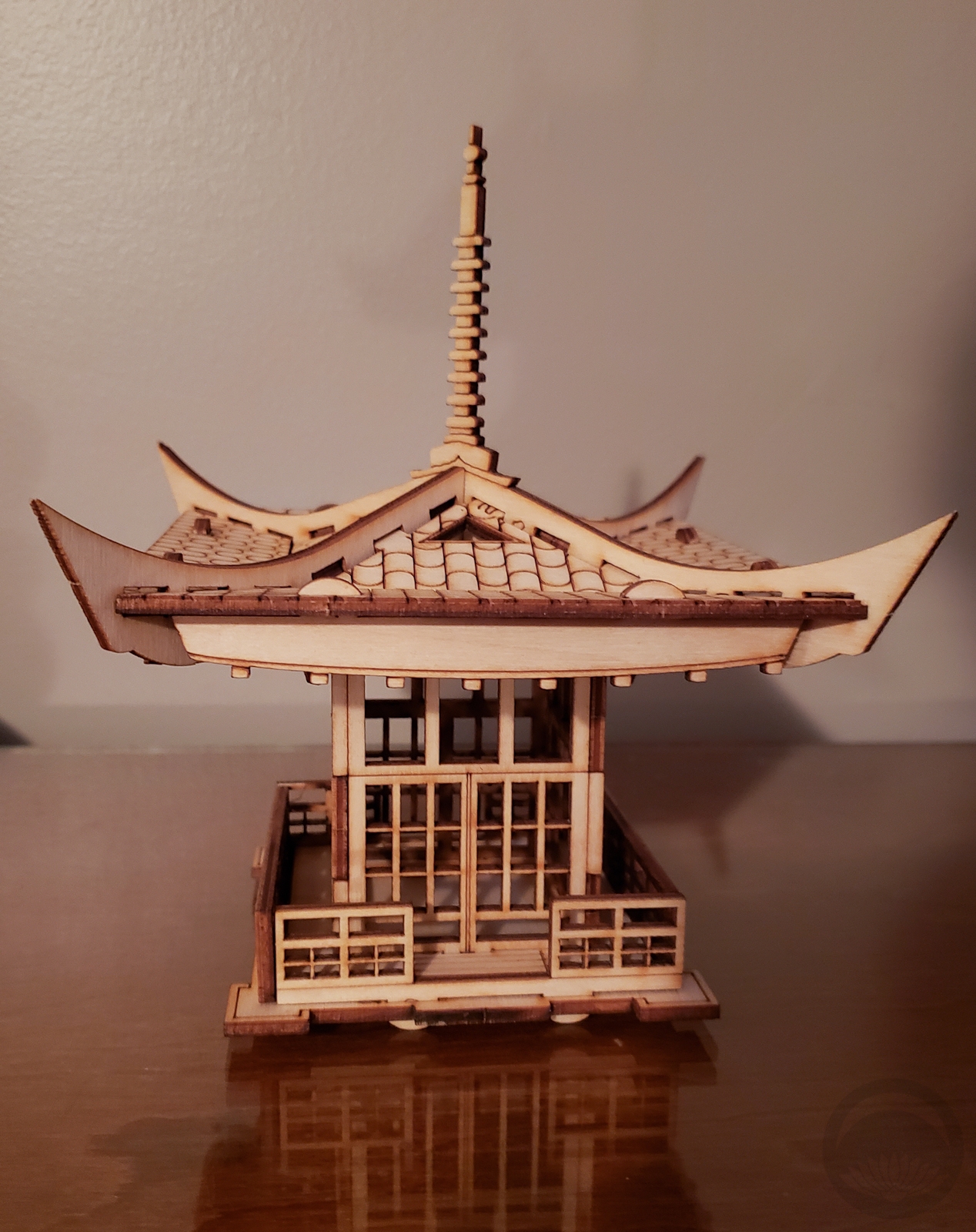
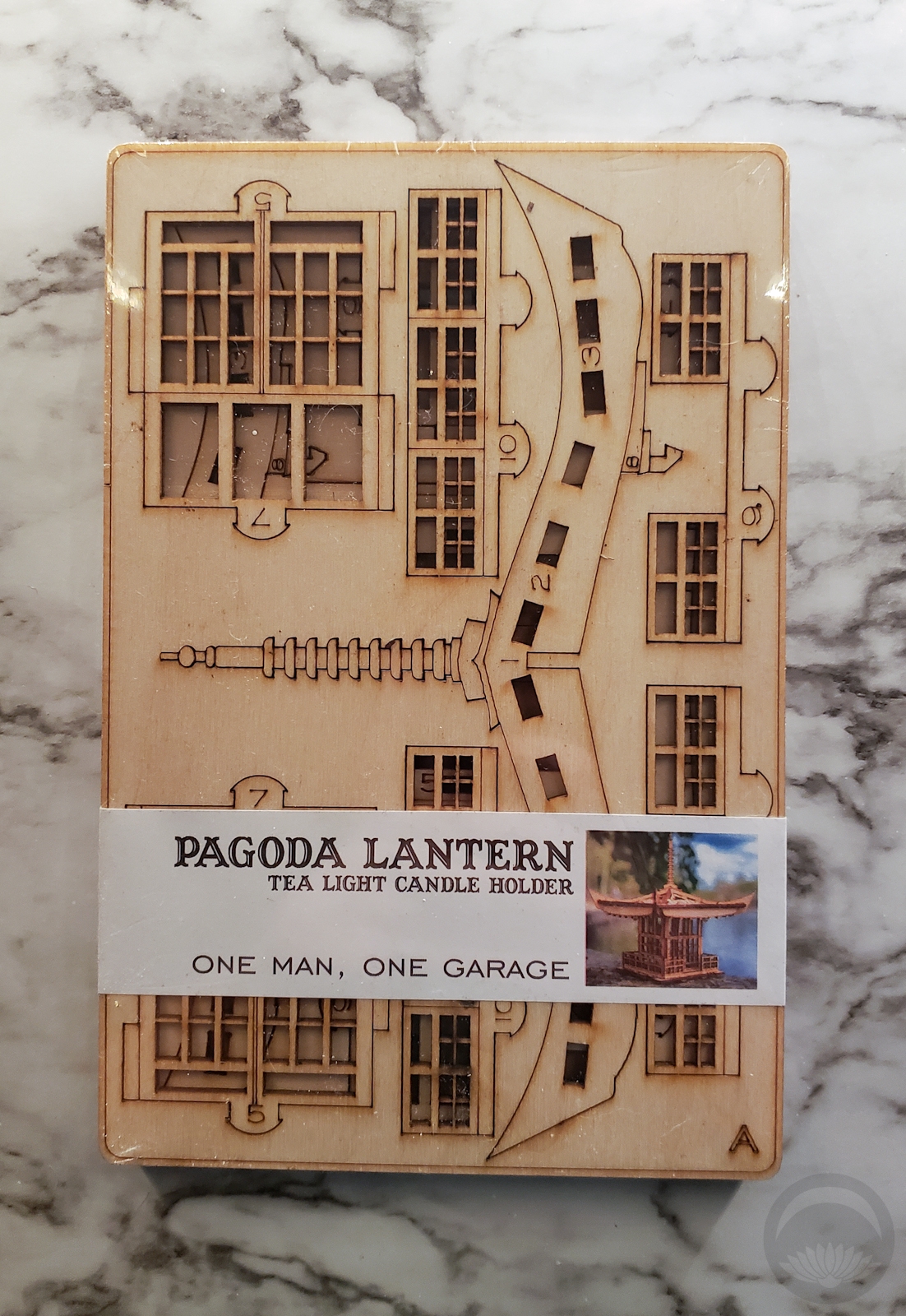
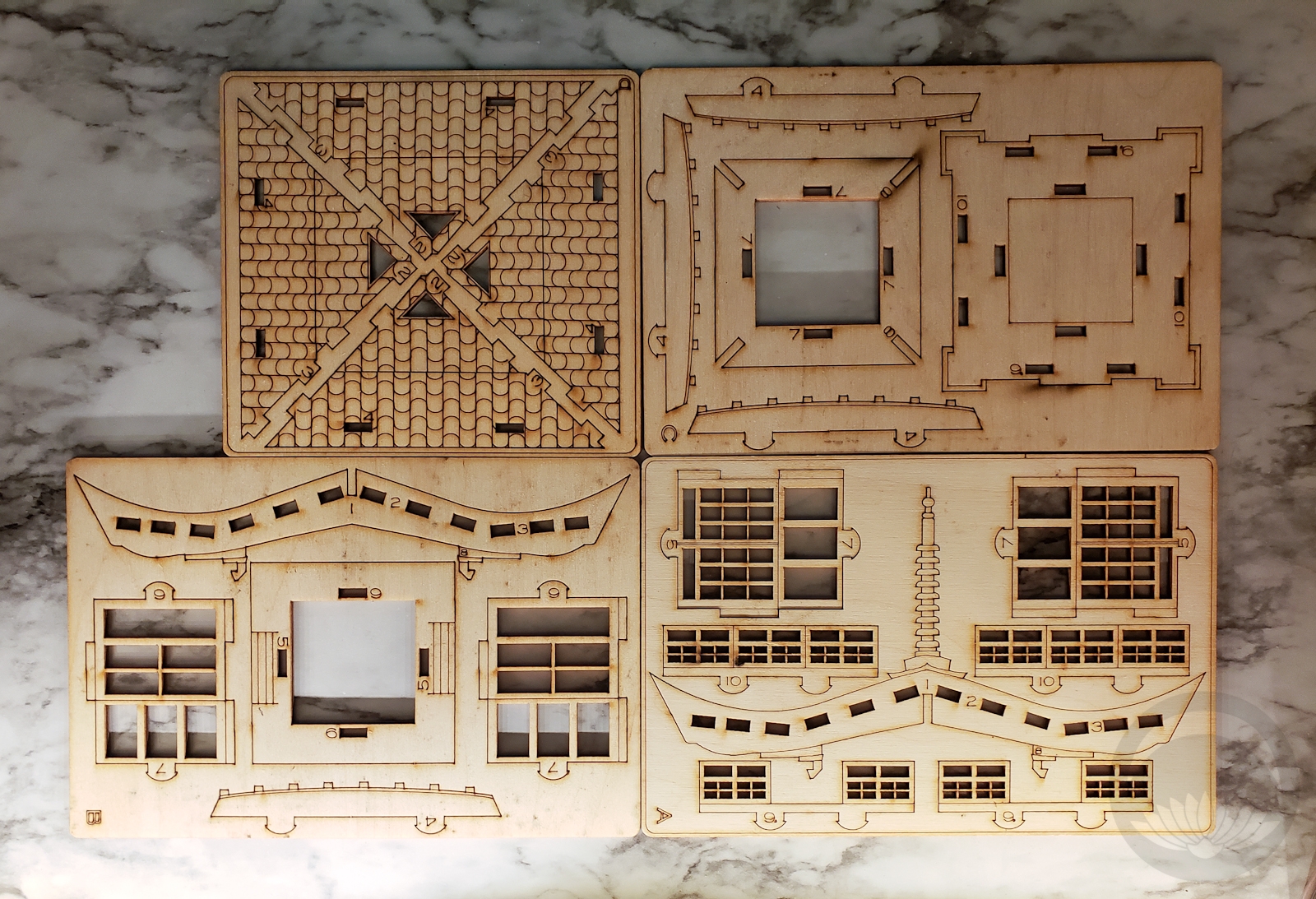
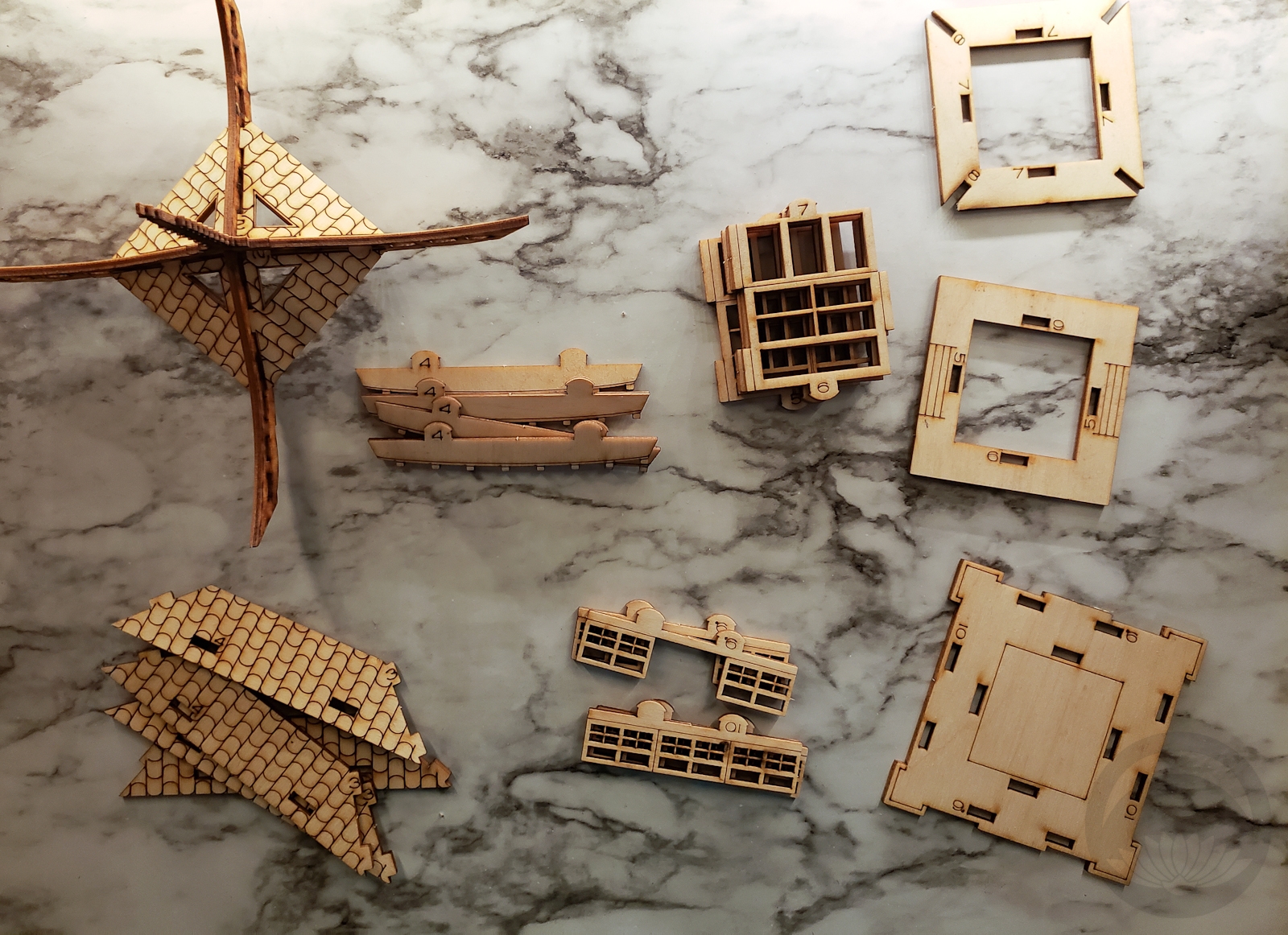
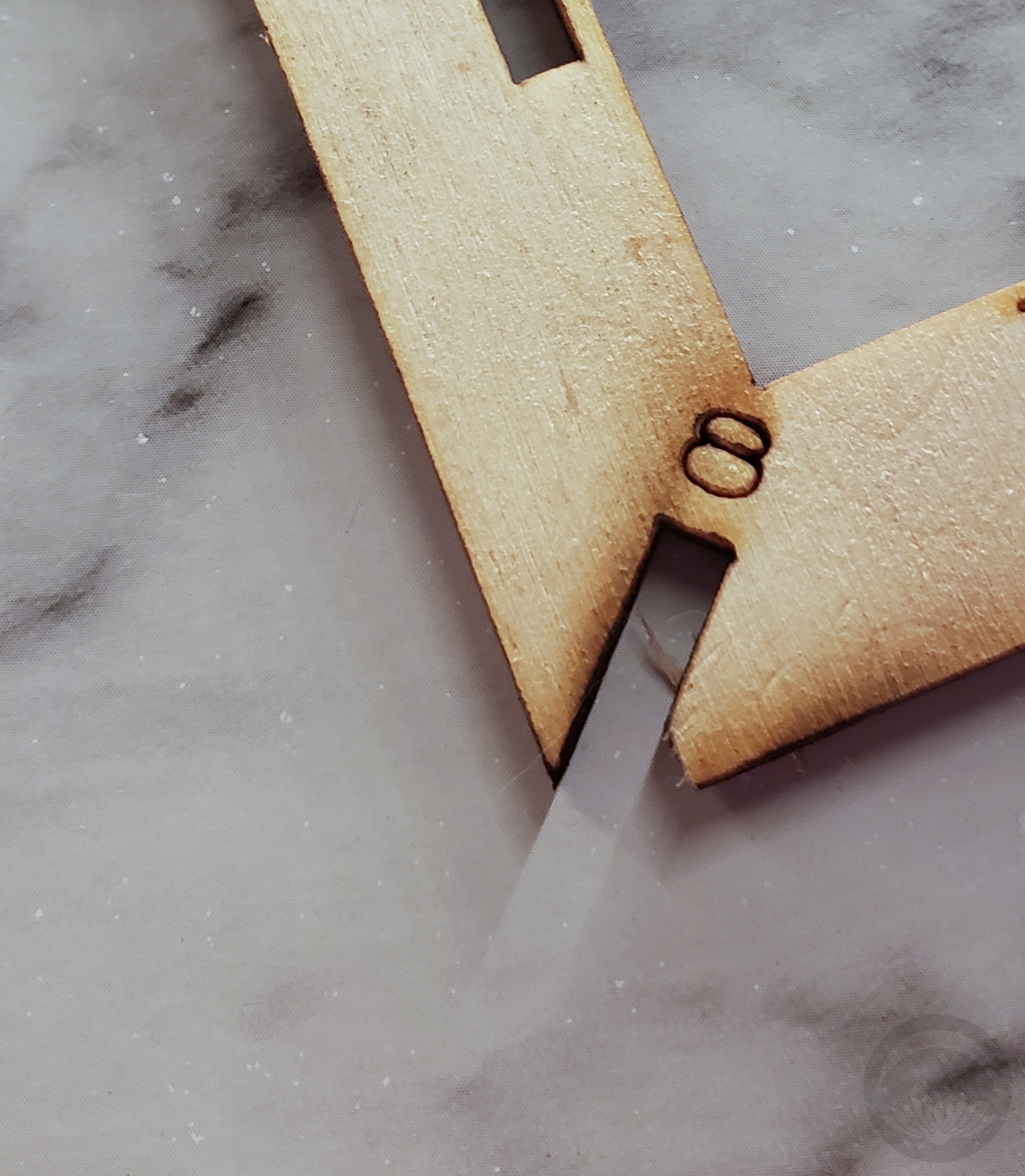
One Man, One Garage creates laser-cut wood craft kits. All you have to do is carefully pop the pieces out of each board and assemble them, following the numbers etched into each piece. Instructions are provided online, but I honestly didn’t need them. This kit, despite looking incredibly intricate when complete, was very intuitive and smartly-designed. While not all the designs in this shop are Japanese in nature, this pagoda lantern caught my eye immediately and I knew I wanted to share it with you! Look how beautiful it is once it’s all lit up! The shop says it’s safe to use a tealight candle, but I’ve used an LED one here just in case.

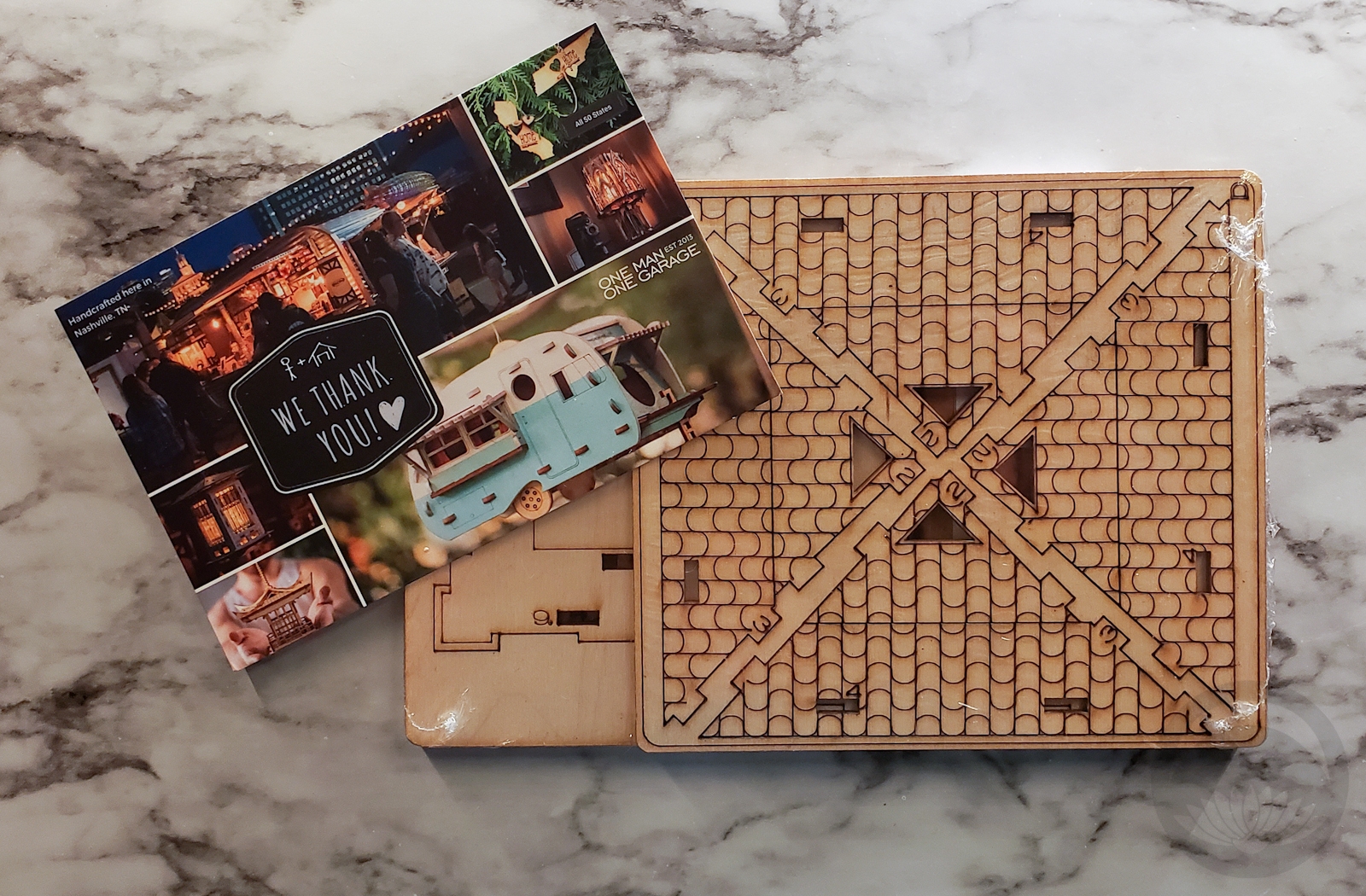
It arrived tightly sealed, which helped keep all the pieces snug. This way there’s no risk of breakage. There was also a sweet little hand-signed postcard included, which is a personal touch that I really love when dealing with small artisan shops like this.


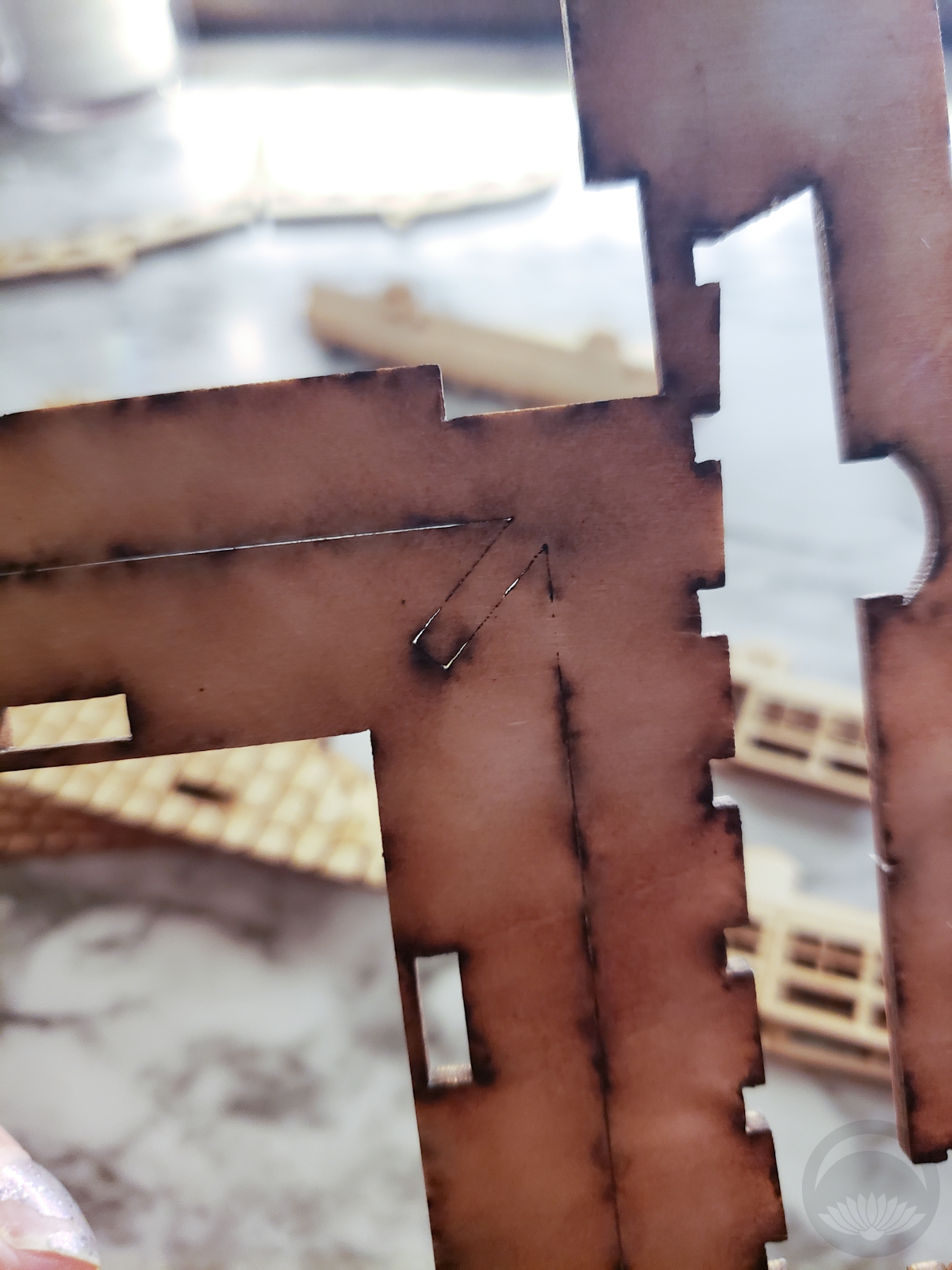
The only flaw I found in the kit was a very minor one, and I suspect a one-off issue. One of the laser cuts didn’t seem to have gone fully through the wood, which resulted in a bit of difficulty removing a piece. A tiny fragment broke off one end, but it wasn’t enough to impede assembly and it’s not even visible now that it’s all put together. I’m sure if I had contacted the shop they would have worked with me to sort it out, but it was such a tiny problem that I didn’t feel like it was worth bringing up. I just wanted to mention it here in the interest of being thorough.

Overall, this was a very fun, quick, and relaxing little craft. I love how it looks with the light in it, and I’m definitely going to be buying the Zen Garden kit (how utterly adorable is the little maneki neko?!) once I’m back at work and have some cash to spare. 🙂

 I purchased this item myself and chose to review it. 

Nugoo Tenugui – A stylish and affordable alternative to han-eri

Most folks who collect and love kimono already know the merits of a good han-eri, or decorative under-collar. Not only do they protect the collar of your juban from dirt, sweat, and makeup, they’re a fantastic way to add a bit more detail and individuality to most outfits. While very formal outfits such as a full mofuku ensemble or a kurotomesode ensemble require plain white han-eri, more youthful or casual coordinations can have all manner of fun ones. Typically, they’re silk or polyester

One thing you may not be aware of, though, is that tenugui (traditional Japanese cotton towels) can make excellent han-eri that are bold, fun, breathable, and washable! Today I’m working Nugoo Japan to show you how well some of their all-over motif cotton tenugui work with traditional kimono ensembles.

They were kind enough to send me three different examples, I let them choose ones that would be a good representation of their products and they’re all really gorgeous and work so well!

They sent me three different motifs that work perfectly for this particular usage, since the patterns are bold and evenly distributed across the whole tenugui. First, the small blue asanoha. Asanoha, or hemp leaf, is one of my favourite geometric designs, and this one will definitely be getting a ton of use. The next one they sent was a beautiful traditional indigo suisen or narcissus. This one is big and bold and adds a ton of drama to a casual outfit. Sadly, the particular tonbo motif they sent me has been discontinued, but there are some lovely alternatives. I can’t wait to pair this one with my tonbo summer kimono.

First, we have a plain white collar; not only is it boring, it’s a little discoloured with age and use. Not stylish at all! Then we have the tenugui carefully folded over the juban collar, and you can see how much more fun and distinctive the coordinations become with this one small change!

The only warning or caveat I have is that these are hand-dyed using traditional dyes, and when you first get them they may not be entirely colourfast. The indigo suisen one stained my nails slightly as I was arranging it, so I imagine after a long hot day of wear the pigment could absolutely transfer onto your kimono or juban. If you plan to use one of Nugoo Japan’s beautiful indigo tenugui (or any naturally dyed fabric) as han-eri, I would absolutely suggest washing them a few times first!

Please check out Nugoo Japan on their website, facebook, and instagram. Along with traditional tenugui they also have lots of lovely items and home goods made from them, such as coin purses and bento products.

 I received this item from the retailer or manufacturer for honest review purposes.If you have a topically appropriate craft, product, or service you would like me to review, please contact me. 

Picrew.me Kimono Avatar Creators

If you’ve spent any time on any large social media platform lately, odds are you’ve seen avatars made using the Picrew.me site. It’s an enormous repository of avatar creators that started in Japan but has since spread worldwide. No matter what kind of avatar you want to create, you can find something for it.

However, it is quite large and a bit overwhelming to browse, especially since the interface and a lot of the creators are all in Japanese. Fear not though, I’ve gone through and found all of the best kimono-themed ones for you to play with, and a few little extras at the bottom!

How to use Picrew.me

If you’re new to Picrew and feeling overwhelmed by all the Japanese text and buttons, don’t fret! The interface is very straightforward, and here’s a little mini-tutorial that will hopefully help you out.

  • 1. Confirm/begin your avatar
  • 2. Scroll through here to see all the options to customise
  • 3. Choose item colour (if applicable – this one isn’t always available)
  • 4. Choose item style
  • 5. Save/complete your avatar
  • 6. Randomise – The first pink button randomises all features, the second pink button randomises the feature you’ve currently selected. The grey button at the bottom cancels all randomisation, the yellow button at the top confirms them.

For organisational purposes, I’ve separated these into female avatars, male avatars, and other things. I realise this gendering isn’t ideal, but the list got overwhelming without it. However, I do encourage you to use whichever avatar creator you like best!

Female Avatars

[wptb id=11268]

Male Avatars

[wptb id=11270]

Other

[wptb id=11272]

I hope you had tons of fun playing with these amazing kimono avatar creators! I would love to see what you make with them. 💖